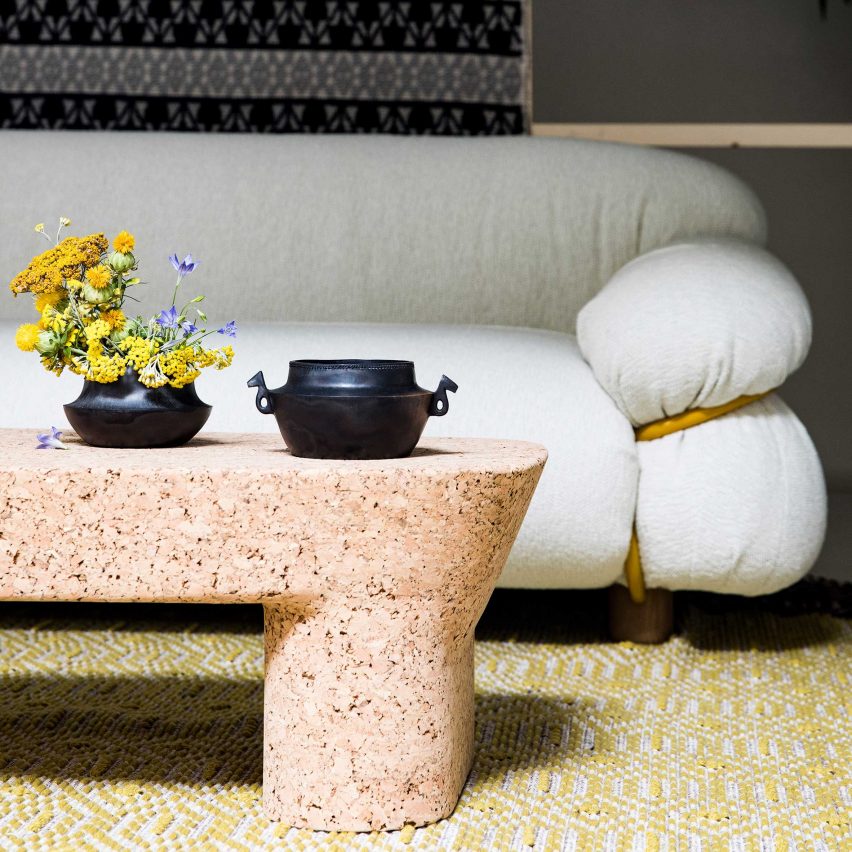
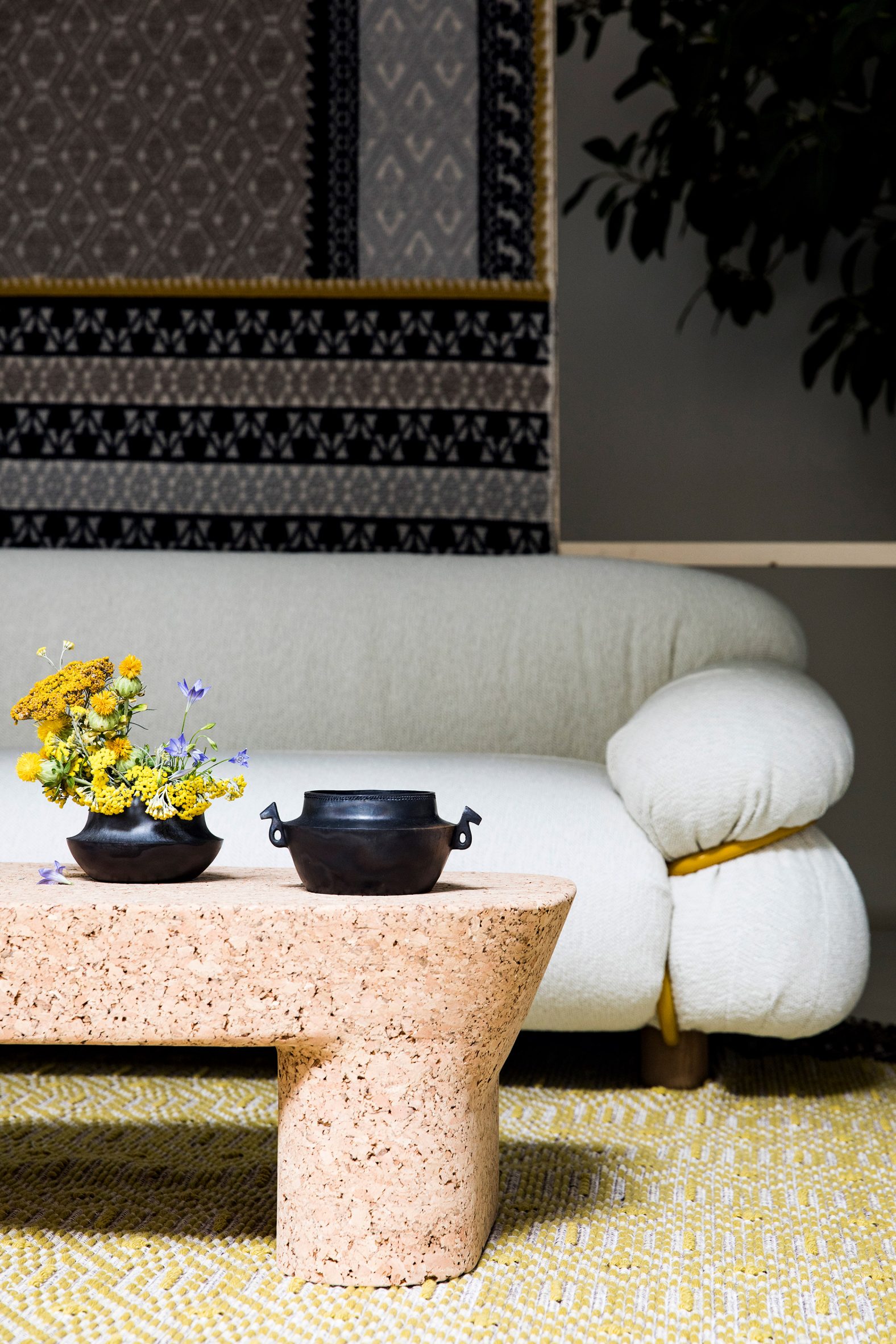
Dezeen Showroom: designed by Maddalena Casadei for Pretziada, the Accanta tables are carved from Sardinian cork and based on a type of furniture traditional to the region.
Accanta is a trio of small tables that reference a traditional stool with a cork bark seat that Casadei observed in Sardinia.
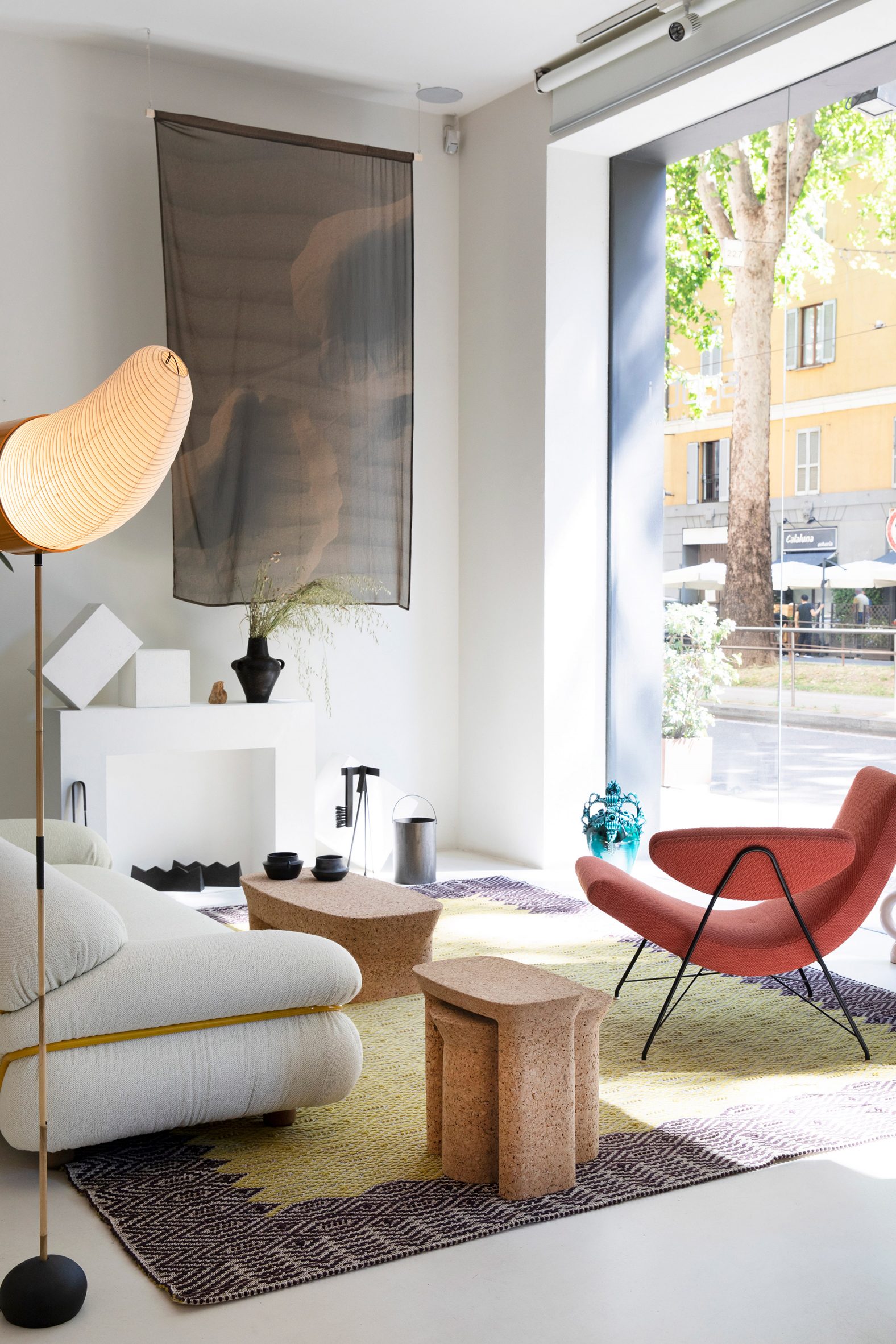
The Accanta Reading table is the largest in the series
The traditional stools are lightweight, durable and versatile. They would often be carried by people taking sheep out to pasture or picking olives.
Casadei's versions are pressed and carved entirely from Sardinian cork, which is left completely natural with no varnish or lacquer.
All three tables are carved from cork that's left unvarnished
"Cork is a material that has always fascinated me because it is part of the Mediterranean and especially Sardinian culture," said Casadei. "Cork oak is essential for the local ecosystem and its processing does not harm plants, animals or humans."
Accanta comes in three sizes: a larger reading table and a smaller teacup table and magazine table.
The tables are made in collaboration with the family-run workshop Falegnameria Pisu, which created the dense waste cork blocks used for Accanta.
About Dezeen Showroom:Dezeen Showroom offers an affordable space for brands to launch new products and showcase their designers and projects to Dezeen's huge global audience. For more details email showroom@dezeen.com.
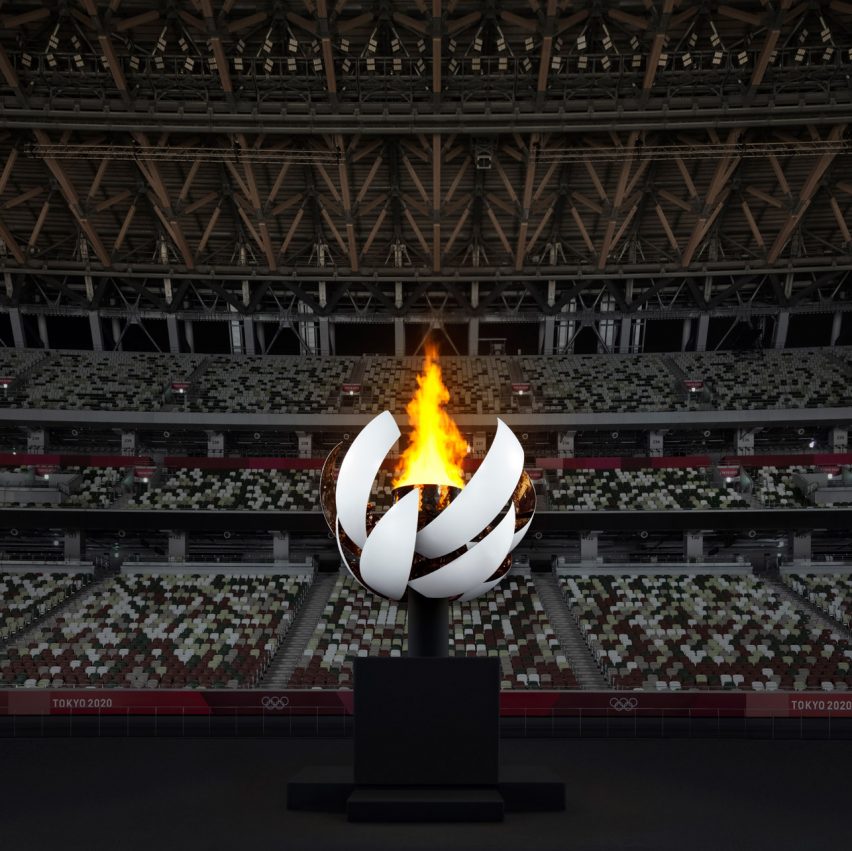
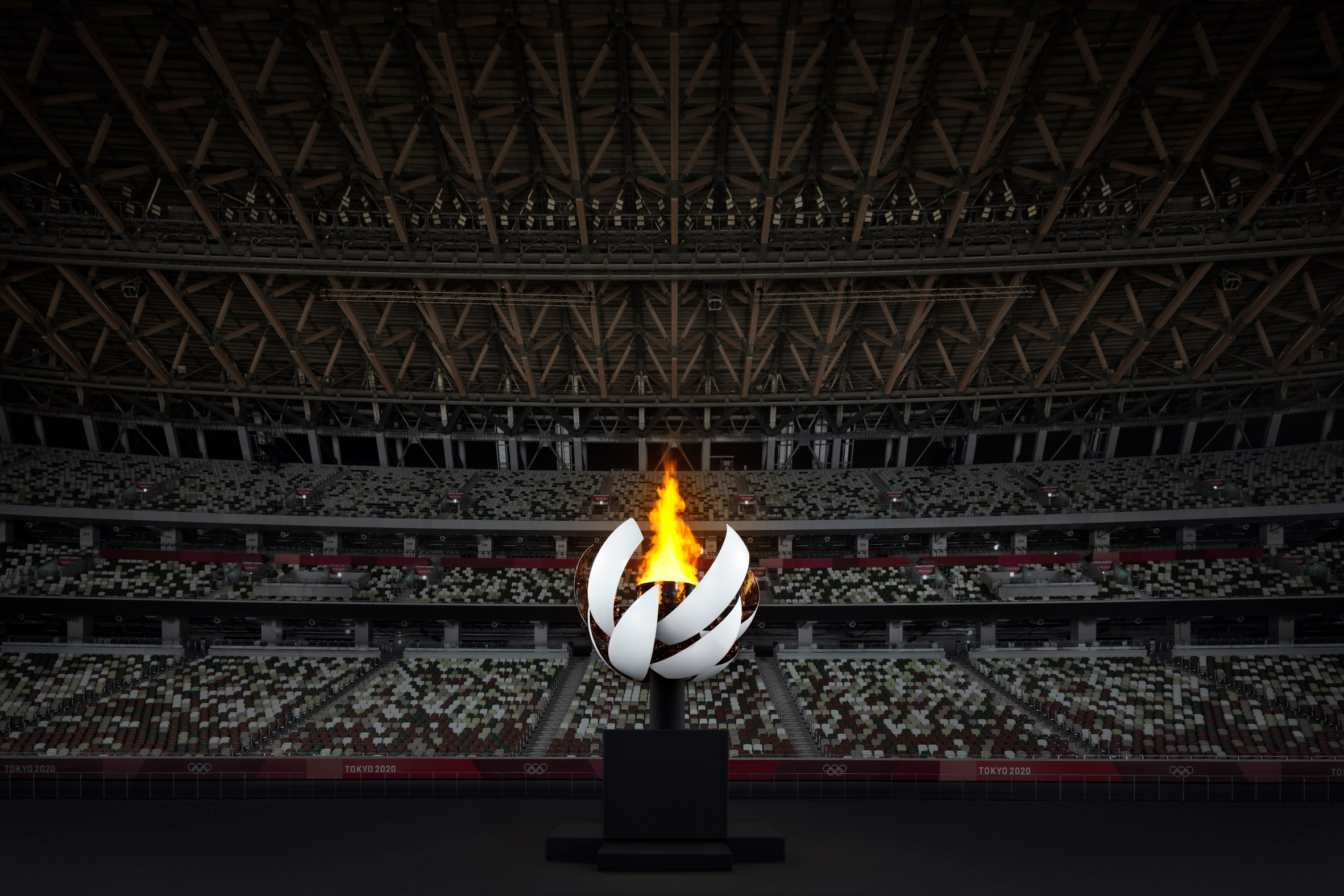
Japanese design studio Nendo's spherical cauldron, which opened to hold the Olympic flame, was the centrepiece of the Tokyo 2020 Olympics opening ceremony.
The dynamic, white structure was designed by Nendo founder Oki Sato to align with the opening ceremony's concept of "All gather under the sun, all are equal, and all receive energy".
Nendo designed the cauldron for the Tokyo 2020 Olympics
Informed by the shape of the sun, the spherical form was made from ten aluminium panels with reflective interiors.
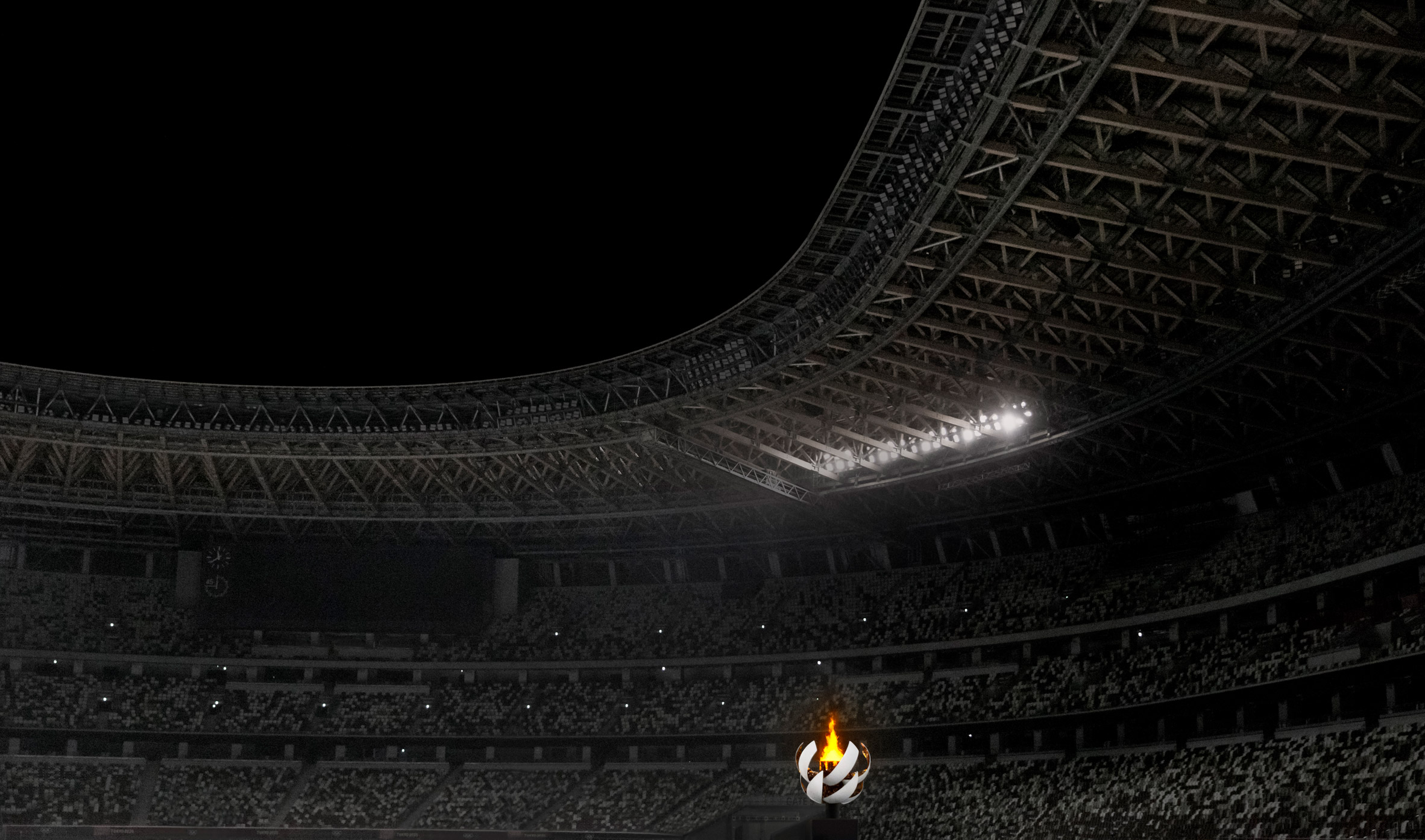
At the finale of the opening ceremony within the Kengo Kuma-designed Tokyo National Stadium these panels opened to reveal the Olympic torch, which was lit by Japanese tennis player Naomi Osaka.
The cauldron has a spherical shape
"At the end of the opening ceremony of the Olympic Games, the cauldron 'blooms' to welcome the final torchbearer," said Nendo.
"This expresses not only the sun itself, but also the energy and vitality that can be obtained from it, such as plants sprouting, flowers blooming, and hands opening wide toward the sky."
The flame is the first at the Olympics to burn hydrogen. The hydrogen was created through the electrolysis of water using solar power at a facility in Japan's Fukushima Prefecture in the west of the country.
Unlike propane, which has been used as the fuel for previous Olympic flames, hydrogen burns with an invisible, colourless flame.
It was lit within the Tokyo National Stadium during the games' opening ceremony
To create the visible, yellow flame sodium carbonate was sprayed into the hydrogen.
"The amount and direction of the aqueous solution sprayed from the vicinity of the burner were repeatedly examined along with the amount of hydrogen and the angle of the valve," said Nendo.
"[We] adjusted the movement and shape of the flame to shimmer like firewood was stoked; such an attempt to 'design flames' was unprecedented."
The Olympic podiums and medals have been made from recycled materials and the majority of venues that will host events already existed, including several venues built for the previous games in 1964.
Running from 1 to 19 November, the three-week digital festival will see manifestos presented each day for 15 days at a special microsite at www.dezeen.com/15.
"Dezeen turns 15 this year but rather than celebrate what we've already done, we want to look ahead and see what's possible over the next 15 years," said Dezeen founder and editor-in-chief Marcus Fairs.
"The world is facing so many challenges but we believe that architects and designers have so much to offer in terms of solutions," he continued.
"So we've selected 15 incredible creatives and ask them to propose an idea that could make the world a better place over the coming decade and a half."
Dezeen has commissioned an eclectic list of contributors for the project, with internationally famous figures working alongside emerging and fast-rising creatives.
Each contributor will get a day dedicated to them during the event, during which they will guest edit Dezeen and share the vision behind their manifesto in a live video interview.
The 15 creatives who will participate in Dezeen 15 are, in alphabetical order:
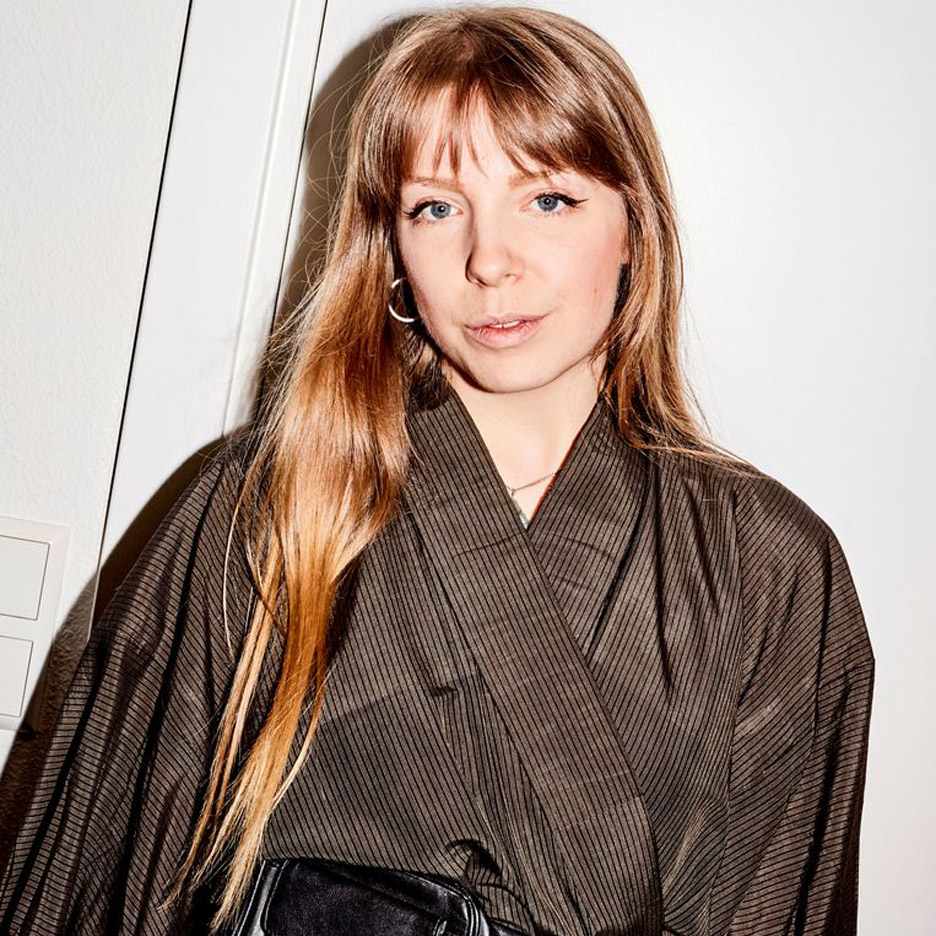
Amber Slooten
Amber Jae Slooten is the co-founder of the digital fashion house The Fabricant, which she established in 2018 with Kerry Murphy to create clothes that only exist in digital spaces.
She studied at Amsterdam Fashion Institute and became the first-ever fashion student to graduate with an entirely digital collection.
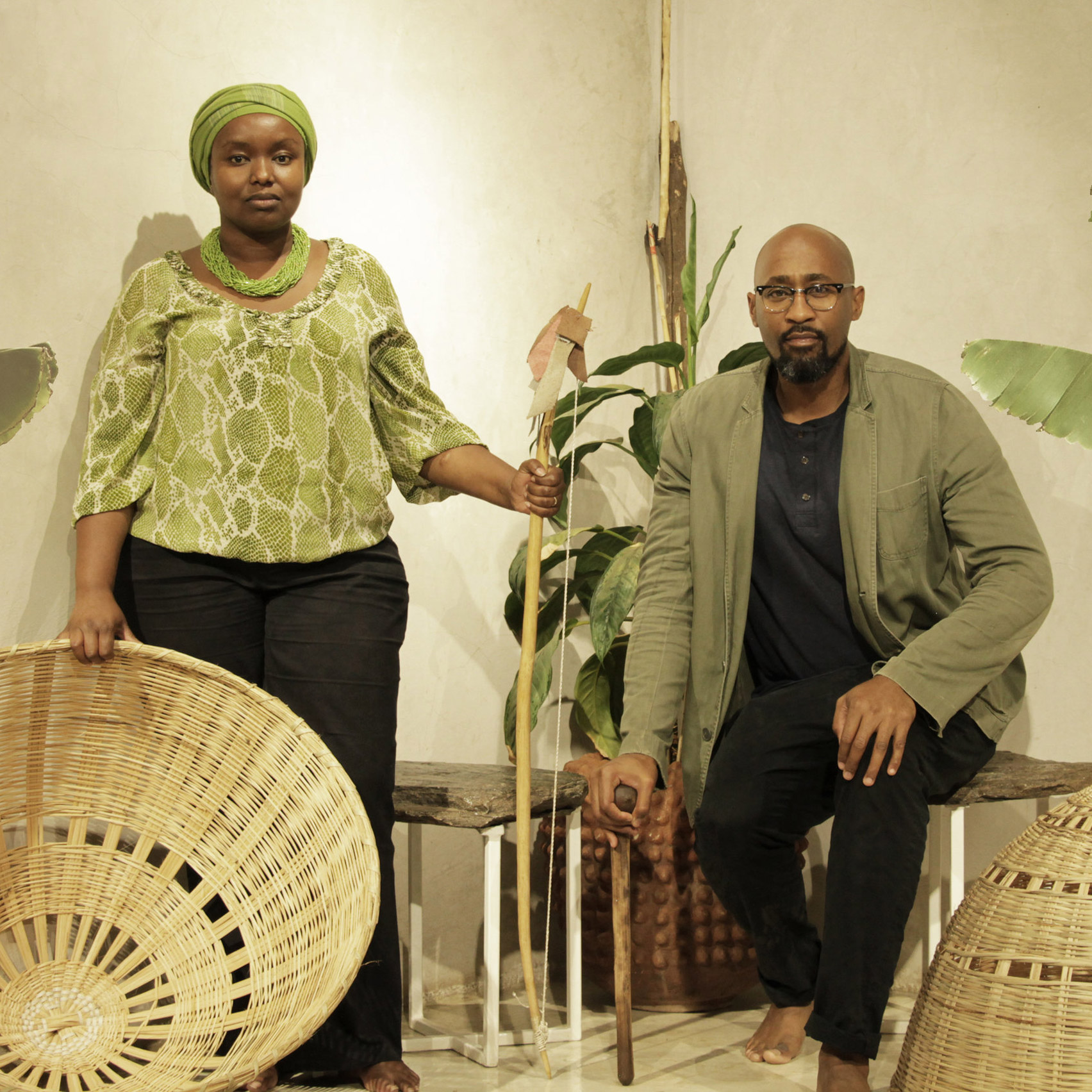
Cave_bureau is a Nairobi-based architecture and research practice. It was founded by architects and "spelunkers" Stella Mutegi and Kabage Karanja in 2014 to lead geological and anthropological investigations into architecture and nature.
It is currently presenting an installation called Obsidian Rain in the dome of the Central Pavilion in the Giardini at the Venice Architecture Biennale.
Es Devlin is a British set designer, artist and director best known for creating large-scale performance environments for the likes of Beyoncé, Kanye West and U2.
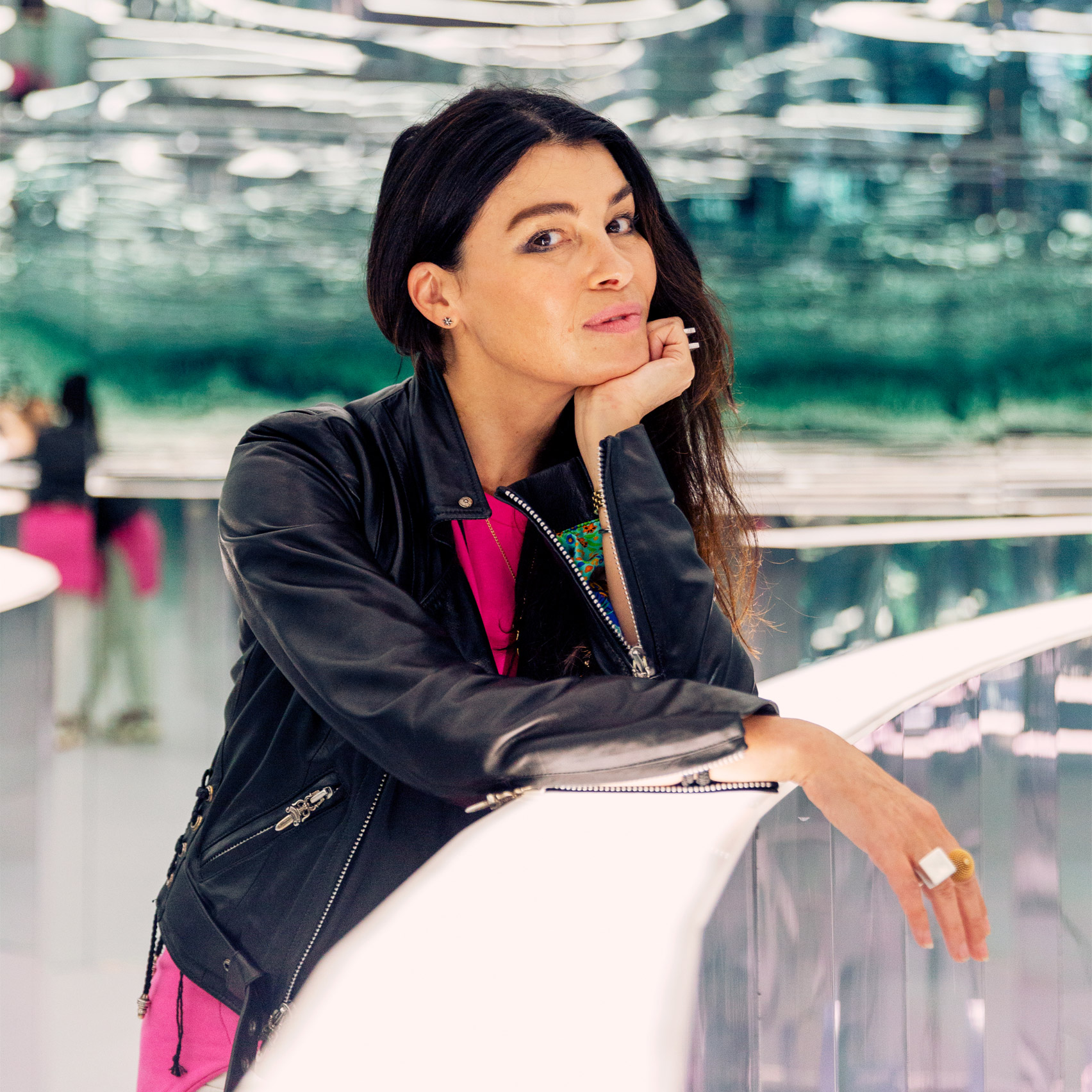
Interdisciplinary designer Sarti is the founder and creative director of the experimental food design studio Arabeschi di Latte. She established the Italian studio in 2001 to blur the boundaries between design, architecture, art and food.
Her work takes the form of exhibition curation and set design through to interior architecture, art direction and styling.
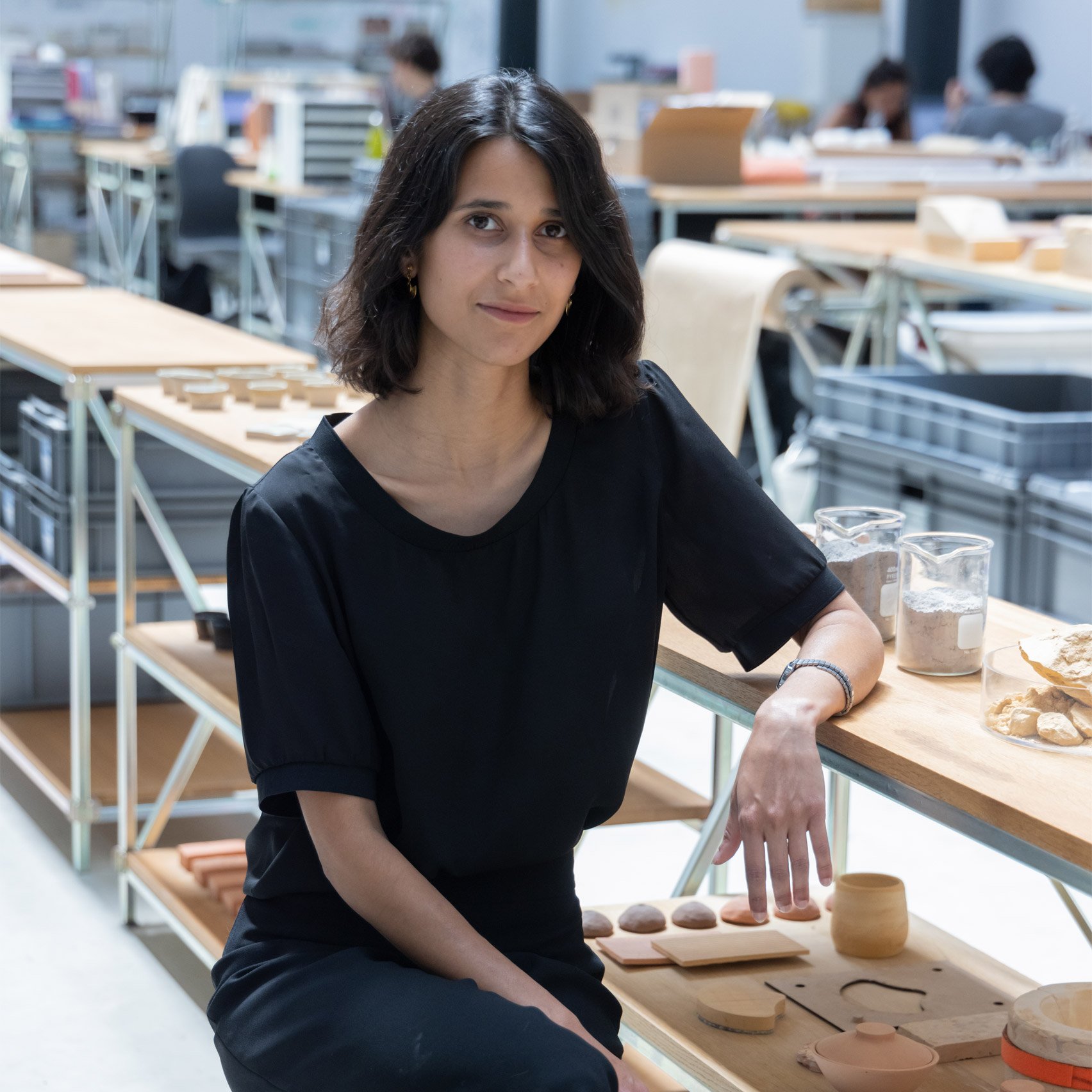
Jalila Essaïdi is a Dutch artist and inventor based in Eindhoven. She specialises in designing with bio-based materials such as recycled cow dung, which she used to create a fashion collection that explored how to turn waste into valuable products.
She is also the CEO of biotech company Inspidere BV and founder of the BioArt Laboratories arts foundation in Eindhoven that provides entrepreneurs access to a biotech laboratory.
Natsai Audrey Chieza is founder and CEO at Faber Futures, a design agency that explores the intersection between design and biotechnology. Her work focuses on biofabrication and examines how natural processes such as microbial action can be harnessed to create sustainable products.
Neri Oxman is an American–Israeli architect and designer. She is the founder and a former professor at The Mediated Matter Group at MIT. She now has her own studio in New York City.
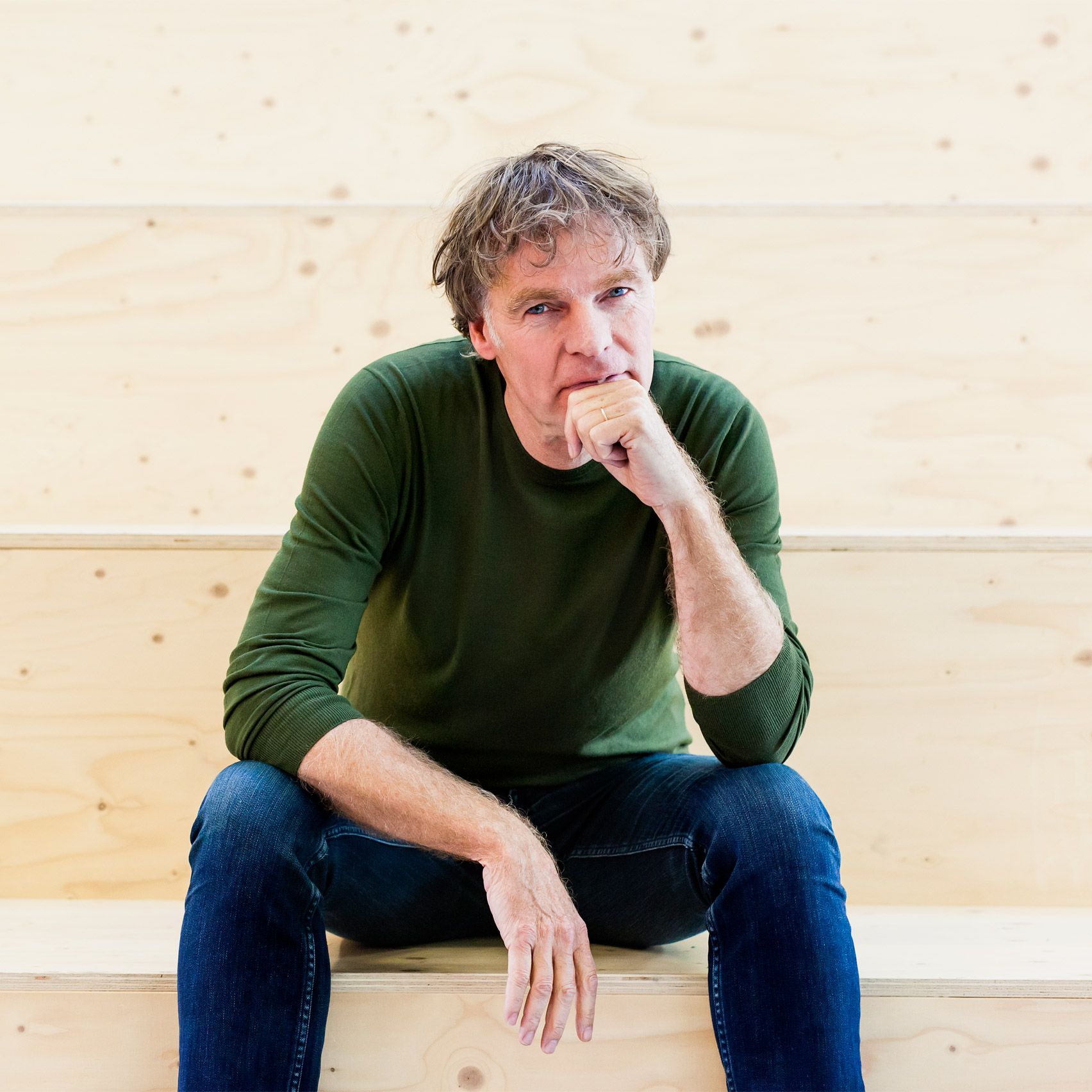
Dutch architect Winy Maas is co-founder and director of Rotterdam studio MVRDV and head of The Why Factory, a research laboratory and think tank he co-founded with the Faculty of Architecture of the Delft University of Technology.
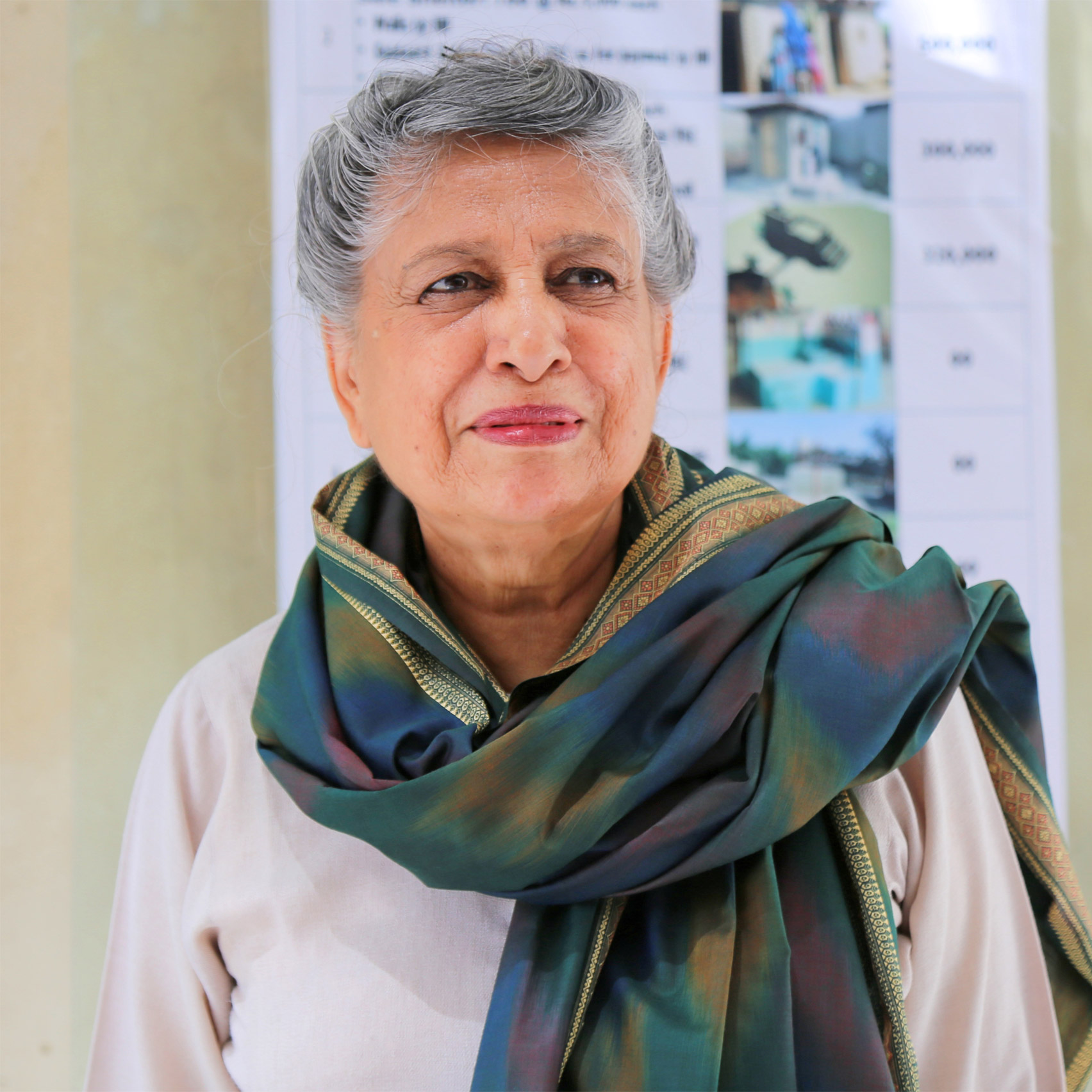
Yasmeen Lari was the first Pakistani woman to qualify as an architect. Though she closed her practice in 2000, she continues to advocate "barefoot social architecture" and has built thousands of low-cost homes through the Heritage Foundation of Pakistan, a non-profit organisation she cofounded.
London design and film studio Superflux was founded by Anab Jain and Jon Ardern in 2009 to explore technology, politics, culture and the environment. Its work is currently on show at both the Venice Architecture Biennale and the Vienna Biennale.
It was one of the first studios to imagine drones being used in cities for surveillance, traffic control and advertising in a project called Drone Aviary, which was exhibited at the Victoria and Albert Museum.
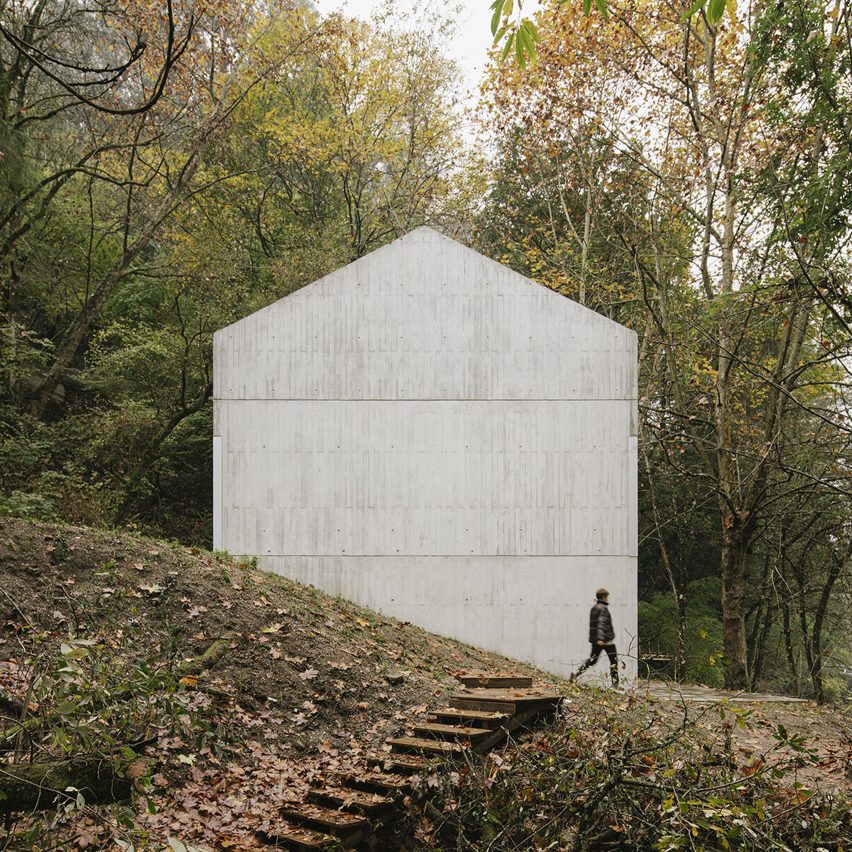
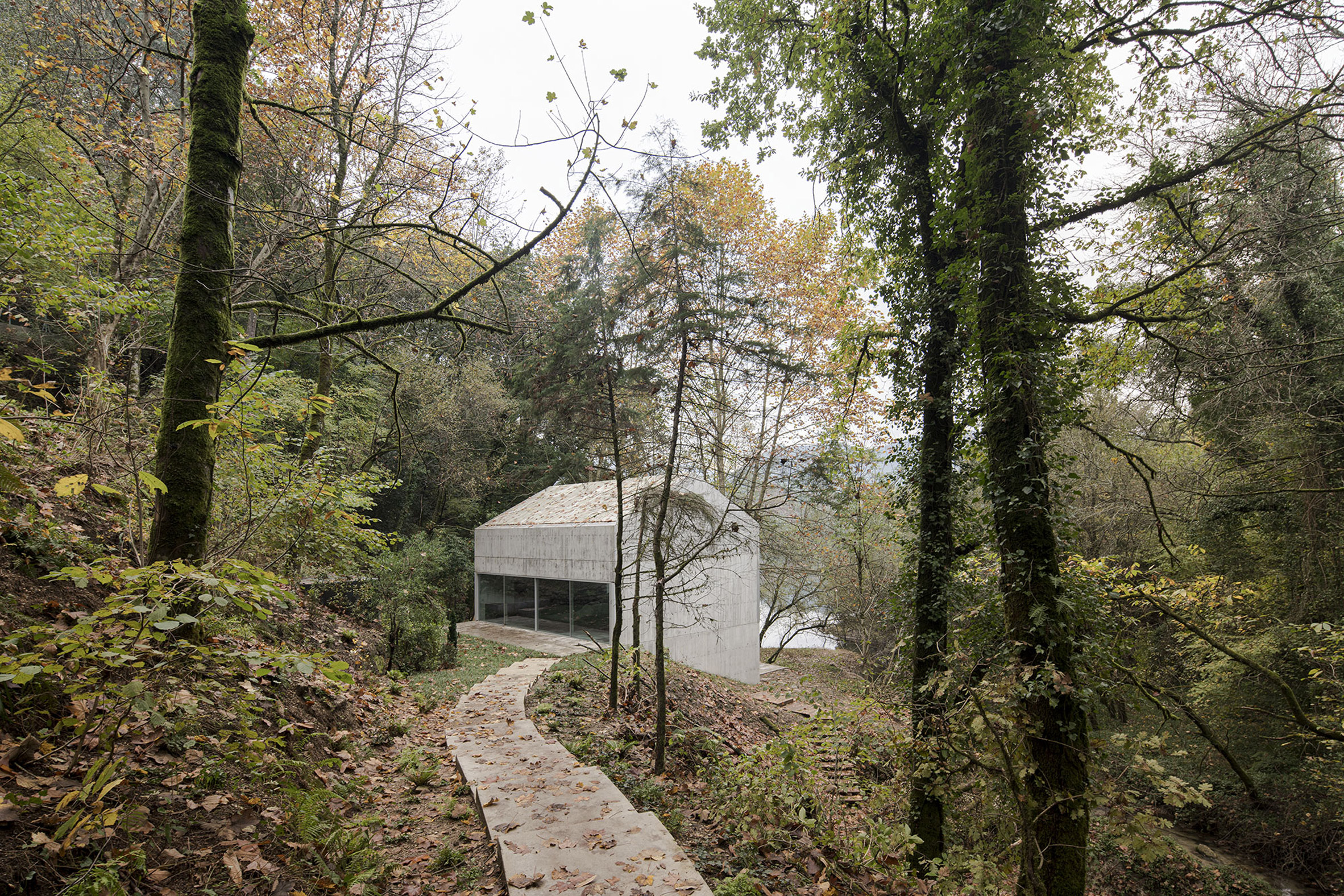
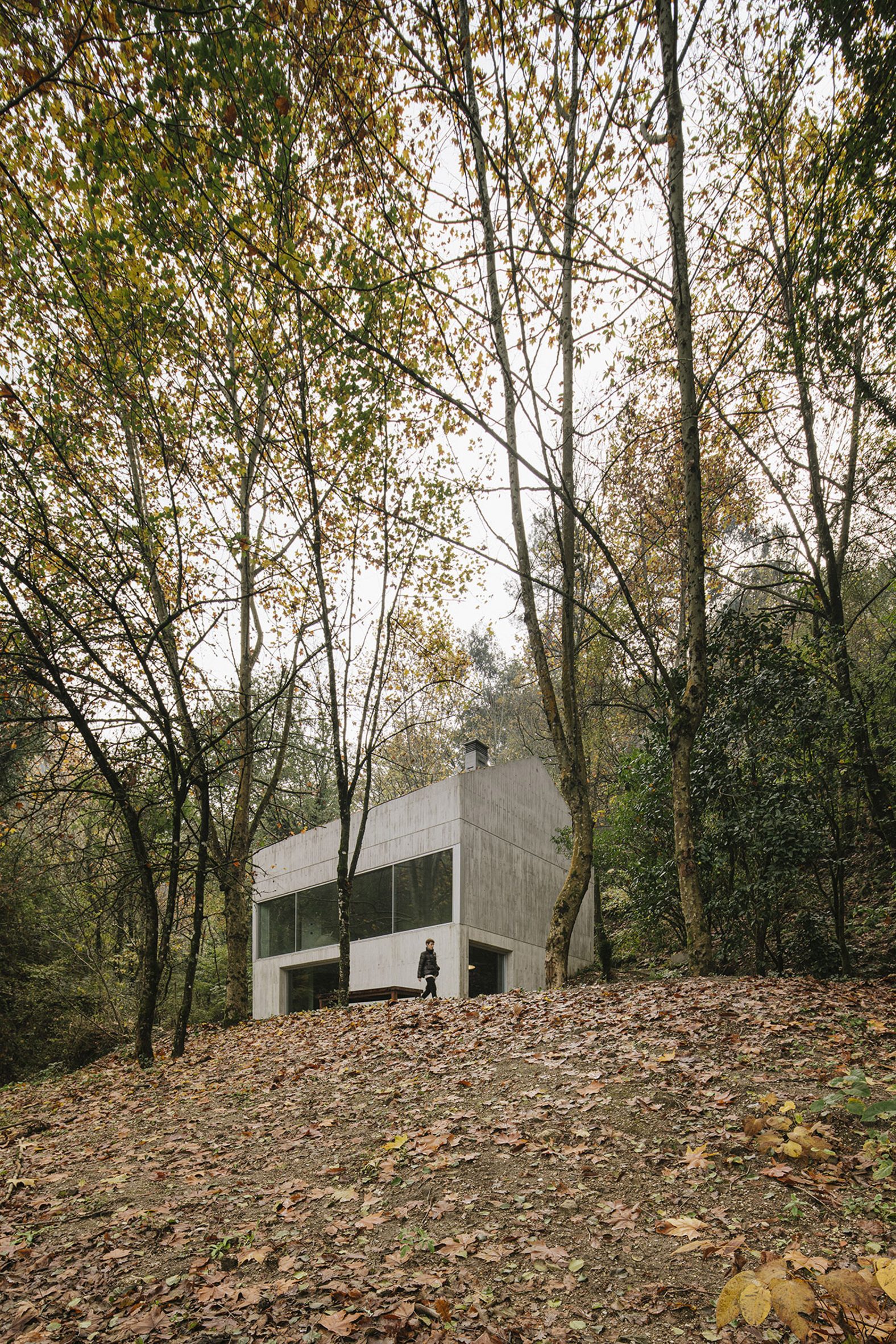
Located in Vieira do Minho in the district of Braga, Casa na Caniçada is a second home built on a densely wooded 0.75-acre site next to the Caniçada reservoir.
Top: the front and rear of the home are surrounded by paved areas. Above: the home was built on sloping terrain
An existing building of poor design and construction quality was removed to make way for the three-storey house designed by local office Carvalho Araújo.
The original building's volume informed the scale and proportions of the new house, which was designed to accommodate the typical spaces required for single-family living.
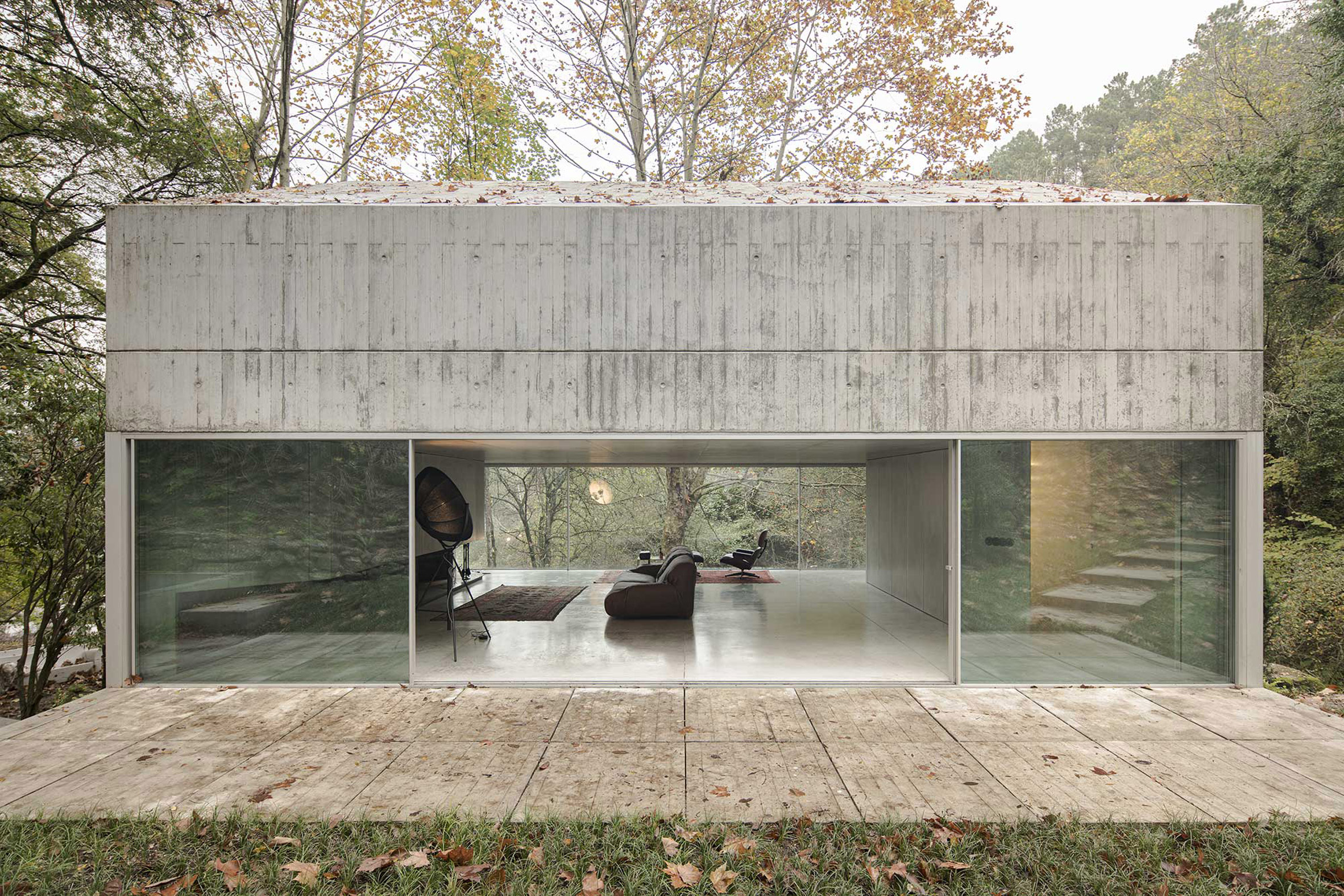
Glazed walls line the ground level
The programme is arranged with the bedrooms on the upper floor and social areas including the kitchen, dining area and living room spread across the lower levels.
Due to the sloping site, the bottom level is partly embedded in the hillside. This space containing the kitchen and dining area features large openings on two sides that connect it visually with the forest.
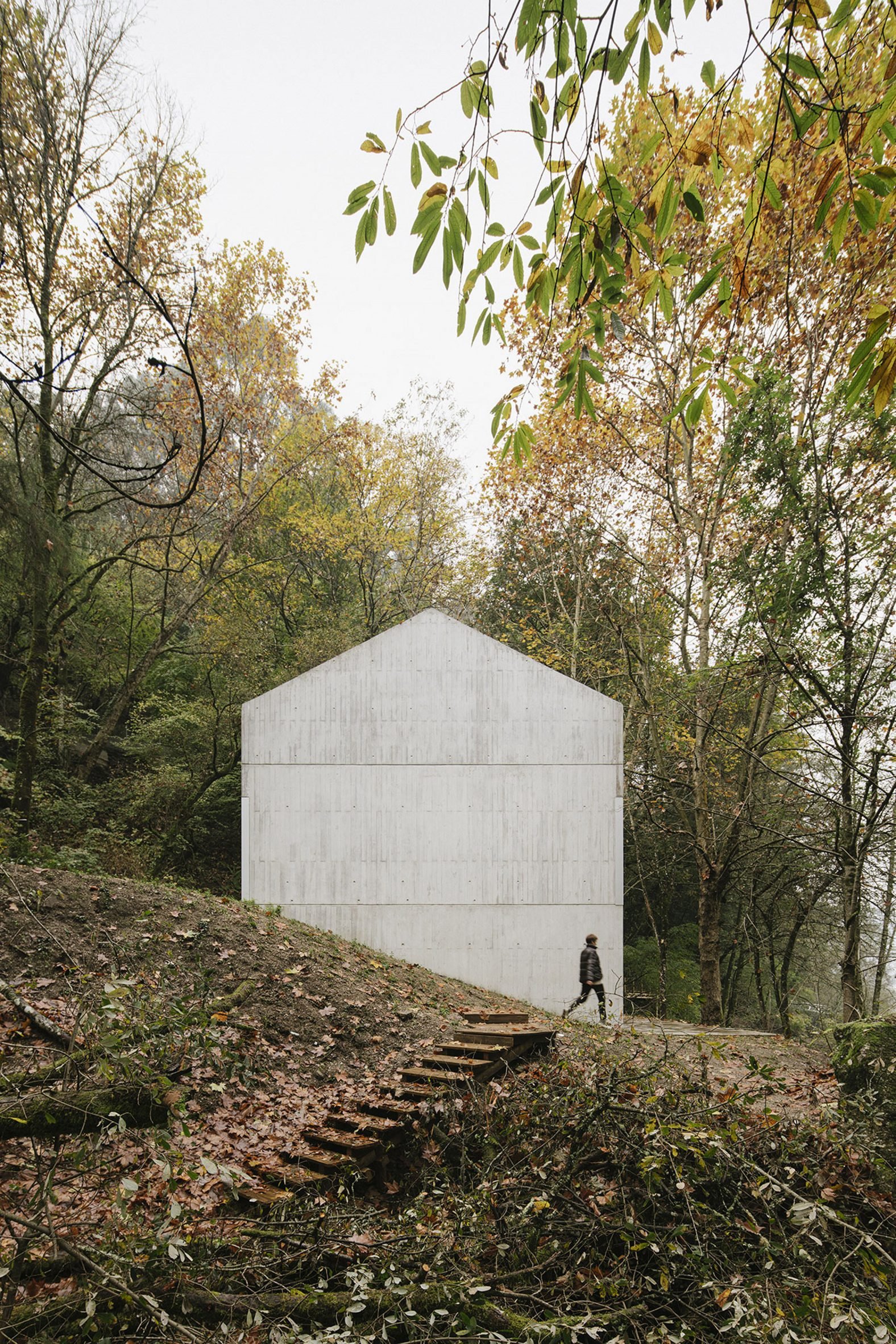
The house has a gabled roof
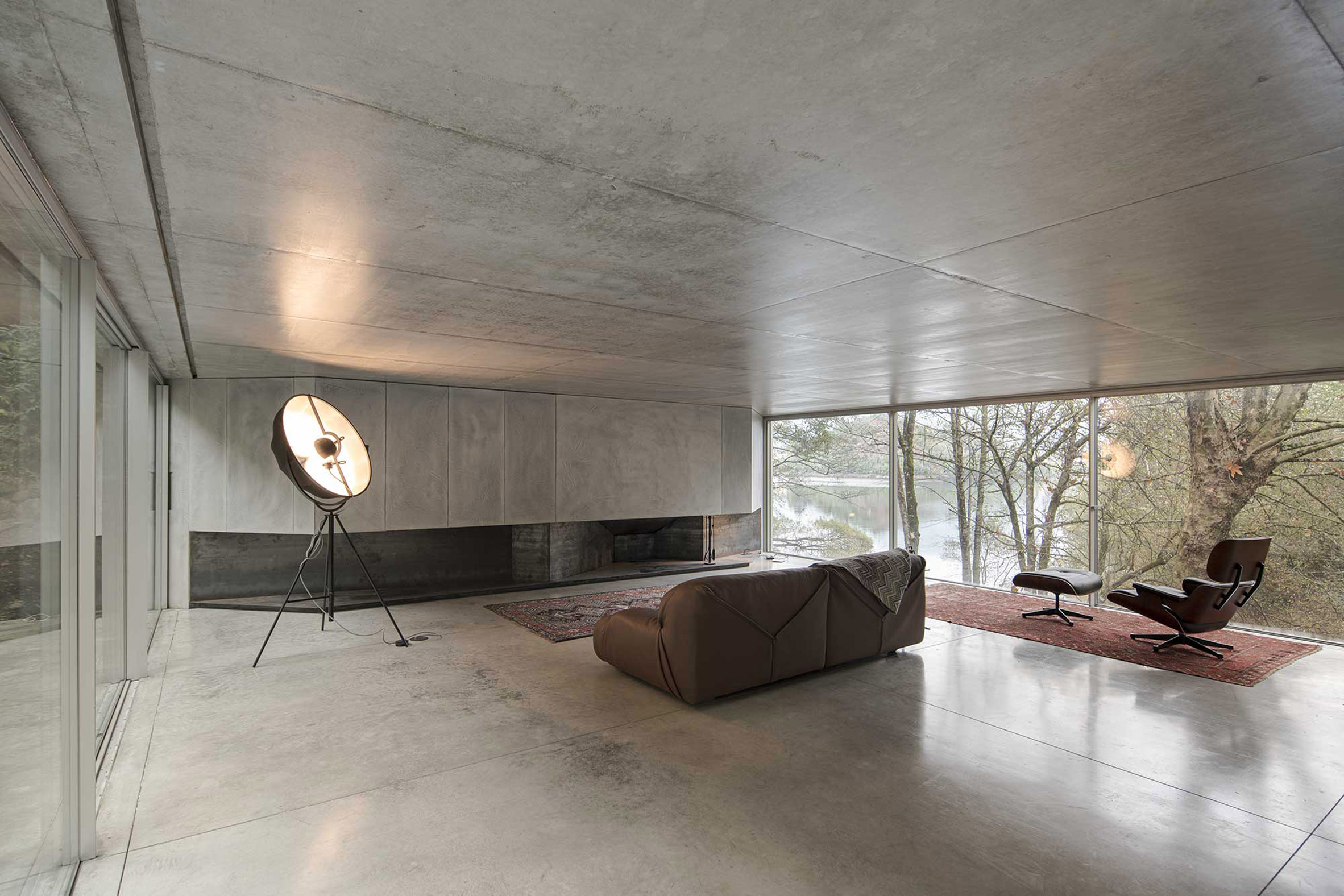
The house is entered on the middle floor, which is lined on opposite sides by full-height windows. The opening containing the entrance looks onto the hillside, while the other side frames a view towards the reservoir.
"The landscape and the place are the essence of this project," architect Joana Nunes told Dezeen. "Simple solutions were sought in terms of spaces and materials to achieve what is difficult to define or explain... It's something you live and feel."
The home is surrounded by woodlands
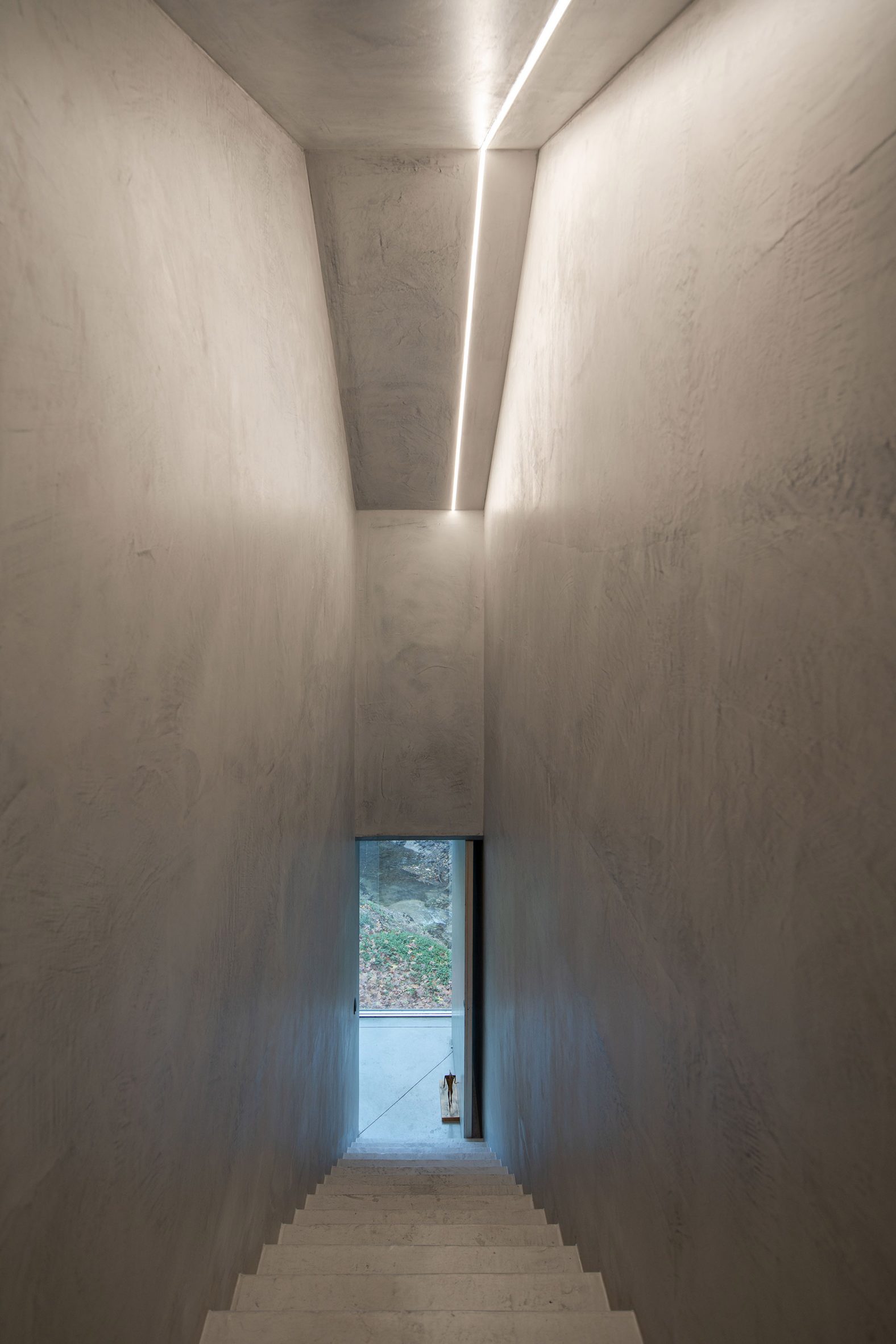
The entirely open-plan living space contains a large hearth at one end, with staircases at the opposite end connecting this floor with the upper and lower levels.
The building features a simple gabled form and is constructed entirely from raw, exposed concrete. The resulting bunker-like structure extends the sense of protection offered by the natural surroundings.
"The choice of concrete reinforces the notion of freedom that was sought in the definition of the programme, allowing the creation of wider spaces," Nunes said.
"Simultaneously, it is a material that opposes this notion of freedom due to its rigour and austerity in construction. It is a material that does not need maintenance, that ages with dignity and easily camouflages itself in the landscape."
The ground floor contains living spaces
Externally, the poured layers of concrete add subtle texture to the monolithic elevations, while landscaping that includes staggered concrete stairs complements the main structure.
Inside the house, the concrete walls, floors and ceilings are polished to create smooth surfaces that reflect both natural and artificial light and help to brighten the spaces.
Concrete covers the walls, floors and ceiling of the interior
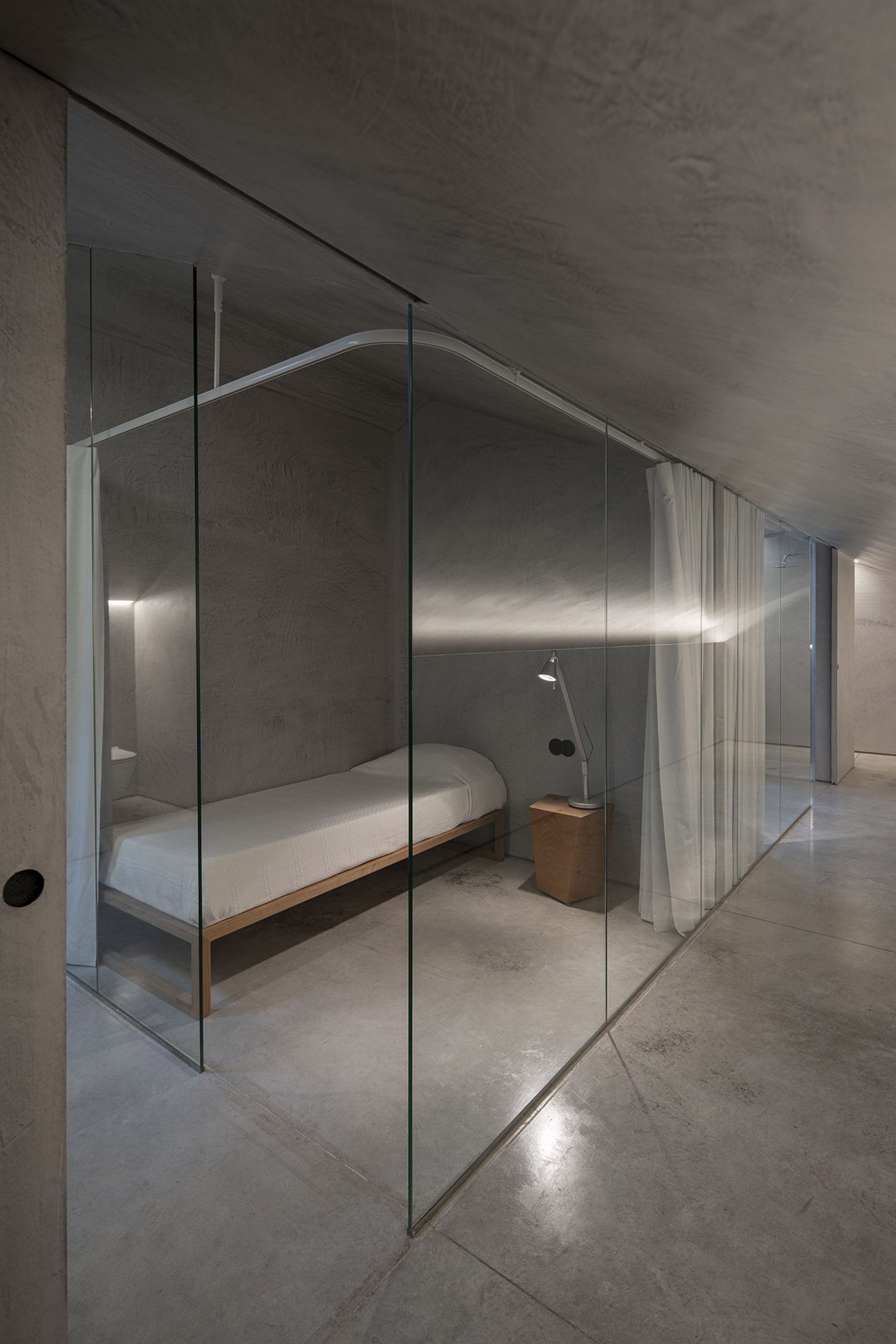
On the upper floor beneath the slanted roof, four beds are arranged towards the centre of the space, with toilets and small shower rooms located at either end.
Glass walls lined with curtains provide some privacy for the bedrooms whilst retaining the sense of a large, communal sleeping area.
Glass divides different sleeping spaces on the top level
José Manuel Carvalho Araújo founded his eponymous studio in Braga in 1996, followed by a second office in Sao Paulo, Brazil, in 2013. The multidisciplinary firm works across architecture, interior design, product design and branding projects.
The agency has previously completed a concrete house with a rooftop pool that looks onto the Serra d'Arga mountains, and a rural residence house comprising a concrete structure and timber roof form separated by a horizontal band of glazing.
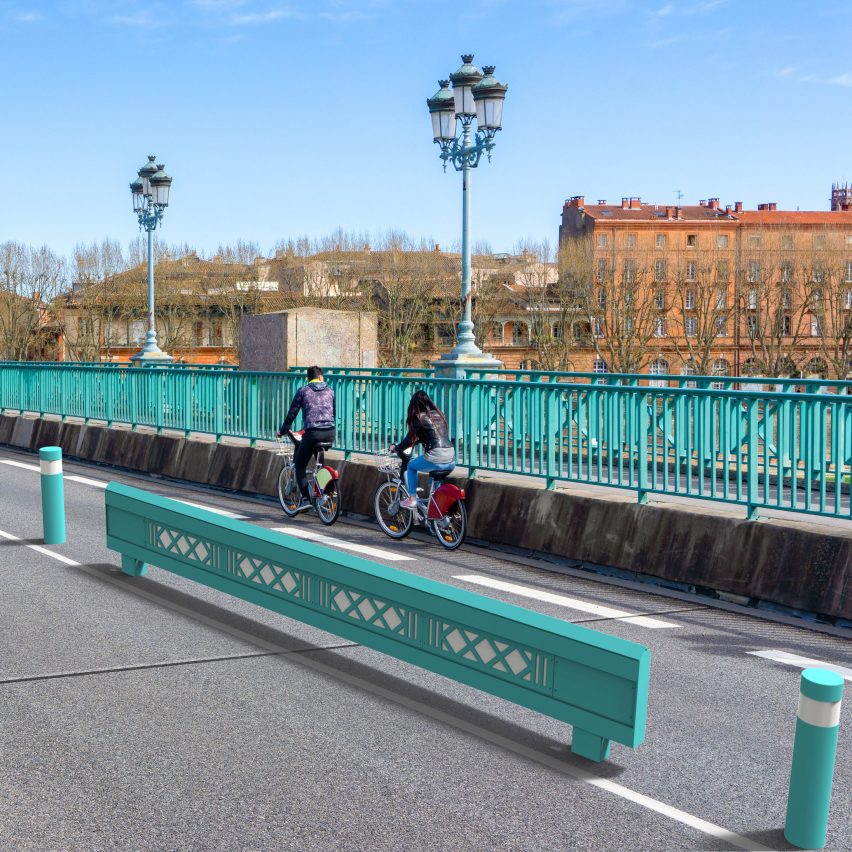
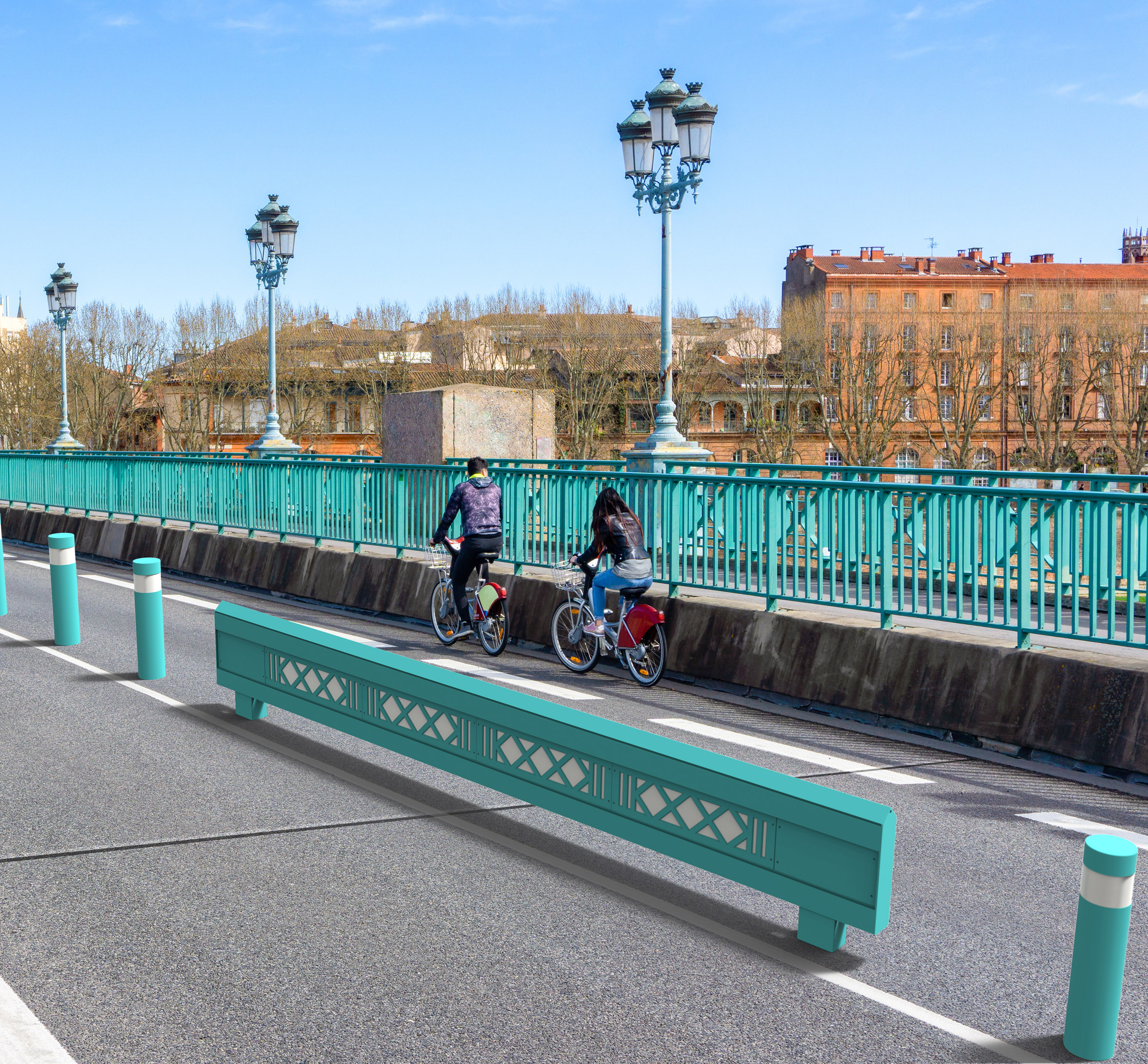
Dezeen promotion: Marshalls Landscape Protection's RhinoGuard decorative and protective street furniture, including planters and seating, has been crash-tested to the latest standards in Hostile Vehicle Mitigation to help create safe outdoor spaces without sacrificing design.
UK-based Marshalls Landscape Protection has a wide selection of products that can be used to ensure safety while blending in with the existing landscape.
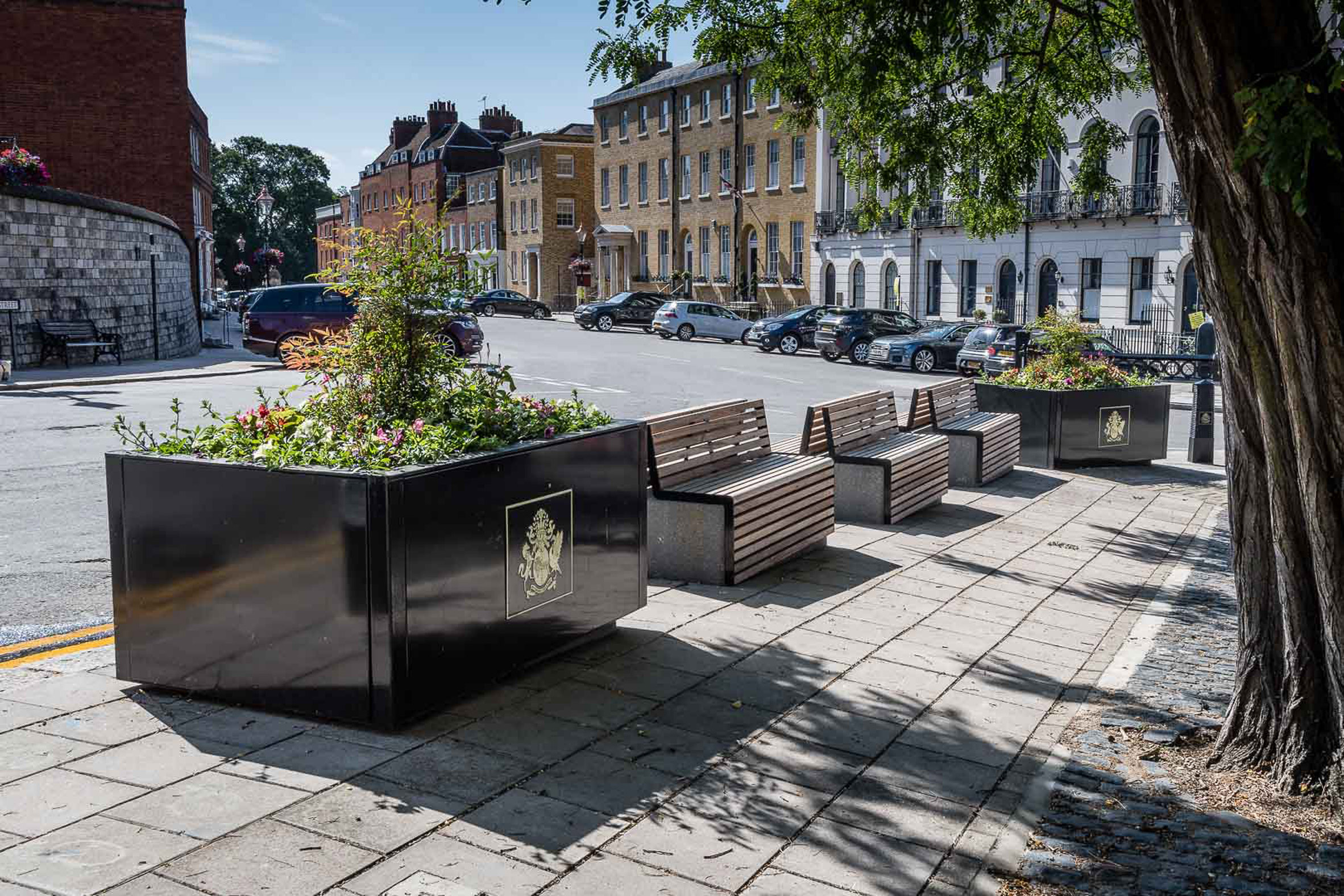
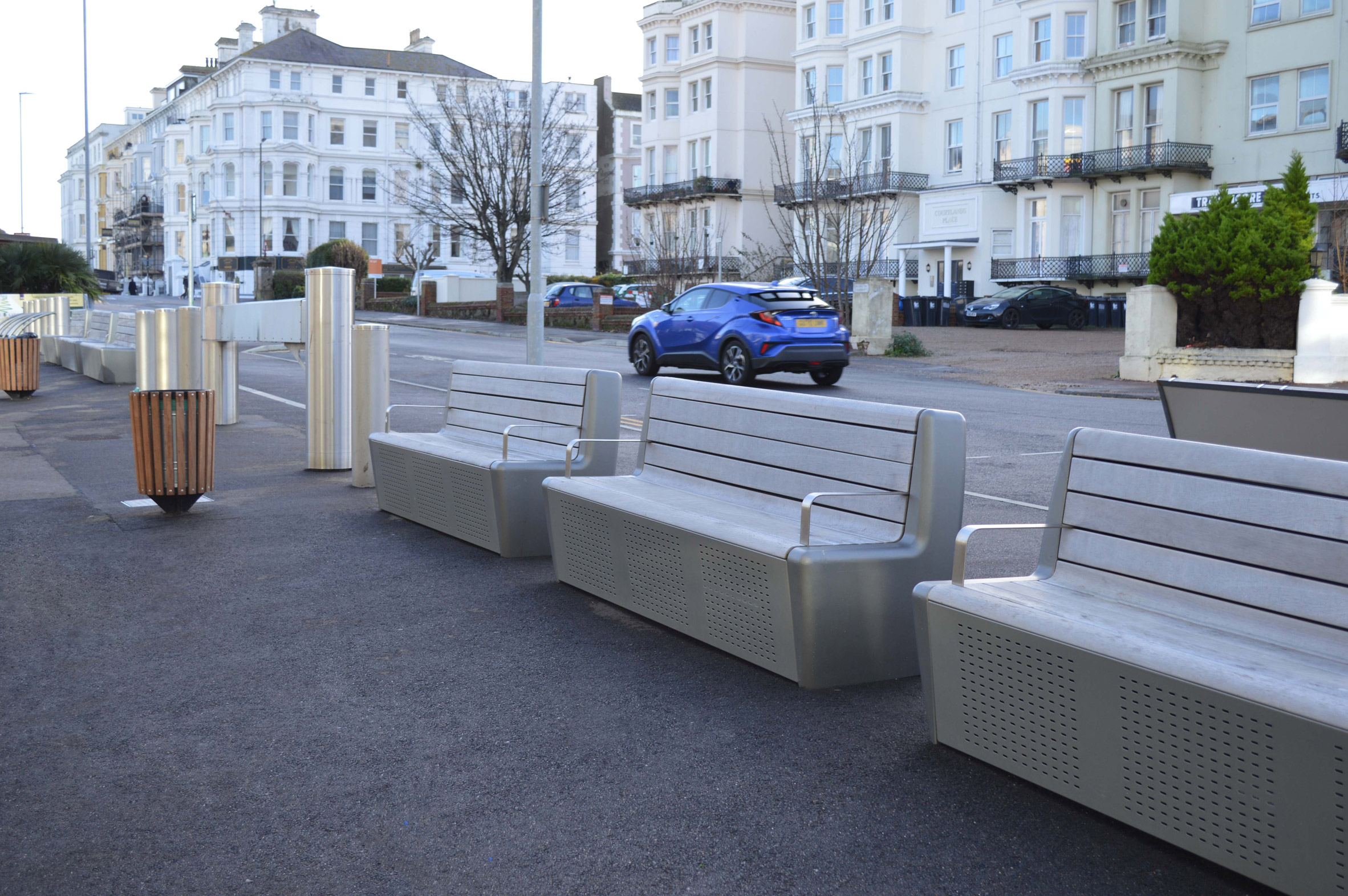
Benches can be used to create protected areas
The products aim to make public areas feel less fortified while opening spaces to increase footfall in town centres and cities.
Specifically, Marshalls Landscape Protection's protective street furniture is designed to be a decorative addition to urban environments and to prevent hostile or errant vehicles from entering an area.
Bollards, cycle stands, benches and litter bins can all be used to help keep public spaces safer from vehicles, something that Marshalls Landscape Protection believes will become even more important as people start returning to city centres for work and leisure post-pandemic.
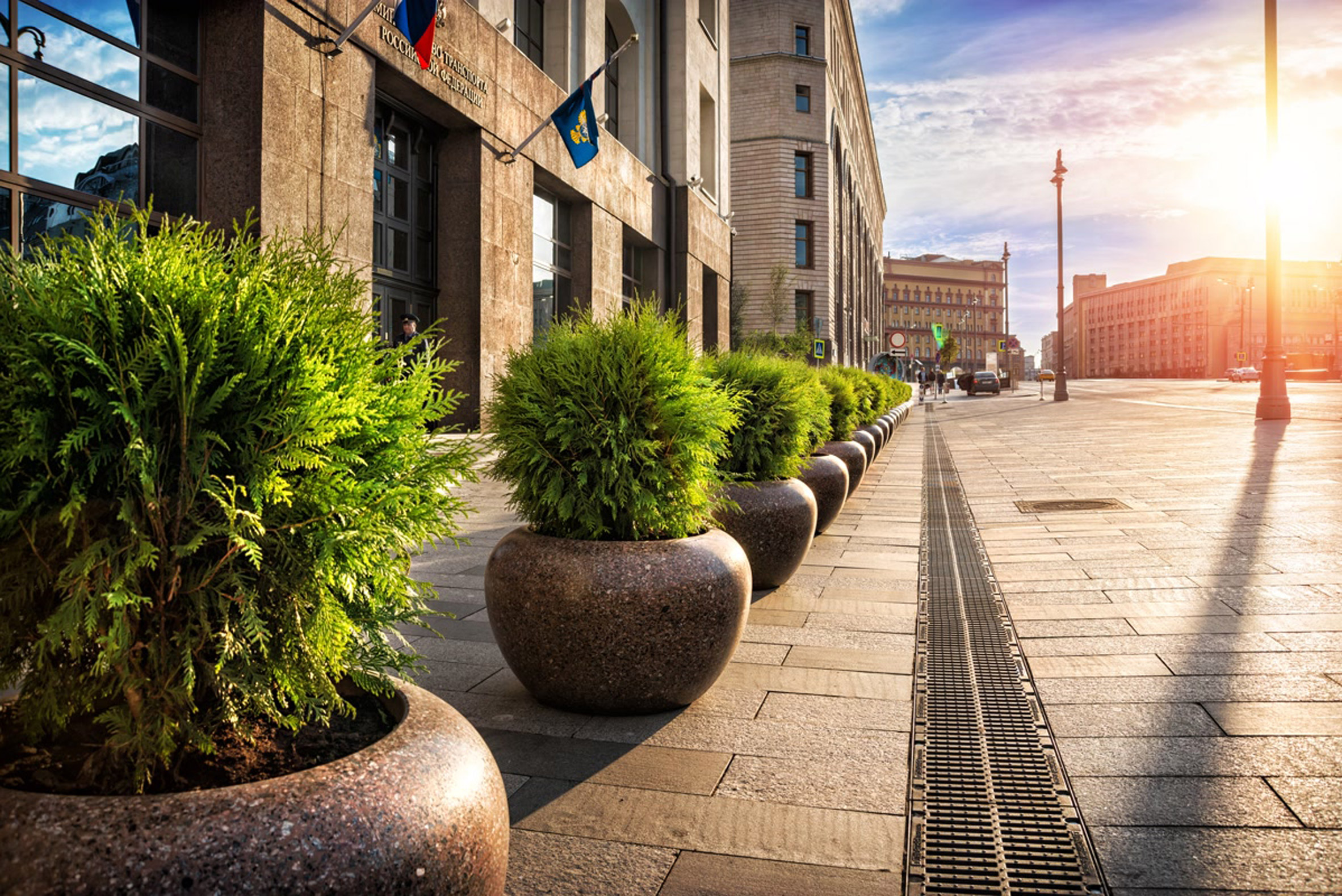
They are designed to have minimal visual impact
The company's products are designed to have a minimal visual impact on the environment while negating the need for harsh measures such as metal barriers or concrete blocks.
Instead, its RhinoGuard street furniture aims to combine safety and aesthetics and can be tailor-made to suit the needs of individual projects.
Large planters function as vehicle protection
Marshalls Landscape Protection offers a flexible portfolio of crash-tested street furniture products.
From the top levels of Hostile Vehicle Mitigation (HVM) certification, PAS 68/IWA 14.1, which are capable of stopping a 7.5 tonne vehicle travelling at 50 miles per hour, to the PAS 170 accreditation at the other end of the scale.
This protects against vehicles weighing up to 2.5 tonnes travelling up to 10 or 20 miles per hour.
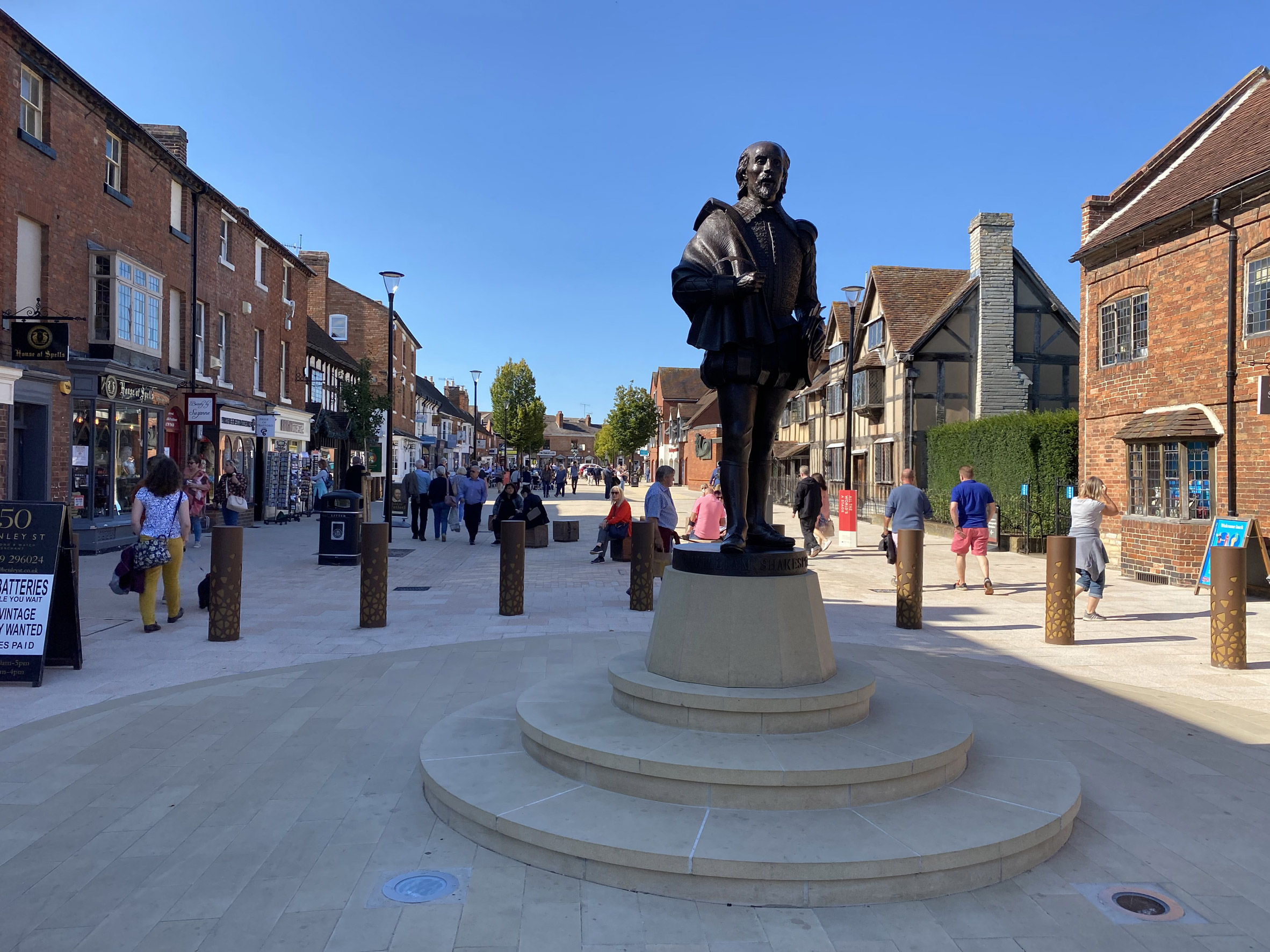
Marshalls Decorative bollards protect a historical site in Stratford upon Avon
The majority of Marshalls Landscape Protection's products are manufactured in the UK, and the company uses ethically sourced materials.
It has also signed up to the Carbon Trust Standard to reduce the carbon footprint in its product manufacturing processes.
Discreet benches offer protection and a place to rest
The company believes its products will be helpful as pandemic restrictions start to lift and urban areas get busier.
"Architects and landscape designers are in a strong position to create safe and attractive urban spaces that will be crucial for attracting people back into towns and city centres," the brand explained.
"By implementing protective street furniture products and taking a design-led approach to security, our public spaces can be future-proofed in a way, keeping people safe, not scared for years to come."
To learn more about the products on the brand's website.
Partnership content
This article was written by Dezeen for Marshalls Landscape Protection as part of a partnership. Find out more about Dezeen partnership content here.