Monday, 26 July 2021

Moss designs home for microbrewery by customising a prefab rural barn

St Joe River Brewery by Moss

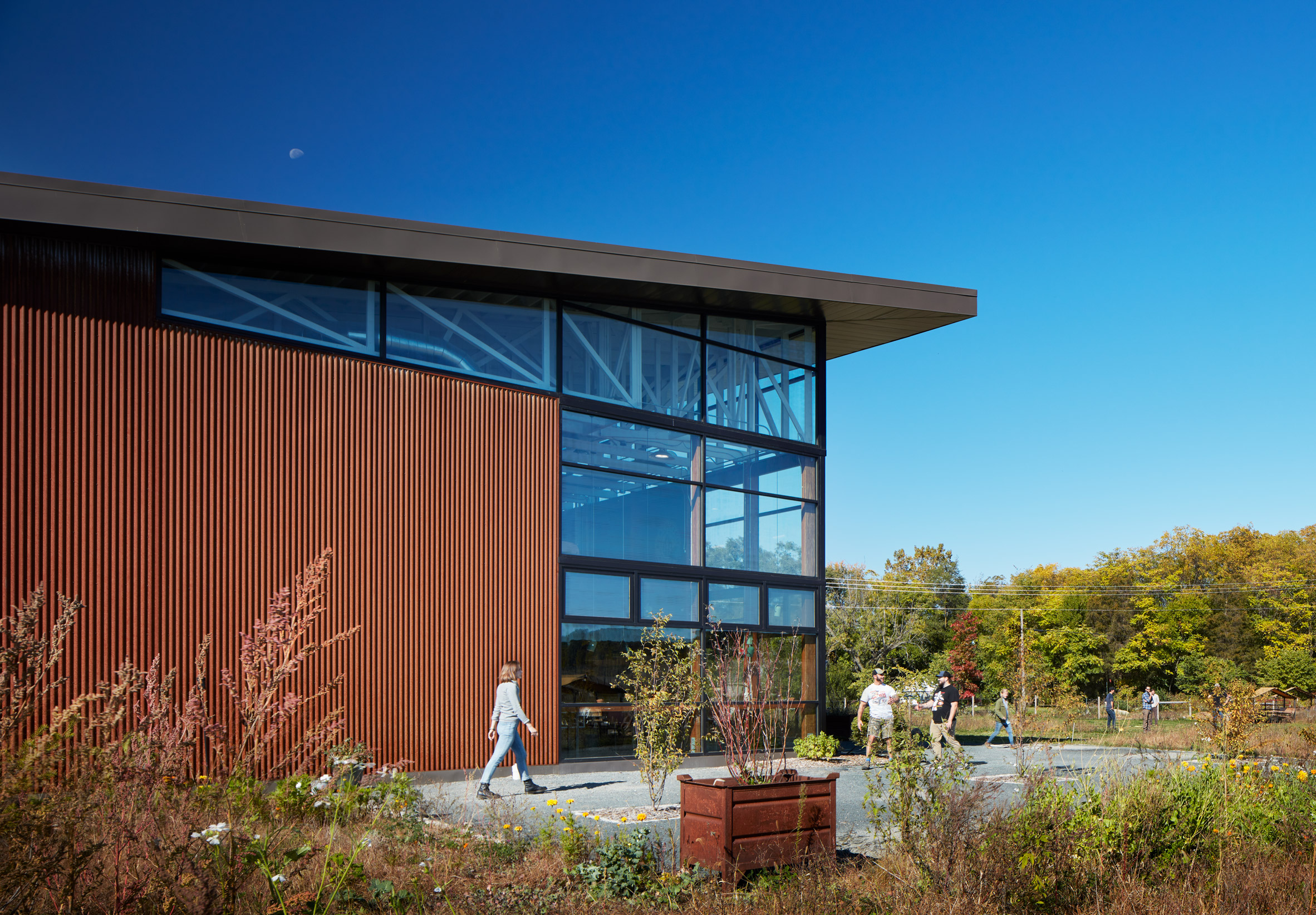
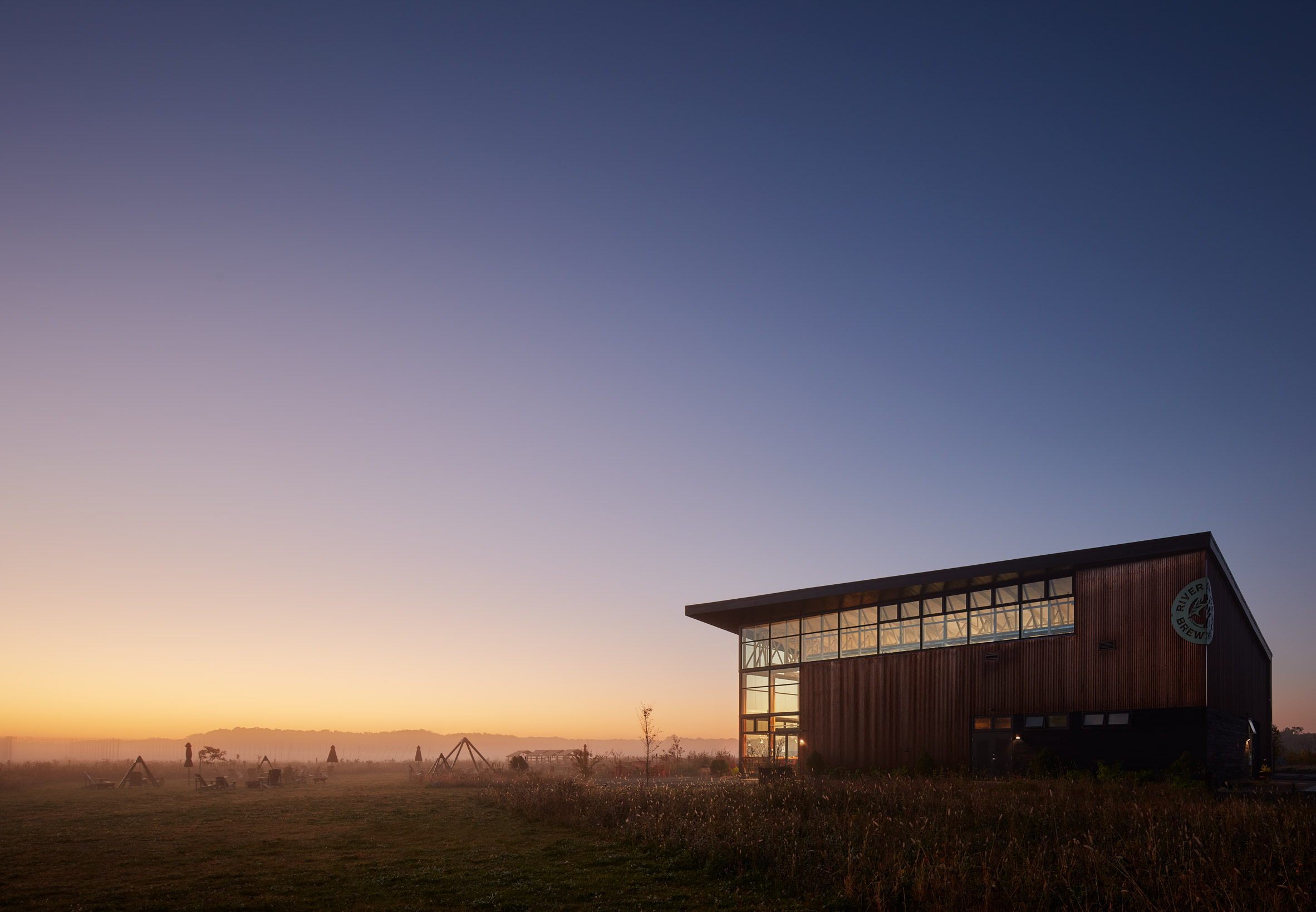
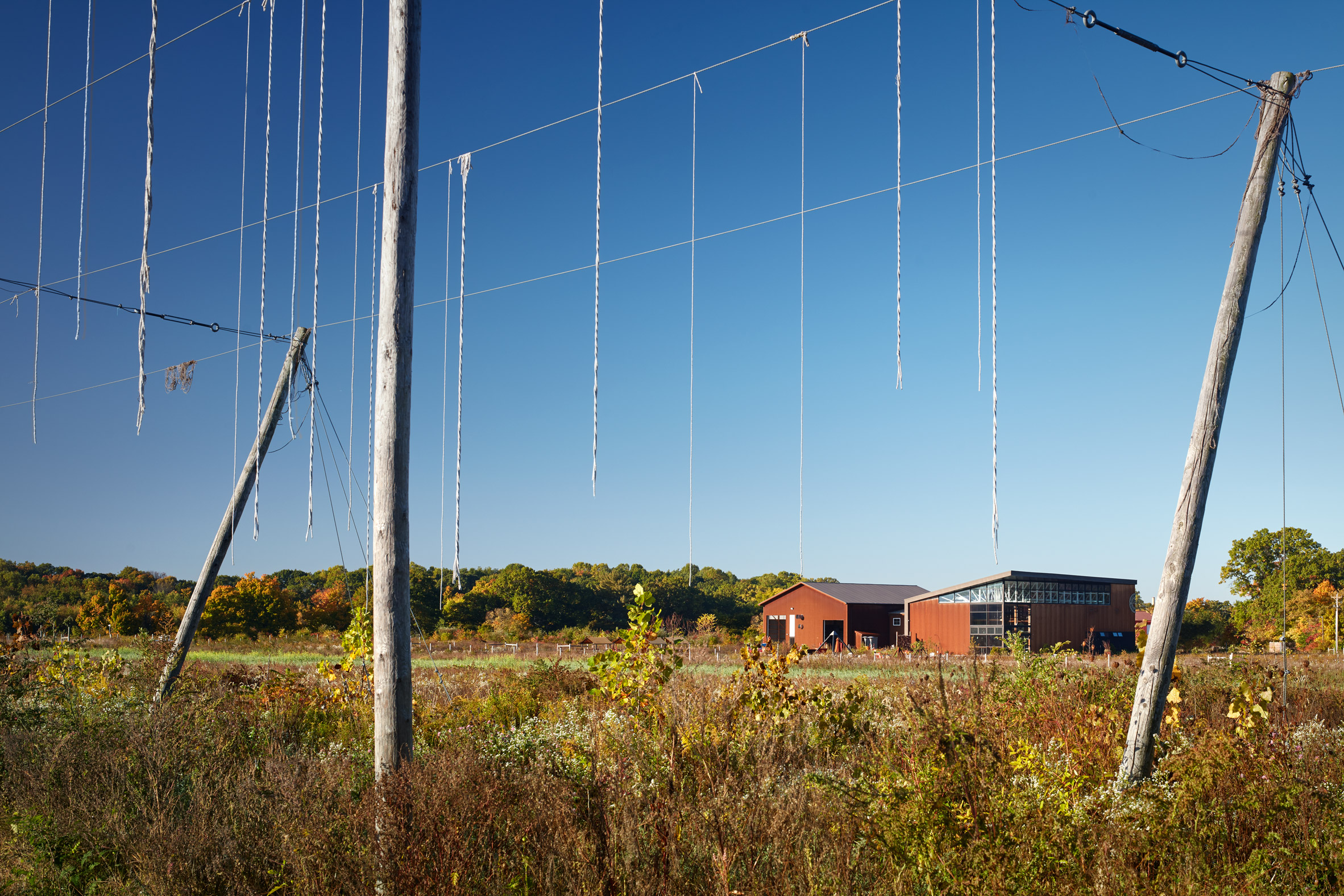
Chicago-based architecture and design firm Moss has completed a Corten-clad microbrewery in Buchanan, Michigan, created by modifying a prefabricated barn structure.

Designed for Buchanan Craft, the St Joe River Brewery is a "unique agricultural experience" combining production facilities and an organic farm with a restaurant and tasting room.

Chicago-based firm Moss designed the project
The St Joe River Brewery is located in Michigan

Responding to the rural site, Moss took cues from pole barns, which are pre-fabricated kit buildings ubiquitous across rural America.

Rather than simply using one of these prefabricated barns, the firm used it as a starting point, retaining the basic structure but customising it with weathering steel and burnt timber cladding, a sloping roof and a large glazed corner.

Corten steel clads the barn
The microbrewery is clad in Corten steel

"[Pole barns] are plopped down on a foundation without site orientation taken into consideration, and end up costing more to operate over time because they do not respond to the site they are on," said the studio.

"We knew a fully customised building was not in the budget... with a little creativity and ingenuity we made slight modifications to the pole barn model to better respond to the use and the site."

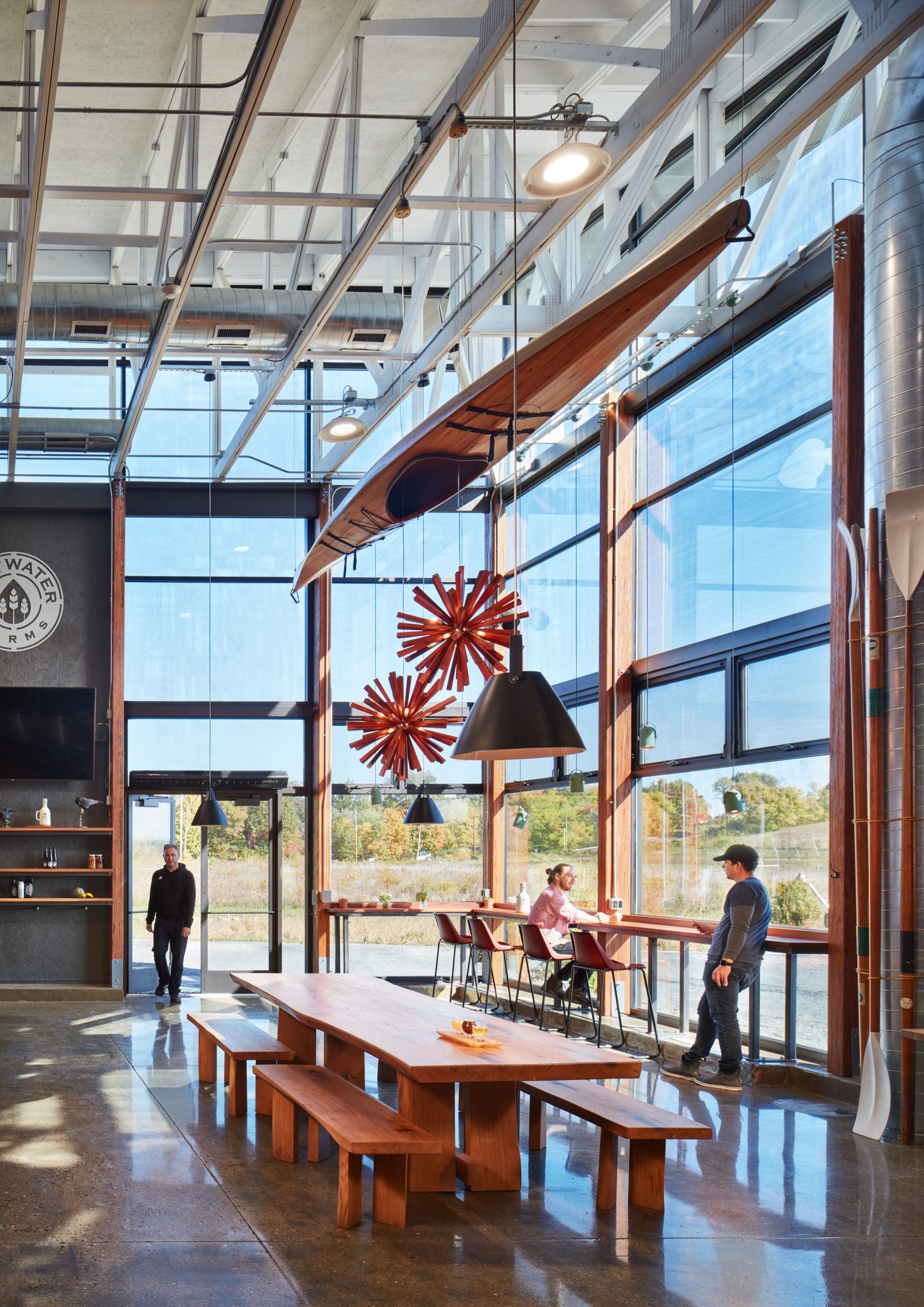
The most dramatic of these modifications has opened up the northeastern corner of the barn to create a light-filled tasting room, leading out onto an external patio sheltered by the overhanging roof.

A winery sits alongside this tasting room, on the opposite side of a central core housing the cooler and restrooms.

Moss included a tasting room in the project
An upturned canoe is suspended from on the pole barn's roof

The pole barn's roof structure has been left exposed and visible, providing a fixing point for light fittings and ornaments including an upturned canoe.

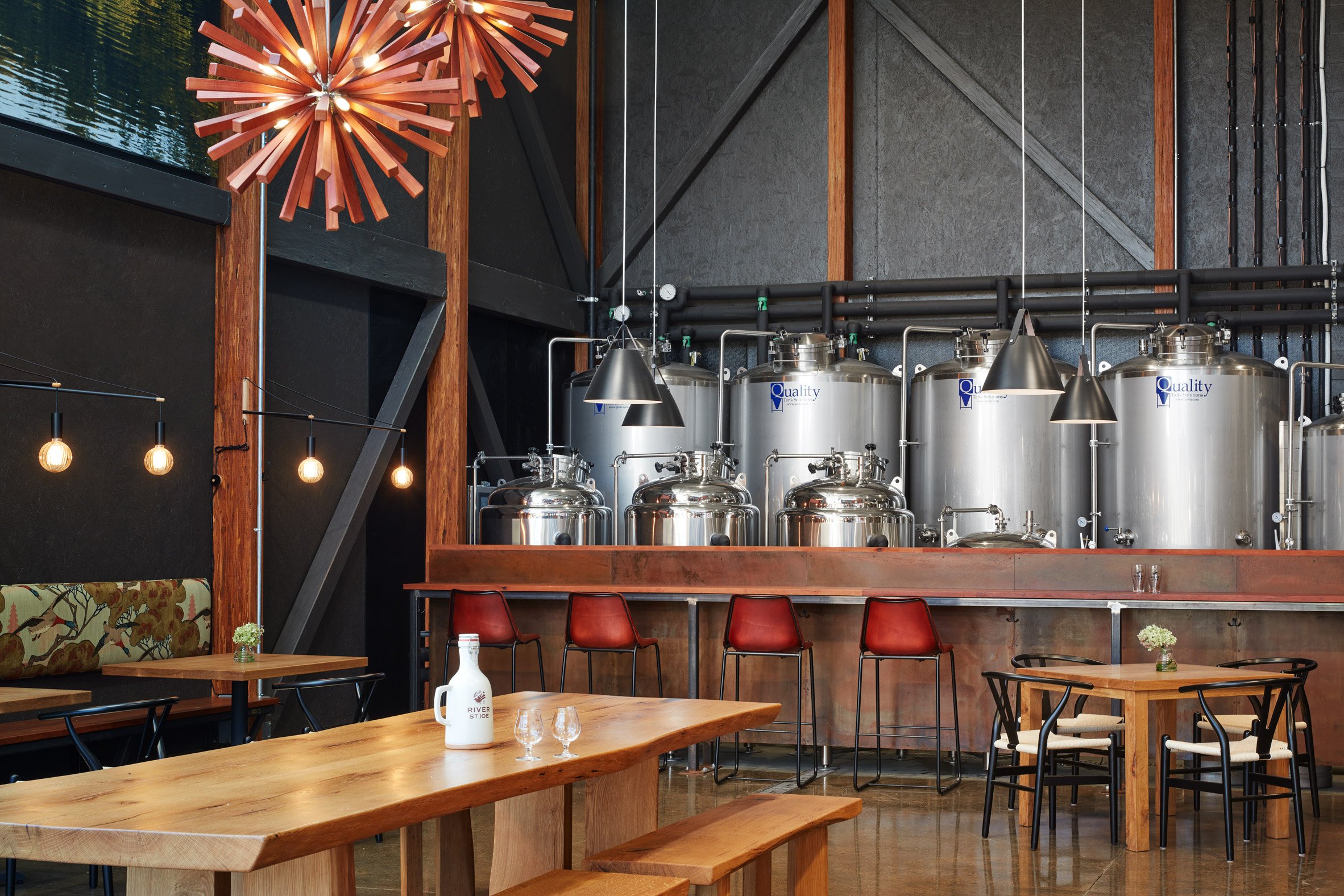
On the more sheltered south-facing side of the barn are the brewery's fermentation tanks, grain room production and packing areas, of which visitors can get glimpses while in the more public areas.

The project is by Moss
The barn houses the brewery's fermentation tanks

The sloping roof of the barn responds to this interior layout as well as the site, rising upwards at the northeastern corner to create the glazed area and wrapping around to shade the south-facing tank area.

"Employing a few simple design moves, we created a structure that, while still modular, settles into the landscape and is oriented with the sun in mind," said the studio.

The barn has a sloping roof
Solar panels provide power for the brewery

The lower, south-facing part of the roof has also been covered in solar panels to provide power for the brewery.

Moss operates out of a studio and home in Chicago that its founders, Matt Nardella and Laura Cripe, designed by converting an old bodega and inserting a courtyard at its centre.

Photography is by Kendall McCaugherty.

The post Moss designs home for microbrewery by customising a prefab rural barn appeared first on Dezeen.


from Dezeen https://ift.tt/3iThBIk

The Hong Kong Polytechnic University presents 10 student design projects

The Hong Kong Polytechnic University

A visualisation project that aims to help people become less "numb" to Covid-19 figures and a device that can help parents track their baby's feeding behaviours are included in Dezeen's latest school show by students at The Hong Kong Polytechnic University.

Also included is a project exploring the behaviours of children who play with dolls and a programme of activities designed to strengthen family relationships.


The Hong Kong Polytechnic University

School: The Hong Kong Polytechnic University, School of Design.

School statement:

"The Hong Kong Polytechnic University has been an important hub of design education and research for Hong Kong since 1964. The school is leading in Asia and 20th globally on the Quacquarelli Symonds (QS) art and design rankings.

"Academic programmes are offered at bachelor, master and doctoral levels in highly diverse design expertise including Product Design, Communication Design, Advertising Design, Digital Media, Interior Design, Environment Design, Social Design, Urban Design, International Design and Business Management, Design Strategies and Interaction Design.

"The school provides a well-equipped teaching and learning environment in the Jockey Club Innovation Tower, a landmark building designed by the late Zaha Hadid."

A Concrete Companion by Chan Lok and Wai Novan

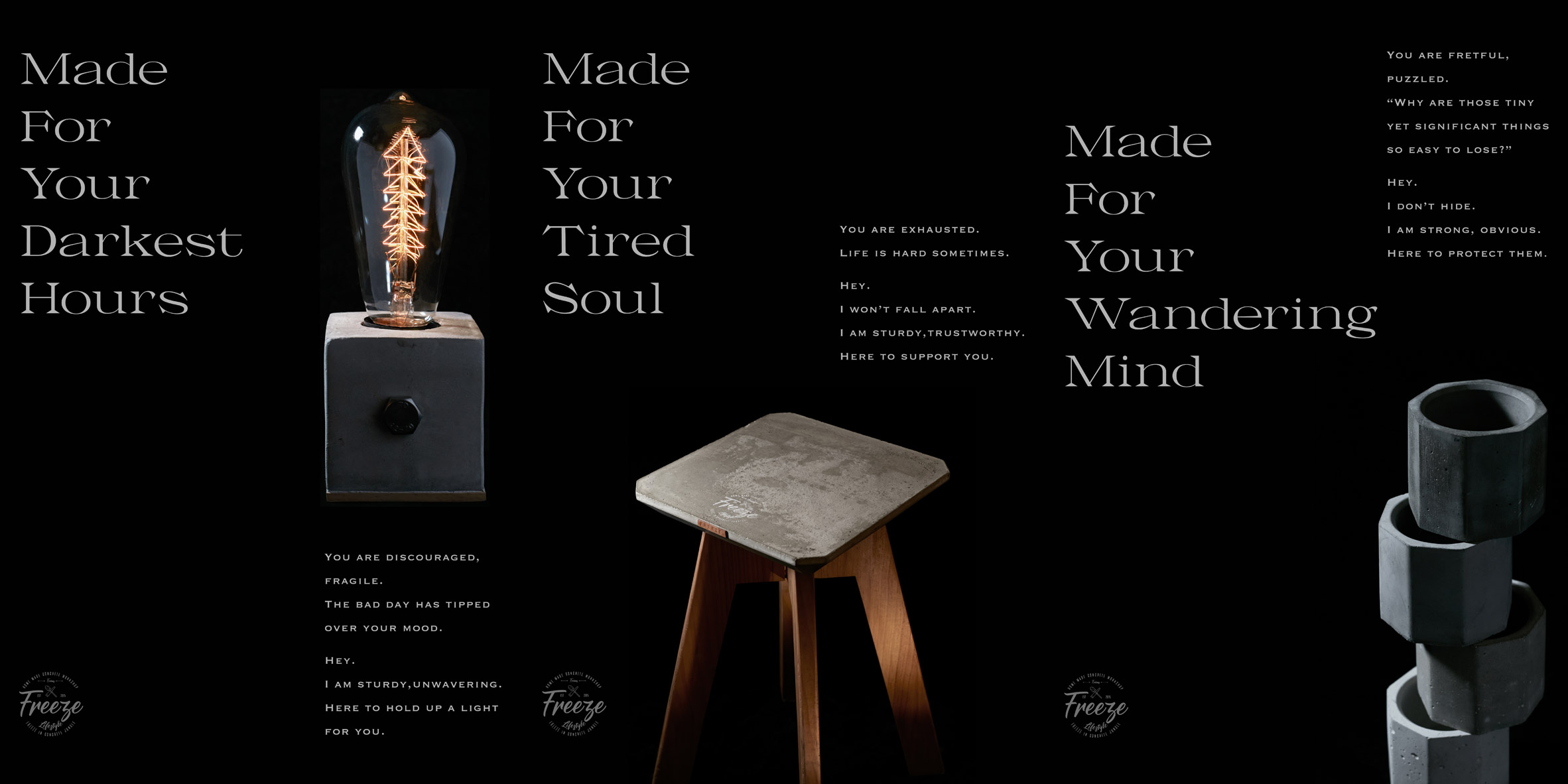
A Concrete Companion by Chan Lok Wai Novan

"Freeze Lifestyle is a brand specialising in concrete handicrafts. This campaign aims to connect human stories with the positive attributes of concrete. Here, audiences can discover the value of concrete. This new perception aims to give a deeper understanding of the material."

Student: Chan Lok Wai Novan
Course: BA(Hons) in Advertising Design
Tutor: Stefan Sonntag
Email: novanchan.design[at]gmail.com

The Hong Kong Polytechnic University

The Island of Grief by Lai Yu Nga Katie

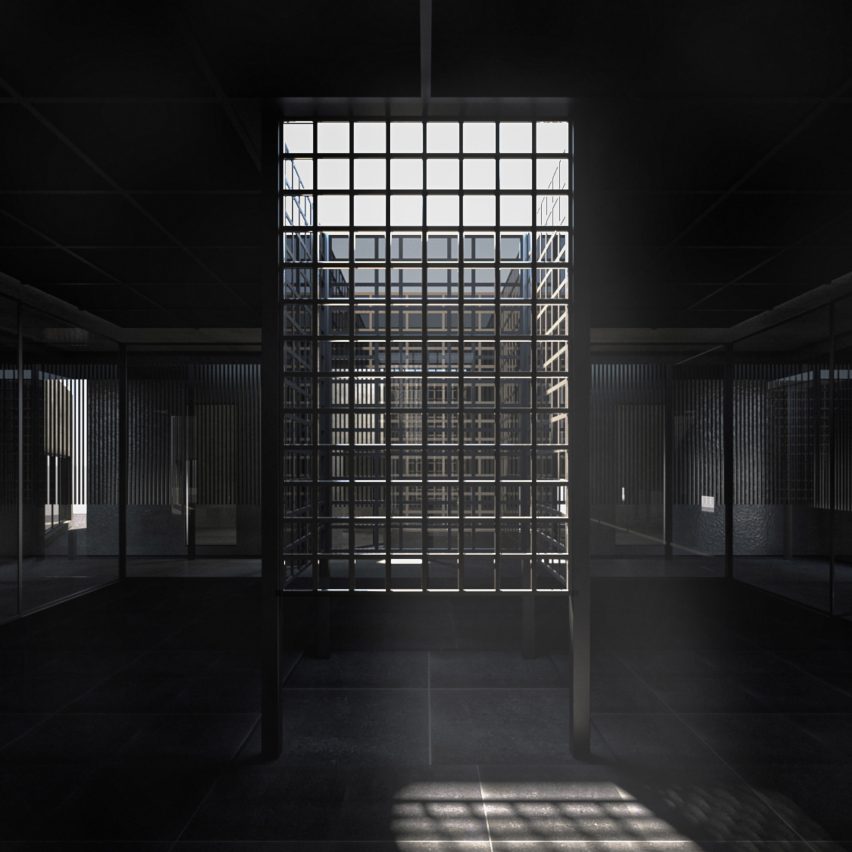
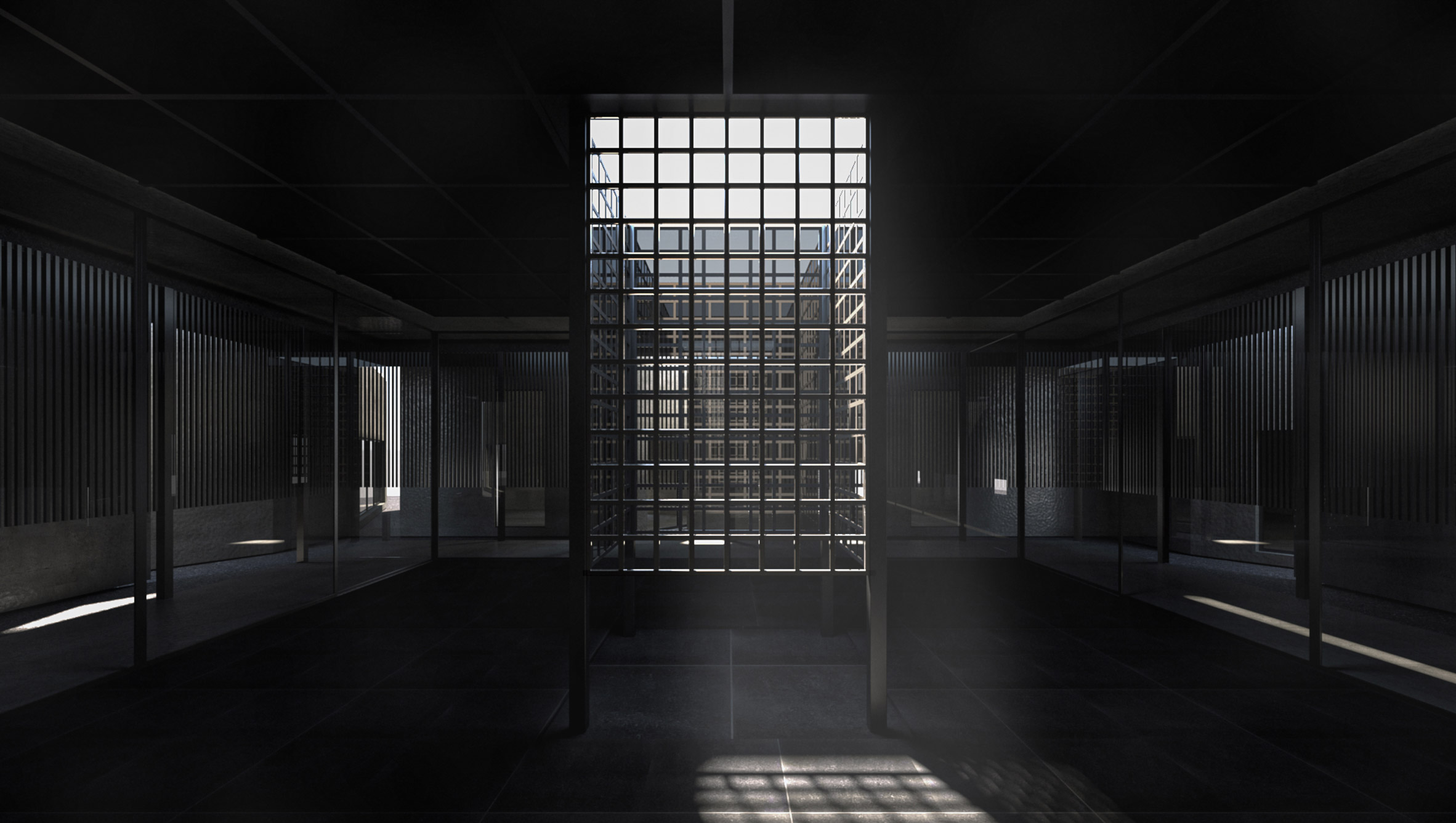
"The Island of Grief is a story about a girl who is in mourning and escapes to an imaginary space in her dreams.  Rooms are designed based on different stages of grief including denial, anger, depression and acceptance.

"Spaces emphasise the characteristics of each grief stage by manipulating and controlling light and shade. The design was defined through the analysis, exploration and consideration of how light passes through and illuminates spaces at a particular time of the day."

Student: Lai Yu Nga Kati
Course:
BA(Hons) in Environment and Interior Design
Tutor:
Anneli Giencke
Email:
katielaiyunga[at]gmail.com

The Hong Kong Polytechnic University

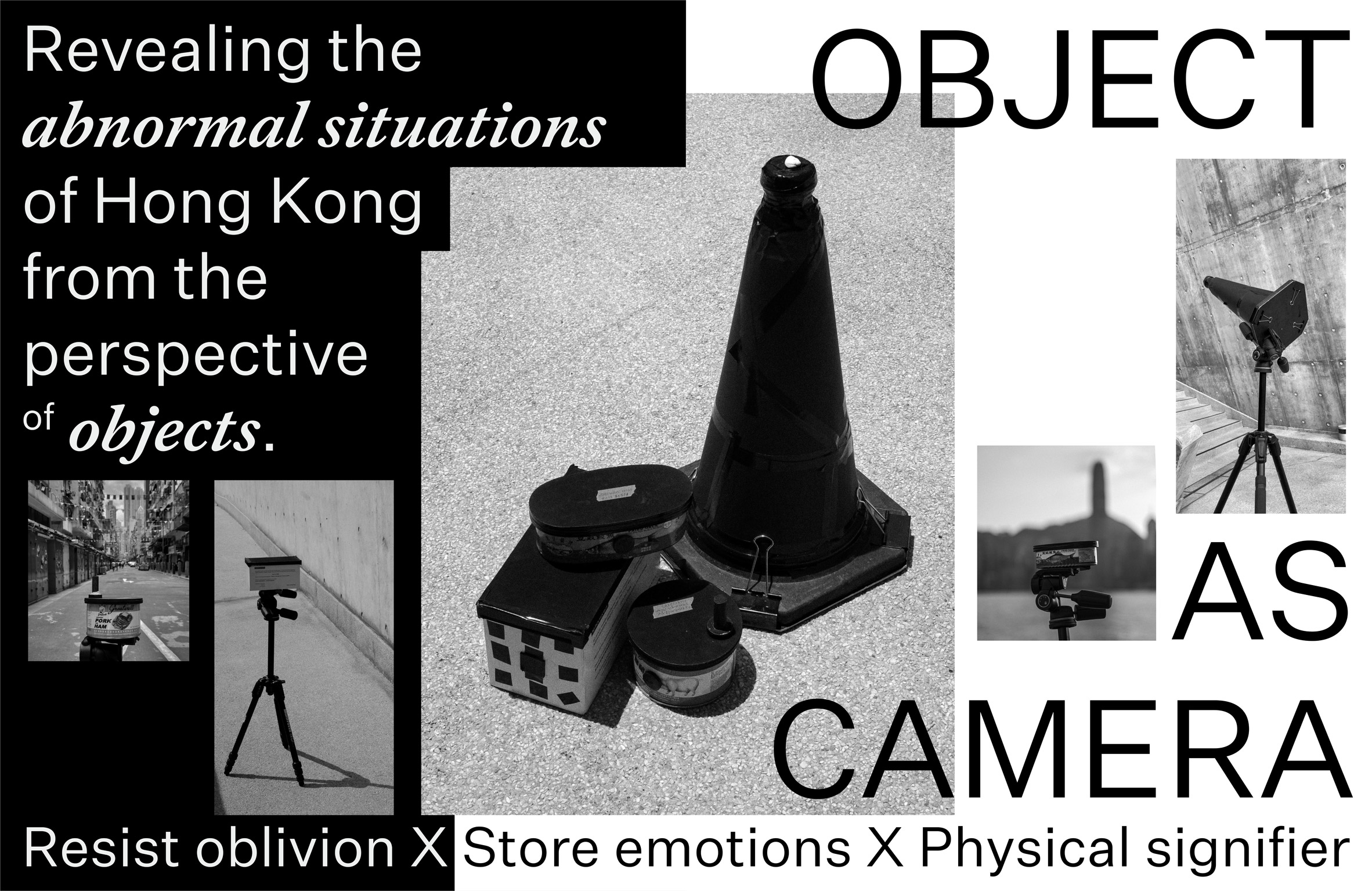
Objects of Abnormality | An experimental pinhole photography project by Sammi Ho

"In Objects of Abnormality, controversial objects are converted into pinhole cameras. Here they become the carrier of a moment in the history and culture of Hong Kong.

"The object itself is an artistic installation that satirises the current social chaos. Together with the produced pinhole imageries, the work aims to connect with the audience's memories and evoke their emotions, becoming a common language of this place.

"The images are rudimentary constructed to depict the emotional state of Hong Kong where uncertainty, oppression and absurdity are permeated."

Student: Sammi Ho
Course:
BA(Hons) in Communication Design
Tutor:
Fung Ho Yin
Email:
hosumyi0906[at]gmail.com

Hong Kong Polytechnic

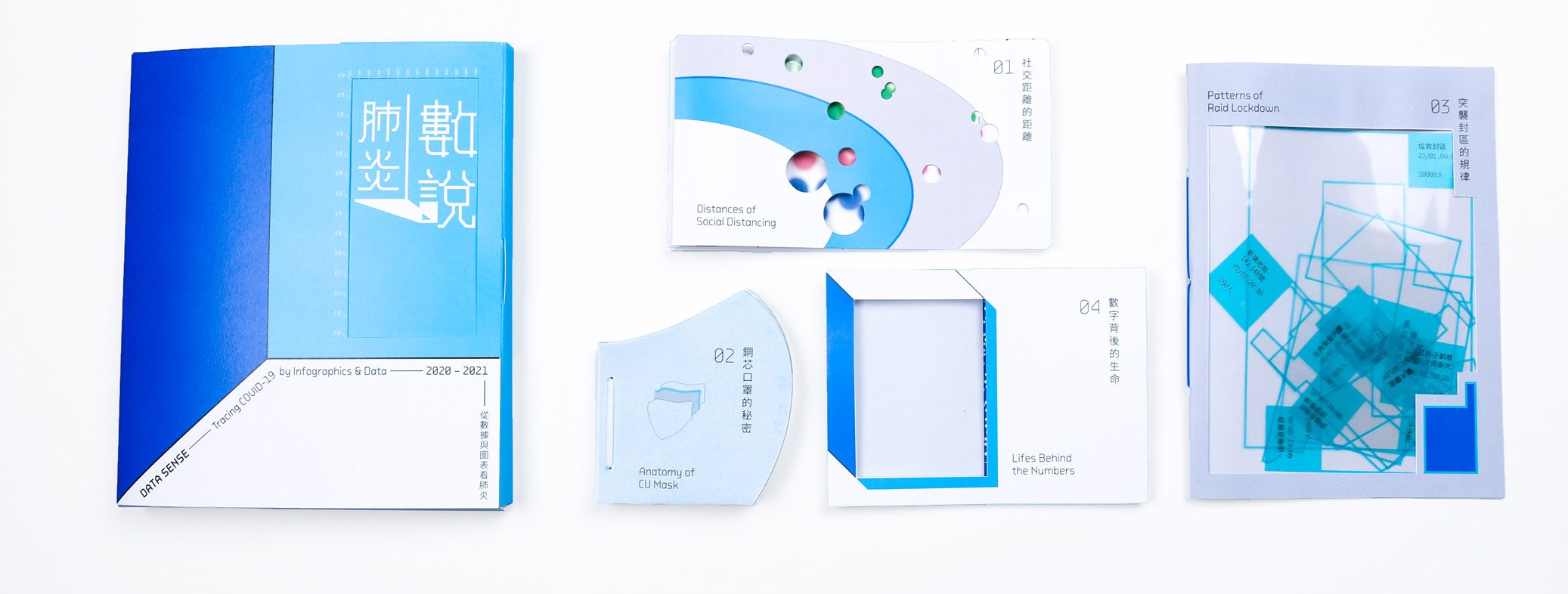
Data Sense: Tracing COVID-19 by infographics and data visualisation by Cheung Lok Yi Louie

"People in Hong Kong have been receiving large amounts of information and data about the pandemic. They seem to have become numb to numbers and data, such as confirmed cases or even death cases.

"To avoid this situation, information design is one of the most effective ways of representing data. Through visualising data, readers can easily understand the real meaning behind it."

Student: Cheung Lok Yi Louie
Course:
BA(Hons) in Communication Design
Tutor:
Brian Kwok
Email:
louiec.lokyi[at]gmail.com

The Hong Kong Polytechnic University

Tape #001 by Chan Yat Sing, Kwok Wan Kiu, Tsui Man Hin and Wong Chi Sum

"Tape #001 is a story between a talented art student, Chin Yu, and an introverted sound enthusiast, Chor. Chin Yu has made achievements in the art industry with her outstanding skills. In a record store, she came across Chor, and a journey of art explorations and self-reflections began.

"The project provides an immersive emotional experience through detailed visual and audio design, creating a film that delivers more than the story itself."

Student: Chan Yat Sing, Kwok Wan Kiu, Tsui Man Hin and Wong Chi Sum
Course:
BA(Hons) in Digital Media
Tutor:
Heiward Mak
Email:
yatsing1405[at]gmail.com, findingbridge724148[at]gmail.com, ivan.tsuimanhin[at]gmail.com and nelnel809[at]gmail.com

Relationship in action

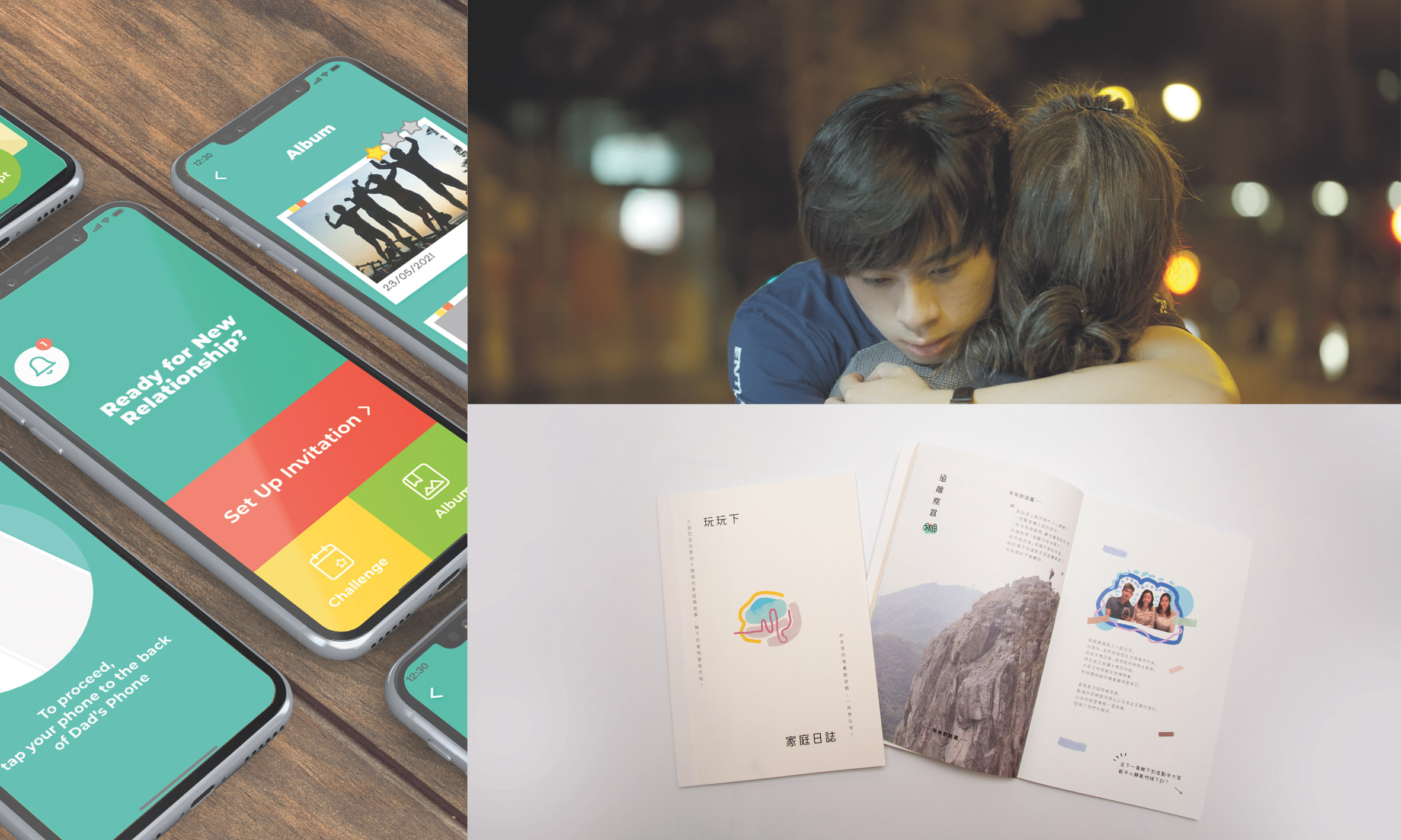
Relationships in Action: Get in Touch by Yiu Yat Pui, Choi Hoi Yan, Leung Chun Ting, Cheong Tsz Fung, Tse Ngo Ting

"Family conflict can be the cause of distress and depression, leading to family break-ups. A recent study conducted by Caritas Family Crisis Line and Education Centre found 50 per cent of Hong Kong parents and young adults living under a single roof clash at least once a week.

"Get in Touch is an integrated project by five students from social design, interactive media and digital media studies. We aim to strengthen family relationships and bonding through various designed activities assigned to young adults aged 20-30 and their family members."

Student: Yiu Yat Pui, Choi Hoi Yan, Leung Chun Ting, Cheong Tsz Fung and Tse Ngo Ting
Course: BA(Hons) in Social Design, BA(Hons) in Digital Media and BA(Hons) in Interactive Media
Tutor:
Bruce Wan, Siu King Chung, Jonathan Yu and Amelie Chan
Email: 
waltery.y0852[at]gmail.com, susachoi6[at]gmail.com, ngoting1020[at]gmail.com, chris651917[at]hotmail.com, anthonyl.design[at]gmail.com

The Hong Kong Polytechnic University

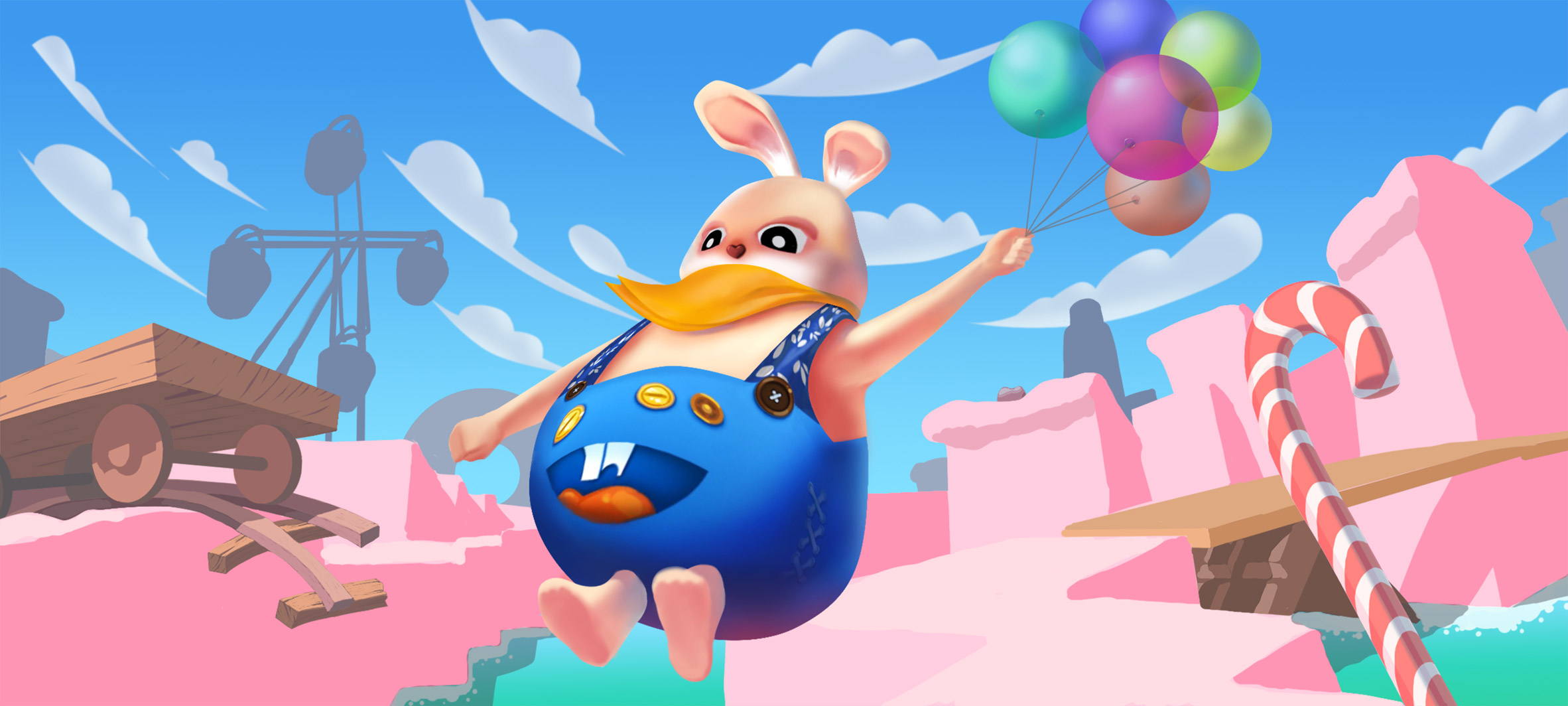
MeeTu (Mobile Puzzle Game) by Pang Wei, Chen Peiyu, Xiao Qiaoyin and Hao Yue

"The protagonist of this mobile puzzle game is a little rabbit. She needs to use balloons to pass levels in this 'sweet world'. At the end of each level, there is a lighthouse. After reaching the lighthouse, the screen will automatically light up, which means that the 'fog' in the rabbit's heart has been solved."

Student: Pang Wei, Chen Peiyu, Xiao Qiaoyin and Hao Yue
Course: MSc in Multimedia and Entertainment Technology
Tutor:
Jacky Chou and Simon Yang
Email:
366196722[at]qq.com, fionachen1119[at]yahoo.com and qxiao910[at]sina.com
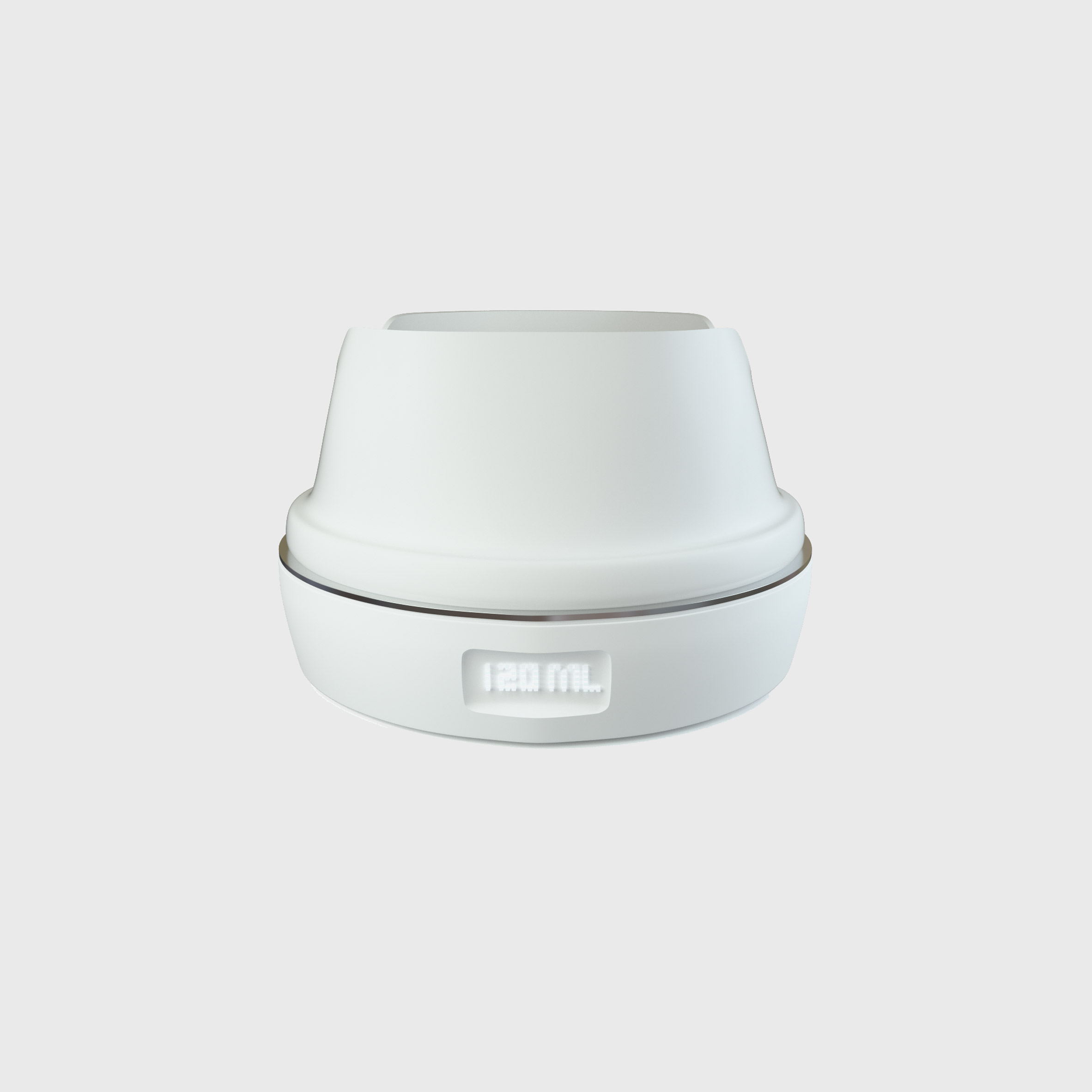

Milky Assistant

Milky Assistant by Leung Yee Ting, Zhu Wenjie and Hu Yuyang

"The two key components for a baby's growth and development are sleep and feeding. These create the foundation for a healthy life during infancy. Milky is a device that tracks your baby's feeding pattern anywhere and anytime.

"It is the world's first device and mobile app that lets you track your baby's feeding habits. Milky can reduce parent's anxiety and offers them peace of mind as they can remotely monitor their baby's feeding."

Student: Leung Yee Ting, Zhu Wenjie and Hu Yuyang
Course: MSc in Multimedia and Entertainment Technology
Tutor:
William Liang
Email:
elaineleungleung[at]gmail.com, natemla96[at]gmail.com and huiris86[at]gmail.com
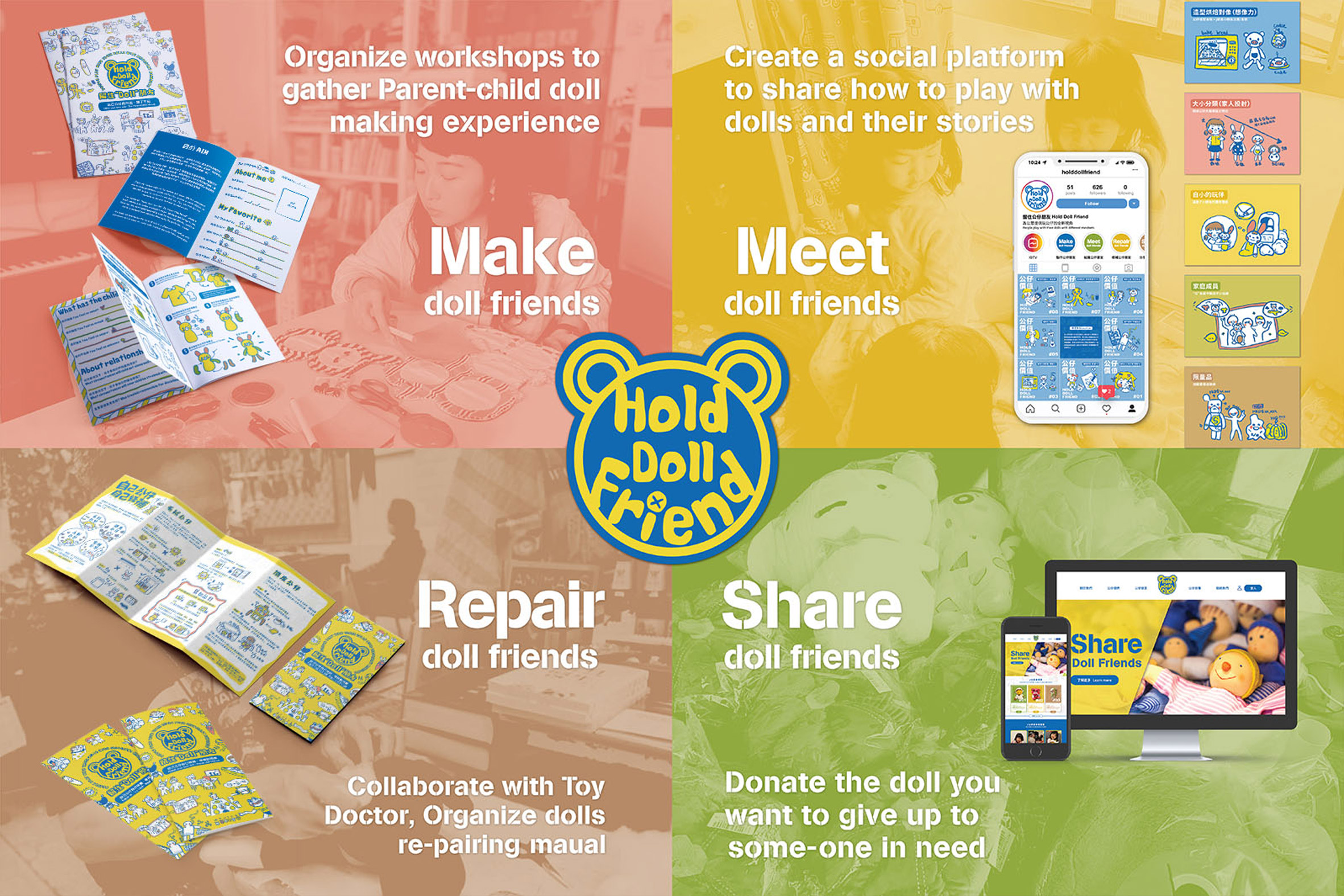

Hold Doll Friend

Hold Doll Friend - A Sharing Platform for Doll Owners by Chan Wai Sheung Destiny

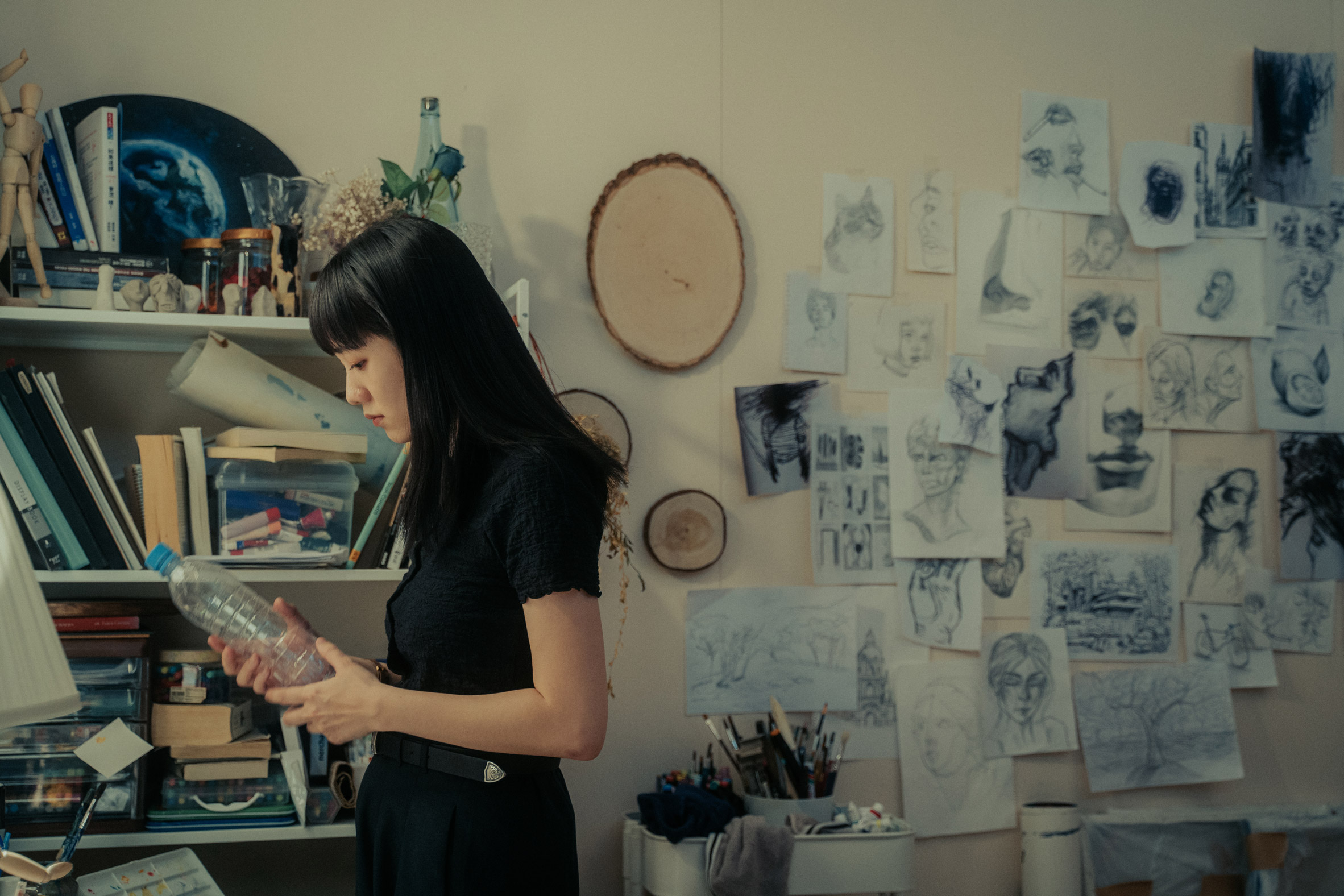
"Hold Doll Friend aims to show a new perspective of doll-playing through a series of experience designs. I collected 43 stories about children who love dolls and sorted their doll-playing approaches into four categories related to education, social interaction, commemoration and story continuation. These four kinds of doll-playing experiences or mentalities are familiar to most of my interviewees."

Student: Chan Wai Sheung Destiny
Course:
BA(Hons) in Social Design
Tutor:
Siu King Chung
Email:
destinycws1024[at]gmail.com
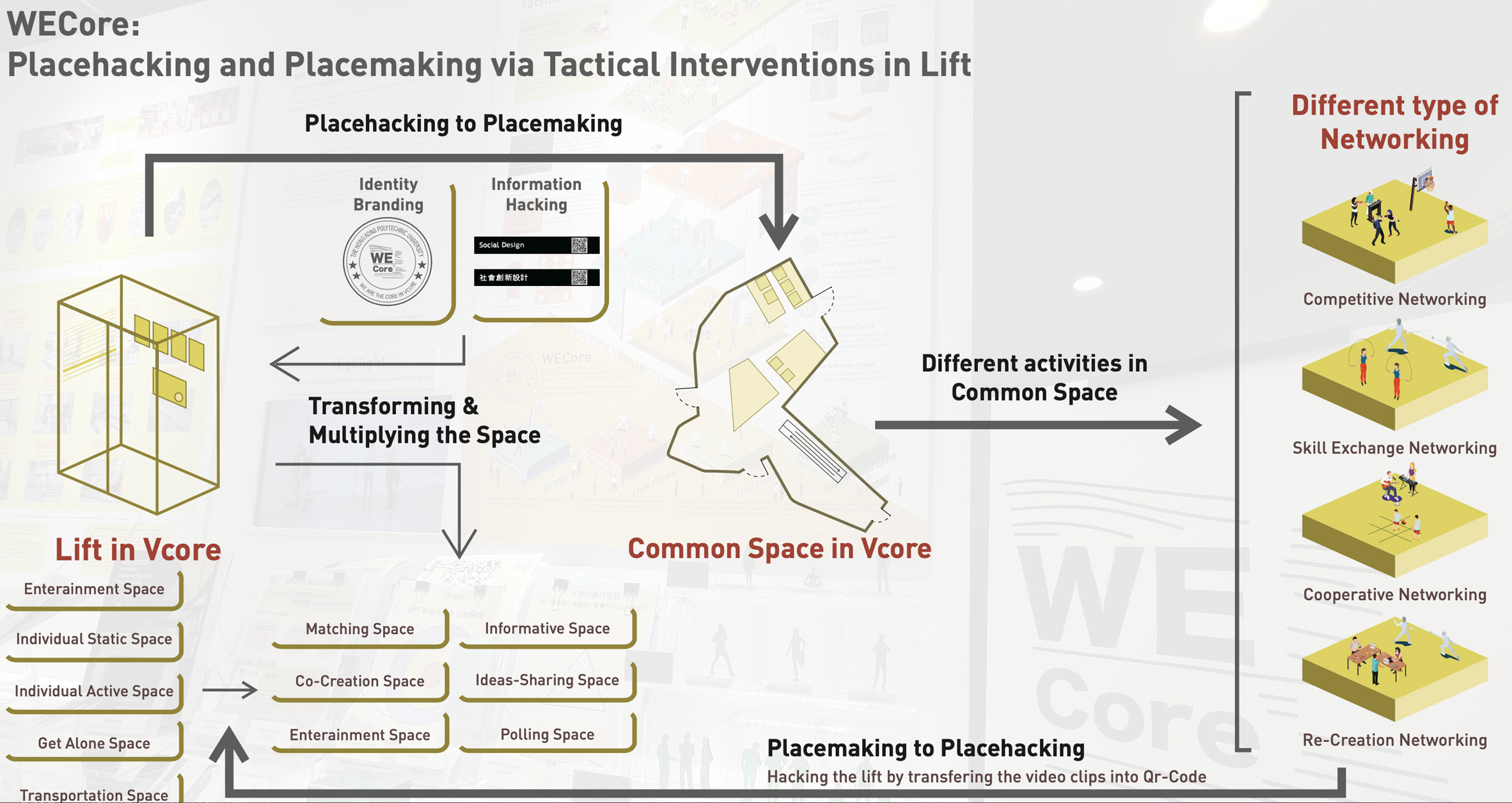

WeCore

Wecore: Placehacking and Placemaking via Tactical Interventions in lift by Wong Chun Ip

"The current pandemic has reduced transport through the Jockey Club Innovation Tower. This has reduced the connection between students from different design disciplines.

Wecore is a placemaking project, aiming to explore new possibilities in the common space by reconnecting people through various flash-mod activities and creative usage of lifts. It aims to change the everyday mindset and practice of students."

Student: Wong Chun Ip
Course:
BA(Hons) in Social Design
Tutor:
Kam Fai Chan
Email:
w.chunip1112[at]gmail.com


Partnership content

This school show is a partnership between Dezeen and The Hong Kong Polytechnic University. Find out more about Dezeen partnership content here.

The post The Hong Kong Polytechnic University presents 10 student design projects appeared first on Dezeen.


from Dezeen https://ift.tt/2UShOUj
Jony Ive and Prince Charles launch Terra Carta Design Lab to encourage "truly powerful solutions" to climate change

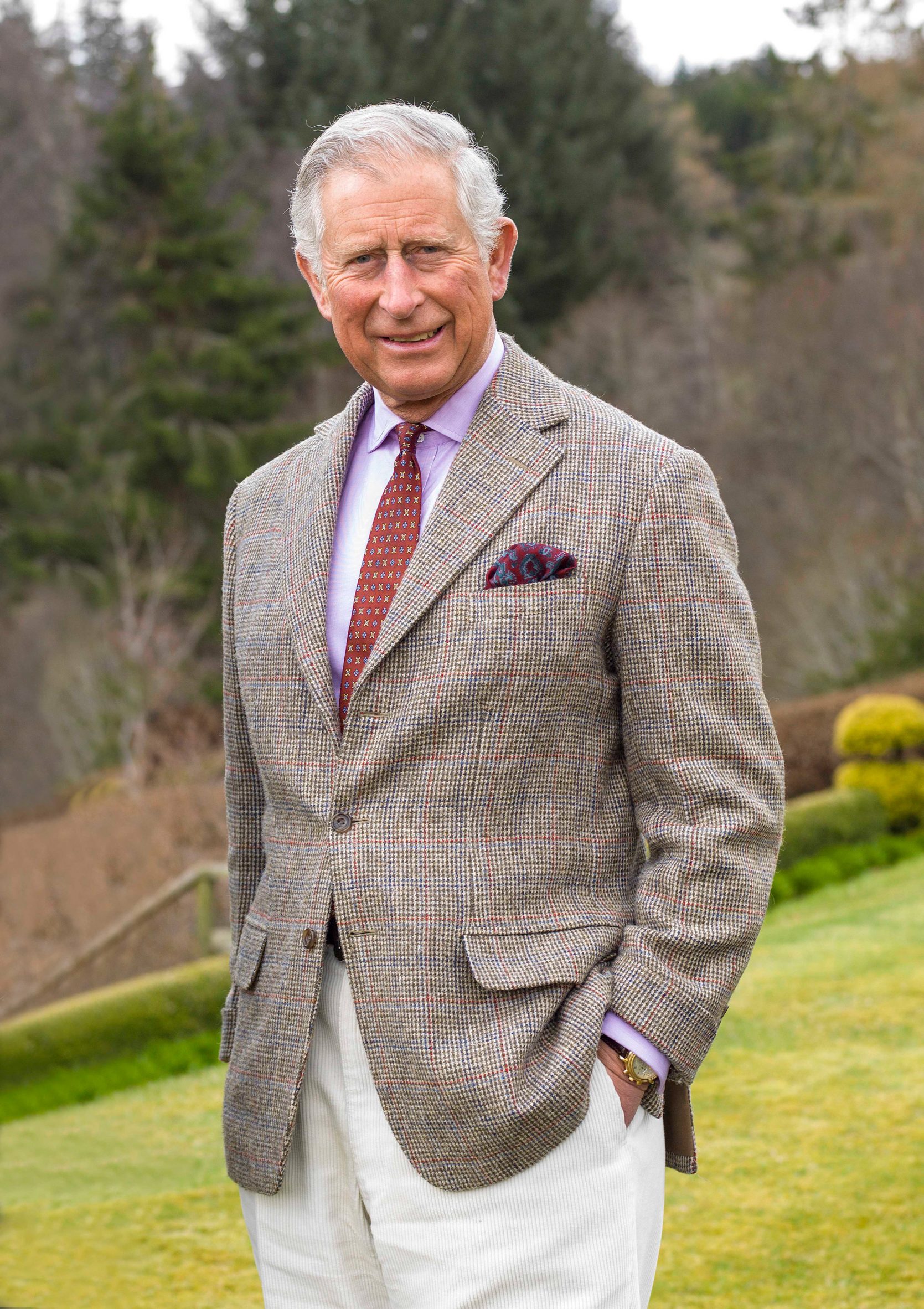
his royal highness the prince of wales headshot

Former Apple designer Jony Ive has teamed up with The Prince of Wales to launch an initiative that will encourage Royal College of Art students to propose designs that tackle climate change.

Called Terra Carta Design Lab, the project "will invite some of the world's most talented design students to design high-impact, low-cost solutions for nature, people and planet".

It was launched on Saturday to mark 100 days to go until the COP26 climate conference.

Students and recent alumni of the Royal College of Art in London will be invited to form teams to submit proposals that will help improve biodiversity, tackle greenhouse gas emissions and develop new social and economic models.

Prince Charles
Prince Charles (above) has teamed up with Jony Ive to launch Terra Carta Design Lab

"I'm incredibly proud to be part of the Terra Carta Design Lab founded by His Royal Highness The Prince of Wales," said Ive, who left Apple in 2019 to start San Fransisco design studio LoveFrom.

"It's a visionary and imaginative way of helping address the world's increasingly urgent environmental problems," added the former vice president of industrial design at Apple, who was appointed chancellor of the London post-graduate art school in 2017.

"Often the biggest challenges demand the most ingenious, most creative thinking, which is why I'm so excited about the work that the RCA students will be able to contribute through this collaboration. I know that their creativity and inventiveness will develop truly powerful solutions."

Shortlist will be announced during COP26

The project will seek concepts that demonstrate how design, the arts, science and engineering can contribute to finding solutions to climate change.

A shortlist of the best ideas will be announced during COP26 in November and a winner will be announced in 2022.

"Small ideas can have a big impact if they are supported with the right design, science and engineering and that is the key idea behind today's Terra Carta Design Lab," said The Prince of Wales.

"We only have 100 days until COP26, the big UN conference in Glasgow to tackle the climate and biodiversity crisis, and we will all need to play our part, old and young, if we are to change how we look after the Earth, making it sustainable for nature, people and planet."

Prince Charles launched Terra Carta initiative earlier this year

Terra Carta Design Lab is a branch of Terra Carta, an initiative launched by Prince Charles earlier this year to provide "a practical roadmap for acceleration towards an ambitious and sustainable future".

Terra Carta is in turn part of Sustainable Markets, a project the prince launched in 2019 to help encourage private-sector solutions to the world's problems.

Other projects that will be shown at COP26 in November include a pavilion that will showcase solutions to the built environment's carbon emissions. The UK Green Building Council is currently looking for "playful interventions" that convey the scale of the sector's emissions.

The post Jony Ive and Prince Charles launch Terra Carta Design Lab to encourage "truly powerful solutions" to climate change appeared first on Dezeen.


from Dezeen https://ift.tt/3i3u64N

Scientists developing bio-based carbon fibres being "showered with requests" for sustainable version of the wonder material

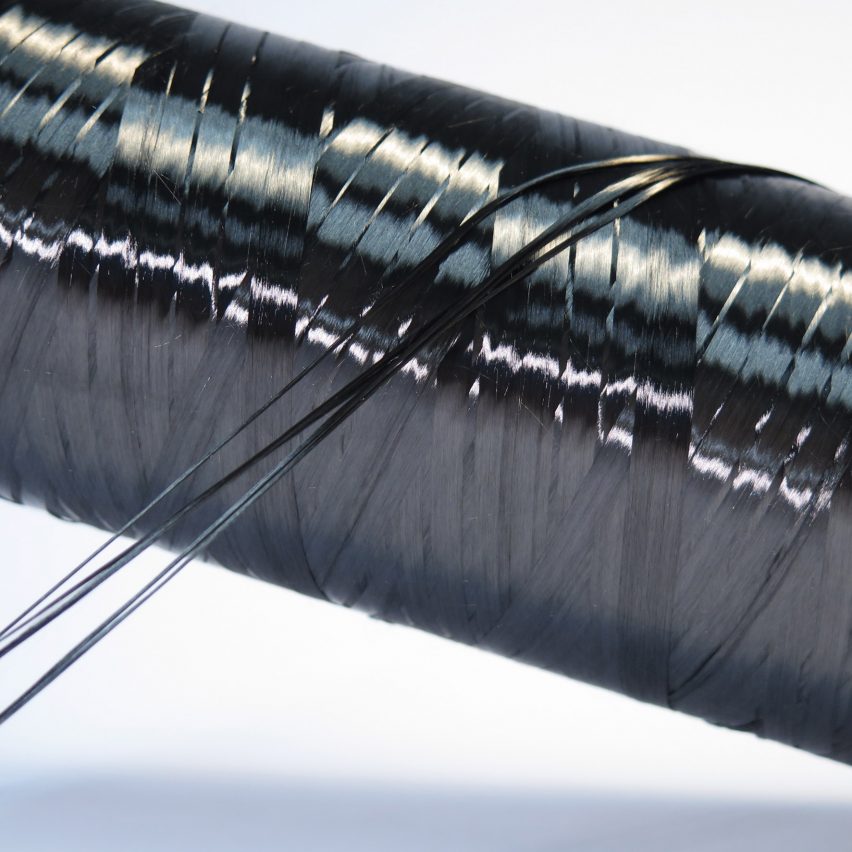
Carbon fibres

Scientists are working on carbon fibres made from biomaterials instead of fossil fuels in an attempt to create a version that does not generate carbon emissions.

Bio-based carbon fibres could be used to build lightweight electric cars with greater battery range, according to senior scientist Dr Erik Frank.

In architecture, concrete could be reinforced with carbon fibres instead of steel, allowing ultra-thin structures to be built.

Erik Frank
Erik Frank (above) is developing carbon fibres (top) from biomaterials

"It's a wonder material because it is very strong and yet light compared to metal," said Frank, who is head of carbon fibre development and new materials at the German Institutes of Textile and Fiber Research in Denkendorf, southern Germany.

However, "the carbon footprint of carbon fibres is usually very bad," he added.

"The raw materials [for regular carbon fibre] come from petroleum but we're trying to move away from this," he explained. "Bio-based carbon fibres are in much higher demand than they used to be. We're being showered with requests."

Carbon fibres originally made from plant-based materials

Carbon fibres are incredibly thin threads of almost pure carbon crystals. Measuring just 5 to 10 micrometres, they are five times stronger than steel and twice as stiff.

The material was originally made from plant-based materials including cellulose and rayon, Frank said, until the lower price and higher performance of fossil-derived versions made bio-based carbon fibre unviable.

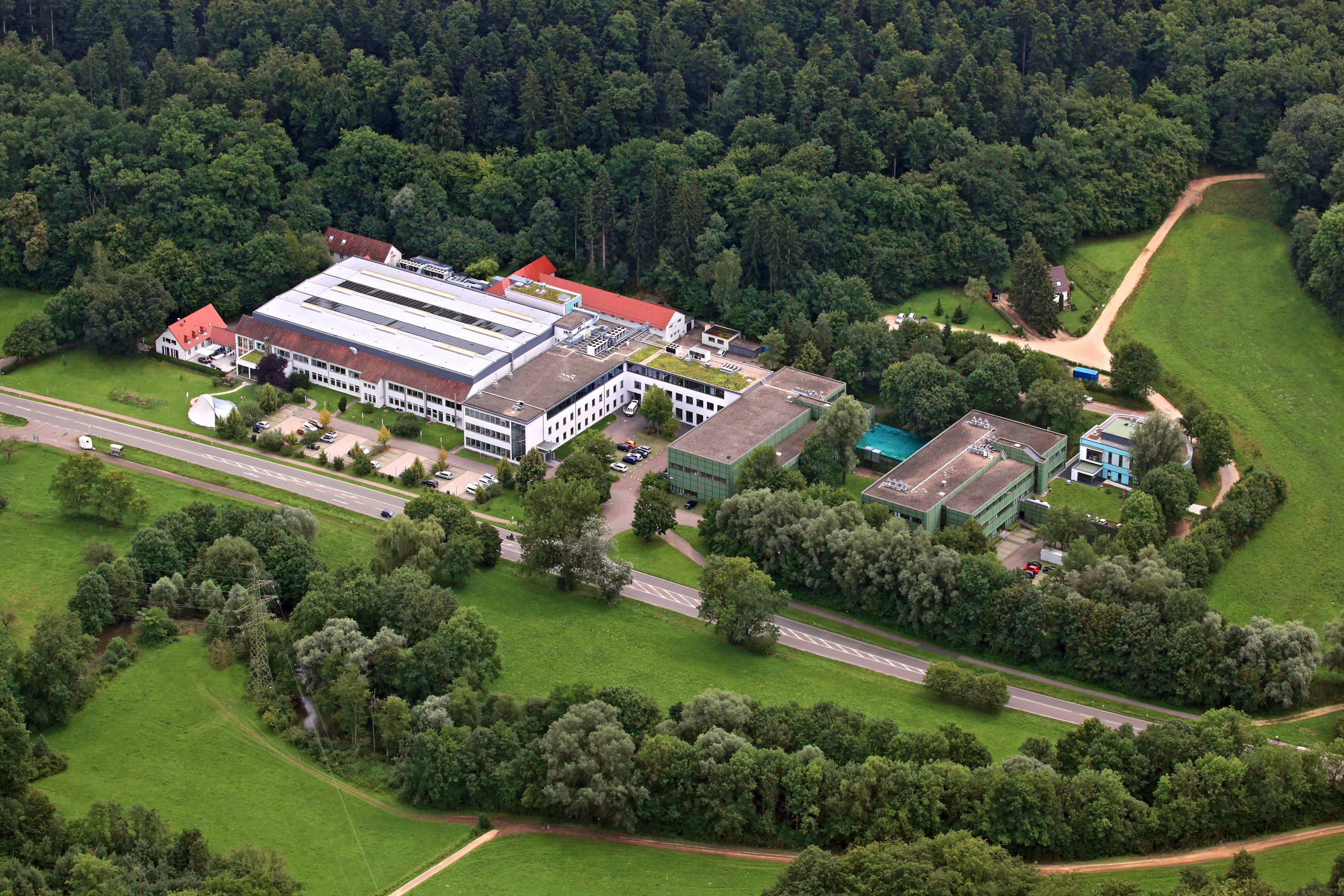
German Institutes of Textile and Fiber Research.
The  fibres are being developed at the German Institutes of Textile and Fiber Research in Denkendorf, Germany

But the production process requires vast amounts of energy and generates large amounts of emissions and toxins. "If we want carbon fibres to be carbon neutral, all of this needs to be redesigned," Frank said.

To make the fibres, petroleum is first processed into highly toxic polyacrylonitrile (PAN). This is pulled into thin threads and then heated in an oven without oxygen.

Growing demand for bio-based carbon fibres

The process requires large amounts of energy and generates pollution as everything except the carbon atoms are burned away. "A couple of years ago this wasn't even a topic," said Frank. "People only cared about costs."

"Nowadays, sustainability is much more important and petroleum isn't so cheap anymore so it's a different story. Carbon fibre is a major component in that because it's so energy-intensive."

Frank is exploring ways of turning lignin, a substance found in most plants and which is a byproduct of the paper industry, into carbon fibres.

"We're working with lignin as a raw material," he explained. "It's a waste byproduct which accumulates in huge quantities in the paper industry. Normally, this is added to concrete or asphalt or incinerated. We're using it to make carbon fibre."

"To do that, we use chemical methods to purify it and get it into a good shape," he continued. "Then we can spin this into fibres, which we're trying to do directly in water rather than having to use toxic solvents. And the fibres that you get can be directly turned into carbon fibres."

Carbon fibre currently expensive and unsustainable

The performance of bio-based carbon fibre is "on the medium to lower-end" compared to PAN-based fibres, he added. "I should say the bio-based carbon fibres won't replace the PAN-based ones. It will just be a second market running alongside."

Carbon fibre is widely used to create aircraft and cars as well as high-performance products including bicycles, tennis rackets and wind turbines. It is extremely lightweight, meaning that it can significantly improve performance and reduce energy requirements.

However, it is expensive to produce as well as having an increasingly bad reputation due to its unsustainability.

"In aircraft construction, it is already used as standard," said Frank. "It can make a difference in electric cars by helping to save on weight."

"The automotive industry would like to move to carbon fibre but it is as of yet too expensive and not sustainable enough. The car industry is extremely driven by price and increasingly looking to do things more sustainably."

Last year, work started on the first building featuring concrete reinforced with carbon fibre. CUBE, a two-story building designed by Henn Architekten at the Technical University Dresden in Germany, is due to be completed later this year.

"It's already happening on a small scale that concrete is reinforced with carbon fibre but it's not yet at mass adoption stage," Frank said. "The benefit is that you can make the concrete much thinner while being able to carry heavy loads so you can design completely different shapes. The aim is to get away from the huge amounts of concrete that are being used today."

Bio-based carbon fibres could be more affordable than petroleum-based options

The high cost of carbon fibre is partly due to the complex and energy-intensive production process. Frank said that the global output is just 150,000 tonnes per year.

Another drawback of the material is that it is difficult to recycle and dispose of, although ways of reusing it are now being developed. "Many people are innovating in this field," Frank said.

"There are already quite a few recycled carbon fibres and they're even being used in products. Of course, they become worse with every cycle and at some point, they will have to be disposed of. Burning isn't an option because it's really hard to burn. A lot of the time it is stored in old mines."

Airbus "looking for sustainable carbon fibres"

But the demand for sustainable, high-performance materials means that bio-based carbon fibres could soon be more affordable as research and development ramps up around the world.

"All industries are being forced to cut down on CO2," Frank said. "It's not voluntary any more because it's going to get very expensive if they don't. Even aviation companies such as Airbus are looking for sustainable carbon fibres."

"We’re working on using the raw materials of the plants and turning them straight into carbon fibre," he concluded. "This means we’ve taken the carbon from the air via the plants, rather than adding carbon from fossil sources like petroleum or coal into the atmosphere."


Carbon revolution logo

Carbon revolution

This article is part of Dezeen's carbon revolution series, which explores how this miracle material could be removed from the atmosphere and put to use on earth. Read all the content at: www.dezeen.com/carbon.

The sky photograph used in the carbon revolution graphic is by Taylor van Riper via Unsplash.

The post Scientists developing bio-based carbon fibres being "showered with requests" for sustainable version of the wonder material appeared first on Dezeen.


from Dezeen https://ift.tt/3x40Ijq

Competition: win a Luna outdoor chair by King

For our latest competition, we've teamed up with King to offer readers the chance to win one of three Luna outdoor chairs.

Created by contemporary furniture designer Charles Wilson for the Australian brand King, the Luna outdoor chair is designed to be an ideal piece for sitting and relaxing in the garden.

Three readers will win a Luna outdoor chair in a premium King fabric and colour of their choice.

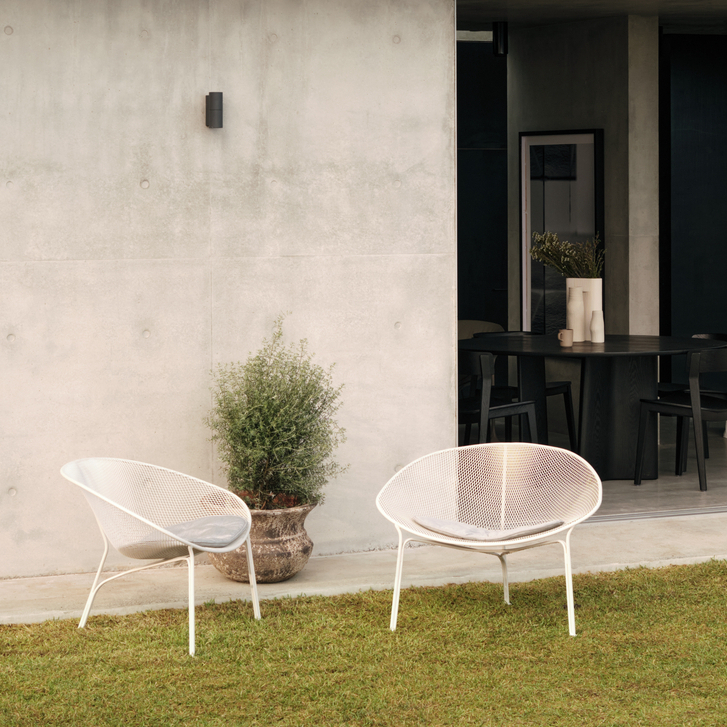
King Living Luna chair
The Luna outdoor chair's fabric range includes textiles called Malibu, Oceania, Seacliff and Maldives

Inspired by the original indoor version, the Luna outdoor chair has a similarly low, generous seat perched atop three legs.

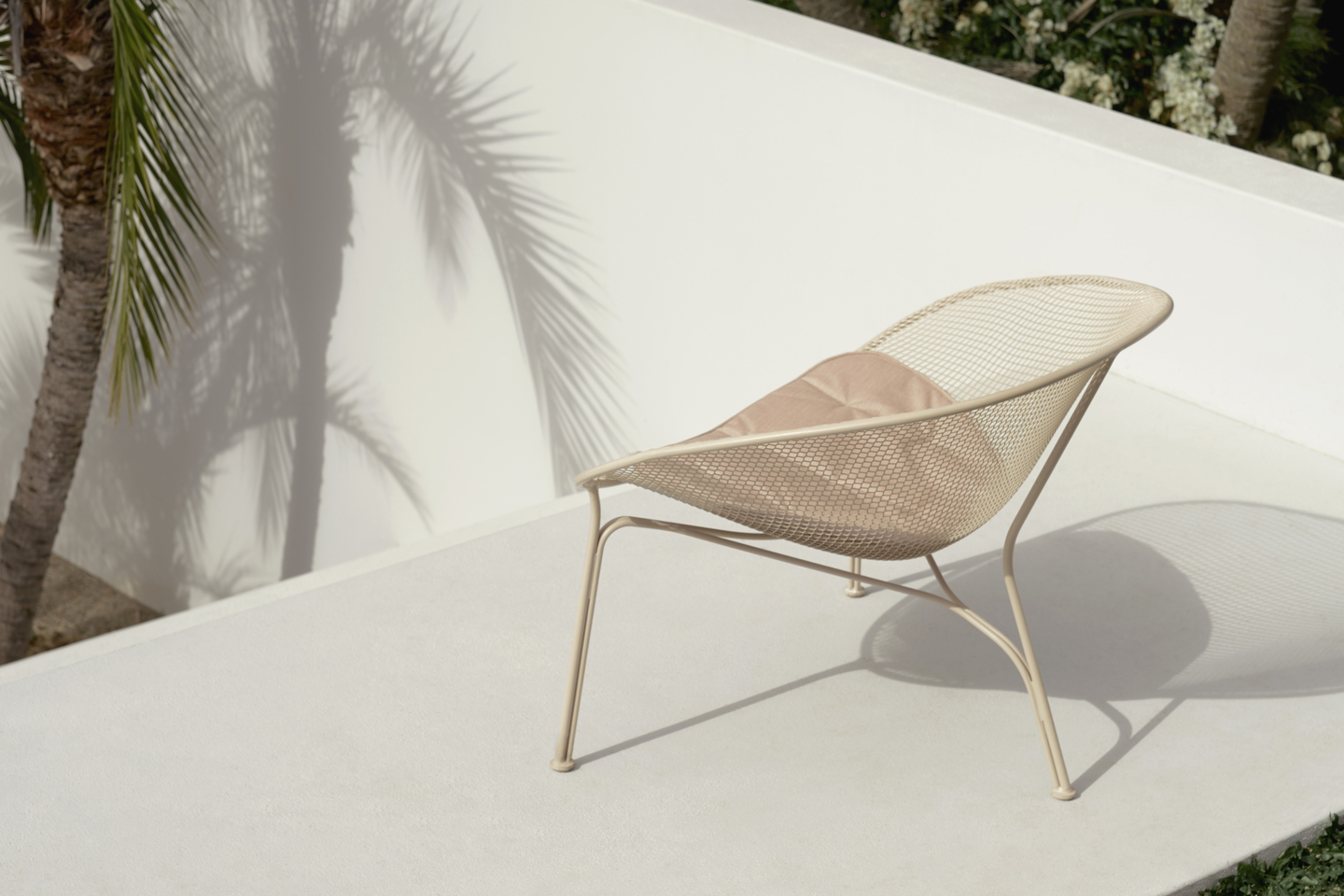
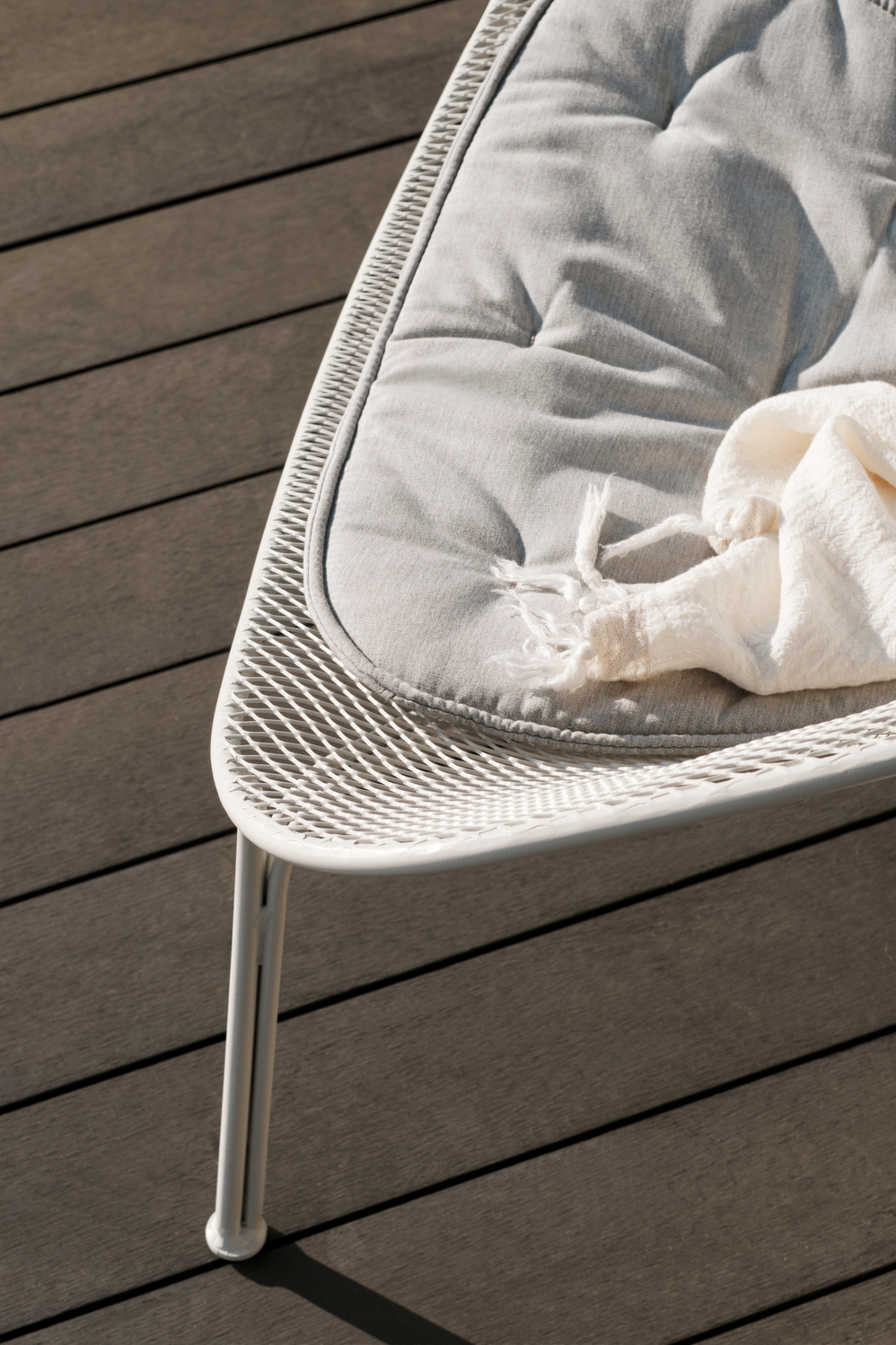
The chair's back and base are made from expanded steel mesh with an intricate net-like structure, creating a robust design with an almost weightless appearance.

Luna's frame is also steel with a powder-coated finish. Readers can choose from Eucalyptus, which is pale green; Salt, a form of white; or Blush, a creamy pink.

The seat is completed by a fabric-covered pad and is attached by a magnet, meaning you can easily remove it for cleaning or change the colour to update the look.

Choose from a variety of Sunbrella fabrics for the seat pad, including Malibu, Oceania, Seacliff and Maldives. Each comes in a number of colourways. Sunbrella fabrics are resistant to UV rays, pool splashes and damaging coastal conditions.

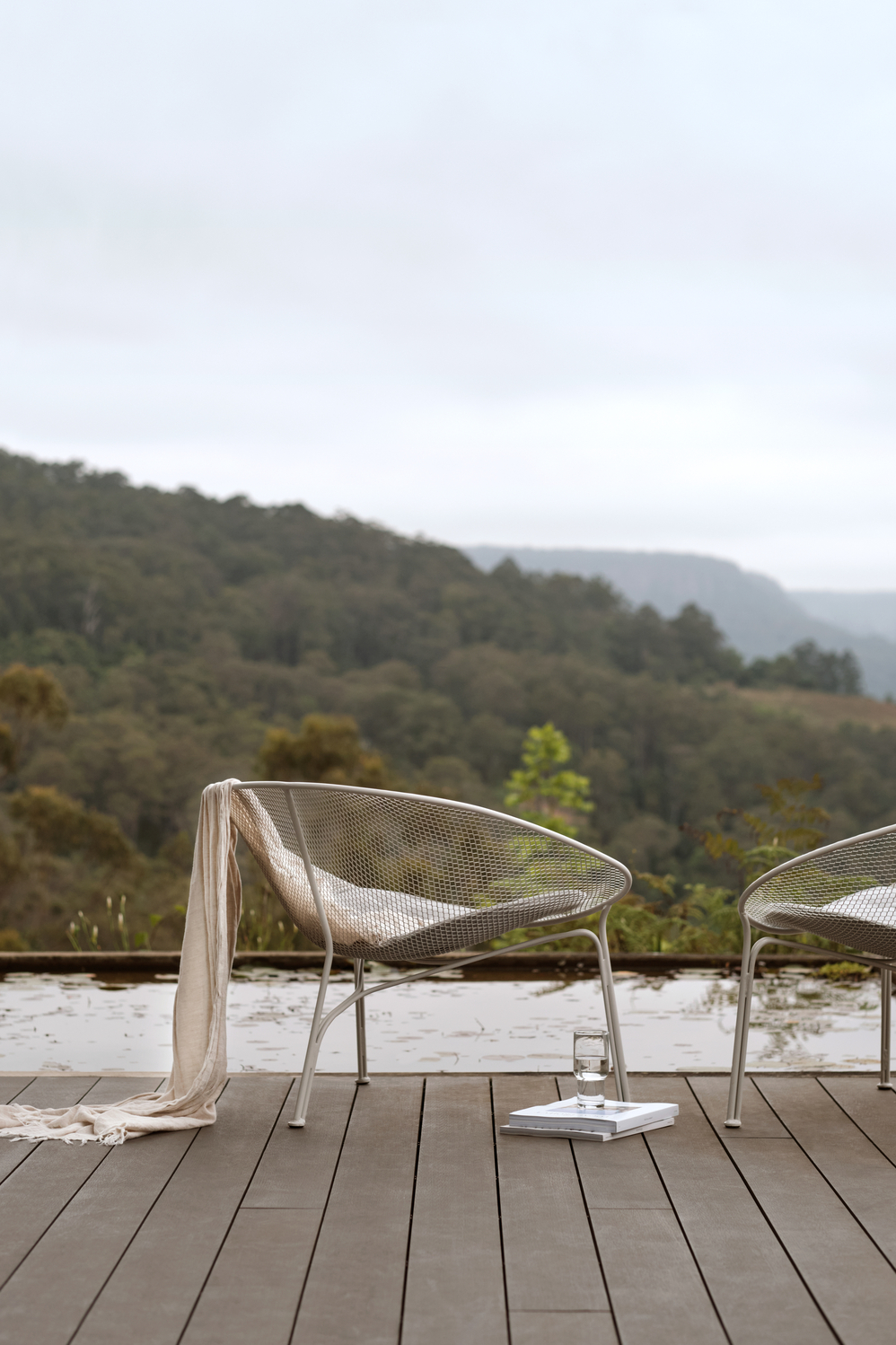
King Living Luna chair
The Luna outdoor chair's back and base are made from expanded steel mesh with an intricate net-like structure

"From small inner-city balconies to sprawling backyard areas, the King range of outdoor pieces have been thoughtfully designed to suit our native climate and a variety of different outside spaces," said David Hardwick, global head of design and product."

"When it comes to outdoor furniture, Australia's harsh climate demands a high level of quality," continues Hardwick.

The King Outdoor collection also comes with a 10-year steel frame outdoor warranty to give you added peace of mind.

King Living Luna chair
Three readers will win a Luna outdoor chair in a fabric and colour of their choice

The Luna outdoor chair measures 36 inches wide by 26.75 inches deep by 27 inches tall.

Founded in Sydney in 1977, King operates in Australia, New Zealand, Asia and North America. Its award-winning furniture is available to buy from your nearest showroom or online.

Competition closes 23 August 2021. Terms and conditions apply. Three winners will be selected at random and notified by email. Please note delivery is only available to readers in cities where there is a King showroom.

Partnership content

This competition is a partnership between Dezeen and King. Find out more about Dezeen partnership content here.

The post Competition: win a Luna outdoor chair by King appeared first on Dezeen.


from Dezeen https://ift.tt/3zDRpbq