Tuesday, 27 July 2021

This year's Paris Design Week explores desirable lifestyles

Paris Design Week

Dezeen promotion: Parisian galleries, showrooms and boutiques will open their doors for Paris Design Week from 9-18 September.

The 10-day event will host exhibitions, workshops and discussions surrounding a range of design disciplines, including fashion, homeware and interiors.

This year the event has adopted the same theme as the biannual Parisian interior design show Maison & Objet – "desirable development".

The show will aim to explore objects that represent designers' visions of what makes a desirable lifestyle in light of the changes the coronavirus pandemic has brought.
Paris Design Week
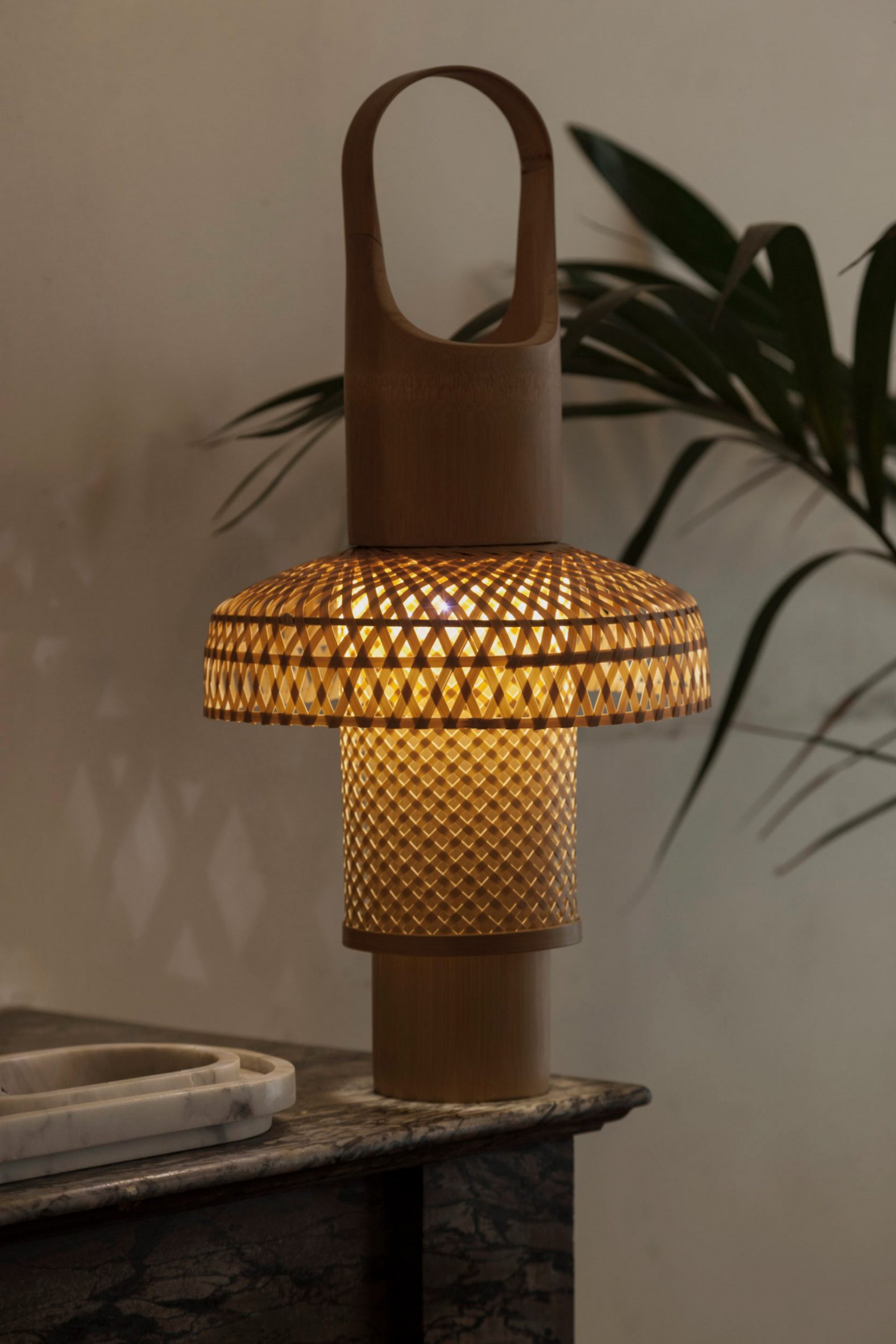
The Frugal exhibition showcases designs from over 40 designers including this bamboo lamp by Samy Rio

Although Maison & Objet was a digital event in 2020, it will return physically this year from 9-13 September, and like Paris Design Week which was an in-person event in 2020, it will exhibit previously unseen collections from across the globe.

"Rising talents and iconic design brands, young graduates and museum institutions, freshly launched design houses, artisans and designer-makers with inspired and inspiring hands will all flock to Paris to invent and showcase their vision of a desirable lifestyle," said the organisers.

"A lifestyle that is in harmony with nature, that leverages technology to bring people together – sometimes virtually – whilst drawing on traditional expertise that is handed down from generation to generation, bearing witness to the passing of time."
Paris Design Week
Empreintes will be exhibiting in their concept store located at 5 rue de Picardie, Paris 3

The event will be hosted across 300 venues in Paris. One of which is the Hotel de Coulanges which will host an exhibition called Frugal that intends to address the design challenges the world is facing in relation to the climate crisis.

The exhibition will include pieces from over 40 designers who have experimented with recyclable and low energy materials, including seaweed, fungi and shells.

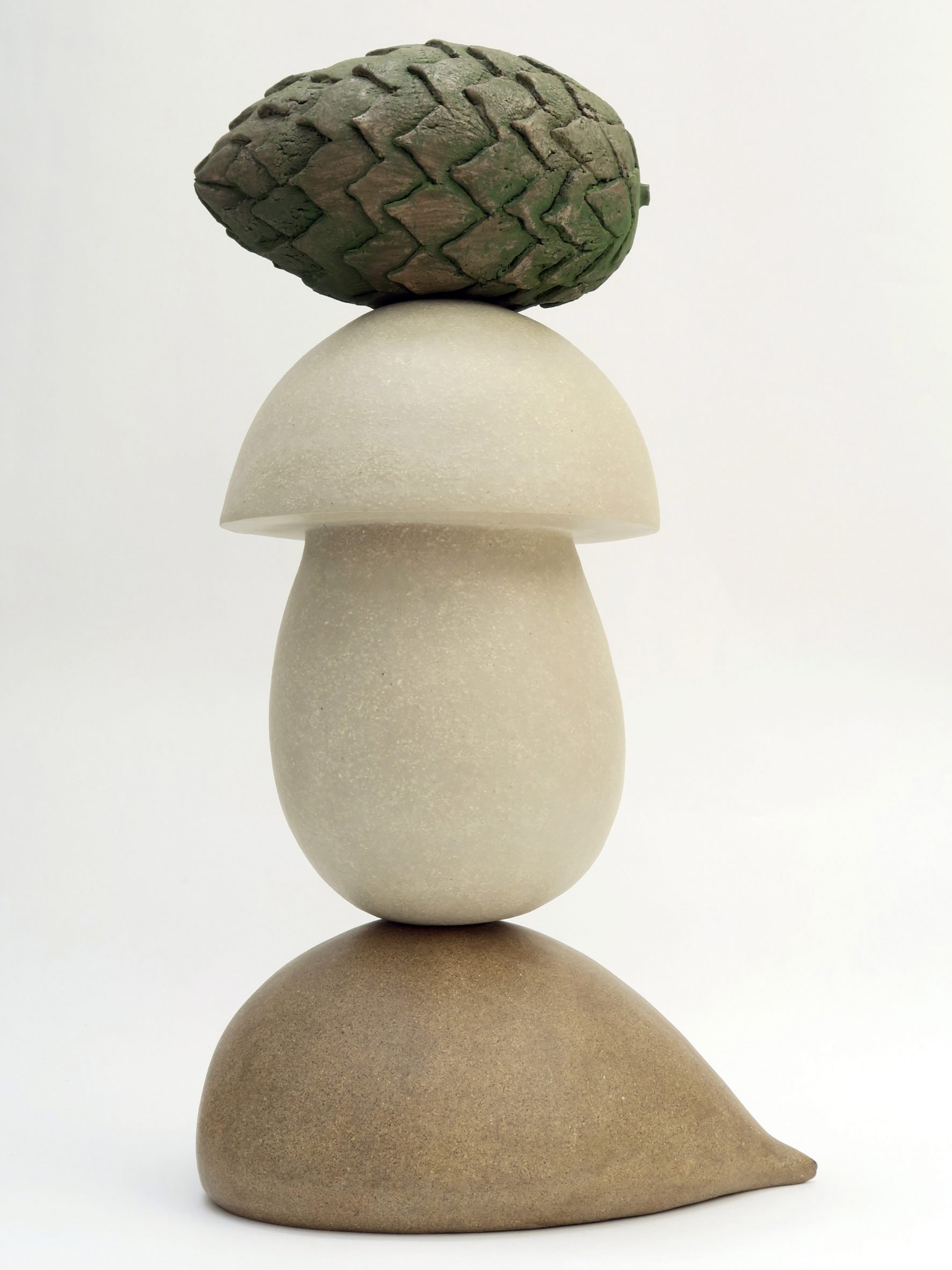
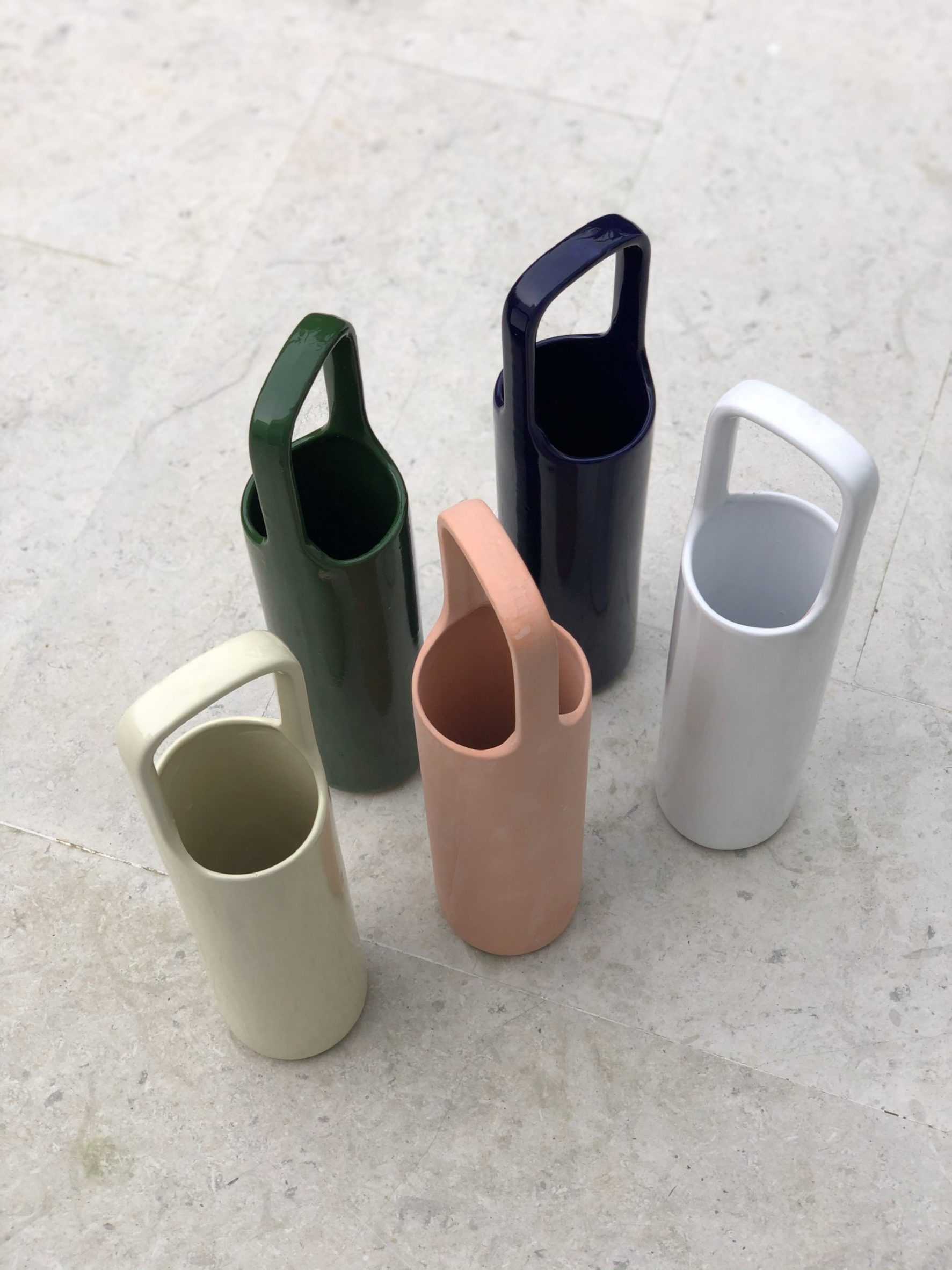
This includes Samy Rio, professor and researcher at the recently opened Luma Arles arts centre in southern France, who has made a series of minimalist vases from clay and a bamboo lamp.

"It is an exhibition that invites us to rethink our approach to beauty, encouraging us to look for it in a frugal and sustainable way," said the organisers.
Paris Design Week
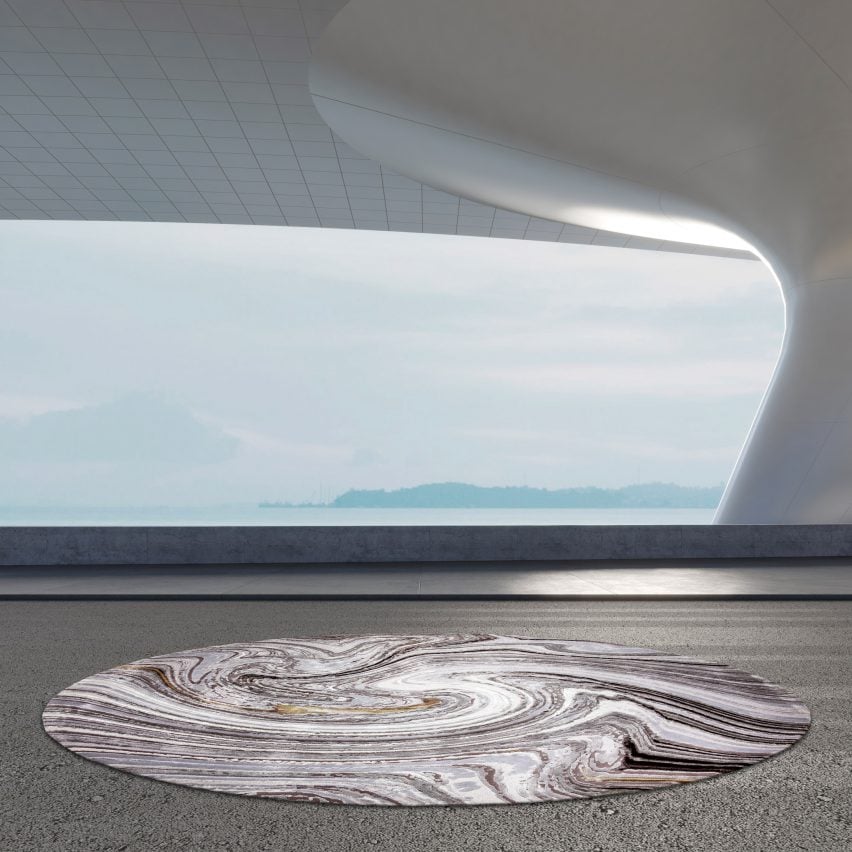
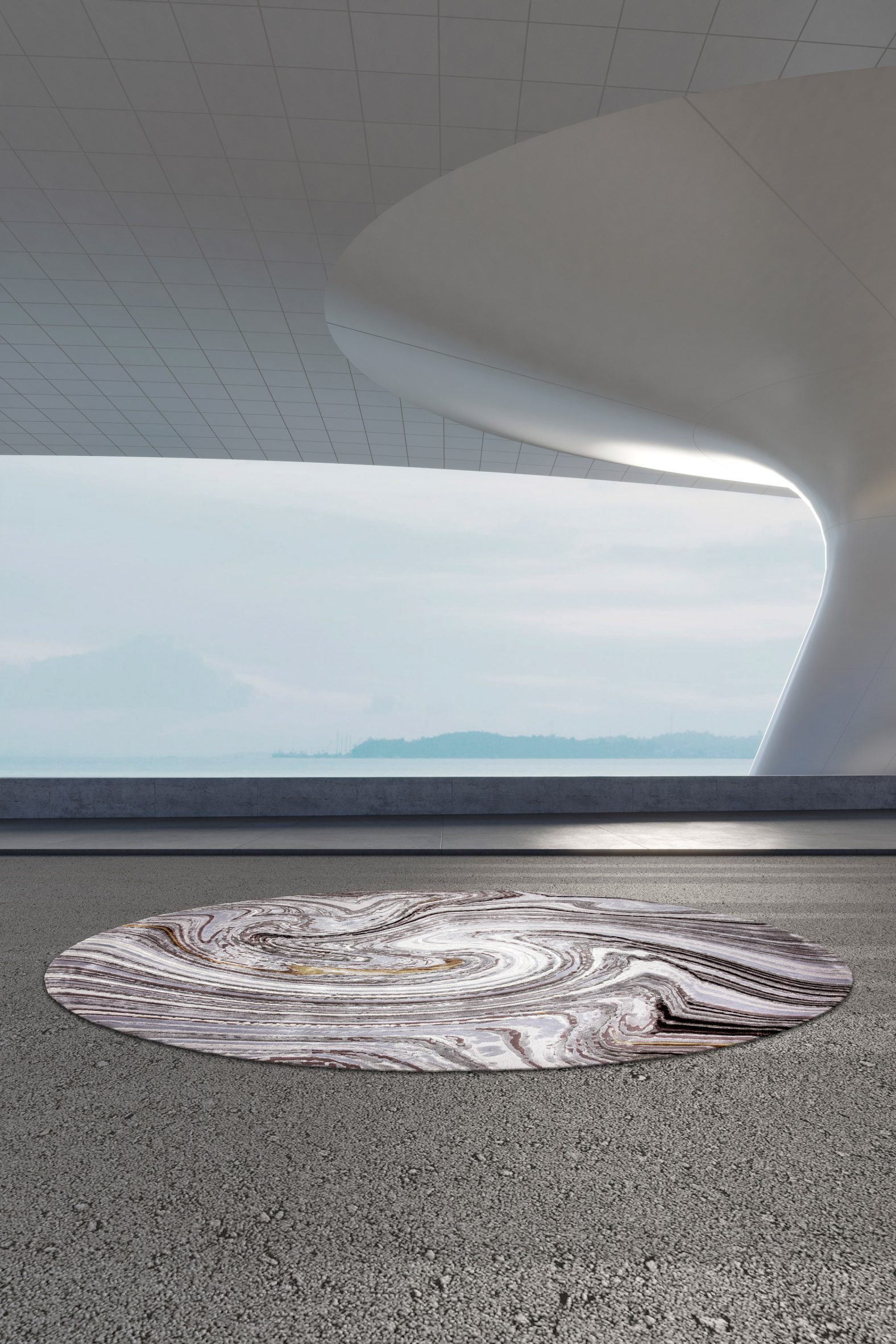
Jamy Yang's rugs are designed to reference hyperspace and relativity

The Paris Design Week Factory, a flagship event for young international designers in partnership with Galerie Joseph, will run throughout the week.

Here recent graduates will present their prototypes and the event intends to help them kick start their careers.

Also displayed in Galerie Joseph will be an ideas laboratory and new materials experimentation hub where visitors can learn about emerging materials, methods and designs.

From 13-15 September Campus des, Métiers d'Art et du Design will exhibit the work of eight design schools in an exhibition called Vivement Demain. The students' work tackles the challenges of today and the future, including how to manufacture sustainable products.
Paris Design Week
The Frugal exhibition also showcases Samy Rio's minimalist vases made from clay

"Today's ecological issues have left us all with no choice but to think about manufacturing things differently," said the organisers. "Disposable goods, polluting products and unsustainable manufacturing processes must all make way for more responsible solutions."

"It is an exhibition that places the decorative arts resolutely centre stage, with projects demonstrating a combination of innovation, audacity and a keen eye for detail, spearheaded by young up-and-coming designers who are in tune with modern times and keen to address the challenges of the future."

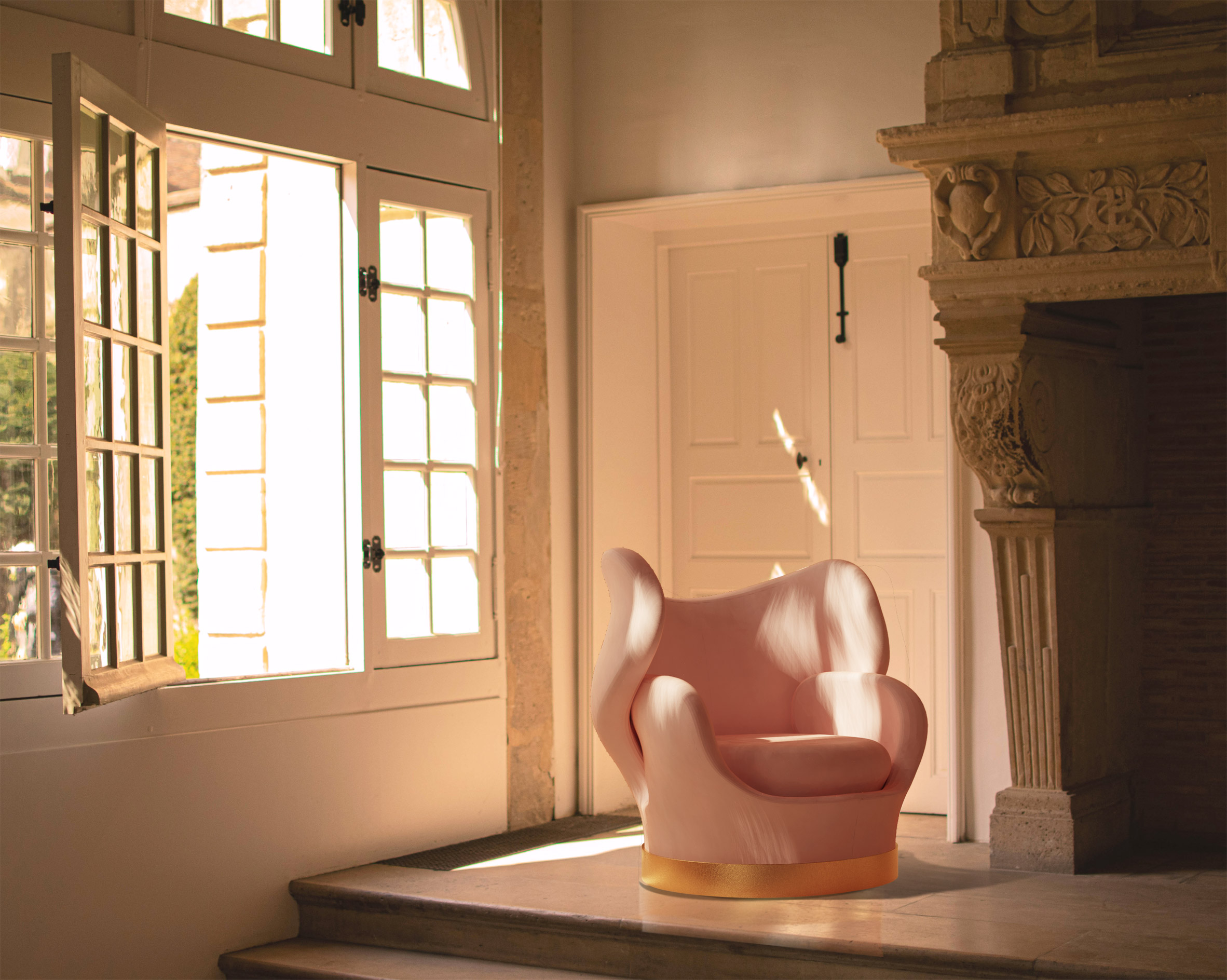
Also included throughout Paris Design Week will be designer Pierre Gonalons' contemporary furniture, which will be exhibited at the Sully Hotel, home to France’s Centre of National Monuments. Here visitors can see Gonalons’ contemporary chairs and furniture interact with the historic architecture.

"Pierre Gonalons in collaboration with Craman Lagarde, Carrésol, Duvivier and Les Emaux de Longwy, will be installed in such a way as to cleverly interact with the majestic XVIIth-century Parisian architecture," said the organisers.
Paris Design Week
Pierre Gonalons' contemporary furniture is exhibited at Sully Hôtel, home to France’s Centre of National Monuments

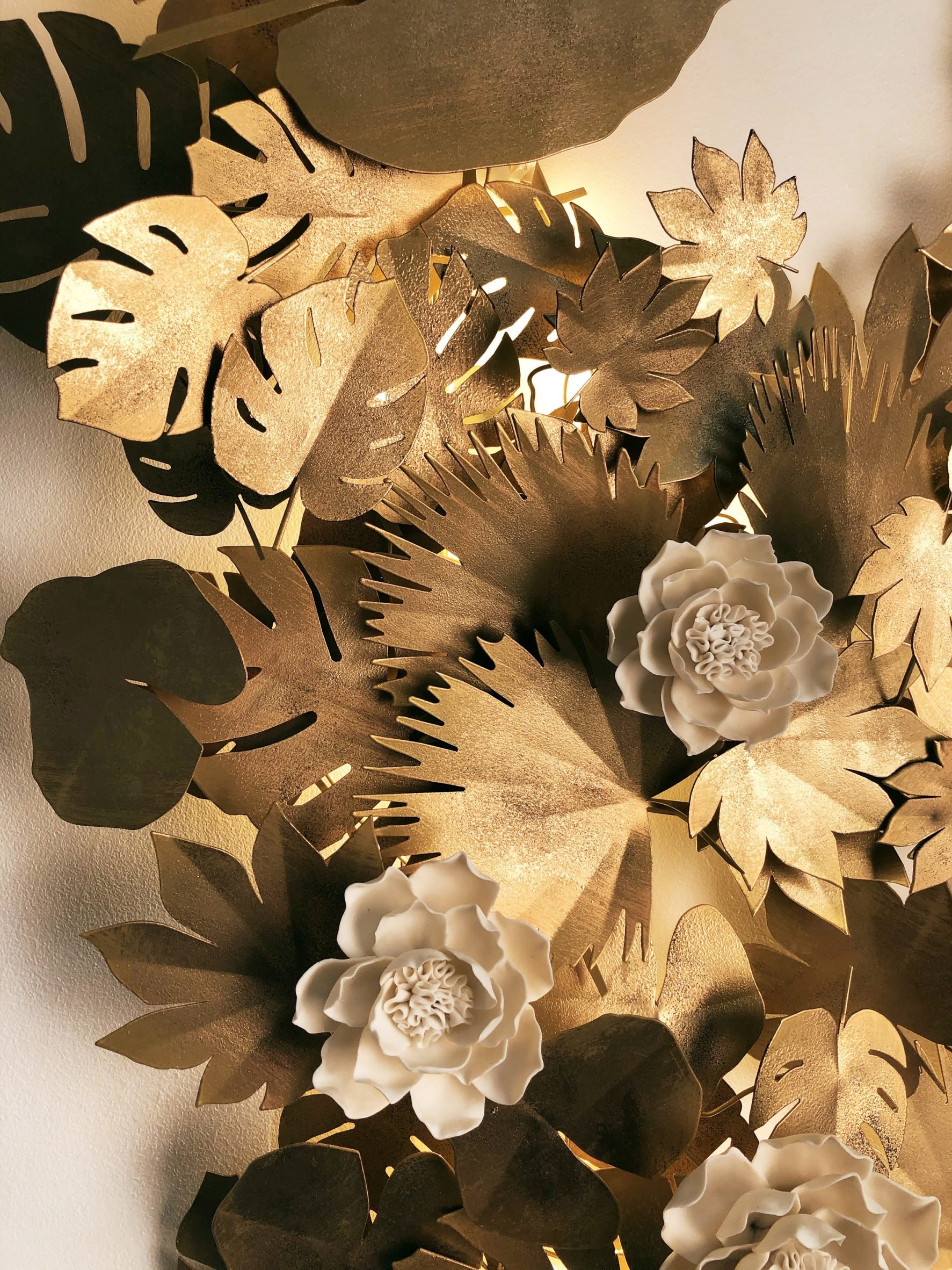
Installations including Jardin Secret by light sculpture studio Art et Floritude will also be in place during the week. Exhibited in a former Parisian paint factory the piece is a light sculpture referencing plant's structure and form.

"In a nod to the grape harvest season – the iconic vines ramble across the walls and ceilings, intertwining with some brand-new creations," said the organisers.

"A celebration of metal lacework, handcrafted sheet by sheet, and adorned with porcelain flowers whose transparency is revealed by the light."
Paris Design Week
Jardin Secret is a light sculpture referencing plants

Throughout the week visitors can also see Jamy Yang's luscious rugs with marble patterns designed to explore hyperspace and relativity. Yang's carpets are distorted and made via hand-tufting techniques.

Visitors can also visit Empreintes, a concept store showcasing French designers’ tableware, jewellery and sculptures made using traditional crafts. This takes place at 5 rue de Picardie, Paris 3.

More information about Paris Design Week is on its website.


Partnership content

This article was written by Dezeen for Paris Design Week as part of a partnership. Find out more about Dezeen partnership content here.

The post This year's Paris Design Week explores desirable lifestyles appeared first on Dezeen.


from Dezeen https://ift.tt/3l0X9rK

Schmidt Hammer Lassen and Friis & Moltke design "humane prison" in Greenland's capital

Anstalten prison against the landscape

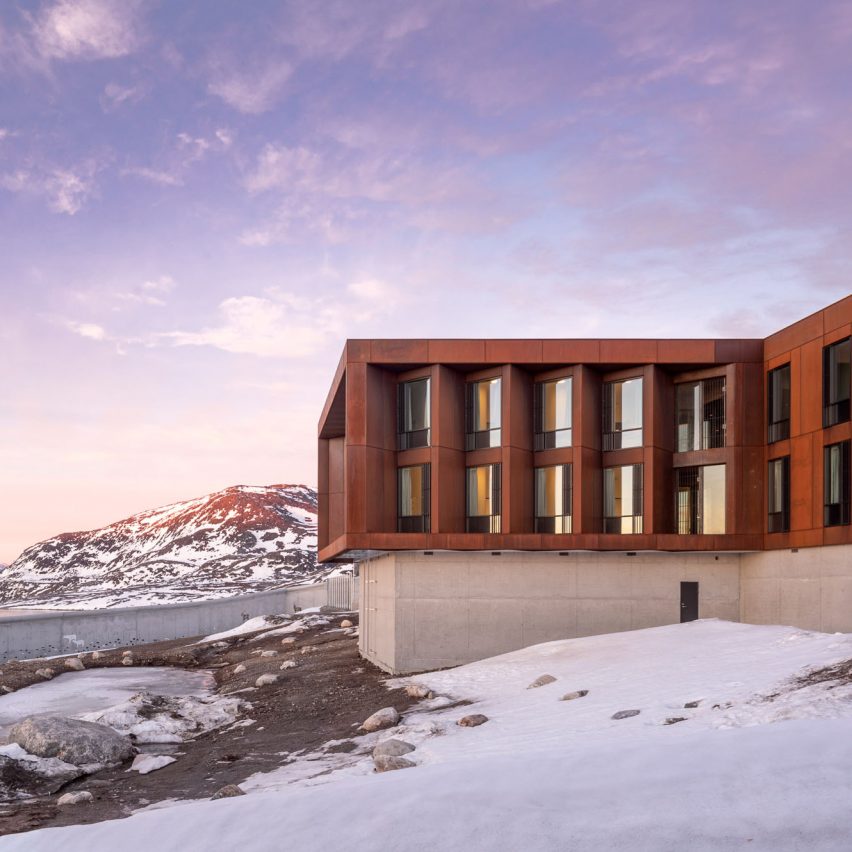
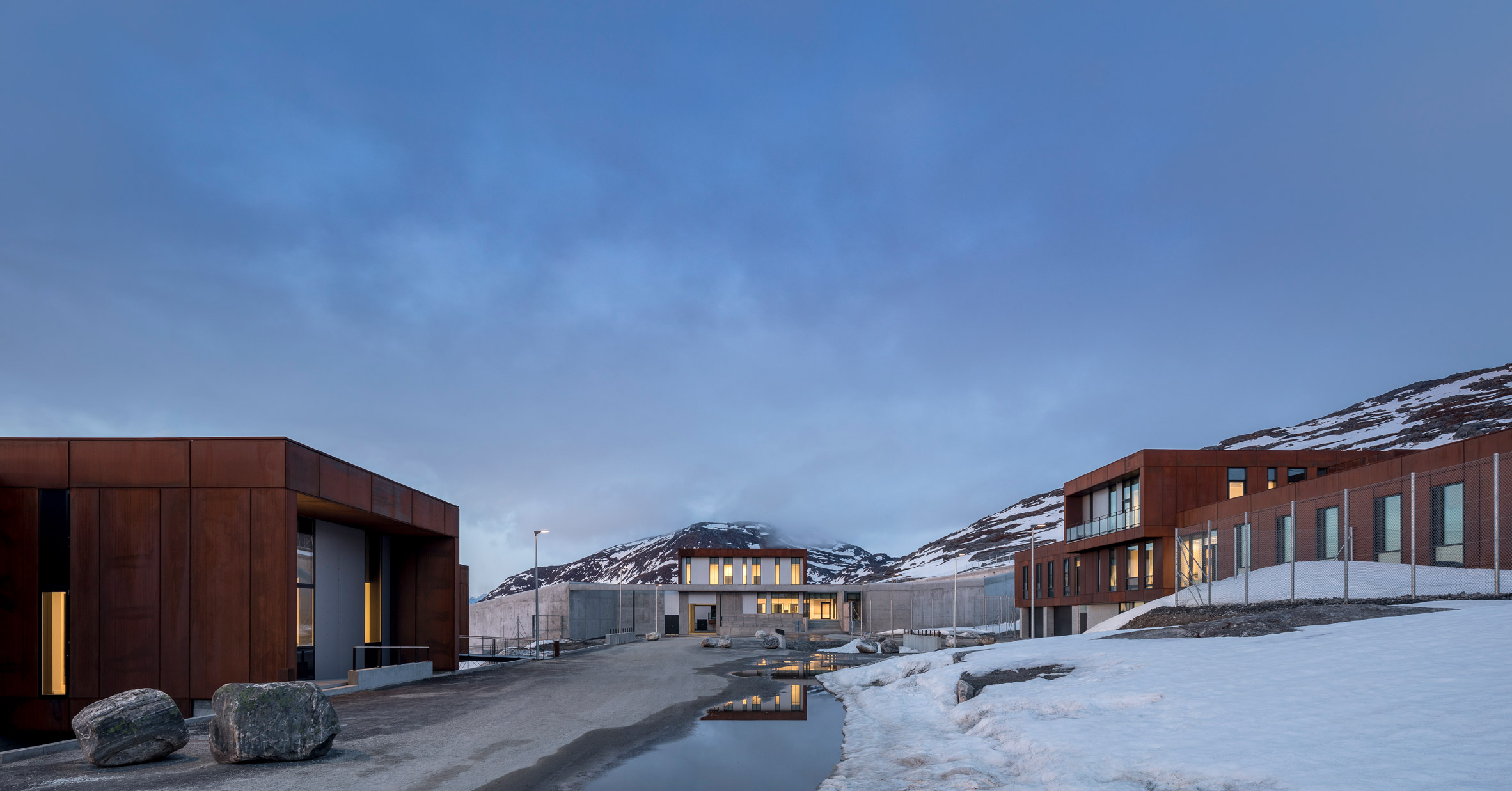
New photos show Danish studios Schmidt Hammer Lassen and Friis & Moltke's Corten-clad prison overlooking a fjord in Greenland's capital Nuuk.

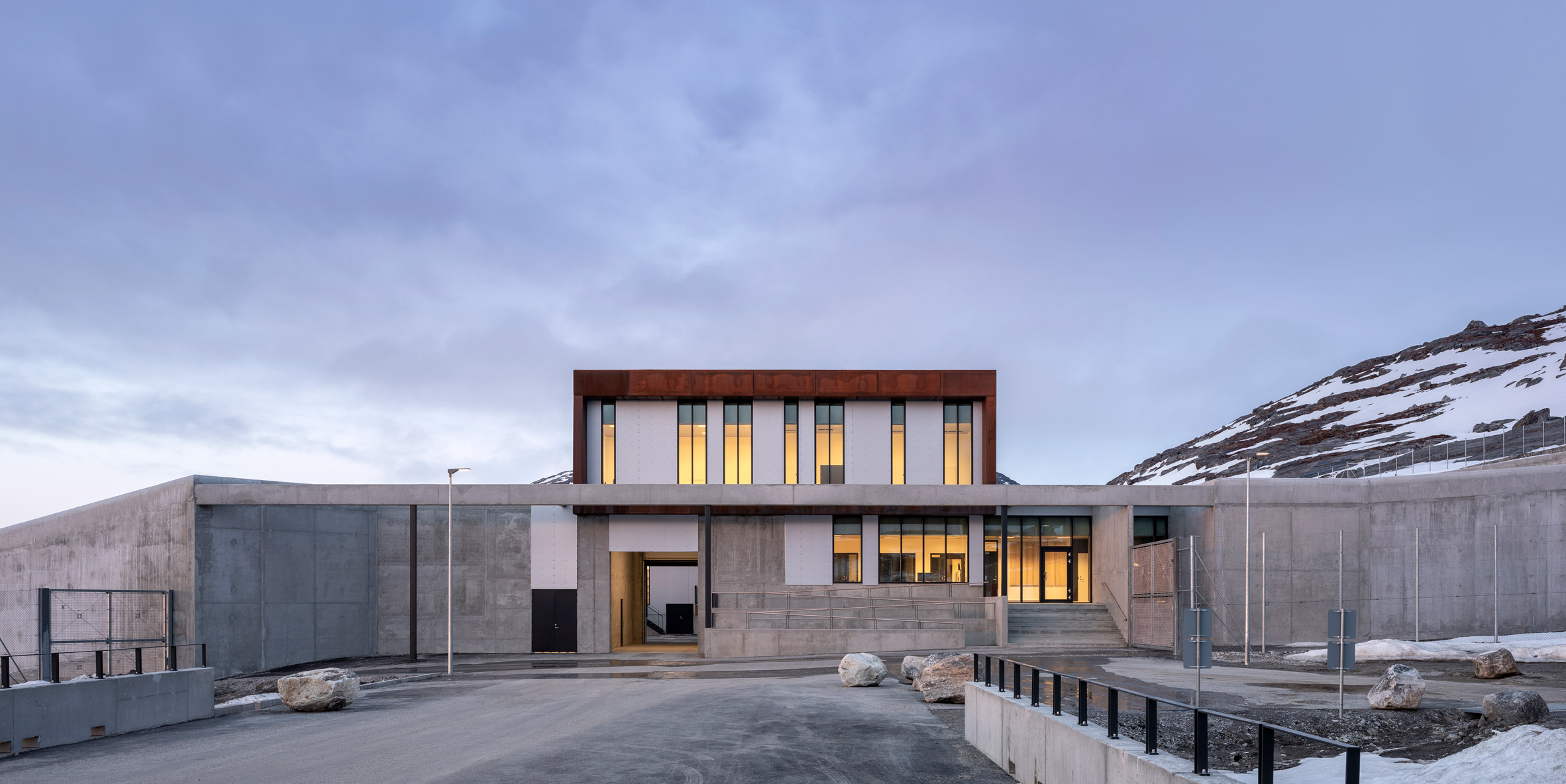
The facility, called Anstalten, is the first high-security prison in Greenland, which previously relocated all of those sentenced for serious crimes to Denmark.

A concrete prison in Greenland
Schmidt Hammer Lassen and Friis & Moltke completed the prison in Nuuk

These relocated inmates will now be given the option to transfer back to Greenland and serve their sentence closer to home.

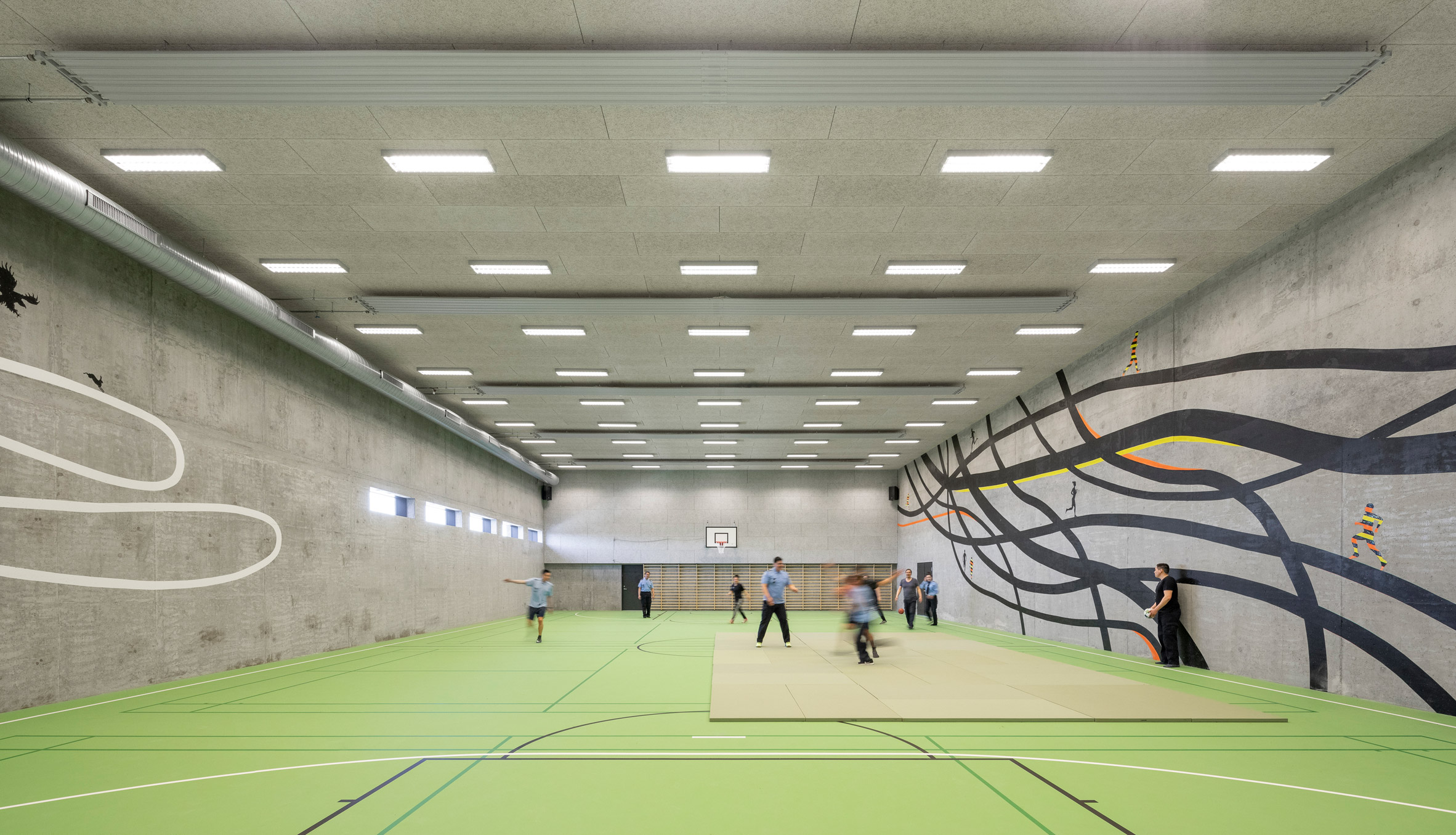
Designed by Schmidt Hammer Lassen and Friis & Moltke to be a "small village", the Anstalten complex was completed in 2019. It comprises roughly 8,000 square metres of units for 76 inmates alongside workspaces, educational and sports spaces, a library, health centre and chapel.

Weathering steel cladding
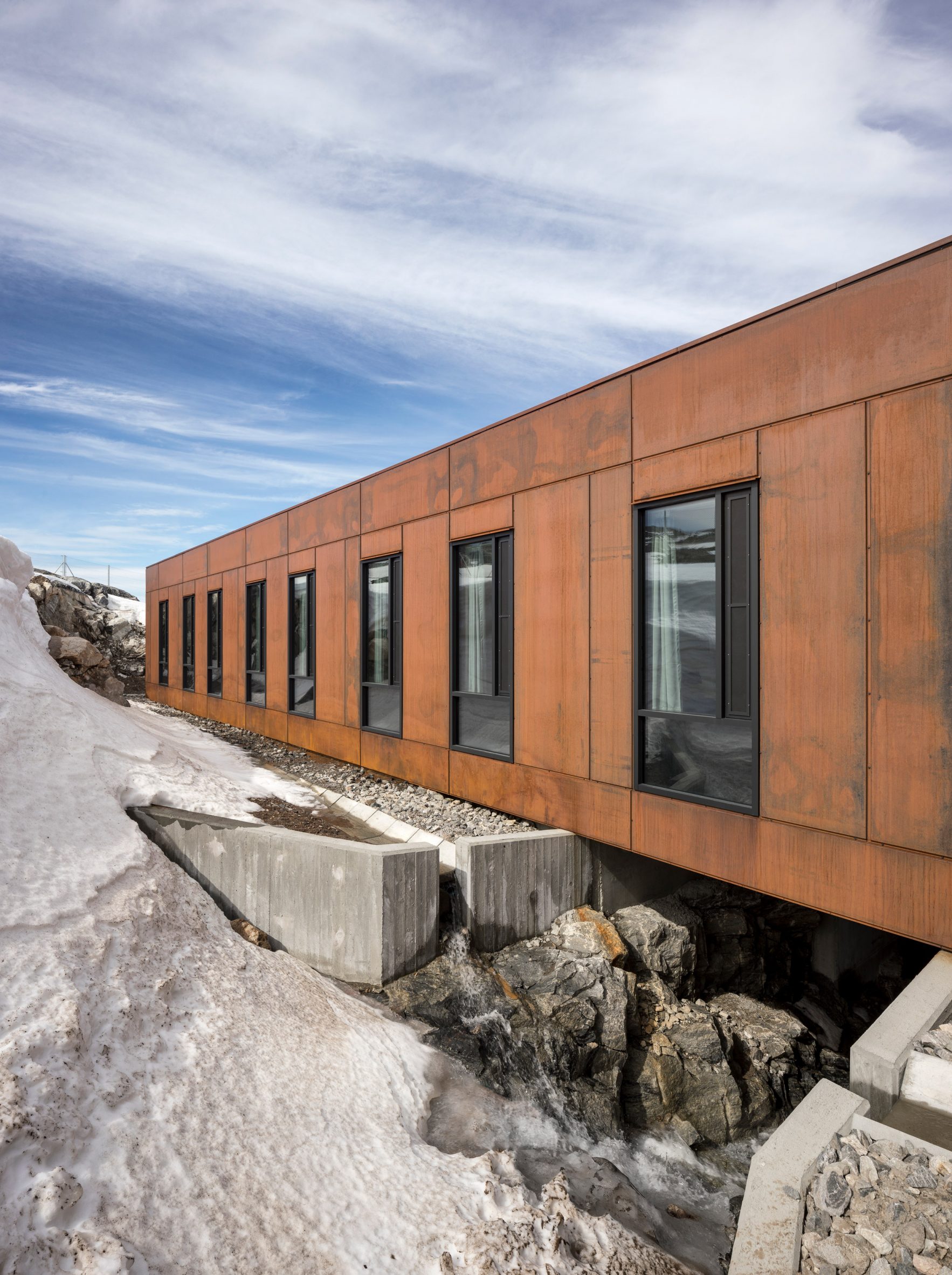
The buildings are partly clad in weathering steel

"This 'humane facility' concept mimics the rhythm and structure of everyday life," said the architects.

Forty of the prison's cells are "closed" and 36 are "open", in accordance with Greenland's prison system that allows inmates to continue to interact with their communities, to visit family and work.

Glass sliding doors
The complex is designed to create a connection to nature for inmates

Situated between the base of a mountainous landscape and the Nuuk Kangerlua fjord, the Anstalten prison was designed to "blend seamlessly" with its surroundings and create a connection to nature for inmates.

"Respect and dignity are at the heart of the design, reflected to the point between people and institution, as well as in the relationship between the building and the unique natural setting that surrounds it," said the architects.

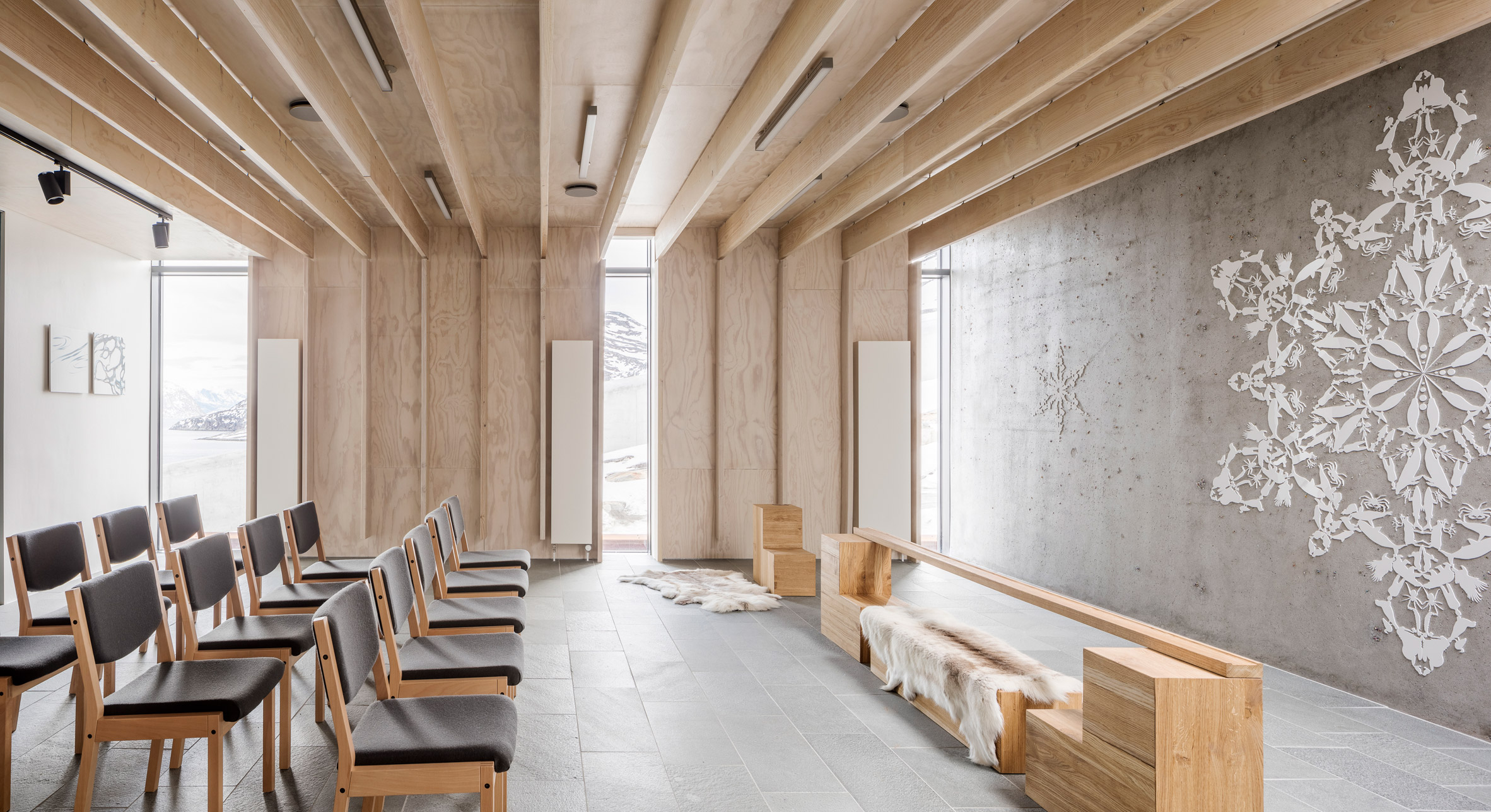
A wood and concrete room inside Anstalten prison
Works by local artists decorate the interiors

This guided the material choices, with blocks clad in weathered Corten steel and raised on concrete podiums that follow the contours and irregular level of the site.

Walkways connect these separate blocks, aiming to provide some mental and physical separation between the living and work areas.

"The contrast between beauty and roughness was a guiding theme in the design for Anstalten," the architects said. "We focussed on openness, light, views, security and flexibility, and incorporated local, native culture into the design process."

Each residential block is divided into a series of private 12-square-metre rooms, with bar-less windows providing views over the prison's concrete wall towards the sea and surrounding landscape.

A sports hall with concrete walls
Spaces for sports are located on the complex

A panoramic window spanning the length of the common room frames further views, while in the chapel, tall thin windows between timber-fin walls look out at the mountains.

A selection of interior walls, as well as the prison's concrete perimeter wall, have been finished with work by Greenlandic artists Julie Edel Hardenberg, Miki Jakobsen and Aka Høegh, inspired by traditional local costumes and mythology.

A weathering steel-clad prison
The project is Greenland's first high-security prison

Nuuk is also the location of Danish practice Schmidt Hammer Lassen's "breakthrough" project: the undulating timber-clad Katuaq Cultural Centre of Greenland.

The photography is by Adam Mørk.


Project credits:

Architect: Schmidt Hammer Lassen Architects, Friis & Moltke Architects
Client: Danish Ministry of Justice Danish Prison and Probation Service
Engineer: Rambøll A/S
Landscape architect: Møller & Grønborg

The post Schmidt Hammer Lassen and Friis & Moltke design "humane prison" in Greenland's capital appeared first on Dezeen.


from Dezeen https://ift.tt/3BOkW40

Watch Nendo's Toyko 2020 cauldron open to reveal Olympic flame

Toyko Olympic cauldron by Nendo

This video shows the Tokyo 2020 Olympic cauldron designed by Japanese studio Nendo opening up to reveal the hydrogen-powered Olympic flame.

Designed by Nendo founder Oki Sato to evoke a sun, the spherical cauldron was the centrepiece of the games' opening ceremony, which took place last Friday in the Kengo Kuma-designed Tokyo National Stadium.

The video shows the aluminium segments of the spherical cauldron unfurling before the Olympic flame is lit.

The flame is powered by hydrogen, which burns without producing greenhouse gas emissions. This is the first time that this fuel was used for the Olympic flame instead of propane.

Read more about the 2020 Olympic cauldron ›

The post Watch Nendo's Toyko 2020 cauldron open to reveal Olympic flame appeared first on Dezeen.


from Dezeen https://ift.tt/3y7NGT3

Telfar designs unisex uniforms for Liberian Olympic team

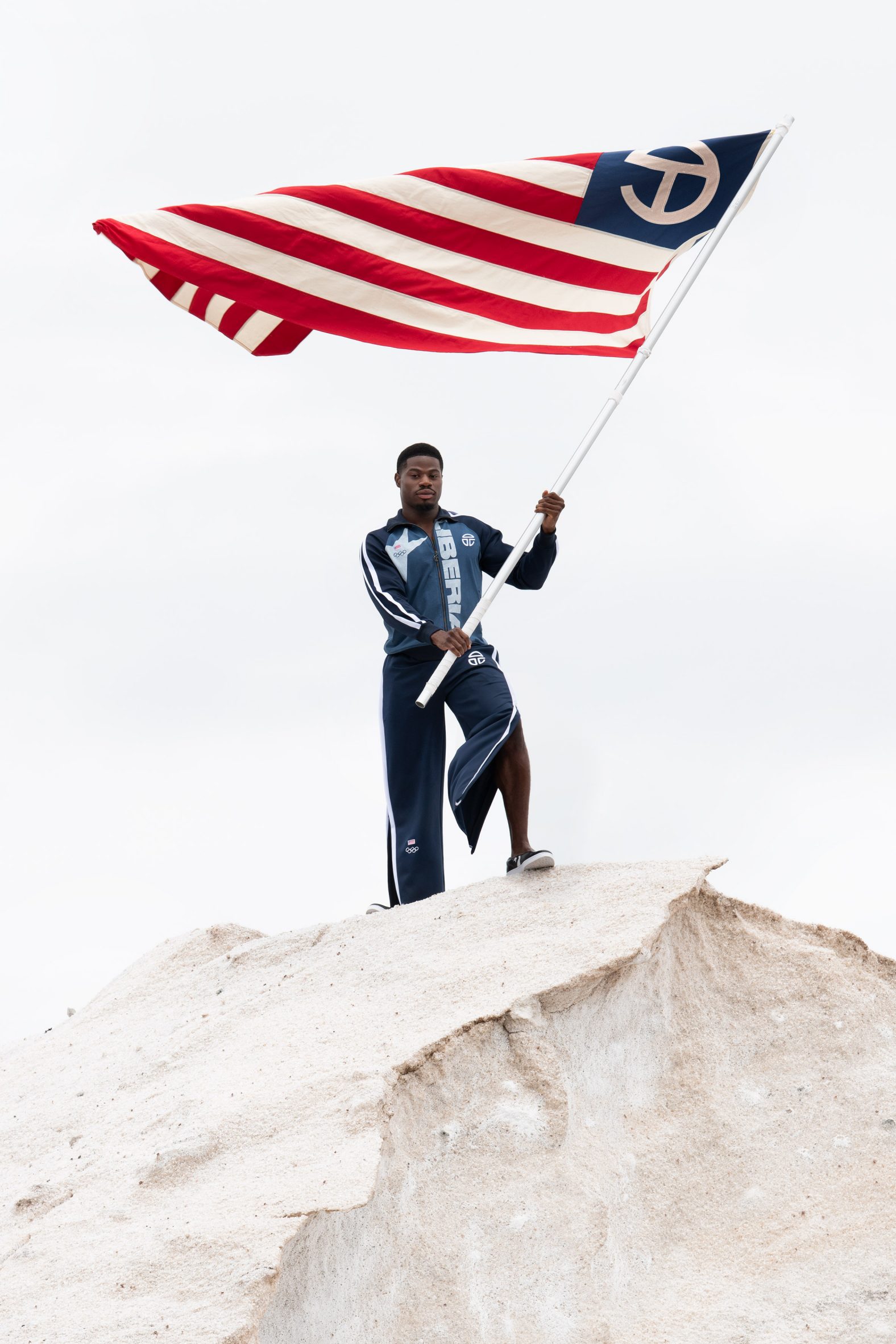
a man waving the liberian flag wearing telfar olympic uniform

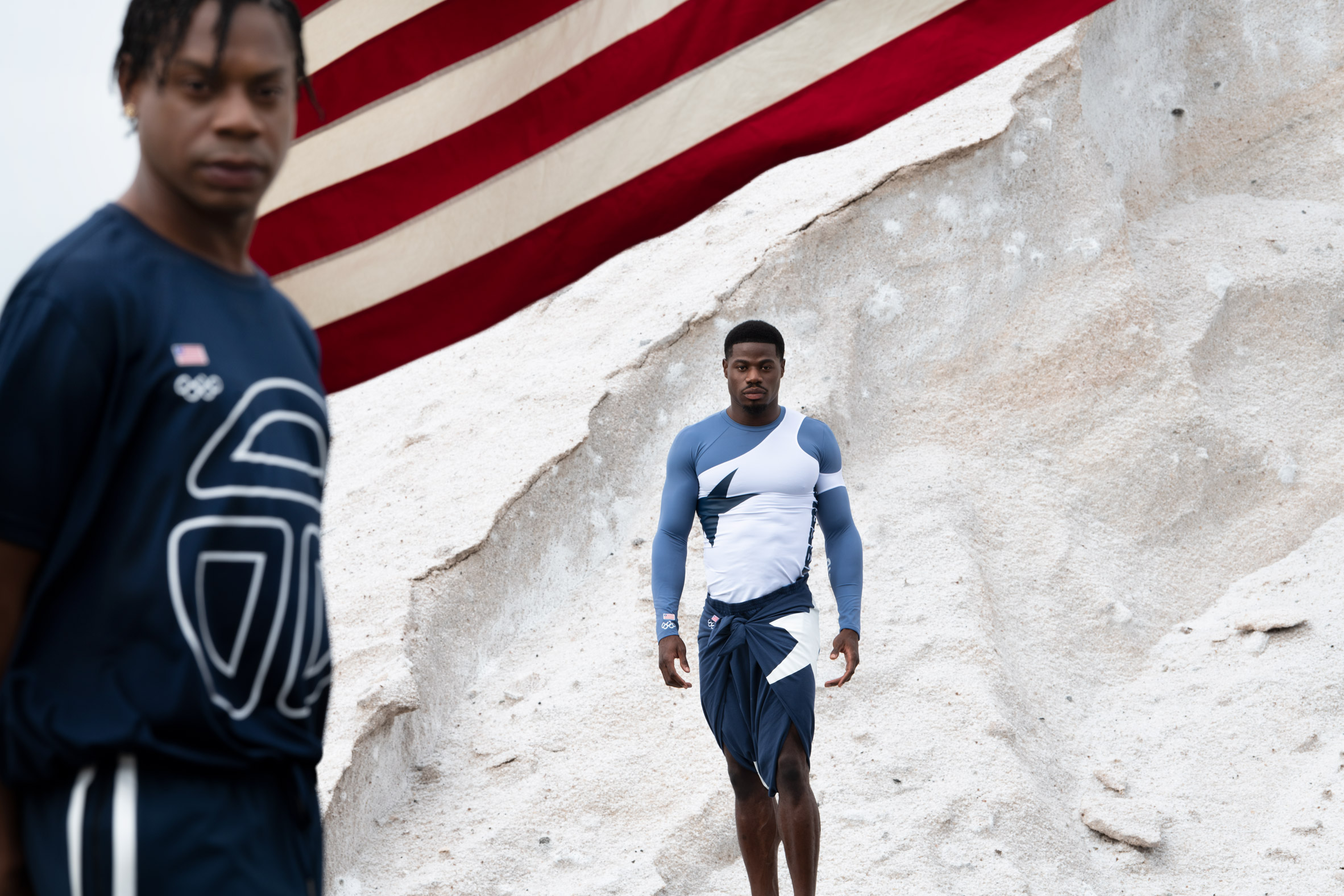
New York-based fashion brand Telfar has designed a collection of unisex uniforms for the Liberian team at the Tokyo 2020 Olympics.

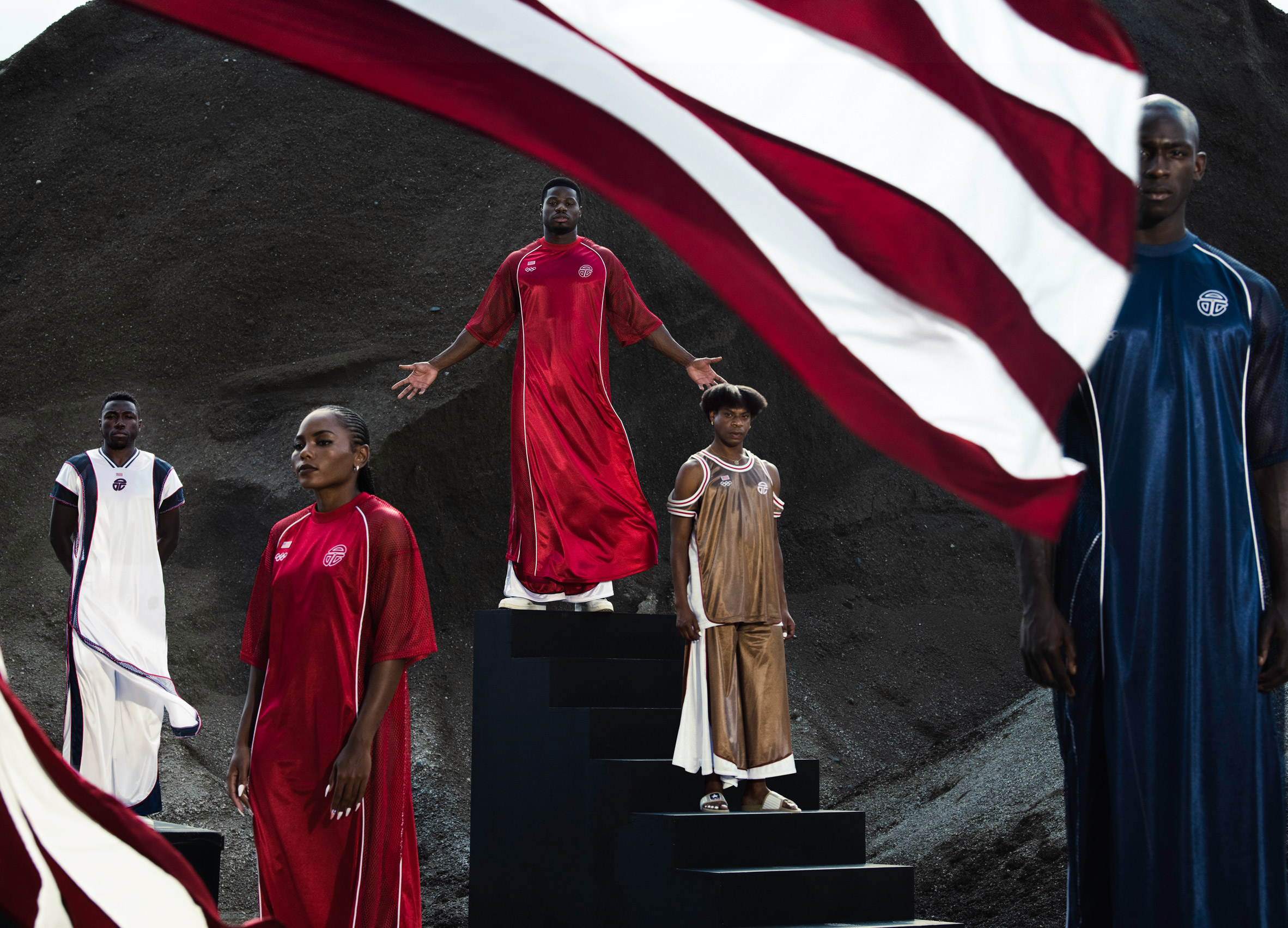
Liberian-American fashion designer Telfar Clemens and his business partner Babak Radboy created unitards, gowns, tank tops and other clothing items for the Liberian Olympic team to wear during the games.

Above: professional Liberian athletes Wellington Zaza, Joseph Fahnbulleh and Akeem Sirleaf model the collection. Top: the uniform is designed to celebrate Liberian culture

Clemens sketched the designs, some of which debuted at the Olympic opening ceremony in the Kengo Kuma-designed Tokyo National Stadium on Friday, while in Africa.

His immediate surroundings were the inspiration for the collection.

"The garments tell the story of a journey of recognition — in which Telfar saw the roots of his design DNA all around him in the streets of a country with a history deeply entwined with America's own," the designers told Dezeen.

"In this sense, the Liberian National Team manifests a profound narrative of repatriation. Telfar, like the athletes who make up the team, is asked to represent something much deeper than a nation."

A man waves a flag while wearing the Telfar Olympic uniform
The designs use red, white, gold and blue colours

The brand, which is best known for its iconic fake leather shopping bags, has printed its own "T" logo on the front of the uniform, giving it a distinctively Telfar aesthetic.

Further notable Telfar styling choices can be seen in the one-shoulder tank tops and the loose-fitting tracksuits.

The uniform incorporates shades of the colours on the Liberian flag – blue, red and white – as well as gold. Large stars have been printed onto the clothes in a nod to the single star on the flag.

African clothing styles also feature in the genderless collection. The African lappa – a traditional colourful skirt or dress that wraps around the wearer – manifests itself as a tie-up garment that can be worn by both male and female athletes.

"The traditional African lappa, which Telfar has produced since 2009 without knowing its origin, is rendered in navy jersey and engineered with graphics and pockets," said the designers.

The word Liberia is printed in capital letters along the side of the clothes.

Liberian sprinter Emmanuel Matadi running in Telfar's uniform
Liberian sprinter Emmanuel Matadi wears a blue and white unitard which is part of the track uniform

The designers also looked at the global supply chain of clothes to inform the design.

"The collection traces logistics of global distribution networks backwards from their point of termination: in the barrels and containers of used and surplus clothes from which much of Africa — and therefore the world — fashions itself."

Two men wearing blue and white telfar olympics uniforms
Clemens designed the collection while in Africa

Telfar was announced as the official sponsor of the Liberian team at the Tokyo 2020 Olympic Games last month. The brand will launch an Olympics-informed commercial collection after the games.

Nike is another major fashion brand that has designed uniforms for the Tokyo 2020 Olympics. The sportswear company produced basketball and soccer jerseys for the American team. It also created the first-ever Olympic skateboarding uniforms for France, Brasil and the United States.

Photography is by Jason Nocito.

The post Telfar designs unisex uniforms for Liberian Olympic team appeared first on Dezeen.


from Dezeen https://ift.tt/2WuW0yF

Thomas Heatherwick in discussions with UK government over Covid-19 memorial

thomas heatherwick headshot

British designer Thomas Heatherwick has met with the UK government to discuss commemorating those who have died during the coronavirus pandemic.

Records of the UK government's recent ministerial meetings show that the designer met Cabinet Office minister Chloe Smith in March this year at a meeting described as: "To discuss COVID-19 commemoration".

The meeting was an "informal discussion" on how best to commemorate the victims of the Covid-19 pandemic, according to the Cabinet Office.

"Whilst the Government's immediate focus is on protecting the lives and livelihoods of the nation, there is nonetheless the need to mourn those who have died during the Covid pandemic, and to mark and remember this period as one of immense struggle," the Cabinet Office told Dezeen.

"The meeting was an informal discussion of general ideas around how the nation could remember those who have lost their lives and recognise those involved in the unprecedented pandemic response."

"No decisions have been made"

However, the Cabinet Office made it clear that Heatherwick, who is the head of London-based Heatherwick Studio, had not been selected to design any memorial that may be built.

"It was not specifically about a memorial and no decisions have been made," it continued.

On May 12, British prime minister Boris Johnson told the House of Commons that he would "establish a UK Commission on Covid Commemoration".

"I also know that communities across our whole country will want to find ways of commemorating what we have all been through," he said.

"This national endeavour – above party politics – will remember the loved ones we have lost."

The commission will set out the terms of reference along with a timeline for the planned commemoration.

Heatherwick designed Olympic cauldron and bus while Johnson mayor

Heatherwick has previously worked with Johnson on a number of high profile commissions while he was mayor of London including a cauldron made from copper petals for the 2012 Olympic Games.

In 2011, he redesigned the iconic London Routemaster bus in collaboration with bus manufacturer The Wright Group.

Johnson also supported Heatherwick's Garden Bridge, a plant-filled pedestrian bridge that crosses the River Thames. The controversial project was scrapped in 2017 after the subsequent mayor of London, Sadiq Khan, withdrew his support for the plans. Spiralling construction costs and fears surrounding the potential upkeep costs were cited as reasons for his withdrawal.

In countries around the world, architects and designers are planning Covid memorials to honour the lives lost to the pandemic. In Milan, Italian architect Angelo Renna proposed to plant 35,000 cypress trees in San Siro stadium to turn it into a public memorial for victims.

Elsewhere in Uruguay, Latin American architecture firm Gómez Platero designed a circular monument to remember coronavirus victims.

The post Thomas Heatherwick in discussions with UK government over Covid-19 memorial appeared first on Dezeen.


from Dezeen https://ift.tt/3eXd7iM