Thursday, 29 July 2021

Sruli Recht designs "futuristic" footwear for extreme environments

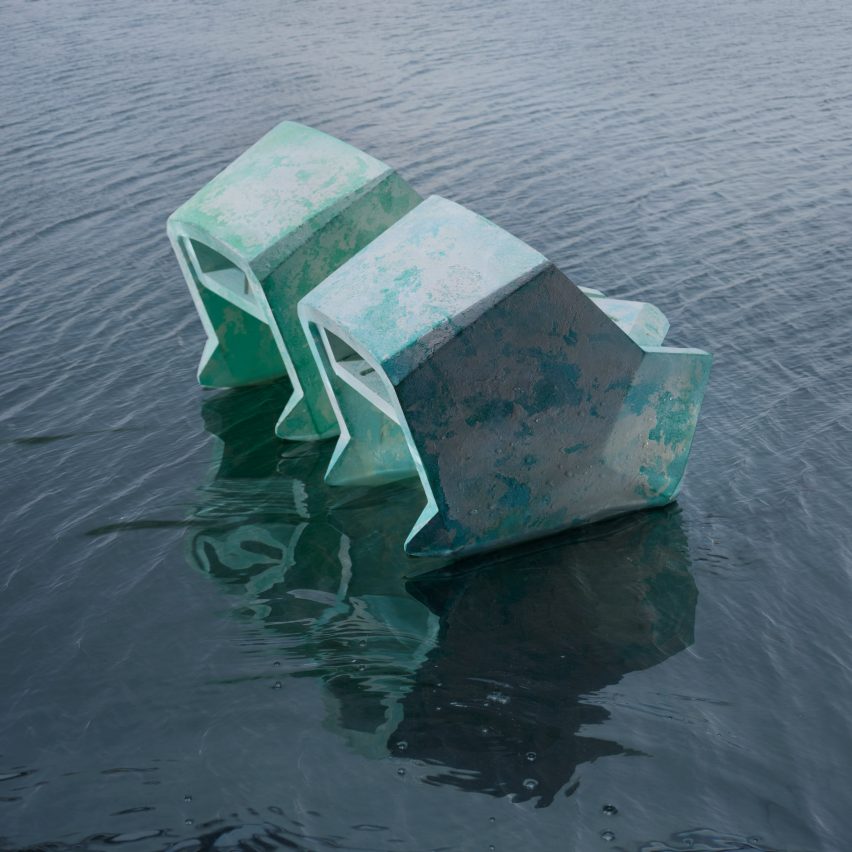
sruli recht's prosthetic shoes in water

Icelandic artist Sruli Recht has created the Damage collection of 3D-printed shoes that are designed for extreme environments and to help with old age.

Created in collaboration with creative consultancy Industry, the collection is comprised of three pieces designed as extensions to the foot.

damage footwear collection of prosthetic shoes
Top: Damage includes three different designs. Above: each design is meant to draw attention to an environmental issue

One pair of shoes can withstand flooding, another can be worn in extreme heat and the third pair helps to stabilise balance.

Recht added an elevated heel, a built-in cooling system and a stability feature respectively to make the shoes suitable for each extreme environment.

Damage footwear to combat flooding
The shoes are being sold via NFT platform Foundation

"The idea for this collection began with looking at the language of the functional aesthetics of footwear and how it evolves from its intended purpose through fashion," Recht told Dezeen.

"Watching the flooded streets of Venice with people struggling to perform shopping, the evenly cooled houses in the hotter climates, and the death of Leonard Cohen, this idea began to form: what will the most functional prosthetic footwear be for these extremes – flooding, age, and warming?" he recalled.

From this starting point, Recht asked himself what footwear could look like if it was "based solely on functional needs".
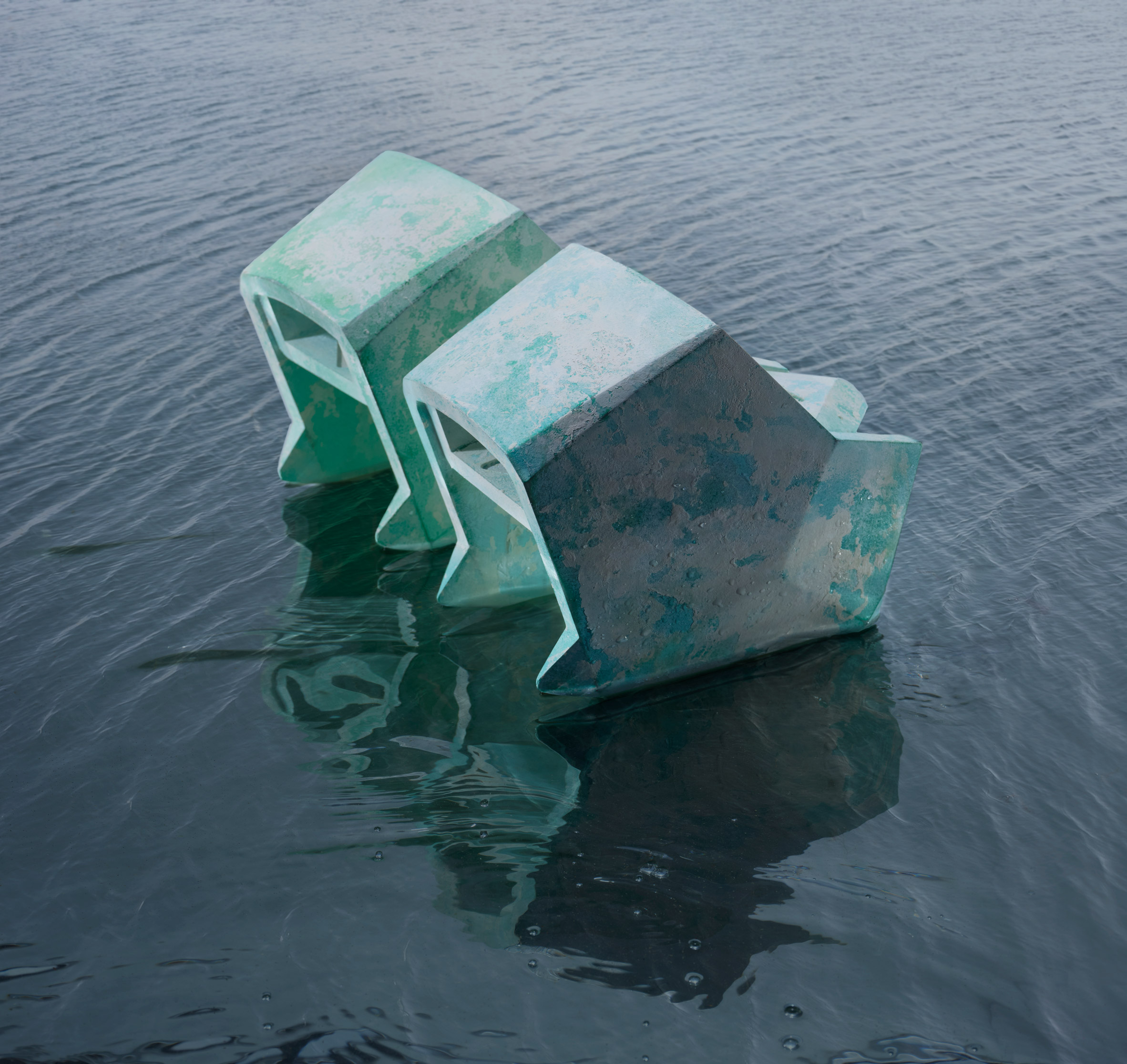
Venice Heel shoe in water
The Venice Heel allows wearers to walk through flooding

Venice Heel, which comes in two variations, is designed to fit over the wearer's usual shoe. Both the HiTide and LoTide versions have a platformed heel that allows the wearer to wade through floodwater.

"We watched in awe as the tides rose with increasing regularity," Recht said. "As the planet heated, we learned that not only did the polar caps melt, but warmer water actually expanded."

"Venice Heel looks at the swelling floods of Venice and imagines a shoe for walking in deep water," he added.

Phase change shoe
Phase Change cools the wearer down in hot weather

The Phase Change pair incorporates a built-in cooling system that helps the wearer cool down when in hot climates.

The designers studied the cooling effects employed by elephants and rabbits before applying the same science to the shoe's cooling system.

"Watching the elephants and the rabbits inspired a new breed of footwear that cooled the body through the large capillary skin areas," said Recht.

"The ears of these animals had very large veins so when the blood rant through it, it would cool down in its exposure to the air."

The team inserted a substance under the shoe that is liquid under 35 degrees and a gas at a higher temperature. When the wearer's body heat warms the liquid, it would prompt the cooling effect to occur.

"By running a series of flexible pipes under the hot footbed, the body heat would turn the fluid to a gas, which would then rise and flow into tubes on the outside of the shoe, thereby cooling outside the body," he said.

"It would then flow back down again to the footbed as a cold fluid, ready to continue the cycle, like an organism’s circulatory system."
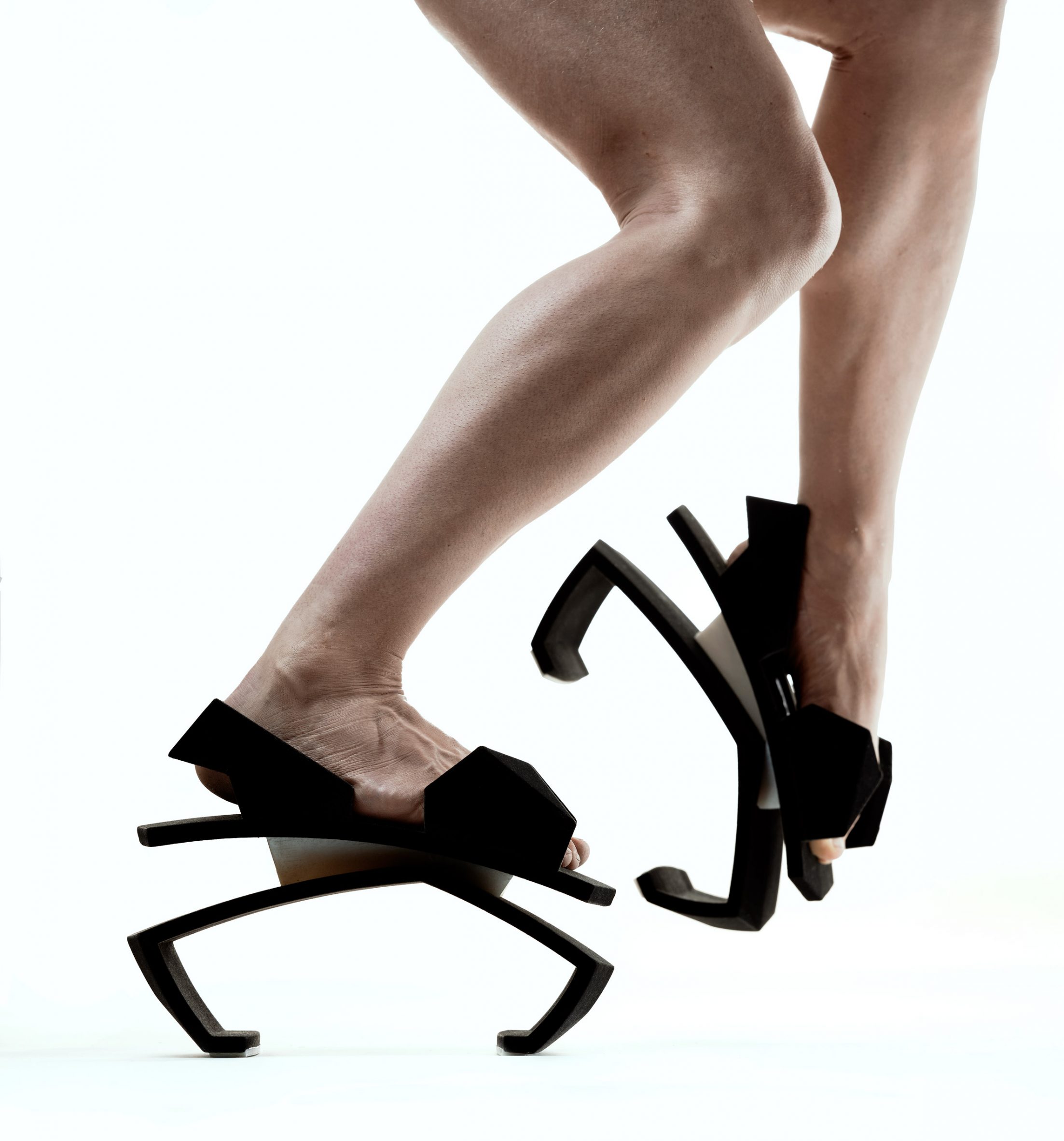
black damage shoes
Unbalanced prevent wearers from falling over due to balance problems

To solve the "terminal balance problems" faced by many people in old age, Recht devised the Unbalanced shoe, a black sandal attached to a claw-like sole.

According to the designer, the unusual shape makes the wearer's brain "regulate the body" and prevent falls.

"The trick was found when we noticed that walking on unstable surfaces, like rocky ground, loose pebbled areas or sand, that when the body registered the uneven surface, the brain would create an automatic switch to re-regulate the body," he said.

"The solution came with a sensory prosthetic: a shoe that counter-intuitively created a balance regulation in the brain through presenting the illusion of instability."

black damage shoes
All of the shoes in the collection are made as extensions of the human body

Venice HiTide, Phase Change and Unbalanced have all been 3D-printed and finished by hand. All of the shoes have been designed to be an "extension of the human body".

"In each of the concepts, we take the body as the starting point and use it as a frame of reference to extend the functions already present."

Prosthetic design has been applied to other products to help wearers adapt to modern life. Industrial design student Minwook Paeng created Third Eye, a robotic eye that wearers can attach to their forehead while their real eyes are glued to their smartphone.

Photography is by Marinó Thorlacius.

The post Sruli Recht designs "futuristic" footwear for extreme environments appeared first on Dezeen.


from Dezeen https://ift.tt/2TGIA1c

Bette releases shower tiles as latest evolution of the shower tray

BetteAir shower tiles

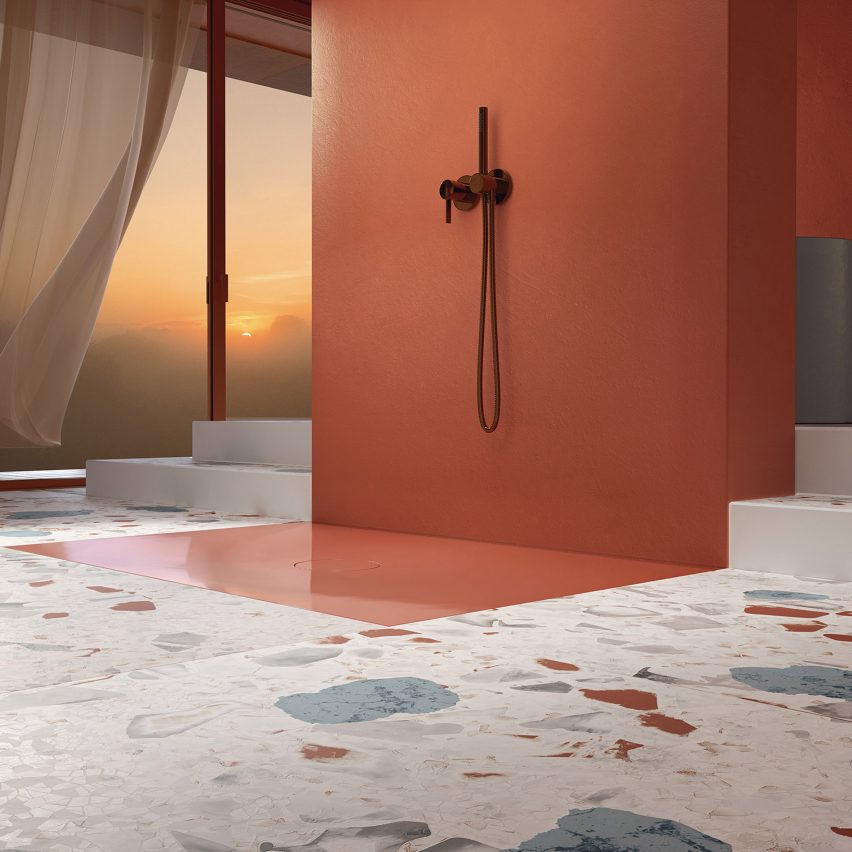
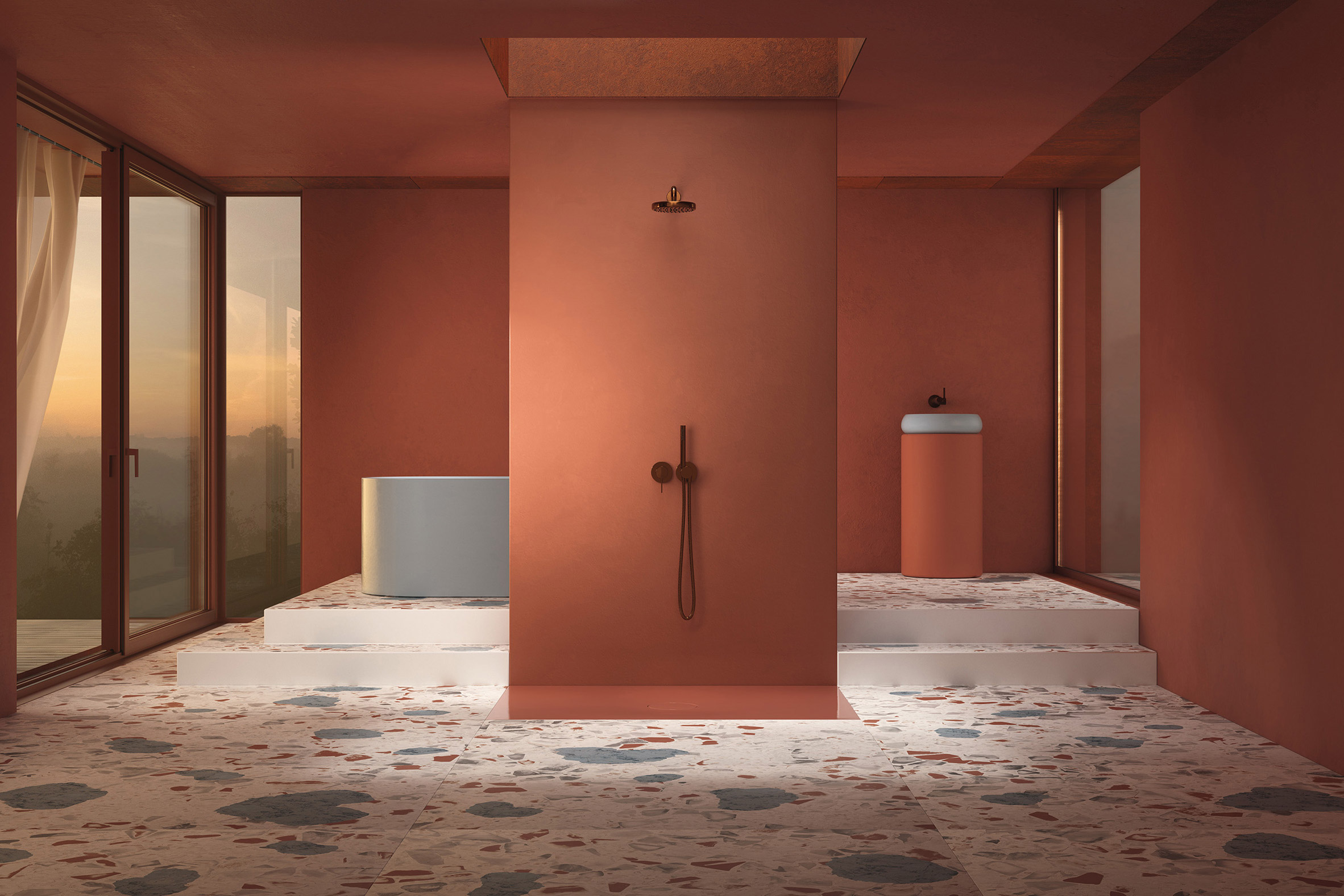
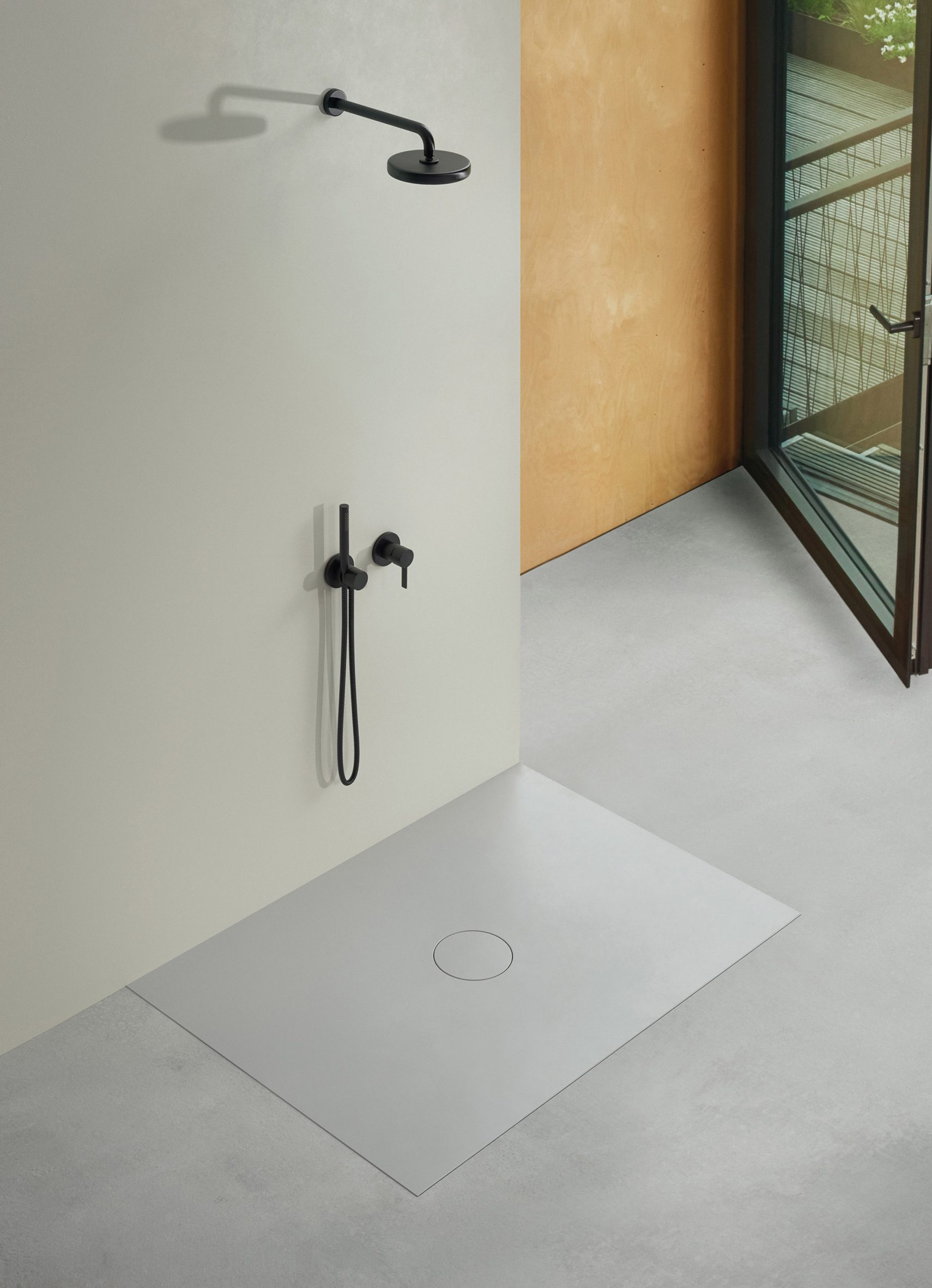
Dezeen promotion: German bathroom company Bette has released the BetteAir range of shower tiles that "complete the evolution of the shower tray into a part of the bathroom floor".

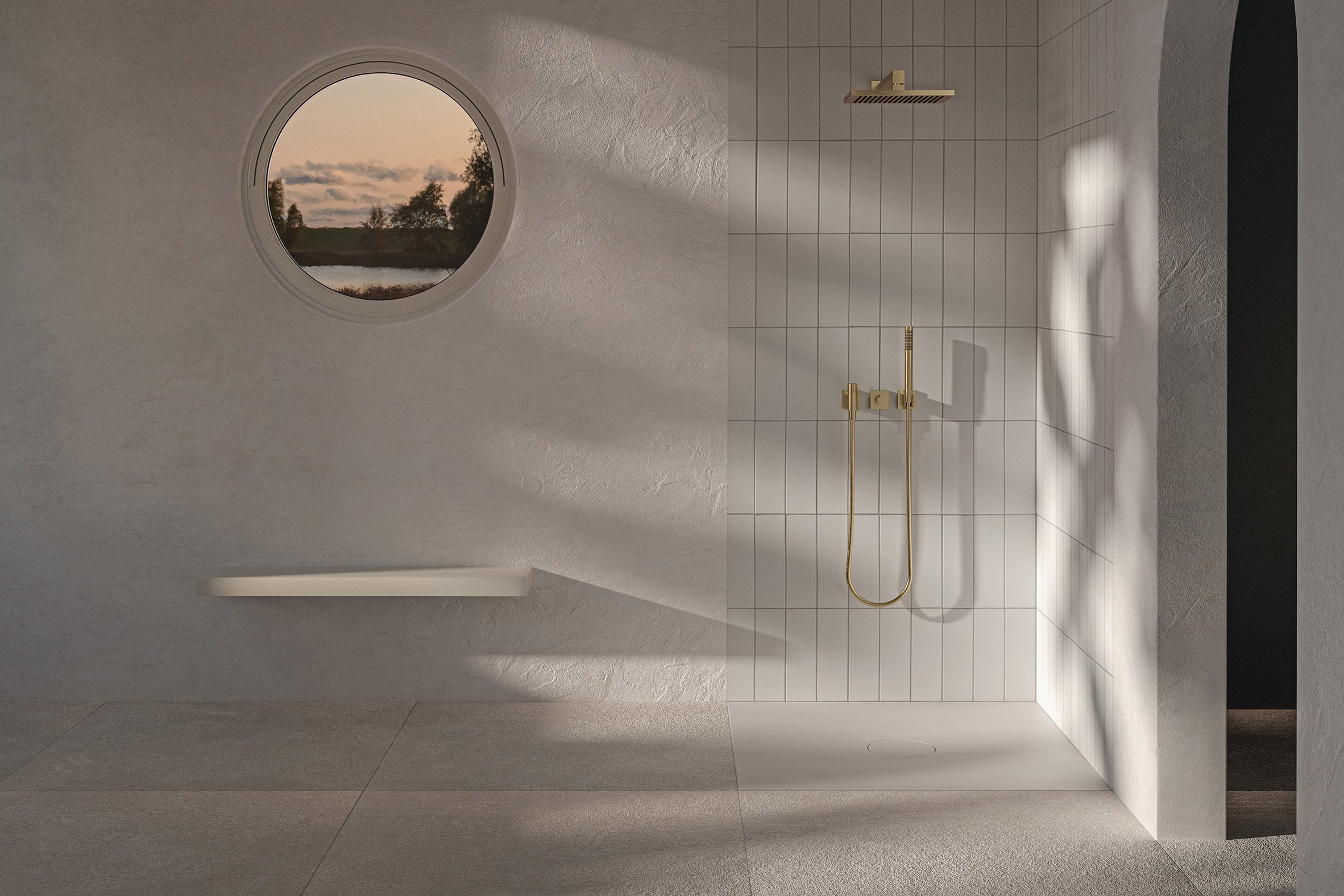
Designed by Potsdam-based Tesseraux and Partner to seamlessly integrate into a tiled bathroom floor, the BetteAir shower trays can be used to create jointless, floor-level showering spaces.

BetteAir
Bette has released the BetteAir shower trays

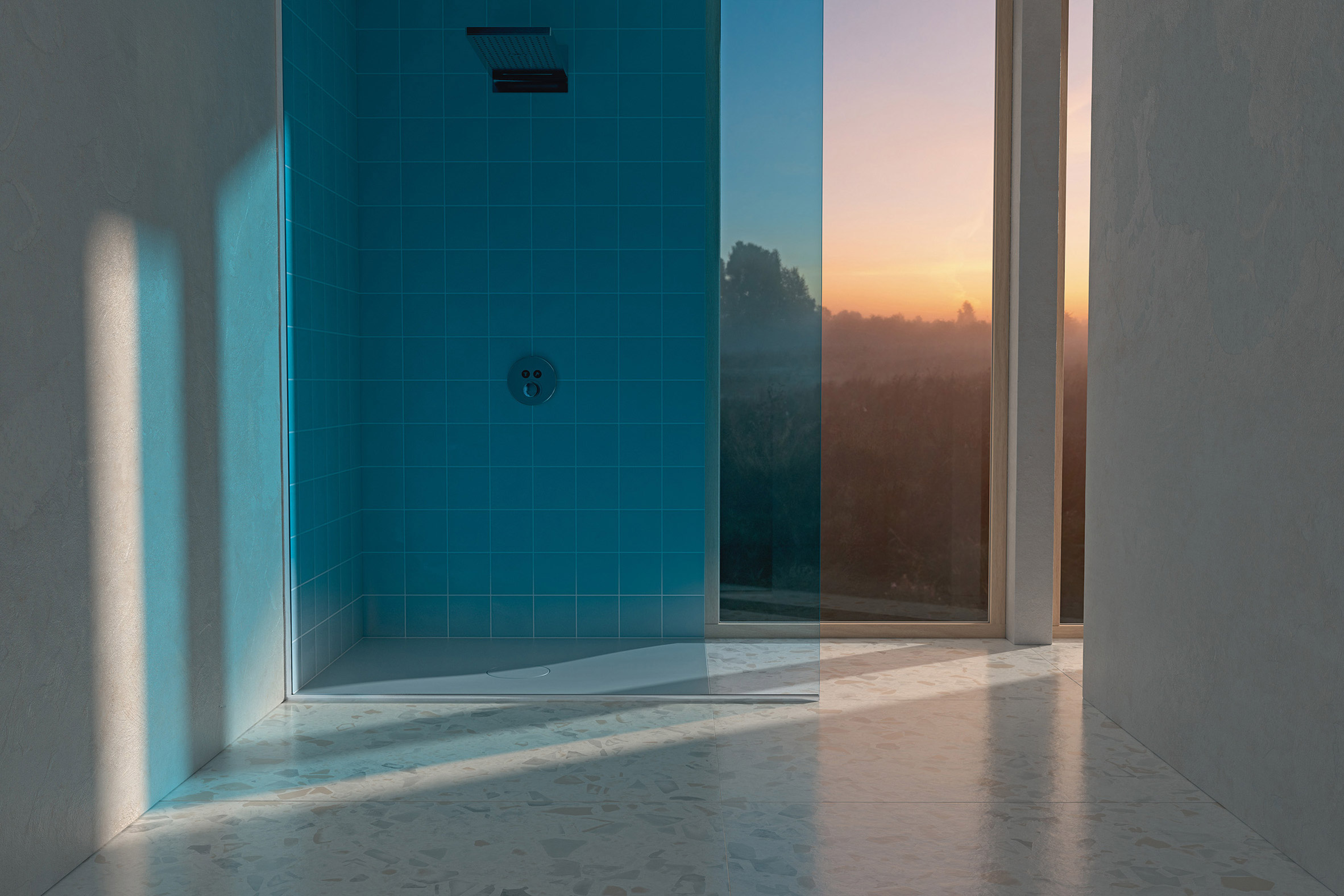
The trays, which Bette has dubbed the "first shower tiles" due to the thinness and ease of installation, are made from easy to clean glazed titanium steel.

Available in eight formats corresponding to standard shower sizes, the shower trays are each 10 millimetres thick, which roughly corresponds to the thickness of a large-format tile.

Bette air
Bette has dubbed the trays shower tiles

They can be glued directly to the floor in the same manner as a conventional tile to create a jointless surface for showering.

"BetteAir has all the advantages of a tile without its disadvantages," said designer Dominik Tesseraux of Tesseraux and Partner.

"With the shower tile, the floor of the shower is immaculately beautiful, free of joints and thus absolutely hygienic and easy to clean."

Shower tiles
The tiles can be used to create jointless, floor-level showering spaces

BetteAir is the latest stage in the evolution of the shower tray, which has seen the height of the piece of sanitary wear gradually reduced from around 30 centimetres high in the 1970s.

It follows the BetteFloor, which was the brand's first glazed titanium steel and introduced the idea of jointless, floor-level showering.

"BetteAir goes a step further and completes the evolution of shower trays to shower floors," said the brand.

"It is hardly possible to create a shower area that is flatter, at least if the water is still to run off cleanly."

BetteAir
The shower tiles are available in a range of sizes

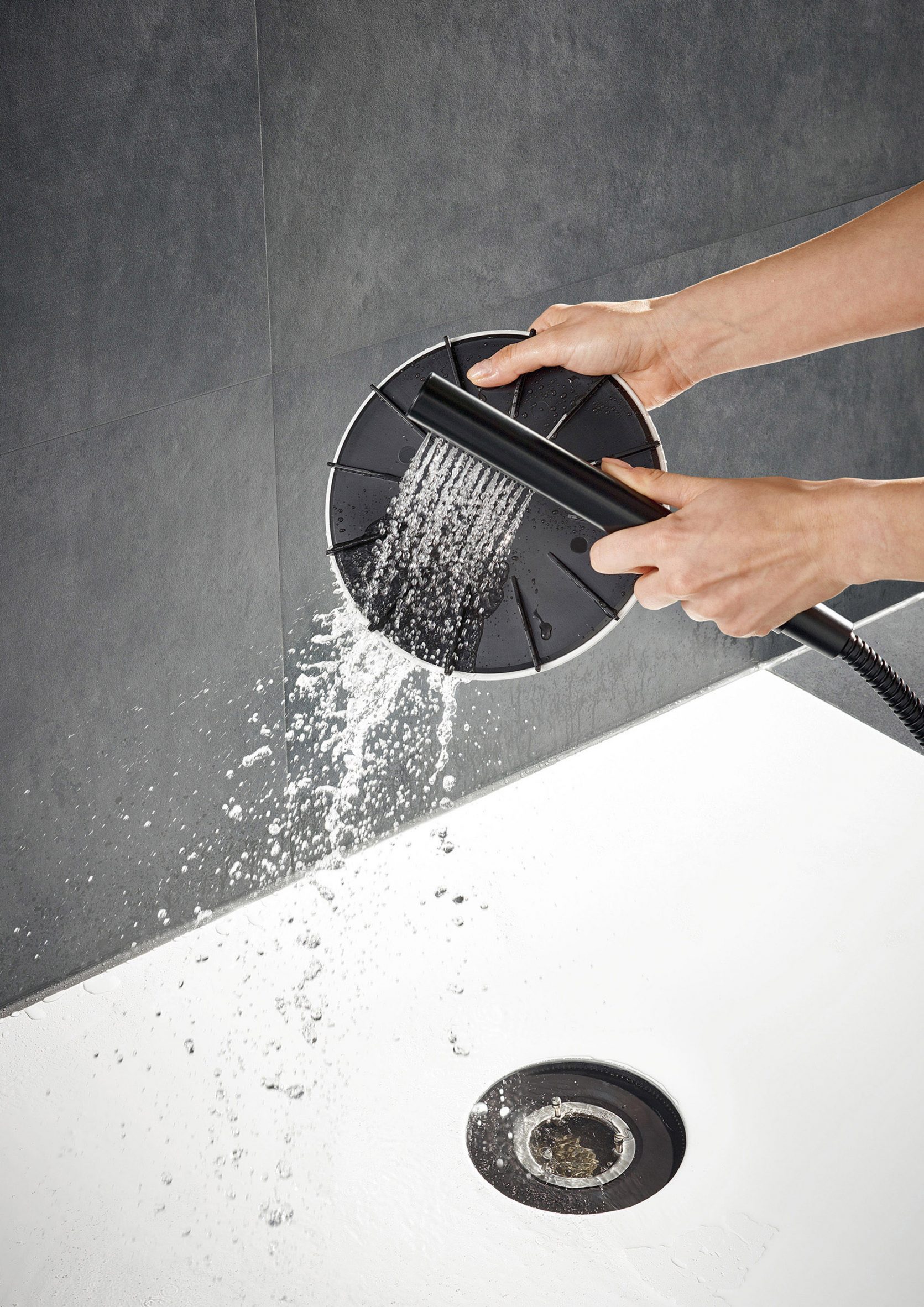
To incorporate the wastewater drainage, which is covered by a flush cap, the minimum height required to instal the BetteAir shower tiles is 97 millimetres. 

Water escapes through a gap of only three millimetres at a rate of 0.6 litres per second, which is sufficient for even powerful rain showers. 

BetteAir
The waste water is integrated into the shower tile

Designed to align with, or contrast all bathroom designs, the shower tray is available in 31 colours and a range of finishes. BetteAir can also be equipped with an anti-slip surface.

To find out more about BetteAir visit the Bette website.


Partnership content

This article was written by Dezeen for Bette as part of a partnership. Find out more about Dezeen partnership content here.

The post Bette releases shower tiles as latest evolution of the shower tray appeared first on Dezeen.


from Dezeen https://ift.tt/3lk3OO7

Wisconsin train station becomes The Harvey House restaurant by Home Studios

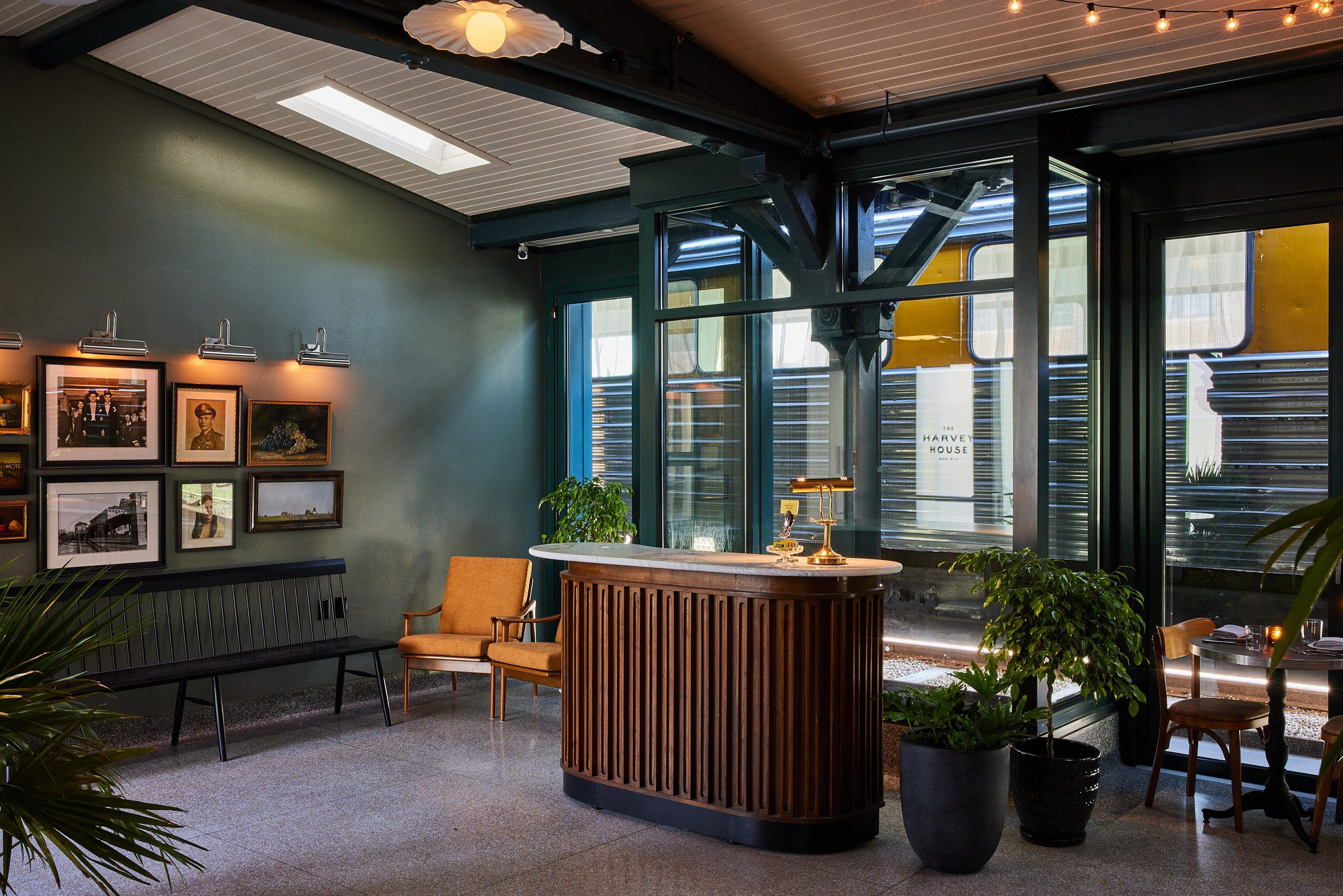
Harvey House restaurant interior

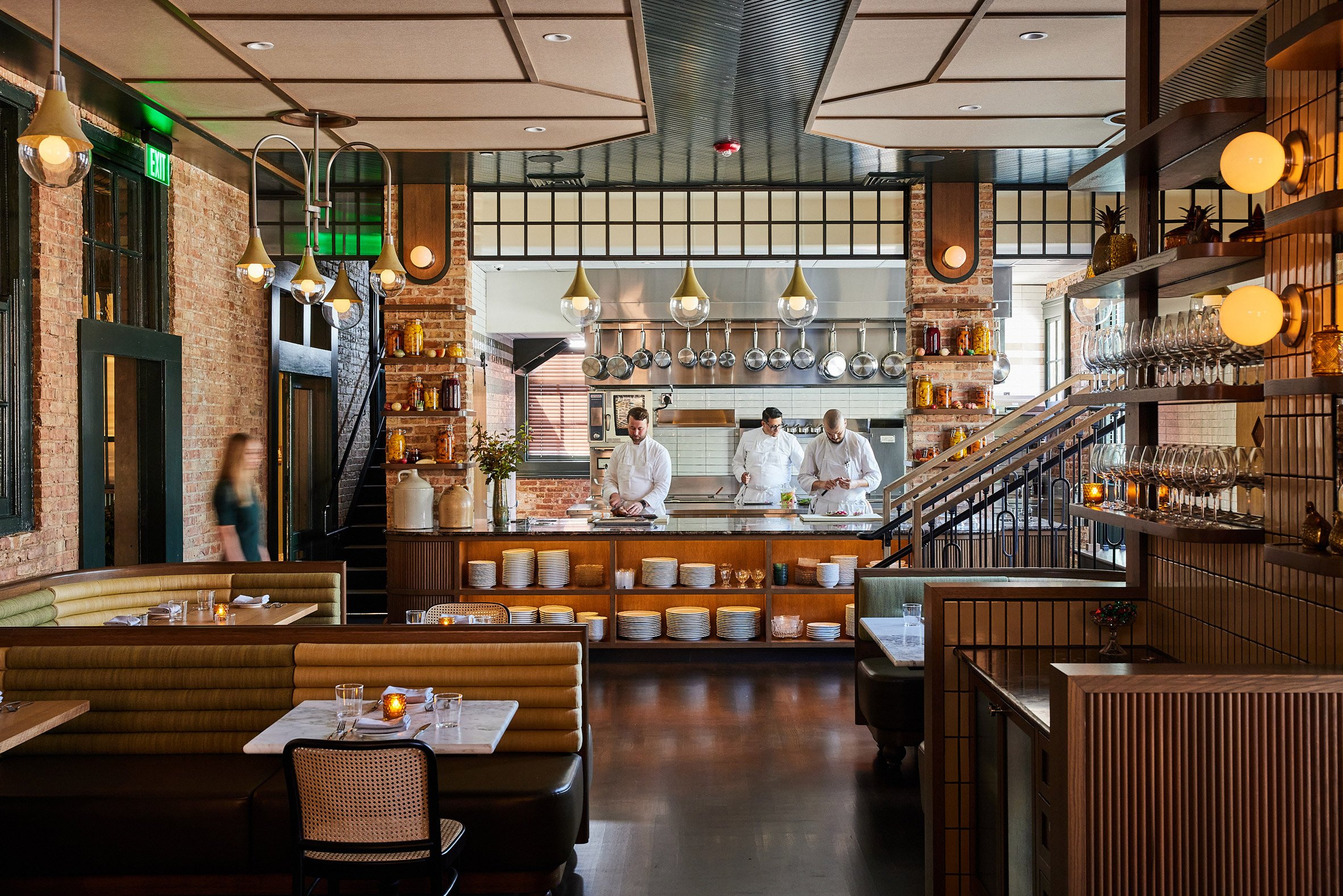
Brooklyn-based Home Studios has turned a former rail baggage handlers' building in Madison into dining spaces that evoke "the golden age of train travel".

Hidden behind an old train depot in the Wisconsin capital, The Harvey House is a 5,000-square-foot restaurant that nods to the Midwestern state's supper club culture of the 1930s and 40s.

Ground floor of The Harvey House restaurant
The Harvey House occupies a two-storey baggage claim building at the old Madison train station

American cuisine is served over two levels of the old baggage claim house, each with its own bar, which Home Studios renovated with the building's history in mind.

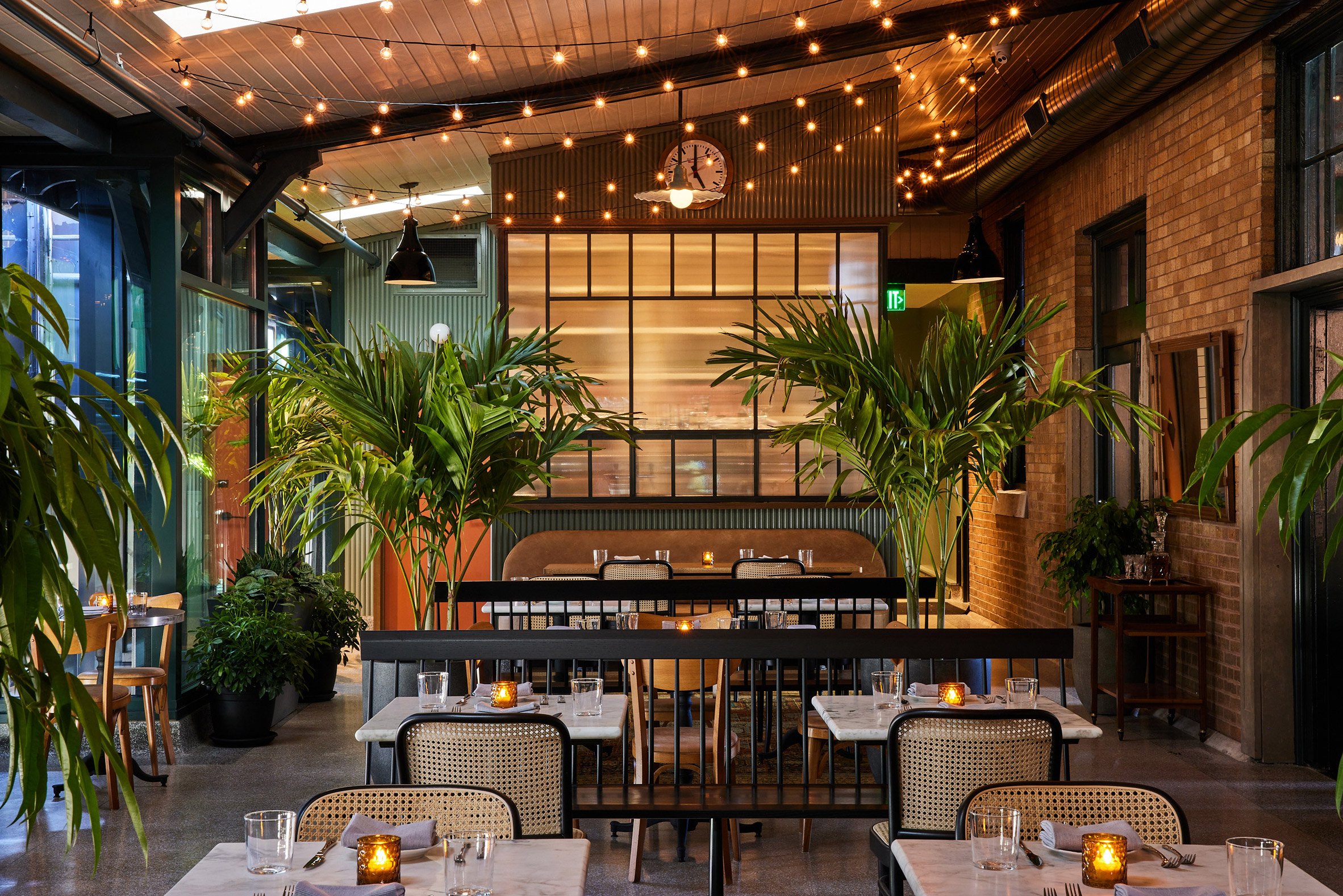
Additional dining spaces are located in a glass-enclosed area on one of the shuttered station's platforms, and in a 1960s train car that sits on the tracks.

View into the open kitchen
Home Studio retained many of the original features

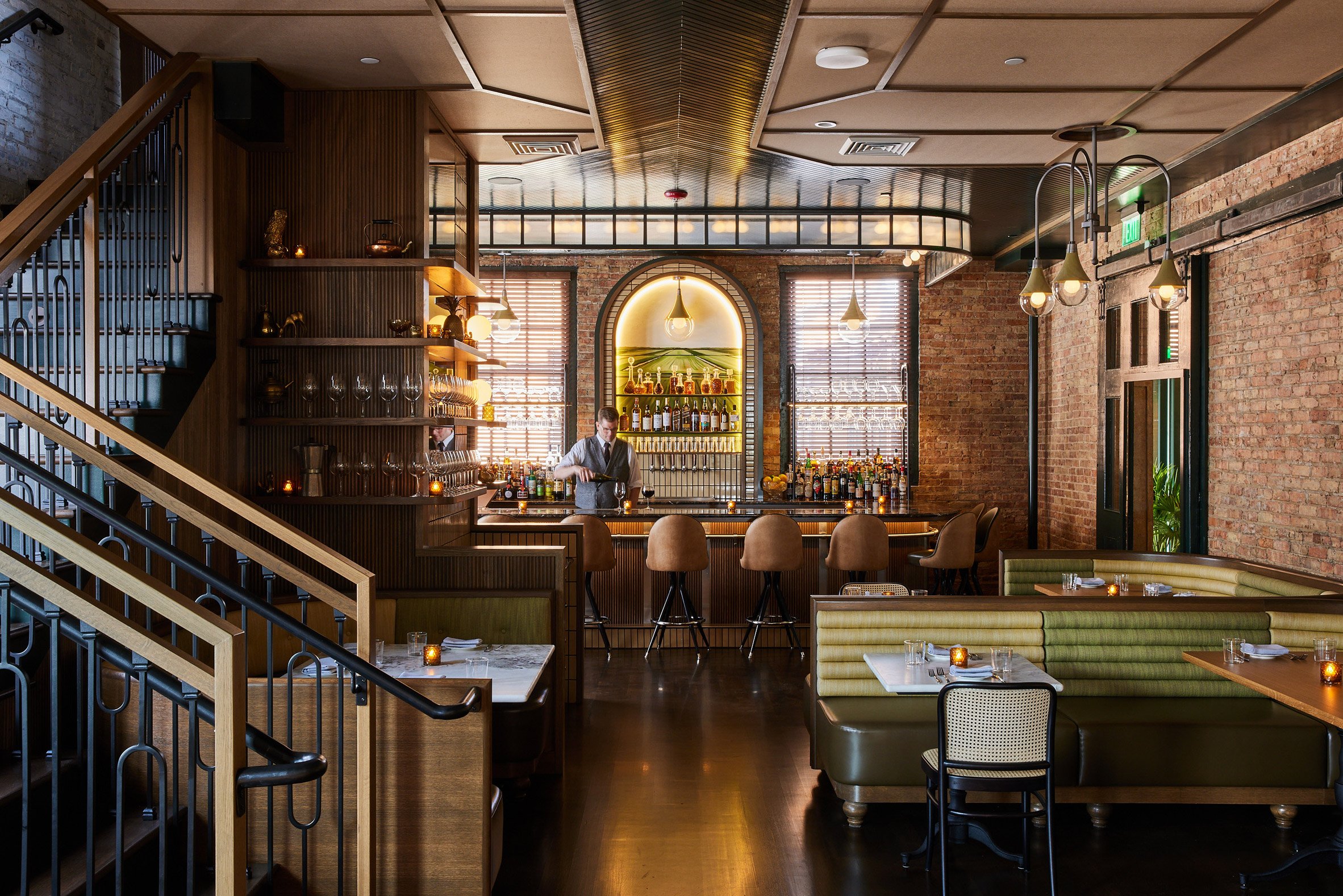
Many of the building's original features were retained, including ceiling beams, windows, and the station's sliding wood doors.

The brickwork and dark green window trims guided the colour and material palette for the project, which includes dark woods and tactile upholstery, as well as custom millwork and commissioned artworks.

"Home Studios' primary design goal for The Harvey House was to create a warm and inviting restaurant that marries the familiar comfort of a Wisconsin supper club with a uniquely transportive experience evocative of the golden age of train travel," said the studio.

Dining area on the station platform at The Harvey House restaurant
The restaurant includes a dining area on the former station platform

In the downstairs dining room, patrons can watch the chefs at work through a large opening to the kitchen. Wooden banquettes are cushioned with upholstered backs and seats in various tones of green.

Custom light fixtures reference those found in Paris metro stations, giving off a soft glow that adds to the moody ambience.

An open doorway leads through to the platform patio area, where black benches and rattan chairs accompany marble-topped tables.

Planting, string lights and vintage rugs give this space a more casual feel.

The decommissioned train carriage can be seen through the glass wall that runs parallel to the tracks.

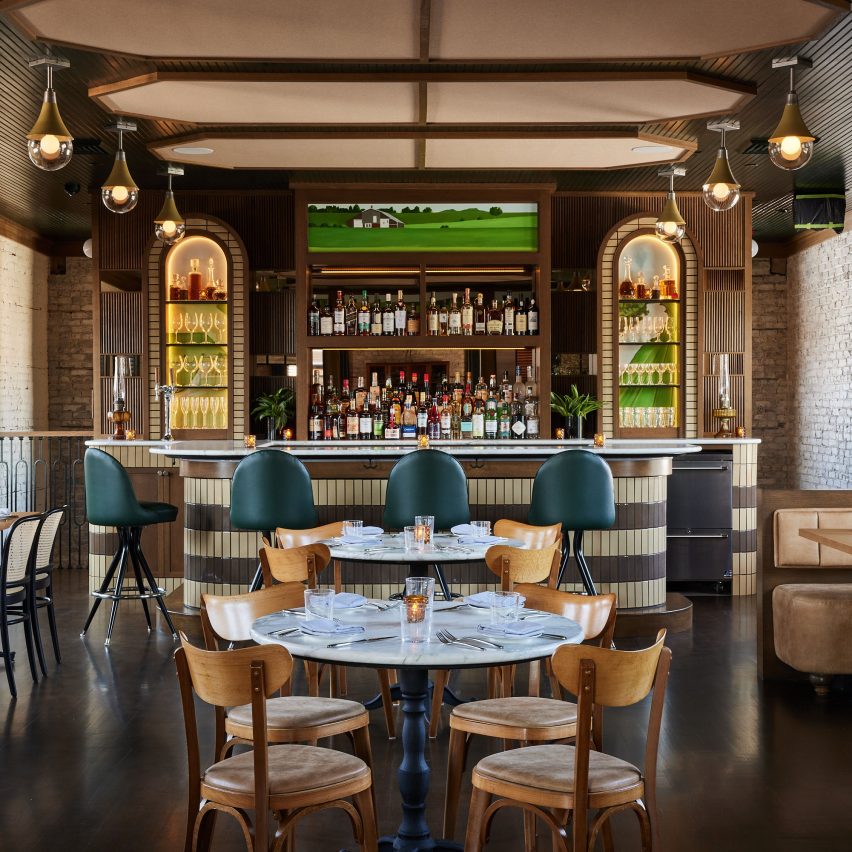
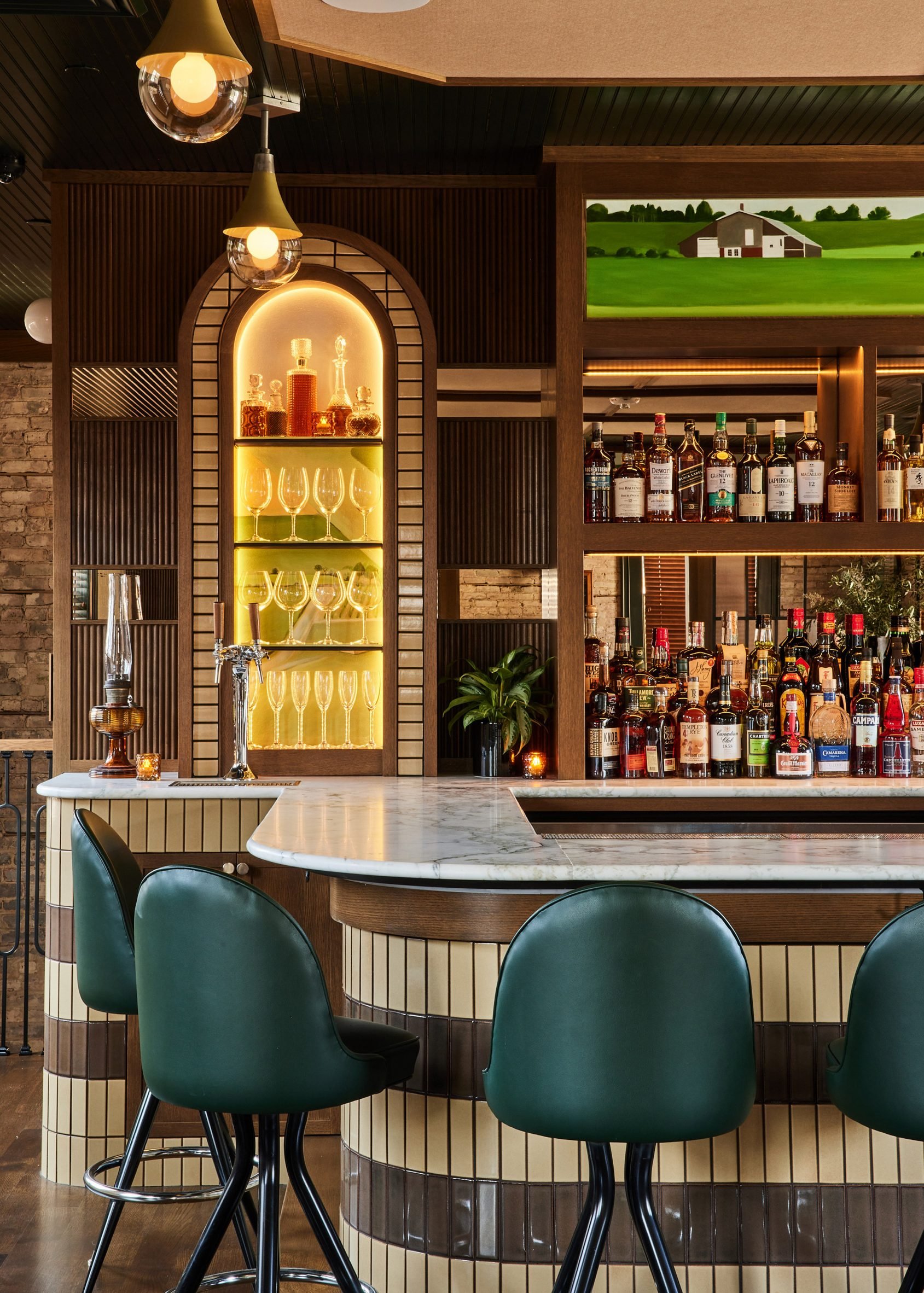
Upstairs bar with custom artworks
Works by a local artist decorate panels behind the upstairs bar and its equivalent on the floor below

Upstairs, light-brown leather seating and teal bar stools continue the colour palette found below.

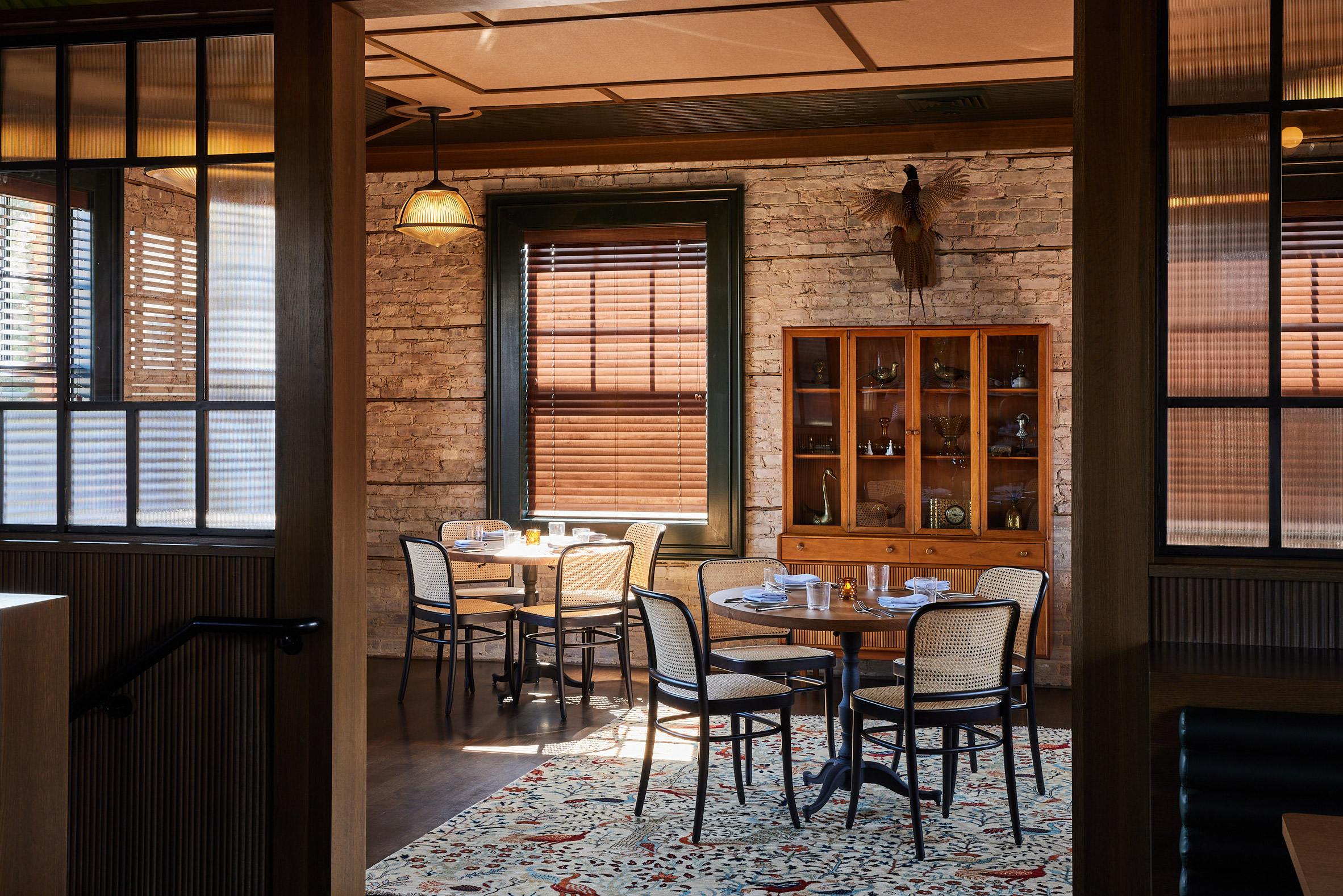
The almost symmetrical layout includes wood and glass partitions that delineate different dining areas.

Dining area separated by wood and glass partitions
Wood and glass partitions divide the upstairs dining areas

Behind both of the restaurant's bars are works by local artist Jessica Niello-White, created specifically for The Harvey House.

Placed above the liquor selves and in the flanking arches, her images are based on scenes of the Wisconsin countryside as they might be seen from a train window.

Host station at the restaurant entrance
The converted train car can also be seen behind the host stand at the entrance

Home Studios was founded by former book editor Oliver Haslegrave in 2009, with a focus on residential and hospitality interiors.

Previously completed projects include a cocktail bar in West Hollywood and an apartment in Manhattan, while the studio's range of collectible furniture and lighting debuted at Sight Unseen Offsite in 2017.

Photography is by Nicole Franzen.

The post Wisconsin train station becomes The Harvey House restaurant by Home Studios appeared first on Dezeen.


from Dezeen https://ift.tt/2VlkKsx

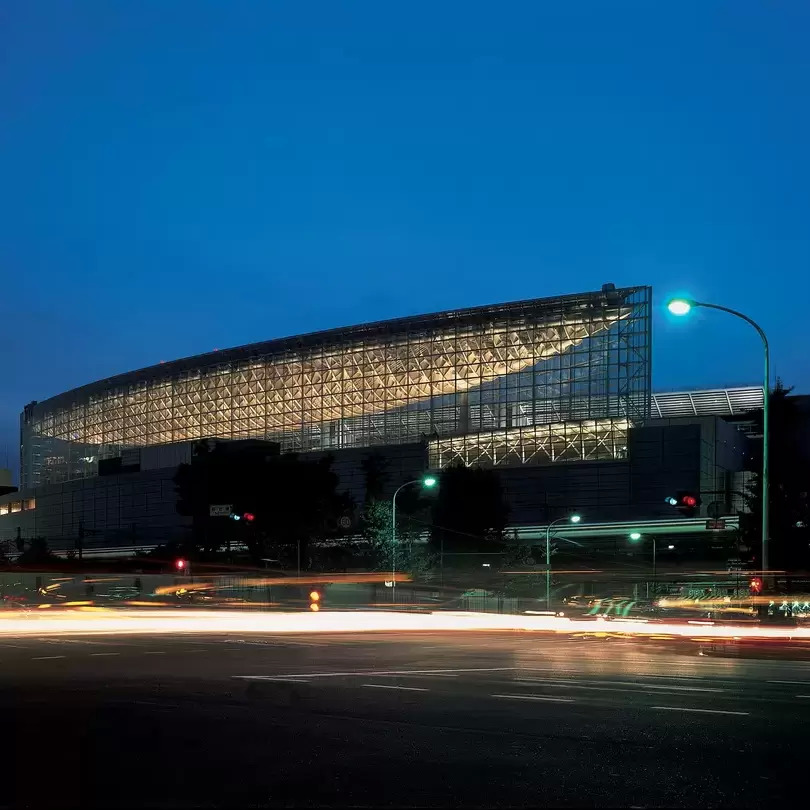
Our guide to architecture of the Tokyo 2020 Olympic Games features in today's Dezeen Weekly newsletter

The latest edition of our Dezeen Weekly newsletter features our guide to the architecture of the Tokyo 2020 Olympic Games.

As part of our coverage of the coronavirus-delayed Tokyo 2020 Olympic Games, we rounded up the most architecturally significant venues. Buildings by Japanese architects Kengo Kuma, Kenzo Tange and Rafael Viñoly Architects are included.

Readers are impressed. One commenter called the building by Tange: "An icon and masterpiece".

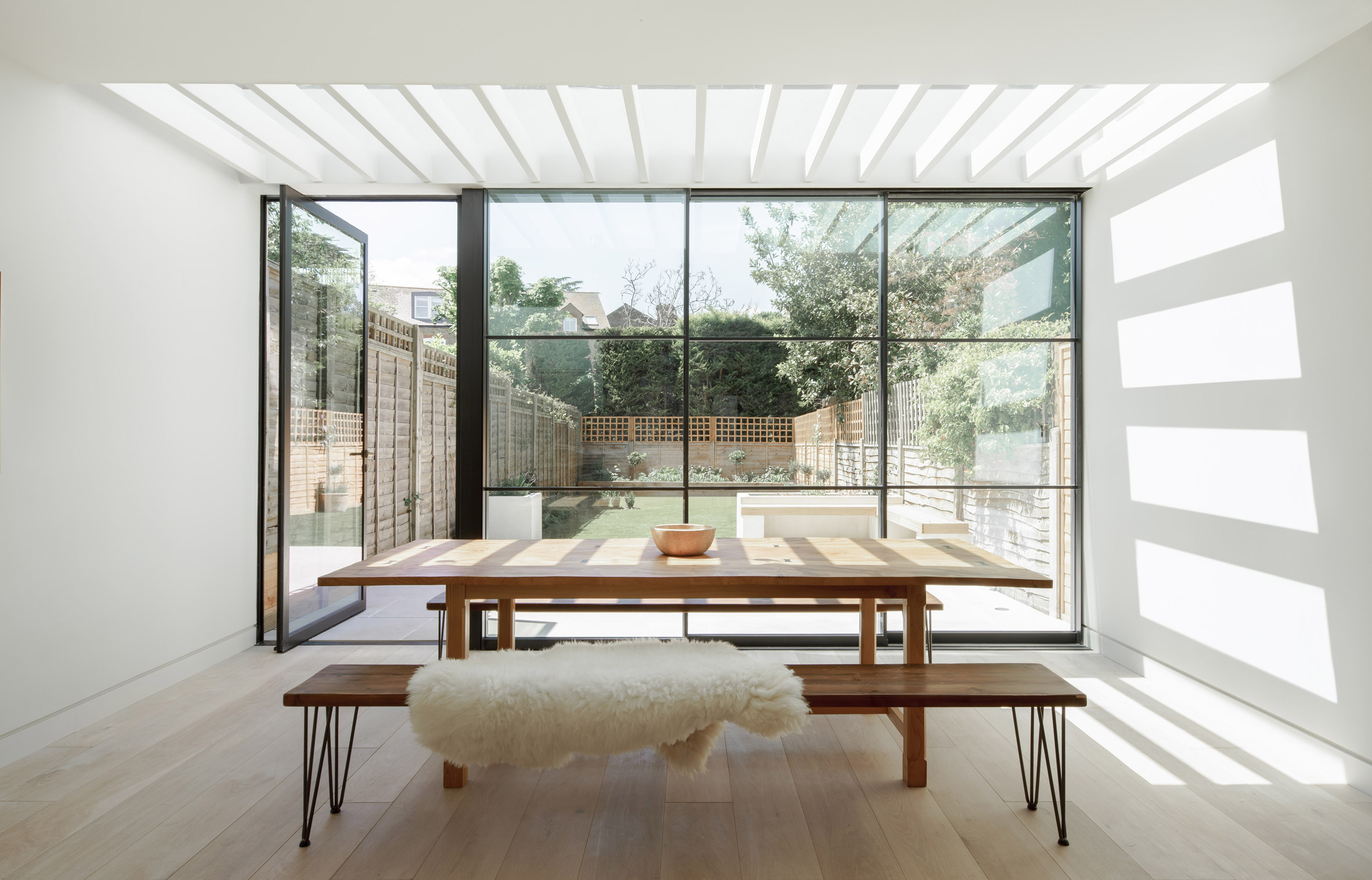
Kitchen and dining room extension with skylight in T-House by Will Gamble Architects
Will Gamble Architects puts modern spin on Victorian details with T-House in London

Other stories in this week's newsletter include a recently renovated Victorian house in south London, a gymnasium at a private school in Bali, and Norway's plan to bury captured carbon under the North Sea.

Subscribe to Dezeen Weekly

Dezeen Weekly is a curated newsletter that is sent every Thursday, containing highlights from Dezeen. Dezeen Weekly subscribers will also receive occasional updates about events, competitions, and breaking news.

Read the latest edition of Dezeen Weekly. You can also subscribe to Dezeen Daily, our daily bulletin that contains every story published in the preceding 24 hours.

Subscribe to Dezeen Weekly ›

The post Our guide to architecture of the Tokyo 2020 Olympic Games features in today's Dezeen Weekly newsletter appeared first on Dezeen.


from Dezeen https://ift.tt/3BUtxCA

Shipping containers used to build LA housing complex for the homeless

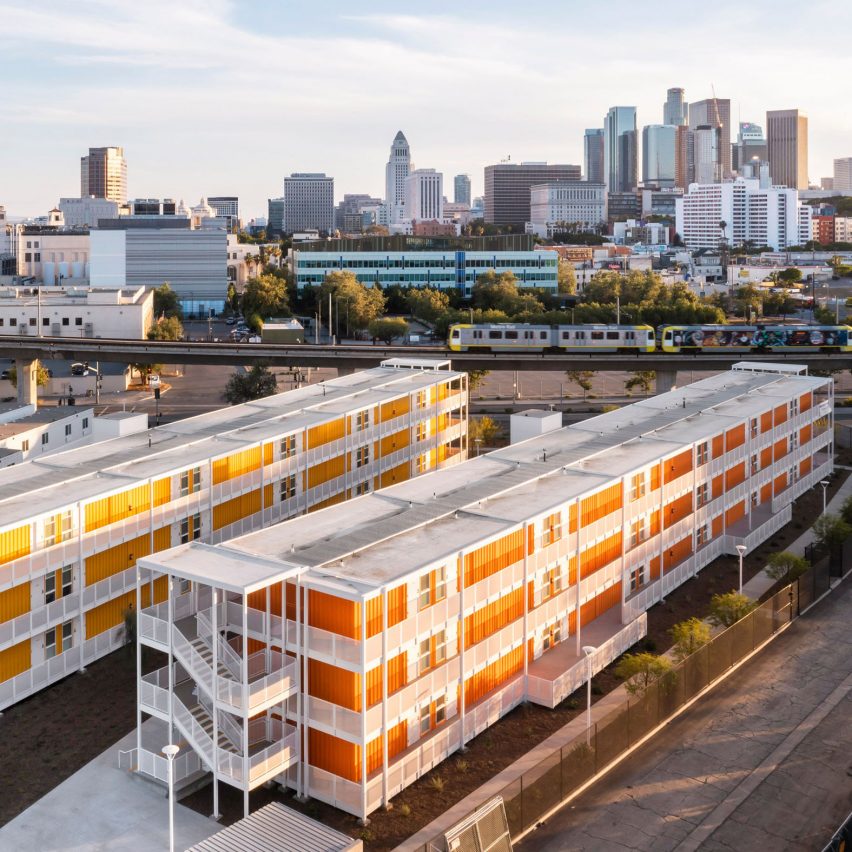
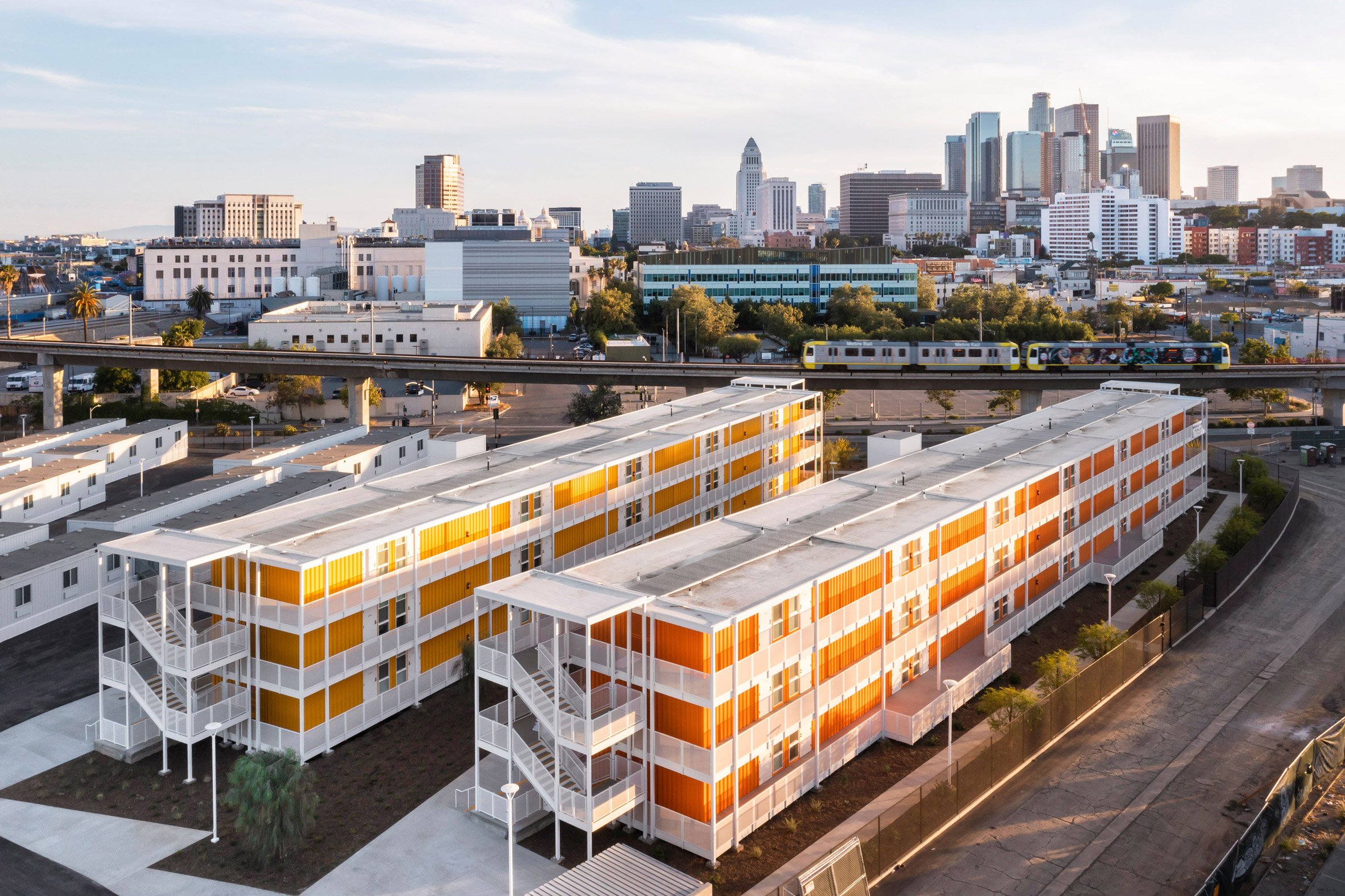
The Hilda L Solis Care First Village is made of shipping containers

American firms NAC Architecture and Bernards have used shipping containers to form private apartments in a Los Angeles facility for people experiencing homelessness.

The Hilda L Solis Care First Village – formerly known as the Vignes Street Interim Housing Project – is located on a 4.2-acre (1.7-hectare) site in Downtown Los Angeles. The complex is named after Hilda L Solis, who chairs the LA County Board of Supervisors.

The project is by NAC Architecture and Bernards
The Hilda L Solis Care First Village is located close to Downtown Los Angeles

The facility was created by NAC Architecture, which has several offices in the US, and California-based Bernards, a builder and construction management company. The firms worked in collaboration with LA County's Department of Public Works.

Owned by the county, the site formerly held a parking lot and was slated to become a staging area for the construction of a new jail.

The shipping container apartments are called The Hilda L Solis Care First Village
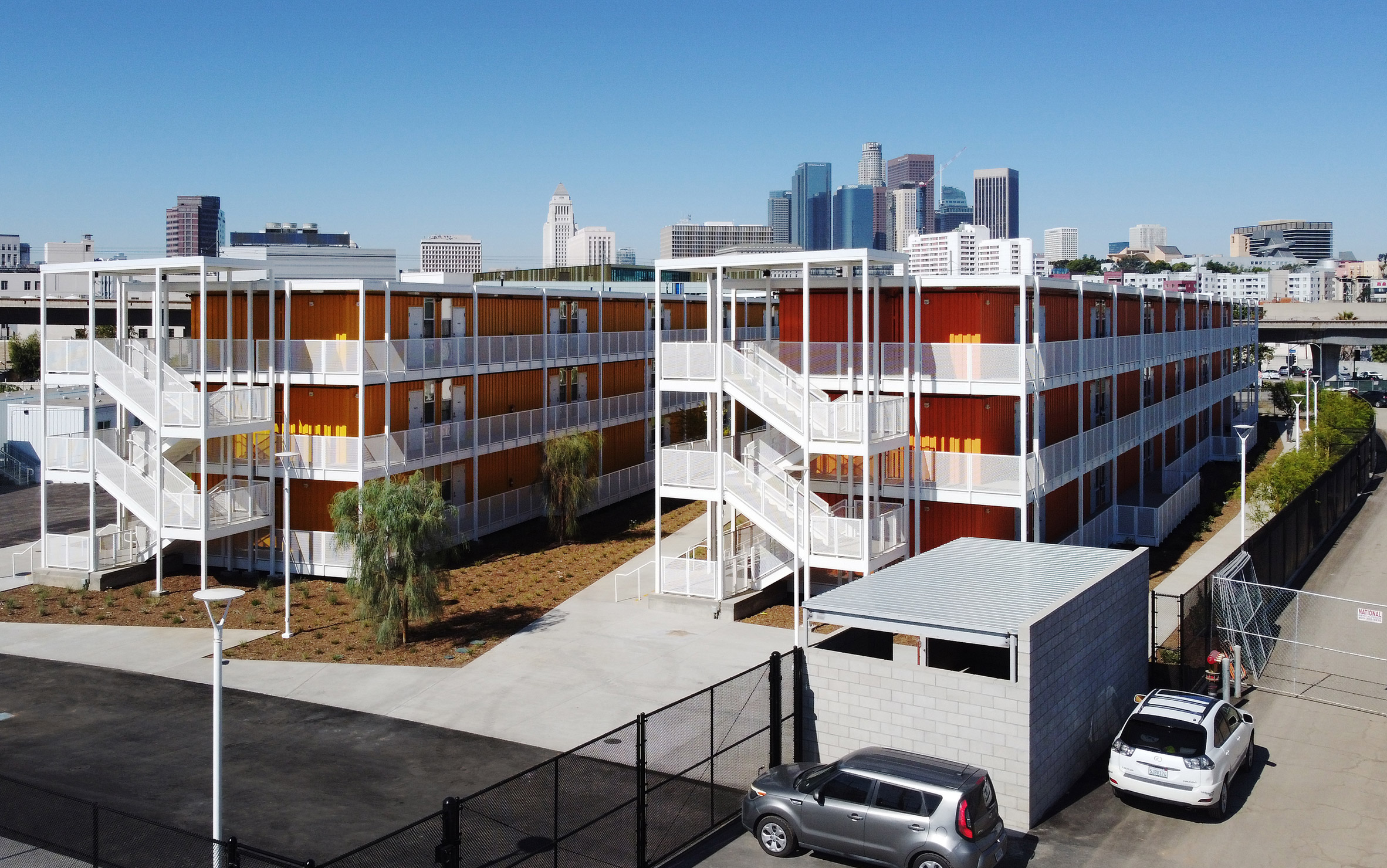
The complex comprises three-storey buildings created by stacking shipping containers

In 2019, plans shifted, as officials began to explore options for using the site for homeless housing. Reports estimate there are at least 60,000 people in the LA area who are experiencing homelessness.

When the coronavirus pandemic struck last year, the county moved forward with the housing plans.

"With the unhoused population growing and increasingly at risk during Covid-19, the need was immediate," the team said. "Schedule became a critical driver."

For the irregularly shaped site, the team conceived a series of single-level structures and a pair of multilevel buildings. Three different modular components were used: repurposed shipping containers, wood-framed prefabricated units, and mobile units.

The complex is made out of shipping containers
Prefabricated modules and mobile units were also used to construct the housing project

The modular elements, which could be built off-site, helped speed up the project.

"Design, permitting, and construction of the project was aggressively accelerated to meet the heightened need for people living on Los Angeles' streets in the midst of a pandemic," said NAC Architecture.

The landscape has parking spots for residents
Parking spots for residents and staff are included as part of the complex

Encompassing 64,000 square feet (5,946 square metres), the facility was completed in six months. It offers 232 housing units, along with a common building that holds a commercial kitchen, dining area, laundry facilities and administrative spaces.

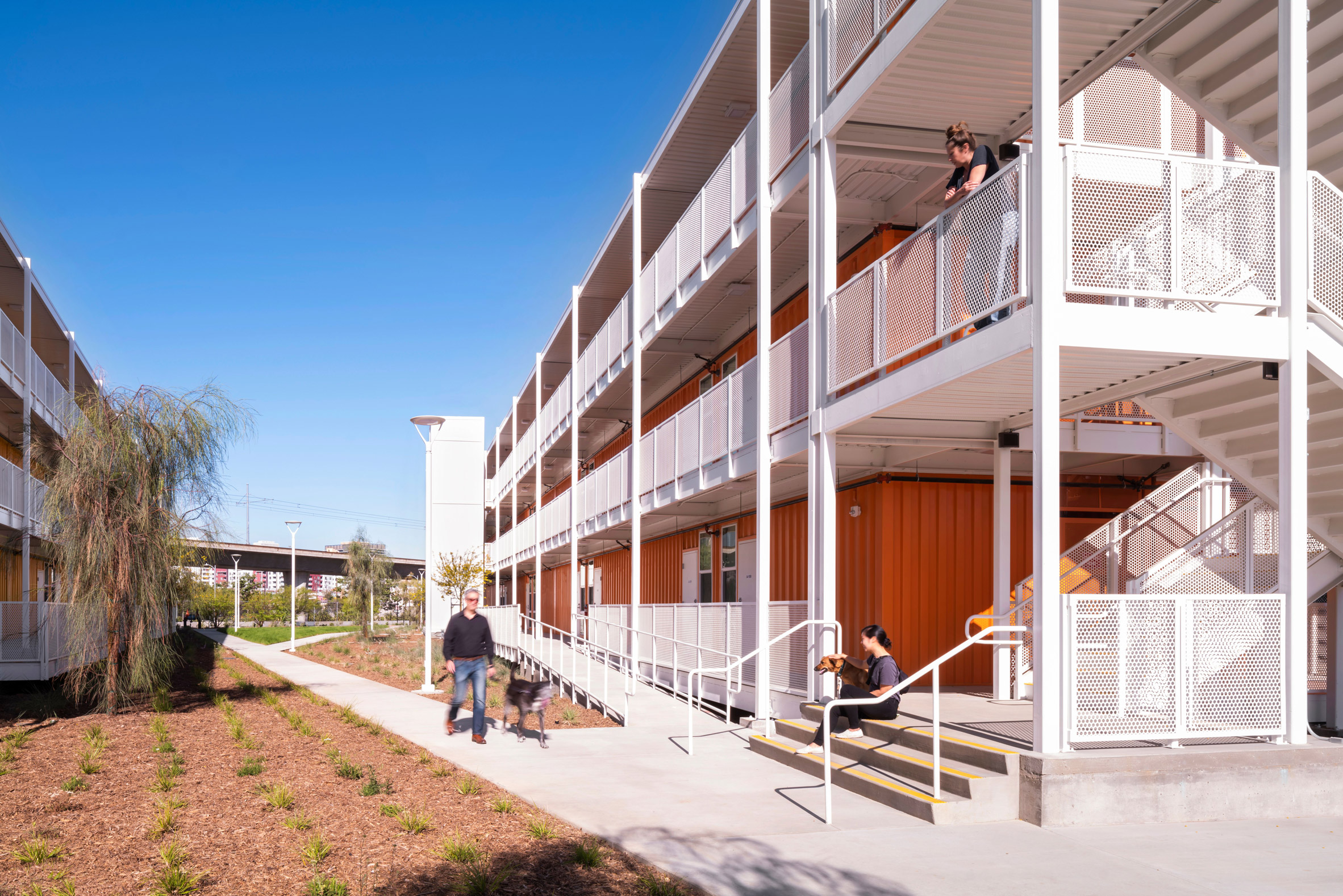
The site also has landscaped courtyards, a dog park, and parking spots for staff and residents.

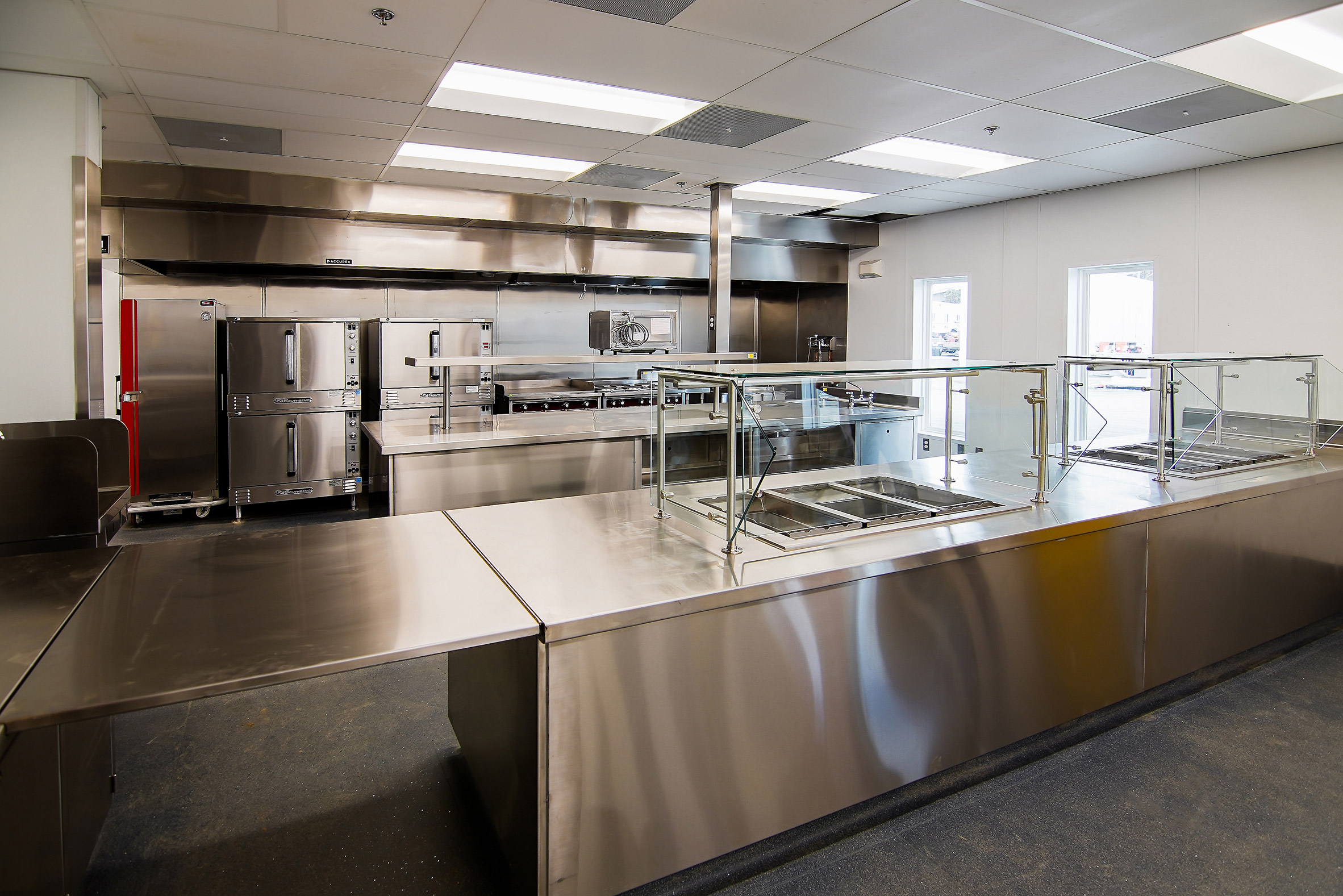
A commercial kitchen features in the complex by NAC Architecture and Bernards
The facility features a commercial kitchen

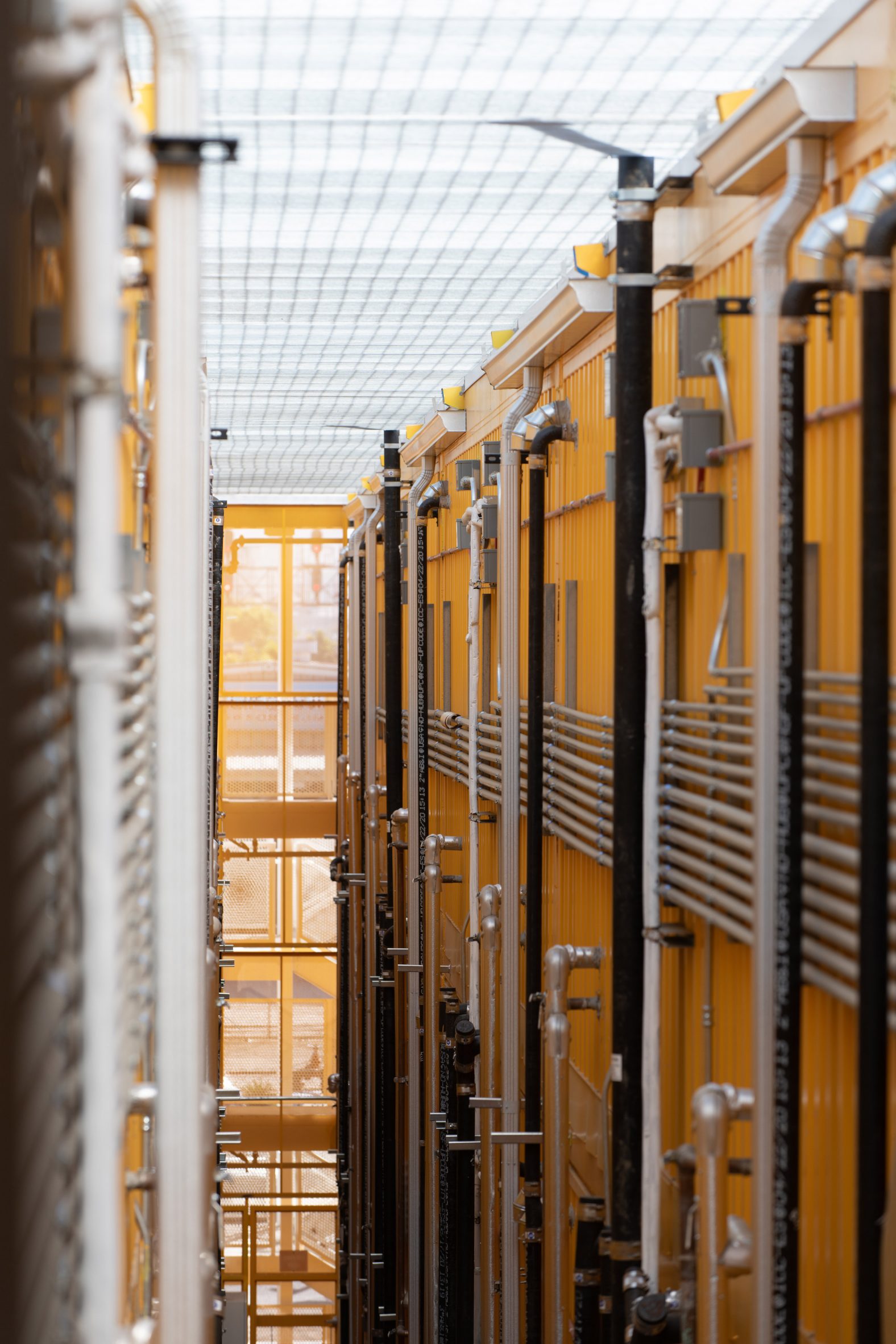
The three-storey buildings are formed by the steel shipping crates, which are stacked atop each other.

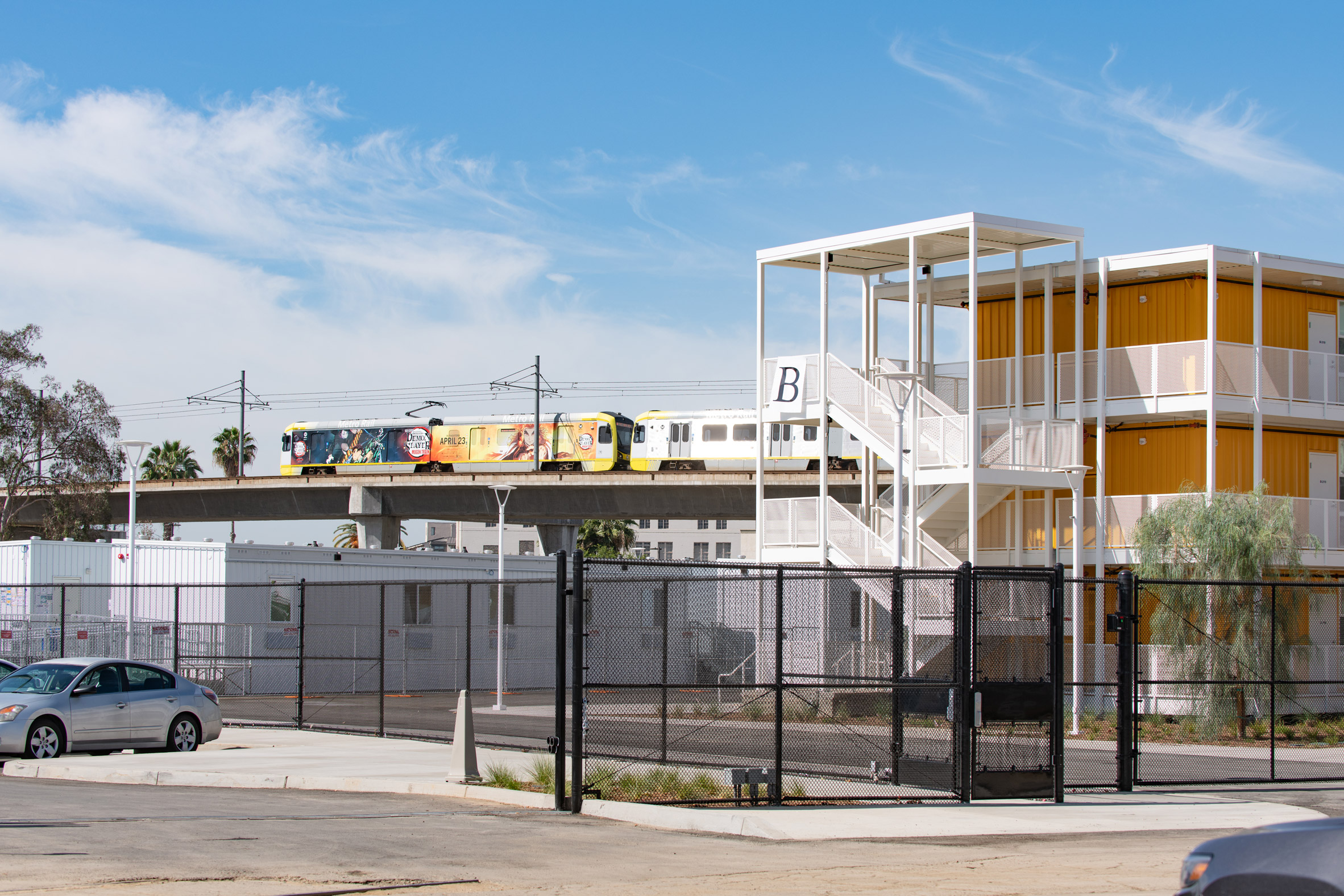
"The shipping containers are stacked, fixed in place, and use an attached structure of open corridors and stairs to facilitate access to each unit," said NAC Architecture.

The shipping containers are painted white and bright shades of yellow and orange
Yellow and orange define the shipping containers

The buildings are painted white and bright shades of yellow and orange.

To make the cargo containers suitable for habitation, the team cut large windows in them and fully insulated the walls and ceiling. Each container holds two living units measuring 135 square feet (12.5 square metres).

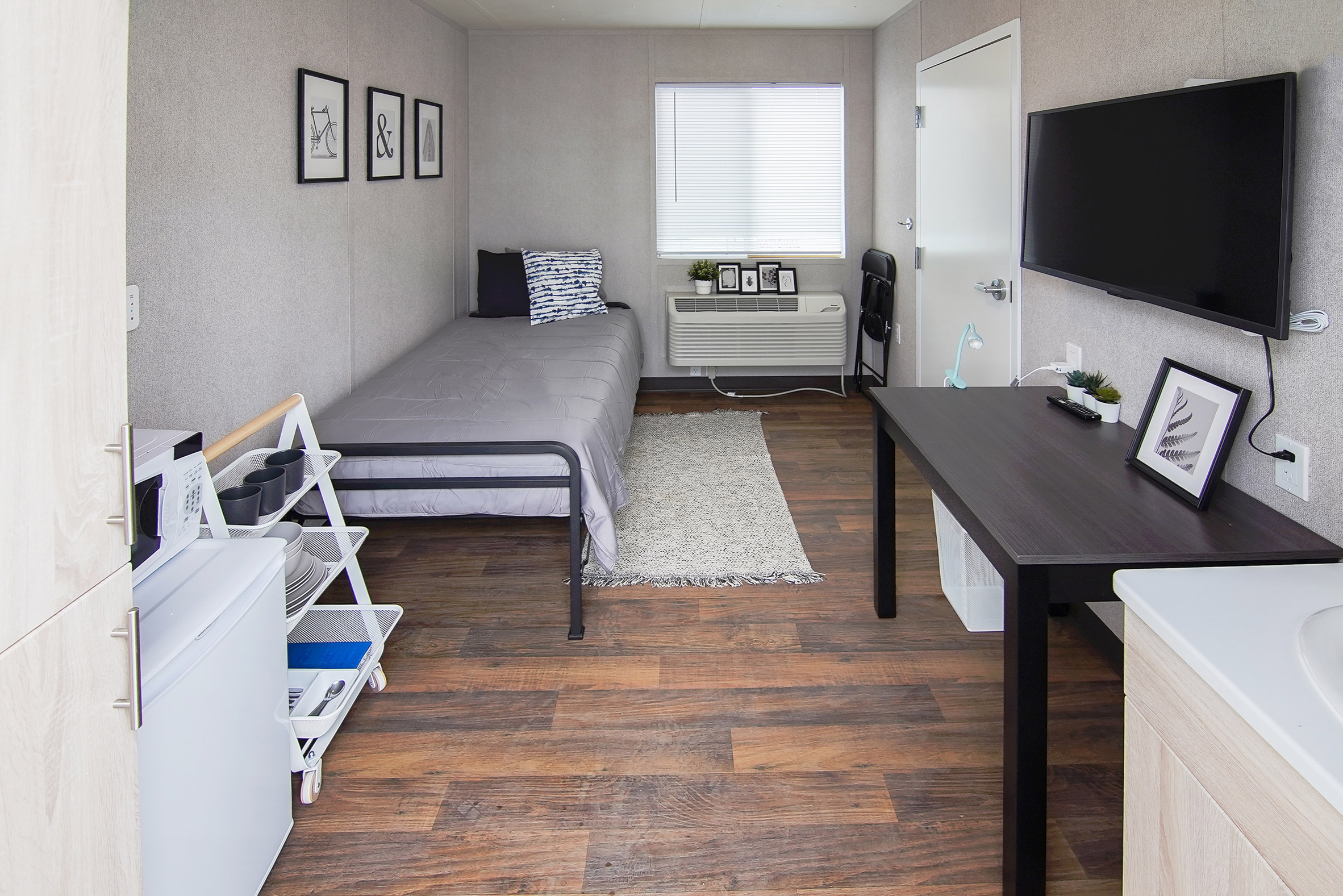
Apartments are equipped with a bed, microwave, mini-fridge and flat-screen TV

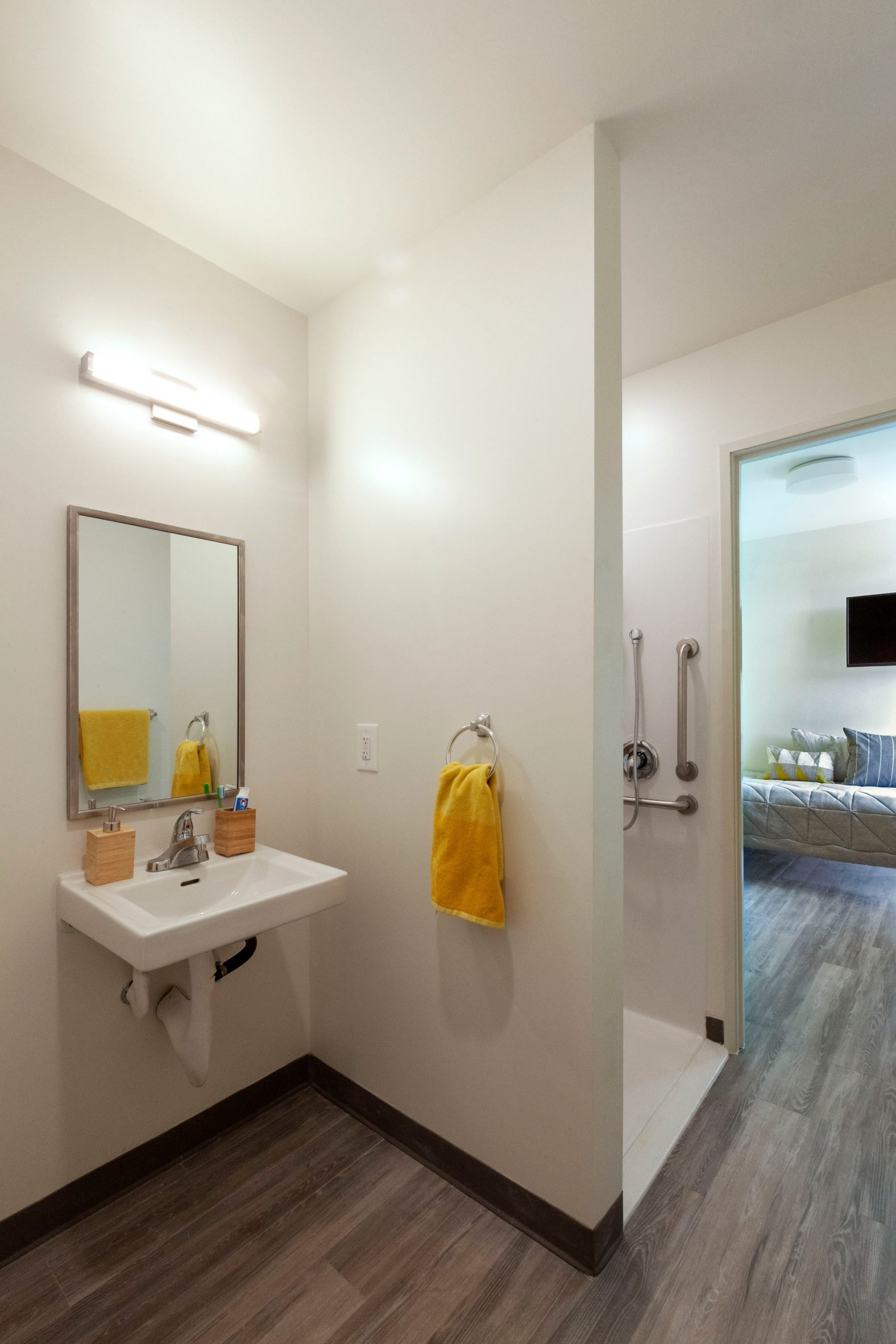
The apartments are equipped with a bed, microwave, mini-fridge, flat screen and private bathroom. The shipping containers were refurbished by Crate, a California company.

To help mitigate the spread of the coronavirus, and to help increase the residents' autonomy, all units at the complex have their own heating and ventilation systems.

Shipping containers form the facility
Each apartment also includes a sink and shower

The facility opened in April 2021 and reached full occupancy the following month.

According to the website for Hilda Solis, the project cost $57 million (£41.4 million), of which $51 million (£37 million) came from the federal government's Coronavirus Aid, Relief, and Economic Security (CARES) Act. The remainder was covered by the local government.

NAC Architecture and Bernards designed the project
Orange and yellow brighten the walls of the shipping containers, while white is used across the rest of the complex

Other buildings for LA's homeless population include The Six building by Brooks + Scarpa, which offers low-cost, permanent housing for the homeless and disabled veterans, and LOHA's MLK1101 project, which was named housing project of the year in the 2019 Dezeen Awards.

The photography is by Dan Ursitti.

The post Shipping containers used to build LA housing complex for the homeless appeared first on Dezeen.


from Dezeen https://ift.tt/3rIQQKA