Thursday, 5 August 2021

Norwich University of the Arts presents 15 design and architecture student projects

Norwich University of the Arts school show

Brightly-coloured knitted lungs and an artists' retreat feature in Dezeen's latest school show by design and architecture students from Norwich University of the Arts.

Also included is a creative co-working space designed to enhance people's wellbeing and a regenerative community hub tackling loneliness and age segregation.


Norwich University of the Arts

School: Faculty of Design and Architecture, Norwich University of the Arts
Courses: BA (Hons) Textile Design, BA (Hons) Interior Design, BA (Hons) Architecture
Tutors: Associate Professor Kate Farley, Lucy Robertson, Jill Rodgers, Les Bicknell Benjamin Salter and Raymond Quek

School statement:

"Norwich University of the Arts is a dynamic and creative community providing arts, design, architecture and media education. BA (Hons) Architecture, BA (Hons) Interior Design and BA (Hons) Textile Design are practical courses in which students learn through engagement with industry-relevant project briefs and technical workshops, together with collaborations within and across courses. We enable the extraordinary through our specialist and supportive creative teaching and campus."

The projects are by Norwich University of the Arts students

Digital Rhythms by Bee Hale

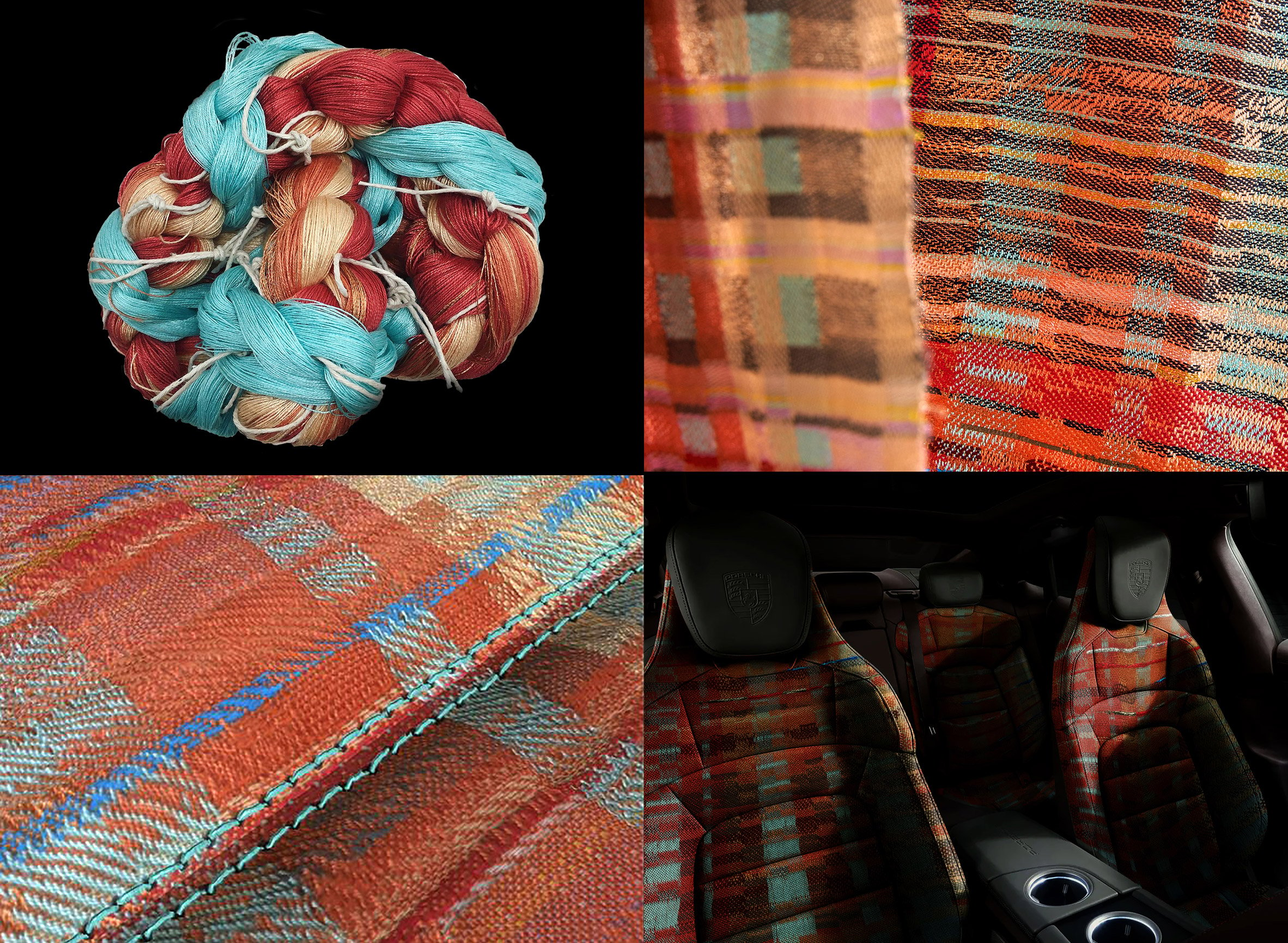
"Tradition informs the future in digital rhythms, the latest project from Bee Hale. Using futuristic, modern buildings as visual inspiration, found materials and yarn wraps evolve into Photoshop drawings that play with hard pixels and soft strands.

"Digital collages inform hand-drawn and Scotweave plans, the physical pieces all woven on a 24-shaft digital loom. The relationship between weave and computing play with the virtual environment and are transformed into 3D textures that unite a weaver with the digital world. The resulting creative hybrid results in bright, fragmented, glitchy woven textiles which evoke ordered and chaotic tech rhythms."

Student: Bee Hale
Course: BA Textile Design
Tutor: Kate Farley
Email: b.hale19@outlook.com

Breathe In by Theo Lusty

Breathe In by Theo Lusty

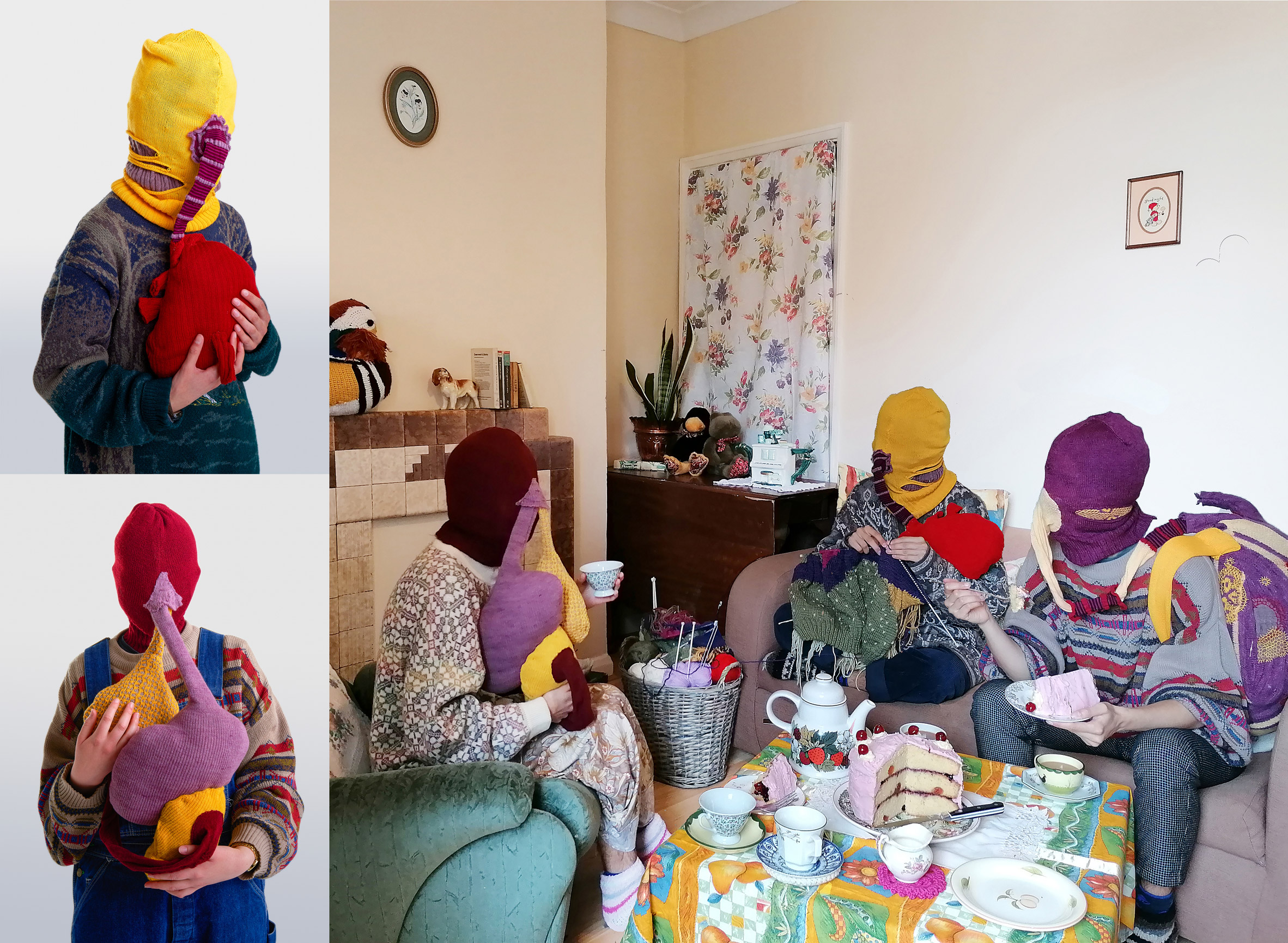
"The effects of climate change on the human body are unravelled through a series of knitted lungs which engulf and transform the body. Traditional knitwear techniques of cabling, ribbing and punch cards embody a sense of domesticity and mundaneness.

"These processes are used to create whimsical systems of organs, with unnerving results. Clothes function as a second skin for our body, but this work asks how textiles could become a part of our very biology. Breathe In presents a terrifying new normal for the human body, that could soon perhaps be a reality."

Student: Theo Lusty
Course: BA Textile Design
Tutor: Kate Farley
Email: theolusty@gmail.com

Norwich University of the Arts students designed the projects

Impact by Jacob Millington

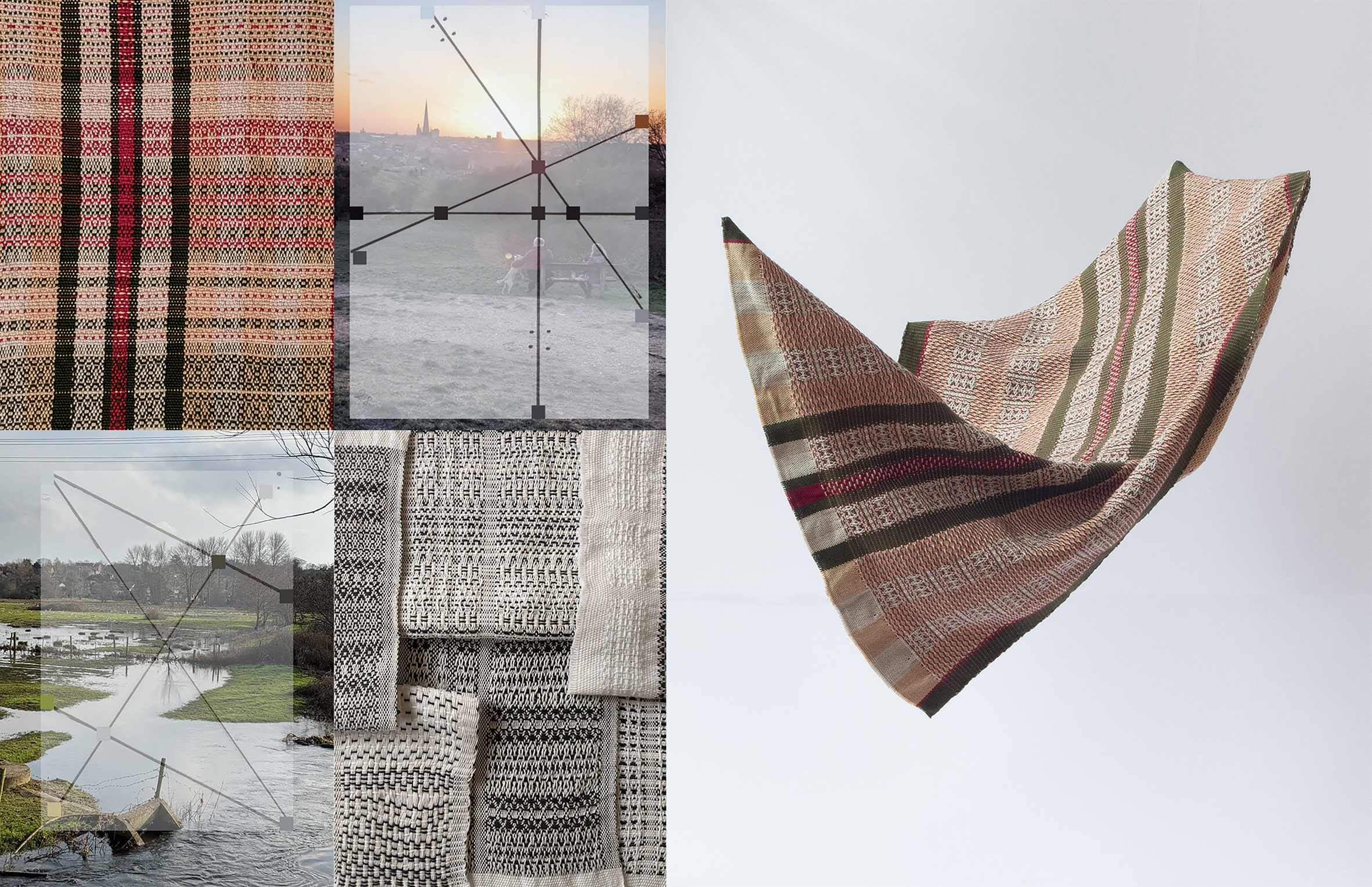
"A self-replicating design process was created to explore the space between and relationship to conscious and unconscious creativity. Drawings were developed using systematic approaches to structure, colour and scale. They provide the base for the project, created by implementing strict rules on mundane tasks which ultimately go on to form a reflection of unconscious thought.

"The results are three collections that built upon each other. Embedded within the woven fabrics are the systems that went into their creation. When developing systems to generate art the question of authorship arises, who is the artist, is it the creator or the system?"

Student: Jacob Millington
Course: BA Textile Design
Tutor: Kate Farley
Email: jacob.millington98@gmail.com


Your Beauty Is Costing Mine by Alice Garner

"Your Beauty is Costing Mine encompasses the fundamentals of aesthetics-based design while incorporating a moral cause. Glossier is an on-trend beauty brand with a cult following, this project collaborates this with reef conservation charity CoraLive, with the intention of spreading awareness of the bleaching damage chemicals in sunscreen and SPF have on coral reefs.

"The project highlights these effects by promoting the sale of Glossier's reef-safe SPF 'invisible shield.' The concept incorporates the use of social media marketing and advertisement, utilizing modern techniques to entice consumers and raise awareness for the damage chemical SPF is having on coral reefs."

Student: Alice Garner
Course: BA Interior Design
Tutor: Benjamin Salter
Email: aliceginteriors@gmail.com

Norwich University of the Arts

Fabric of Time by Alice Laycock

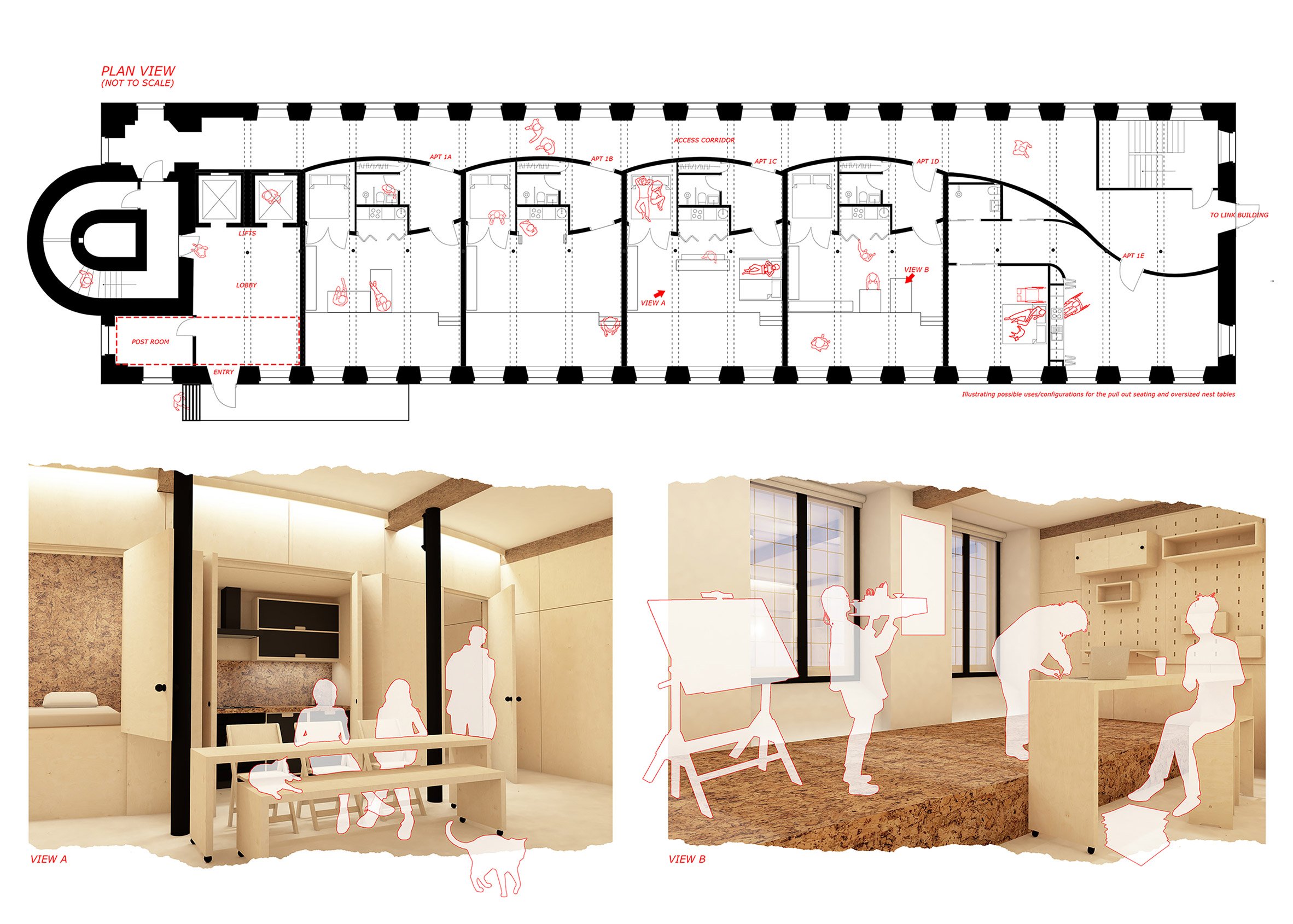
"Fabric of Time is a project centred around the adaptive-reuse of James' Mill in Norwich, England – an Industrial Revolution-era textile mill of 1839 – from Covid-abandoned, utilitarian office spaces into 25 artists' studio apartments.

"A partial resurrection of 1970s New York Soho district artist-in-residence lofts, the individual spaces are fitted with kinetic, modular storage and furnishing systems reminiscent of the ever-moving machinery that would have occupied the building in its original context. Inhabitants will be able to work, create, and live in a single space, ensuring the continuation of the building's lifespan and nurturing the city's creative scene."

Student: Alice Laycock
Course: BA Interior Design
Tutor: Benjamin Salter
Email: studiolaycock@gmail.com

Norwich University of the Arts

Kilmahew Arts Centre by Elizabeth Barrell

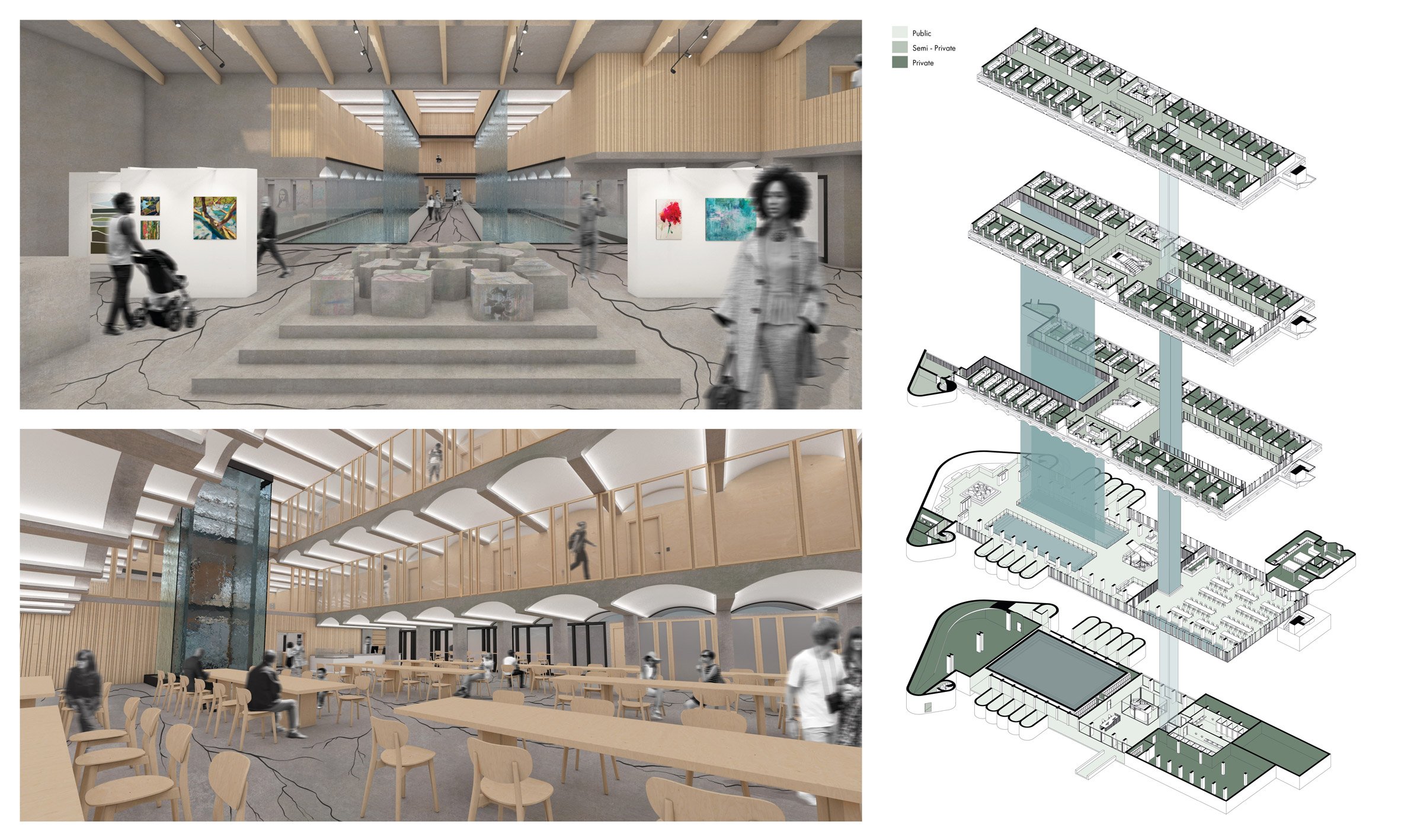
"A relaxing and inspiring environment, Kilmahew Arts Centre provides space to accommodate artist residents who will use the centre as an artistic retreat and create artwork for the on-site gallery. The scheme also provides a cafe, shop and learning centre to encourage tourism and school groups.

"The centre will encourage more involvement with the arts and the surrounding natural landscape through a biophilic design-led renovation of St Peter's, a ruinous 1960s Catholic Seminary that is part of the 140-acre Kilmahew Estate. The use of natural materials and water throughout the space will enhance creativity and improve wellness of visitors."

Student: Elizabeth Barrell
Course: BA Interior Design
Tutor: Benjamin Salter
Email: ebarrelldesign@gmail.com

In Perspective by Gabrielle Austin

In Perspective by Gabrielle Austin

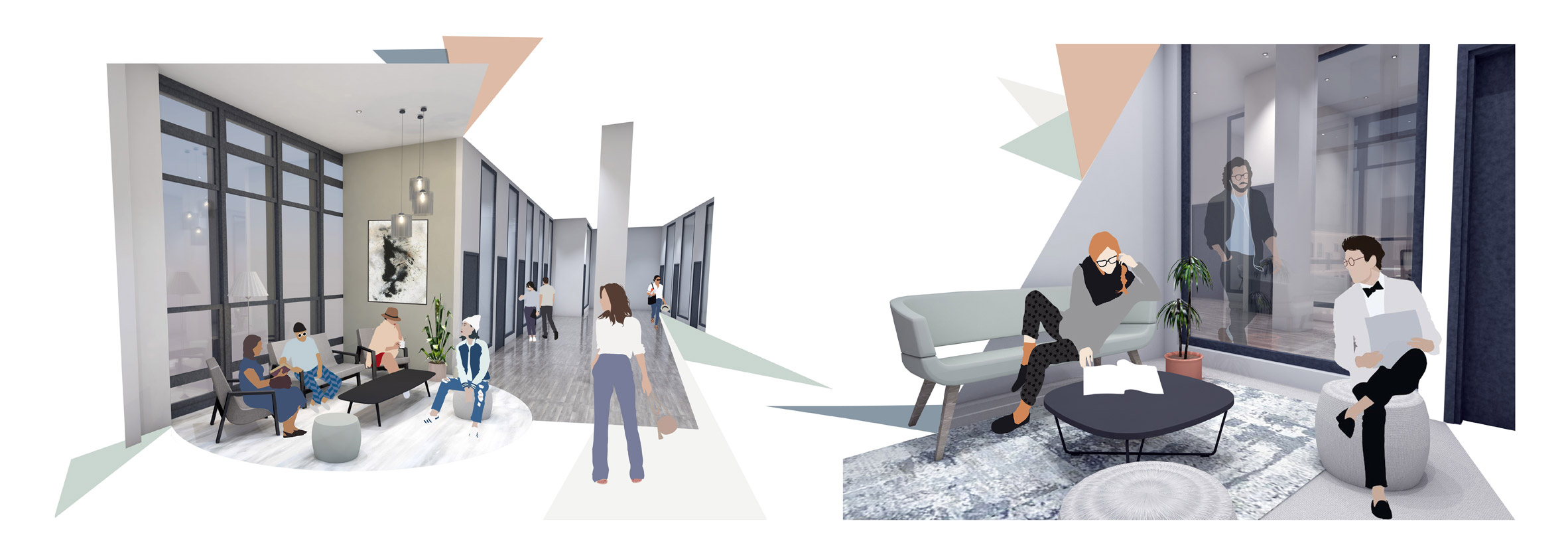
"In Perspective considers how functionality mixes with aesthetics to create a creative co-working space that meets the needs and requirements of the user. Specifically, enhancing the user's well-being, concentration, and productivity. Different design techniques can affect the experience and atmosphere, ultimately affecting the way people feel and behave.

"Workplace design is an area that is continuously changing to stay relevant to the current generation who are deliberately blurring traditional spheres of life and work. It is important to maximise the space's functionality without ignoring style as this influences the experience and interactions within the space."

Student: Gabrielle Austin
Course: BA Interior Design
Tutor: Benjamin Salter
Email: gabrielleaustininteriors@gmail.com

Flexible Officescape

Flexible Officescape by Mahisha Ahmed

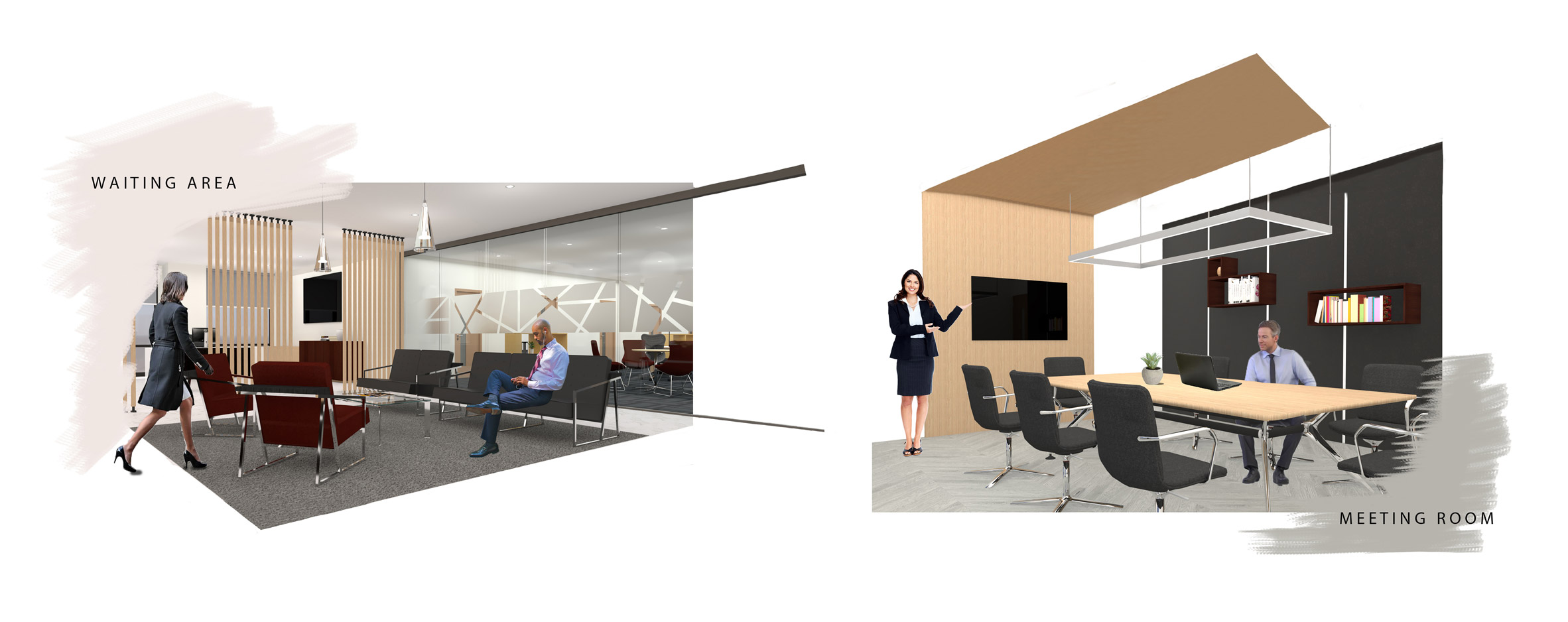
"The office landscape has changed over time to become a more flexible space to adapt to certain circumstances. For this project, an exploration of flexibility combined with the ergonomics of office design was explored through the use of furniture to enhance the development of the office landscape, as it is currently being redefined.

"Specifically, three areas were investigated, which were focussed work areas, lounge areas and meeting areas. The idea was to develop a concept that supported these areas and enhanced the flexibility of the space."

Student: Mahisha Ahmed
Course: BA Interior Design
Tutor: Benjamin Salter
Email: ahmedmahisha@gmail.com

Norwich University of the Arts students

Common Space by Rebecca Lambert

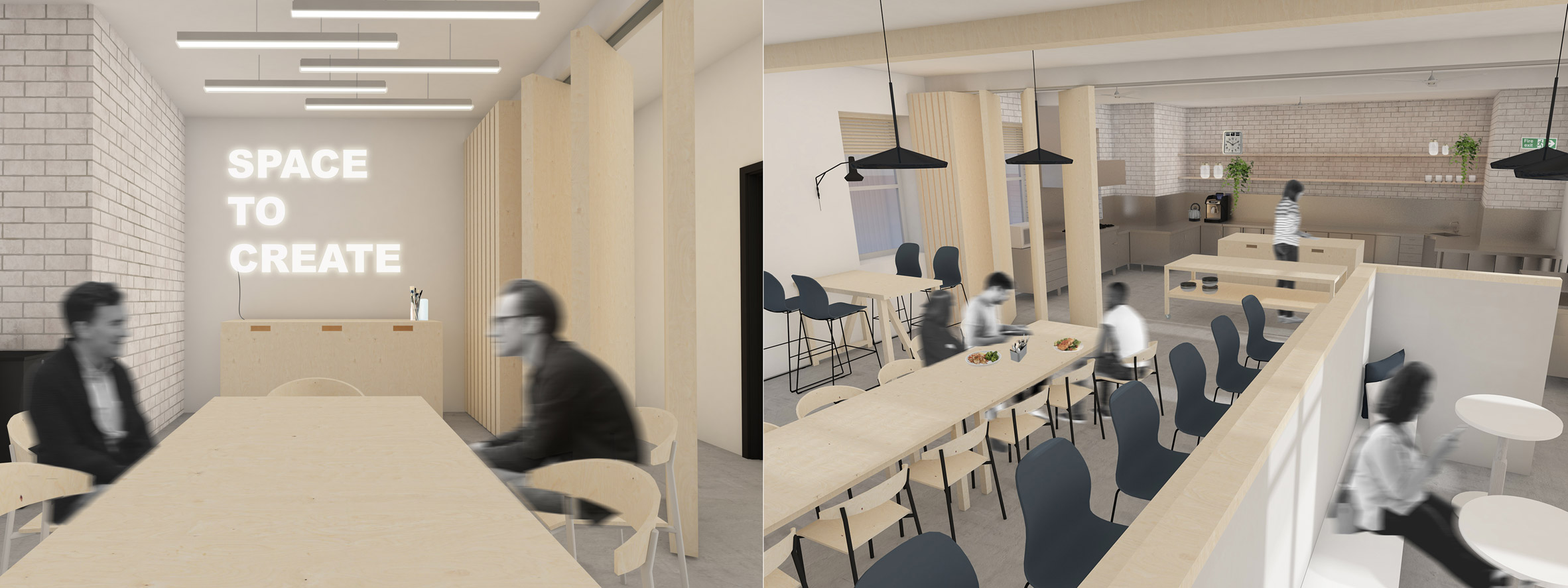
"Common Space is a regenerative community hub in Hackney, London that aims to tackle loneliness, age segregation and neighbourhood decline. Taking the ideals of social design found in cohousing it features a studio and meeting space on the ground floor which can be divided into four separate rooms with the use of movable walls and multifunctional furniture.

"The first floor is a communal dining and kitchen space with an added play area for children. All of these spaces can be used by the local community for activities or by local businesses that can host classes and events here."

Student: Rebecca Lambert
Course: BA Interior Design
Tutor: Benjamin Salter
Email: beccalambert2020@gmail.com
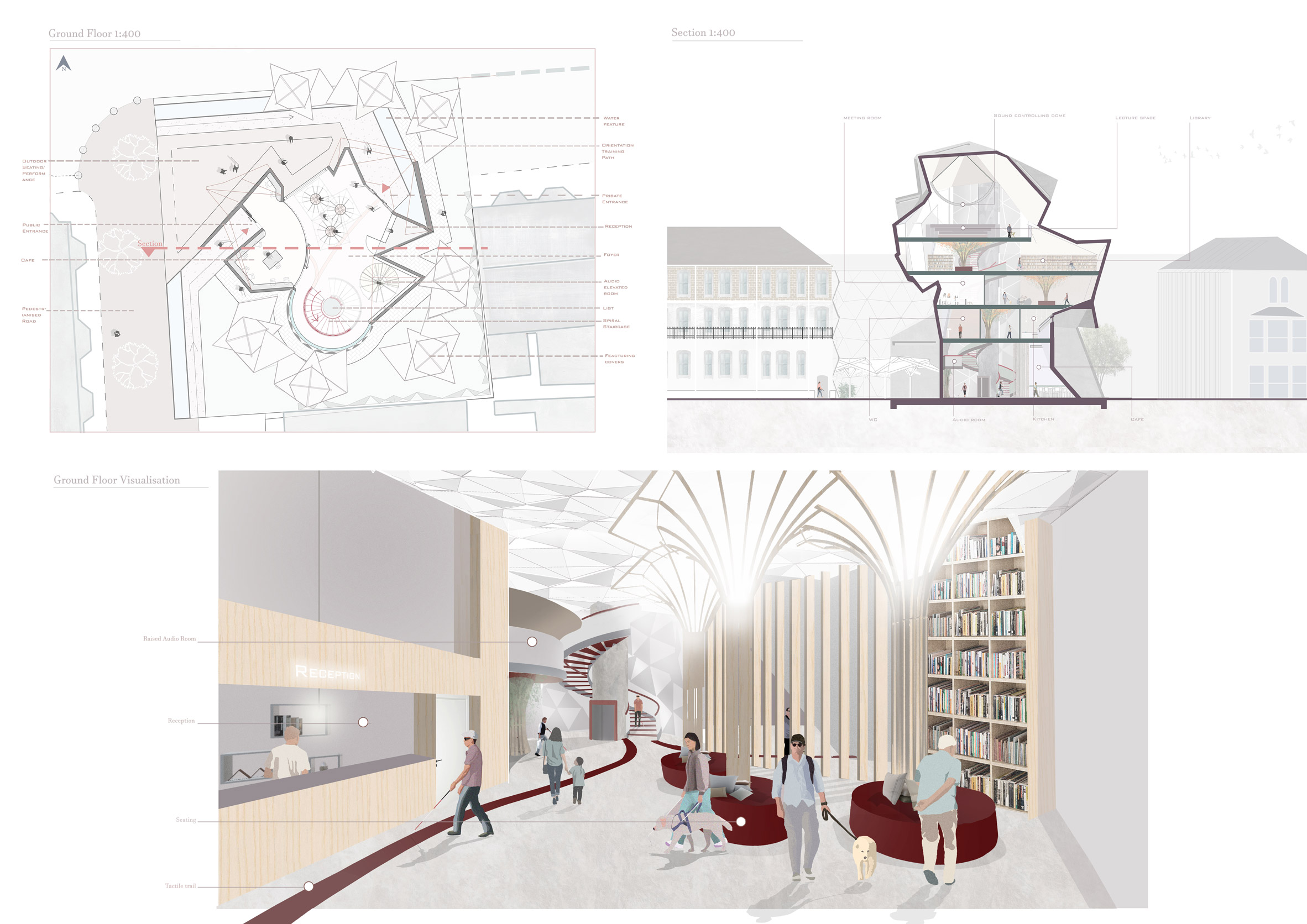

Caitlin Meier

School for Visually Impaired by Caitlin Meier

"This proposal for a school for the visually impaired is located on the corner between Prince's Road and Wellesley Road in Great Yarmouth. I created an animated study of fractals to illustrate feelings of chaos and disorientation which come with the loss of sight.

"Fractals exist everywhere in nature, mathematically explaining patterns in the world which we used to assume were mathematically indescribable and would call 'chaos theory.' These have the effect of the viewer questioning their own blindness to the complexity of nature – inverting our preconceptions of those who are blind as 'other.'

These spaces could be considered as fractal environments; essentially the more fractal a space, the more opportunities for ‘hide and seek' or discovery creating a more enriching environment. The site boundaries have been extended to accommodate the floor areas and by pedestrianizing Wellesley Road the space between this main street and the site is mediated.

"Prince's Road has been made one- way and a lay-by drop off zone added in. This school is centred on reintegration into society through practical skill learning such as orientation training, cane use and social skills. There is largely a stigma with institutions for the blind of exclusion from society, so using these fractures conceptually represents the dissolving of these barriers."

Student: Caitlin Meier
Course: BA Architecture
Tutors: Graham Thompson, Iuliana Gavril
Email: caitlin.meier@student.nua.ac.uk
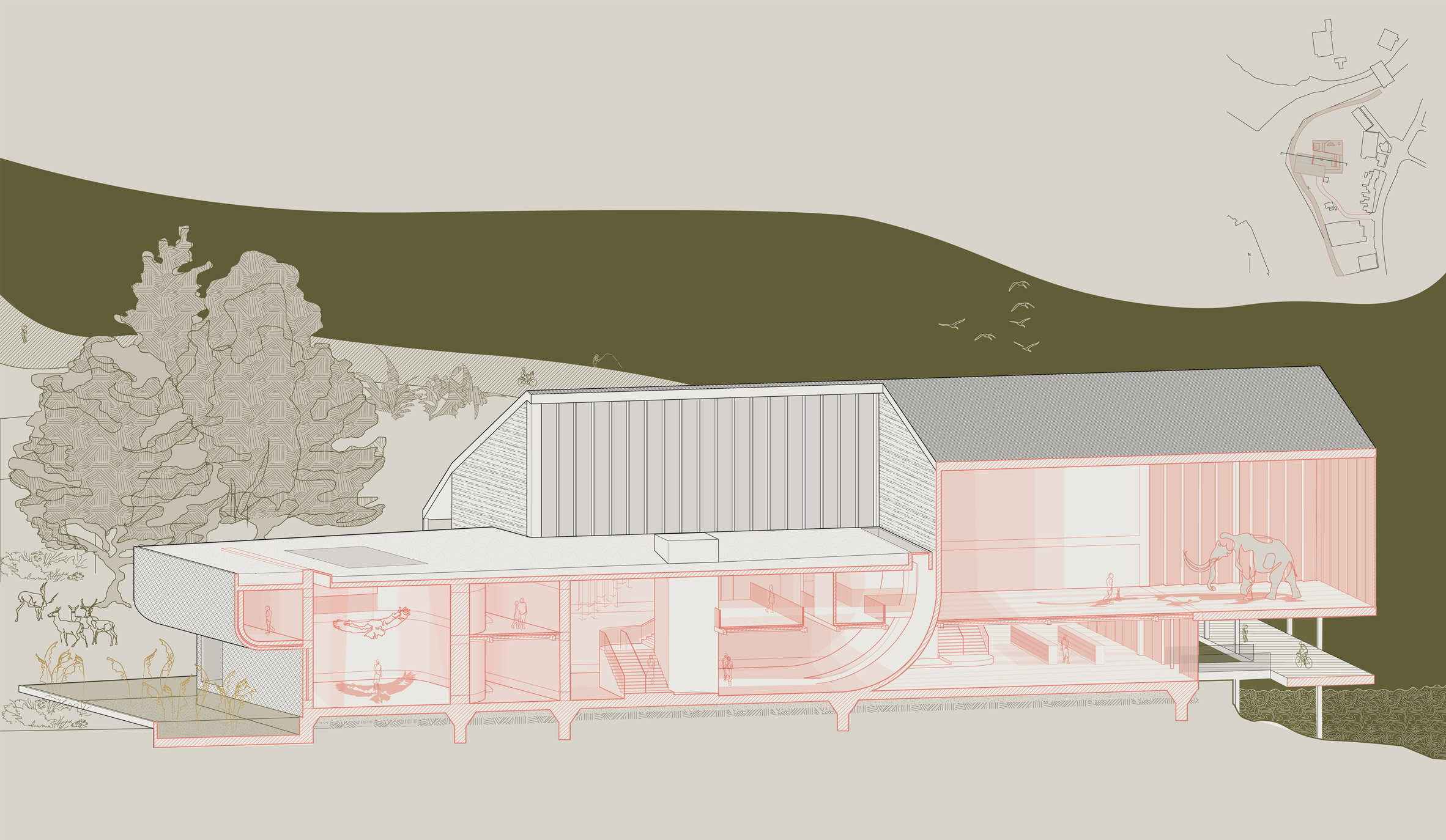

Norwich University of the Arts architecture student work

Extinction Museum by Chanti Clark 

"Mass extinction is a major contributor to the destabilisation of the planet, and we are currently experiencing the greatest loss of biodiversity in natural history. The proposal of an Extinction Museum on the Norfolk Coast, centred around British wildlife and the unearthing of the West Runton Mammoth, aims to reconnect people to nature and to encourage a sense of natural discovery.

"In this scheme, extinction is conceptualised through light and volume, with darker, narrower spaces representing loss of biodiversity, and large dynamically lit galleries celebrating the abundance of life."

Student: Chanti Clark
Course: BA Architecture
Tutors: William Jefferies and Rebecca Crabtree
Email: interiordesign@quanstromstudio.com
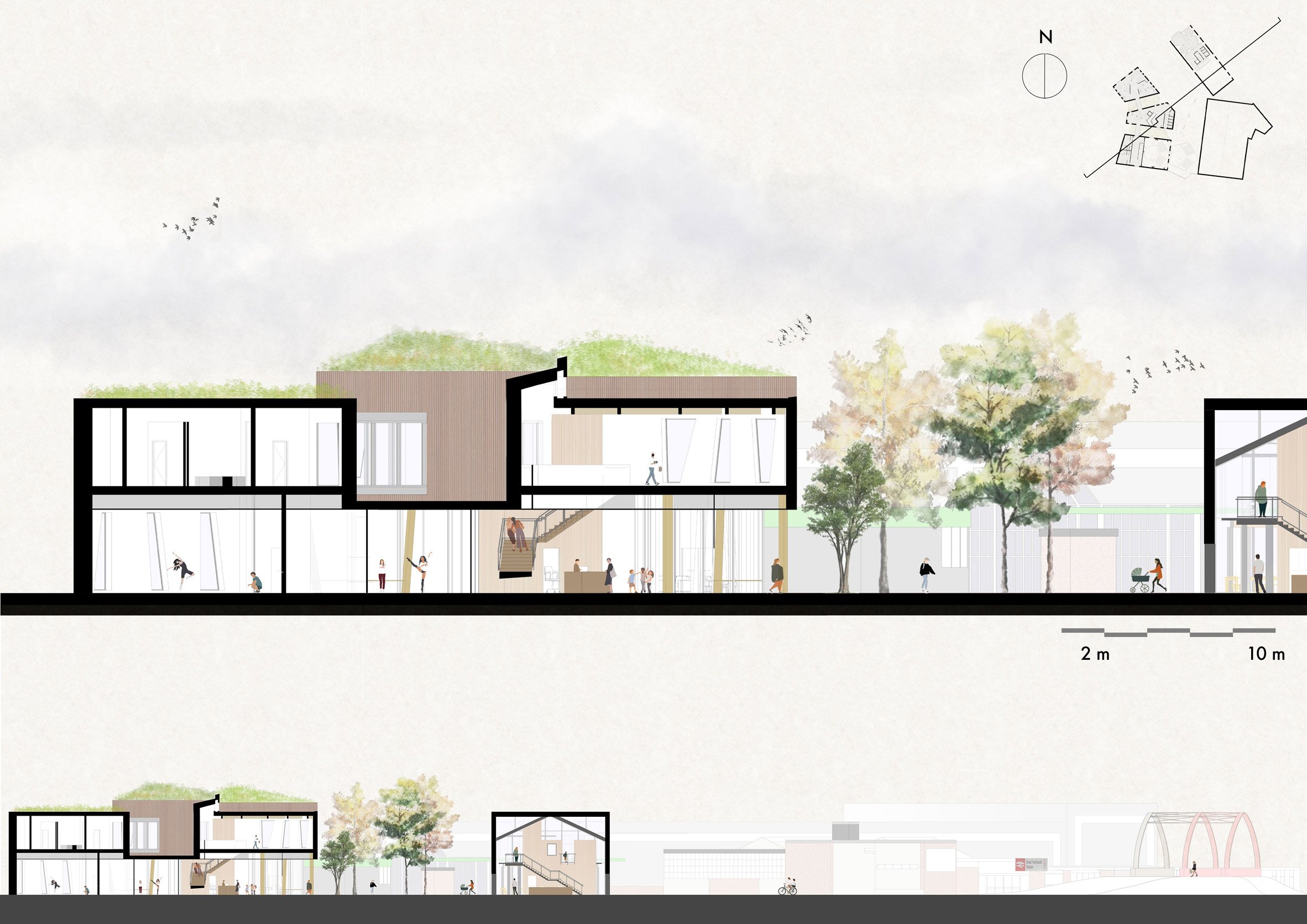

Norwich University of the Arts

Great Yarmouth Art Centre by Julia Helwig

"For my final-year project, I have designed an Art Centre which is located at Great Yarmouth's riverside. The Design consists of the redevelopment of an existing brick building which creates a more welcoming point of arrival from the train station and to the riverside walk and a new designed cross-laminated-timber building.

"The scheme supports the local community through multi-use spaces, the local art community through studio and exhibition space and vulnerable groups of the community by offering discounted art courses. The use of structural CLT columns inside the performance art building allows the ground floor to be fully enclosed by smart glass which can offer different levels of privacy."

Student: Julia Helwig
Course: BA Architecture
Tutors: William Jefferies and Rebecca Crabtree
Email: julia.helwig@gmx.net
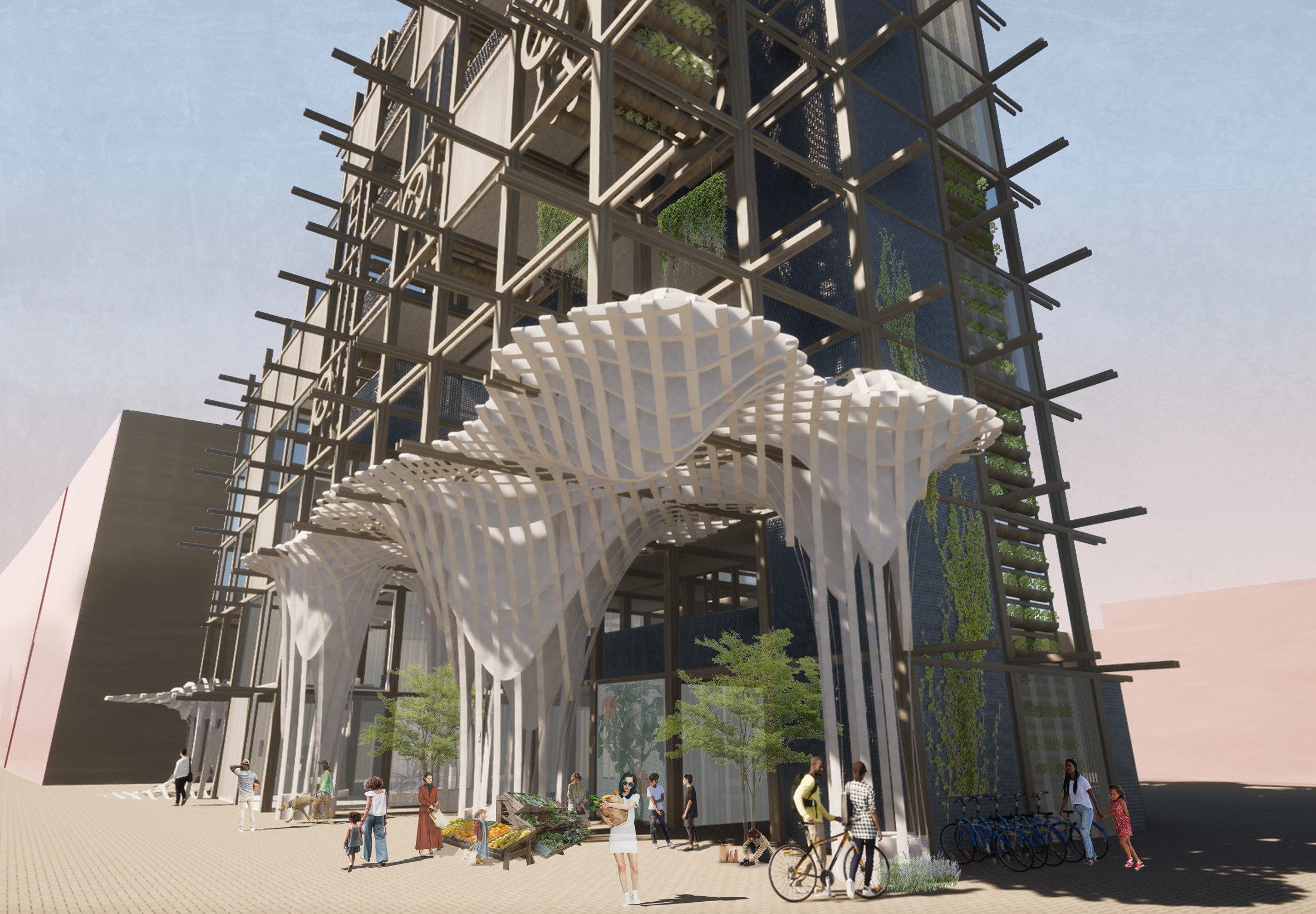

Urban Farm by Molly Agnew

Urban Farm by Molly Agnew 

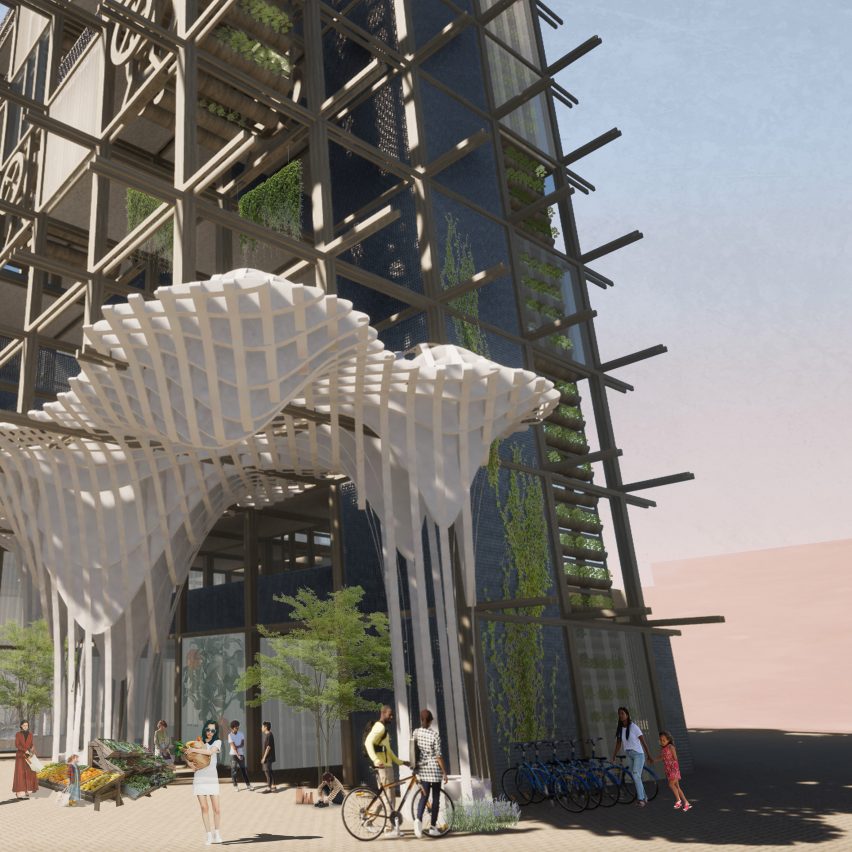
"In modern times the relationship we have with food is largely anonymous with a reliance on unsustainable food production systems that exists out of sight and mind; diminishing how people value their food. This proposal aims to establish a transparent relationship with how food is grown into the inner workings of urban Shoreditch, London, offering a solution for securing future food supplies and production, through the use of innovative technologies and optimizing land-use within the urban community.

"The farms' crops follow the seasonal growth of native fruit and vegetables reducing the reliance on imported foods from other countries whilst embracing a hydroponic farming method - reducing the overall water consumption by 80 per cent compared to traditional farming methods.

Interconnected with the working farm is a proposed research and education facility that provides learning support for urban dwellers to study, grow and cook their own foods, whilst producing a strong crop yield to support the food market on the street below, in turn, reducing the environmental footprint by removing the need for transportation and additional food miles, serving freshly grown goods for local consumers.

"The vertical rotisserie system was designed with ease and accessibility in mind and optimizes the minimal space of the site. The modular framework provides a functional work space for the farm and its users, whilst the interchangeable façade, made up of translucent polycarbonate wall panels, allow for protection between differing seasons and weather patterns. In its entirety, the building exhibits the food production system through a transparent lens; visible to the public; creating greater awareness for the need of sustainable agriculture."

Student: Molly Agnew
Course: BA Architecture
Tutors: Graham Thompson and Iuliana Gavril
Email: molly.agnew@student.nua.ac.uk

Norwich University of the Arts architecture student

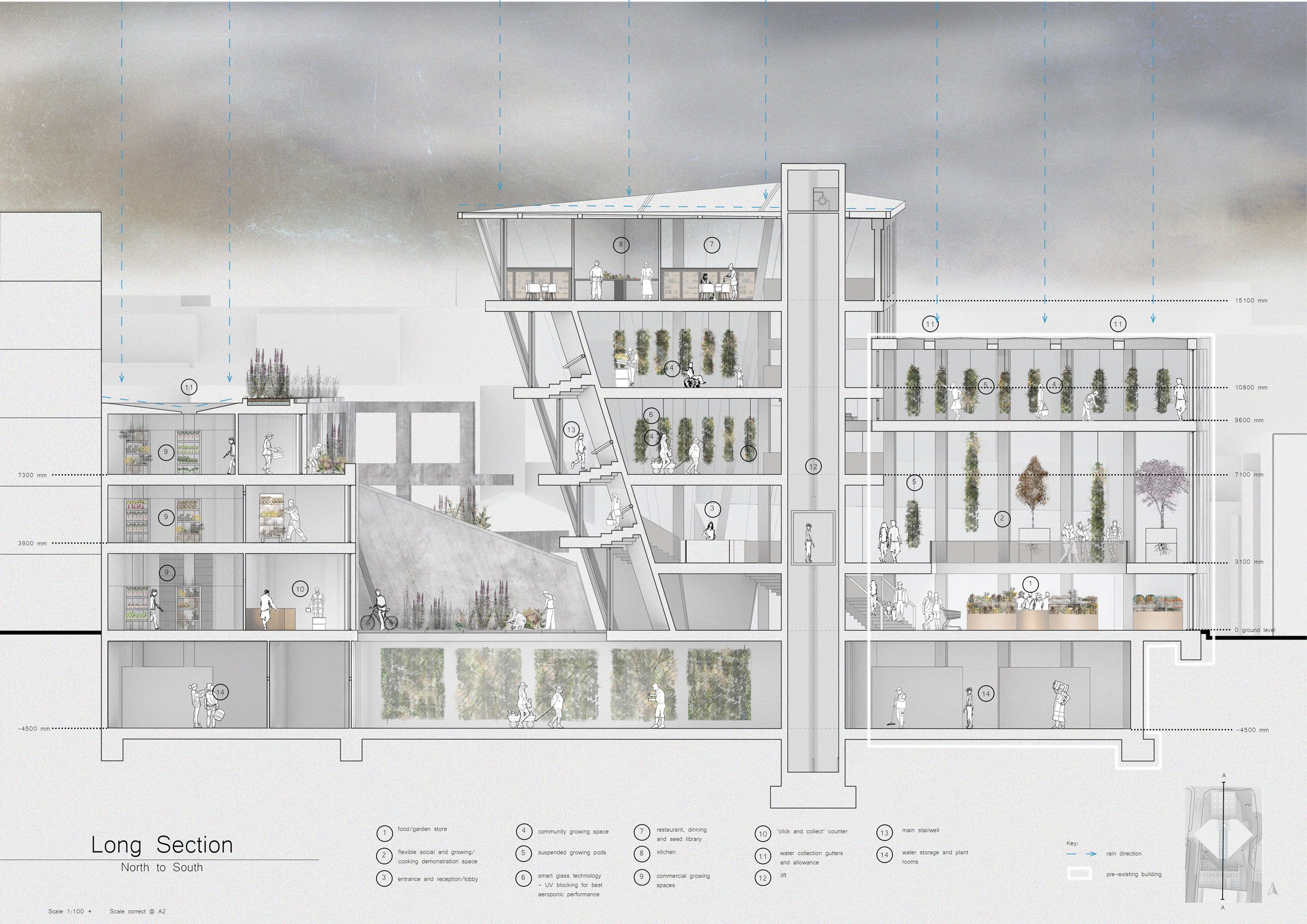
Rosebay Urban Farm, Shoreditch by Sean Hendley 

"The Rosebay Urban Farm proposal on Bateman's Row, Shoreditch, draws inspiration from the independent London spirit symbolised by London's flower – the rosebay willowherb. Caught somewhere between the artists' studios of East London, and Suit City of central London, in recent years the local area has been victim to the sterility of gentrification and consequential removal of grass-roots community initiatives and spaces.

"The aim of the urban farm is to provide a series of flexible spaces that champion the latest innovations in aeroponic growing systems, to be used for community gathering, learning and growing, with benefit to local residents and businesses."

Student: Sean Hendley
Course: BA Architecture
Tutors: Graham Thompson and Iuliana Gavril
Email: shendley25@googlemail.com

Marine Centre by Thomas Williamson

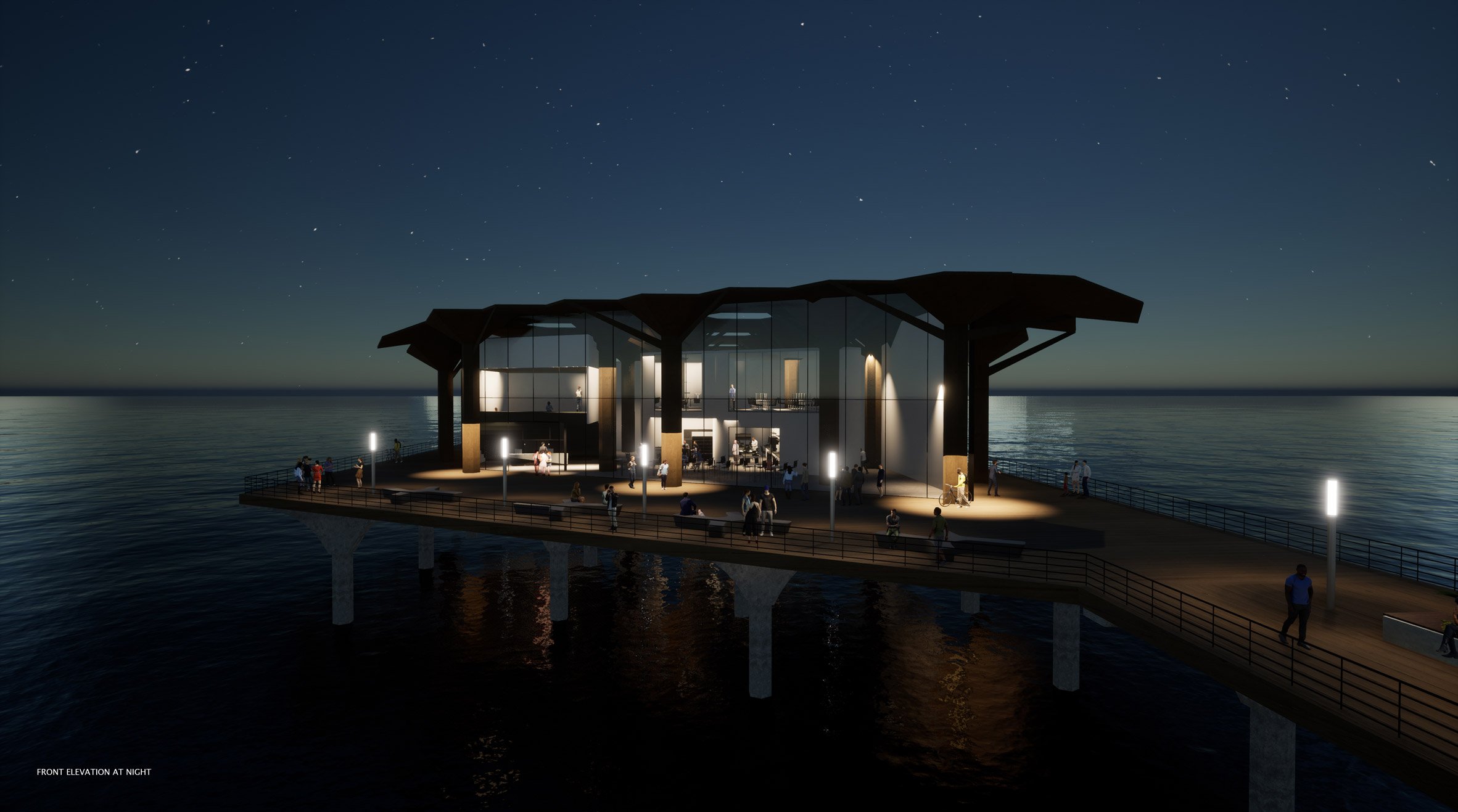
Marine Centre by Thomas Williamson

"In this project, the element of growth from the land to sea was designed to serve the fight against rising sea levels. The opportunity to create a marine centre in the sea offered a perfect setting for university courses.

"The marine centre was designed to allow the public to have access to the facility, encouraging interaction between the ageing demographic of Great Yarmouth and the younger of the university. This was achieved by using a canopy roof that was influenced using column coral, and each column allowed the building to be self-sufficient by collecting rainwater and solar energy."

Student: Thomas Williamson
Course: BA Architecture
Tutors: William Jefferies and Rebecca Crabtree
Email: thomas.williamson@student.nua.ac.uk


Partnership content

This school show is a partnership between Dezeen and Norwich University of the Arts. Find out more about Dezeen partnership content here.

The post Norwich University of the Arts presents 15 design and architecture student projects appeared first on Dezeen.


from Dezeen https://ift.tt/3isx4Qw

SOM to design athletes' village for 2026 Milano-Cortina Winter Olympics

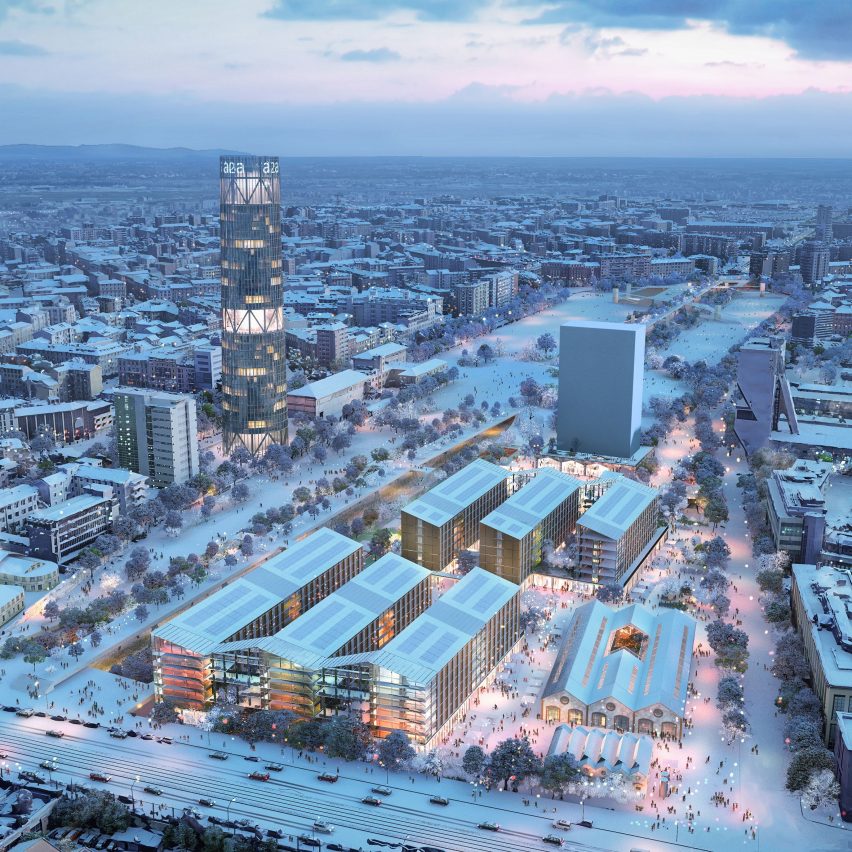
Aerial view of proposed 2026 Olympic Village

Architecture firm Skidmore Owings & Merrill has been chosen to design a mass-timber Olympic Village with "minimal environmental impact" for the winter Olympic games hosted in Milano-Cortina.

Skidmore Owings & Merrill (SOM) was selected following an international competition to complete the village, which will form part of the redevelopment of rail yards in Milan's Porta Romana area.

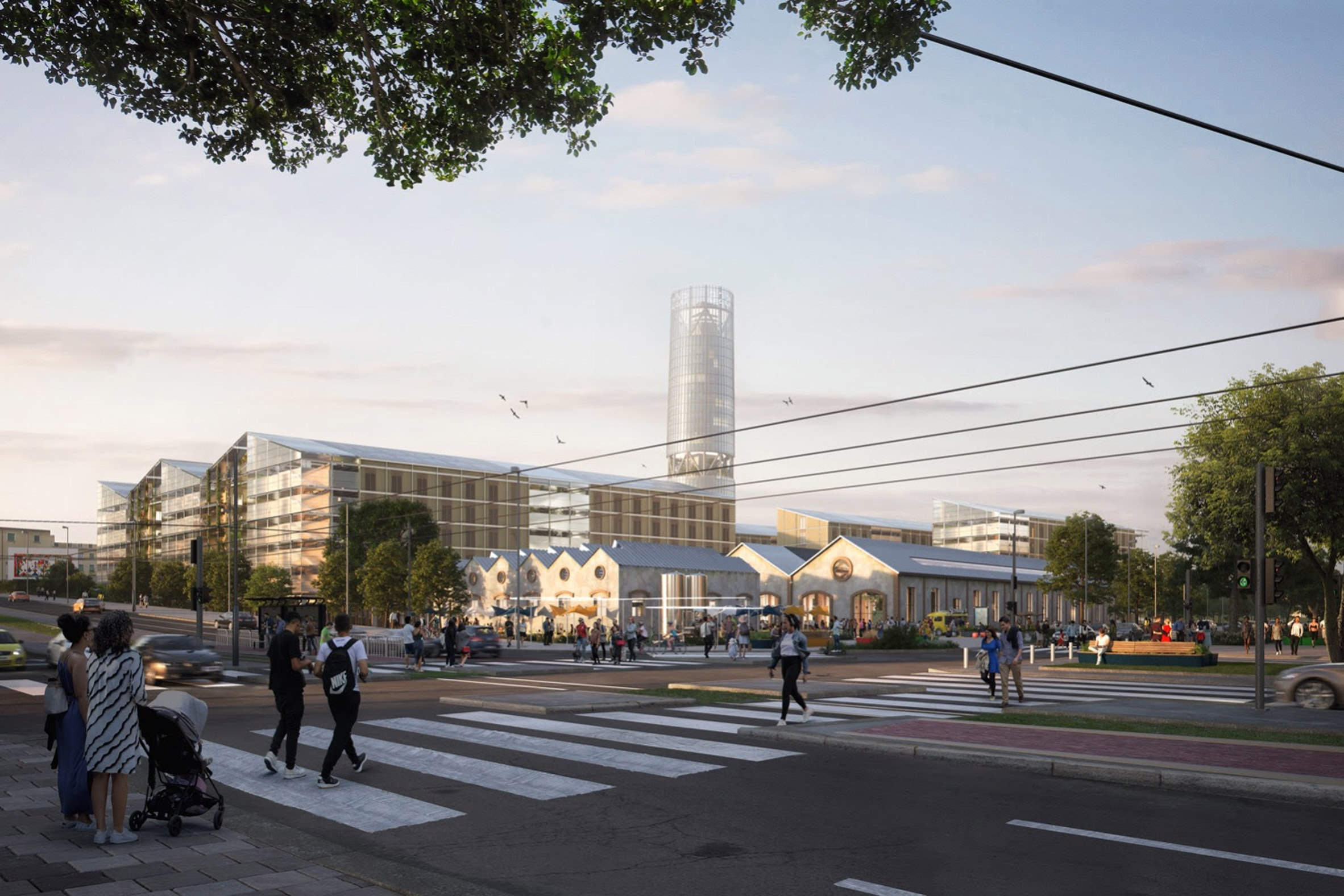
The studio's proposals include the transformation of two historic structures and the construction of six timber buildings to house athletes during the event in 2026, which will then become student and affordable housing afterwards.

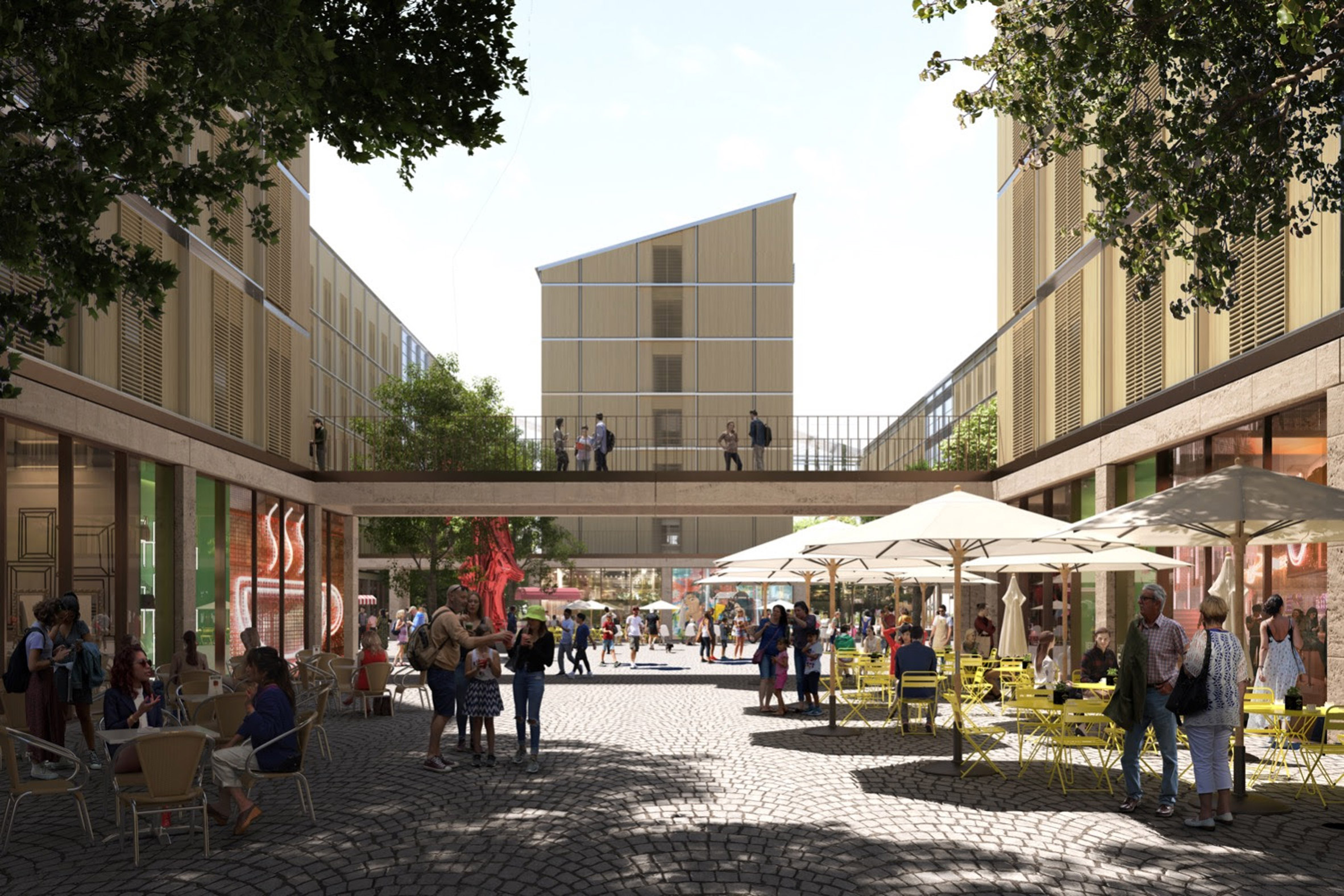
A series of public spaces will eventually be surrounded by shops, bars, restaurants and cafes at street level, and will host farmers' markets and community events – integrating the village into the exisiting urban fabric.

SOM's proposal for Porta Romana
SOM's winning proposal for the Olympic Village at Milan's Porta Romana

"Rather than ceasing to be of use after the Olympics, the Porta Romana Olympic Village will ultimately become a vibrant, self-sustaining neighbourhood built around the principles of social equity, environmental commitment, wellness, and inclusivity," said SOM design partner Colin Koop.

"The village adopts the rhythm of the area's streetscape, creating a porous urban block with a variety of public spaces and communal anchors that will enhance Milan's vibrant tapestry of ground-floor experiences."

Buildings connected by bridges
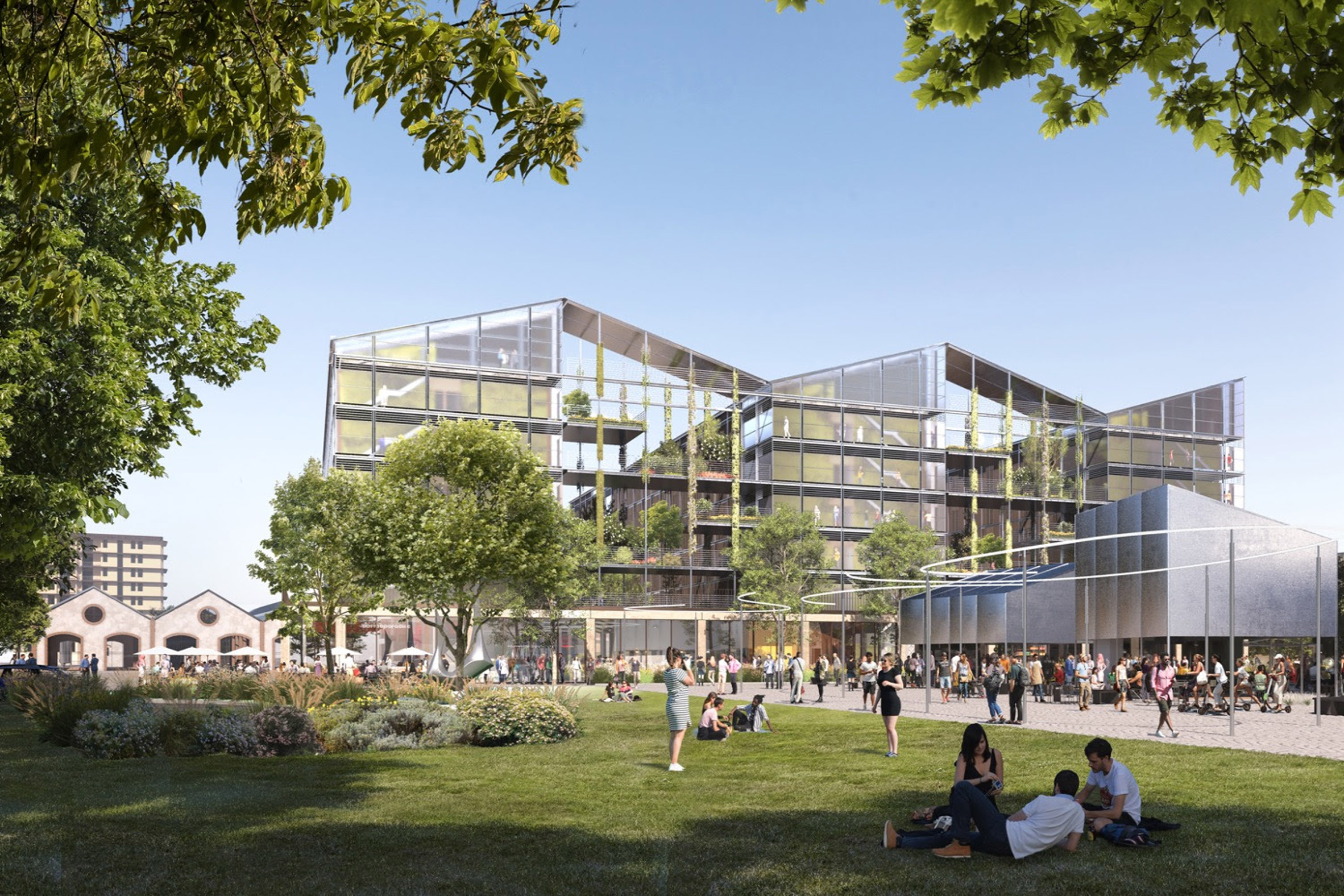
Housing for Olympic and Paralympic athletes will be connected by bridges shaded with vertical planting

The mass-timber buildings will take cues from historic Milanese architecture while utilising contemporary materials, like low-embodied carbon facades.

Communal terraces shaded by vertical planting will connect the blocks and provide gathering spaces for occupants.

The development, led by developer COIMA, is intended to create a sustainable urban community with a variety of green credentials.

"Thanks to innovative sustainability features, the village will target minimal environmental impact in accordance with NZEB (Nearly Zero Energy Building) requirements," said a statement from SOM.

Manfredi Catella, COIMA founder and CEO, added: "The 2026 Olympic Village will represent a new urban laboratory for Milan, the first to be designed and built in its future configuration with spaces, functions and materials already designed for their conversion, meeting NZEB principles."

These features will include passive cooling strategies, solar panels and rooftop gardens among others, which together will allow the village to produce up to 30 per cent of the energy it requires.

Recycled stormwater systems and spaces for urban farming are also included in the proposal.

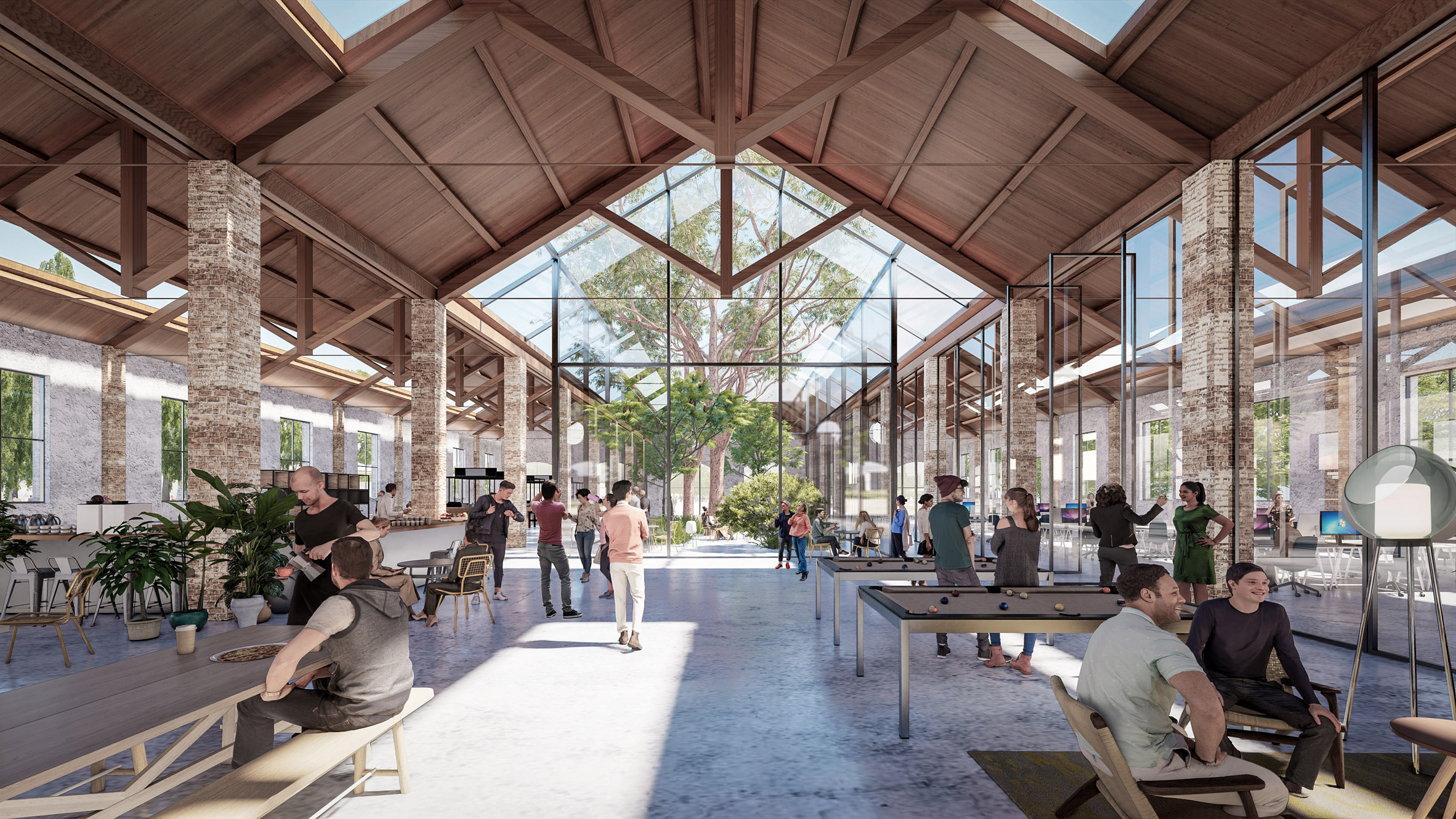
Interior of Olympic Village building
The proposal also includes the renovation of existing industrial buildings

Plans for the site are encompassed by the broader Parco Romana project, for which the masterplan was recently revised following a public engagement process.

Better links and access to public spaces, as well as a more-even density distribution, are among the updates to the scheme.

The Olympic Village is due to complete in July 2025, ahead of the winter games scheduled for 6 to 22 February 2026.

Officially the XXV Olympic Winter Games, the event will be jointly hosted the city of Milan and the Cortina d'Ampezzo ski resort, located 255 miles away by car in Italy's Dolomite mountains.

A proposed public space in the village
Outdoor spaces surrounded by shops and restaurants will create public areas after the games are over

The logo for the Milano-Cortina games was revealed in April after a public vote chose a design by branding agency Landor Associates.

The next Winter Olympic and Paralympic Games will take place in Beijing in 2022. Its logo was designed by artist Lin Cunzhen to reference Chinese calligraphy.

Tokyo is currently hosting the summer Olympics, which were scheduled to happen in 2020 but delayed due to the Covid-19 pandemic. Catch up with all the architecture and design news from this year's games.

The images are courtesy of SOM.

The post SOM to design athletes' village for 2026 Milano-Cortina Winter Olympics appeared first on Dezeen.


from Dezeen https://ift.tt/3xsPp4e

Easy sofa by Big-Game for Tiptoe

Easy sofa by Big-Game and Tiptoe

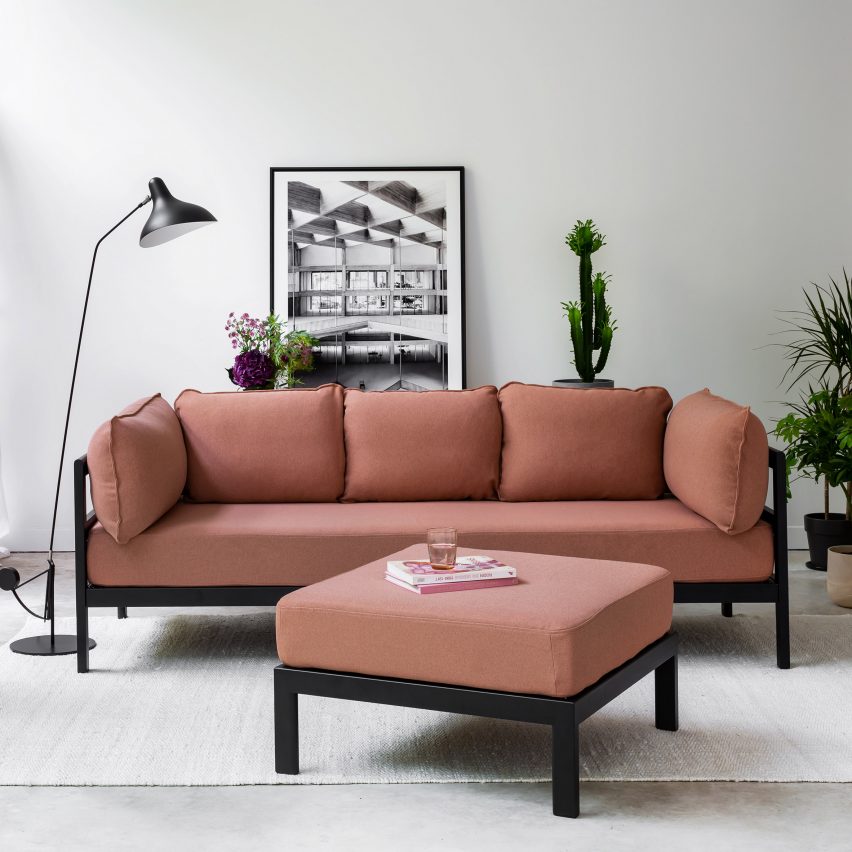
Dezeen Showroom: French brand Tiptoe has worked with design studio Big-Game to create the Easy sofa, aiming to give it a durable and timeless design that could last decades.

Tiptoe describes the Easy sofa with its flat-packed steel frame and foam cushions as easy to assemble and easy to love.

Easy sofa by Big-Game and Tiptoe
The Easy Sofa takes a few minutes to assemble from flatpack

"Its timeless design and high level of comfort make Easy a sofa that you will grow fonder of over the years," said Tiptoe.

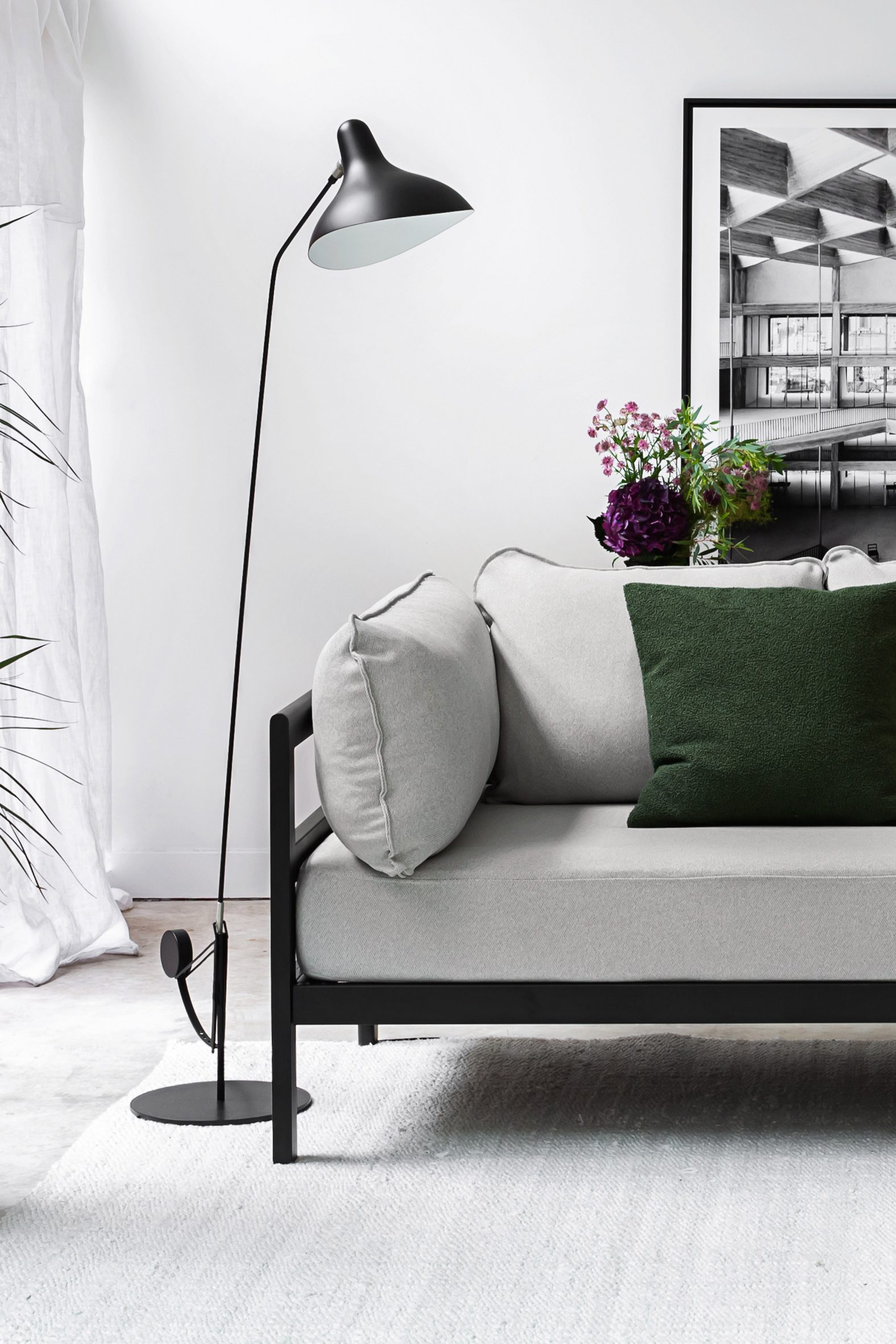
The sofa was designed to be kept for a long time, with fabrics made by Danish company Gabriel that are exceptionally resistant to abrasion and friction. The covers are removable, washable and replaceable.

Easy sofa by Big-Game and Tiptoe
It has a steel frame and recycled fabric cushion covers

Tiptoe also describes the sofa as easy on the planet because the foam and textiles have a high recycled content. The design is entirely made in Europe, which saves on transport emissions.

Its frame is steel, which is infinitely recyclable, and no glue or staples are used in the sofa so that all of the components can be separated for recycling at the end of the product's life.

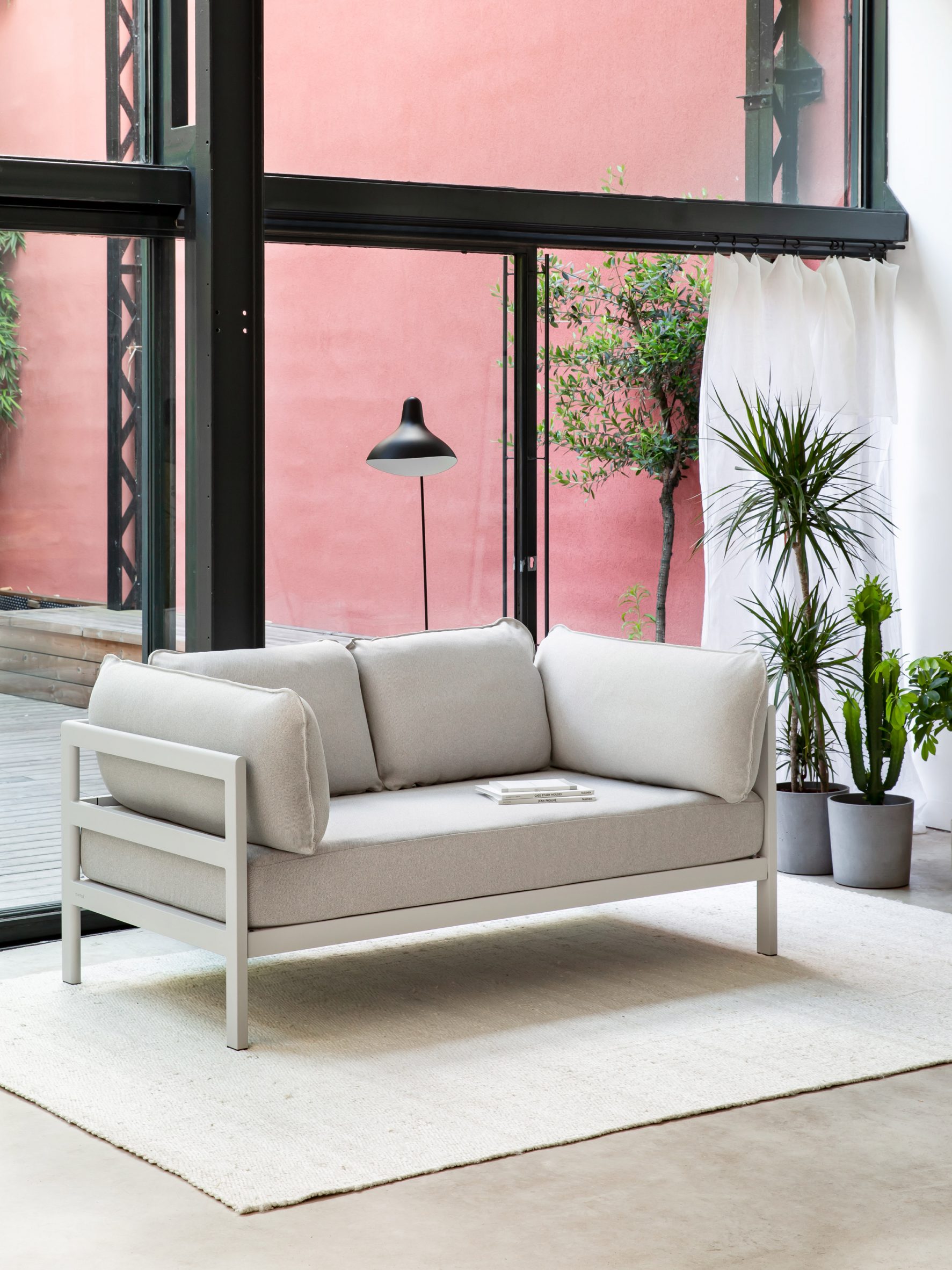
Beige Big-Game sofa in front of a pink wall
Generous foam padding creates a comfortable seat

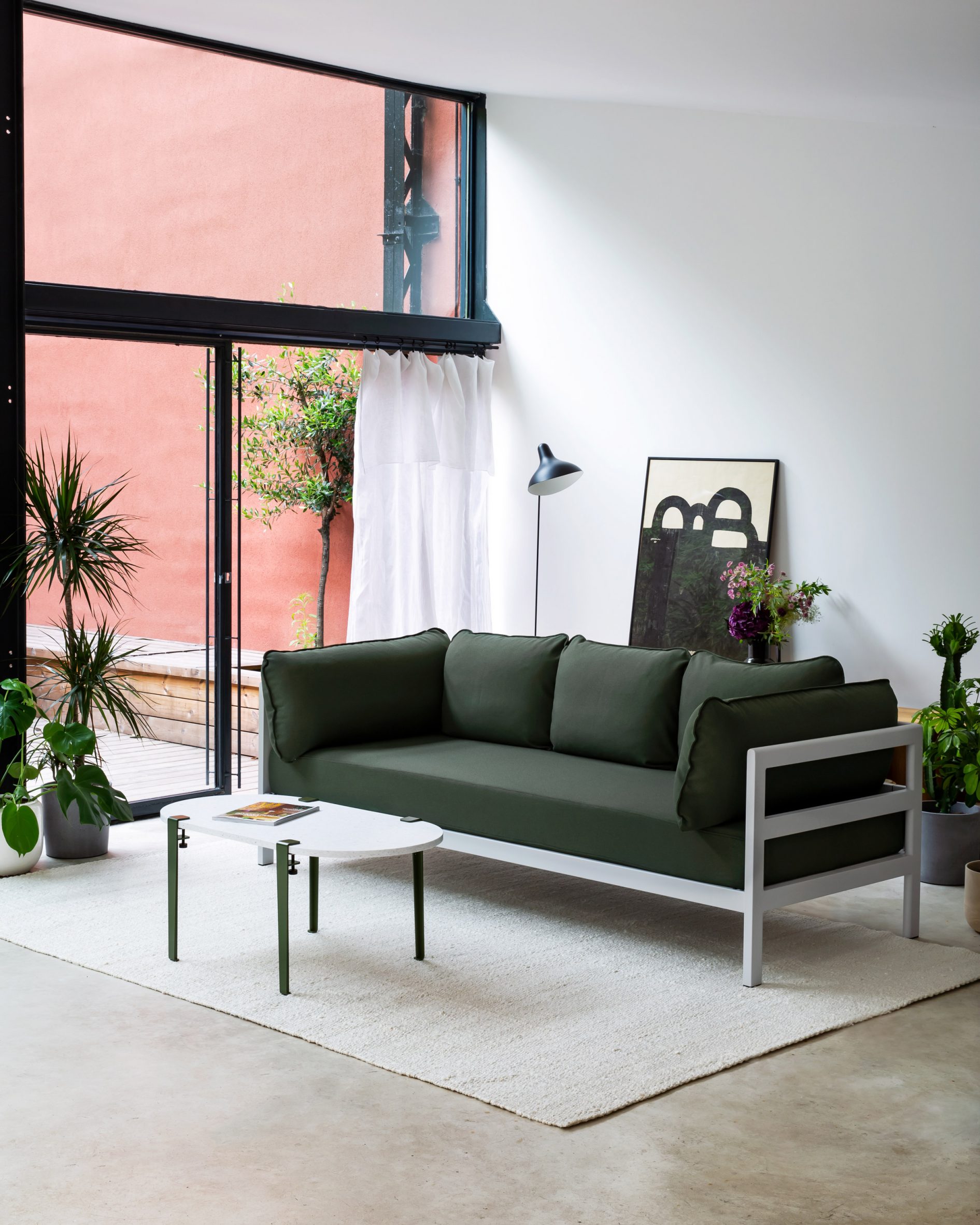
The Easy sofa is available with either a black or grey frame and a choice of six upholstery colours including vintage pink and forest green.

It comes in two-, three- or four-seater models with a corner sofa and ottoman also available.

Product: Easy sofa
Designer: Big-Game
Brand: Tiptoe
Contact: elodie@tiptoe.fr

About Dezeen Showroom: Dezeen Showroom offers an affordable space for brands to launch new products and showcase their designers and projects to Dezeen's huge global audience. For more details email showroom@dezeen.com.

Dezeen Showroom is an example of partnership content on Dezeen. Find out more about partnership content here.

The post Easy sofa by Big-Game for Tiptoe appeared first on Dezeen.


from Dezeen https://ift.tt/3joudYq

Ten pieces that showcase the "authentic voice" of Zaha Hadid

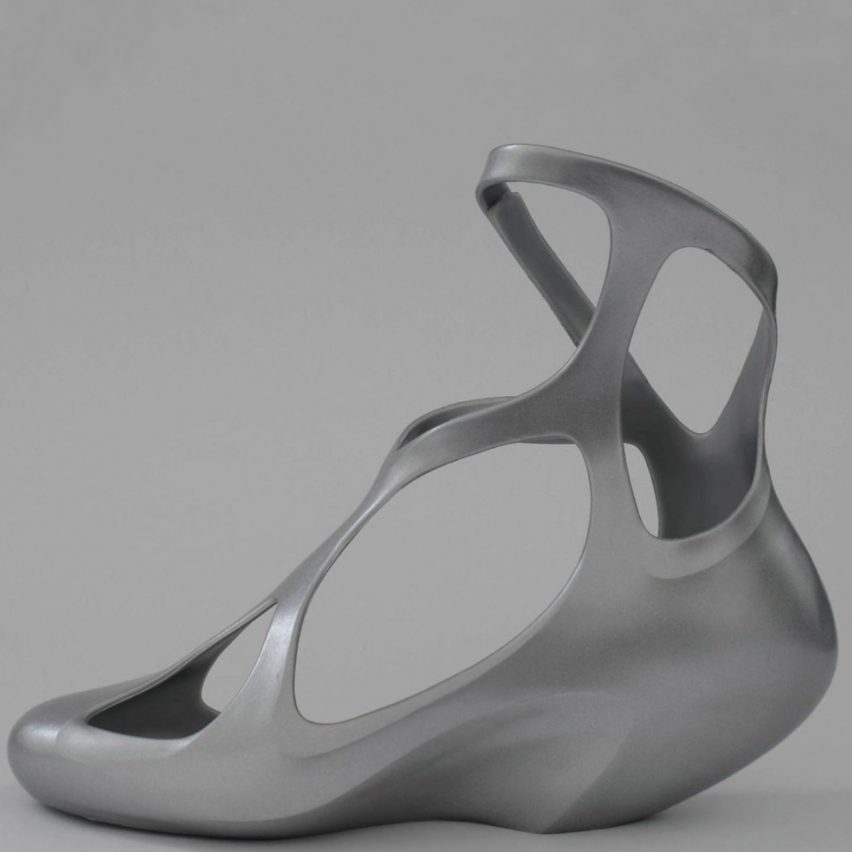
Pair of Melissa Shoes

A retrospective of architect Zaha Hadid's work called ZHA Close Up – Work & Research is currently on display at MAM Shanghai. Its curator Shai Baitel picks 10 items from the exhibition that demonstrate the diversity of her work.

The exhibition at Shanghai's Modern Art Museum is the first show dedicated to the work of Zaha Hadid Architects to take place in China.

Exhibition "inclusive of just about everything Zaha Hadid"

Containing more than 250 items, the exhibition showcases work created by the studio from the time it was founded by Hadid in 1979 up until her death in 2016 and beyond.

"The exhibition is multifaced and diverse, and inclusive of just about everything Zaha Hadid created throughout her career, with a particular focus on work in China," explained Baitel.

"However, the exhibition represents not just architecture but also drawings, design and research that relates to her philosophy, art, use of technology and impact on society," she continued.

"We amassed a collection of over 250 items that are eclectic in their breadth. Most objects in the exhibition were created during Hadid's lifetime. But others were created after her passing and are firmly based in the DNA and aesthetics she defined during her illustrious career."

"She gave the world of architecture a new language"

Baitel hopes that the exhibition will demonstrate Hadid's unique design aesthetic and the role she played in shaping architecture and cities over the past four decades.

"She did the impossible as a female architect and designer navigating a predominantly white male world," said Baitel. "And while doing so, she stayed true to her authentic voice."

"She was a radical innovator of an entirely new line of thinking and approach towards design and architecture that emphasized the apparent movement of inanimate structures and objects," the curator continued.

"She gave the world of architecture and design a new language and changed the field forever. City skylines all over the world have changed because of the singular impact of Zaha Hadid."

Read on for Baitel's 10 highlights from ZHA Close Up – Work & Research:


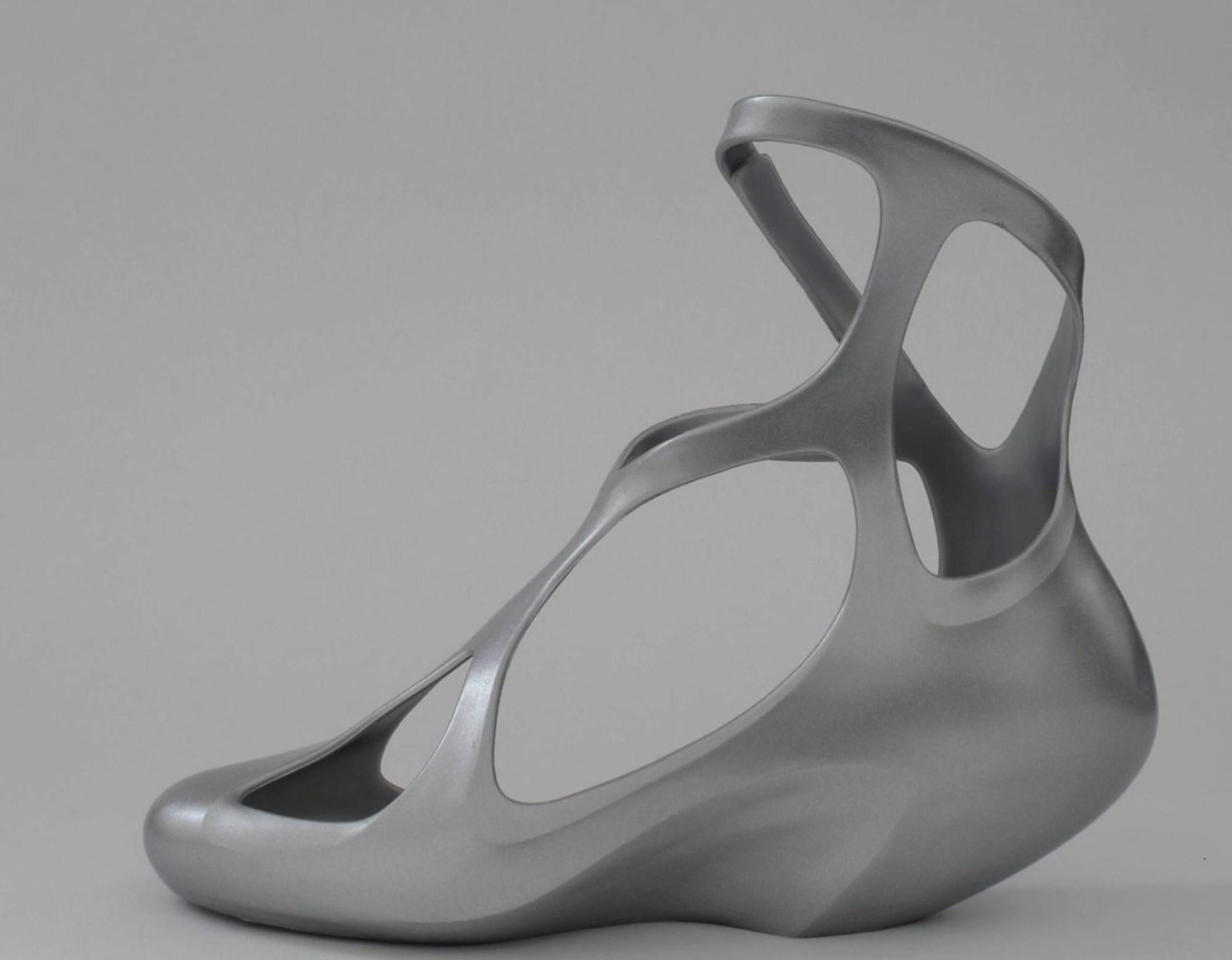
Pair of Melissa Shoes by Zaha Hadid

Melissa shoes

"Shoes define your personality. This pair certainly defines Zaha's approach to life and design. At a glance, the pair comes across as a sea creature, perhaps an octopus, wrapping its prey in an enveloping manner.

"Yet at the same time, the soft silicone material gives it a warm quality and is visually reminiscent of a repetitive element of design, such as the one included in the monumental One Thousand Museum building in downtown Miami."


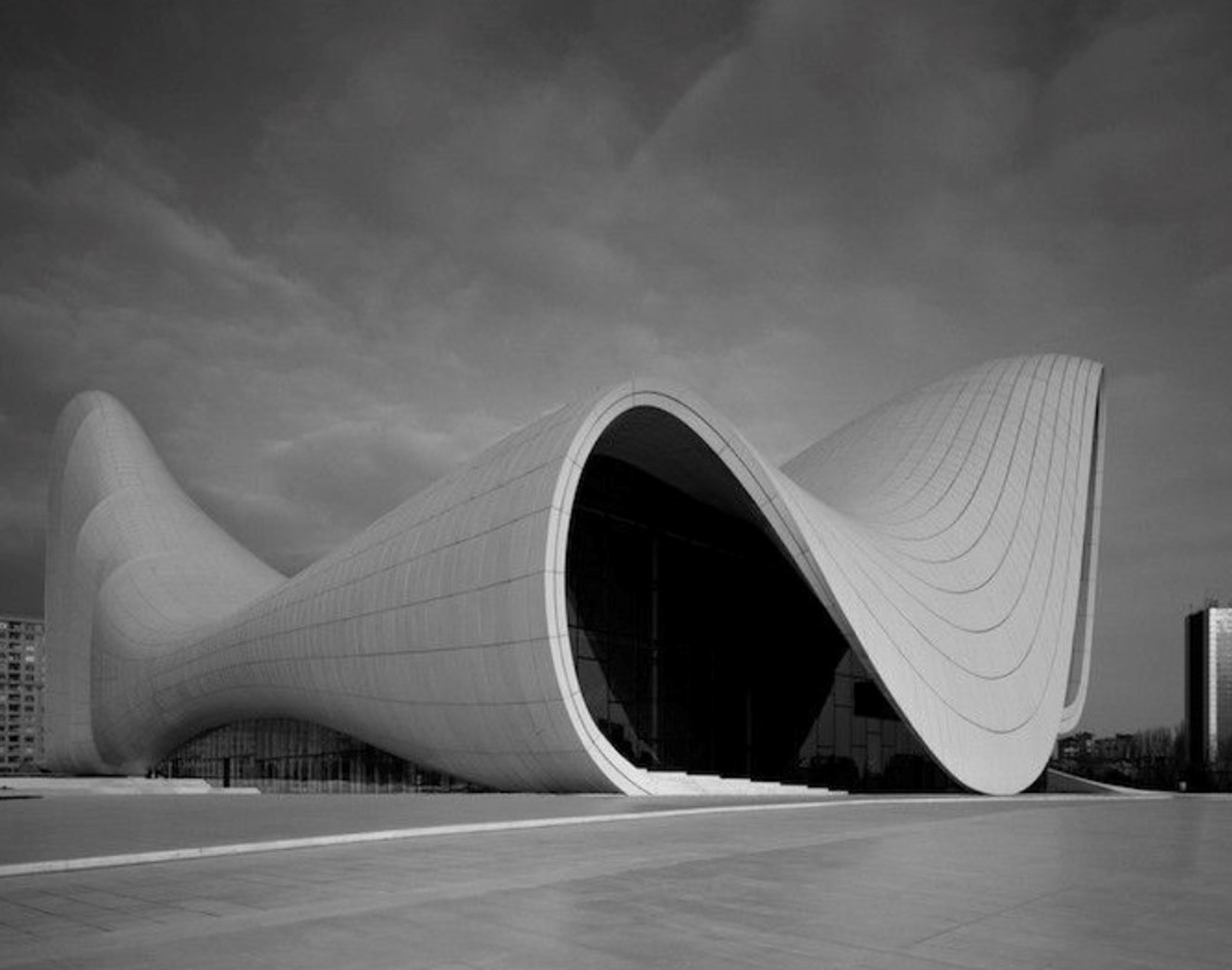
Heydar Alivyev Center, Baku, Azerbaijan

Heydar Aliyev Center, Baku, Azerbaijan

"Hélène Binet's striking photography is an uncommon way of communicating, in closely cropped, focused shots, the play of light and shadow created by Hadid's structures. Binet succeeded in decrypting the challenging nature of Hadid's work and translating the embedded message and hidden poetry of the centre.

"The result creates for viewers a spaceless, dimensionless image. The scale of the building is in the eye of the beholder. As art and design are the communication of ideas, Binet's photography enables viewers to focus on these and to listen to the story Zaha had to tell."


The Peak Leisure Club Proposal in Hong Kong

Peak Leisure Club proposal, Hong Kong

"This piece is a clear example of the boldness and bravery in Zaha's life and work. The Peak Leisure Club proposal is widely known as her breakthrough project, propelling her into international recognition.

"This is a reminder to all architects that sometimes the landscape must be reshaped in a man-made geological intervention. A 'shelf' stands out of the edge of the cliff to accommodate the proposed structure, which is set against a sharp inclination combined with shapes and spikes.

"There is no doubt Zaha expressed, in her own way, an avant-garde approach to Hong Kong's intensity and density with this project."


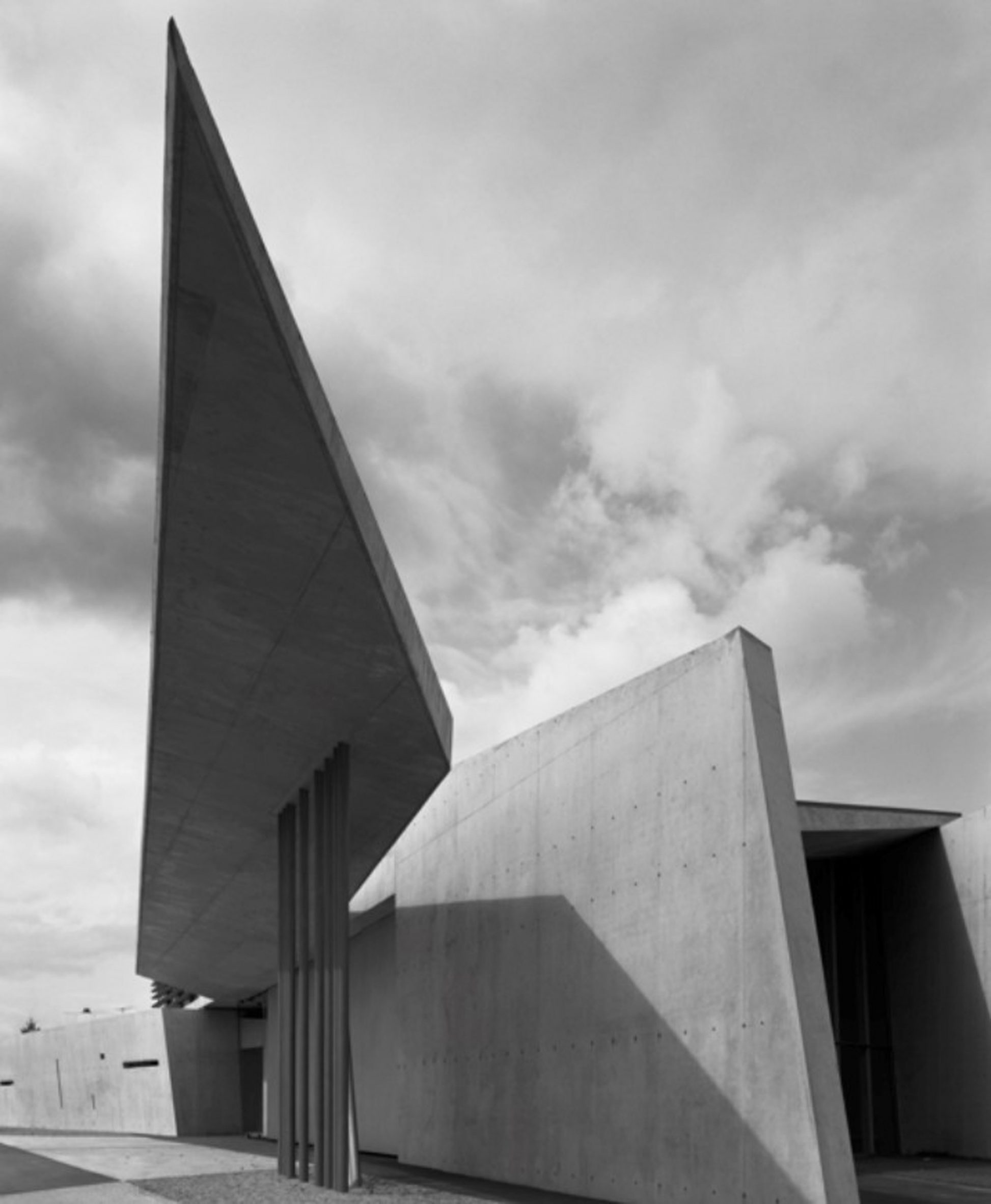
Vitra Fire Station, Weil am Rhein, Germany

Vitra Fire Station, Weil am Rhein, Germany

"Light and shadow are sensitive and unstable components of this photograph. They not only present the structure with a majestic aura but also contextualise and ground the building on a single plane. The dramatic peculiarity of the shape is a reminder that architecture is about field and void, object and absence.

"Light – and thus shadow – is the work's voice, communicating the message of the structure. And even more so in this photograph."


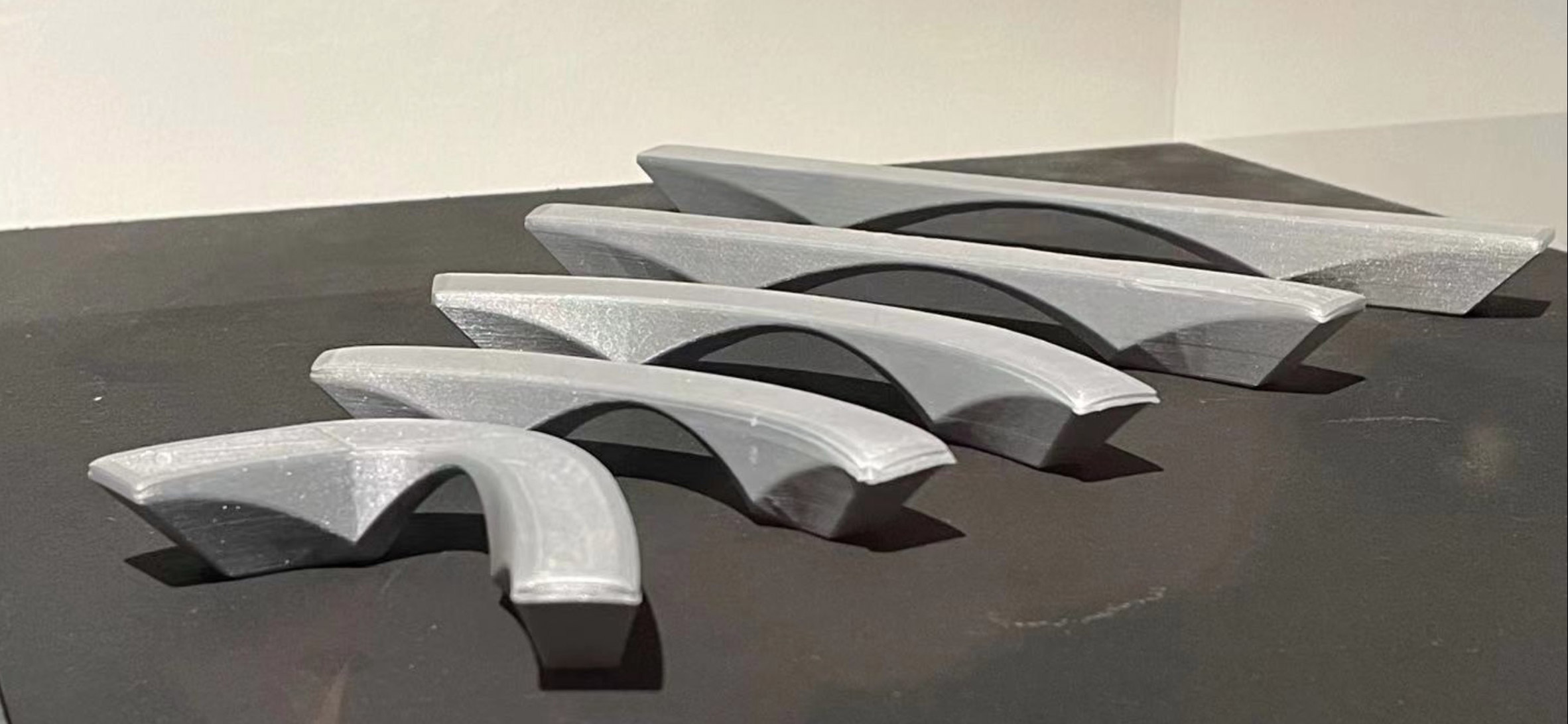
Bench study model by Zaha Hadid

Bench study model

"Zaha never thought of comfort as a priority. And while appreciating the standard approach – straight – she clearly knew her inclination was toward the ultimate curve.

"This development of her own self, uncompromising and avant-garde, is best exemplified in this model. The material has its own flexibility and elasticity but there are limits to its resistance. However, this notion must be revisited in the case of Zaha.

"She gave freedom to forms and shapes while meticulously continuing to control the direction and extension of each twist and bend."


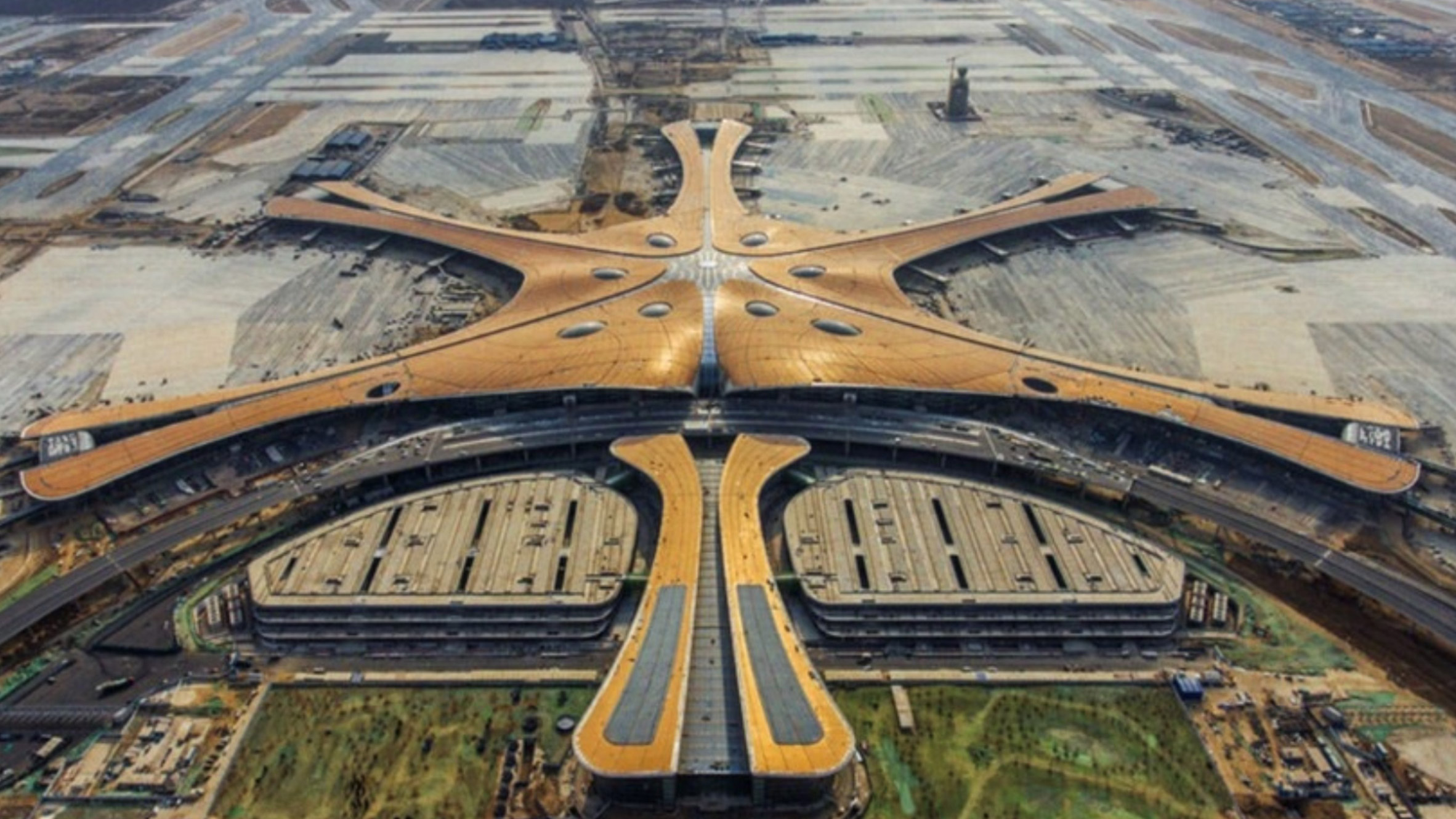
Beijing New Airport Terminal, Beijing, China

Beijing New Airport Terminal, Beijing, China

"In many ways, this structure represents the quintessential Zaha structural symbiosis between engineering and architecture, between art and design. It is symmetrical in one part but asymmetrical in another.

"The structure captures one's attention with the central strong, vibrant yellow shades and then draws the eye towards the perimeter. The shape of the structure is similar to an octopus wrapping its prey, stretching its long extensions in a dramatic gesture but allowing for symmetric shape only in one axis – perfecting imperfection, embracing ambiguity."


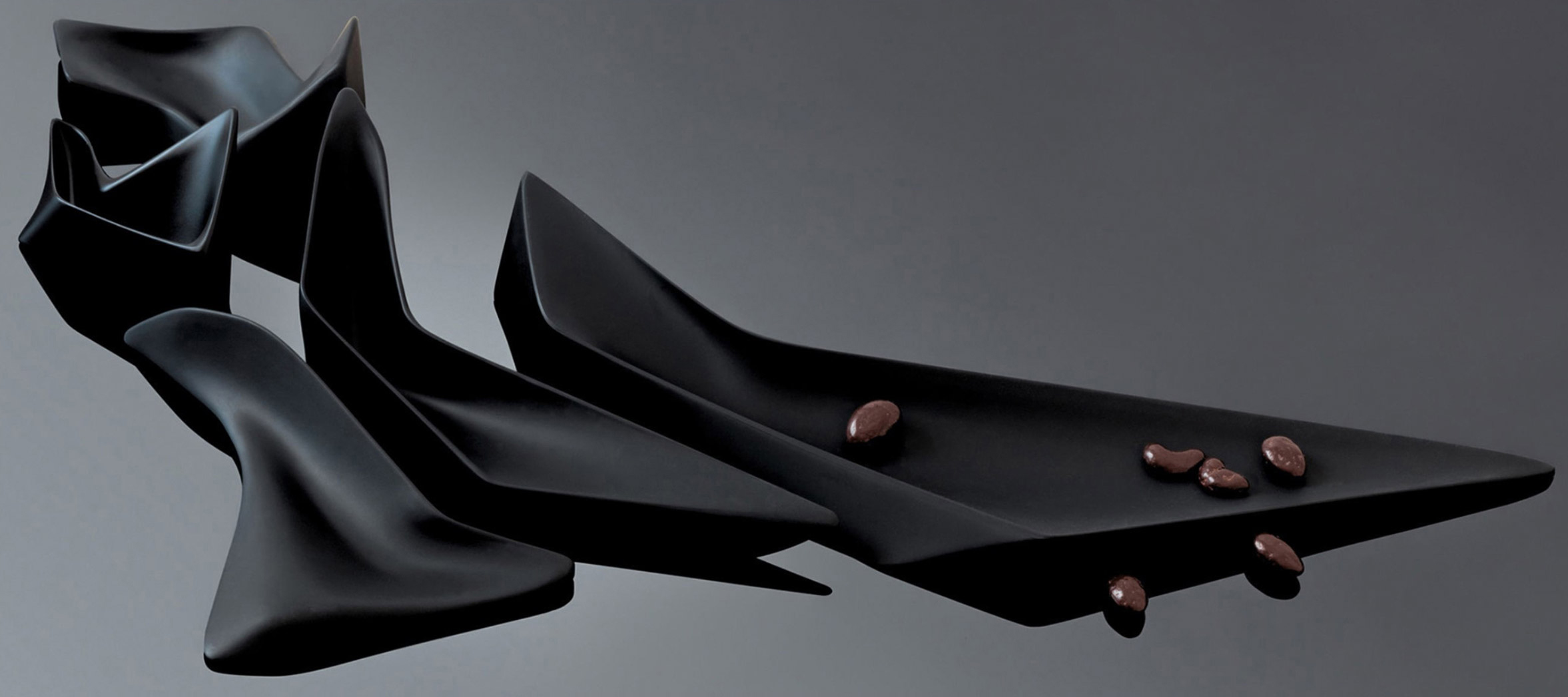
Niche Centrepiece for Alessi by Zaha Hadid

Niche Centrepiece for Alessi

"This piece is personal to me, as Zaha gifted it to me when we first met at her gallery space in London. In a way, it is a summary of Zaha's life and work. It looks and feels like something that transcends definition yet it embodies an entire world. It has movement and grace, mystery and nobility.

"The object has a certain rise and fall with its many curves and spikes. It is daring yet shy, brave but reserved. Even the use of melamine as the material is sophisticated. Despite its uninviting look, it has a silky-smooth feel."


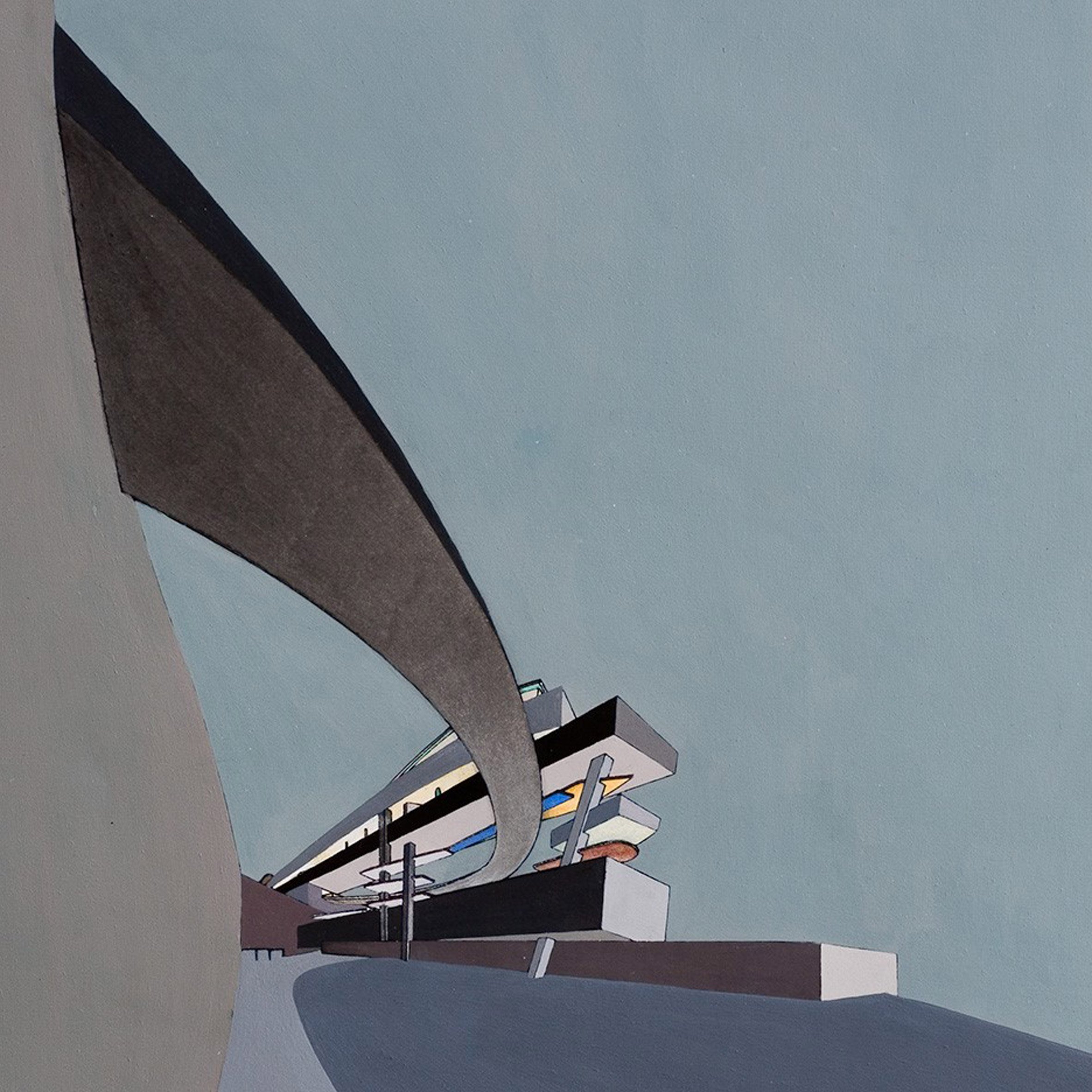
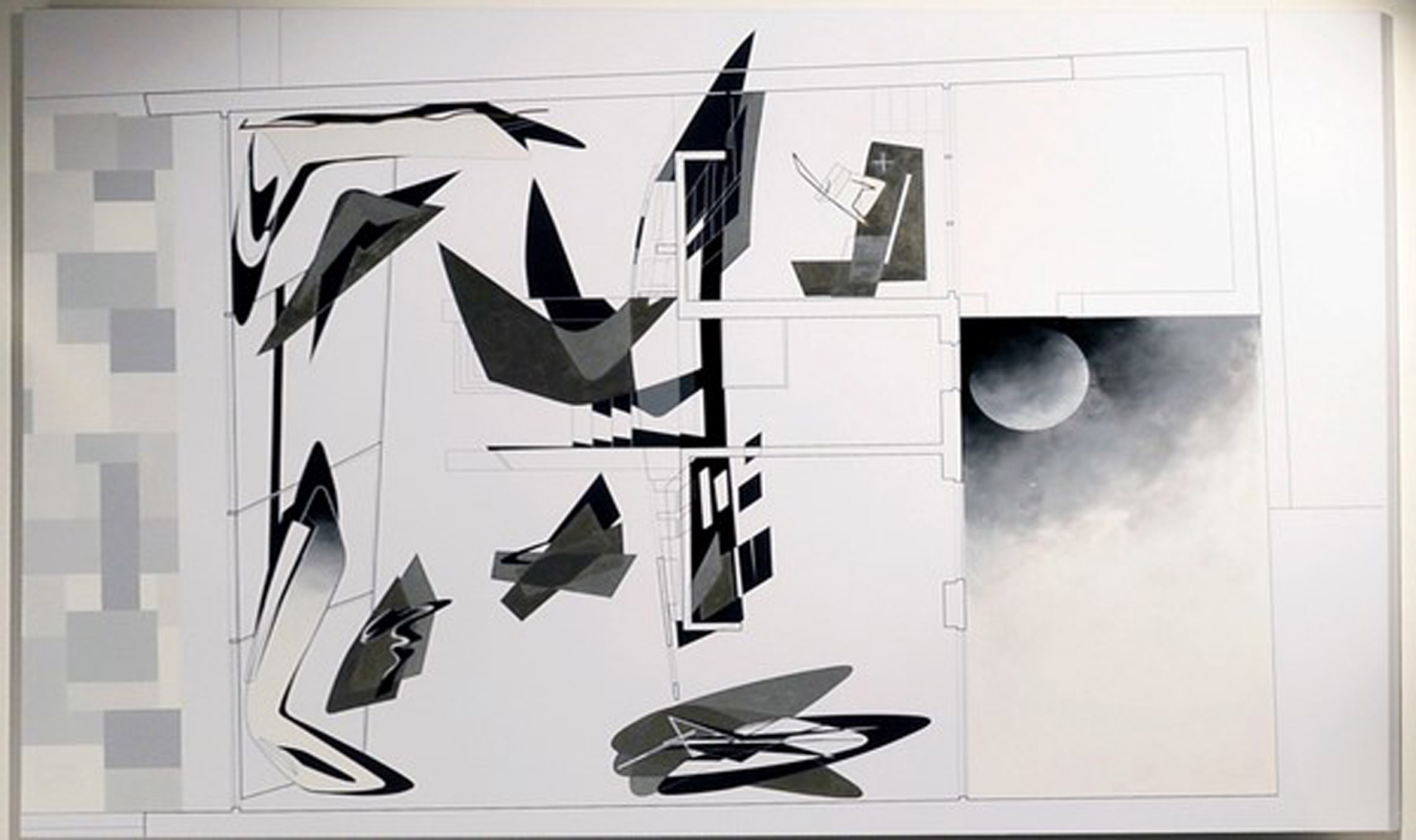
Painting of the Interior Project 24 Cathcart Road (2016)

Painting of the interior project 24 Cathcart Road

"This painting includes many images reminiscent of Miró, Calder and Malevic – the latter serving as an inspiration for Zaha to use colour as a tool for her architecture studies. From a bird's eye view, an aerial observation will reveal that Zaha did not really care about the use of space. Also, and most centrally, she focused on the importance of art and design in our lives.

"Here, she keeps in perspective two sometimes contradicting but in her view complementary elements: nature, including the moon and the outside, and the man-made on the interior."


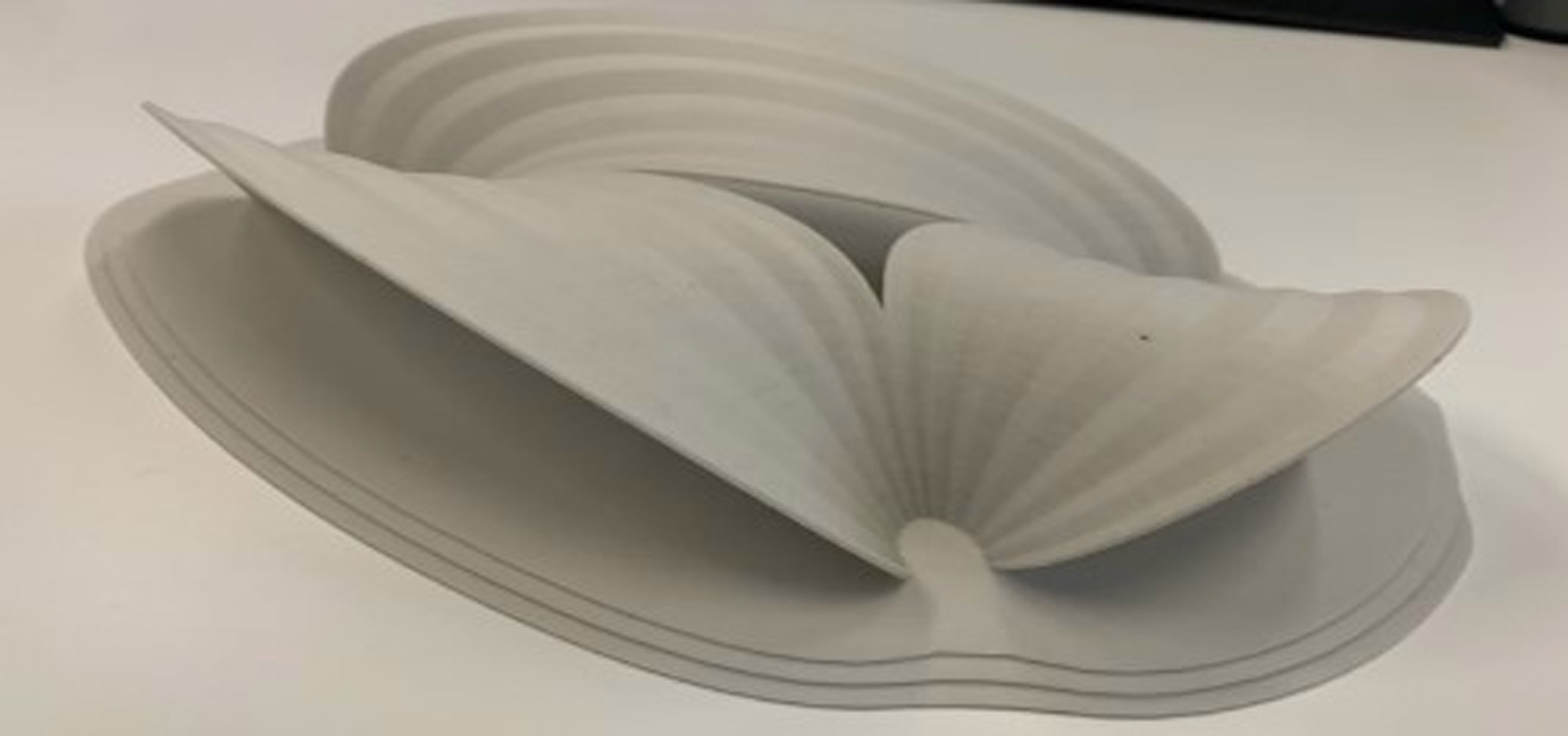
Study model for a Metro Station (2021)

Study model for a metro station

"The design is sleek, curvy and seductive. There is a certain warmth to it and an obvious inviting nature. This model, shaped like a clam trio, is an excellent example of Zaha's perfect asymmetrical approach to design.

"As a woman moving through the male-dominated world of architecture, she was and was required to be uncompromising in expressing her inner voice and vision. And this strong instinct and perseverance allowed for the creation of her innovative architectural use of curves and structural sensuality."


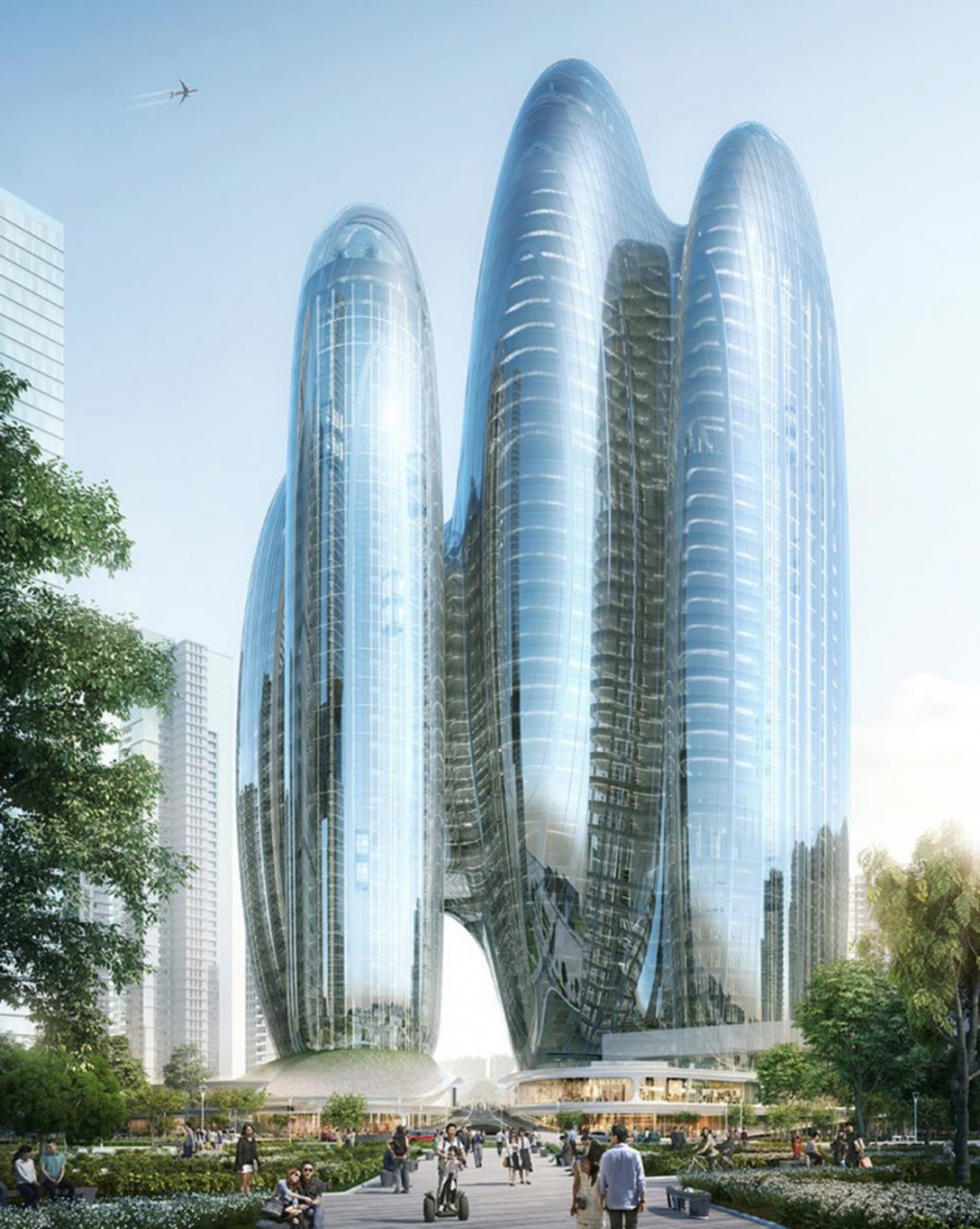
OPPO Headquarters, Shenzhen, China (2019)

OPPO Headquarters, Shenzhen, China

"A design for a telecommunication business, this building is all about communication. Four interconnected towers become a singular seamless one, with a transparent shell allowing observers to see what's inside.

"Every floor is an open space, permitting all professionals to work and interact limitlessly and without formalities. There is almost a voyeuristic quality to this piece.

"The building design is in line with a growing approach for community-driven collaboration and openness in workspaces."


ZHA Close Up – Work & Research takes place until 15 September 2021 at The Museum of Contemporary Art Shanghai. See Dezeen Events Guide for an up-to-date list of architecture and design events taking place around the world.

The post Ten pieces that showcase the "authentic voice" of Zaha Hadid appeared first on Dezeen.


from Dezeen https://ift.tt/3lyiN79

NOA transforms 17th-century monastery near Lake Garda into hotel and spa

Monastero Arx Vivendi hotel

Network of Architecture has turned a former monastery in Italy into the Monastero Arx Vivendi hotel by conserving and refreshing the interiors, and inserting a series of glazed spa rooms into its gardens.

Italian studio Network of Architecture (NOA) worked closely with the Trento Office of Cultural Heritage to transform half of the 17th-century complex in Arco, near Lake Garda, into the Monastero Arx Vivendi hotel. A separate church and cloister on the site remain occupied by nuns.

Monastero Arx Vivendi hotel
Half of the walled monastery has been turned into a hotel

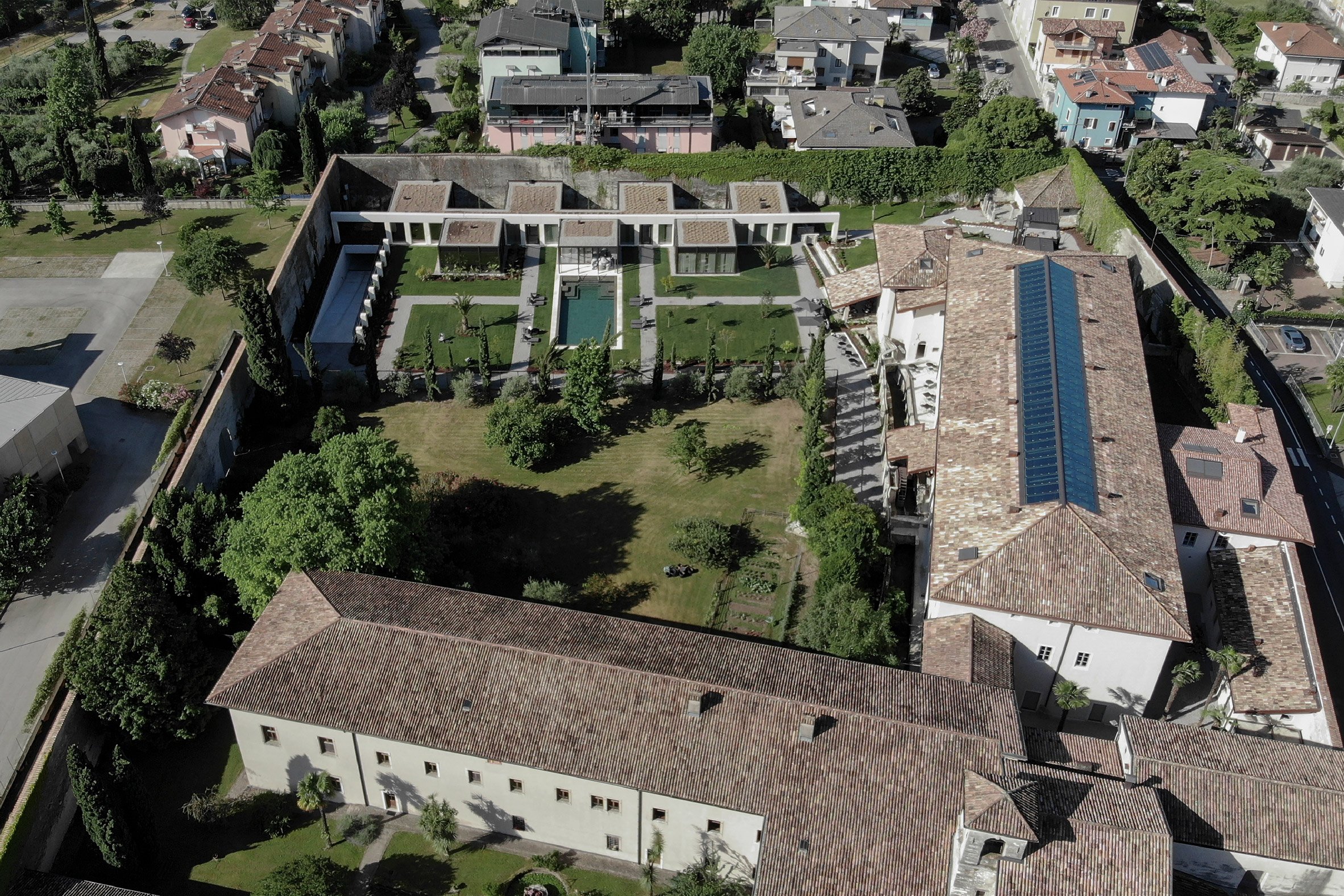
Comprised of common areas and 40 guest rooms alongside a newly-constructed wellness area, the retrofit sought to retain and build on as many of the original features as possible, including a seven-metre high wall that surrounds the entire complex.

"The majesty and rigour of the architecture, the long corridors, the vaulted ceilings, all of these features combine to give these spaces a real olde-worlde feel," said project architect Francesco Padovan.

"Every construction choice, every material and detail has been studied to draw on the majesty of the pre-existing context."

17th-century monastery in Italy
The 17th-century monastery has been restored

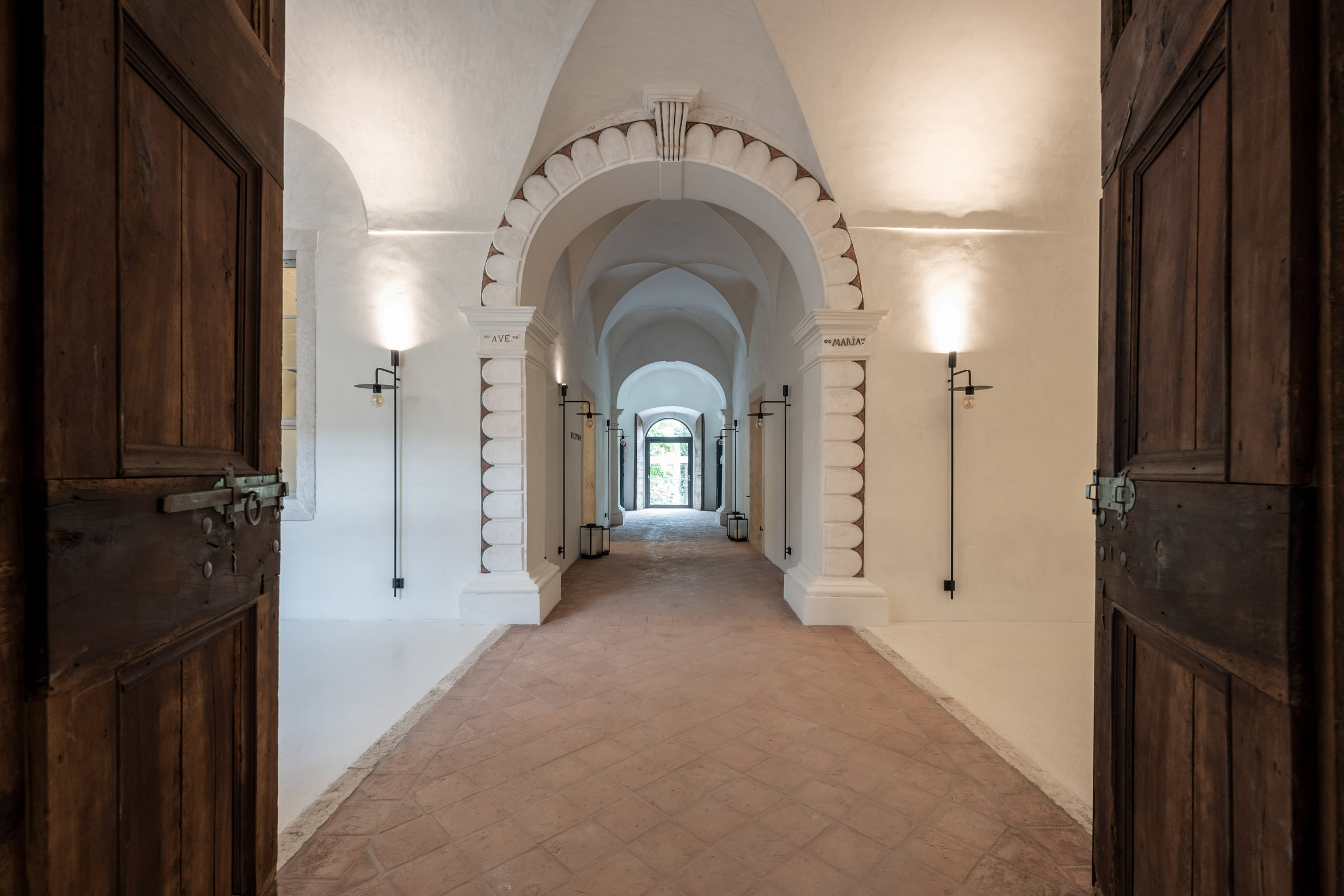
On the ground floor of the monastery are the common areas, including a reception, breakfast room, bar and kitchen, which sit beneath original rib-vault ceilings.

These areas have been restored and covered with a rippled antique-effect plaster, with new concrete floors built atop the old.

Stone, wrought iron and wooden fittings in the reception area, breakfast room and bar aim to echo both the colours and textures of the original building, creating a feeling of "pleasant austerity" and illuminated by minimal hanging light fittings.

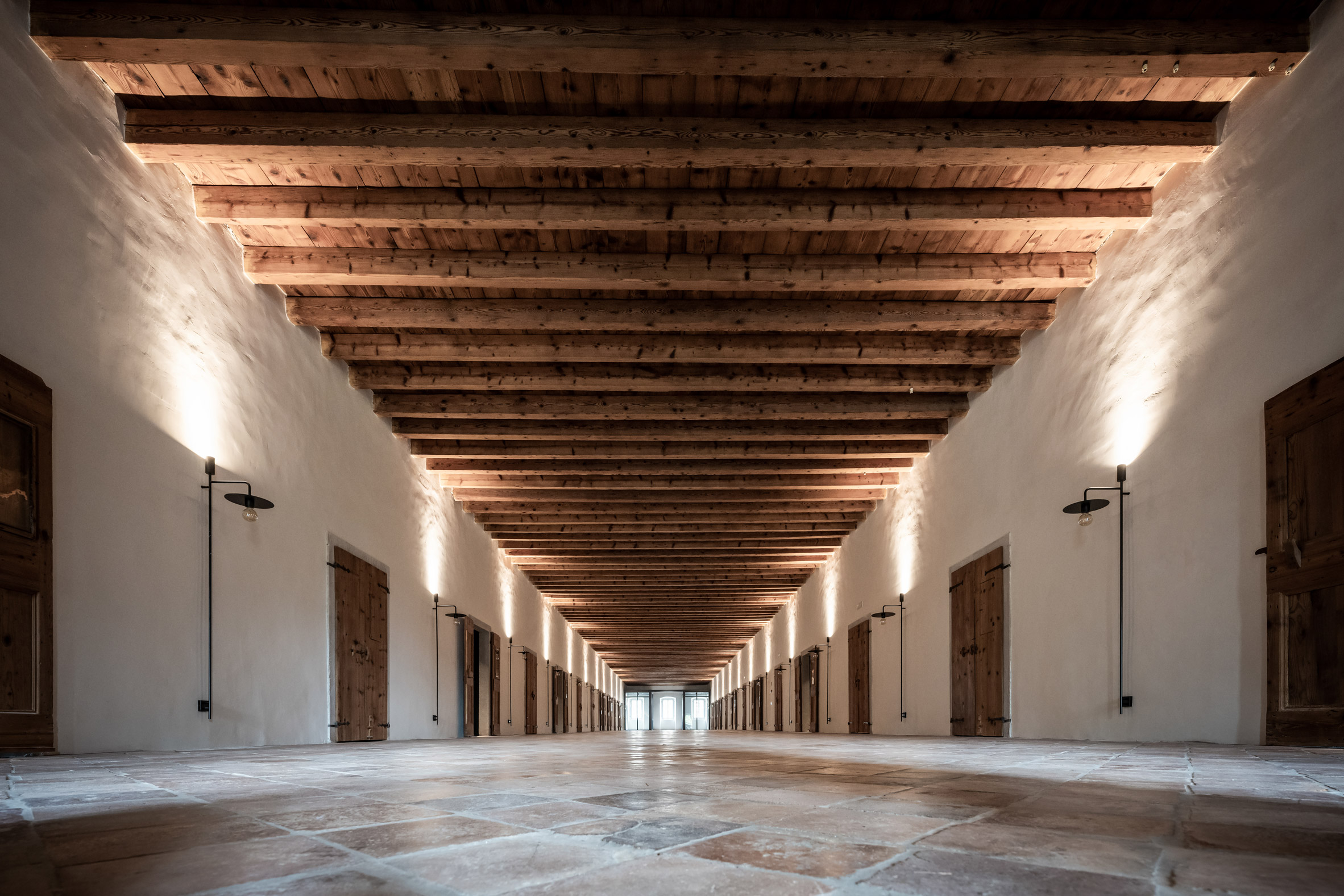
Above, the 40 guest rooms are spread across the first floor around a grand central corridor, and the loft, where the large wooden roof beams have been left exposed and topped by a large skylight.

Corridor in Italian hotel
The hotel bedrooms are located on the building's top two floors

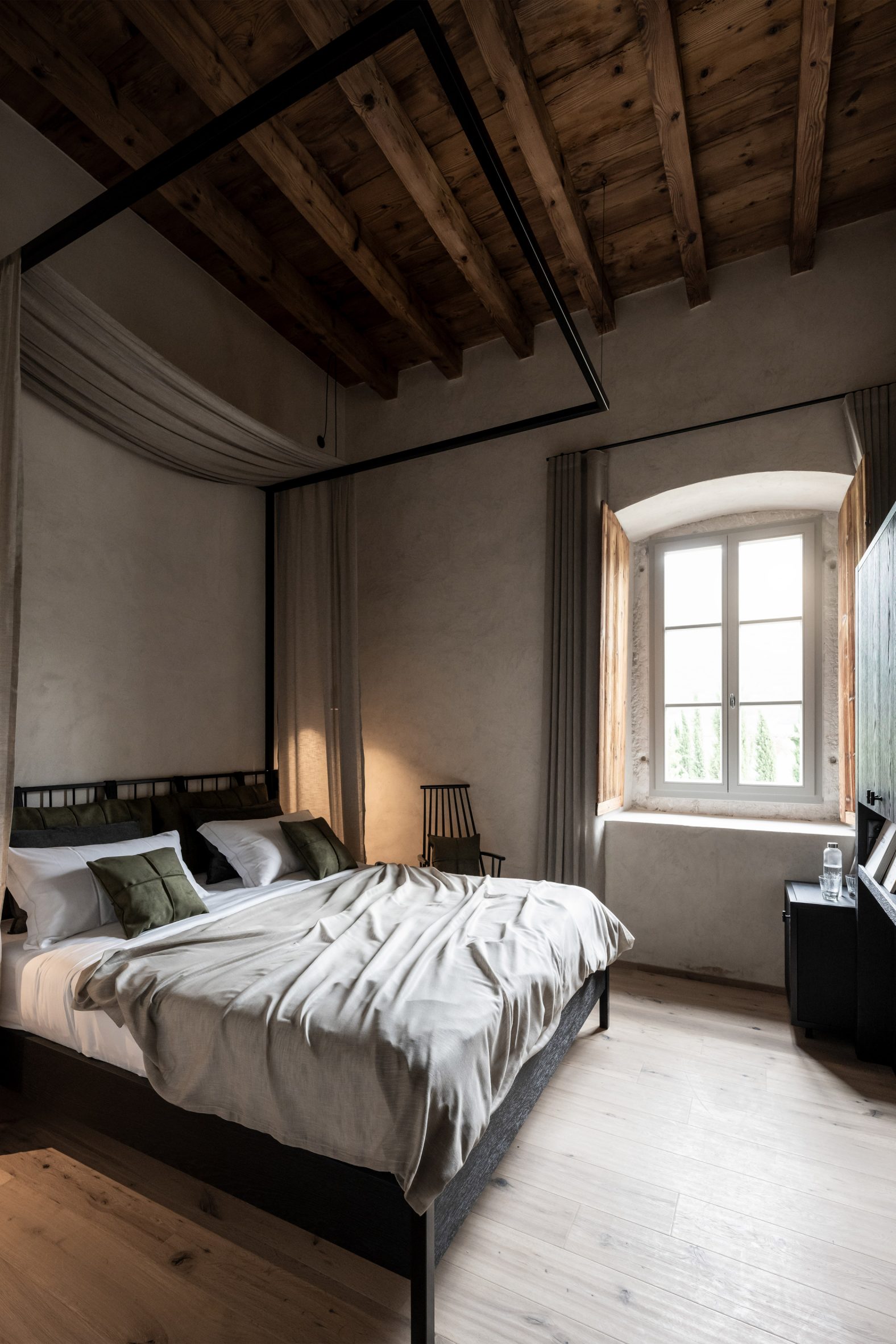
Each bedroom occupies what would have been two monastery cells, with a larger suite occupying the former washroom.

The antique-effect plaster finish has also been used in these spaces, complemented by pale wood floors, black iron furniture and earth-toned fabrics, and the original doors have been restored on their external-facing sides.

Hotel room in Italian monastery
Each hotel room occupies two monastery cells

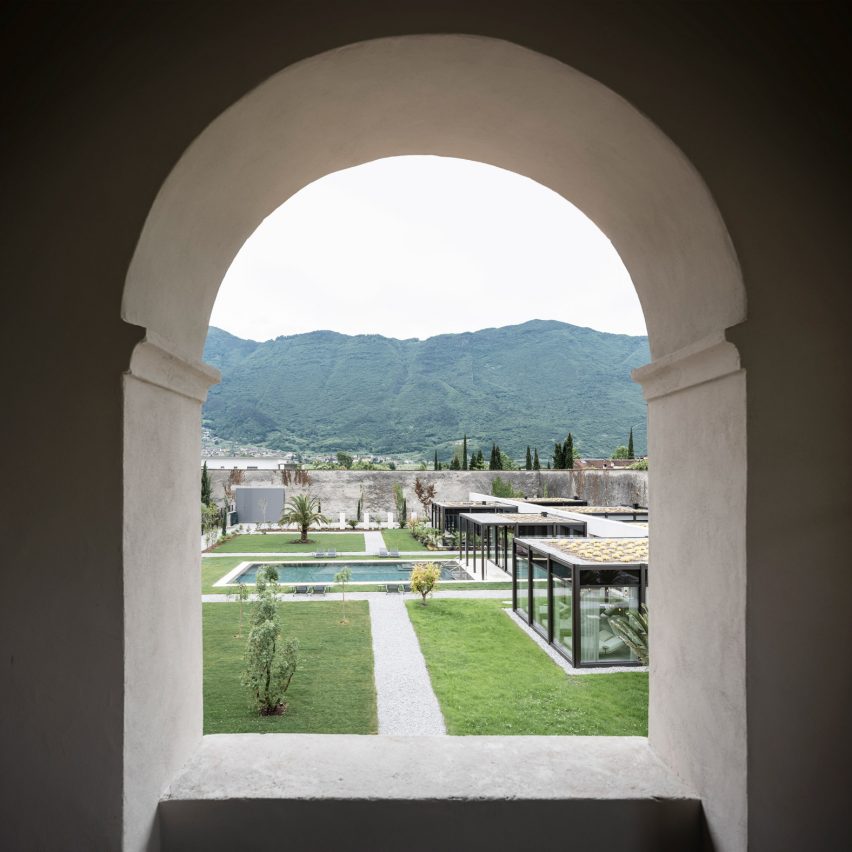
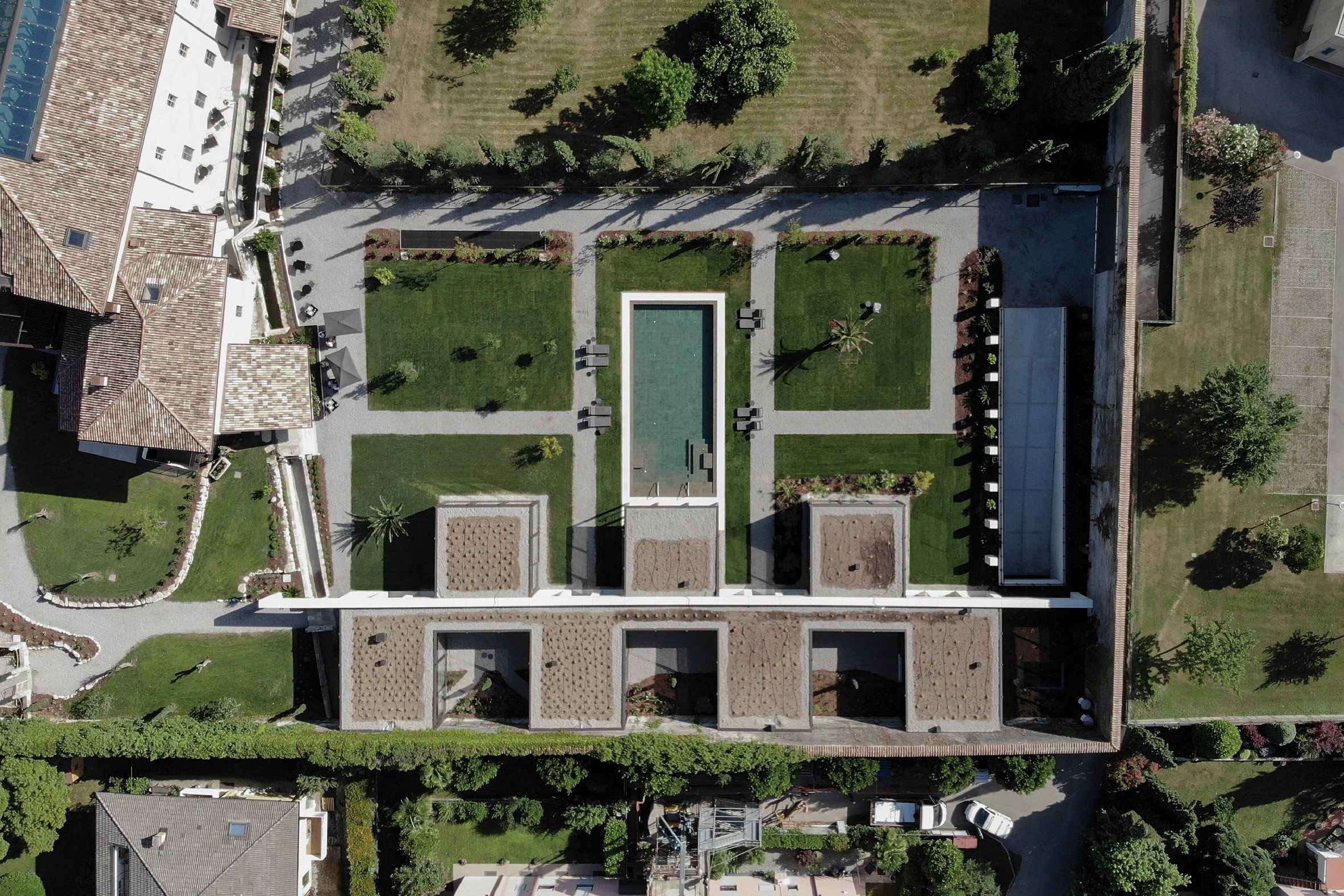
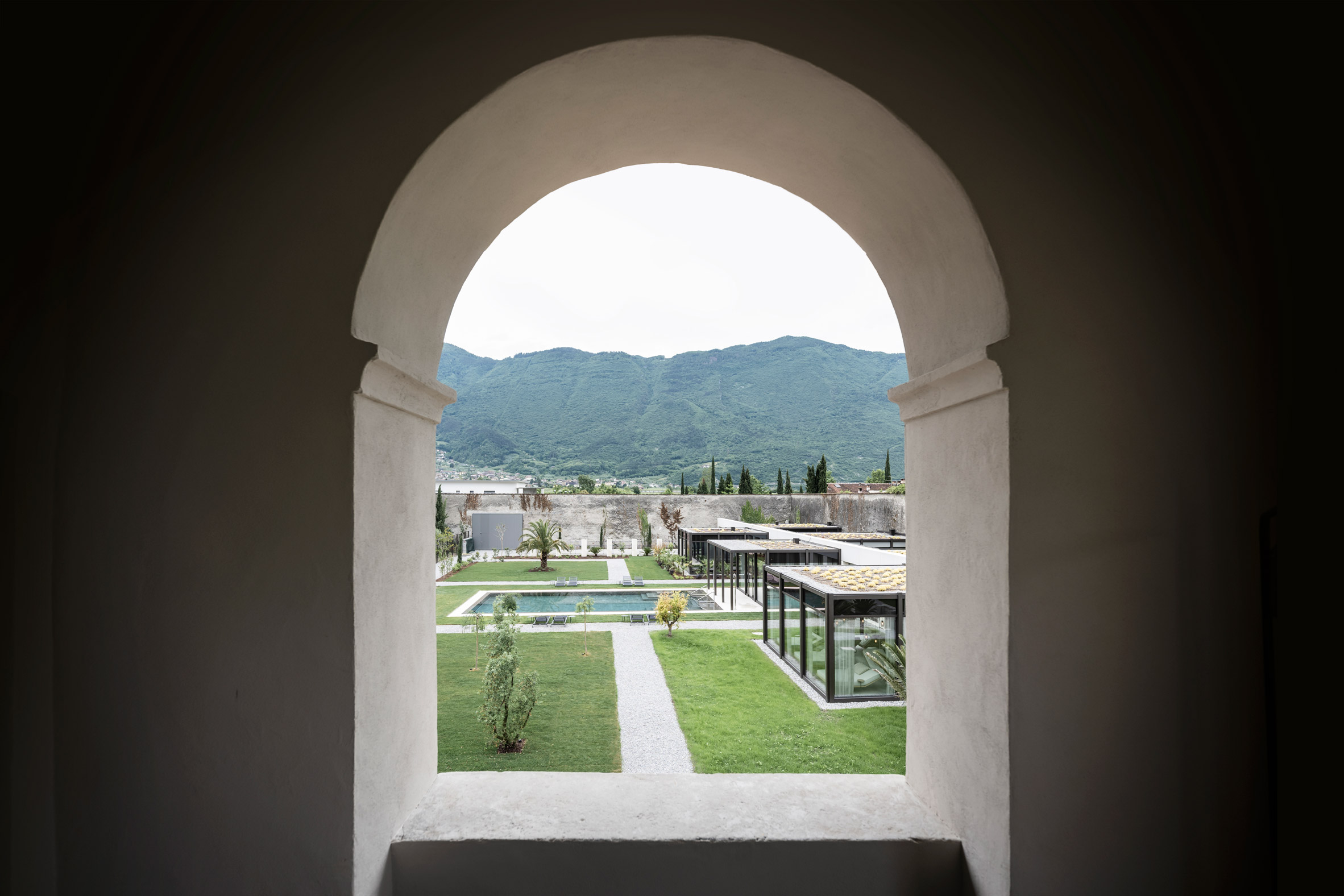
The Salas per Aquam wellness space is a new development consisting of seven glass and metal volumes built along a stone-wall "spine".

Relaxation lounges, treatment areas and saunas occupy these rooms, with a central room opening onto an outdoor pool.

Aerial view of Monastero Arx Vivendi
A wellness centre has been built within the monastery walls

"Our aim was to create a dialogue more with the surrounding agricultural landscape than with the monastery," explained Padovan.

"To do this we used very simple elements with strong structural clarity. The light metal framework, organised in pillars and beams, is inspired by the characteristic lemon houses of rural Lake Garda."

Glass-walled suites in the wellness centre
Wellness suites have glass walls

The interiors of these new spaces are intended to create a sense of calm and relaxation, with bleached oak panels, pew-like benches, suspended beds and intricate milled panels on the walls and ceilings.

NOA recently completed another hospitality project in Italy, extending a hotel in South Tyrol with a series of gabled "treehouse" suites raised on stilts.

The photography is by Alex Filz.

The post NOA transforms 17th-century monastery near Lake Garda into hotel and spa appeared first on Dezeen.


from Dezeen https://ift.tt/3jsfGe6