Thursday, 12 August 2021

Adjaye Associates designs monolithic campus for The Africa Institute in Sharjah

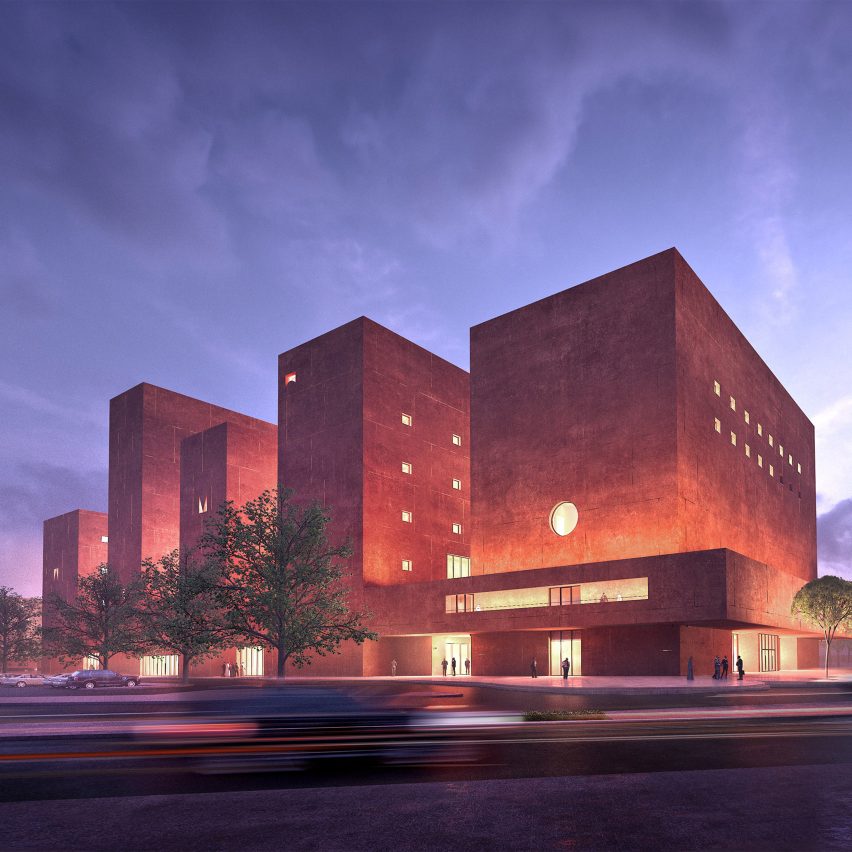
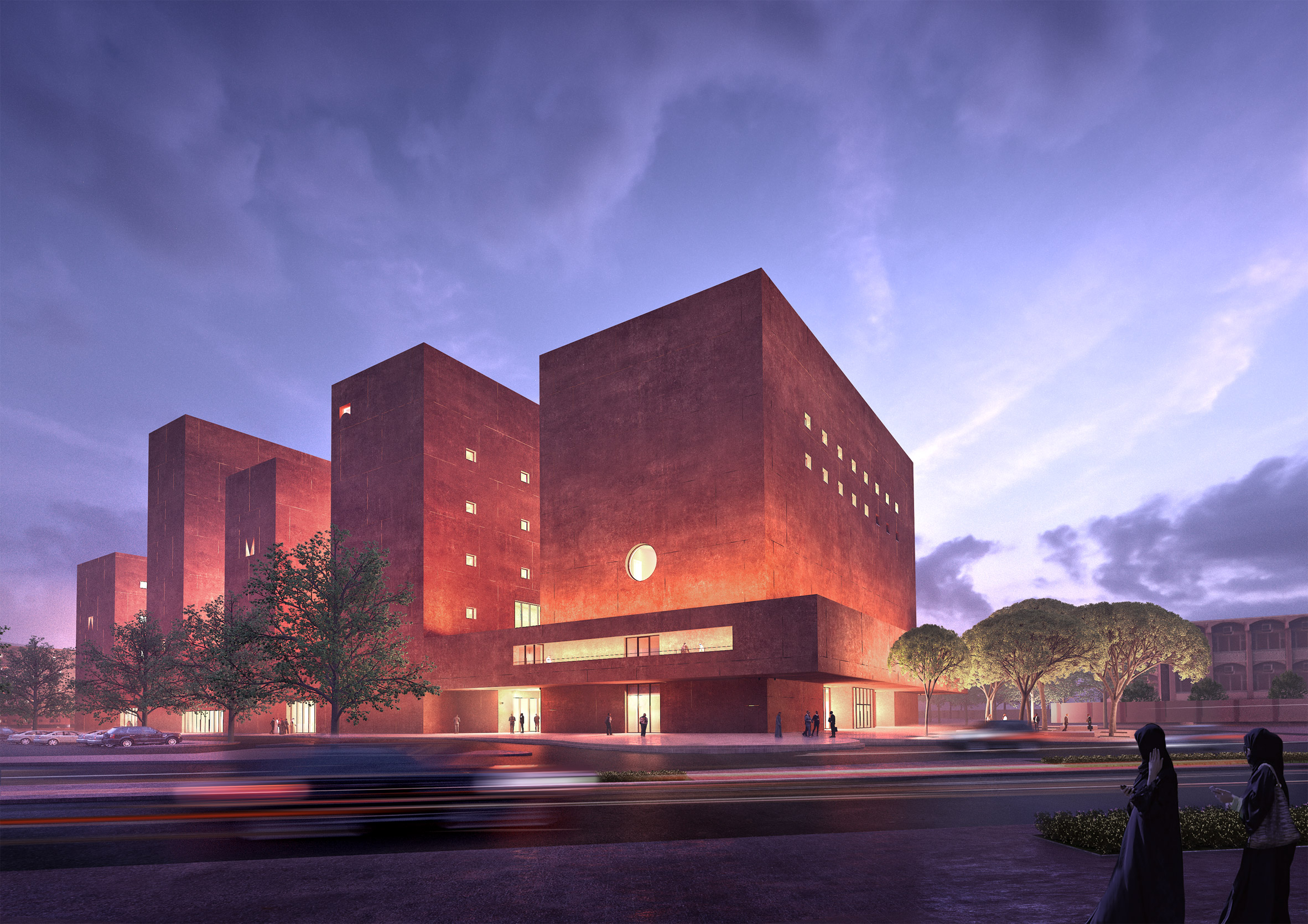
The red-hued exterior of The Africa Institute campus

Large courtyards will sit between the five high-rise blocks that define The Africa Institute campus, which Adjaye Associates is developing in downtown Sharjah, United Arab Emirates.

Slated for completion in 2023, the red-hued concrete campus in the Al Mankah neighbourhood will support The Africa Institute's study and documentation of the African diaspora in the Arab world.

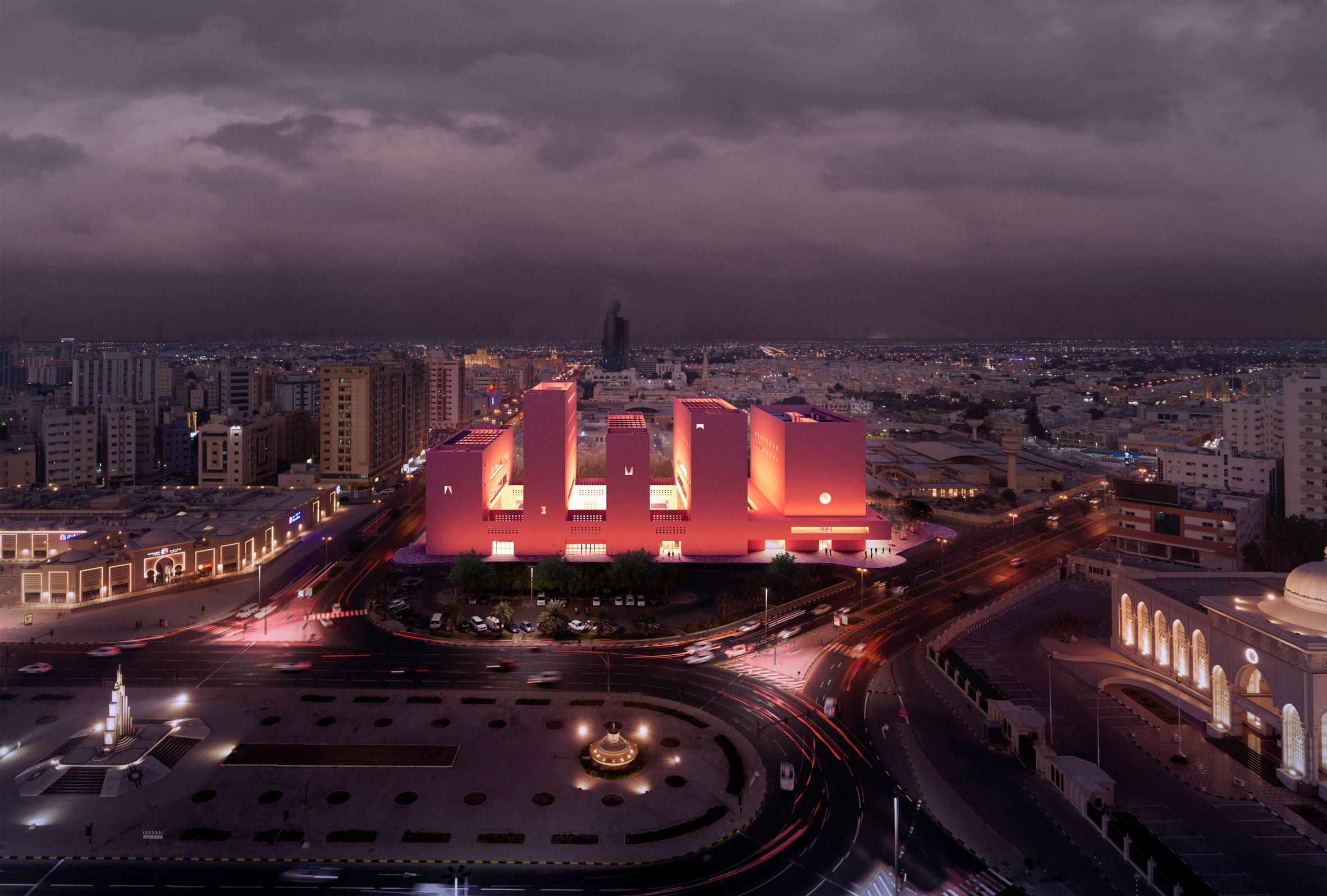
An aerial visual of The Africa Institute campus
Adjaye Associates has revealed visuals for The Africa Institute campus

Adjaye Associates' design for the 31,882-square-metre campus comprises a boundary of four solid walls, across which four of the monolithic high-rise blocks will be elevated.

The fifth and southernmost block will incorporate the existing home of The Africa Institute, Africa Hall, which is set to be renovated as part of the project.
The proposed campus The Africa Institute
It will occupy the same site as the existing home of The Africa Institute

Once complete, the campus will be used to support the organisation's various events, as well as its new higher education programme due to roll out in 2023.

Entrances will be incorporated into each of its four facades in a bid to help connect The Africa Institute to the existing walkways and institutions around the site.
A red-hued concrete building in Sharjah
It will be marked by five high-rise volumes

"I am deeply humbled for the opportunity to design The Africa Institute in Sharjah, a project which introduces an entirely new type of thinking and mission into the global academic arena," said Adjaye Associates' founder David Adjaye.

"I envision the new campus as a springboard for the concretization of the incredible history of Africa, the African diaspora, and the Arab world."
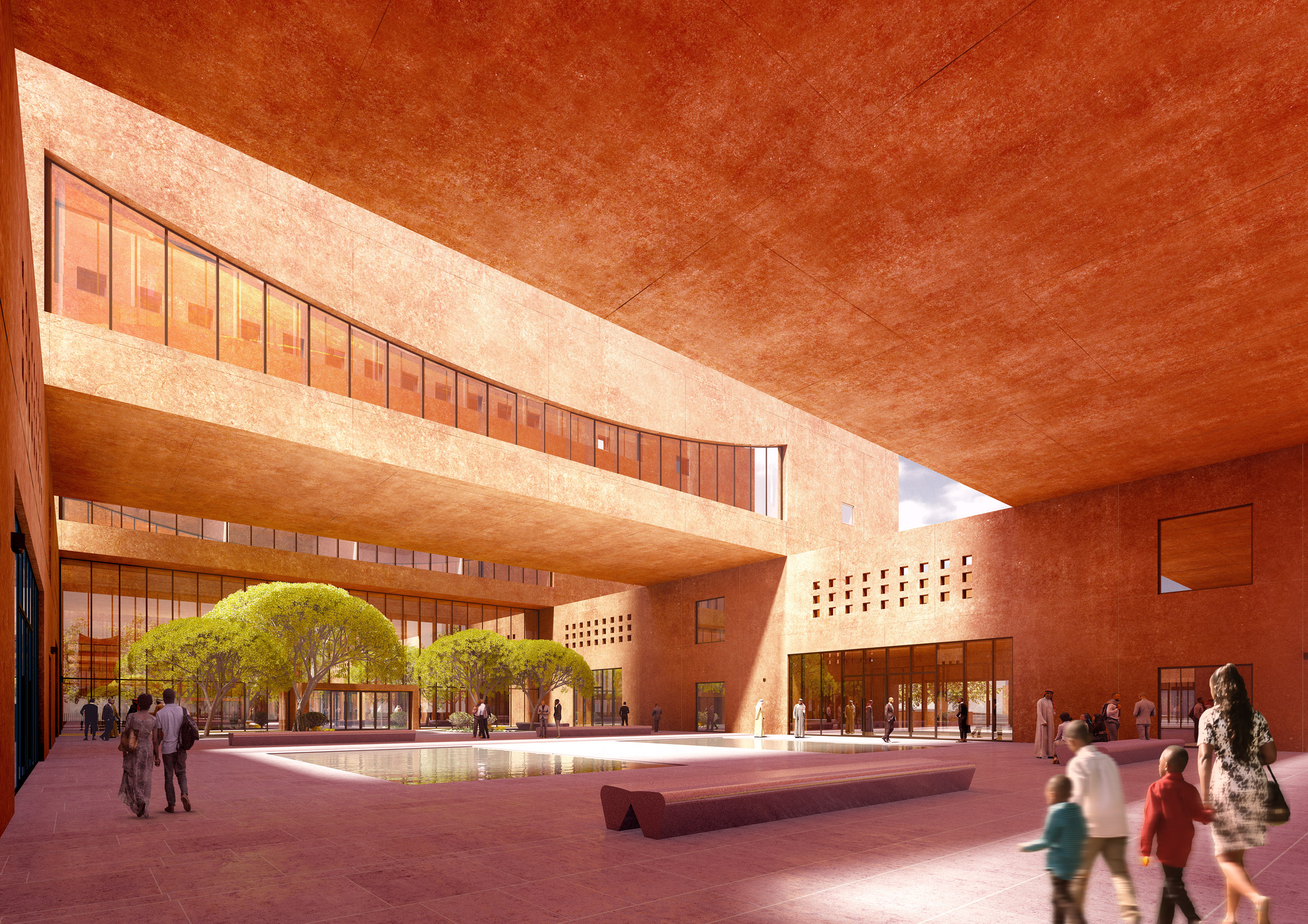
A visual of a large courtyard
Open-air courtyards will sit between the blocks

A red-hued concrete was chosen for the campus in an effort to "enhance the desert typology", Adjaye Associates said.

The studio also claimed that the concrete used will be low carbon and help to naturally cool the building through thermal mass and by limiting sun exposure.

Natural cooling for the campus will also be provided through large overhangs around the site and by the open-air courtyards, which will be filled with native plants and water features.

Inside, the campus will be fitted out with a variety of spaces to cater to classes and seminars of different sizes.
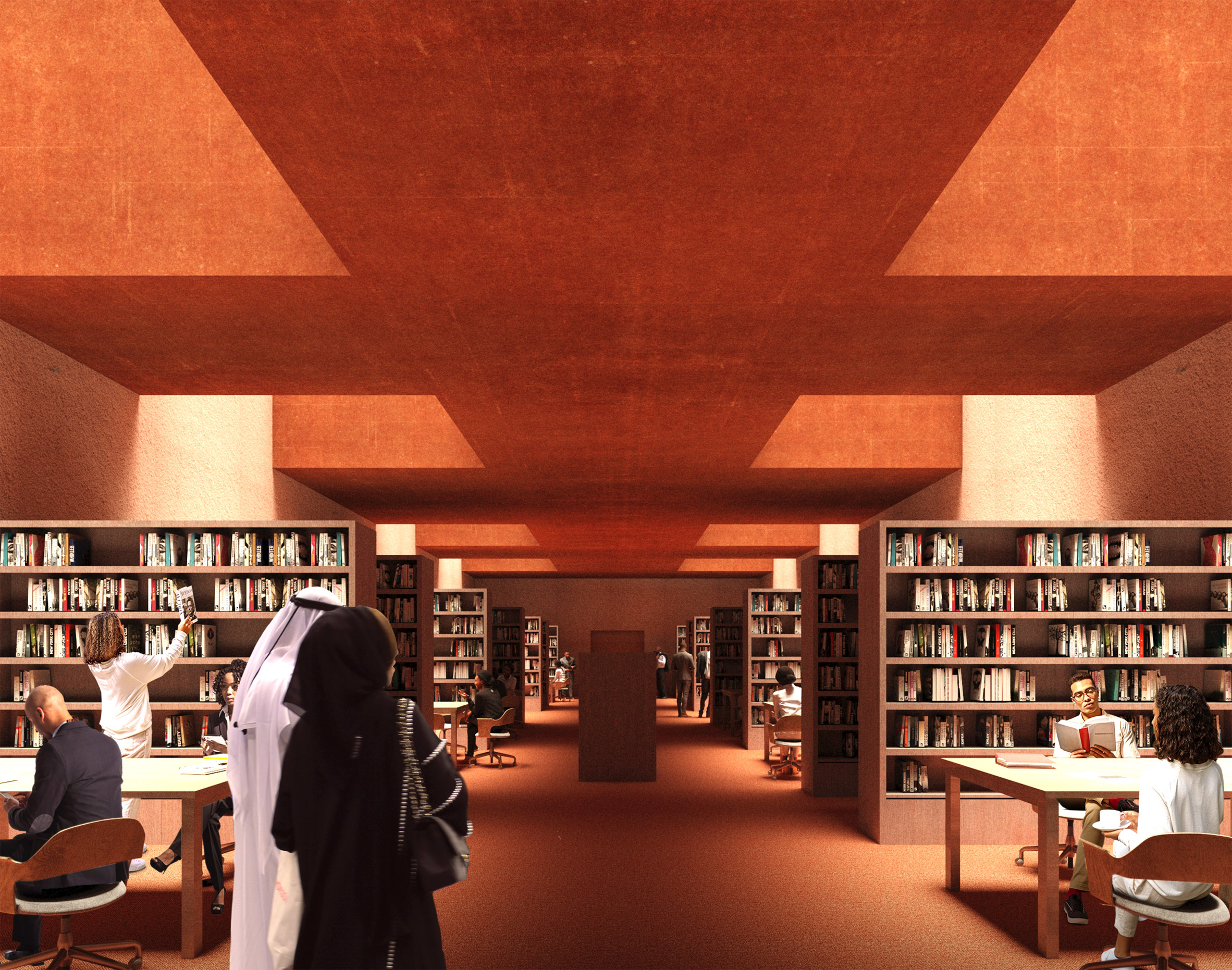
A visual of a library
A library will be among its features

There will also be a research library and climatised archive, a flexible auditorium and performance space, alongside a restaurant, cafe and bookstore.

The Africa Institute is currently also commissioning artists to create installations to be dotted throughout the new building.

A visual of a performance space
There will be a flexible performance space

Adjaye Associates was founded by British-Ghanian architect Adjaye, who was the recipient of the RIBA Gold Medal for 2021, in 2000.

Elsewhere in the UAE, the studio is currently also developing The Abrahamic Family House, an interfaith complex in Abu Dhabi that will comprise a church, mosque and synagogue.

The visuals are courtesy of Adjaye Associates.


Project credits:

Design architect: Adjaye Associates
Architect of record: WSP
Client: Sharjah Art Foundation
Cost consultant: Houston and Partners
Electrical engineer: WSP
Lighting consultants: Studio Fractal
Mechanical engineer: WSP
Structural engineer: WSP
Theatre consultants: Charcoalblue

The post Adjaye Associates designs monolithic campus for The Africa Institute in Sharjah appeared first on Dezeen.


from Dezeen https://ift.tt/3fYFJsB

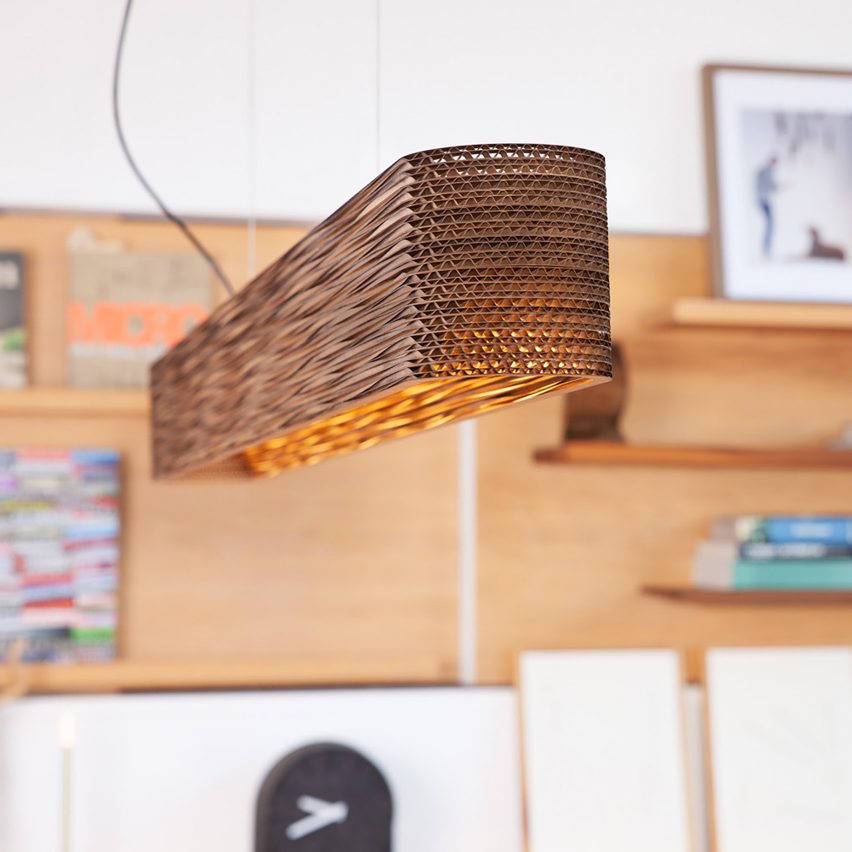
Dash Linear light by Caleb Patterson and Seth Grizzle for Graypants

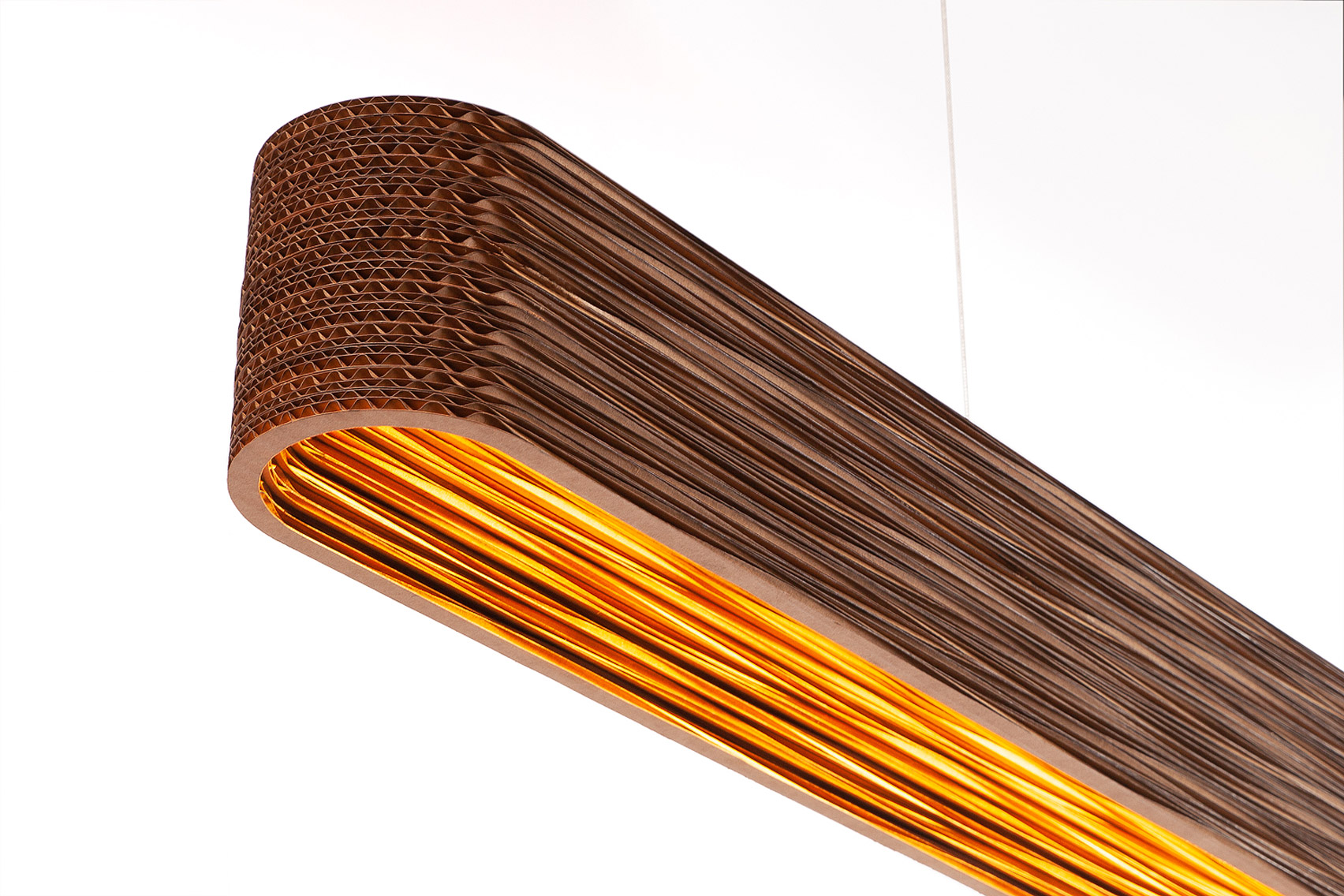
Dash Linear lighting by Graypants in close-up showing the layers of cardboard

Dezeen Showroom: design studio Graypants has created Dash Linear, an architectural light made from layers of post-consumer recycled cardboard.

Dash Linear was designed to be "high-performing but never boring", providing technical illumination for the workplace in an attractive and sustainable package.

Dash Linear lighting by Graypants hangs over an office workbench
Dash Linear is designed to provide high-performance architectural lighting for workplaces

The fixture is handmade in the Graypants studio in Seattle by laser-cutting stacked cardboard into oblong shapes.

The manufacturing process limits material waste and uses a VOC-free adhesive alongside a non-toxic fire retardant.

Dash Linear lighting by Graypants in close-up showing the layers of cardboard
The fixture is made from recycled cardboard joined with VOC-free glue

Graypants founder Seth Grizzle and product development manager Caleb Patterson based the design for the Dash Linear light on Graypants' earlier Scraplight series of spherical pendants, which is also made from recycled cardboard.

Dash Linear is available in several lengths and heights as well as one of three finishes – natural, white or blonde.

The light offers up to 1,500 lumens of brightness per linear foot and is dimmable to serve a range of functions.

Product: Dash Linear
Designers: Caleb Patterson and Seth Grizzle
Brand: Graypants
Contact: andrea@graypants.com

About Dezeen Showroom: Dezeen Showroom offers an affordable space for brands to launch new products and showcase their designers and projects to Dezeen's huge global audience. For more details email showroom@dezeen.com.

Dezeen Showroom is an example of partnership content on Dezeen. Find out more about partnership content here.

The post Dash Linear light by Caleb Patterson and Seth Grizzle for Graypants appeared first on Dezeen.


from Dezeen https://ift.tt/3iH8uvI

Households Declare campaign demands urgent action from UK government on housing emissions

Households Declare logo

Climate activist group Architects Climate Action Network has launched Households Declare, a national UK campaign that aims to draw attention to and limit the carbon emissions released by households.

The Households Declare campaign intends to put pressure on the UK government in the run-up to the UN Climate Change Conference 2021 (COP 26), which will be held in Glasgow this October.

The campaign is asking households to sign a letter demanding the government takes action to achieve its net-zero targets and sets out a strategy to make existing UK housing stock more energy efficient.

The letter will be delivered to Alok Sharma, the government's COP 26 president, at the end of October.

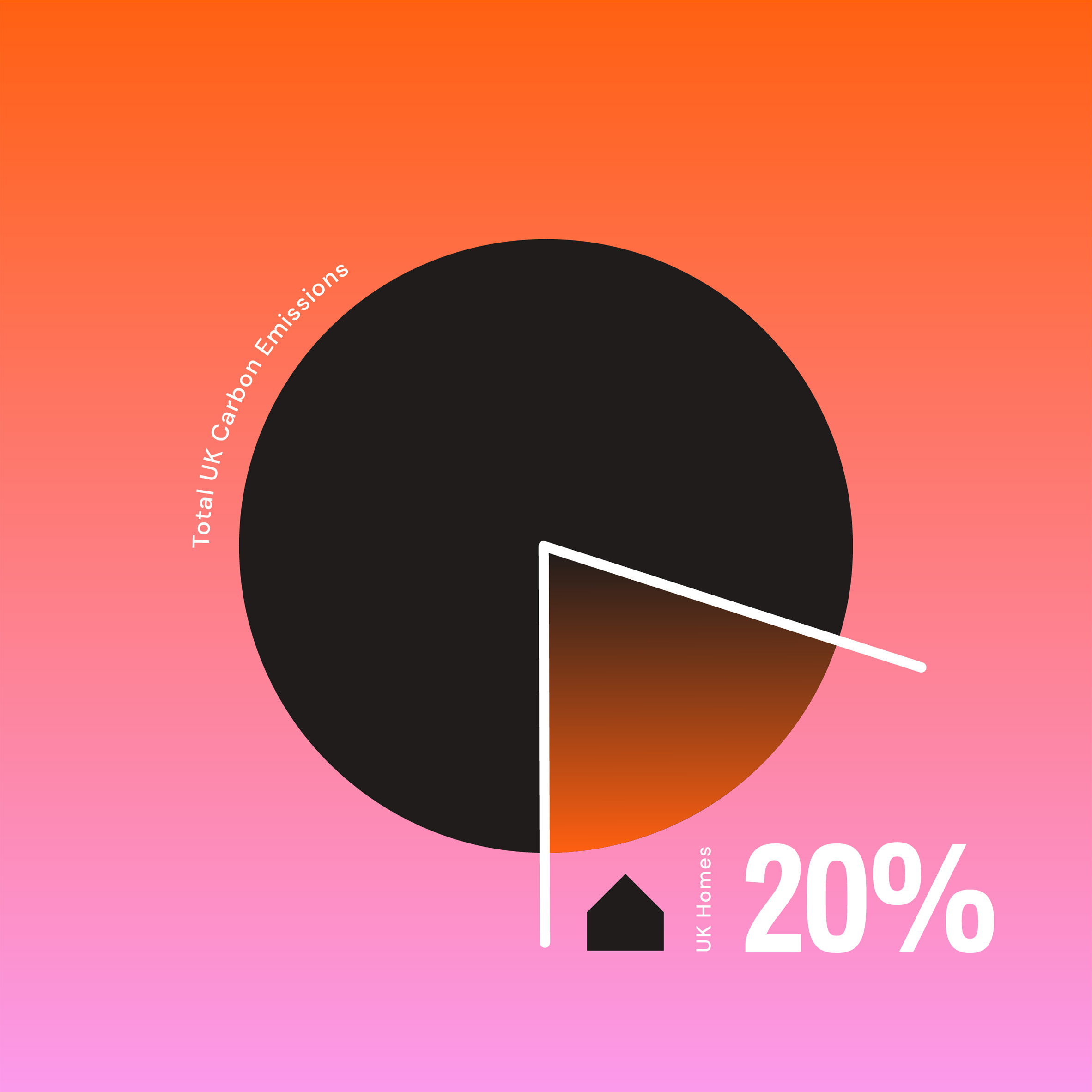
Hosehold carbon emissions graphic
The Households Declare campaign aims to help lower carbon emissions from households

"There are 29 million homes in the UK, and these contribute almost 20 per cent of total UK emissions," said Sara Edmonds, coordinator of Existing Buildings Group at Architects Climate Action Network (ACAN) and director of architecture firm Studio Search .

"That is a huge chunk of emissions that won't change without large amounts of financial and organisational investment," she told Dezeen.

ACAN urges UK government to focus on existing buildings

ACAN is using the campaign to urge the UK government to set out a national retrofit strategy that will help limit carbon emissions from UK housing stock and create a roadmap to a "zero-carbon future".

"This is urgent because 80 per cent of buildings that will exist in 2050 are already built," Edmonds said.

"To achieve the net-zero target by 2050, urgent action needs to be taken now on our existing building stock, not just tighter carbon standards for new builds."

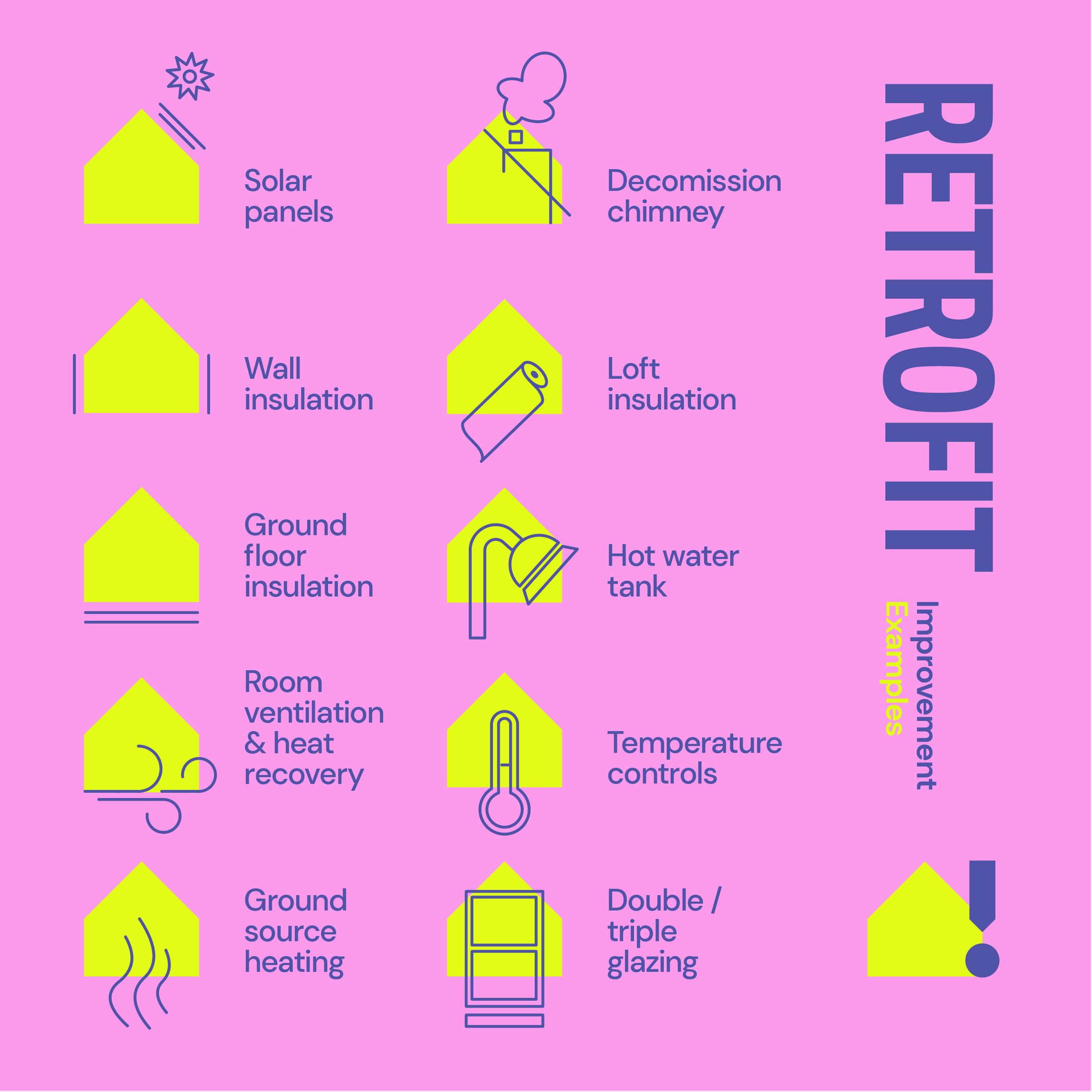
Call for a national retrofit strategy
Housing Declare suggests ways of improving the energy efficiency of existing buildings

According to the organisation, the UK's 29 million homes are among the oldest and least energy-efficient in Europe, which means that heating and cooling them wastes energy.

The built environment accounts for 38 per cent of global emissions and the vast majority of this, around 28 per cent, can be traced back to the heating, cooling and lighting of buildings.

"In order for the UK to meet legal obligations under the Climate Change Act and commitments under the Paris Agreement to stay below 1.5 degrees Celsius, emissions from heating and powering homes must be reduced by 78 per cent in less than 15 years and then to zero by 2050," ACAN said.

Construction industry calls for retrofit strategy

Retrofitting houses is one way in which UK architects and the wider construction industry can help reduce emissions.

"The government needs to set out a national retrofit strategy – many in the construction industry have been calling for this for a long time," Edmonds said.

"In fact, the Construction Leadership Council has written a report crunching the numbers and setting out how this can be achieved."

Colourful graphic of houses
The campaign aims to draw attention to the issue ahead of COP 26

The Household Declares campaign is launched on the heels of the recently released IPCC climate report, which climate pressure groups have called "a call to arms."

"The message was clear from the IPCC," ACAN's Joe Giddings told Dezeen after the release of the report. "Every single tonne of carbon dioxide emissions that we prevent helps to lessen the impact of human-induced climate change and the extreme weather events it causes."

Households Declare logo
Household emissions are an "emergency," according to ACAN

The campaign is also calling for better zero-carbon targets to make sure homes built today are up to sustainable standards.

"We hope that the campaign will educate and empower every homeowner to use their voice to send a message, loud and clear, to the UK government, that significant action is required and it's required right now," Edmonds concluded. "This is an emergency."

Carbon emissions, and especially embodied carbon emissions – emissions that come from the materials and construction of a building – have been receiving a lot of attention lately, with UK industry group Part Z calling for compulsory whole-life carbon assessments of buildings to tackle hidden emissions.

Dezeen's carbon revolution series looked at ways in which the material can be removed from the atmosphere and put to use on earth.

The post Households Declare campaign demands urgent action from UK government on housing emissions appeared first on Dezeen.


from Dezeen https://ift.tt/3lVbjLo

Alexandra Hagen, Hanif Kara and Liam Young announced as judges for Dezeen's Redesign the World competition

Redesign the World competition judging panel

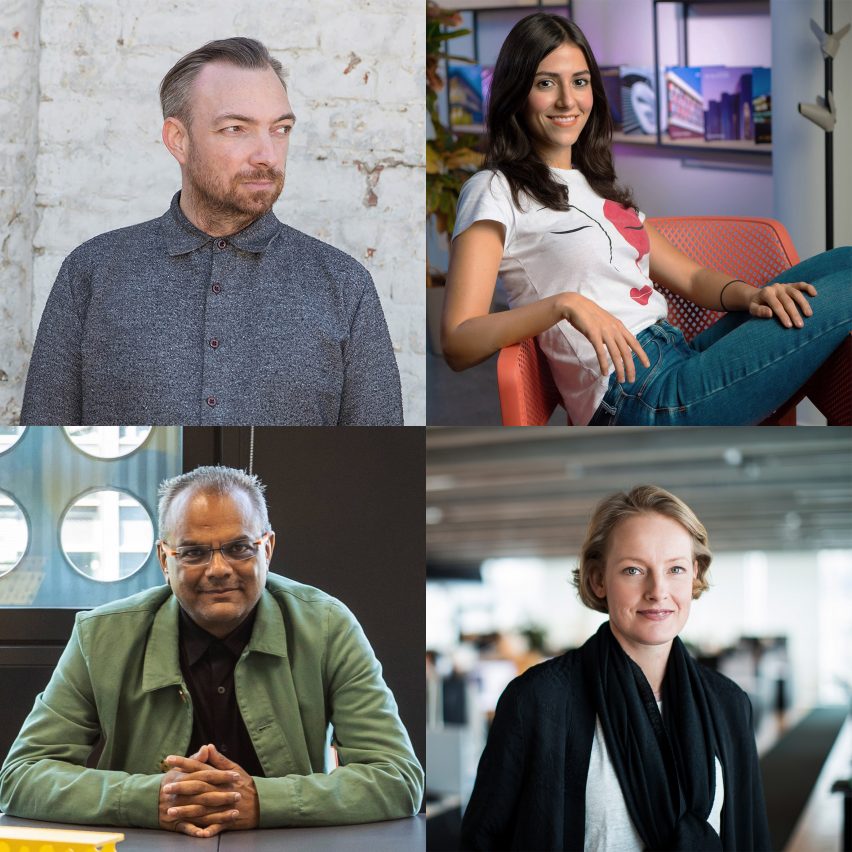
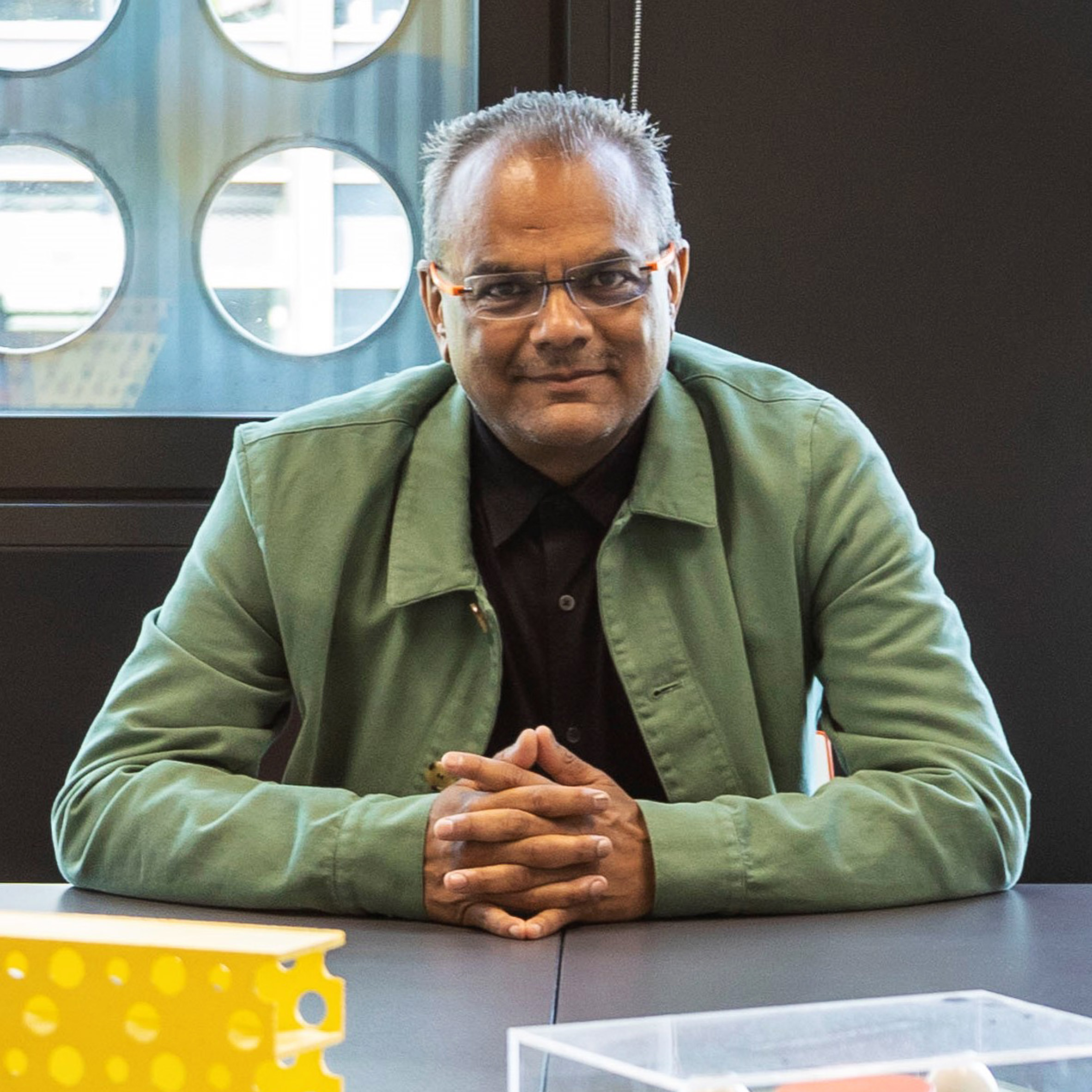
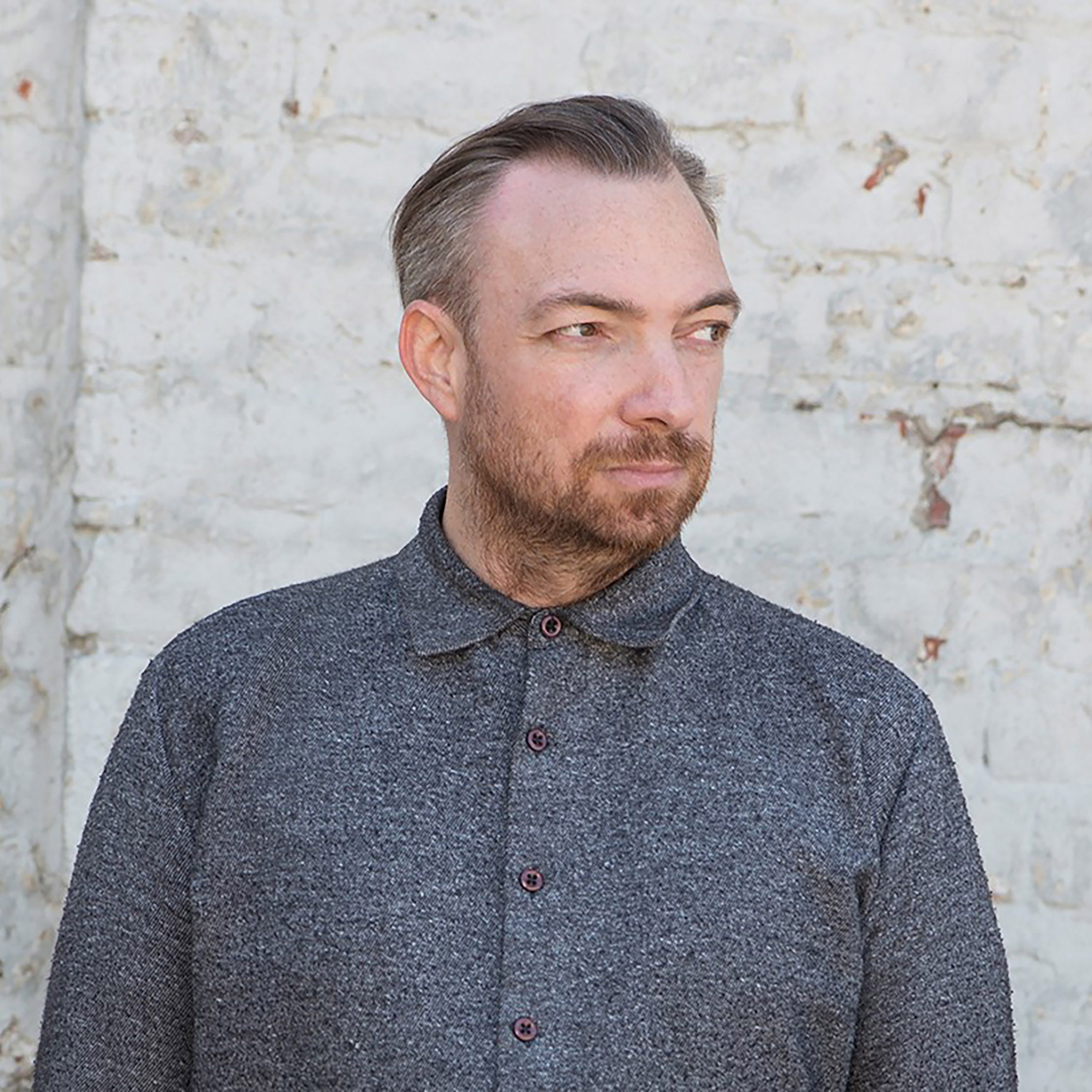
White Arkitekter CEO Alexandra Hagen, structural engineer Hanif Kara and speculative architect Liam Young will judge Dezeen's Redesign the World competition in partnership with Epic Games, which calls for new ideas to rethink planet Earth.

Young, Hara and Hagen will join Belinda Ercan, Twinmotion product marketing manager at Epic Games, and Dezeen founder and editor-in-chief Marcus Fairs to form the Redesign the World judging panel.

The competition, which launched at the end of July, calls for radical solutions to protect and prolong the habitability of planet Earth for hundreds of years to come.

Dezeen teamed up with Epic Games, creator of architectural visualisation tool Twinmotion, to launch the competition. Entrants must produce their concepts using the software, submitting a video animation and still image of their concept, along with up to 500 words of text about their proposal.

Dezeen hosted an online workshop on how to use Twinmotion to help participants with their entries.

Judges looking for visionary concepts

The judging panel will assess the entries once the competition closes on 15 September. Judges will be looking for visionary concepts and are less concerned with technical mastery of the Twinmotion software. However, the quality of the execution of the idea will also be considered.

15 of the best proposals will be published on Dezeen in November during our Dezeen 15 online festival celebrating Dezeen's 15th anniversary.

A top prize of £5,000 will be awarded for first place, £2,500 for second place, £1,000 for third place and £500 each for the 12 remaining finalists selected by the judging panel.

Portrait of Alexandra Hagen, CEO of White Arkitekter
Alexandra Hagen is CEO of White Arkitekter

Hagen is CEO of Swedish architecture firm White Arkitekter. Since joining in 2001, Hagen has held several roles at the firm including international director and director of research and development.

In 2020, Hagen made the pledge that all of White Arkitekter's future projects will be carbon neutral by 2030, which she announced at the Dezeen Awards 2020 launch event held in Stockholm.

In addition to being on the master jury of Dezeen Awards 2020 and WAF Awards 2021, Hagen is a board member of Sweden Green Building Council, Digital Twin Cities Centre and Malmö University.

Portrait of Hanif Kara, co-founder of AKT II
Hanif Kara is co-founder of civil engineering firm AKT II

Kara is co-founder and design director of structural and civil engineering firm AKT II in London. Kara is also a professor of architectural technology at Harvard University GSD, having previously taught at KTH Stockholm and the Architectural Association.

A member of the Aga Khan Award for Architecture Steering Committee, Kara has worked on numerous construction projects, for which his practice has won over 350 design awards including the RIBA Stirling Prize three times. His practice conducts pioneering research into the challenges faced by the built environment, including preservation and climate change.

Portrait of speculative architect Liam Young
Liam Young is a speculative architect

Liam Young, who describes himself as a speculative architect, is the cofounder of urban futures think tank Tomorrow's Thoughts Today. The organisation examines the local and global implications of new technologies and operates at the intersection of design, fiction and futures.

Young has created an animated short film called Planet City, in which he proposes the entire population of the earth could be housed in a giant sustainable metropolis to free up the rest of the earth for rewilding and the return of stolen lands. The film looks at how colonisation and globalisation could be reversed in a bid to tackle climate change as well as the exploitation of natural and human resources.

Portrait of Belinda Ercan, Twinmotion product marketing and strategy at Epic Games
Belinda Ercan oversees Twinmotion product marketing and strategy at Epic Games

Ercan is a ​​product marketing manager for Twinmotion at Epic Games.

She has a master's degree in architecture and digital design, with a focus on 3D visualisation, and has previously worked as a visualiser for HLM Architects and visualisation product manager at Graphisoft.

Portrait of Marcus Fairs, founder and editor-in-chief of Dezeen
Marcus Fairs is founder and editor-in-chief of Dezeen

Fairs is founder and editor-in-chief of Dezeen. A 3D design graduate, Fairs began his journalism career writing for architecture title Building Design and later for Building, where he rose to deputy editor.

Fairs launched Dezeen at the end of November 2006 and the site has grown rapidly ever since, now attracting over three million unique visitors every month.

Enter Redesign the World

Want to enter the ultimate design competition? If so, then start working on your entry now! Find out more at dezeen.com/redesigntheworld.

The post Alexandra Hagen, Hanif Kara and Liam Young announced as judges for Dezeen's Redesign the World competition appeared first on Dezeen.


from Dezeen https://ift.tt/2XmWwiw

Studio Wok designs cavernous pizza restaurant to recall rocky coves of Sardinia

Myrto pizzeria by Studio Wok

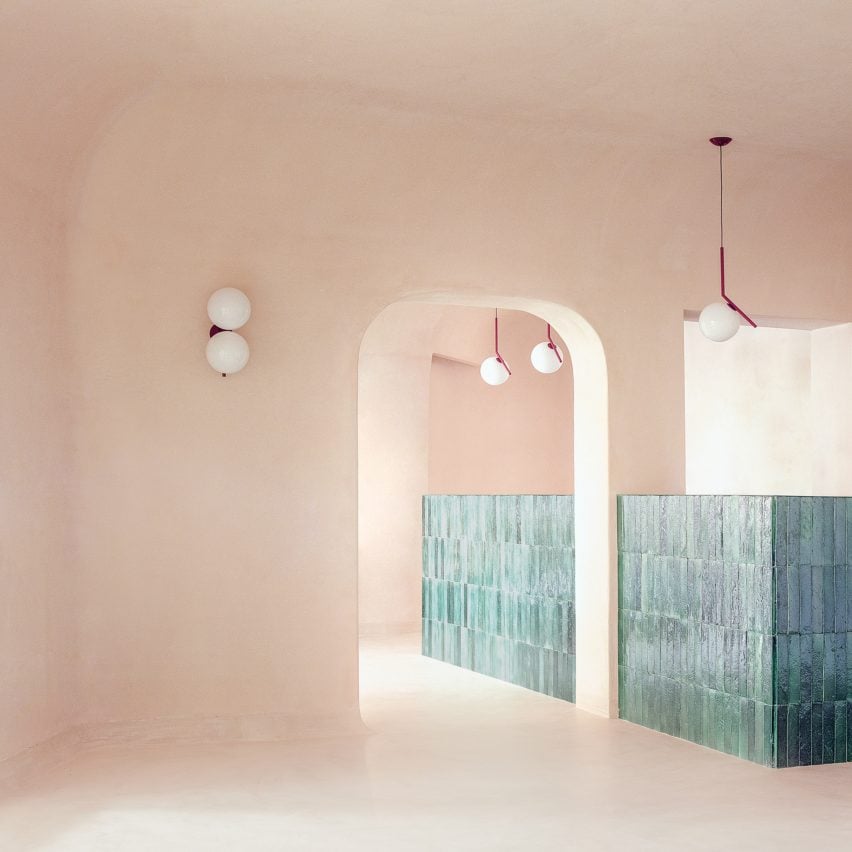
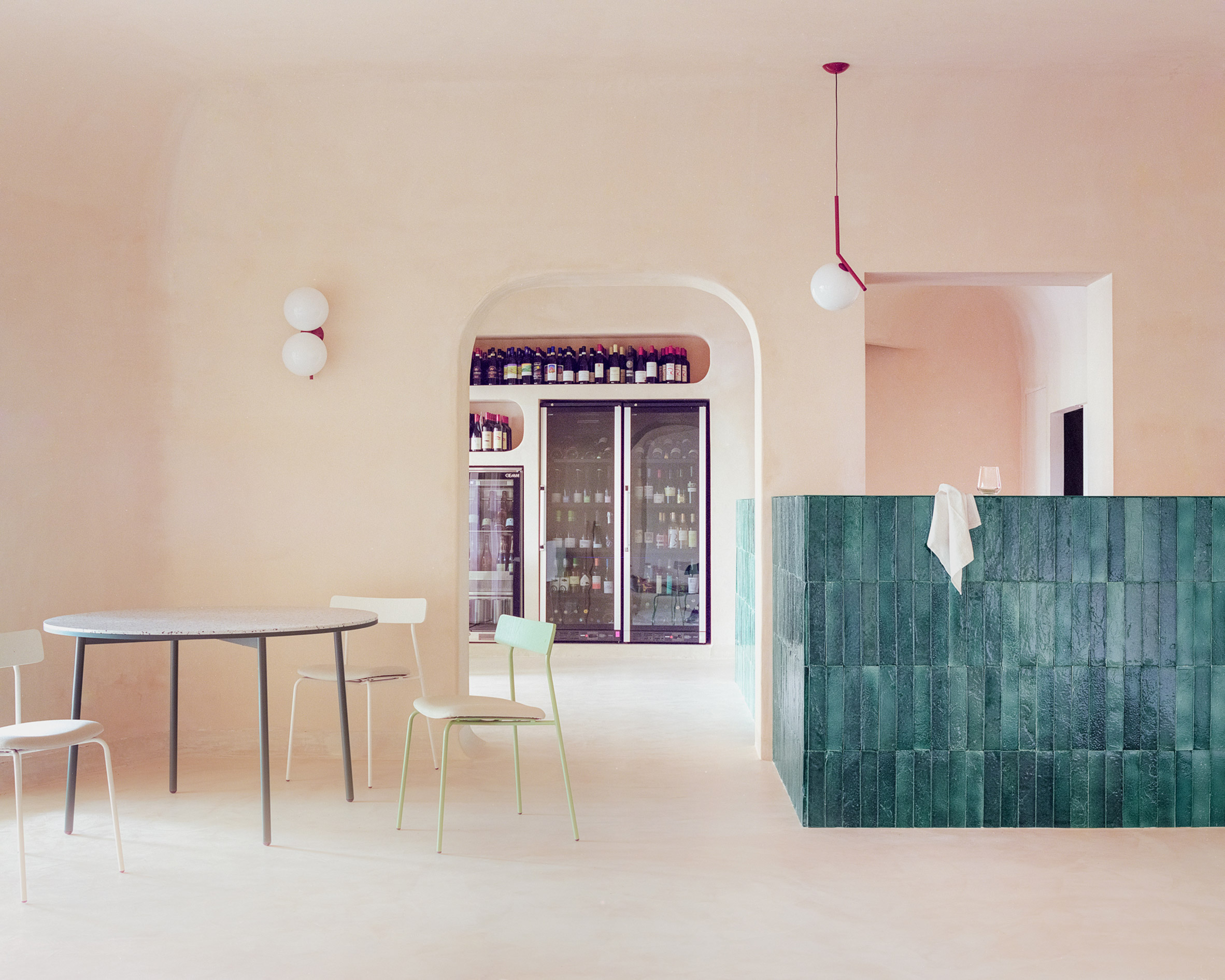
Studio Wok has completed Myrto, a pizzeria on Sardinia that is designed to reflect the island's earth tones and wind-swept granite rocks.

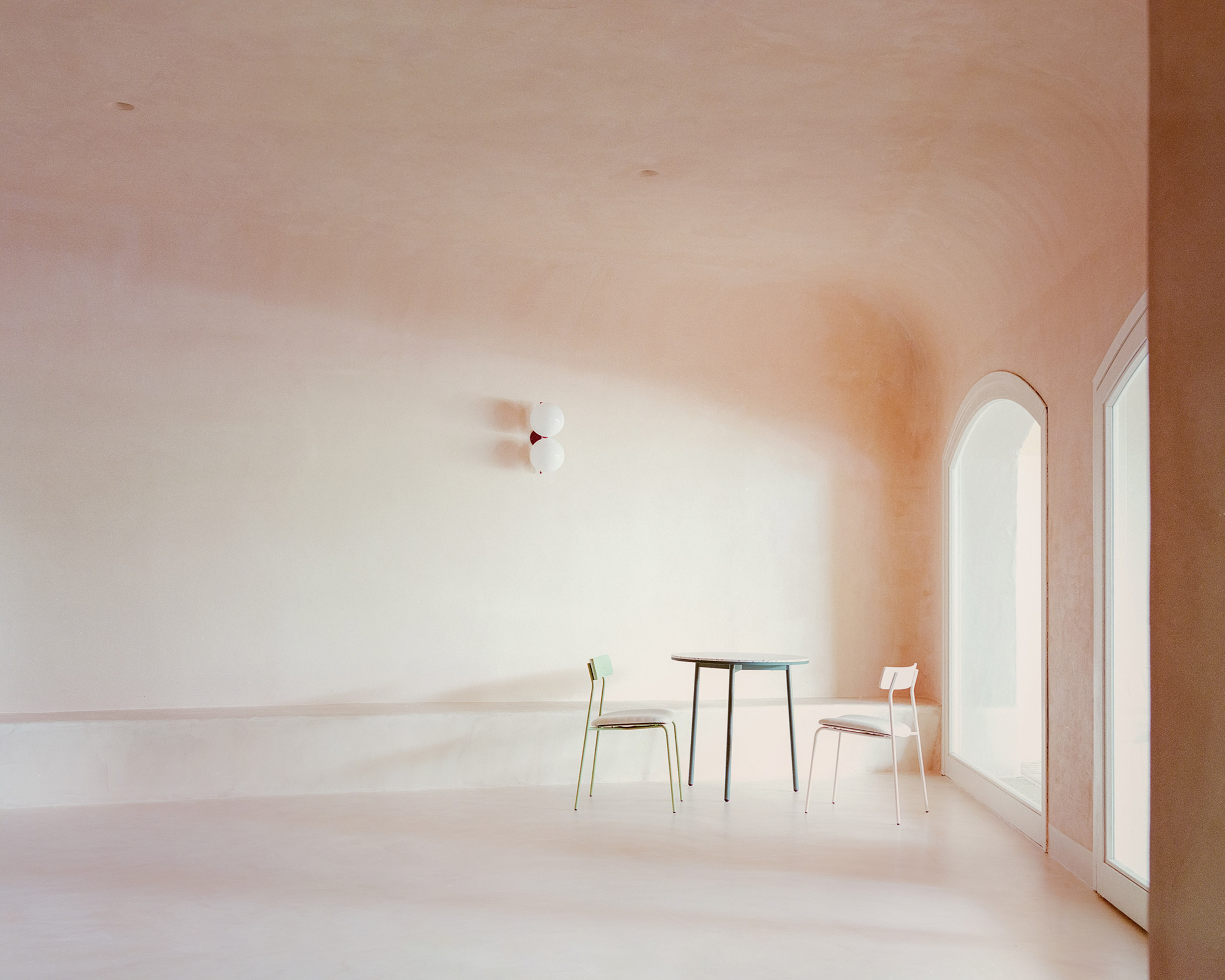
Located in the town of Porto Cervo on the Costa Smeralda, the restaurant resembles a cave with curved, sandy pink plaster walls, cement floors and arched window openings.

The interior is a "tribute to the essence of" the region, explained Studio Wok.

Green tiled counter next to seating area with views to wine fridge in Myrto pizzeria
The Myrto pizzeria by Studio Wok is centred by a green-tiled counter (top and above)

"When we think of this part of Sardinia, we think of granite rocks shaped by the wind," the practice said.

"The power of the wind erodes and carves out the granite formations, turning them into architectural structures that can be lived in. The restyling project for the Myrto restaurant is an opportunity to pay tribute to this area and to tell its story."

Restaurant interior by Studio Wok with curved ceiling and a mismatched, pastel-coloured table setting
The restaurant's ceilings are curved to resemble a cave

The "homely and intimate" space is minimally furnished with custom pieces, such as a tiled counter rendered in different hues of green to echo the colour of local scrubs.

These cooler tones are contrasted against burgundy-coloured lights, designed by Michael Anastassiades for Flos, which are used throughout the restaurant.

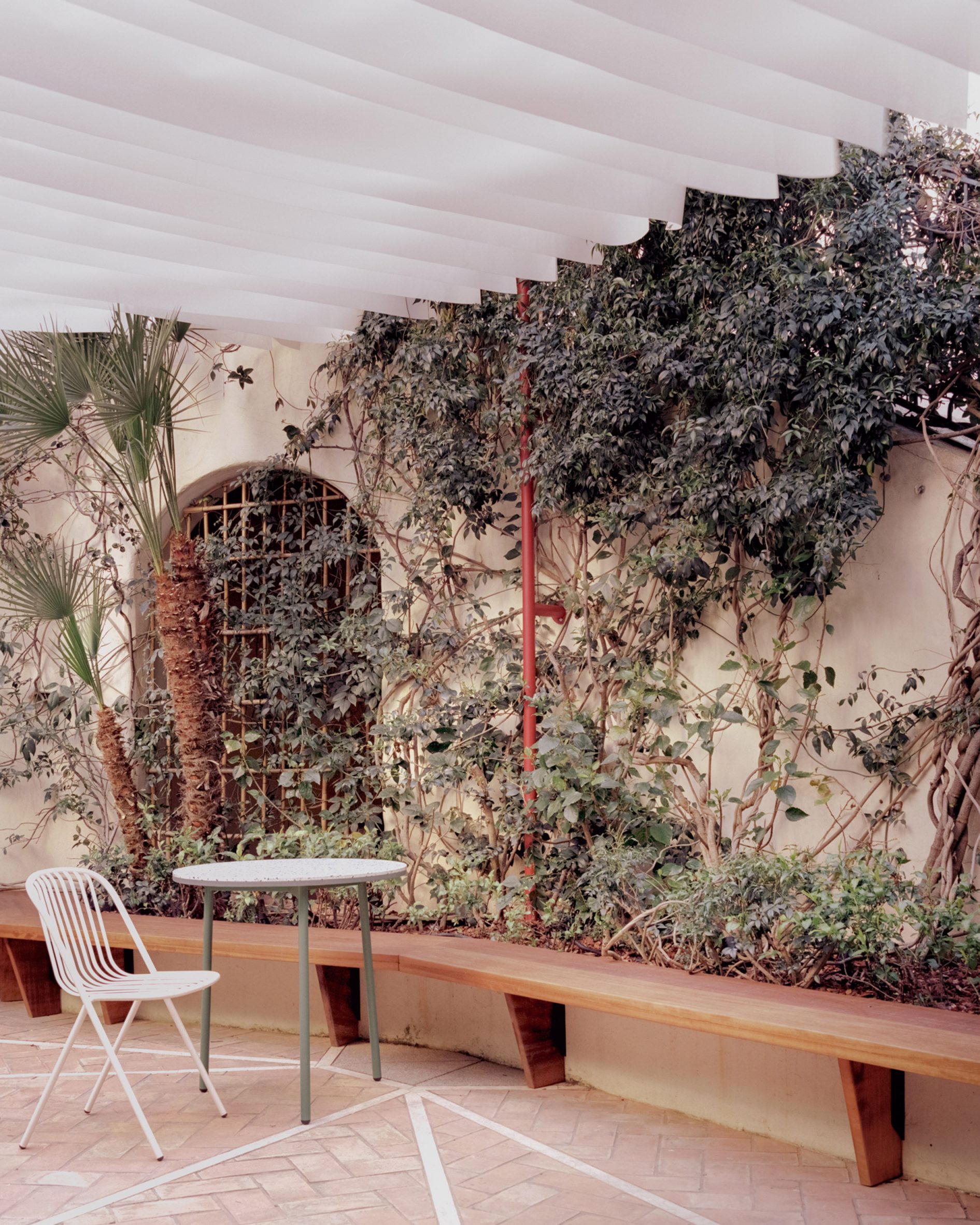
A large outdoor patio at the rear of the space is treated as an extension of the interior. Here, strips of fabric form a permeable roof that reacts to the wind and provides a glimpse of the sky beyond.

Studio Wok, which was founded by Marcello Bondavalli, Nicola Brenna and Carlo Alberto Tagliabue in 2012, has previously converted a barn with pebble walls into a country home.

Courtyard of Myrto pizzeria with white chair and green table
The courtyard features a permeable roof made from white fabric strips

Other cave-like bar and restaurant interiors featured on Dezeen include this wine shop in Spain by Zooco Estudio, where architectural elements based on wine bottles and barrels create a contemporary vaulted ceiling.

Meanwhile in Mexico City, local firm Michan Architecture hung a pair of huge concrete lights over the bar of a restaurant to create a cavernous atmosphere.

Photography is by Simone Bossi.

The post Studio Wok designs cavernous pizza restaurant to recall rocky coves of Sardinia appeared first on Dezeen.


from Dezeen https://ift.tt/3xFfiy2