Friday, 13 August 2021

Syracuse University presents eight models based on The Complete Map of Capital Beijing

Model

An industrial building transformed into a vibrant art gallery and an entertainment centre referencing Russian constructivist architecture are included in Dezeen's latest school show by students at Syracuse University.

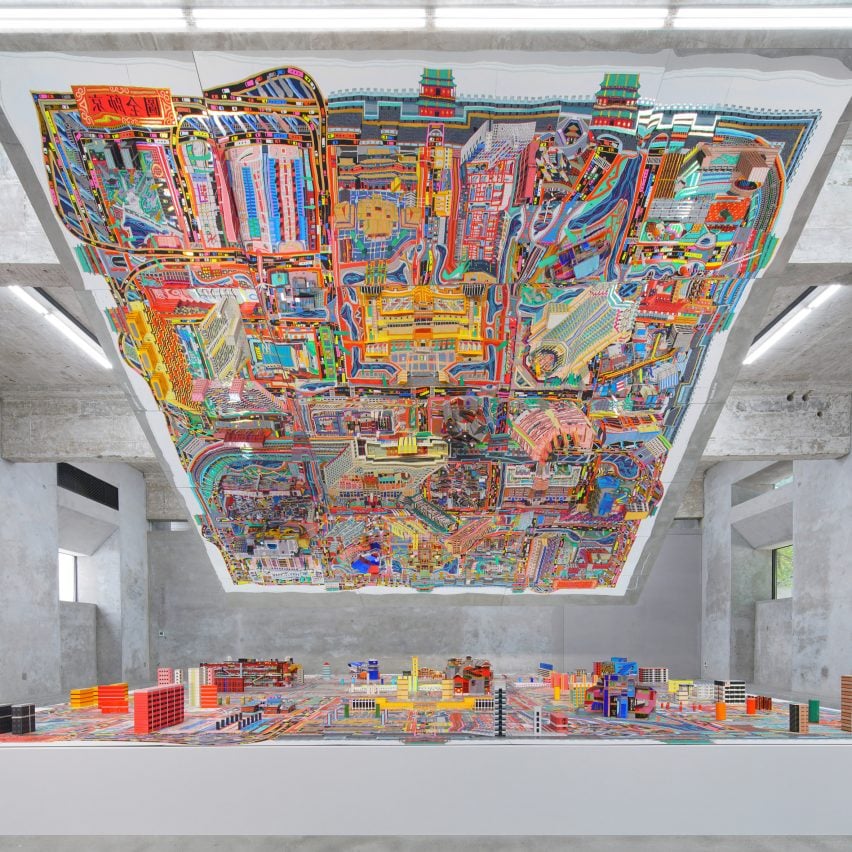
Syracuse University presents eight models as part of The Complete Map of Capital Beijing, based on the Qing Dynasty-era map of the city.

As pictured above, the students initially drew the two-dimensional diorama, then designed architectural models inspired by both Eastern and Western buildings.


Syracuse University

School: Syracuse University
Courses:
The Complete Map of Capital Beijing, ARC 407
Tutors:
 Li Han and Hu Yan, co-founders of Drawing Architecture Studio (DAS); Zhang Xintong and Zhang Yuanbo

School statement:

"In the academic year 2020-2021, Syracuse Architecture offered in-person studios and related courses to more than 100 students unable to return to Syracuse, NY, from China.

"Studios were located in Beijing, Shanghai and Shenzhen. In spring 2021, Li Han and Hu Yan led an option studio in Beijing to design 'The Complete Map of Capital Beijing' a large-format diorama based on an original Qing Dynasty era map of the city.

"The diorama consists of a two-dimensional, 1:100 scale 'copy' of an original Qing Dynasty map, drawn by the students, as well as models made by using style-transfer algorithms to collage building sources drawn from both contemporary Western architecture and contemporary Beijing vernacular sources.

"After the final review, the diorama was constructed and exhibited at the Shanzhongtian Art Centre in Beijing in a show curated by renowned curator Cui Cancan."

Syracuse University

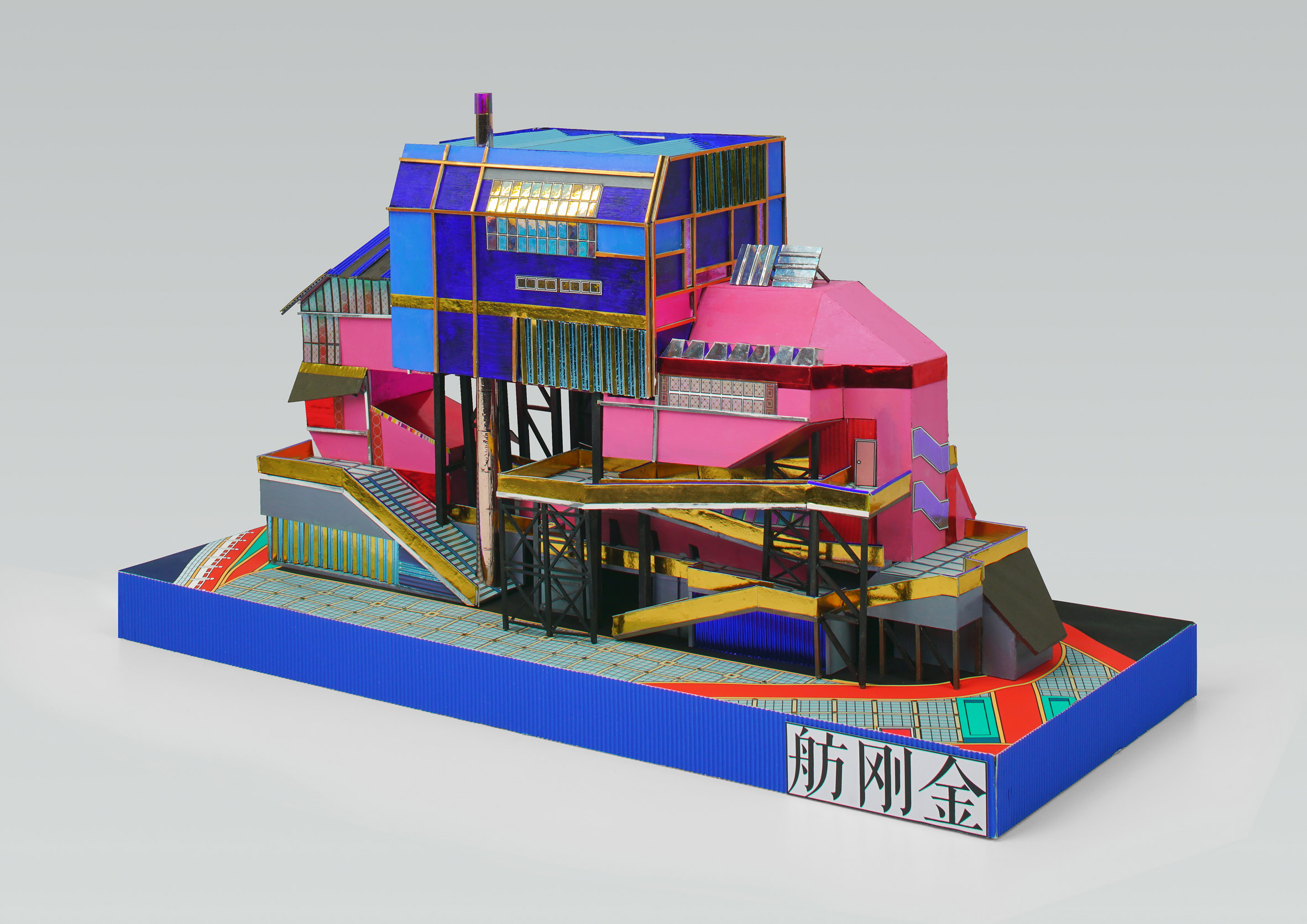
Casa de Metallica by Zhang Yaqi and Liu Yian

"Casa de Metallica uses as its source the Umlauftank or 'Pinkpipe' designed by Ludwig Leo built in Berlin in the 1970s. It is designed as a contemporary art gallery for Beijing. The students were intrigued by Leo's use of colour to transform an industrial building situated in a dreary harbour landscape into a playful, vibrant form.

"It breaks from its typological moorings to offer a pop art-inflected alternative where radically different realities can co-exist. Similarly, Casa de Metallica uses the art gallery typology to juxtapose the gritty reality of contemporary life in Beijing with contemporary art practice and art gallery culture."

Students: Zhang Yaqi and Liu Yian
Course: The Complete Map of Capital Beijing, ARC 407, B.Arch. '23
Tutors: Li Han and Hu Yan, co-founders of Drawing Architecture Studio (DAS); Zhang Xintong and Zhang Yuanbo
Photographer: Wang Hongyue

Syracuse University

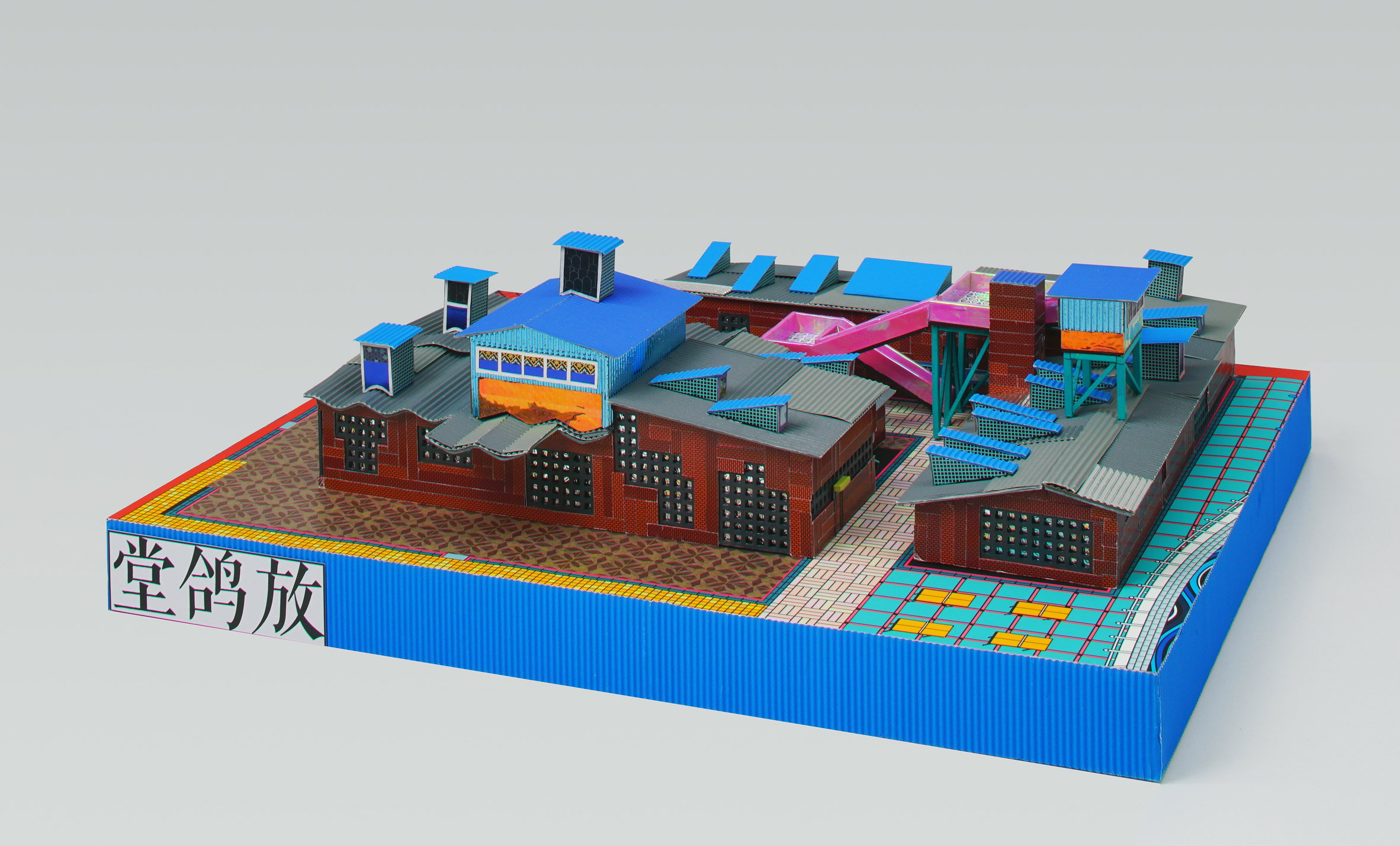
Chamber of Pigeon by Wang Kexin and Yang Zhexu

"The Chamber of Pigeon is a community centre situated in a Hutong area near the Forbidden City in Beijing. Designed as a multi-generational, multi-use facility, the centre embraces the scale and ambience of the Hutong area. It features a tea house and Mahjong parlour on the roof and areas for relaxing and eating.

"The building source is St Peter's Church by Sigurd Lewerenstz, an enigmatic, earthy brick structure built in Malmö, Sweden, in the 1960s. The Chamber of Pigeon is a colourful, playful variation on the church, and features roof windows, doors and brick patterns found in vernacular Hutong structures."

Students: Wang Kexin and Yang Zhexu
Course:
The Complete Map of Capital Beijing, ARC 407, B.Arch. '23
Tutors: Li Han and Hu Yan, co-founders of Drawing Architecture Studio (DAS); Zhang Xintong and Zhang Yuanbo
Photographer:
Wang Hongyue

Syracuse University

Curtained Cave by Feng Yiqun and Tang Xinyu

"Similarly to Beijing architect Kauzuo Shinohara's attempt to use architecture to catalogue and connect the proliferating chaos of the city, The Curtained Cave uses the experimental K2 Building 1990.

"Taking inspiration from Shinohara's interest in this chaos, the students made use of two building elements found in many parts of Beijing – illegal balconies and security windows – which then transformed into new building elements.

"Unlike Shinohara, who insisted on a clear distinction between building and city, the students wanted to entangle the city and building, and they did so by including the elements mentioned above as well as bicycles and racks as part of the interior, creating the impression of an interior street."

Students: Feng Yiqun and Tang Xinyu
Course: The Complete Map of Capital Beijing, ARC 407, B.Arch. '23
Tutors: Li Han and Hu Yan, co-founders of Drawing Architecture Studio (DAS); Zhang Xintong and Zhang Yuanbo
Photographer:
Wang Hongyue

Syracuse University

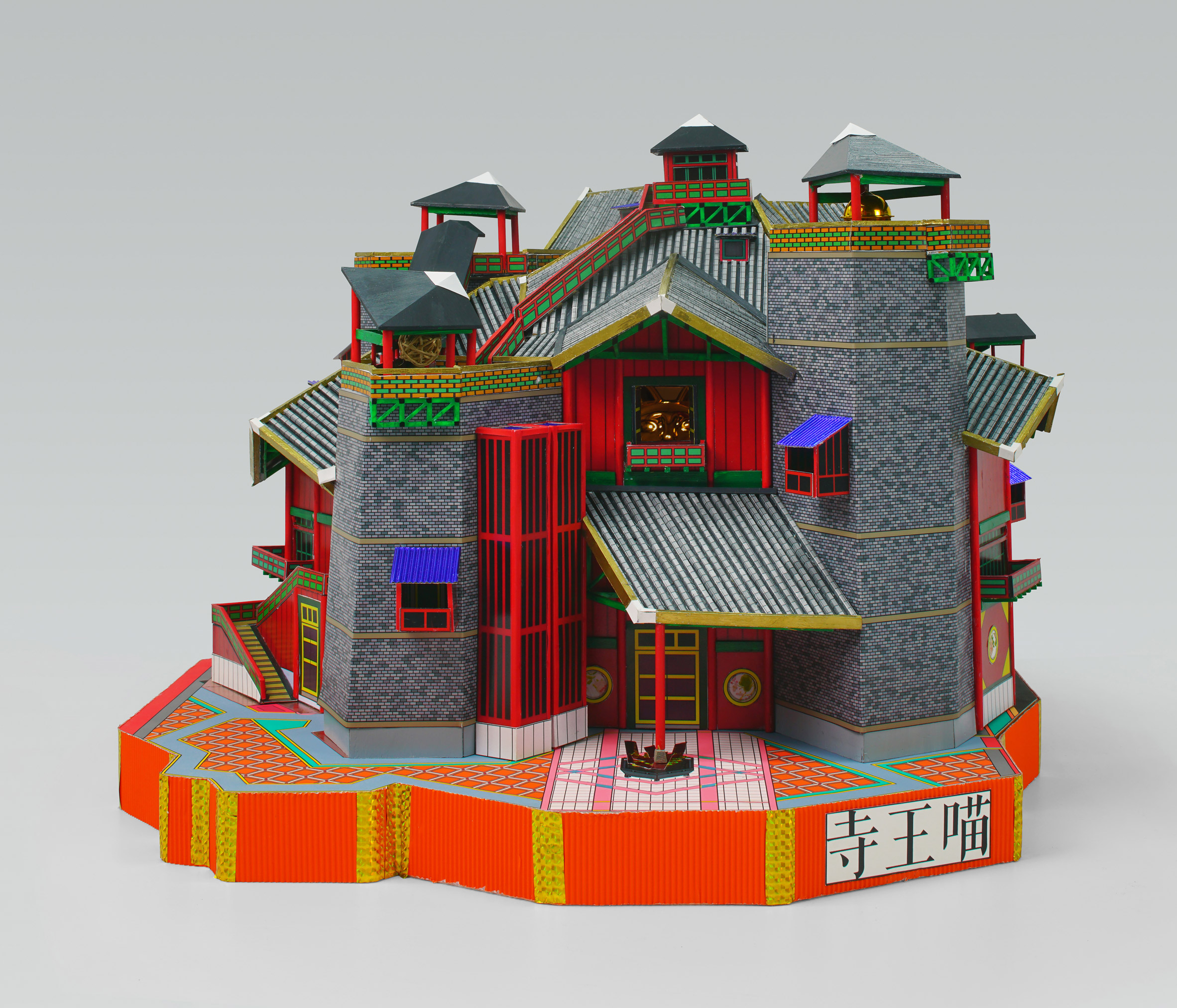
Meow Temple by Luo Chenhao and Zheng Zhi

"The 'Meow Temple', also called Maowang Temple, is inspired by Neviges Mariendom, the powerful, brutalist monastery designed by Gottfried Böhm in western Germany.

"Just as Böhm's modernist monastery attempted to express the new spirit of post-war Germany and a more open Catholic Church, The Meow Temple expresses contemporary religious sentiment in China.

"But the Meow Temple takes a more critical, even satirical view of religion and the way it has been commercialised in China. The fortune cat (and the building's name) satirises the corruption of Chinese religious practice."

Students: Luo Chenhao and Zheng Zhi
Course: 
The Complete Map of Capital Beijing, ARC 407, B.Arch. '23
Tutors: 
Li Han and Hu Yan, co-founders of Drawing Architecture Studio (DAS); Zhang Xintong, Zhang Yuanbo
Photographer:
Wang Hongyue

Syracuse University

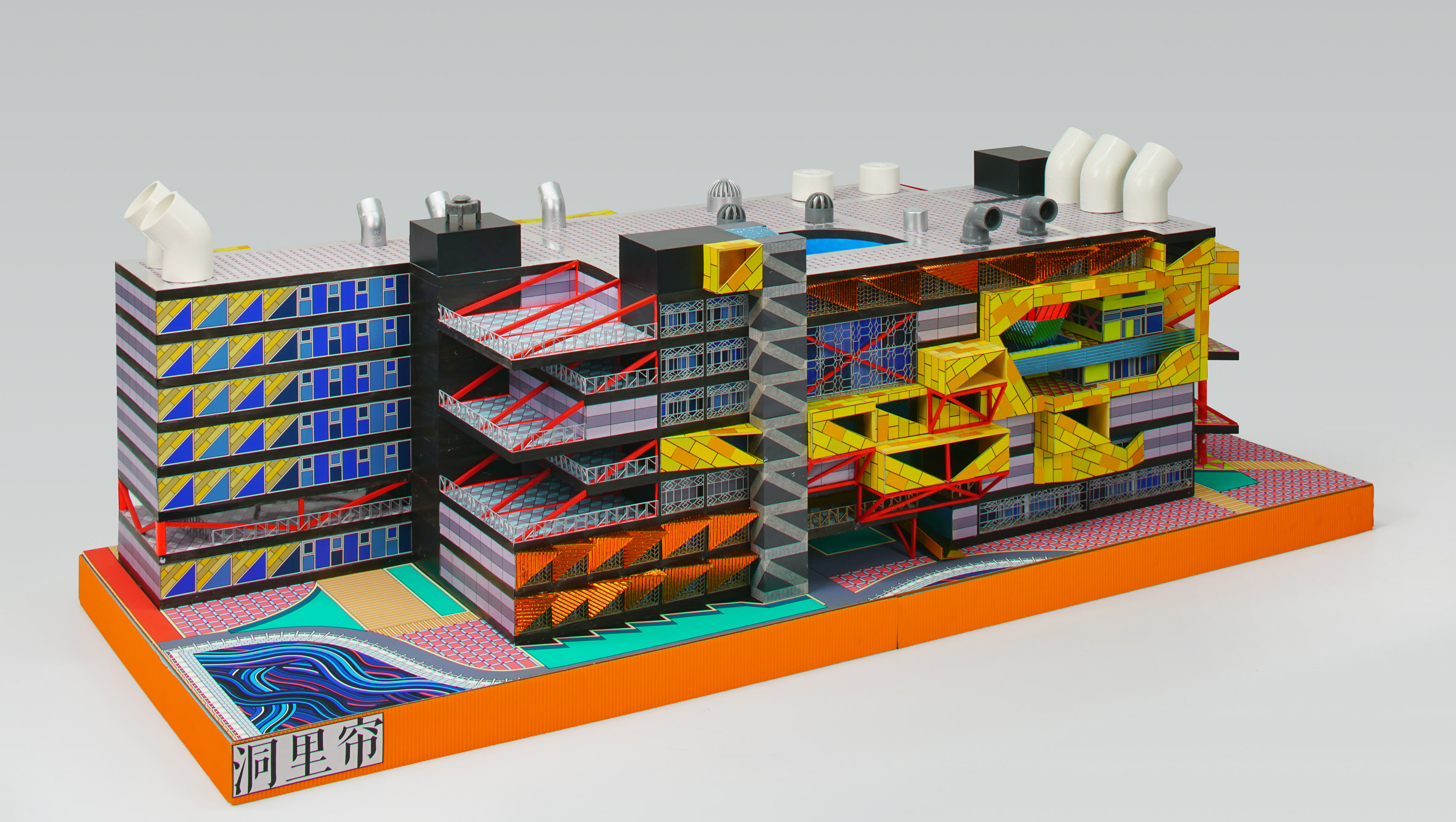
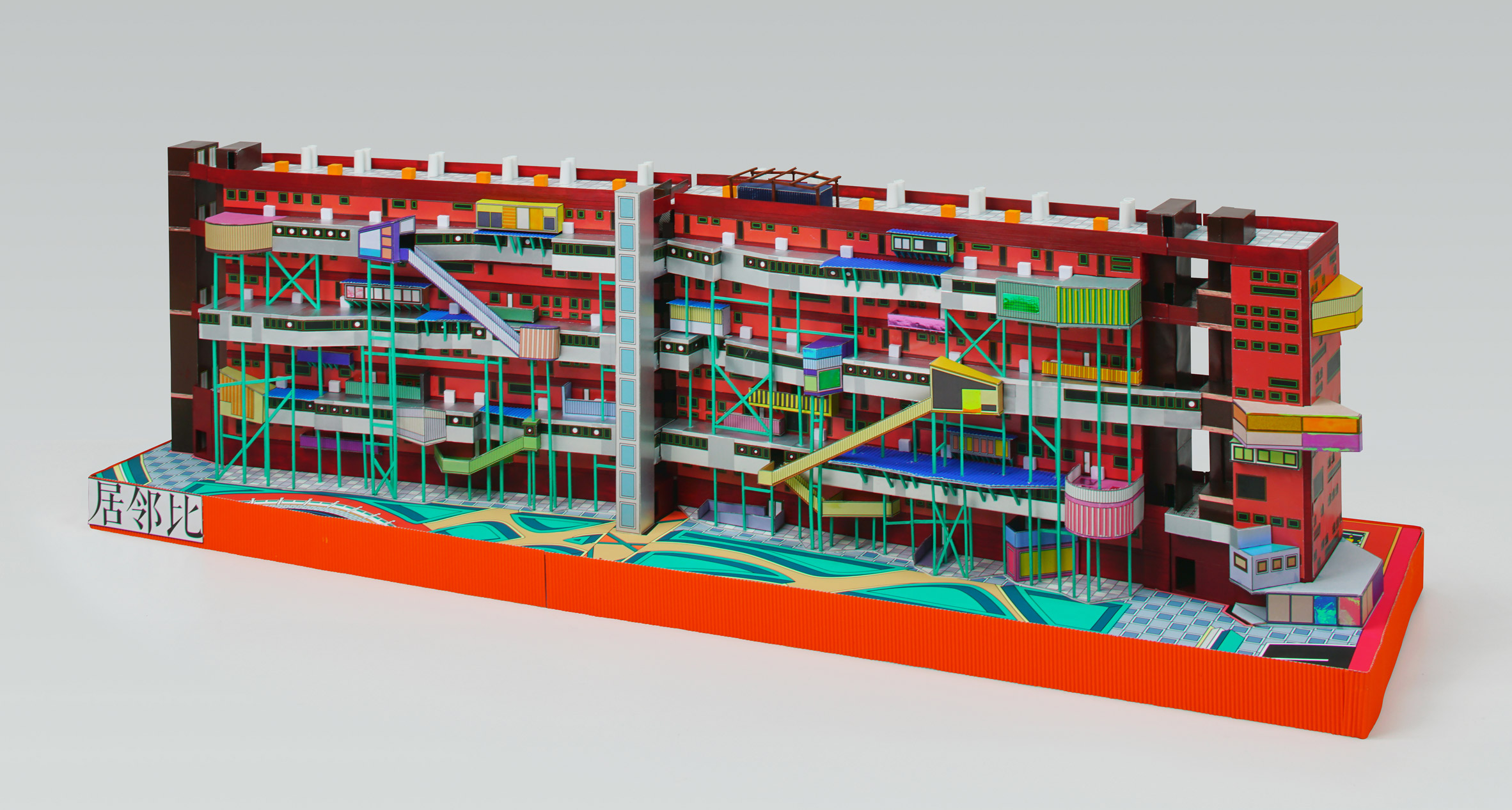
Neighbour Hood Garden by Zhang Yi and Wang Yuxuan

"Neighbour Hood Garden's inspiration is Robin Hood Gardens, designed by Alison and Peter Smithson and built in 1972. Many features of the Smithson project, including an aerial street, are recognisable in the Neighbour Hood Garden project.

"The ambition is to test such features in the context of 21st century Beijing. Vernacular architecture is also referenced, especially in the building profile, which is recognisable when compared with Dinghuixili, a residential building in Beijing."

Students: Zhang Yi and Wang Yuxuan
Course: The Complete Map of Capital Beijing, ARC 407, B.Arch. '23
Tutors: Li Han and Hu Yan, co-founders of Drawing Architecture Studio (DAS); Zhang Xintong and Zhang Yuanbo
Photographer:
Wang Hongyue

Syracuse University

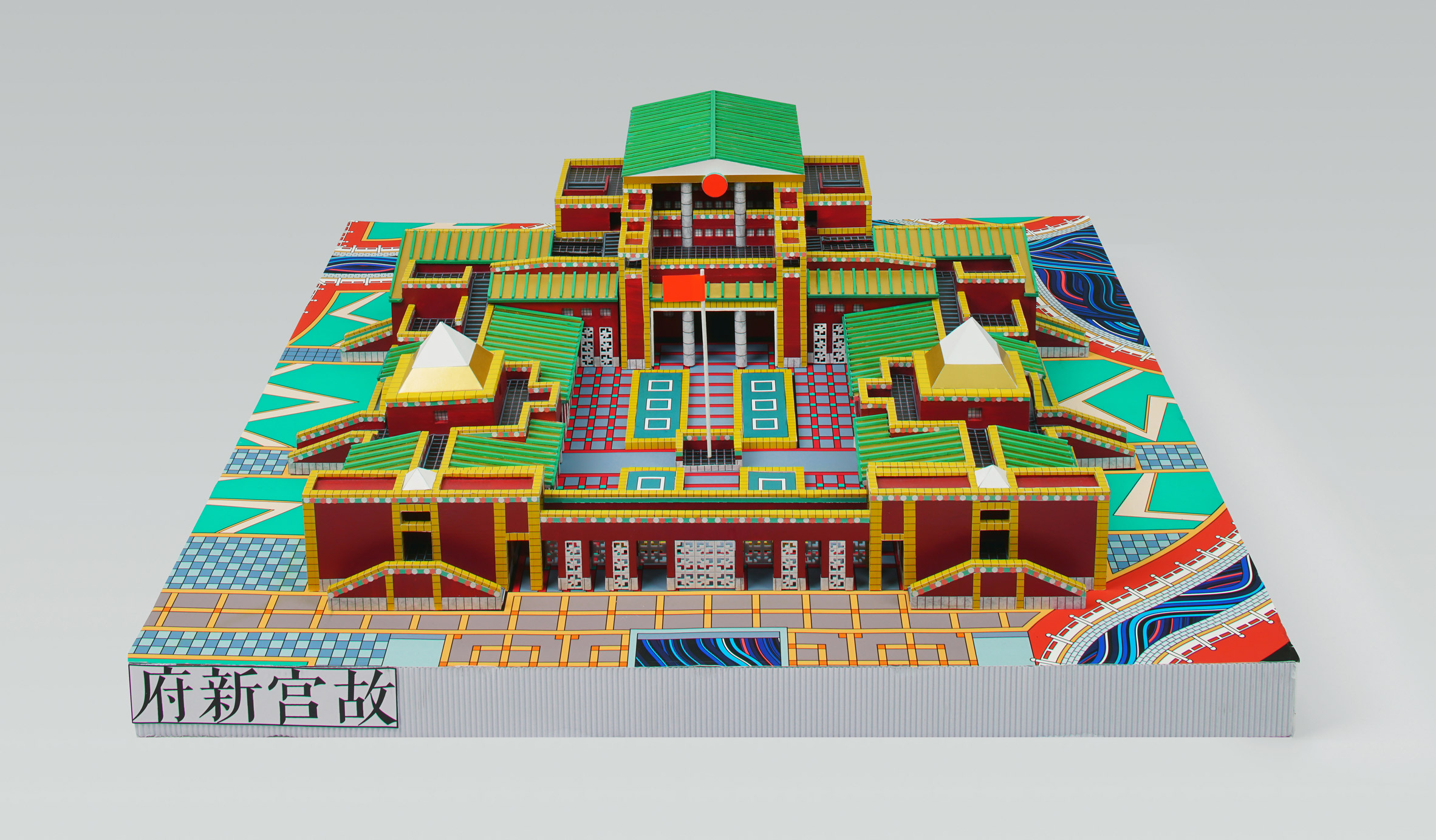
Neo-Forbidden City by Huang Deqiang and Zhong Junyue

"Neo-Forbidden City is a town-scale administrative centre that opens roof paths to the public. The design source is Aldo Rossi's Town Hall of Borgoricco, a masterpiece of post-modern architecture.

"The intention was to design an administrative building that had the authority of civic architecture, but that was also approachable and humble. The design references the Forbidden City and the US White House and other vernacular buildings in Beijing."

Students: Huang Deqiang and Zhong Junyue
Course:
The Complete Map of Capital Beijing, ARC 407, B.Arch. '23
Tutors: Li Han and Hu Yan, co-founders of Drawing Architecture Studio (DAS); Zhang Xintong, Zhang Yuanbo
Photographer:
Wang Hongyue

Syracuse University

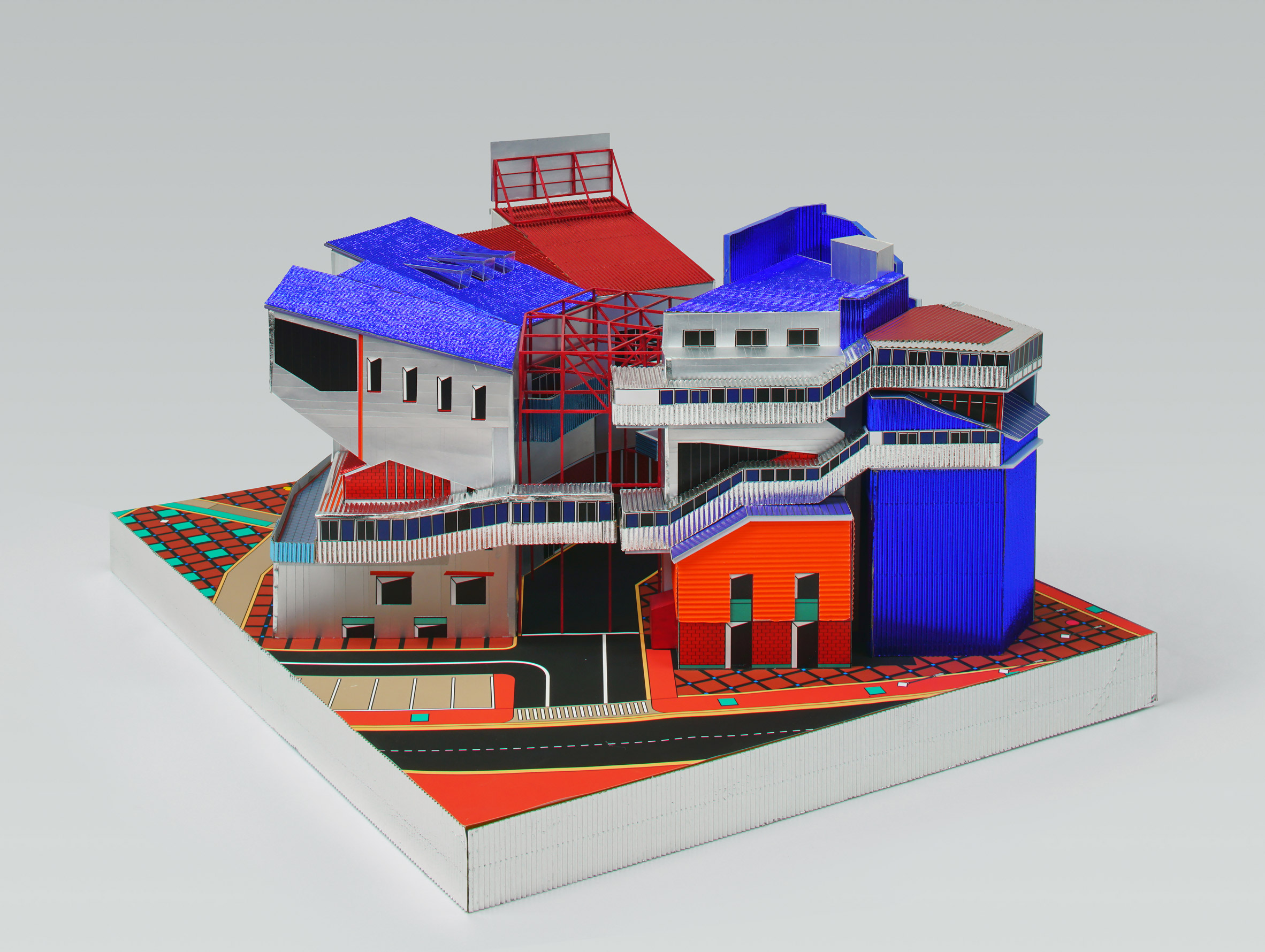
Pan' Long Stair Club by Zhuang Kaicheng and Feng Wenting

"The Pan' Long Stair Club, an integrated entertainment centre, features a dance hall, a restaurant and karaoke bar. It uses the Konstantin Melnikov's Rusacov Worker's Club, a constructivist icon built in Moscow in 1928, as its source.

"The design also draws on local building typologies and uses local building elements such as intertwined staircases, which can be found in many Beijing 'Urban Villages' and Hutongs.

"Such features make playful reference to the local context, but they also enhance the experience of those who use the entertainment facilities."

Students:  Zhuang Kaicheng and Feng Wenting
Course:
The Complete Map of Capital Beijing, ARC 407, B.Arch. '23
Tutors: Li Han and Hu Yan, co-founders of Drawing Architecture Studio (DAS); Zhang Xintong and Zhang Yuanbo
Photographer:
Wang Hongyue
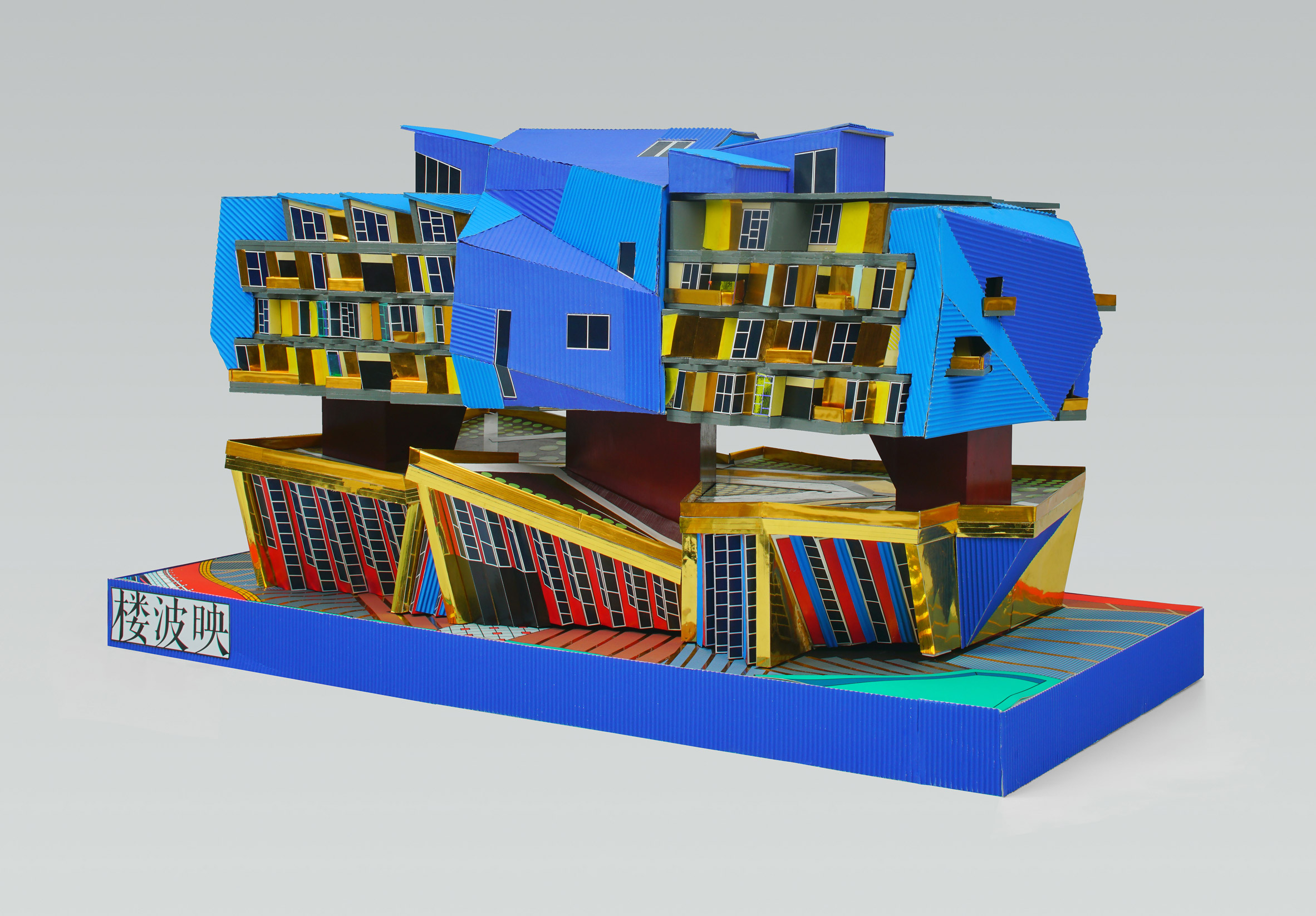

Syracuse University

Ripple Building by Zhu Haihui and Meng Xinqi 

"The Ripple Building is a hotel that references the Pirelli Tire Building designed by Marcel Breuer and completed in New Haven, Connecticut, in 1970.

"The project is an exploration whose colourful, seemingly unstable structure and exaggerated elements offer a dramatic contrast to the regularity and solidity of Breuer’s brutalist masterpiece."

Students: Zhu Haihui and Meng Xinqi
Course:
The Complete Map of Capital Beijing, ARC 407, B.Arch. '23
Tutors: Li Han and Hu Yan, co-founders of Drawing Architecture Studio (DAS); Zhang Xintong and Zhang Yuanbo
Photographer:
Wang Hongyue


Partnership content

This school show is a partnership between Dezeen and Syracuse University. Find out more about Dezeen partnership content here.

The post Syracuse University presents eight models based on The Complete Map of Capital Beijing appeared first on Dezeen.


from Dezeen https://ift.tt/3fXl4VG

"There is a lot somebody working in the built environment can do to make a difference"

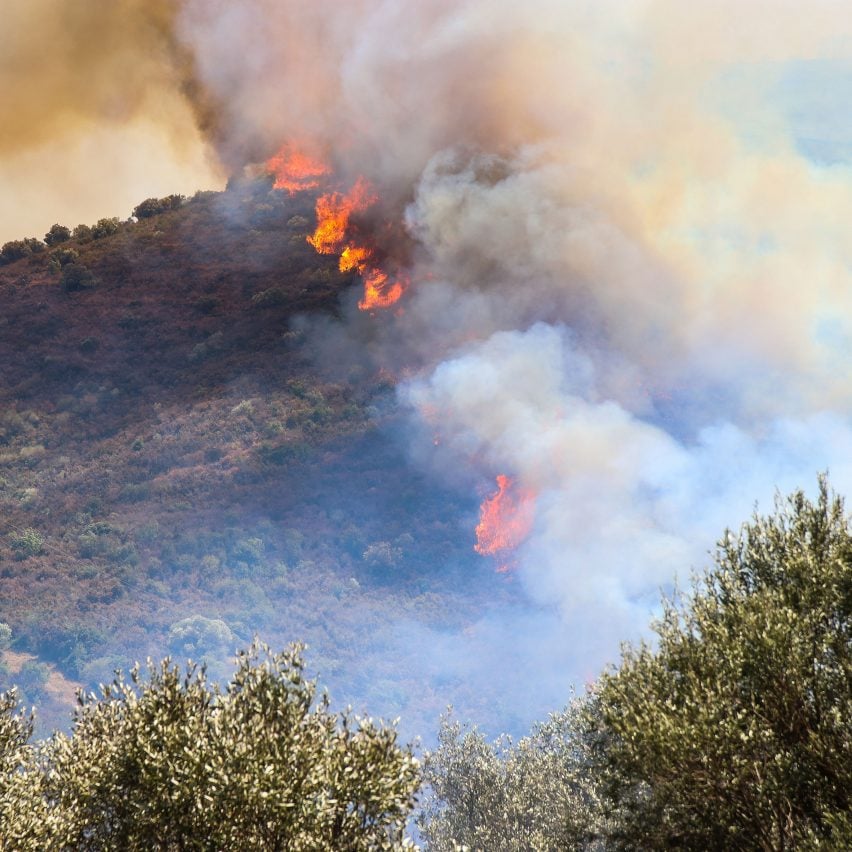
Forest fire in Spain

Following the release of the latest IPCC climate report, Joe Giddings of Architects Climate Action Network shares some practical advice for what architects and designers can do to help prevent catastrophic climate change.


Doom-laden headlines and apocalyptic imagery abound as dramatic wildfires in Southern Europe follow swiftly on the heels of the clearest and most alarming warning yet from the IPCC about the state of our climate.

The IPCC is the global authority on climate change and its latest report has been called a "code red" warning. It projects that we will pass 1.5 degrees Celcius of warming within the next decade or two and draws a clear link between human activity and the increasingly extreme weather events we’re experiencing.

All of this is enough to provoke understandable fear and anxiety over the future of our planet. But there is a lot somebody working in the built environment can do to make a difference.

New buildings often account for a tonne of embodied carbon emissions per square meter of construction and the message from the IPCC was clear: every tonne counts.

So here are some practical steps you can take as an architect, engineer or designer if you are worried about the climate following the IPCC publication.

1. Support the Architects Climate Action Network (ACAN) campaign for the regulation of embodied carbon emissions

As building designers, we always work to the standards set out in regulations and codes, but amazingly these emissions are still unregulated in the UK, despite accounting for a large proportion of every new building's carbon footprint.

New regulations could limit emissions arising from construction. France, Finland and the Netherlands have already introduced this so it's time the UK and others followed suit.

ACAN's campaign provides you with easy ways to take action, including a template letter and briefing note to send to your MP. Anybody is welcome to get more involved in the group and you can get in touch through the website.

2. Learn more about embodied carbon

LETI, another voluntary organisation, has written an extremely useful primer on the subject, which was published alongside its Climate Emergency Design Guide last year. You can find the primer on its website, which explains what embodied carbon is and how to reduce it.

If you are a visual learner, then Architects Declare has a fantastic recorded lecture series on its Vimeo page.

3. Specify sustainable products

It is difficult to find the right products, especially as most suppliers will claim their product to be "sustainable".

To check their credentials, you can request an Environmental Product Declaration (EPD) for the products you specify. These documents can be tricky to understand, but every EPD will have a measure of Global Warming Potential (GWP) and after comparing a few, they'll begin to make more sense.

To make things easier, The Alliance for Sustainable Building Products has made an interactive guide to help designers find sustainable options for various building elements.

4. Stop using concrete and steel. Use timber instead

Concrete and steel each account for around 8 per cent of global greenhouse gas emissions.

The manufacture of structural timber products produces less carbon dioxide, and trees also sequester carbon from the atmosphere during their growth. This useful carbon capture and storage mechanism can help us mitigate climate change.

If you are sceptical, watch this brilliant talk professor Hans-Joachim Schellnhuber gave in April this year to launch the New European Bauhaus movement.

5. Become a certified Passivhaus designer

Probably the most rigorous course in building physics available. Those that have taken it will testify to its usefulness, regardless of whether or not your clients are aiming for Passivhaus accreditation.

Ask your practice to sign you up to one of the many courses available, but be prepared for a challenge!

6. Do less architecture

A controversial but simple point. The less we build, the less impact we have. We could all try working less to facilitate this, as studies have claimed that on a national scale a four day week could slash our emissions.

If you want to try having a wider impact during your working hours, there are plenty of opportunities. You could help shape public planning, through a Public Practice placement or by applying directly to the public sector.

You could look for roles at climate think tanks like E3G, which is increasingly turning attention towards buildings and cities.

You could take up teaching to support the next generation of designers. Many schools, including Central St Martins in London, are looking for tutors at the moment.

7. Make your pension work for the climate

Your pension is likely your largest pot of money, and all of it has been invested. These investments are often in things that contradict our values, from fossil fuels to meat and dairy.

The campaign group Make My Money Matter has put together a useful guide to help you change this.

8. Speak to those around you about ways that you've taken action

Talking about our anxieties helps to lessen them. Ask your friends and family to declare a climate emergency through Households Declare, you'll probably find that they care too.

If you find that this helps, you could find a local group or even start one in your area. ACAN has a growing number of international and regional groups, and Friends of the Earth has a network of local groups around the UK.

9. If you've done all of those things...

Well done, you've become an activist! Now relax a little bit, practice self-care, go for a bike ride or take up forest bathing. Make sure you don't burn out.

Joe Giddings is an architect and campaigner. He is campaigns coordinator at Architects Climate Action Network and project director for the Timber Accelerator Hub at The Alliance for Sustainable Building Products.

The post "There is a lot somebody working in the built environment can do to make a difference" appeared first on Dezeen.


from Dezeen https://ift.tt/3iKBl2g

MAD designs white cloud-like science museum on Haikou coast

A cloud-like museum

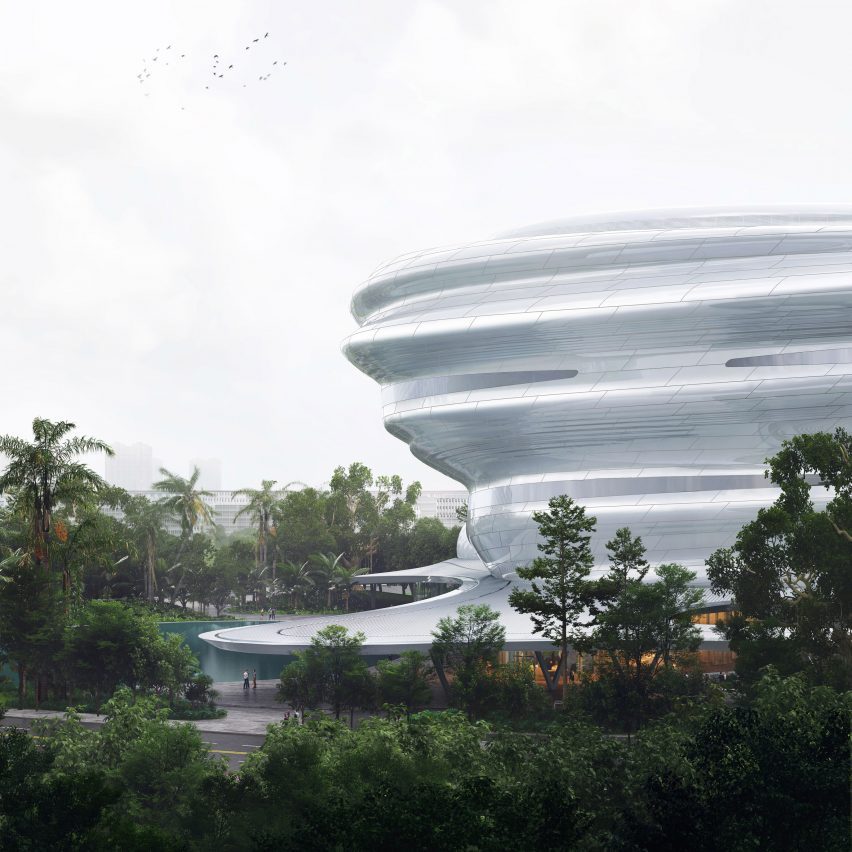
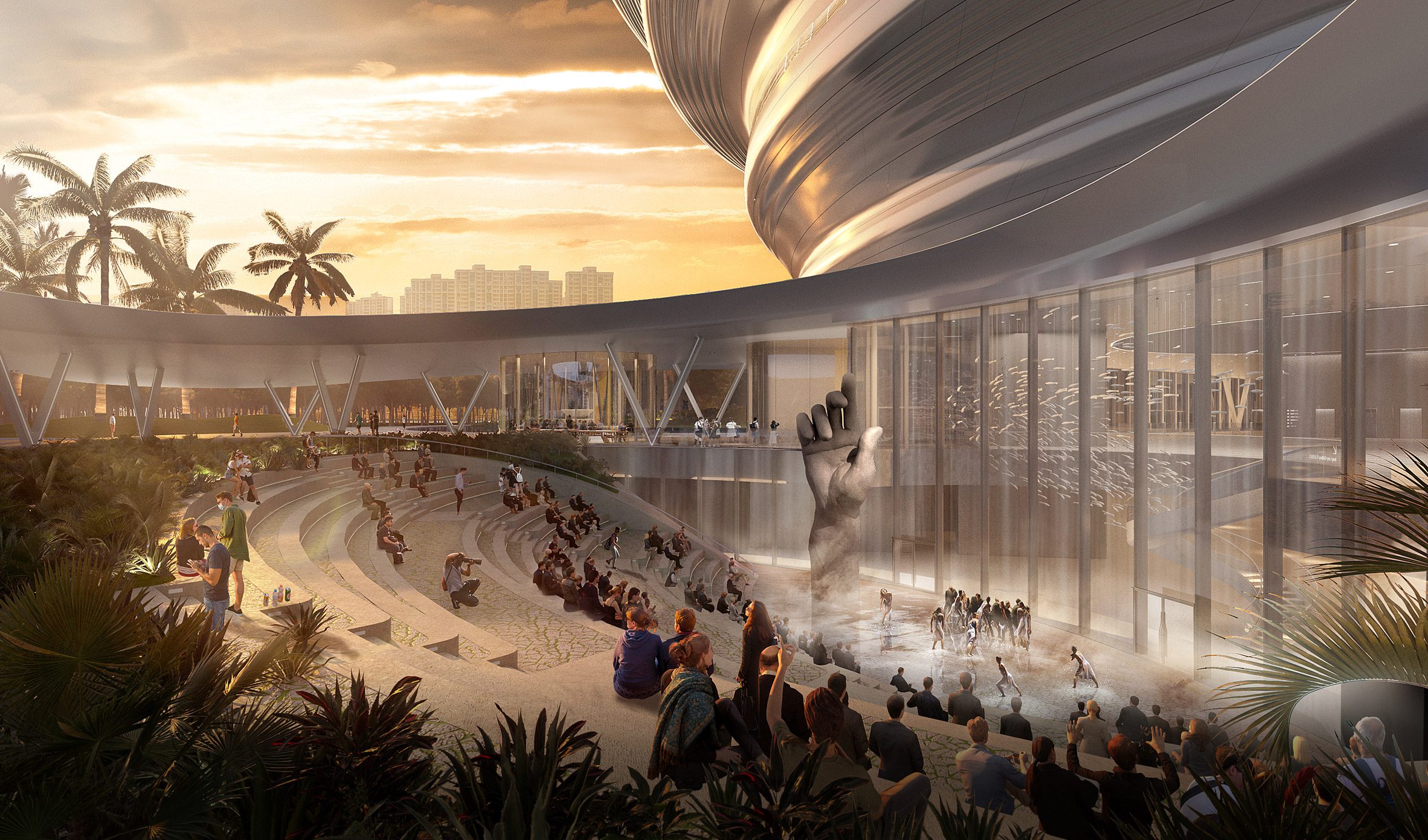
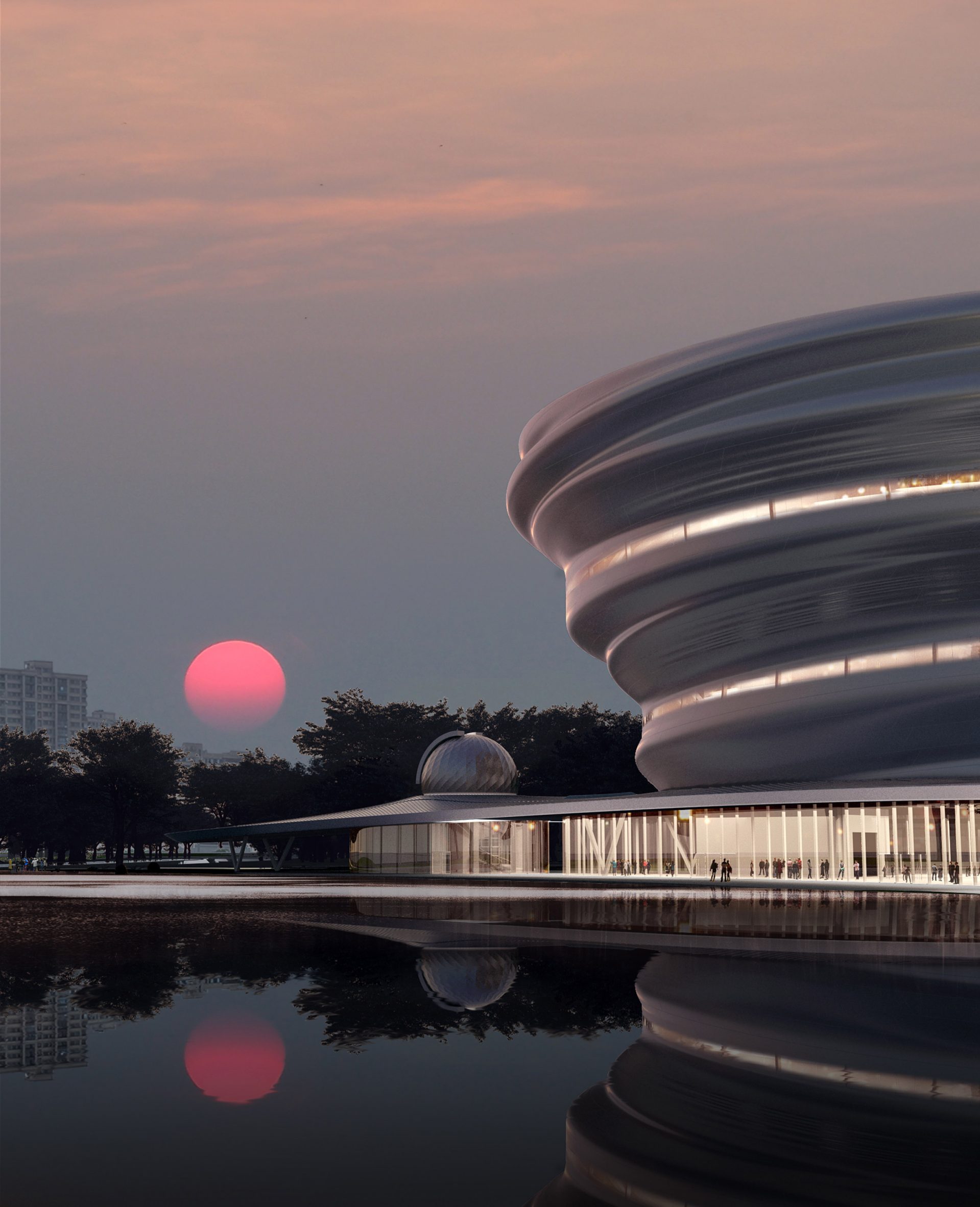
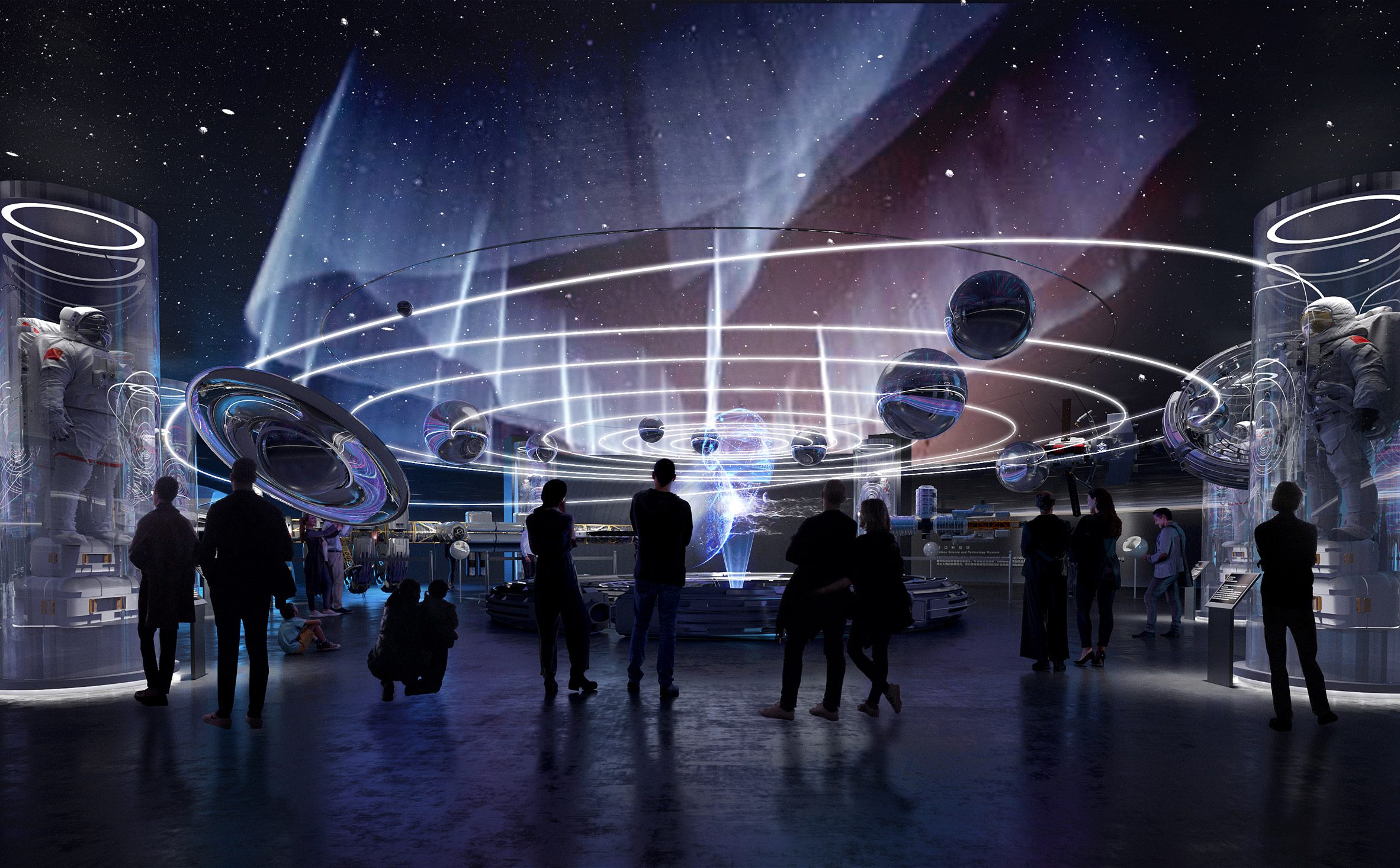
Chinese architecture studio MAD has released visuals of the top-heavy Hainan Science and Technology Museum that it has designed for the coast of Haikou in China.

Slated to open to the public in 2024, the cloud-like museum will encompass 46,528 square metres on a verdant site in the city near a national wetland park.

A white cloud-like museum
Above: MAD has unveiled the Hainan Science and Technology Museum. Top image: it will be built on a site in Haikou

The Hainan Science and Technology Museum is being designed by MAD to serve as a major tourist attraction for Haikou, in which visitors can explore science, technology and nature.

It is also the second project designed by the studio in the city to resemble a white cloud, with the other being the recently completed Cloudscape of Haikou, which opened in April 2021.

A white cloud-like museum
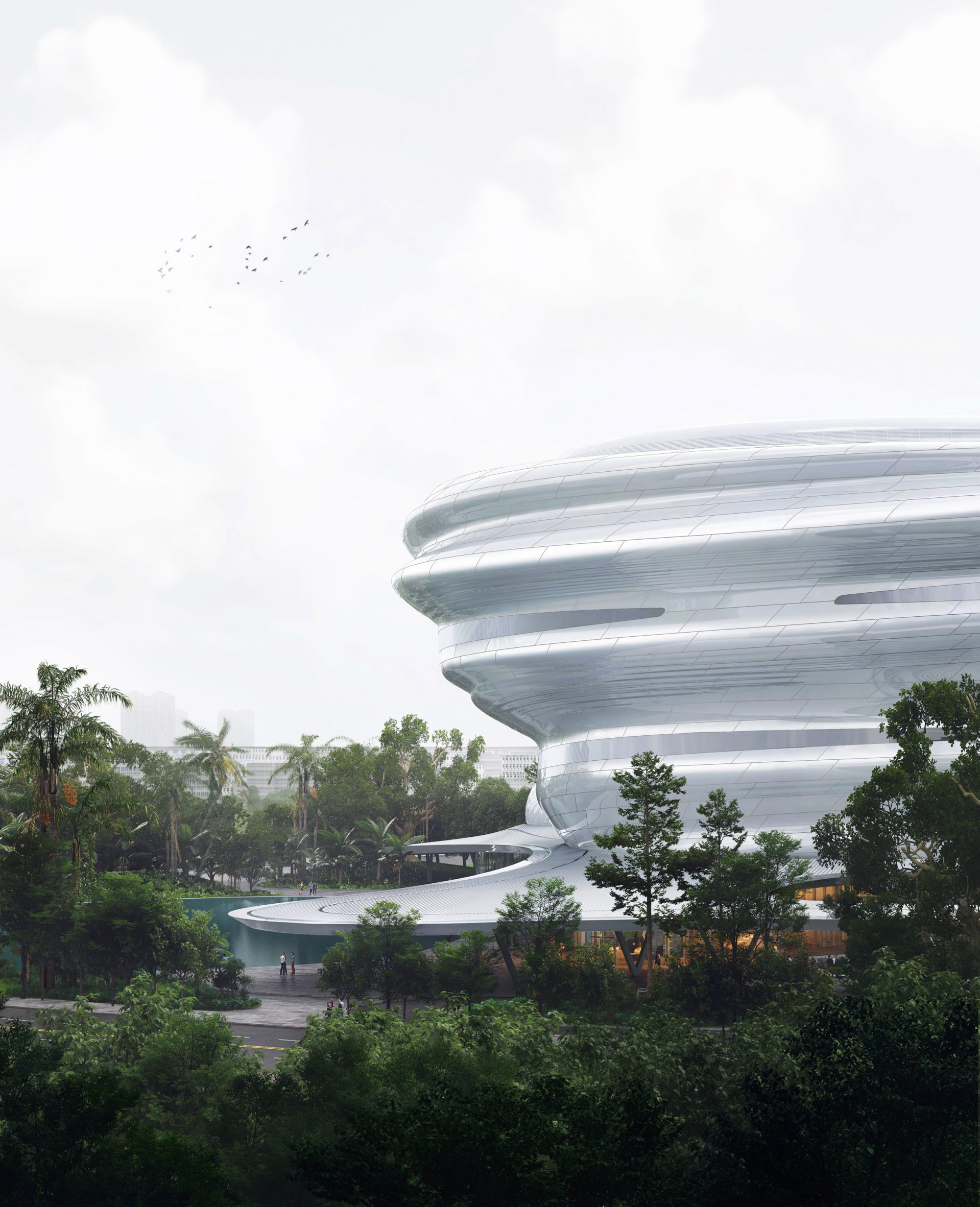
It will have a top-heavy cloud-like form

"MAD's design for the museum draws from the site's dual urban and natural context," said the studio, which is led by Chinese architect Ma Yansong.

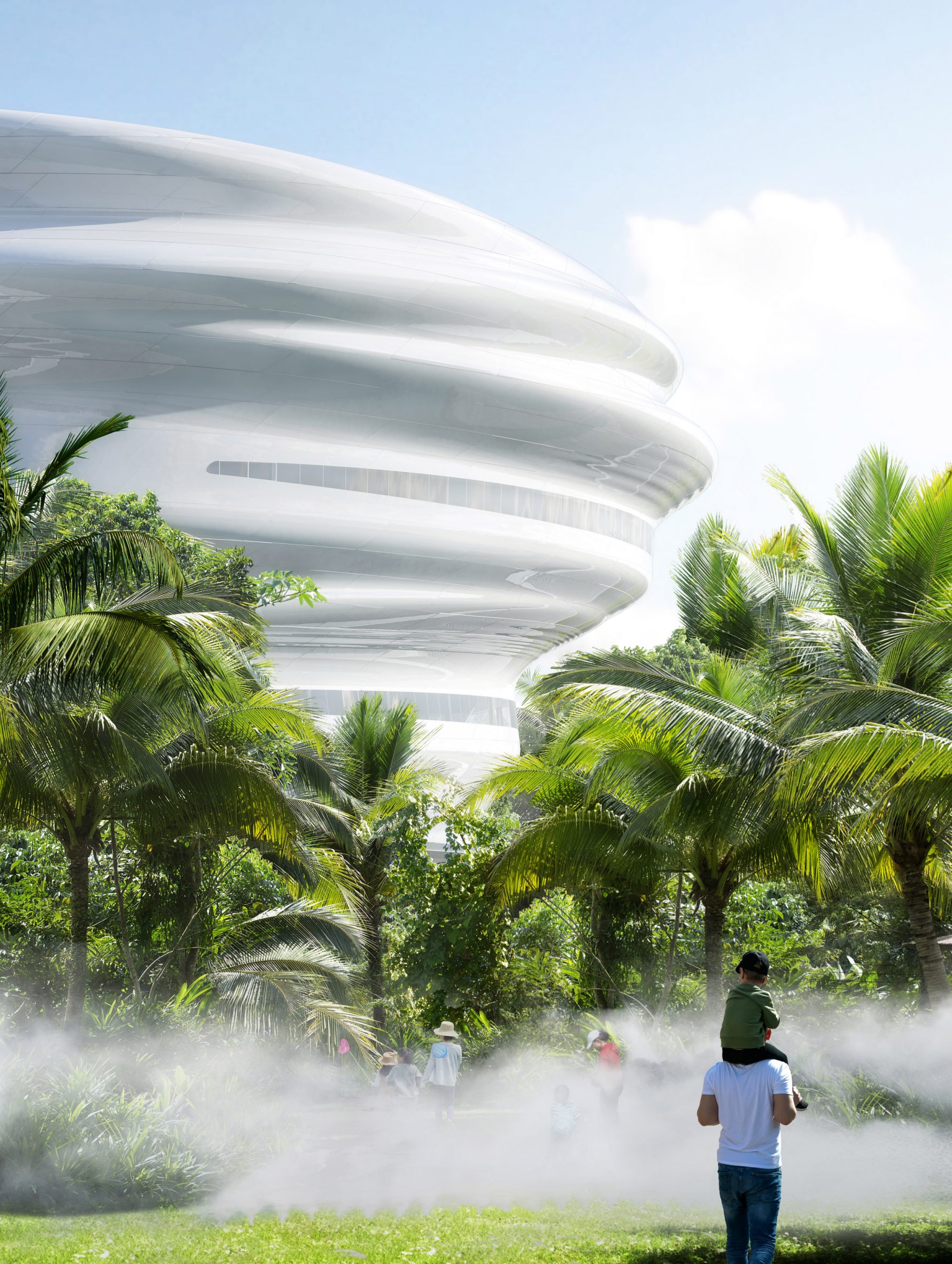
"Set against the backdrop of a rich tropical rainforest, the museum's main pavilion is shaped like a cloud in dialogue with nature," it continued.

"From a distance, the futuristic building appears to emerge from the city, while visitors entering in the museum area witness it floating above the jungle."

A visual of a sunken plaza
A number of outdoor spaces are incorporated into the design

The building's futuristic cloud-like aesthetic will be achieved by MAD by using silvery fibre-reinforced plastic across its exterior.

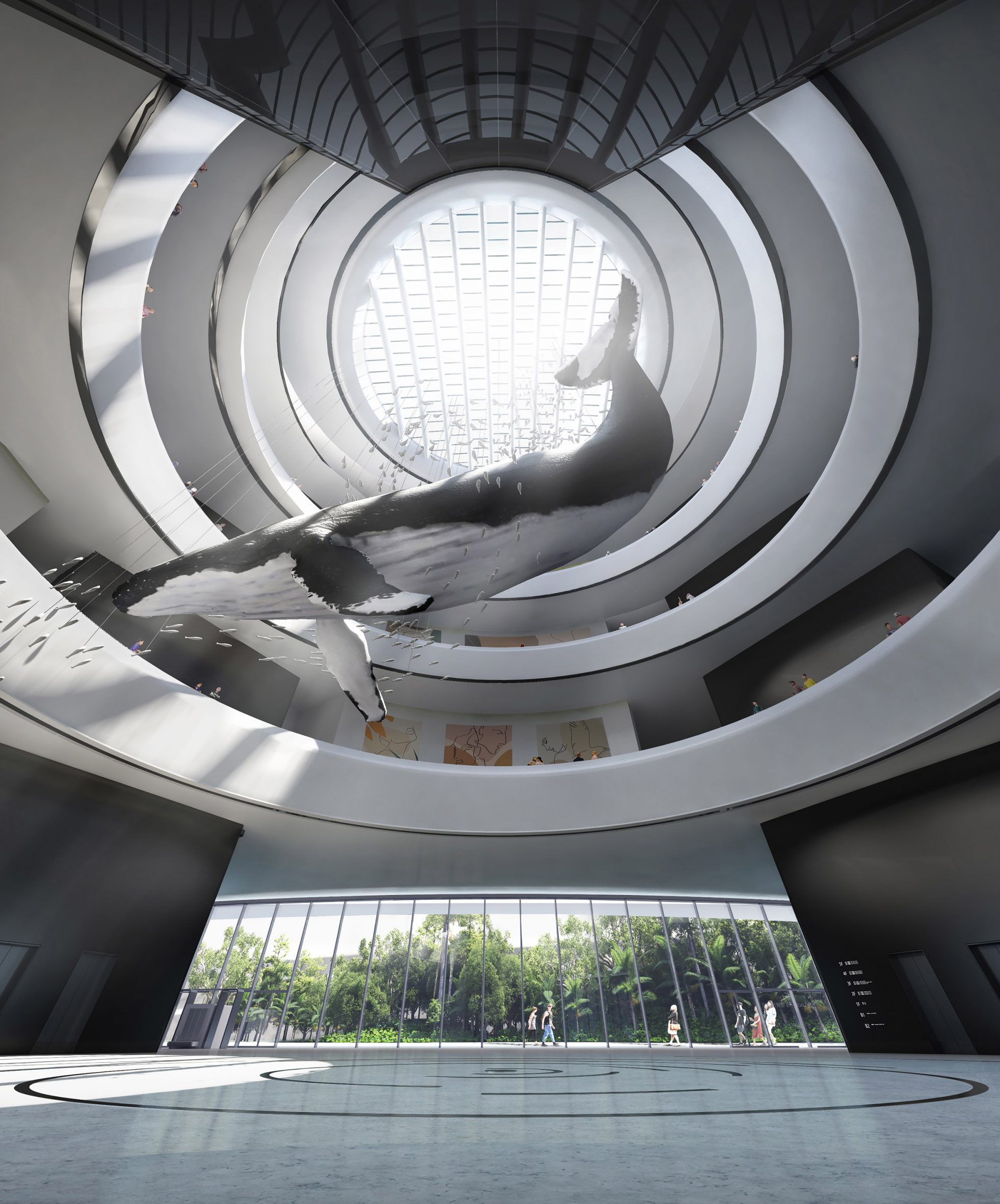
It will have a top-heavy form, planned around a large central atrium with a domed skylight and bounded by three floor-to-ceiling elevator cores.

A visual of Hainan Science and Technology Museum
A reflective pool will feature outside

Over half of the building's footprint will be dedicated to facilities above ground. The remaining 18,746 square metres of the building will be contained in the basement.

Its main facilities will include permanent exhibition spaces as well as a planetarium, a theatre with a giant screen and a flying theatre – a type of simulator ride.

A visual of a museum atrium
The building is planned around a large atrium

A ramp that doubles as an exhibition space will play a key role in the building, ascending five floors around the atrium to connect all of the museum's facilities.

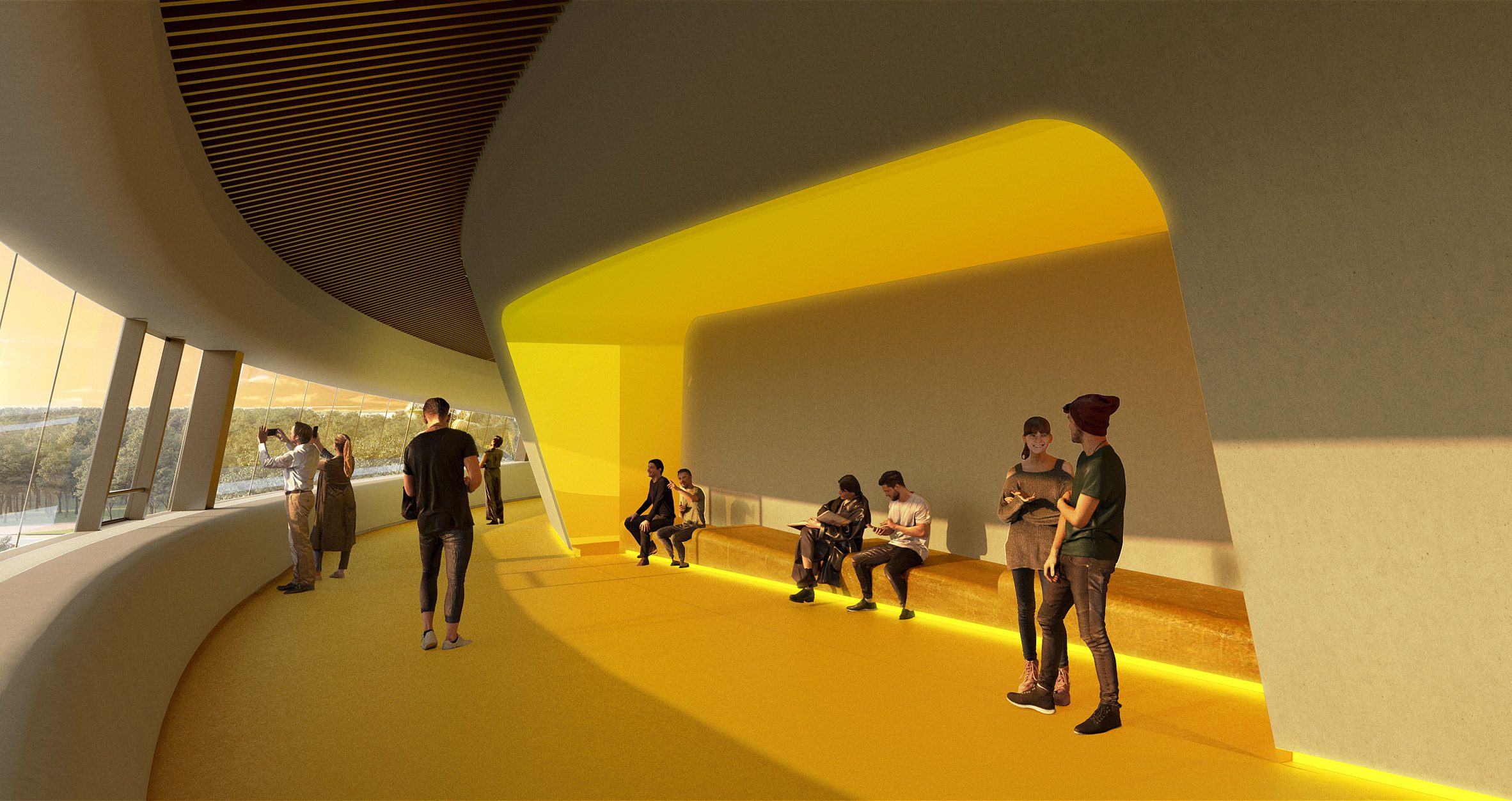
MAD has planned for the exhibition experience to begin on the fifth floor, where the elevators will bring visitors to a 360-degree viewing platform overlooking the sea and cityscape.

Visitors will then be invited to descend down the spiralling ramp into the other galleries, which will explore topics ranging from technology and space to life sciences and maths.

The second floor will contain an "interactive experience area" and a children's playground.

A viewing platform
The fifth floor will feature panoramic views

Outside, the building will be complete with a canopy that will unwind and project out from the main pavilion in all directions to offer shelter from the city's humid and rainy climate.

There will also be various outdoor public spaces, including a sunken plaza and reflective pool, intended as areas for relaxation.

A gallery dedicated to space
Some exhibitions will be dedicated to space

MAD was founded by Yansong in Beijing in 2004 by Yansong. It now has offices in Los Angeles, New York and Rome. Elsewhere in China, it is currently developing a multi-purpose cultural centre that was also designed to resemble a floating cloud.

Clouds have proven to be a popular reference for many recent architecture projects in China. SANAA also recently designed a museum in Shenzhen modelled on "clouds emerging from the sea", while Gad Line+ Studio designed a pavilion in Shangdong to mimic "a floating cloud hovering in the mountains".


Project credits:

Architect: MAD
Principal partners: Ma Yansong, Dang Qun, Yosuke Hayano
Associate partners: Kin Li, Fu Changrui, Tiffany Dahlen
Design team: Wang Yiding, Reem Mosleh, Sun Feifei, Alan Rodríguez Carrillo, Rozita Kashirtseva, Wu Qiaoling, Edgar Navarrete, Zhu Yuhao, Zheng Chengwen, Zhang Yaohui, Li Hui, Yang Xuebing, Dayie Wu, Zhou Haimeng, Lim Zi Han, Yin Jianfeng, Guo Xuan
Client: Hainan Association for Science and Technology
Client representative: Haikou Urban Construction Group Co.,Ltd
Executive architects: China Construction Design International (CCDI)
Facade consultant: RFR Shanghai
Landscape consultant: Earthasia Design Group
Interior design consultant: China Construction Design International (CCDI)
Lighting consultant: Beijing Sign Lighting Industry Group
Signage consultant: China Construction Design International (CCDI)
Exhibition consultant: Tongji Architectural Design (Group) Co., Ltd.

The post MAD designs white cloud-like science museum on Haikou coast appeared first on Dezeen.


from Dezeen https://ift.tt/3xUbRnr

Ismail Solehudin Architecture builds bright red Indonesian boarding house

Exterior of Stack by Step Red Zone Boarding House by Ismail Solehudin Architecture

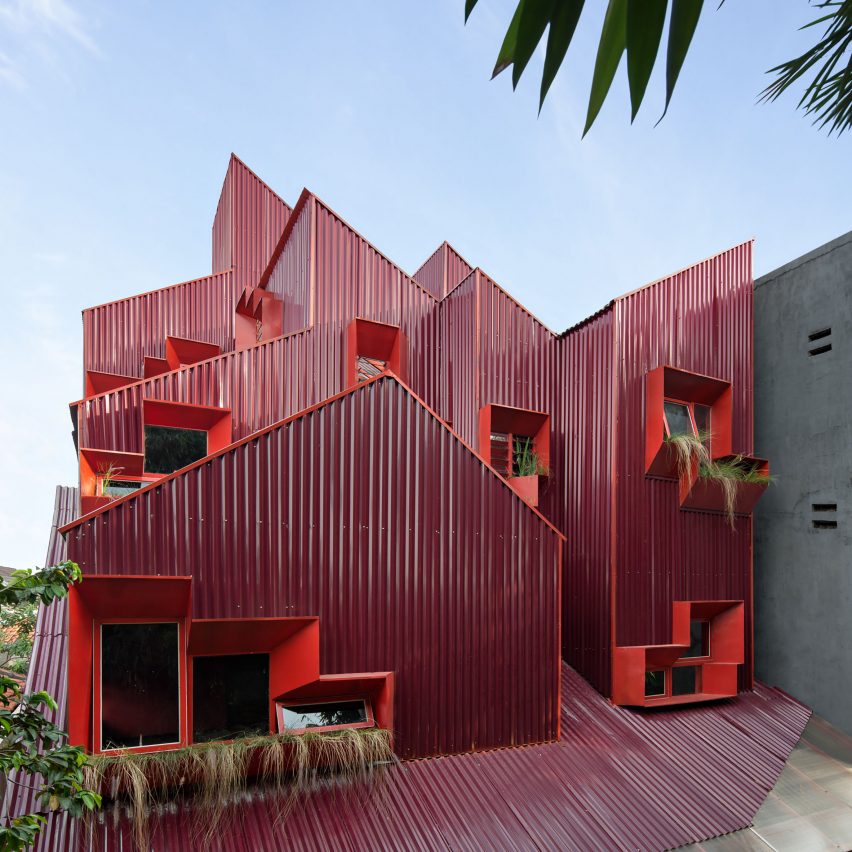
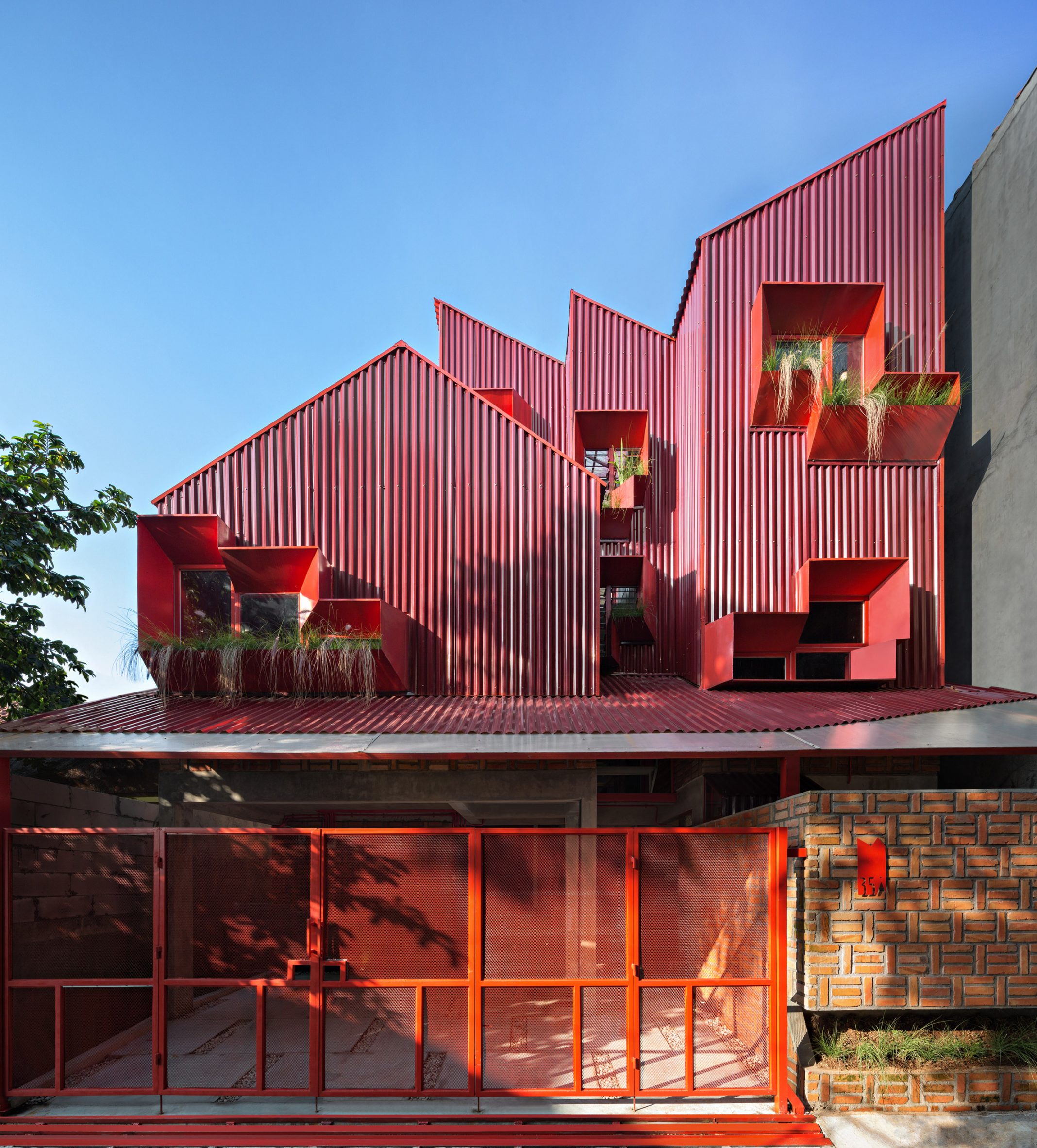
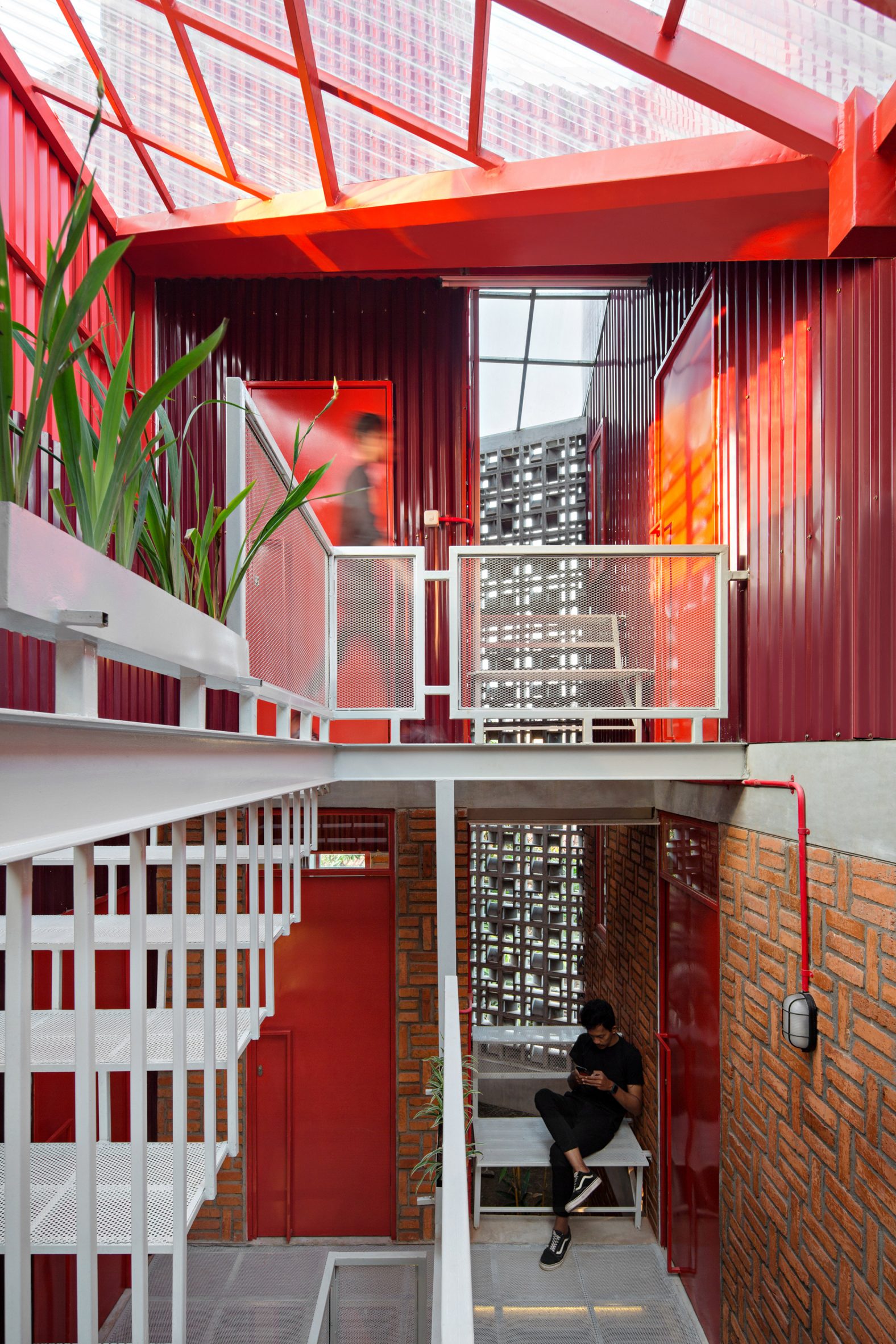
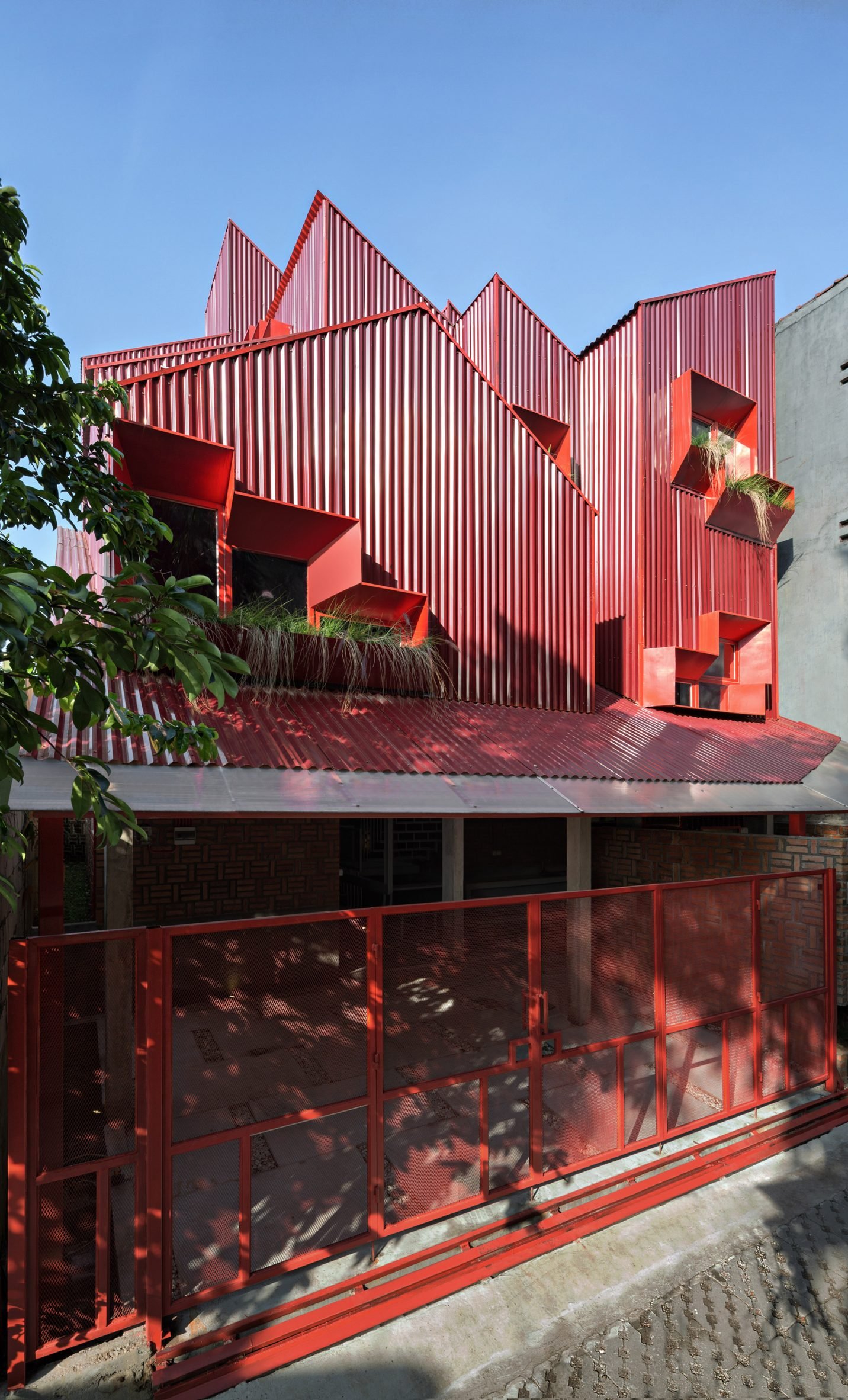
Ismail Solehudin Architecture has designed a red metal and brick boarding house in Indonesia where the stairs serve as both a corridor and a light-filled social space.

Titled the Stack By Step Red Zone Boarding House, the building was designed for a small block in the city of Bogor, West Java, necessitating a creative floor plan to squeeze in 11 dormitory rooms.

Exterior of red boarding house with shape of stacked houses
The Stack By Step Red Zone Boarding House is in a crowded urban area in Bogor, West Java

Ismail Solehudin Architecture's solution was to eschew the common style of having a single- or double-loaded corridor for a multiple-occupancy residence.

Instead, they focused on the stairwell as the one site of horizontal and vertical circulation between the units.

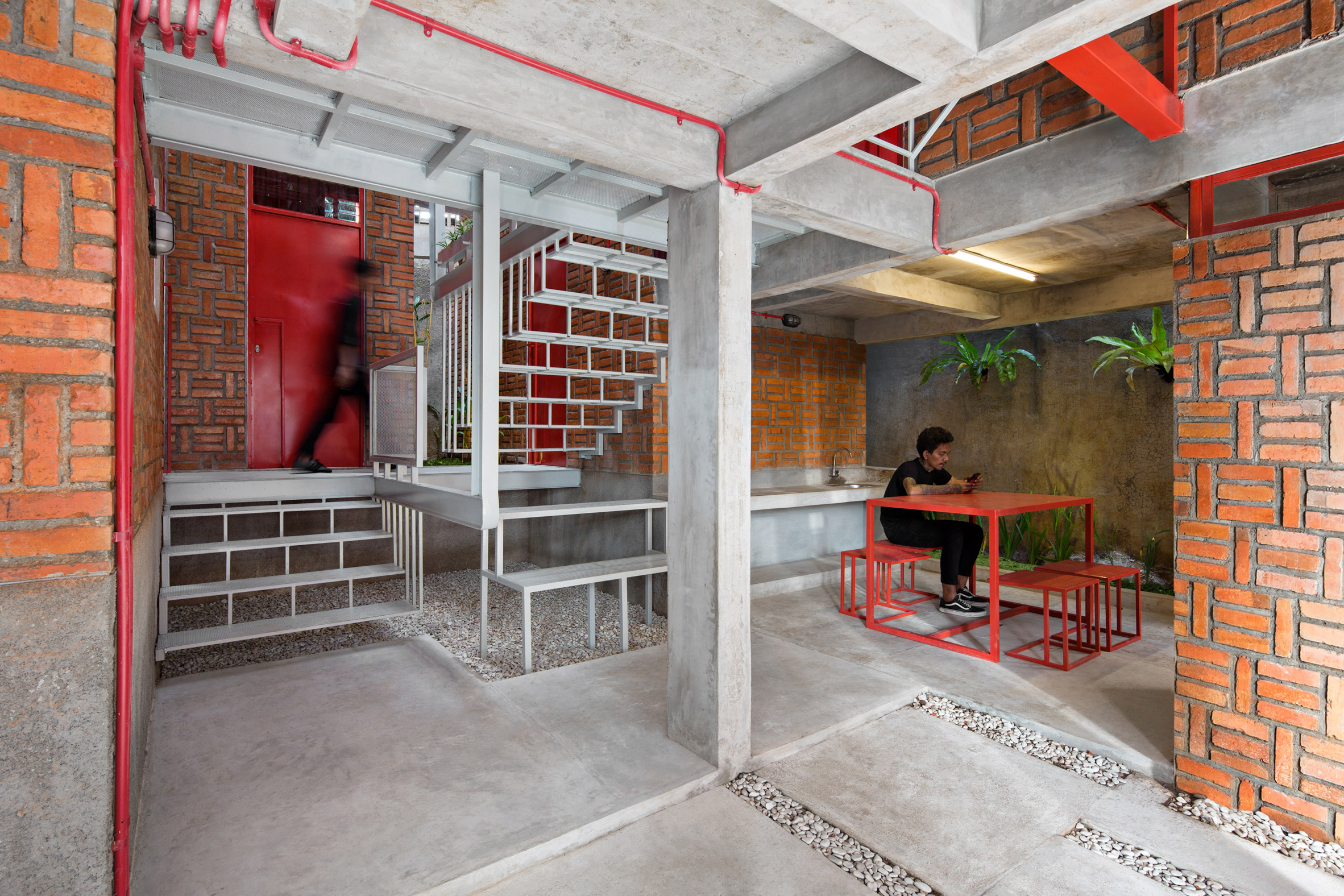
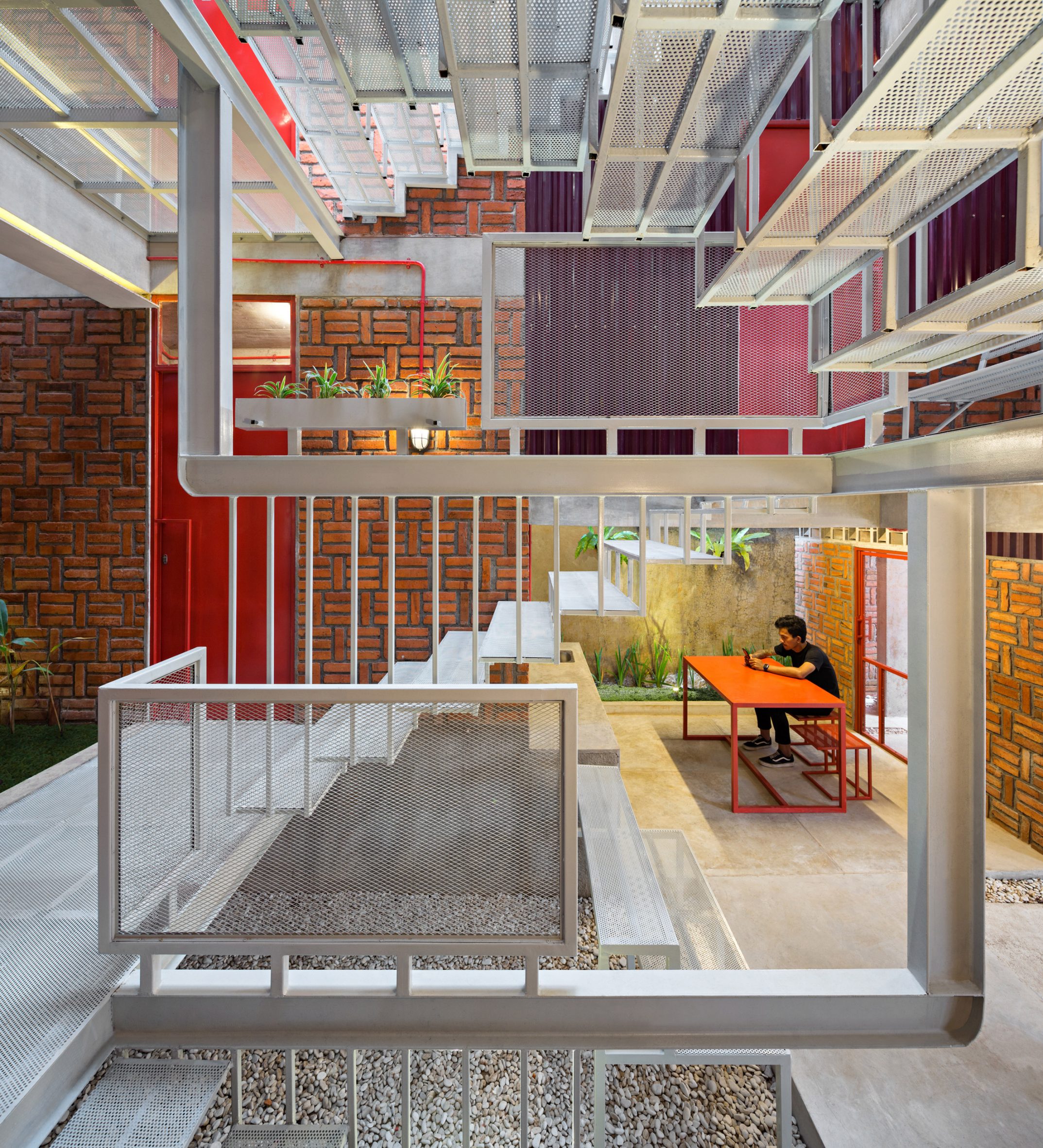
Resident sits at red table under a white metal staircase
The boarding house is structured around a communal staircase

"The advantage of the circulation system that we used, compared to boarding house or apartment designs that use a double-loaded corridor circulation system, is that this building has a smaller area with the same number of units," studio founder Ismail Solehudin told Dezeen.

The boarding house has 178 square metres of built area, incorporating the 10-metre-square rooms plus communal space, a parking area and a service area.

Resident sits on a bench in a nook on the white metal staircase while light comes through a transparent roof section
Perforated metal and transparent roof sections allow light to flood into the stair area

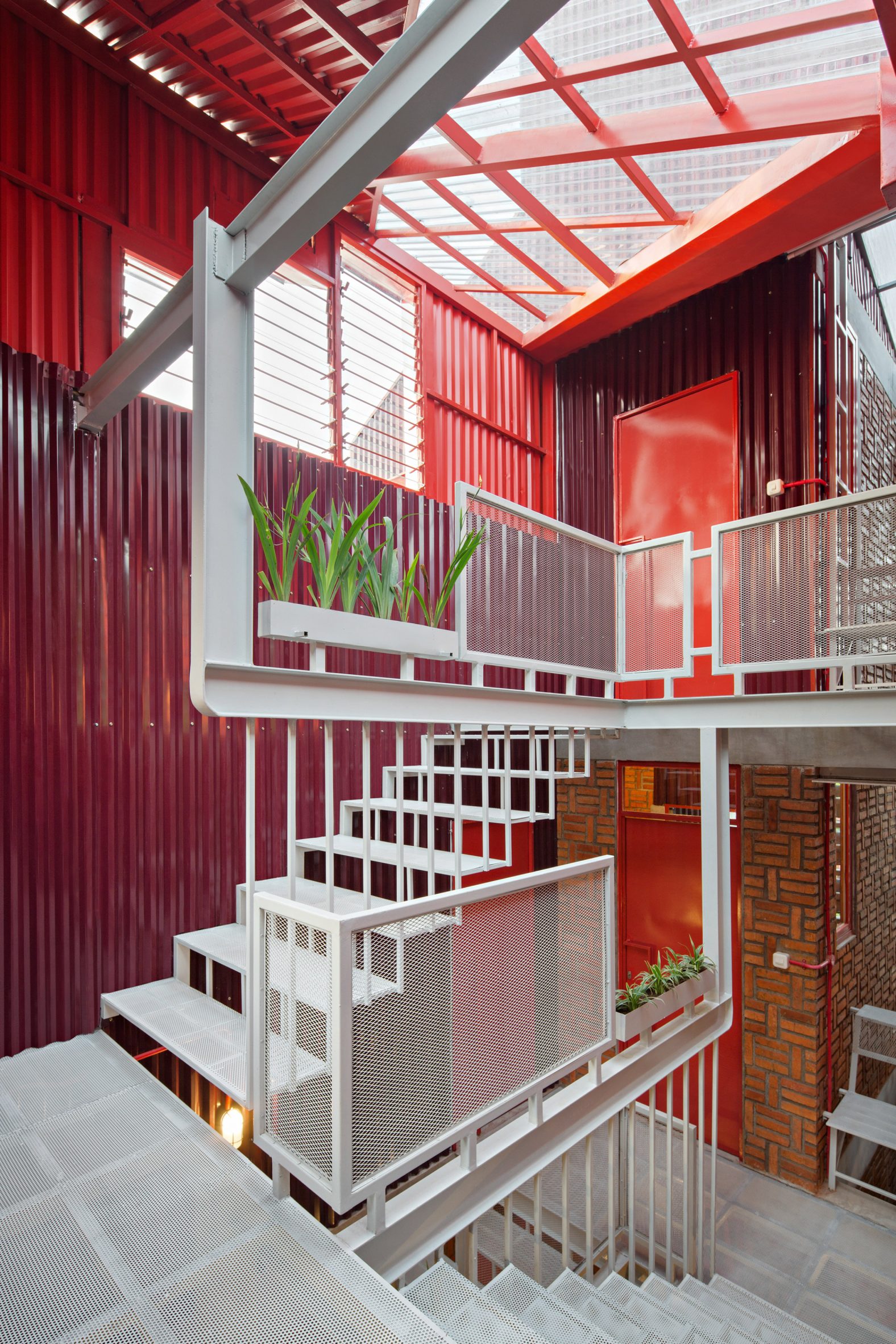
So the stairs would be an attractive social area, the architects turned them into a sculptural element using a suspended steel structure.

The perforated metal steps and skylights allows light to flood into the space.

The feature provides "an iconic and memorable experience for the residents", according to Solehudin, with nooks, tables and benches creating places to linger.

An additional architectural statement is the red-coloured facade, which the the studio chose for its intensity.

Ismail Solehudin Architecture's sculptural white metal staircase design
Ismail Solehudin Architecture came up with a sculptural white metal staircase design

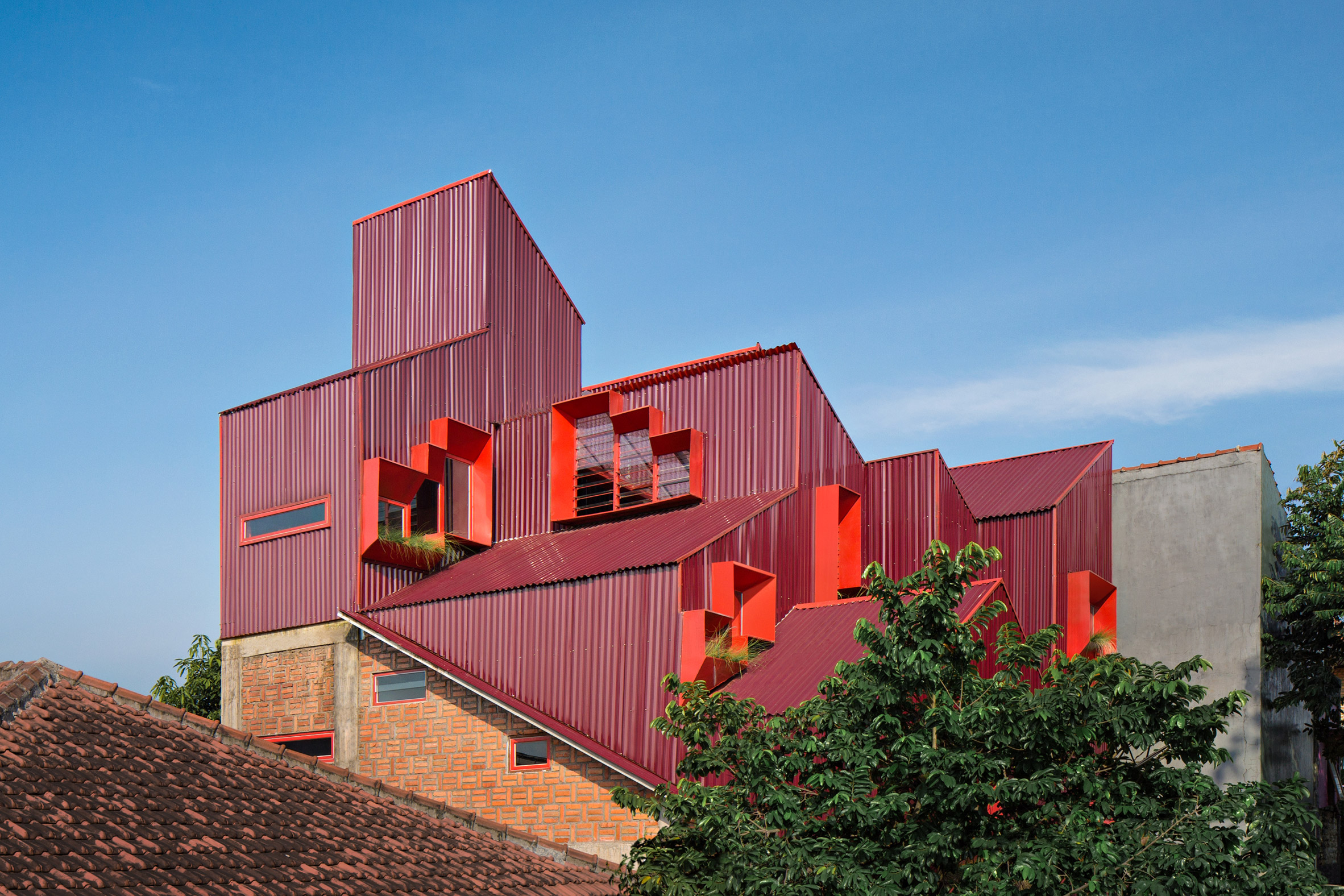
To reflect its function as a boarding house, the team also wanted the outside of the building to give the impression of a "cumulative stacked house" — an image that is enhanced by the fragmented sloping roof.

"The attractive shapes and contrasting colours of the environment make it look like a sculpture and its inhabitants seem to live in a sculpture," Solehudin said.

White sculptural staircase made of perforated steel
Brick, red metal and greenery provide contrasting textures

The roof design has the added benefit of suiting the tropical climate and potentially creating more air circulation inside of the building.

To further aid the flow of air, the building is set back on every side, creating a void between neighbouring structures.

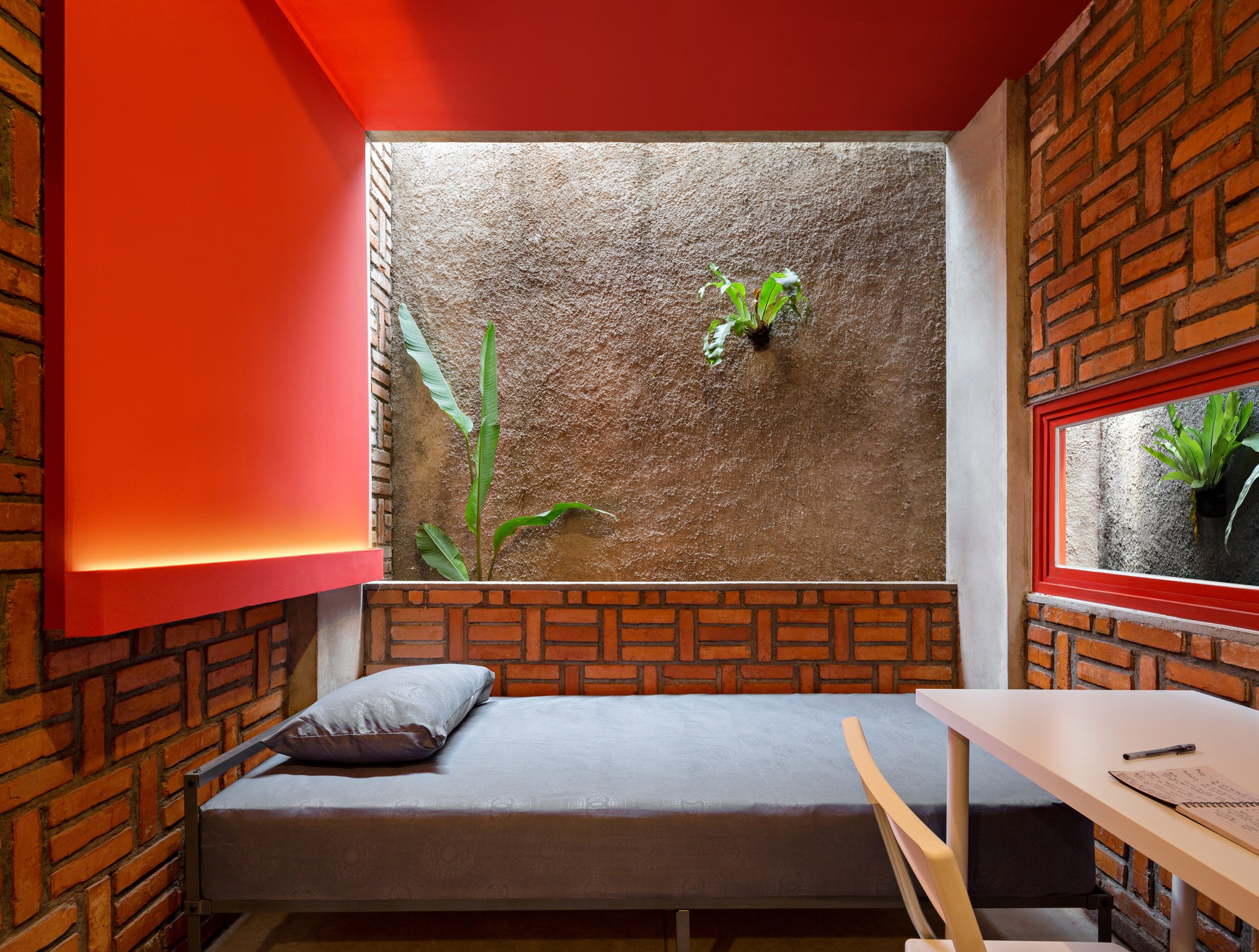
Dormitory room with walls showing a contrast of red paint, brickwork, concrete and greenery
There are 11 dormitory rooms with beds, desks, closets and en-suites

It has a concrete and steel structure, with exposed brickwork creating a textural contrast against the red metal walls. The facade and roof are Zincalume-coated steel, a material chosen for its lightness.

"Choosing lightweight roofs and walls is a strategy to reduce the load on the substructure, which can reduce the volume of concrete when compared to three-storey buildings with general materials," Solehudin said.

Exterior of red boarding house by Ismail Solehudin Architecture showing stacked volumes
The exterior of the building is meant to look like stacked houses

The exposed materials also minimise the need for maintenance, as they can be left to age naturally without repainting.

In addition to the stairs, the building has communal areas on its ground floor, in the empty space formed by pilotis. This is used by the residents as a parking area, laundry and pantry.

Red stacked boarding house volumes rise above the surrounding rooftops
The red colour was chosen for its vibrancy

Within each of the 10.3-square-metre rooms is a private bathroom and mini walk-in closet.

Stack By Step Red Zone Boarding House was completed in 2021. Other recent projects in Indonesia include Ramboll's series of earthquake-proof prototype houses made of bamboo on Lombok and AGo Architects' skinny house in South Jakarta.

The photography is by Mario Wibowo Photography and Andhi Prayitno.


Project credits

Principal architect: Ismail Solehudin
Assistant architect: Jamilah Uswah
Structural engineer: Setyadi Muztaba
Contractor: Wani Build
Project manager: Ali Yazid Bustomi
Site manager: Zaini Tamrin

The post Ismail Solehudin Architecture builds bright red Indonesian boarding house appeared first on Dezeen.


from Dezeen https://ift.tt/3jTgzg8

Dezeen Awards 2021 media longlist announced

Photo of Jameel Art Center by Shoayb Khattab

The longlist for the Dezeen Awards 2021 media categories has been revealed, with 105 projects selected across five newly introduced media categories.

All longlisted projects are listed below, each with a link to a dedicated page on the Dezeen Awards website where you can find more information about each one.

All longlists announced this week

The media selection is the fifth and final Dezeen Awards 2021 longlist to be unveiled. The architecture longlist, interiors longlist, design longlist and studio longlist were published earlier this week.

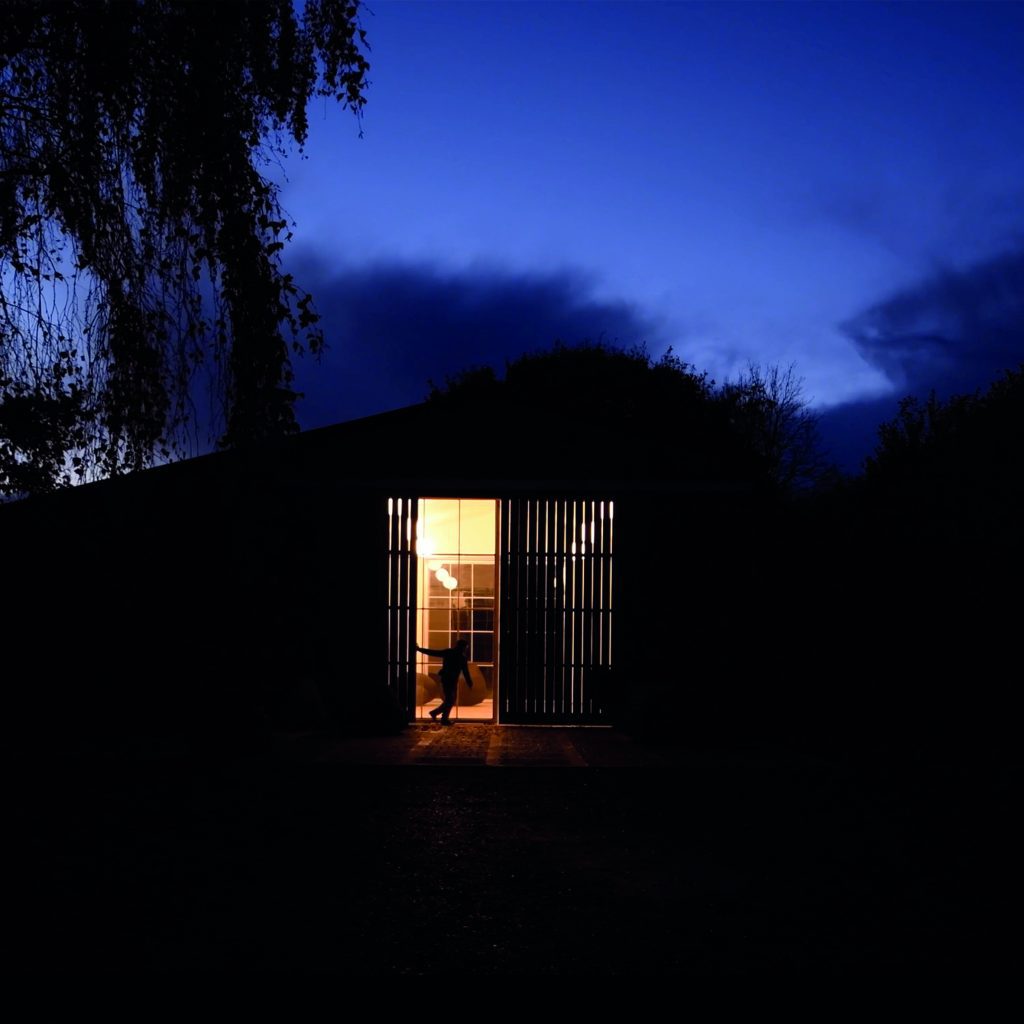
Photo of Maja Maja Cabin by Archmospheres
Photographs of Maja Maja Cabin by Archmospheres (above) and Jameel Art Center by Shoayb Khattab (top) are longlisted in the architecture photograph of the year category

Longlisted projects and studios have been selected from over 4,700 entries from 87 countries for the fourth edition of our awards programme, which celebrates the world's best architecture, interiors and design as well as studios and individuals producing the most outstanding work.

Shortlists to be unveiled in September

The next stage of Dezeen Awards 2021 will see all longlisted projects assessed by our panel of 75 industry-leading professionals including filmmaker Gary Hutwit, graphic and web designer Micha Weidmann and curator Priya Khanchandani.

The judges will determine which studios feature on the shortlists, which will be announced in September. A further round of judging by our master jury will determine the category winners, which will be announced in November.

Subscribe for updates

To receive regular updates about Dezeen Awards, including details of how to enter next year, subscribe to our newsletter.

See the full studio longlist below:


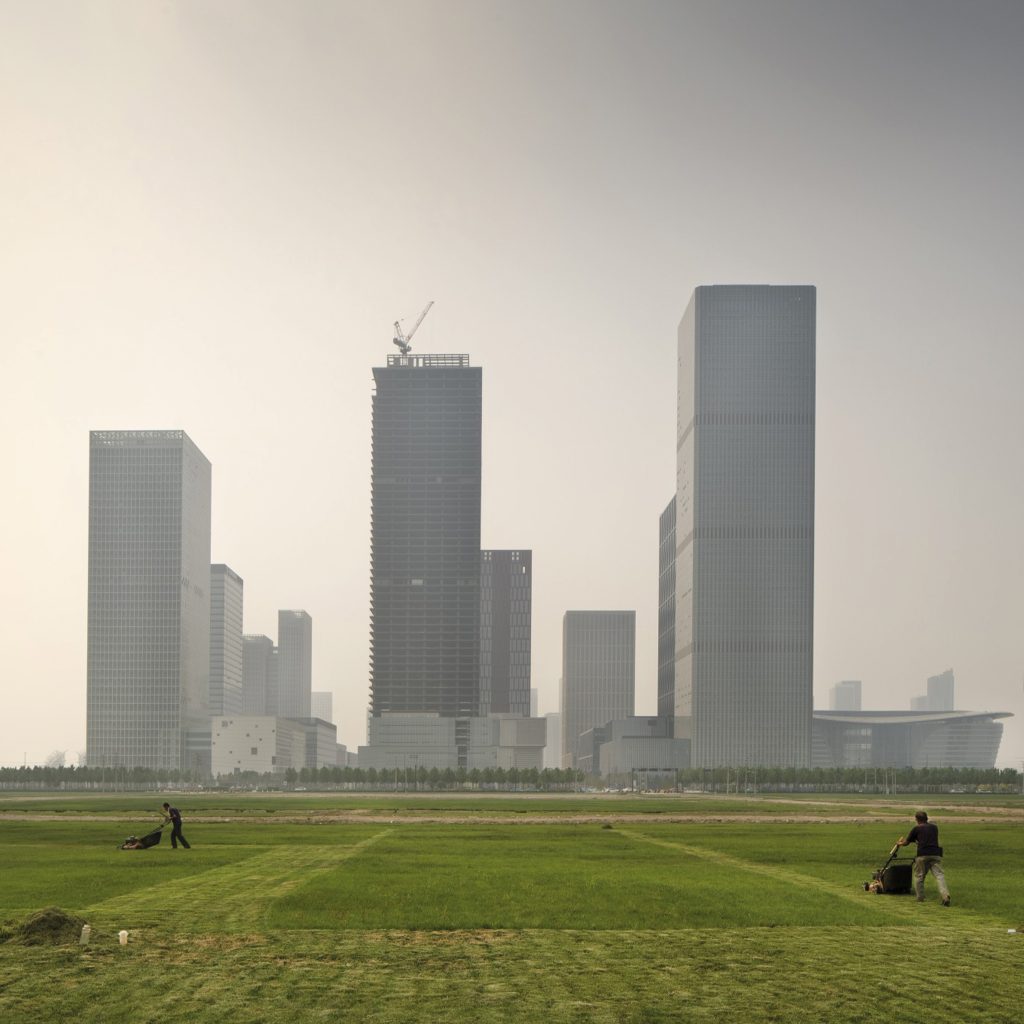
Photo of Yujiapu financial district by Nic Lehoux Photographie Architecturale
 Photograph of Yujiapu financial district by Nic Lehoux Photographie Architecturale is longlisted in the architecture photograph of the year category

Architecture photograph of the year

Architecture and Nature Aligned by Alex Nye Art
David Rubenstein Forum 0005 by Angie McMonigal Photography
Maja Maja Cabin by Archmospheres
Niliaitta by Archmospheres
Washing Turrell by Ayala Vargas Photography
The One by Ema Peter Photography
Bullyhill Residence by Feinknopf
Superhero by Giorgio Marafioti Photography
Shanghai 92 by HGEsch Photography
Beijing 71 by HGEsch Photography
Bouverie Apartments by Individual
Zheshui bookstore by King Studio
Dianjiang Bagu-Suji in Chongqing by King Studio
Imperial Kiln Museum in Jingdezhen by King Studio
(re)shaping cities (re)building beirut (1) by Laurian Ghinitoiu
(re)shaping cities (re)building beirut (2) by Laurian Ghinitoiu
Former Stables De Montel by Matteo Cirenei
Woman and child, Springdale Library, Brampton Canada, RDHA Architects 2019 by Nic Lehoux Photographie Architecturale
Yujiapu inancial district, Tianjin district China 2019 by Nic Lehoux Photographie Architecturale
Storm over the US Olympic and Paralympic Museum, Colorado Springs USA by Nic Lehoux Photographie Architecturale
Terlingua Night by Peter Molick Photography
Jameel Art Center by Shoayb Khattab
David Brownlow Theatre (Jonathan Tuckey Design) by Stephenson&
Dance Diagonal by Stephenson&
Shanghai Undressed by StudioSZ Photo

Browse all longlisted projects in the architecture photograph of the year category.


Still from the Art Barn video by Stephenson&
Art Barn by Stephenson& is longlisted in the architecture video of the year category

Architecture video of the year

Tadao Ando Conference Pavilion and Vitra campus by 9sekunden
Gigon/Guyer, Museum Kalkriese by 9sekunden
David Chipperfield Architects Museum of Modern Literature by 9sekunden
1 De Haro: A Case for Mass Timber by Alex Nye Art
Lipton House by Breadtruck Films
Rural Studio by Breadtruck Films
Brooks + Scarpa/storylines by Breadtruck Films
Connections by Breadtruck Films
The chapel by Breadtruck Films
Piazza Giardino by dapstudio/Elena Sacco and Paolo Danelli
Spot the dog by Foster + Partners
World Memorial to the Pandemic (A Space that Pays Tribute to Life and Nature) by Gómez Platero Architecture & Urbanism
Tadao Ando by HGEsch Photography
Sonica First Landings by Kingston Lafferty Design
55 Hudson Yards by Kohn Pedersen Fox Associates
Cycle and footbridge, Darmstadt, Germany by Lars Gruber Architekturfotografie
J S MM S M A by Laurian Ghinitoiu
The Stratford by Raftery and Lowe
Drawing Fields by Spirit of Space
Powerhouse by Spirit of Space
Art Barn by Stephenson&
ArchiPaper by Unique Vision Studio - Rafal Barnas
Rubik’s Cube House by William Scothern
Village Lounge, Shangcun by XIAZHI Pictures
Ziyi Jin's Studio by Ziyi Jin's Studio

Browse all longlisted projects in the architecture video of the year category.


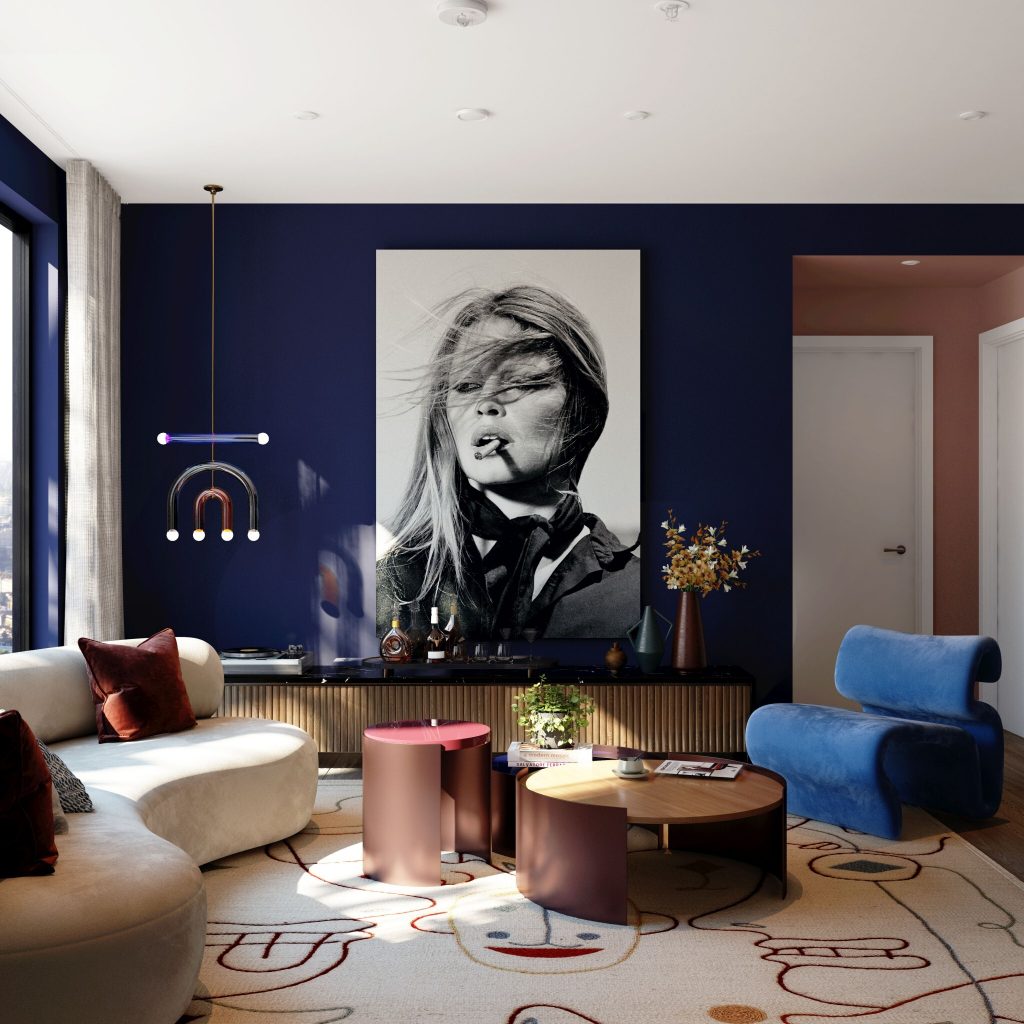
Visualisation of the Modern at Embassy Gardens by V1 for EcoWorld and Ballymore
The Modern at Embassy Gardens by V1 for EcoWorld and Ballymore is longlisted in the visualisation of the year category

Visualisation of the year

Platform by Albert Orozco
Remember To Breathe by Alexis C Studio for Facebook (Instagram @Design Department)
Above the clouds by Arqui9
Saudade by Atelier Poem
Peckham Rye Station by Flashforward
Como Terraces, Living by Gabriel Saunders for Sterling Global
The Goodtime Hotel, Bar by Gabriel Saunders for Dreamscape Companies
The 8th Continent by Lenka Petrakova
House O by Marek Wojciechowski Architects
The Mulberry Tree by Marek Wojciechowski Architects
Somewhere in the World by Mue Studio
Rockaway by Notion Workshop
The Abyss. Part I by Remote-controlled
Climbing Roses by Talk Carpet
Coastal Guardian by UHA for the Government of Turkey
The secret cave by UNISM for KDW Automobile
The Modern at Embassy Gardens (1) by V1 for EcoWorld and Ballymore
Landmark Pinnacle by V1 for Chalegrove Properties
London City Island Townhouse by V1 for EcoWorld and Ballymore
Liberty Gardens by V1 for Trust Real Estate
In Mountains by Yousee for Imagined project

Browse all longlisted projects in the visualisation of the year category.


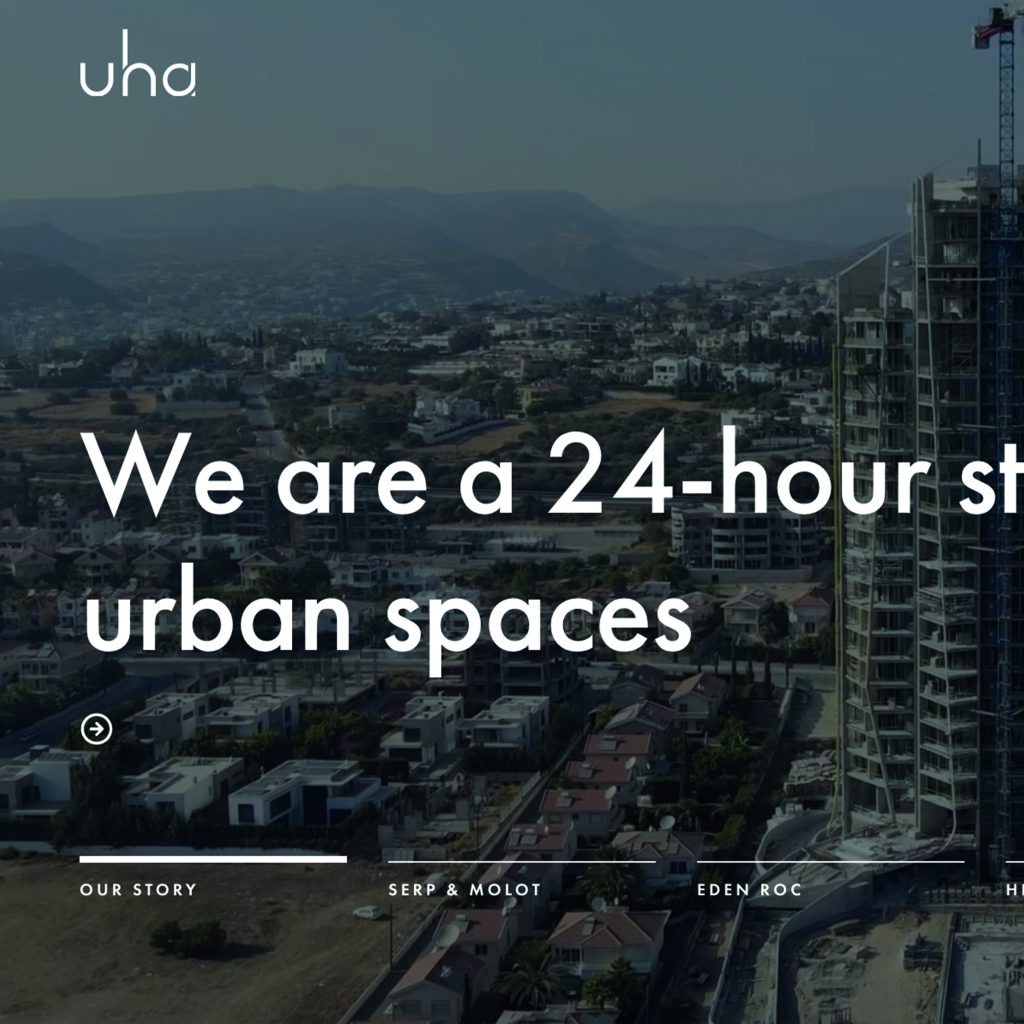
UHA is longlisted in the website of the year category for architecture, interiors and design

Website of the year – architecture, interiors and design

Asap/Adam Sokol Architecture Practice by Adam Sokol
CUSP by CUSP
Matthew Fisher by CUSP
A Designer At Heart by Recur Studio and Pixed
Facility Brand by Facility Brand Design, Analog Pixel and Matt Corley
Phantom Design Studio by Lab21 and Phantom Design Studio
Polygon by ED
Orange Architects by Enchilada and PMS72
Woods Bagot by ERA-Co and Woods Bagot
Splinterworks by Kerve
Lab21 by Lab21
Penson by Penson
dRMM by Rabbit Hole
Rafael de Cárdenas/Architecture at Large by Rafael de Cárdenas
Run For The Hills by Run For The Hills
Samuel Day by Samuel Day
Sean Fairman Design Studio by Sean Fairman Design Studio
UHA by UHA
Universal Favourite by Universal Favourite Private
Periscope by Villalba Lawson/United Forms
Wyer & Co. by Wyer & Co.

Browse all longlisted projects in the website of the year – architecture, interiors and design category.


Notorious Nooch Co. by Wildish & Co is longlisted in the website of the year category for brands

Website of the year – brands

Architextures by Architextures
Breadtruck Films by Breadtruck Films
Build in Amsterdam by Build in Amsterdam
Caesarstone US by Caesarstone US
Carolin Stone Jewellery by Carolin Stone Jewellery
Acquabella by Construplas
Schüco International by D'art Design Gruppe
FEST by FEST
Molten Corporation by Garden Eight
DDD Hotel by Garden Eight
FIL by Garden Eight
Iron Velvet by Iron Velvet SAS
Light And You by Light And You Private
Linka News by Linka News
Manta North by Manta North
Mmcité a.s. by Mmcité a.s.
Muuto by Muuto
The Towers of the Waldorf Astoria by Noë and Associates
Plant Designs by Plant Designs
Miscellany by Run For The Hills
Shakúff by Shakuff – Bespoke Lighting Solutions
Notorious Nooch Co. by Wildish & Co

Browse all longlisted projects in the website of the year – brands category.

The post Dezeen Awards 2021 media longlist announced appeared first on Dezeen.


from Dezeen https://ift.tt/3Azoiq8