Sunday, 15 August 2021

Studio Avoid designs Grotto Retreat Xiyaotou to evoke ancient cave dwellings

Grotto Retreat Xiyaotou by AVOID

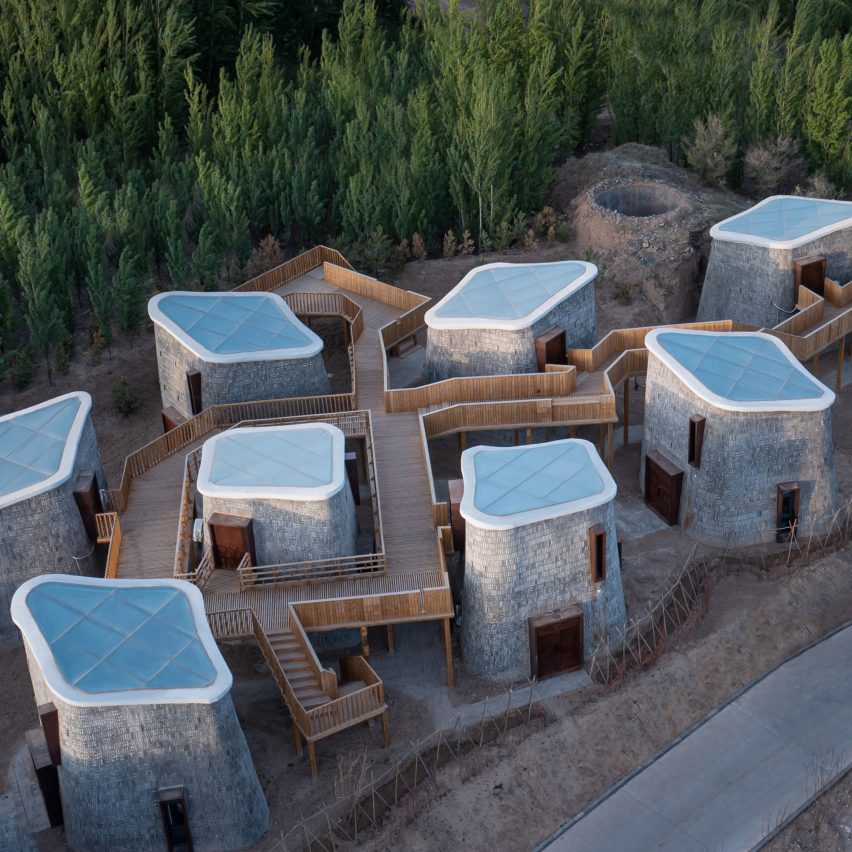
Studio Avoid has completed a retreat in China's Hebei province comprising a series of cave-like brick-clad pods connected by a raised walkway.

The village of Xiyaotou in the Zhangjiakou prefecture contains a network of traditional cave dwellings, which provided the inspiration for the interconnected vertical pods forming the Grotto Retreat Xiyaotou.

Brick-clad pods connected by wooden walkway in Grotto Retreat Xiyaotou
Grotto Retreat Xiyaotou consists of interconnected vertical pods (top and above)

"The design concept starts with the radical difference between the rural and urban interpersonal networks," said Macau-based Studio Avoid, "and reinterprets the native cave dwellings of the site as vertical 'grottos'."

"By flowing the bridge of connectivity in between the private grottos, the design attempts to realise a community in which public and private coexist."

Wooden walkway leading to four vertical pods by AVOID Studio
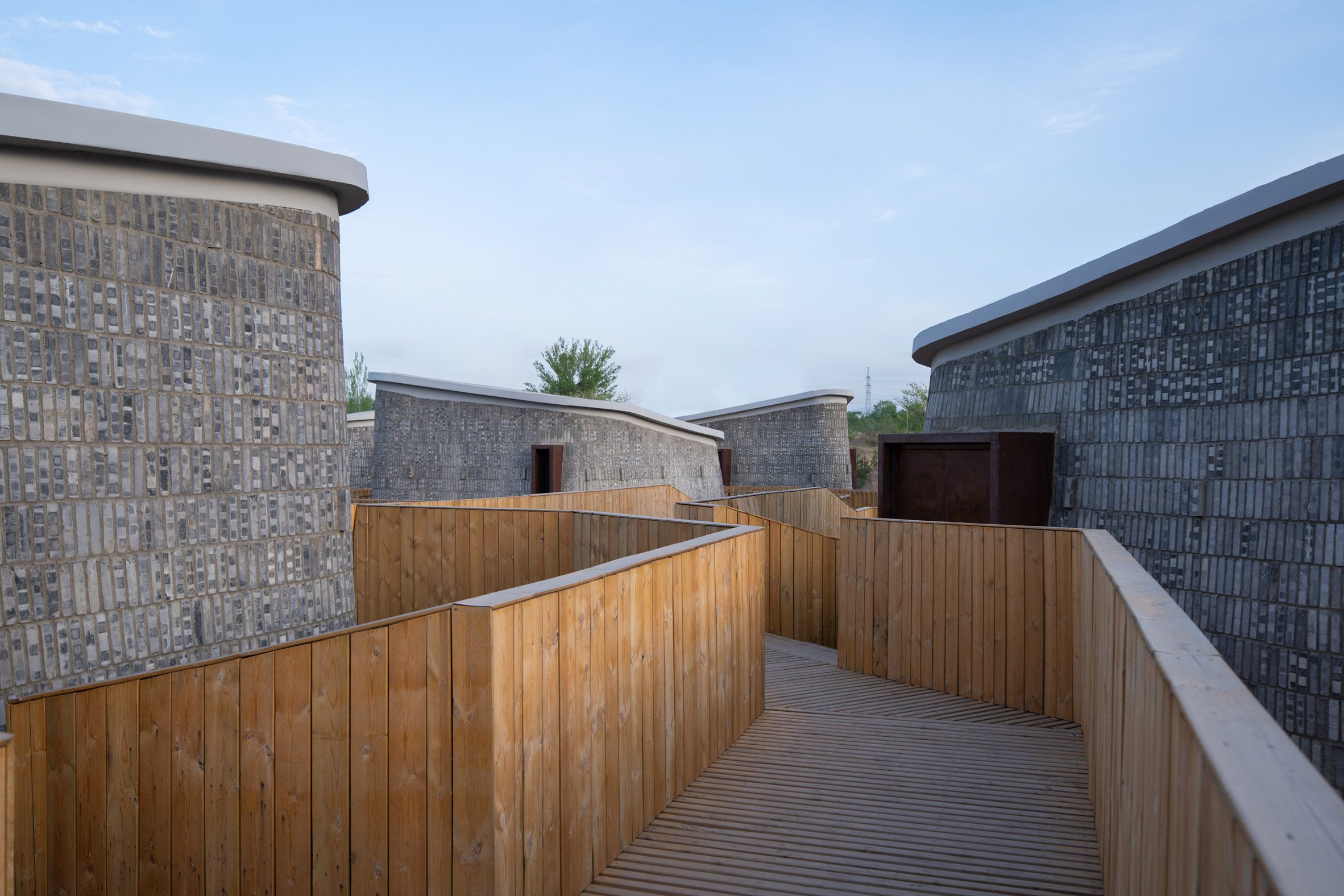
The individual cabins are connected via an elevated walkway

The hostel's pods are arranged according to a four-by-six-metre grid based on the length-to-width ratio of the original cave houses. Their seemingly irregular placement and organic forms complement the natural properties of the surroundings.

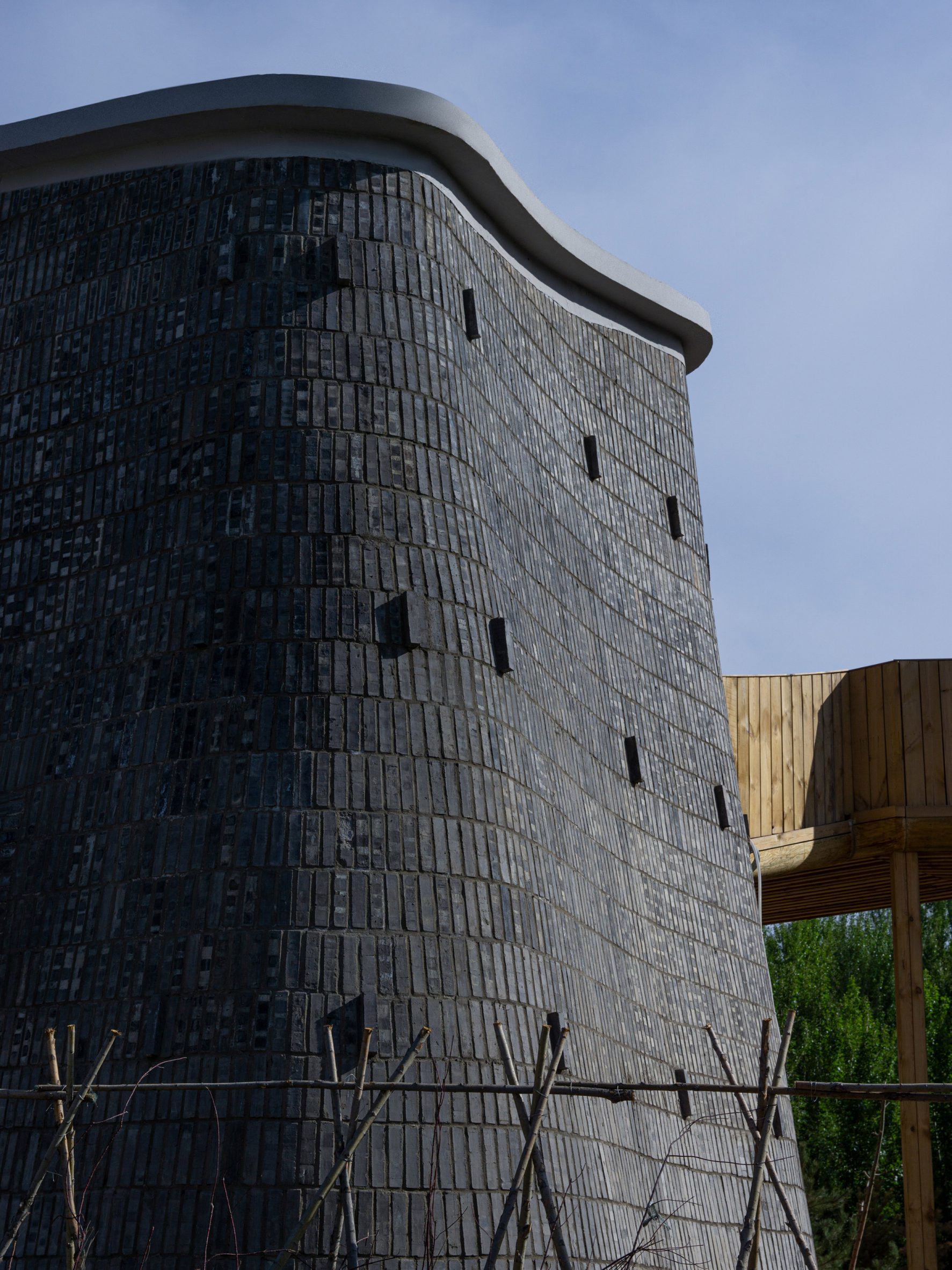
Each unit rises to a height of seven metres and features curving walls made from a double layer of grey brick.

Vertical pod clad in dark grey bricks in Grotto Retreat Xiyaotou
Each of the seven-metre-high pods is glad in dark grey bricks

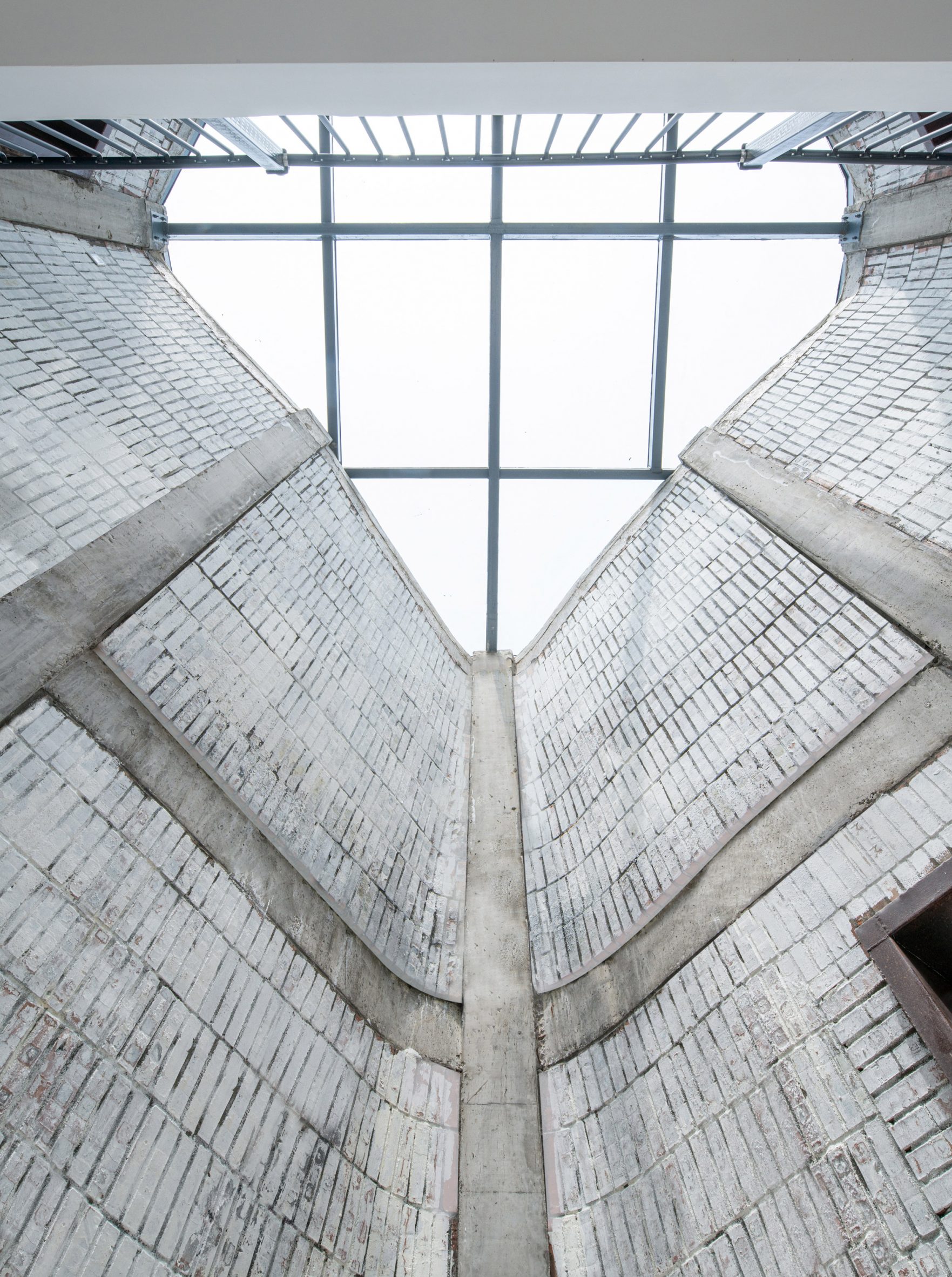
The pods are topped with large skylights that enhance the verticality of the spaces by drawing the eye upwards, while also allowing sunlight to warm the interiors.

The double-layered brick walls help to retain warmth during the colder months, while the shape of the structures and the position of windows creates a chimney effect to help discharge heat in the summer.

Person standing below wooden walkway connecting brick pods by Studio AVOID
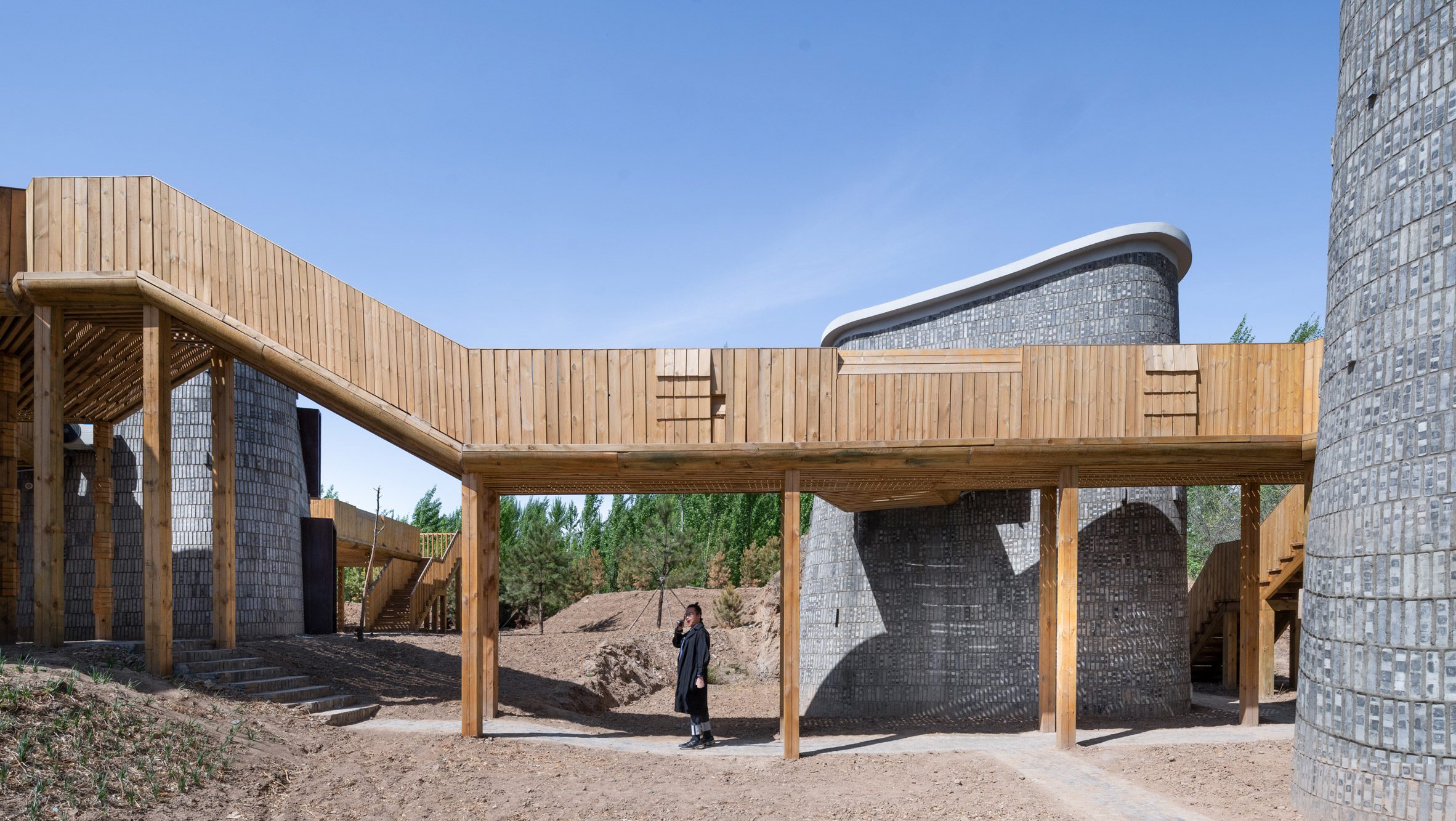
The bridge connecting the pods provides views across the landscape

Openings scattered across the surfaces of the accommodation units emphasise their irregular forms. These doors and windows feature pre-weathered steel reveals, chosen to complement the naturally patinated material palette.

Bricks that protrude from the elevations at certain points mark the position where the bricklayers' scaffolding was supported during the construction phase.

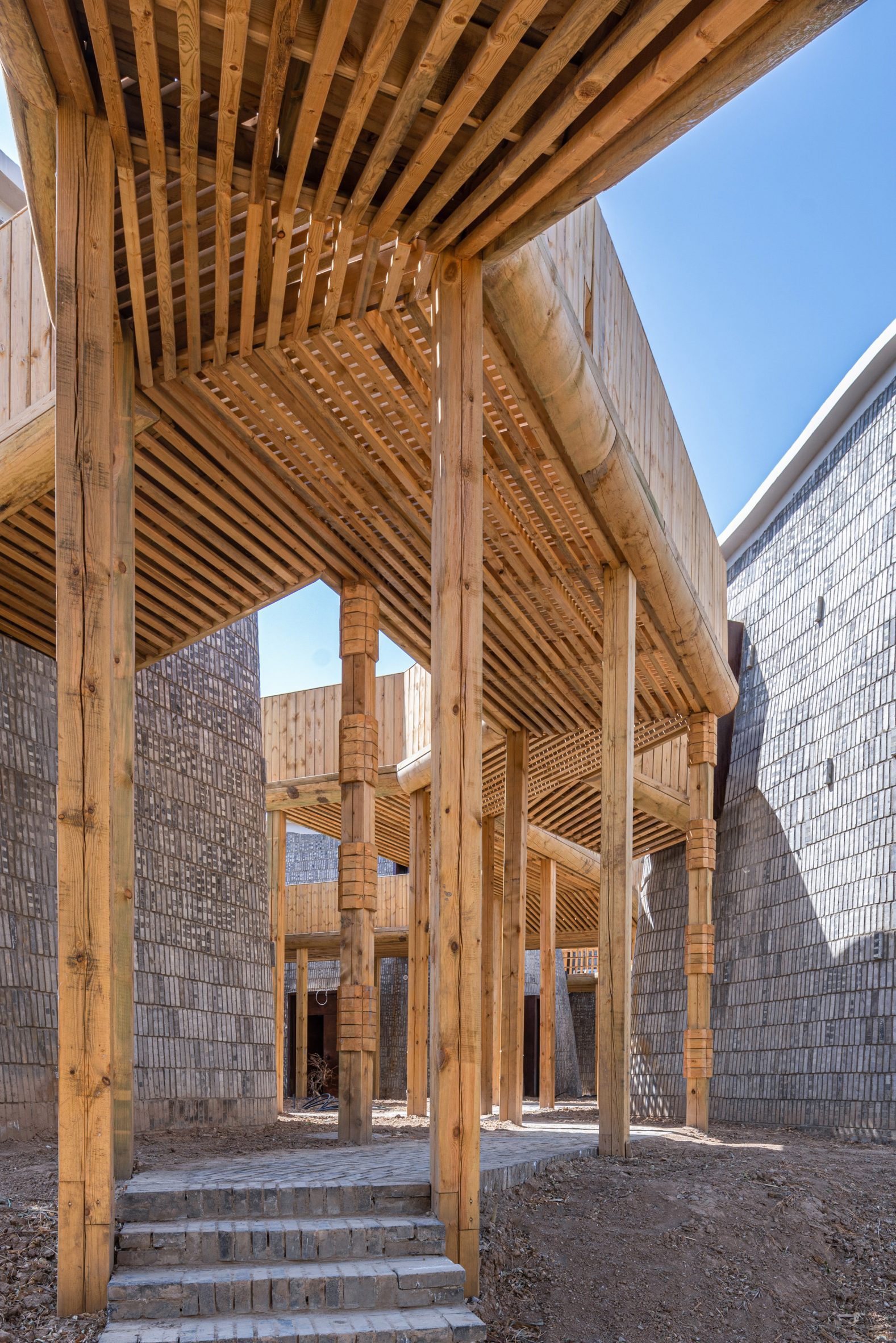
A wooden bridge structure raised above the ground on pine columns weaves between the pods and connects the entrances at first-floor level.

The elevated walkway provides views across the landscape and, along with the void between the accommodation pods, can be used as a space for hosting workshops, markets or exhibitions.

Worm's eye view of wooden walkway connecting buildings designed by Studio AVOID
It is supported by carved pine columns

The hostel was developed as part of a programme aimed at revitalising rural villages in China that have been affected by migration to newer residential areas.

The programme supports the redevelopment of abandoned villages by transforming them into hubs providing accommodation, local cuisine and activities for visitors.

Brick-clad interior lightwell in pods of Grotto Retreat Xiyaotou
Lightwells help to funnel sunlight into the interior

Grotto Retreat Xiyaotou's separation into a cluster of individual units means the programme could be adapted in the future according to the community's evolving requirements.

Other recent projects in rural China include a lantern-like artwork by MAD founder Ma Yansong and a group of shingle-clad pods nested in a forest.

Photography is by Guo Zhe.

The post Studio Avoid designs Grotto Retreat Xiyaotou to evoke ancient cave dwellings appeared first on Dezeen.


from Dezeen https://ift.tt/3xRlgvI

Ten interiors with Mediterranean-style statement tiling

Barcelona apartment renovation by Narch revealing mosaic floors

For our latest lookbook, we have collected ten examples from the Dezeen archive of interiors where vibrant, patterned tiles take centre stage.

Often seen in southern European countries such as Spain and Italy, patterned ceramic or encaustic tiles can be used to create striking decorations for floors and walls.

Durable and easy to clean, in warmer climates tiles can even function as a decorative alternative to rugs, as seen in these ten projects from Dezeen's archive.

This is the latest roundup in our Dezeen Lookbooks series providing visual inspiration for the home. Previous recent lookbooks have showcased broken-plan layouts and hotel bedrooms.


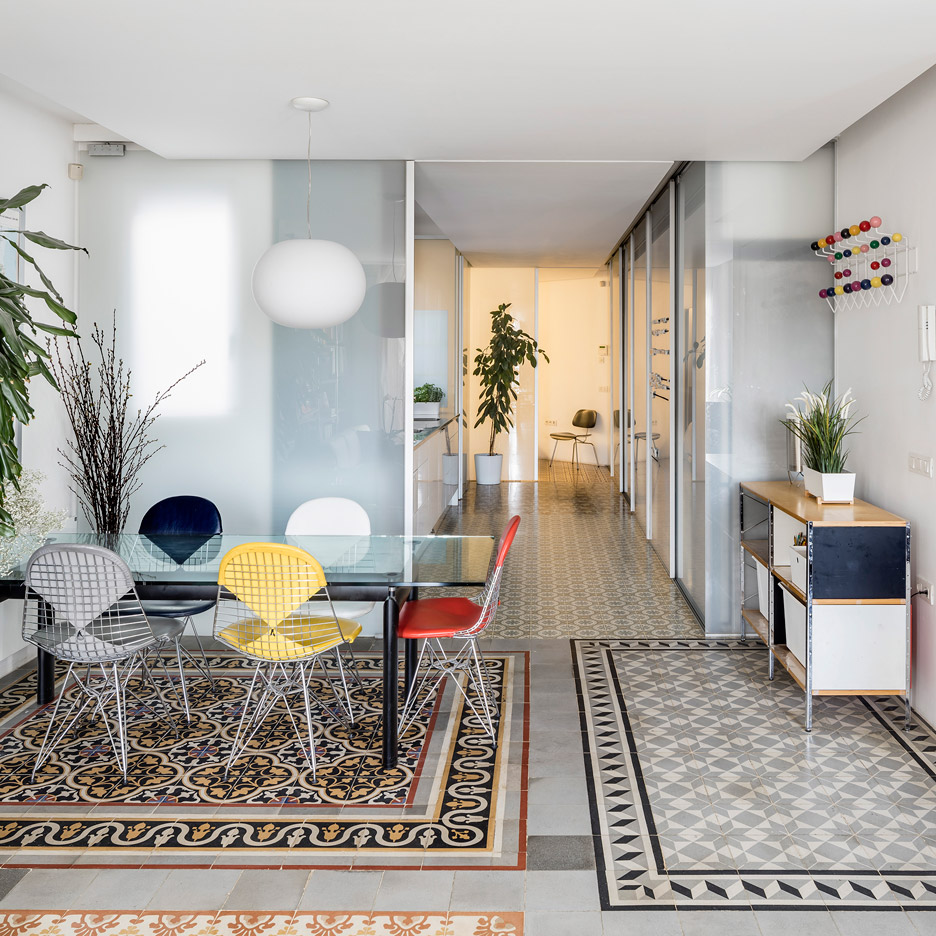
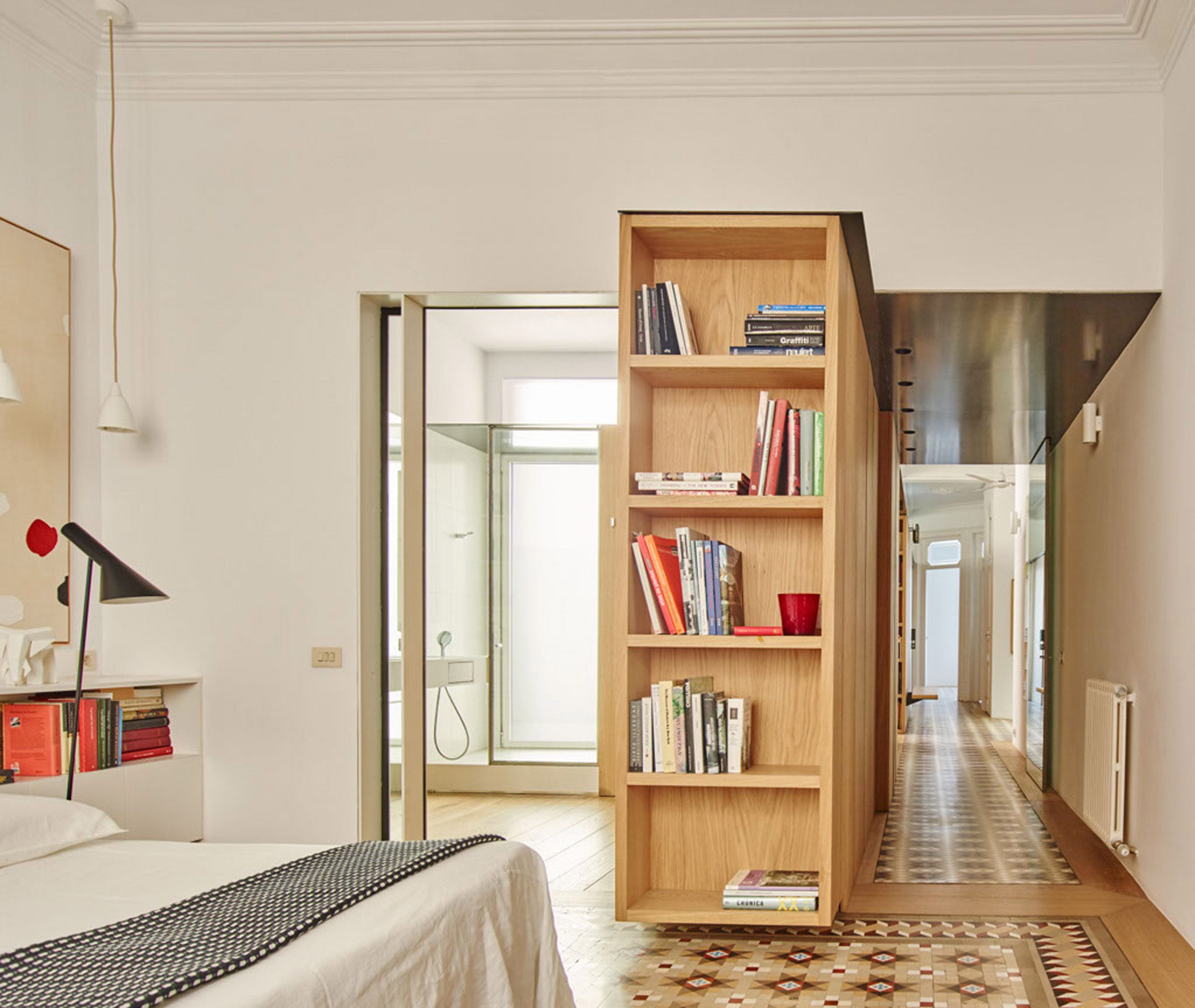
Barcelona apartment renovation by Narch revealing mosaic floors

Barcelona apartment, Spain, by Narch

Narch Architects removed a number of internal walls to create the interior for this apartment in Barcelona, shining a spotlight on its encaustic tile floors, which back to the 20th century.

Without the walls to mark the boundaries between the different rooms, the tiled floors, previously in separate rooms, now sit together to form rug-like floor decorations.

Find out more about Barcelona apartment ›


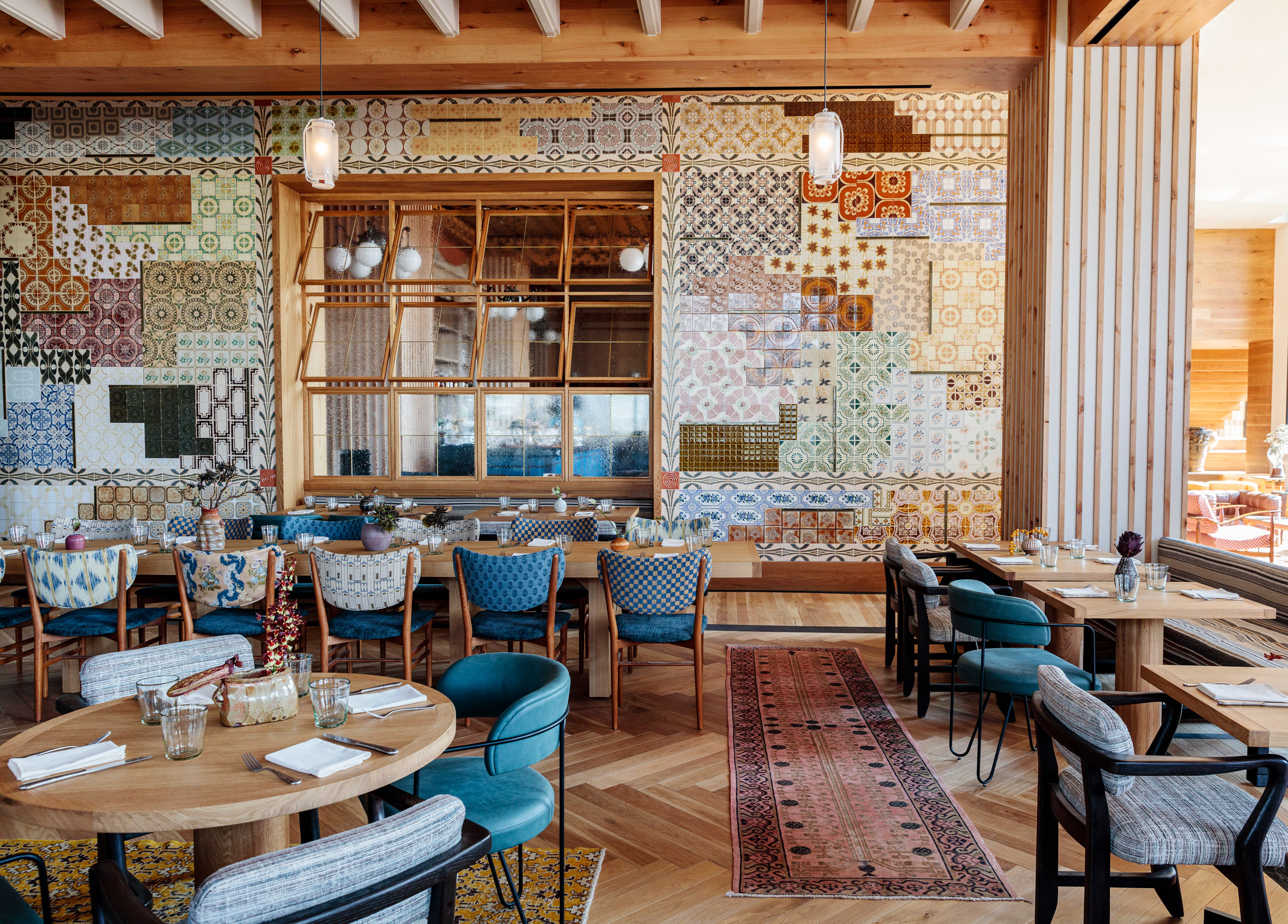
Austin Proper Hotel and Residence, US, by Kelly Wearstler

Kelly Werstler's warm interior design for this hotel in Austin, Texas features a wall clad in joyful Portuguese-style tiles.

Vintage rugs have been placed on the wooden floors, creating a vibrant pattern clash that adds to the hotel's bohemian vibe.

Find out more about Austin Proper Hotel and Residence ›


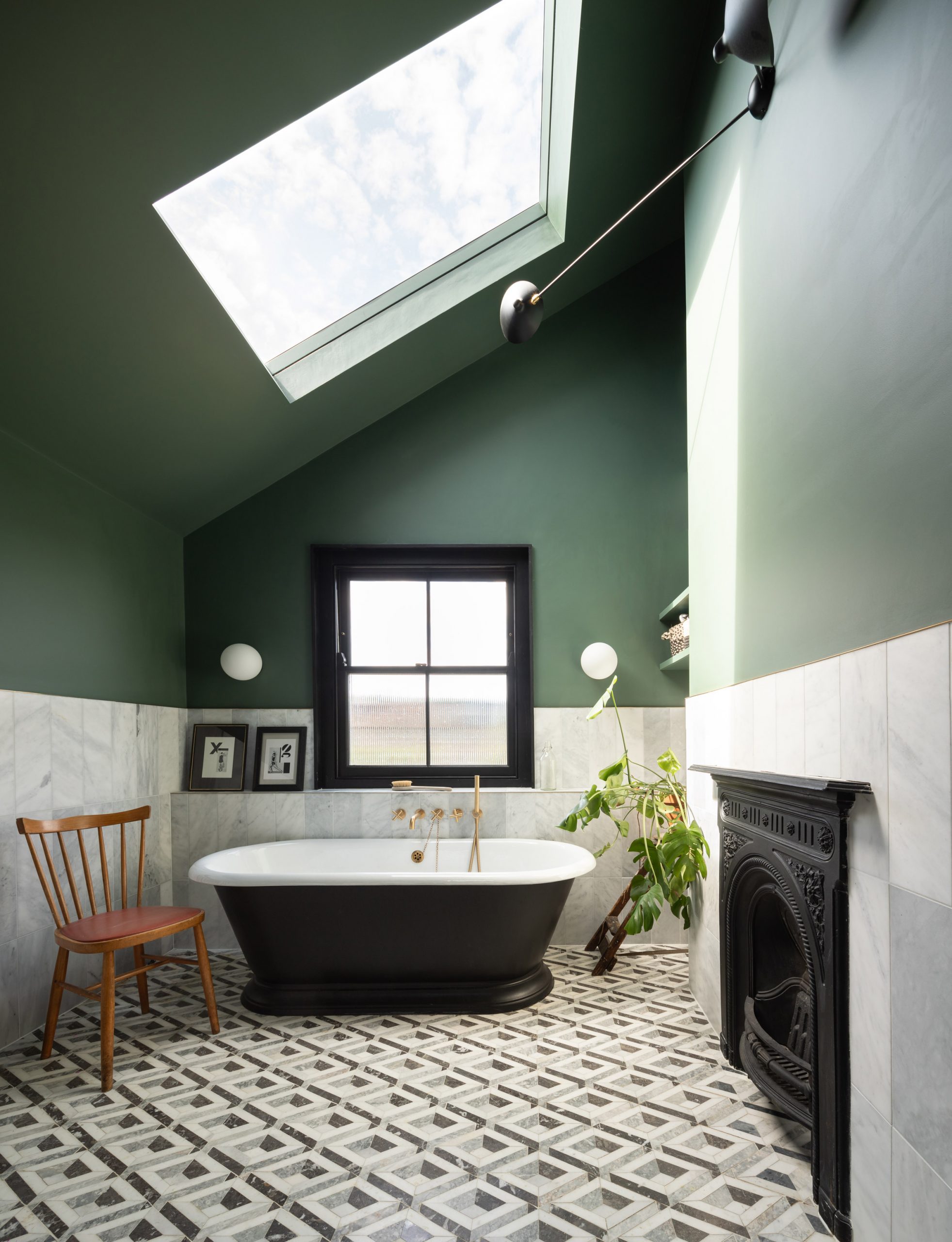
Tsubo House designed by Fraher & Findlay

Tsubo House, UK, by Fraher & Findlay

A more subtle take on patterned tiling can be found in this bathroom in London's Tsubo House. The graphic pattern of the tiles creates a trompe l'oeuil effect that complements the jet-black bathtub.

Monochromatic floor tiles were used in all bathrooms of the house, which was originally built during the Victorian era but has undergone a complete renovation.

Find out more about Tsubo House ›


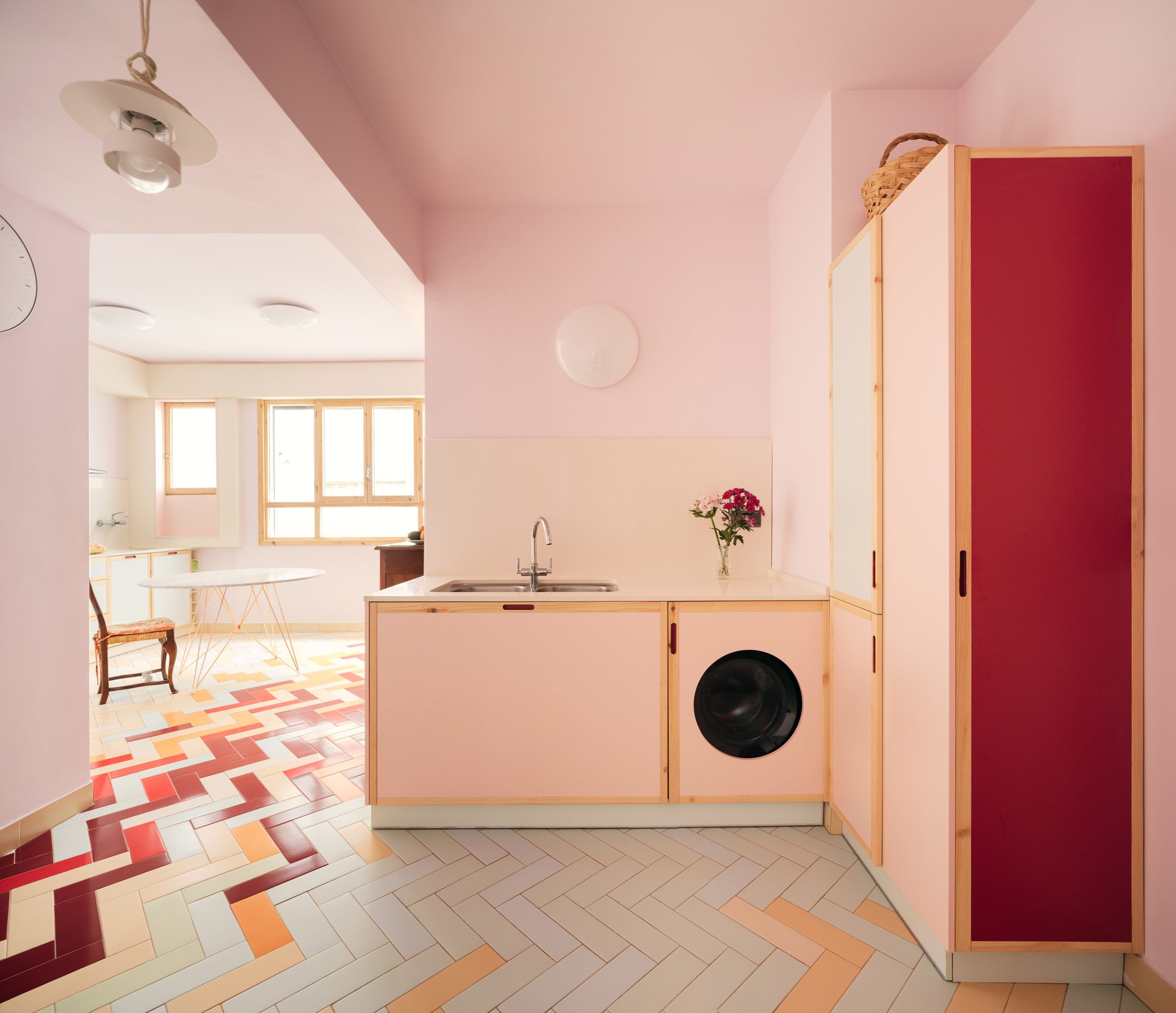
Mixtape Apartment by Azab

Mixtape Apartment, Spain, by Azab

Architecture studio Azab gave this apartment in Bilbao, Spain, an update to complement the existing elements of the house, including its hardwood floors and window frames.

In the kitchen, a herringbone floor was given a playful feel with a mix of different-coloured tiles.

Some tiles are peachy orange or minty green, while others are cherry red, in a nod to the colour of the communal staircase at the centre of the apartment block.

Find out more about Mixtape Apartment ›


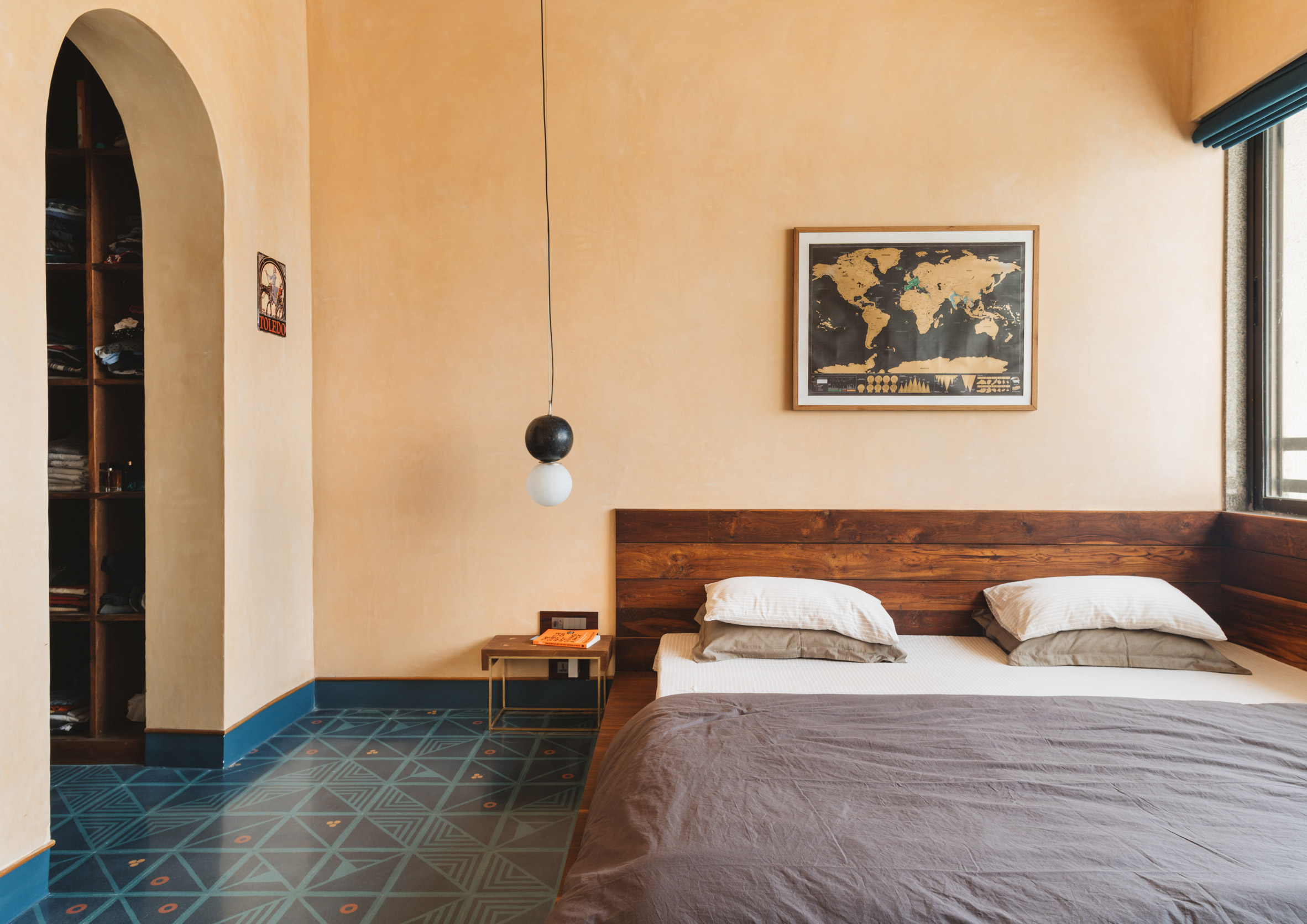
MD Apartment by Saransh

MD Apartment, India, by Sāransh

The bedroom of this apartment in Ahmedabad, India, features a patterned tile floor in dark blue and turquoise hues with orange details.

The tiles complement the dark-brown teak wood used throughout the flat and, together with an arched doorway, help demarcate the sleeping area of this studio apartment.

Find out more about MD Apartment ›


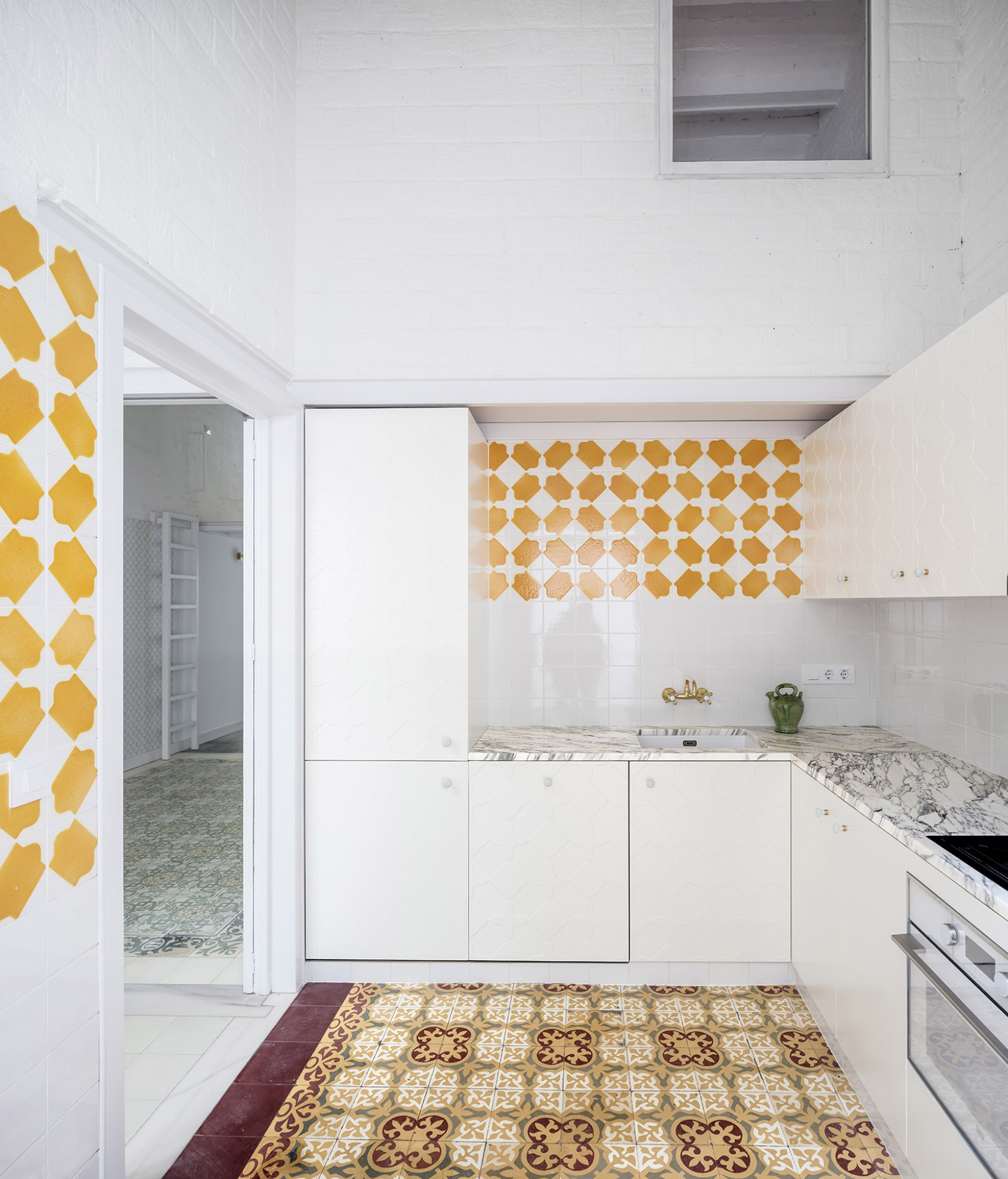
Vallirana 47 apartment by Vora

Vallirana 47, Spain, by Vora

Architecture studio Vora renovated this apartment in Barcelona by arranging the walls to highlight its original patterned tile floors.

The surrounding walls and ceilings were painted white so as to not draw attention from the flooring. In the kitchen space, new patterned tiles were added to create a splashback with a playful graphic pattern.

Find out more about Vallirana 47 ›


Casa AB in Barcelona

Casa AB, Spain, by Built Architecture

Original mosaic tiles decorate the floor in this 19th-century Barcelona apartment, which was renovated by local studio Built Architecture.

The tiles were used in the bedroom as well as the bathroom and hallway of the modernist apartment, giving each room a different feel.

Find out more about Casa AB ›


Carrer Avinyo in Barcelona

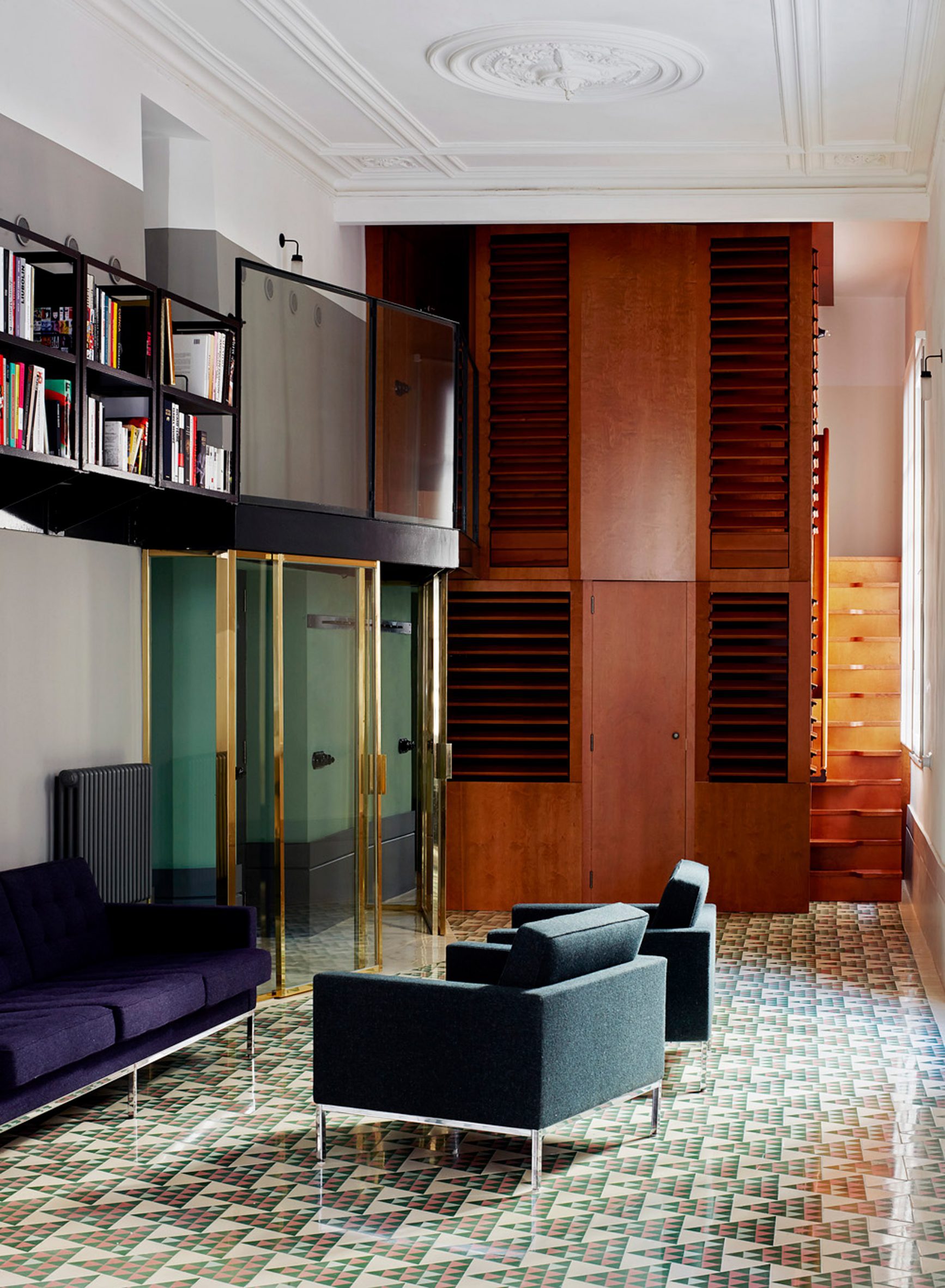
Carrer Avinyo 34, Spain, by David Kohn Architects

London studio David Kohn Architects went for a modern graphic effect when designing the floor of this Spanish apartment.

The decorative floor tiles are made up of 25 different designs and gradually change in tone, with green tiles by the two bedrooms and red tiles framing the kitchen.

Find out more about Carrer Avinyo 34 ›


Outdoor patio of The Chloe hotel in New Orleans

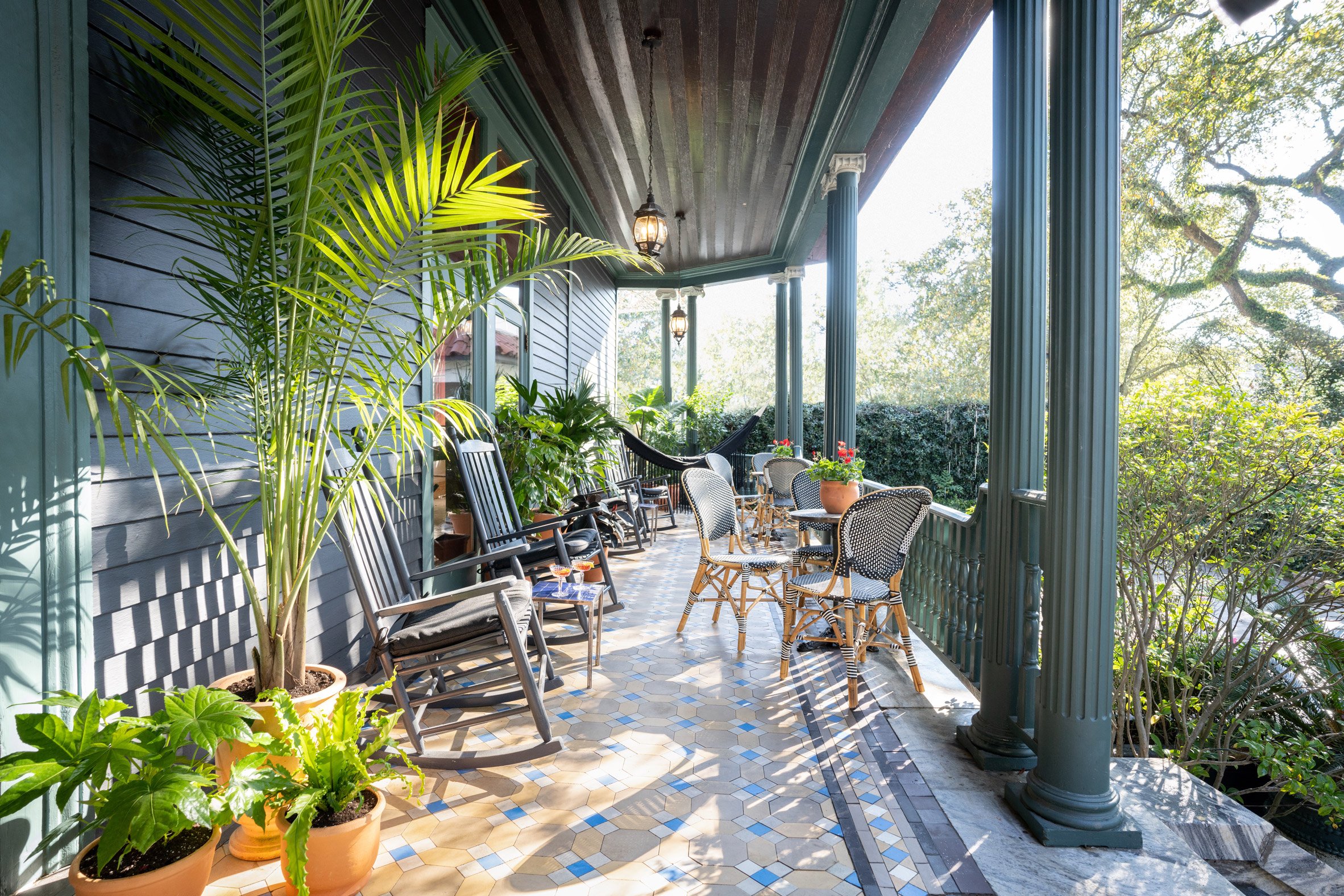
The Chloe Hotel, US, by Sara Ruffin Costello

This New Orleans hotel features original tile work, including a porch with tiles from 1861. The pale yellow and clear blue hues of the tiles contrast against the surrounding greenery of the plants and the porch's dark-green painted pillars.

The patterned floor livens up the outdoor space and is also a hardwearing solution for a high-traffic area.

Find out more about The Chloe Hotel ›


Casa Nido by PK Arquitectos

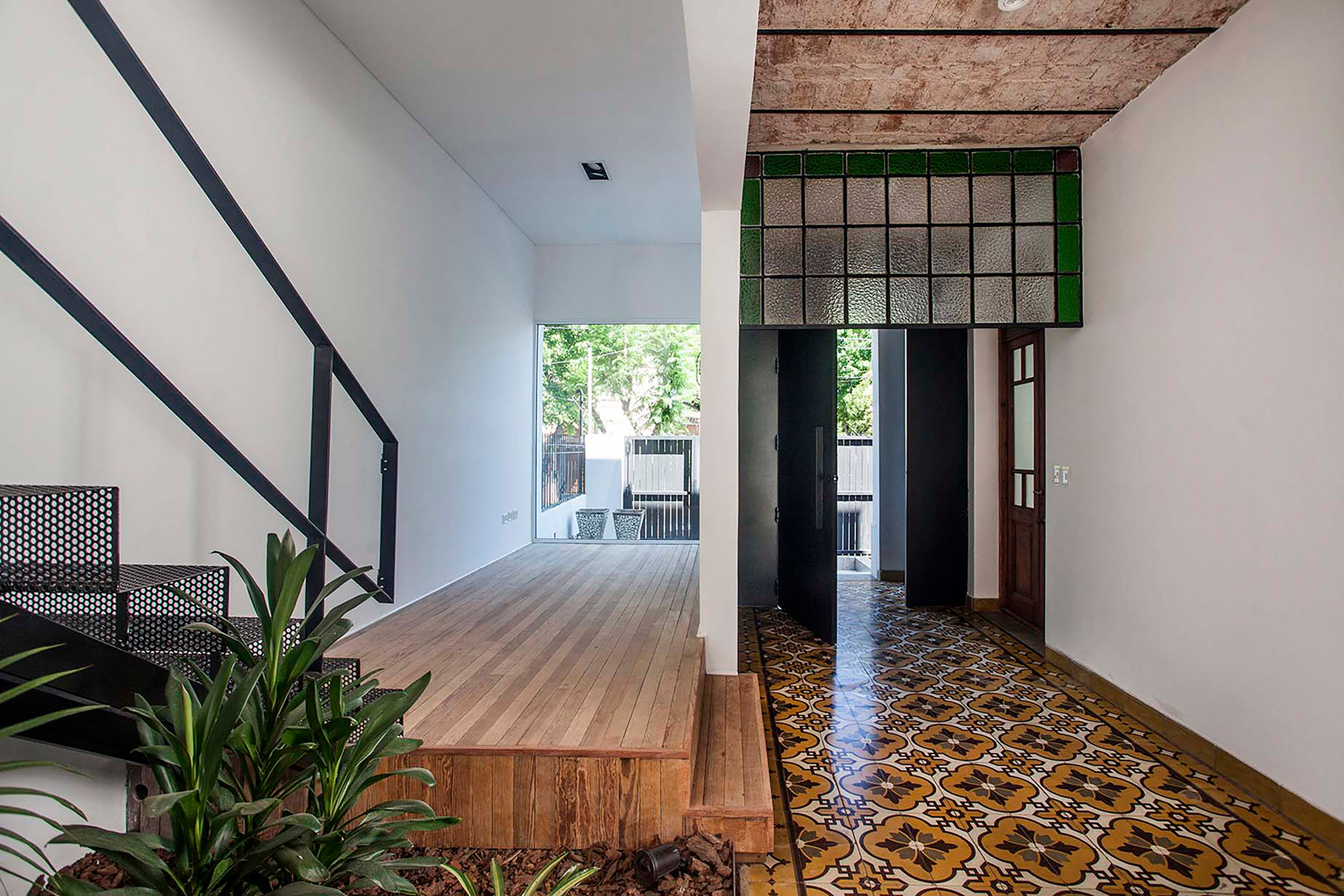
Casa Nido, Argentina, by PK Arquitectos

This art deco home in Buenos Aires, Argentina, was extended by PK Arquitectos, which kept its decorative orange tiling to show the house's history.

The tiled floor runs along the house's entryway and adds a warm, welcoming feel to the space.

Find out more about Casa Nido ›


This is the latest in our series of lookbooks providing curated visual inspiration from Dezeen's image archive. For more inspiration see previous lookbooks showcasing mezzaninesU-shaped kitchens and calm living rooms.

The post Ten interiors with Mediterranean-style statement tiling appeared first on Dezeen.


from Dezeen https://ift.tt/3m5Fznc

Saturday, 14 August 2021

Studio Saxe's Naia houses open up to the Costa Rican rainforest

Naia by Studio Saxe

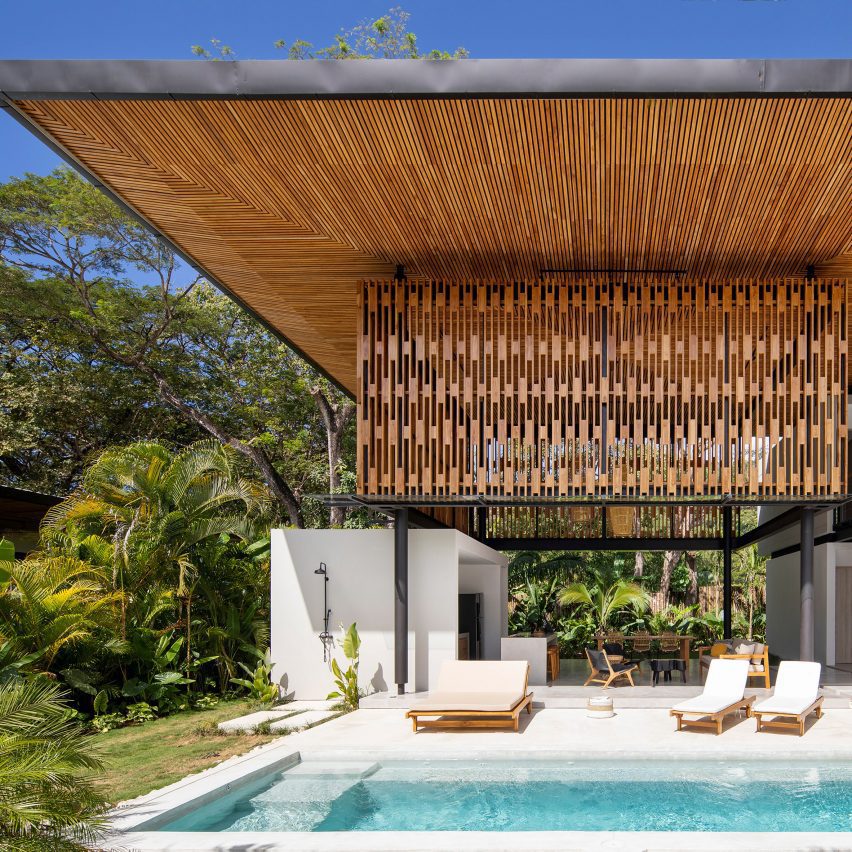
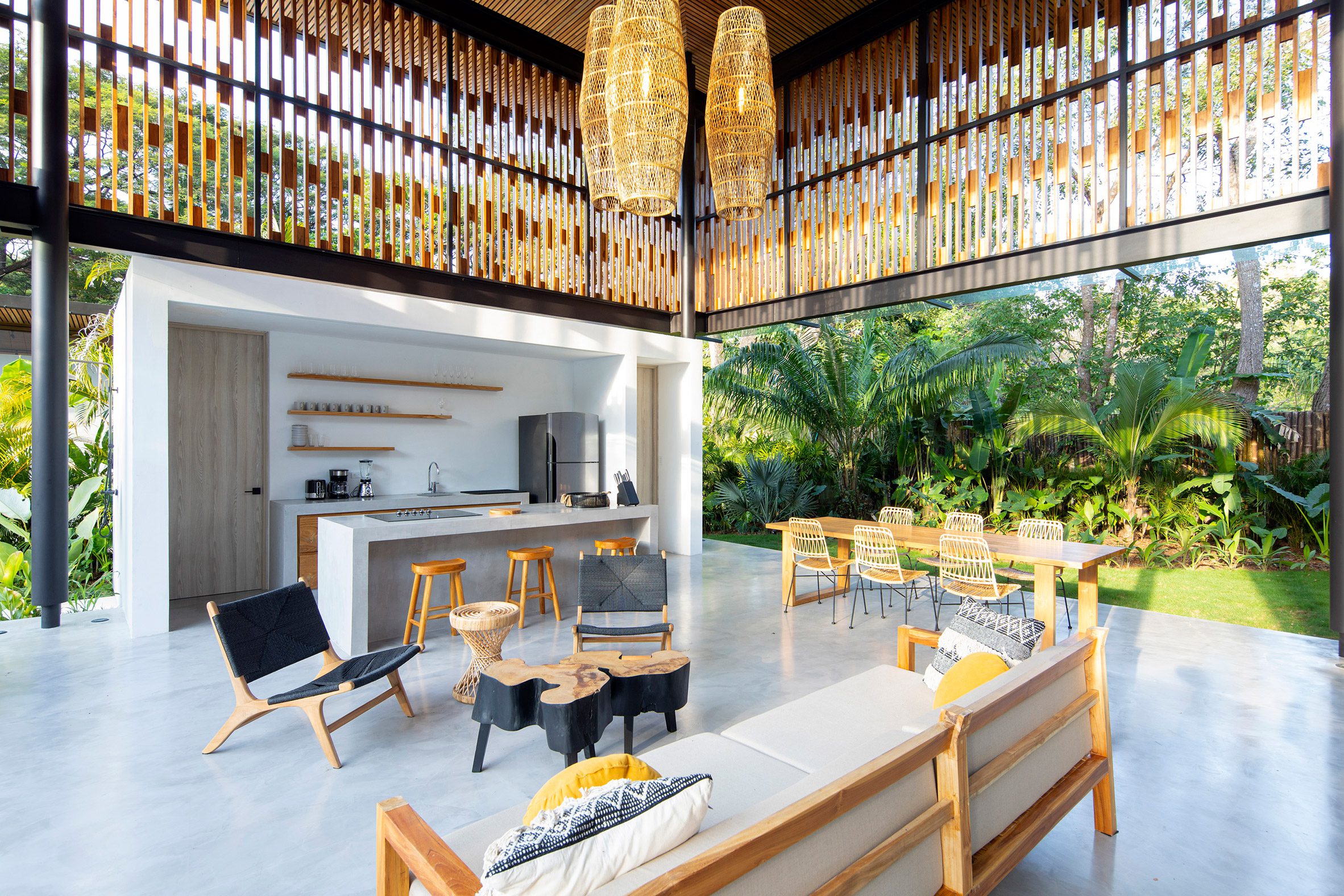
Wooden screens are used to form walls and overhanging roofs in this duo of Costa Rican beach houses by local firm Studio Saxe, which integrate the surrounding jungle into their design.

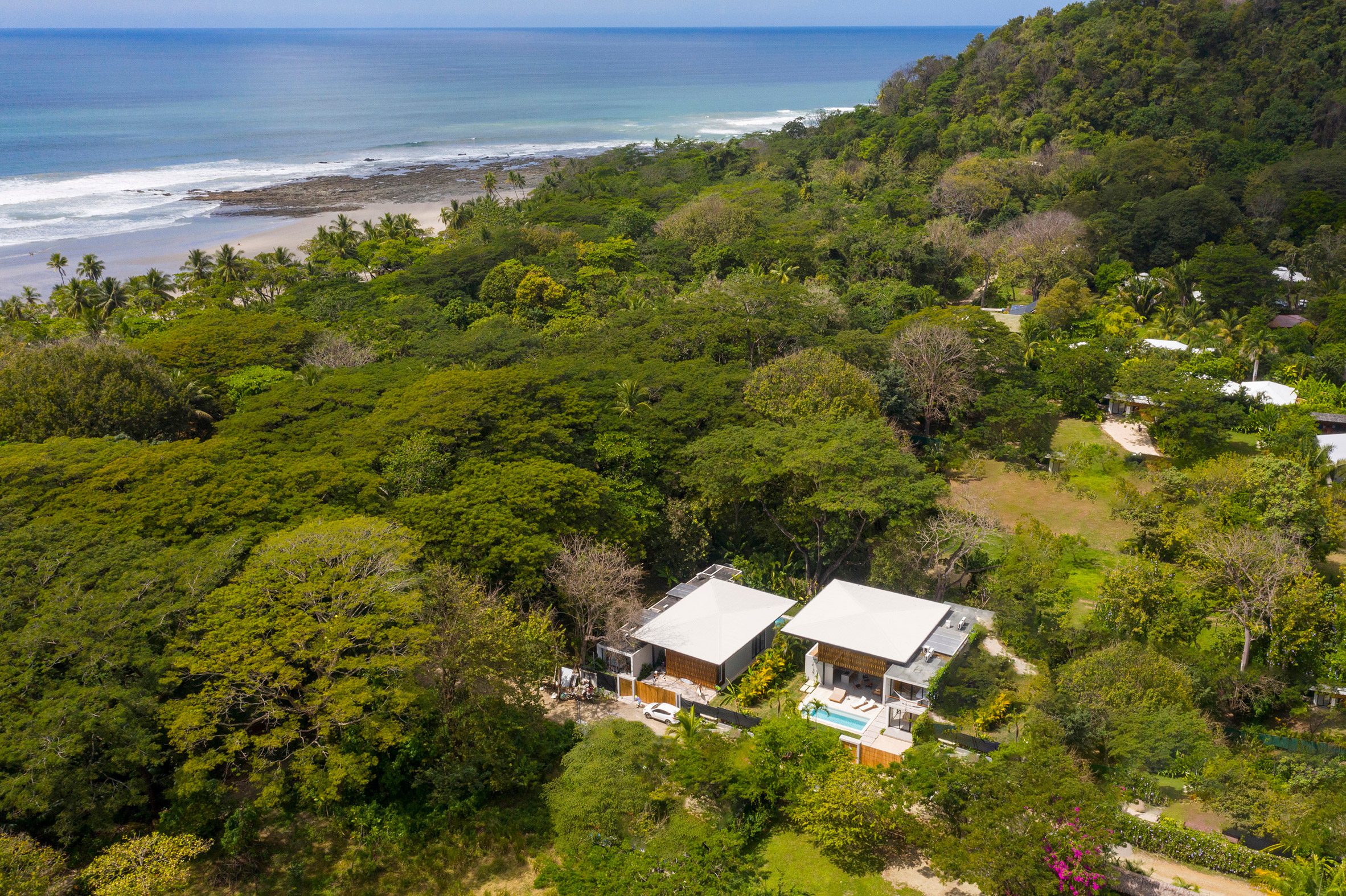
Dubbed Naia I and Naia II, the homes were created side by side for the same owner in Santa Teresa, a small town on Costa Rica's Pacific shoreline.

Aerial view of Naia houses within the jungle of Costa Rica
Above: the Naia houses are located on Costa Rica's Pacific coast. Top image: Naia II is the larger of the two houses

A lush forest covers the lot, which the architects wanted to integrate into the design of the homes.

"We decided to blend the tropical jungle into the houses whilst creating bioclimatic comfort for people to enjoy the outdoor experience," said San José-based Studio Saxe.

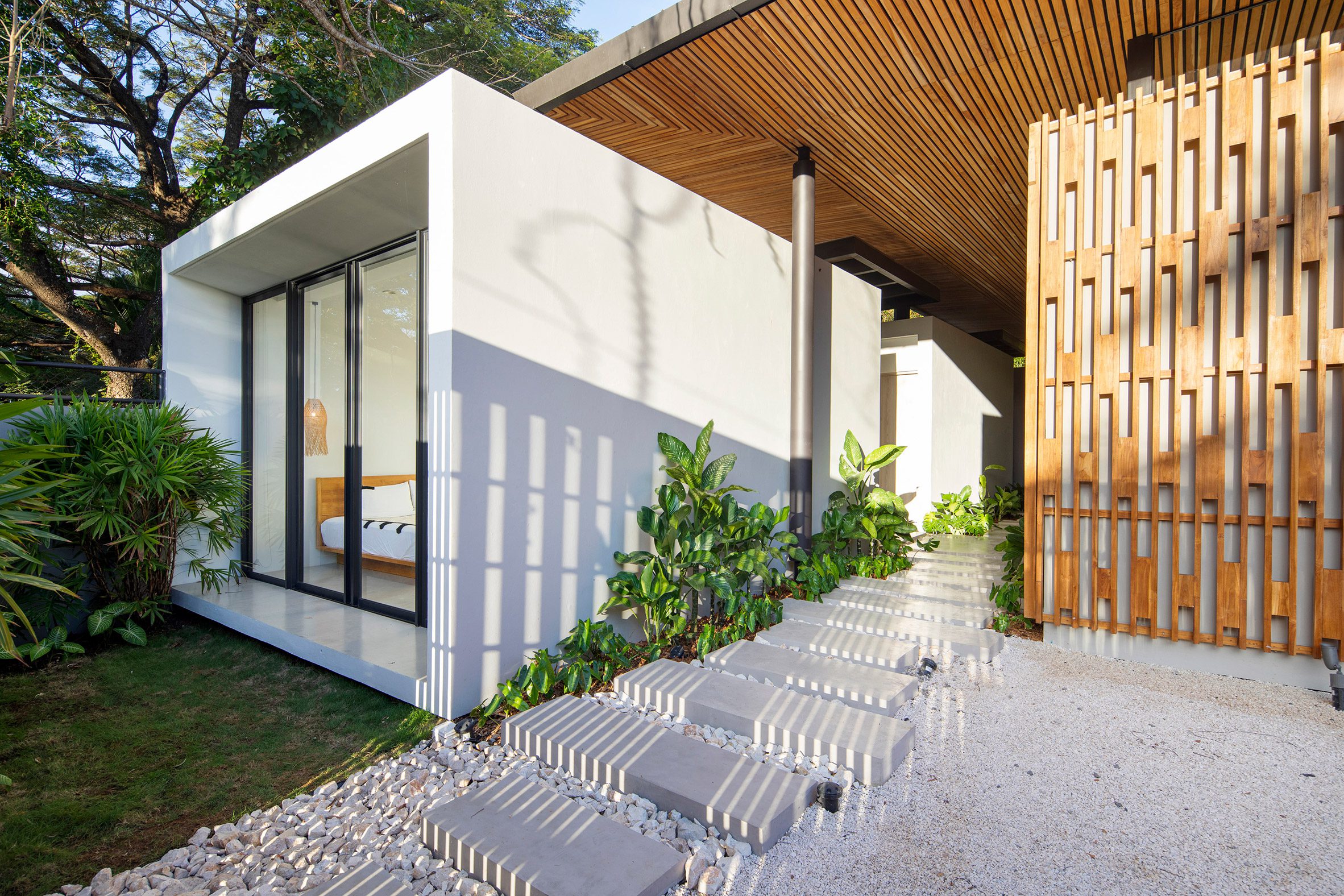
Concrete bedroom pod with walkway in house by Studio Saxe
An unenclosed walkway separates Naia I's bedrooms and communal areas

Of the two houses, Naia I is slightly smaller and comprised of a single-storey structure that is covered by an overhanging roof. The 251-square-metre residence has three bedrooms, each with its own ensuite.

An unenclosed walkway cuts through the home, leading to a pool in the backyard. Communal areas are located on one side of this passage and bedrooms on the other.

"Set within walking distance of the beach, the home is composed of generous rooflines that create shelter and the possibility of living outside within nature," Studio Saxe explained.

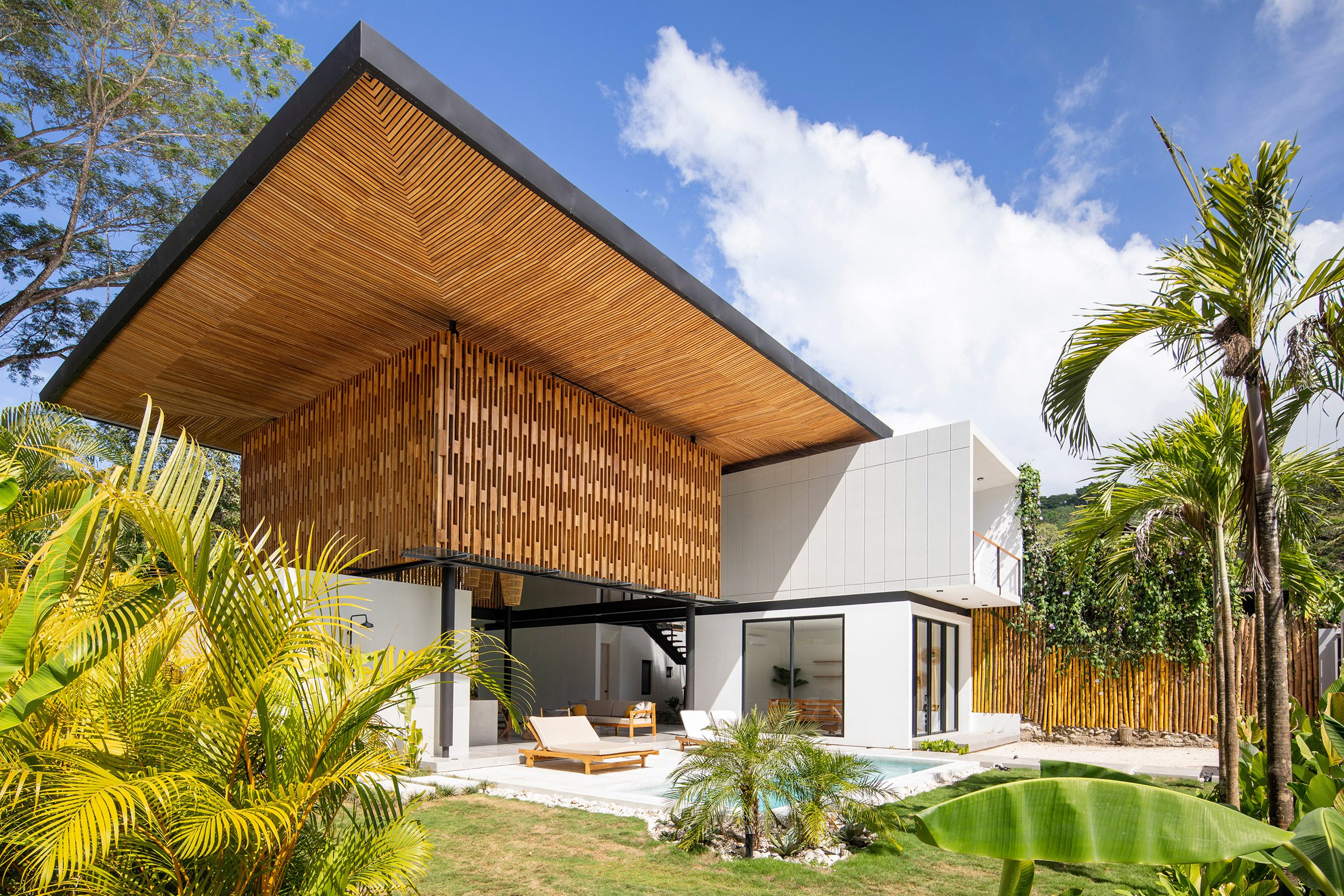
Naia I house in Costa Rica with a roof made of wooden screens
Naia II's double-height living room is housed underneath a steel structure clad with wooden screens

Naia II features three bedrooms across two levels but uses a similar scheme, in which a walkway helps to delineate public and private areas.

The main living room is mostly open to the elements. Its steel structure forms a double-height space, within which only the kitchen rests against a solid wall.

"The main living spaces are composed of lightweight steel frames that hold open spaces that welcome nature inside with long rooflines that are made of steel and covered in teak," said Studio Saxe.

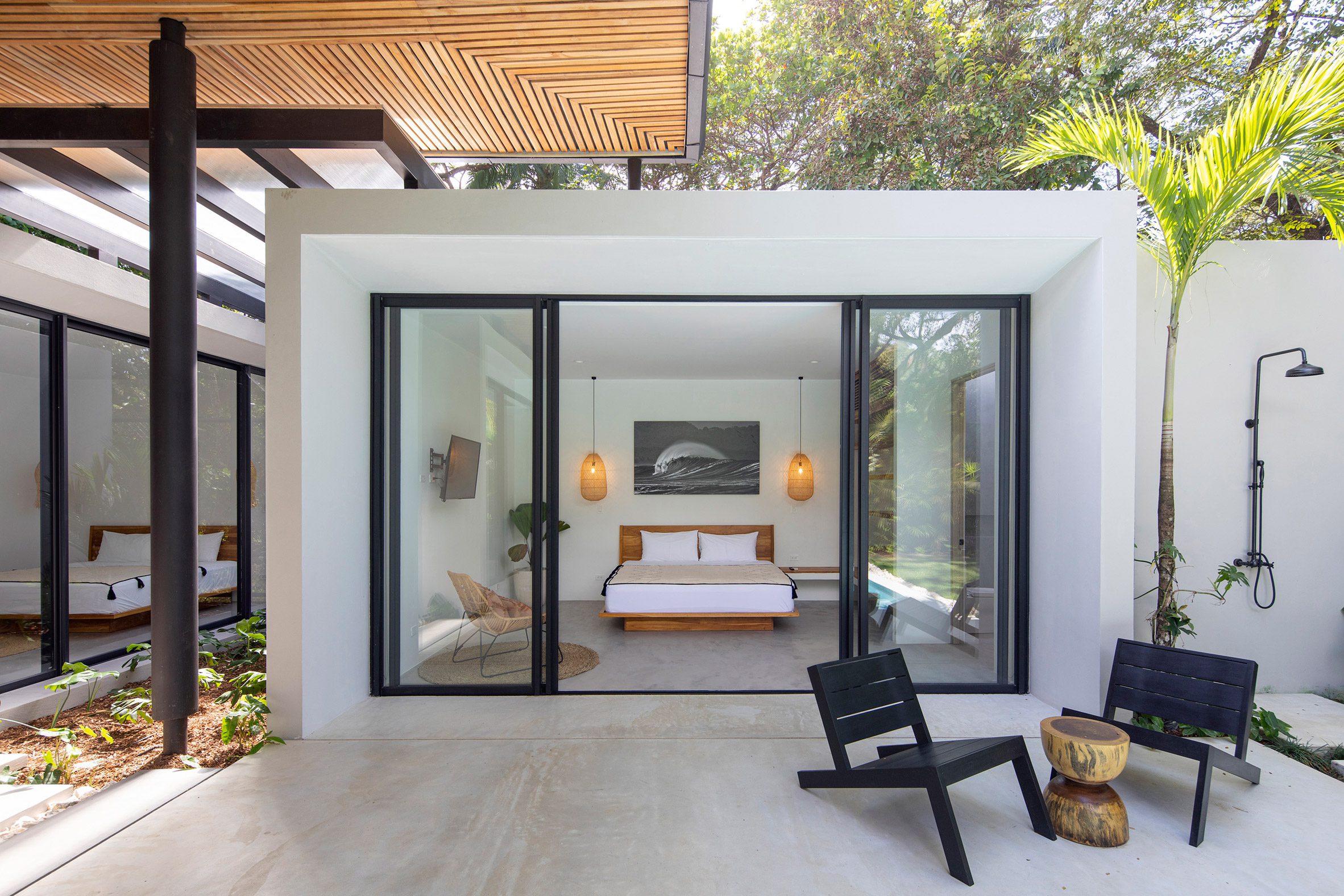
In both houses, the bedrooms feature concrete walls for privacy and the floors were given a glossy finish that contrasts with the dense surrounding forest.

Living room and kitchen with no walls but wooden screens by Studio Saxe
Only the kitchen is encased inside a solid wall

Studio Saxe and interior designer Cristina de Freitas selected minimalist finishes to go with the site's tropical setting.

Wooden furniture matches the teak roofs and patterned wall screens, while the bearing steel structure was painted black.

Concrete volume containing the bedroom in Naia I house with black chairs out front
The ground floor bedrooms of Naia I feature concrete walls for privacy

Studio Saxe is led by Benjamin Garcia Saxe. The studio is based in Costa Rica's capital San José and was established in 2004.

Other buildings completed by the firm include a yoga retreat designed with a "simple, low-key, modern tropical architecture," and another home in Santa Teresa that supports an overhanging roof with slender steel columns.

Photography is by Andres Garcia Lachner.


Project credits

Structural engineer: S3
Electromechanical engineer: S3
Builder: Proconsa
Landscape design: Jen Speirs
Interior design: Cristina de Freitas

The post Studio Saxe's Naia houses open up to the Costa Rican rainforest appeared first on Dezeen.


from Dezeen https://ift.tt/3xNCavo

Atelier Xi designs peach-coloured concrete pavilion in rural China

A pink concrete community centre

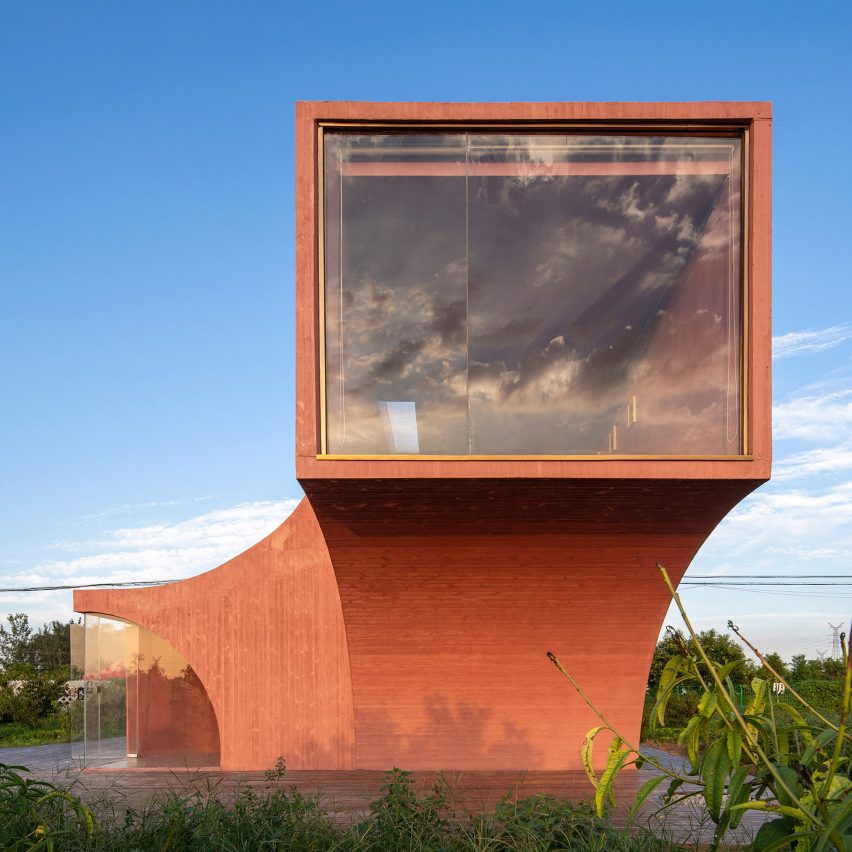
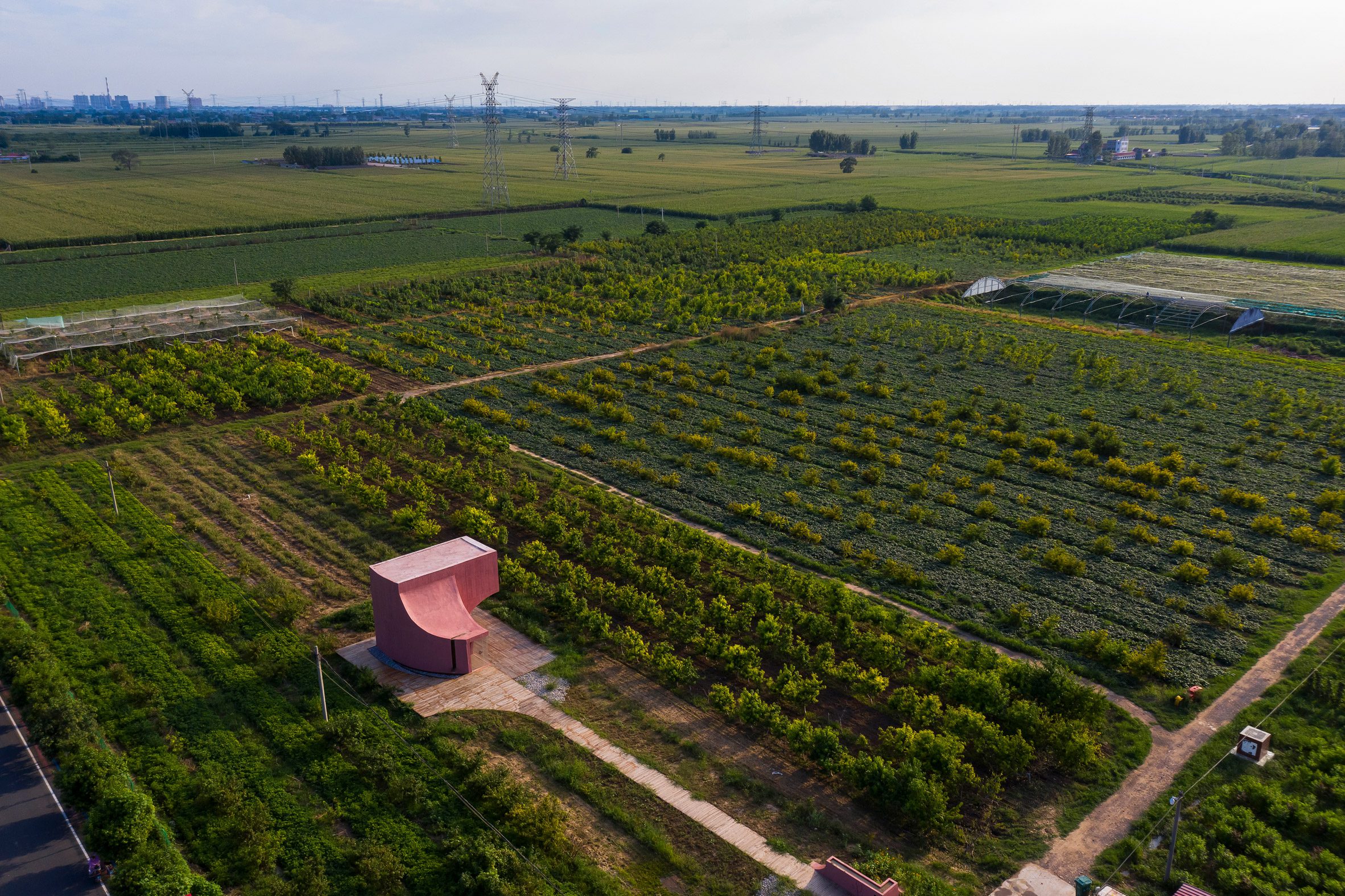
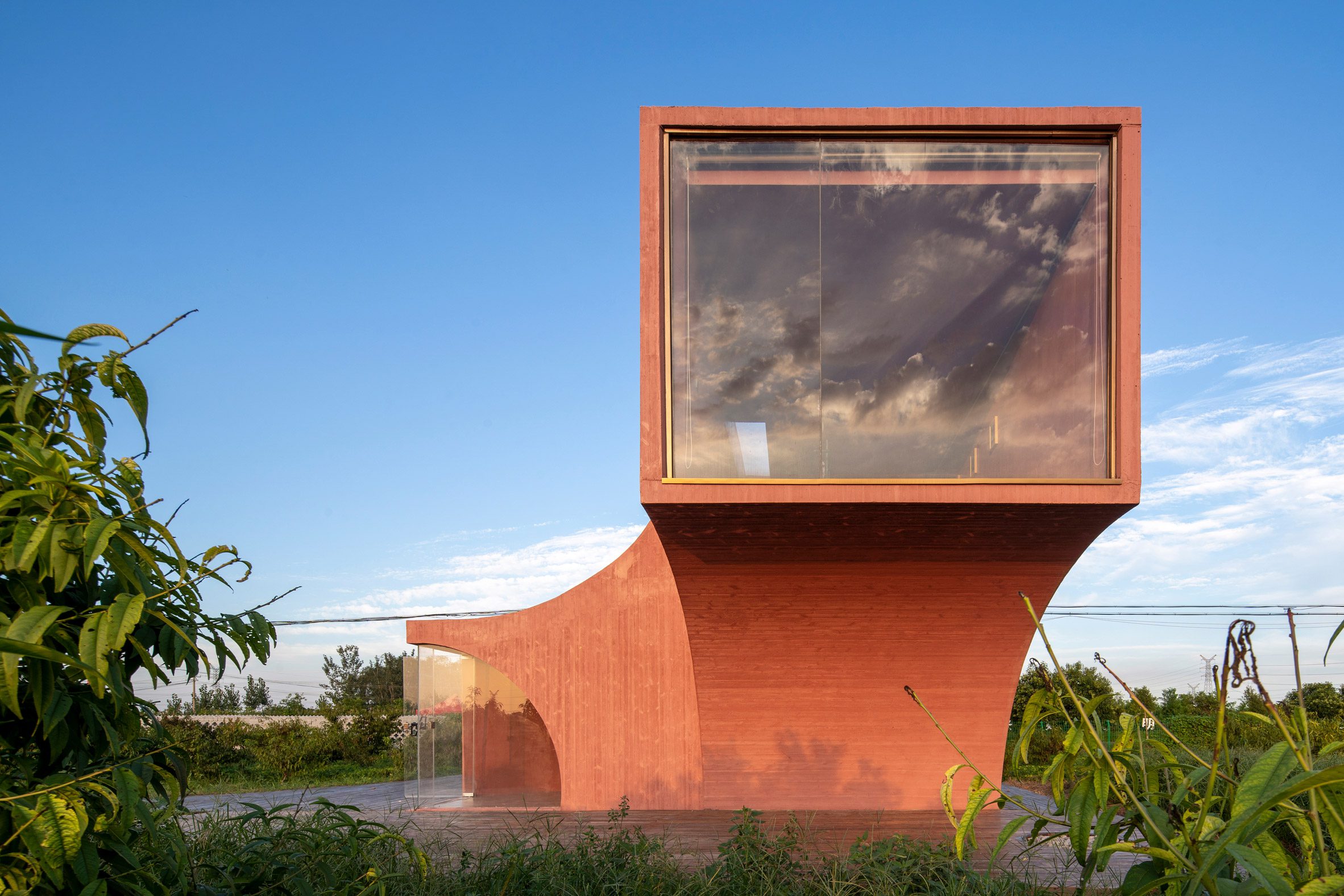
Chinese practice Atelier Xi has completed Peach Hut, a tinted concrete community pavilion and bar overlooking a field of peach trees in Henan Province.

The Shenzhen-based practice was initially approached to design a 300-square-metre arts centre in Xiuwu, but proposed that its scattered rural communities would be better served by a more dispersed series of small pavilions.

A rural community centre in Xiuwu
Atelier Xi has created a peach-coloured pavilion in Xiuwu

Peach Hut is the first to complete in this "miniature series", which will see seven concrete pavilions built in contrasting locations across a 630-square-kilometre area, providing various facilities to their local communities.

"The long-term drawbacks of remote rural areas include insufficient educational resources, inadequate information access and scant aesthetic imagination," said the practice.

A pink concrete community centre
The building is made of coloured concrete

"Through these minimal architecture investments, the project aims to inspire local residents, to help them enjoy and rethink their quality of life, as well as alleviate isolation and poverty."

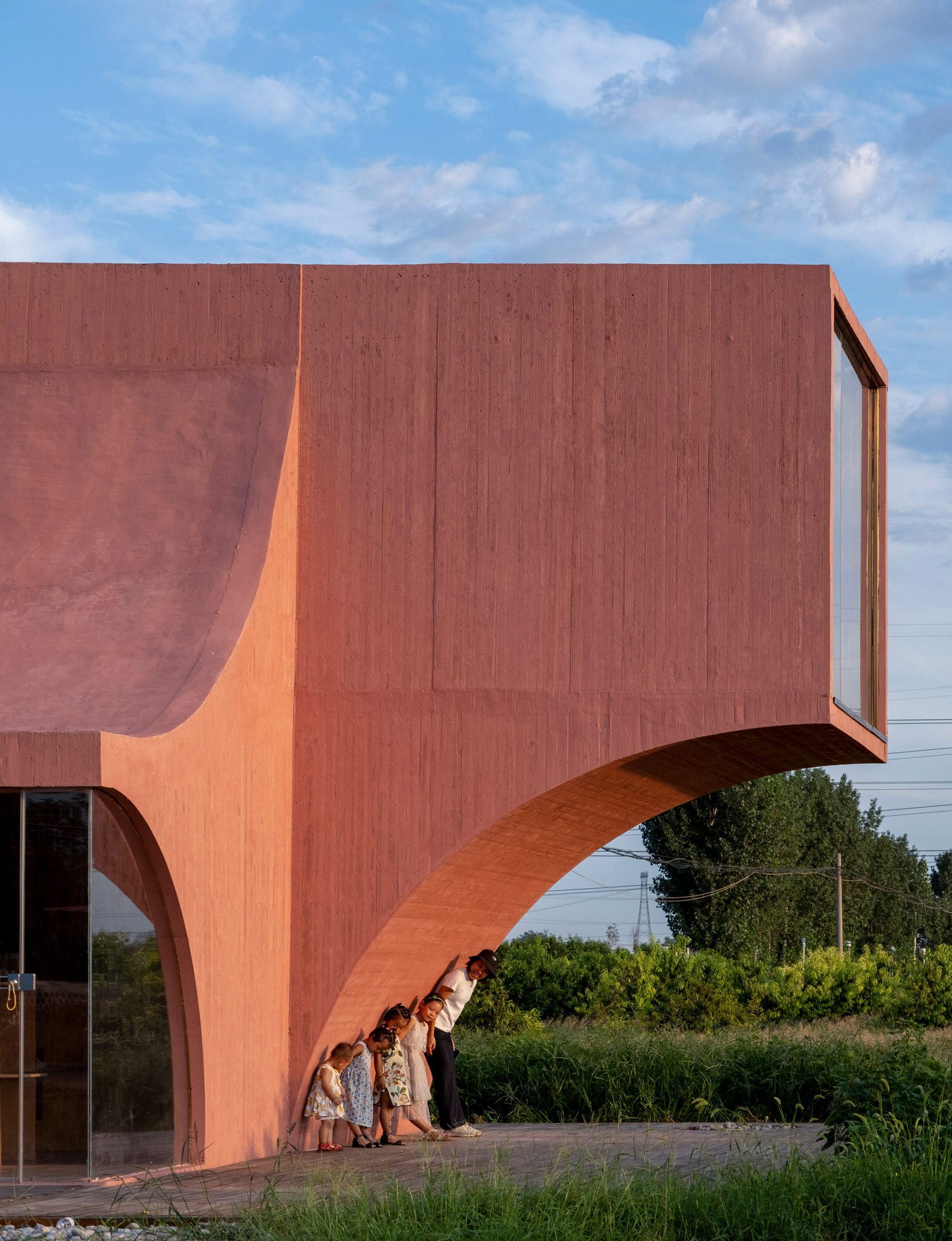
The sculptural form of Peach Hut was informed by the leaning peach trees in the surrounding landscape, with the pavilion's in-situ cast form of pigmented concrete appearing cut through by a series of arcs.

The curved exterior of the Peach Hut
Its sculptural form is modelled on leaning peach trees

These arcs create a low, glazed entrance that curves upwards, and another curved section that projects out to the west, ending in a full-height window providing panoramic views of the landscape.

Small vertical and circular windows are arranged according to particular views towards the surrounding farm and nearby village, and facing sunset to the west is a relief of a tree cast into the concrete.

"The round window frame on the south side captures dynamic imagery of the orchard under the subtle variation of daylight, and the vertical windows at the corners lengthen the depth of field from the orchard to the village in the distance," said the practice.

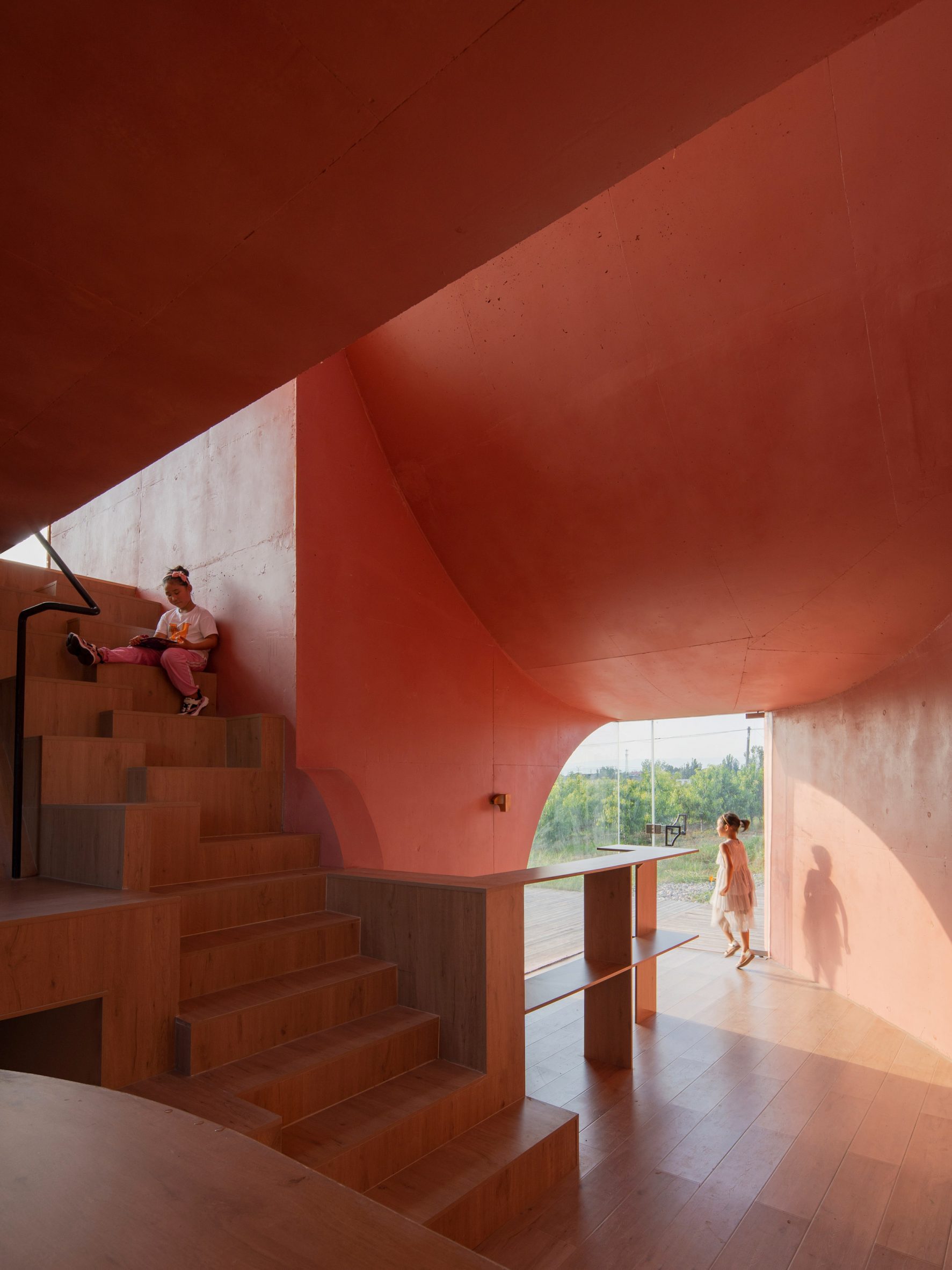
The exterior concrete finish was cast in a rough wooden formwork, while a smoother formwork was used internally to better reflect the light from a skylight in the sweeping ceiling.

The pink interiors of the Peach Hut
A wooden staircase and bar feature inside

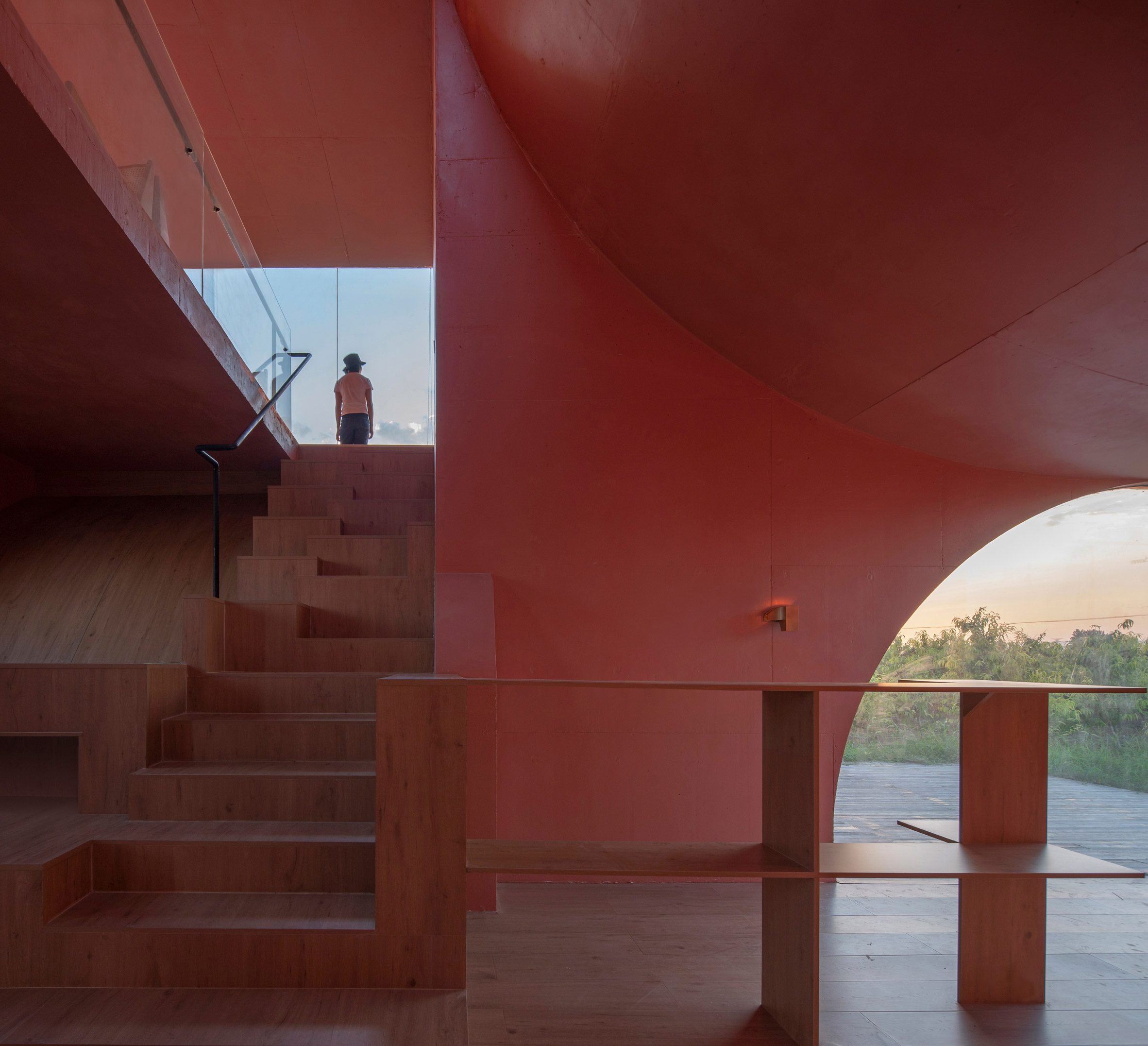
A single wooden form creates a bar near the entrance, as well as a staircase and a raised platform at the back of the space, where a thin vertical window provides views.

Apart from the wooden seating and bar, the only internal fittings are a series of bronze wall scones and a steel door handle, both of which have been designed as miniature, abstracted versions of the pavilion's form.

The pink interiors of the Peach Hut
Windows are arranged according to particular views

Other pavilions to be built in the first phase of the miniature series will provide a theatre and a communal library.

Xiuwu County is also the site of the Sky Yards Hotel, a recent project by Domain Architects that responds to the landscape with deep, wave-shaped balconies.

The photography is by Zhang Chao.


Project credits:

Architect: Atelier Xi
Lead architect: Chen Xi
Design team:
Zhu Zhu, Huang Jiajie, Wang Xingyao, Xu Lvbao, Wang Weiguo, Tian Di, Wen Weijian, Cao Suying, Han Xiao, Xu Zhiwei
Clients: Xiuwu County
Construction cocuments:
Li Jianhui, Su Zhimeng, Gan Bin, Xiao Liangmin
Lighting consultant:
AURA Lighting Design Consultant

The post Atelier Xi designs peach-coloured concrete pavilion in rural China appeared first on Dezeen.


from Dezeen https://ift.tt/3seI8Ec

Ten rustic interiors that incorporate natural textures and materials

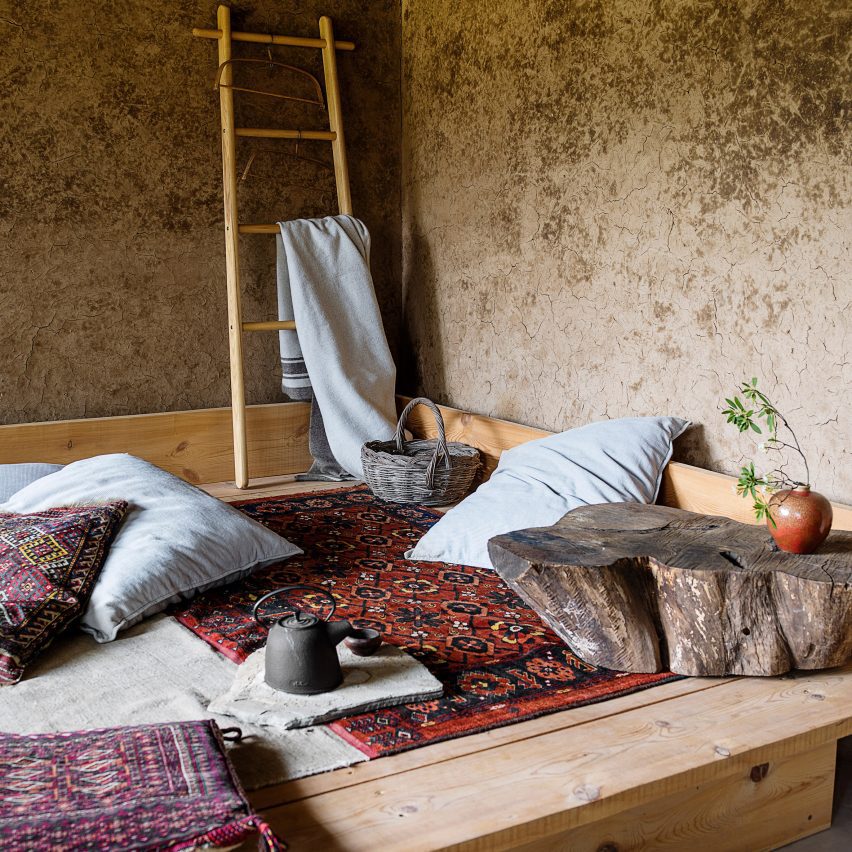
Studio Cottage, China, by Sun Min and Christian Taeubert from rustic interiors roundup

From a sand-filled Portuguese beach house to a renovated farmer's cottage near Beijing, our latest lookbook highlights rustic interiors from Dezeen's archive that bring the countryside into the home.

Rustic interiors often feature furniture made from organic materials, such as wood and stone, and finishes that have been left natural and unadorned.

Exposing the rugged bones of a vernacular building and incorporating materials such as hemp, terracotta and bamboo can help create interiors that pay homage to their bucolic surroundings – or bring a pastoral atmosphere into a city apartment.

This is the latest roundup in our Dezeen Lookbooks series providing visual inspiration for the home. Previous lookbooks shine a light on statement tiling, broken-plan layouts and hotel bedrooms.
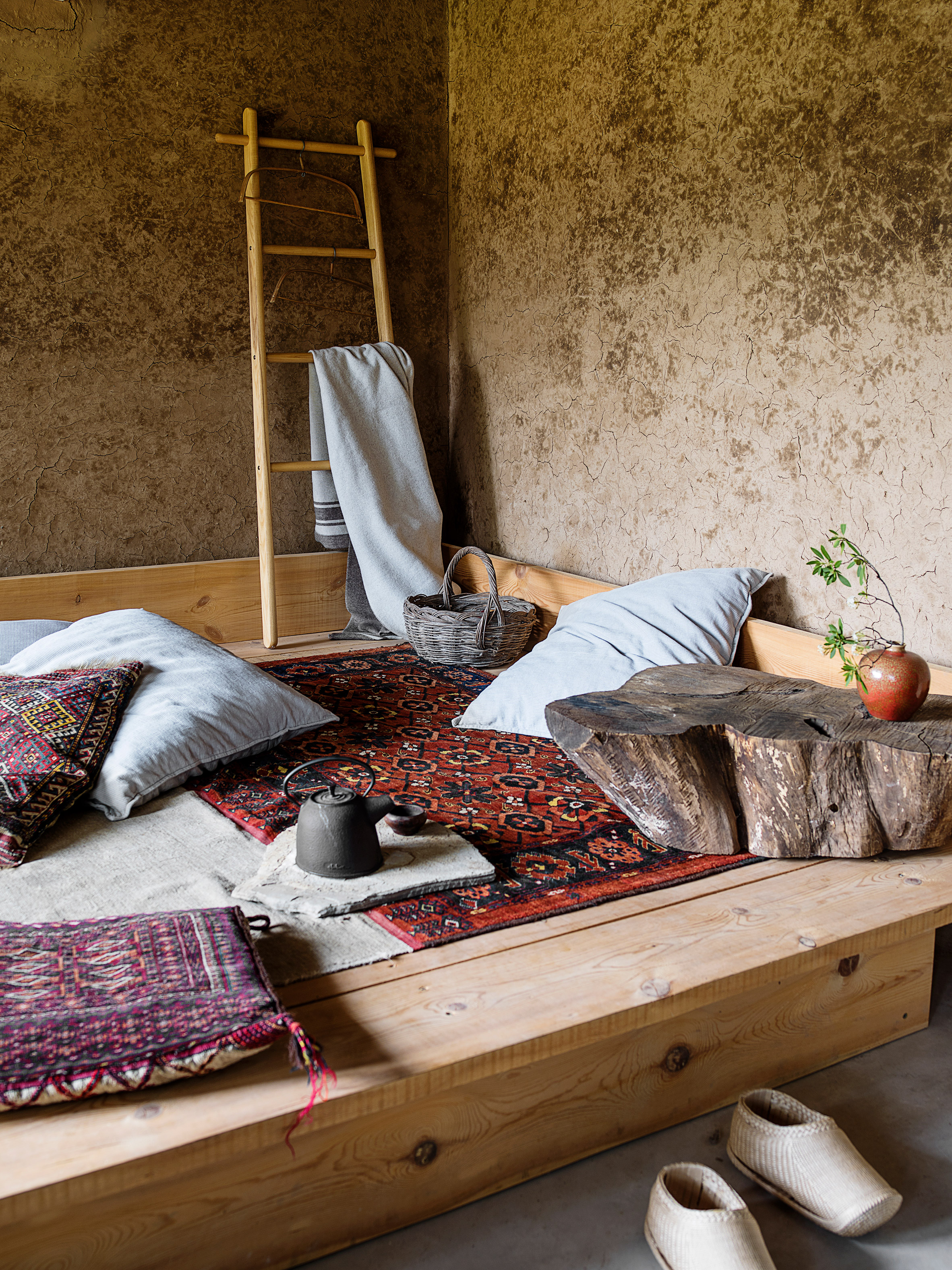

Studio Cottage by Sun Min and Christian Taeubert

Studio Cottage, China, by Sun Min and Christian Taeubert

Fashion designer Sun Min and architect Christian Taeubert teamed up to revive a neglected cottage in the countryside outside Beijing (top and above) in the hopes of counteracting China's rural depopulation.

The project saw the building's original beams and mottled plaster walls retained, while a timber platform was inserted and decorated with artisanal textiles to create a raised lounge area.

Find out more about Studio Cottage ›
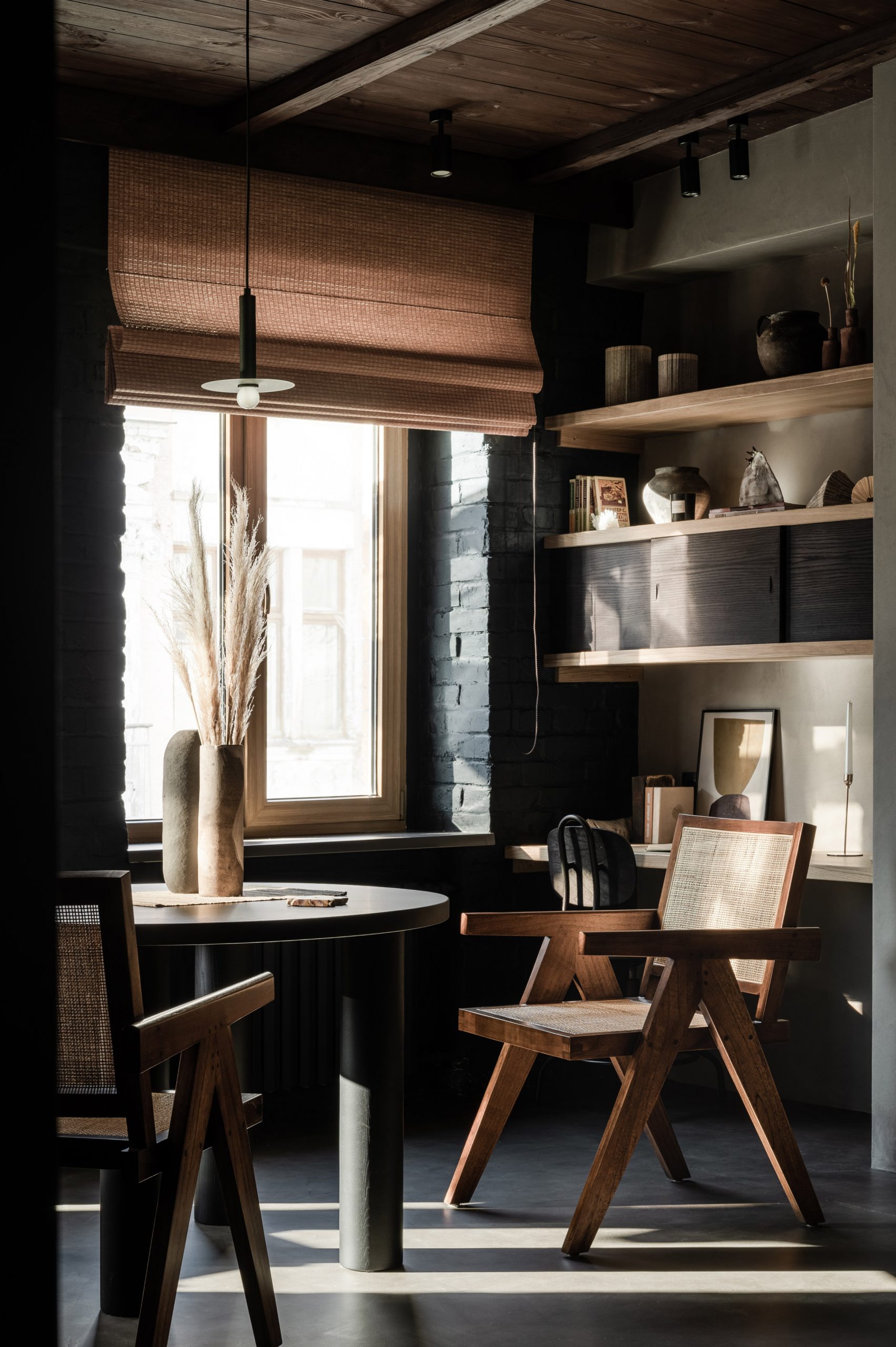

Kyiv apartment, Ukraine, by Olga Fradina

Kyiv apartment, Ukraine, by Olga Fradina

Interior designer Olga Fradina paired rustic materials such as rattan, bamboo and sisal with a dark backdrop to create a calming environment in this flat, located at the top of a five-storey Soviet apartment building, which was designed to host meditation and tea ceremonies.

Save for vintage Easy chairs by Swiss architect Pierre Jeanneret, all the furnishings were custom made by Fradina herself using simple, geometric forms that recall mid-century designs.

Find out more about Kyiv apartment ›
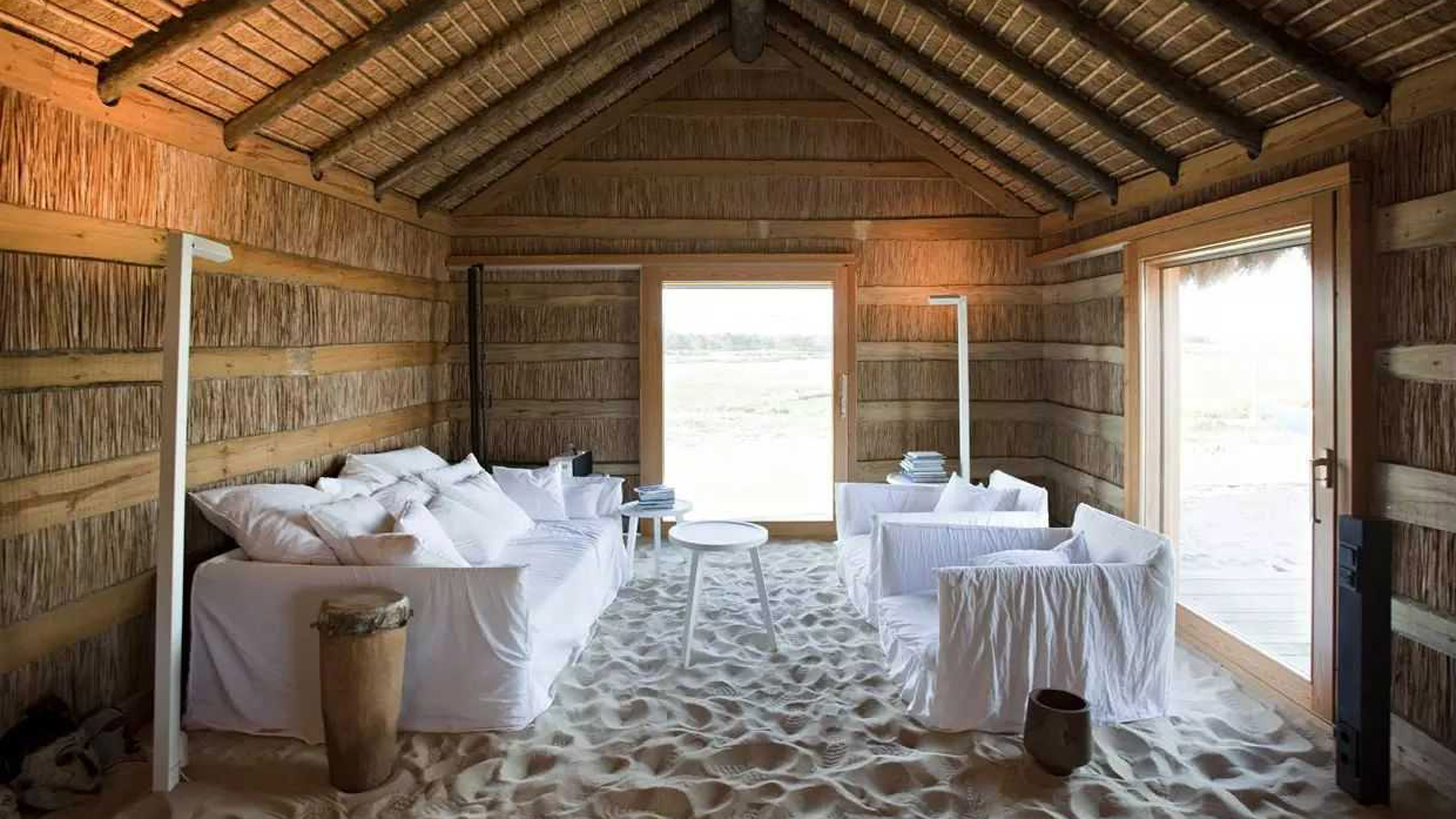

Casa Areiam, Portugal, by Aires Mateus Architects from rustic interiors lookbook

Casa Areiam, Portugal, by Aires Mateus Architects

Powdery white sand, warmed by underfloor heating, spills into the living spaces of this hotel in Comporta, creating a seamless connection to the beach beyond.

Showcased at the Venice Architecture Biennale in 2010, the hotel forms part of a complex of four buildings with traditional timber frames and thatched walls and ceilings, which are left exposed to incorporate local textures into the interior.

Find out more about Casa Areiam ›
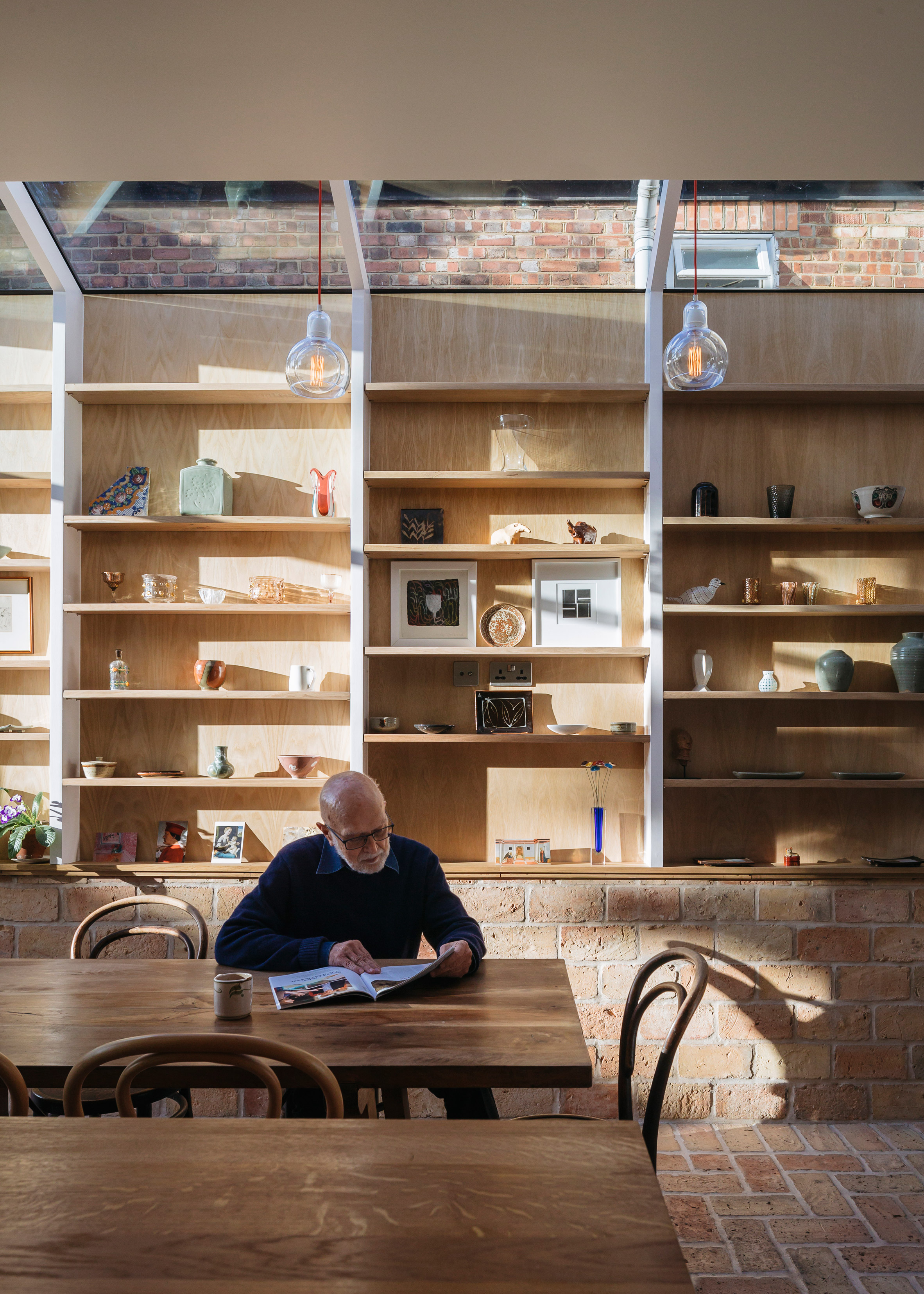

Gallery House Stoke Newington by Neil Dusheiko Architects

Gallery House, UK, by Neil Dusheiko

Rough terracotta tiles and oak shelving filled with art and ceramics help to create a feeling of warmth within this kitchen extension, which London architect Neil Dusheiko created for his father-in-law.

The traditional Victorian property in Stoke Newington was renovated to take it from "dark and damp" to bright and airy, with gabled skylights helping to funnel light into the interior.

Find out more about Gallery House ›
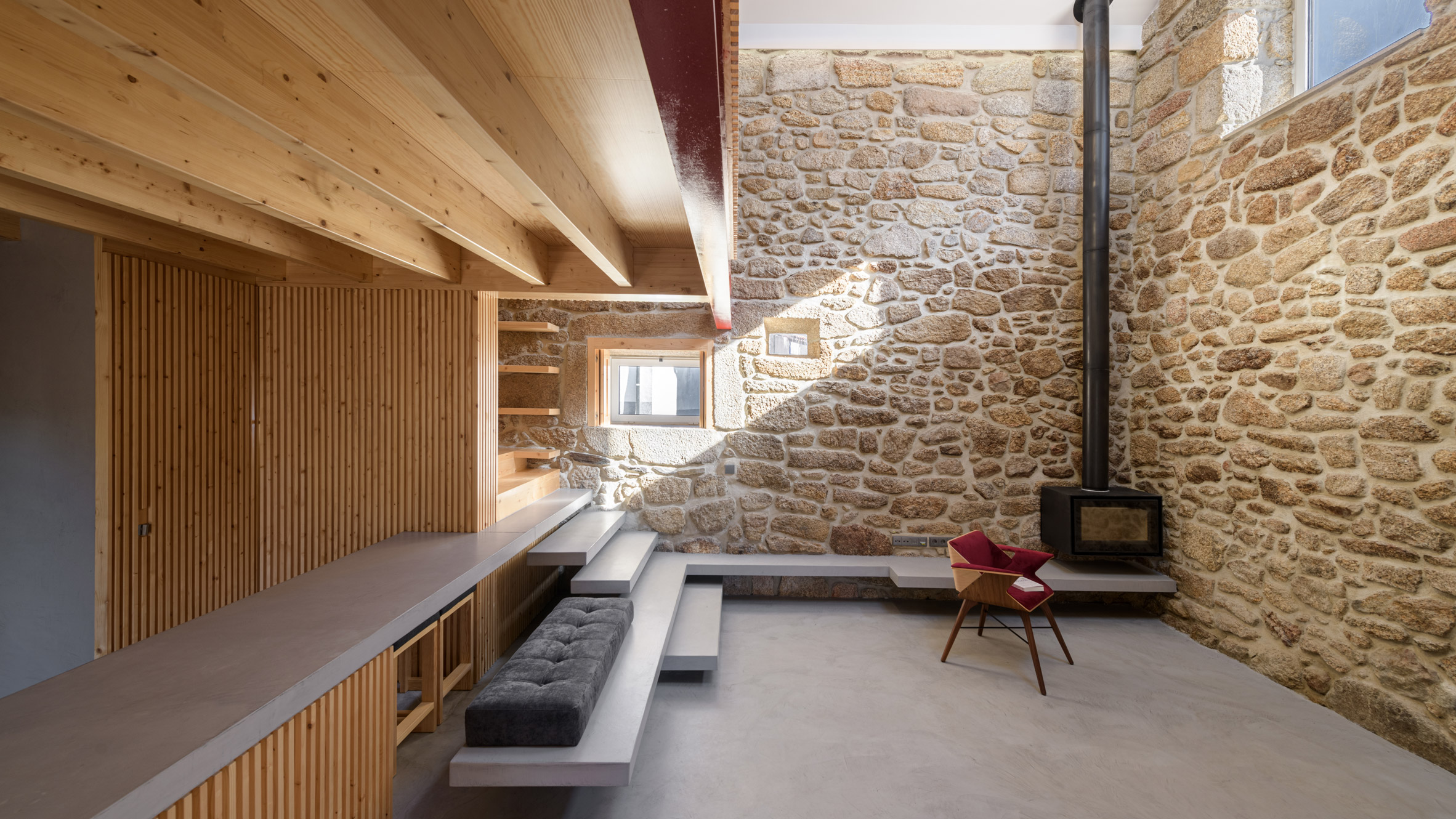

Rural House in Portugal by HBG Architects from rustic interiors roundup

Rural House, Portugal, by HBG Architects

When HBG Architects converted this community oven in the Portuguese village of Aldeia de João Pires into a holiday home, the studio decided to leave the building's bush-hammered granite facade exposed on the interior.

Here, the rugged edges of the stone contrast with the clean lines of the wood-panelled kitchen and the custom staircase with its concrete steps, which extend to form a dining table on one side and a hearth for the woodburning stove on the other.

Find out more about Rural House ›
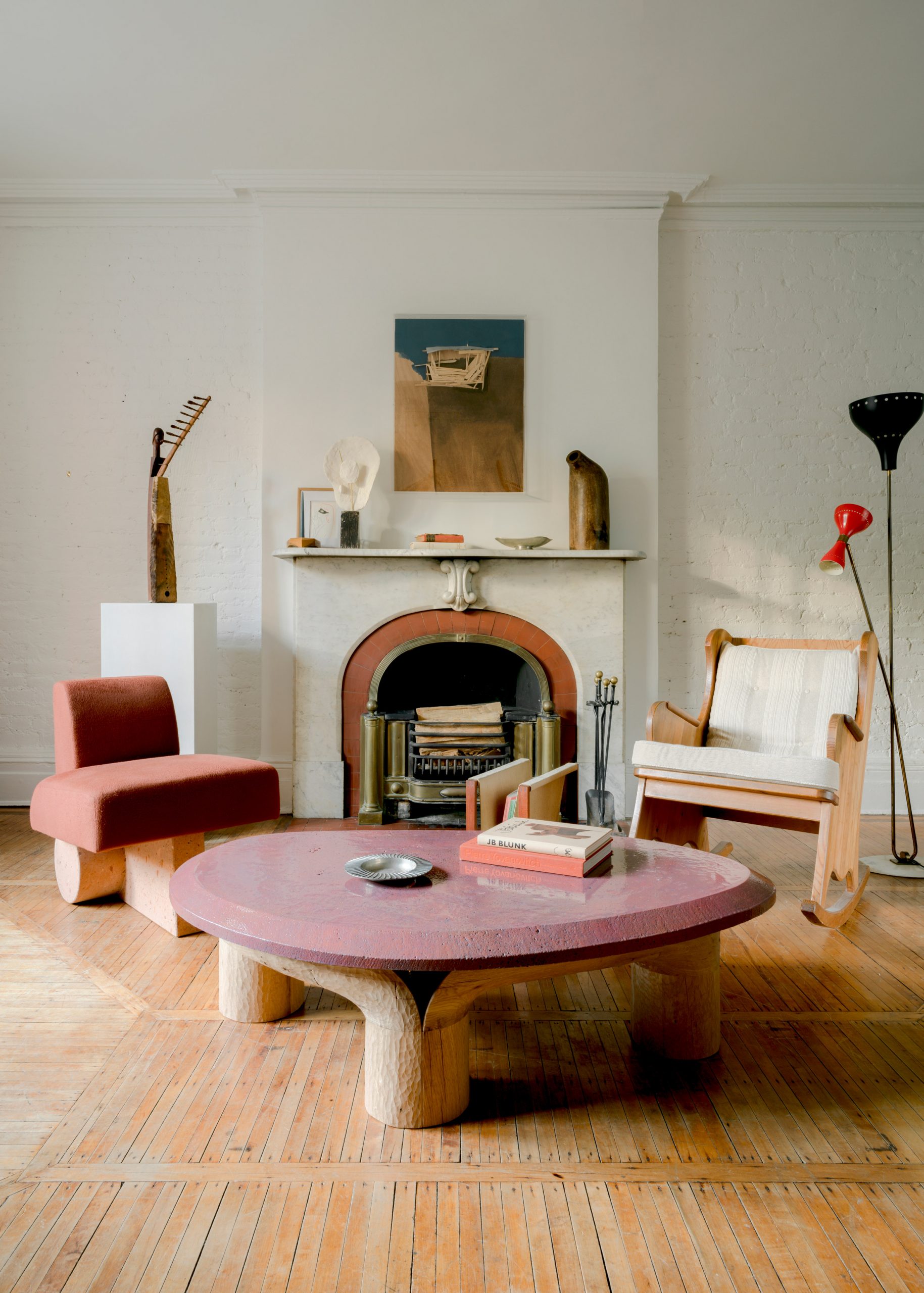

West Village apartment, USA, Olivier Garcé

West Village apartment, USA, Olivier Garcé

Collectible furniture with handcrafted details helps to complement the rustic features of this pre-war brownstone in the West Village, which interior designer Olivier Garcé turned into an art and design showroom during lockdown.

In the living room, a vintage Axel Einar Hjorth rocking chair flanks the fireplace alongside a carved-stone chair and a three-legged coffee table with a pink-glazed lava stone top, both created especially for the project by designer Ian Felton.

Find out more about West Village apartment ›
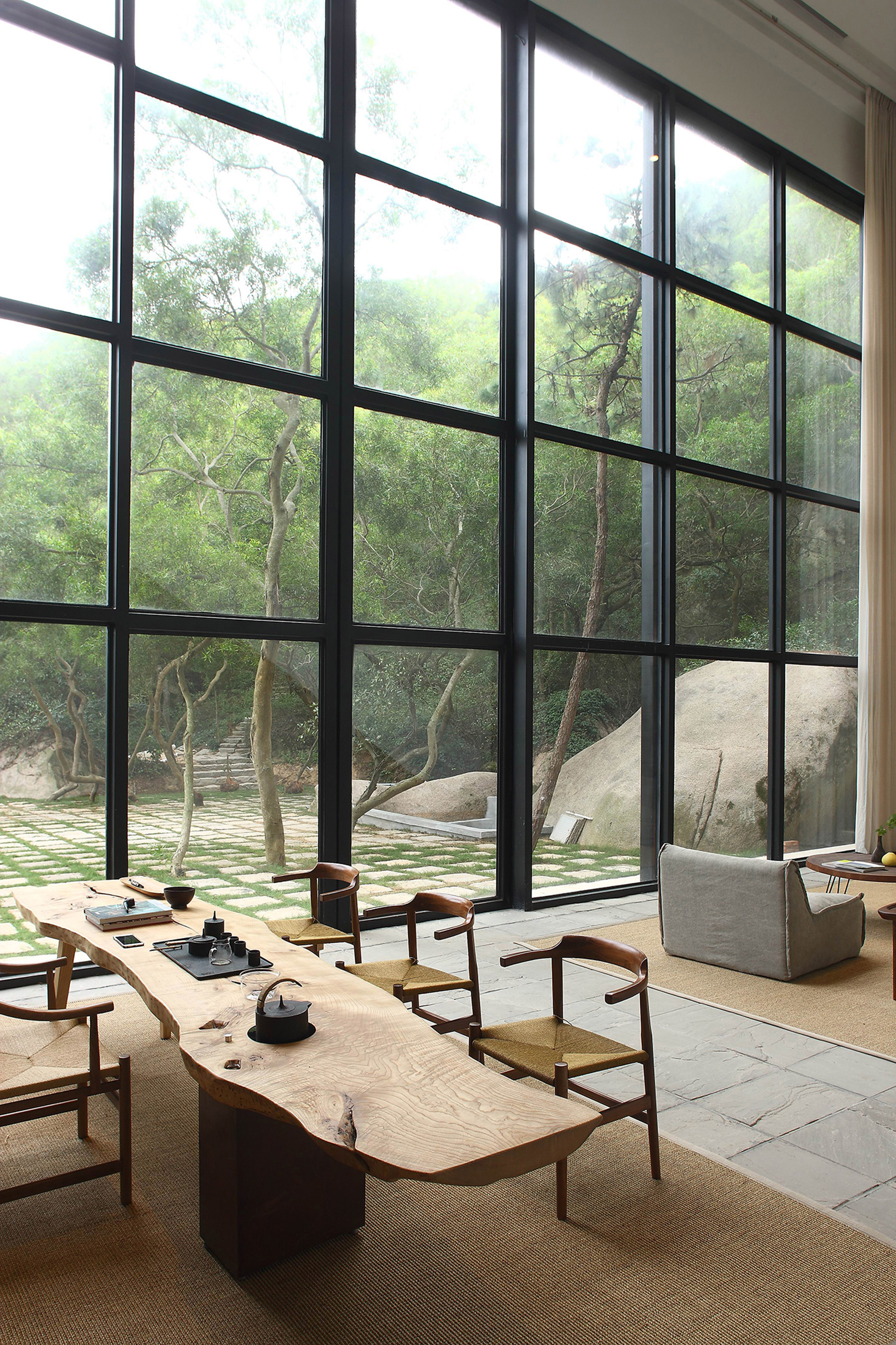

Returning Hut, China, by Xu Fu-Min from rustic interiors roundup

Returning Hut, China, by Xu Fu-Min

Designed as a rural "paradise" for a client tired of city life, the Returning Hut in China's Fujian province fosters connection to the surrounding environment through its huge, double-height windows.

Elements of nature have been allowed to seep into its interior. A large rock pierces through the floor of the en-suite to frame a sunken bath, while a cross-sectioned treetrunk serves as the dining table, paired with Hans Wegner's classic PP68 chairs.

Find out more about Returning Hut ›
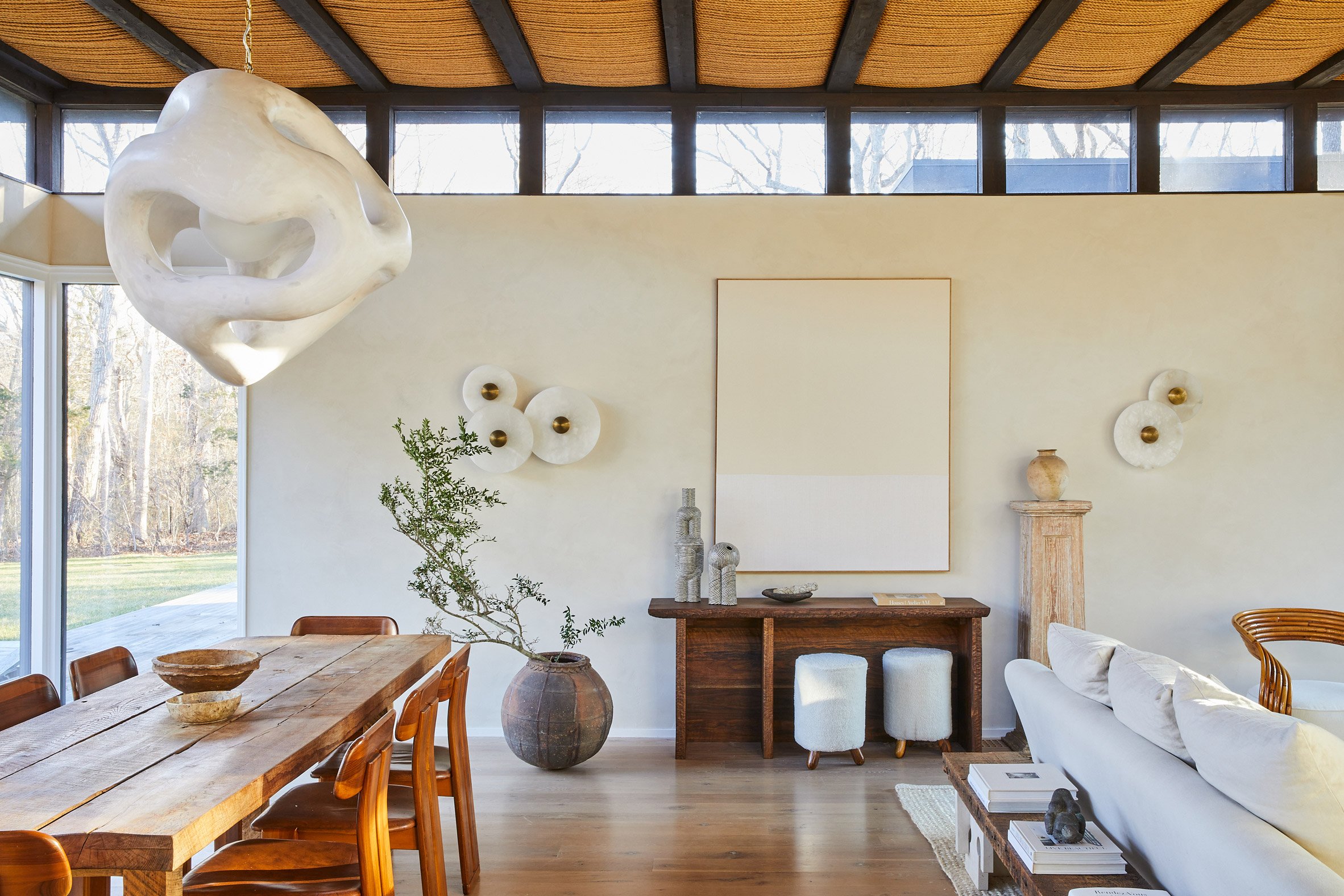

Amagansett house, USA, by Athena Calderone

Amagansett house, USA, by Athena Calderone

Lengths of manila hemp rope are strung up between the wooden beams of designer Athena Calderone's Long Island home, softening the building's clean, modernist architecture while holding up a sculptural pendant light by Rogan Gregory in the dining room.

Here, a homely farmhouse table is surrounded by 1960s Italian Sapporo chairs and a custom walnut wood console by Green River Project is paired with two fluffy white stools courtesy of artist Ethan Cook.

Find out more about Amagansett house ›
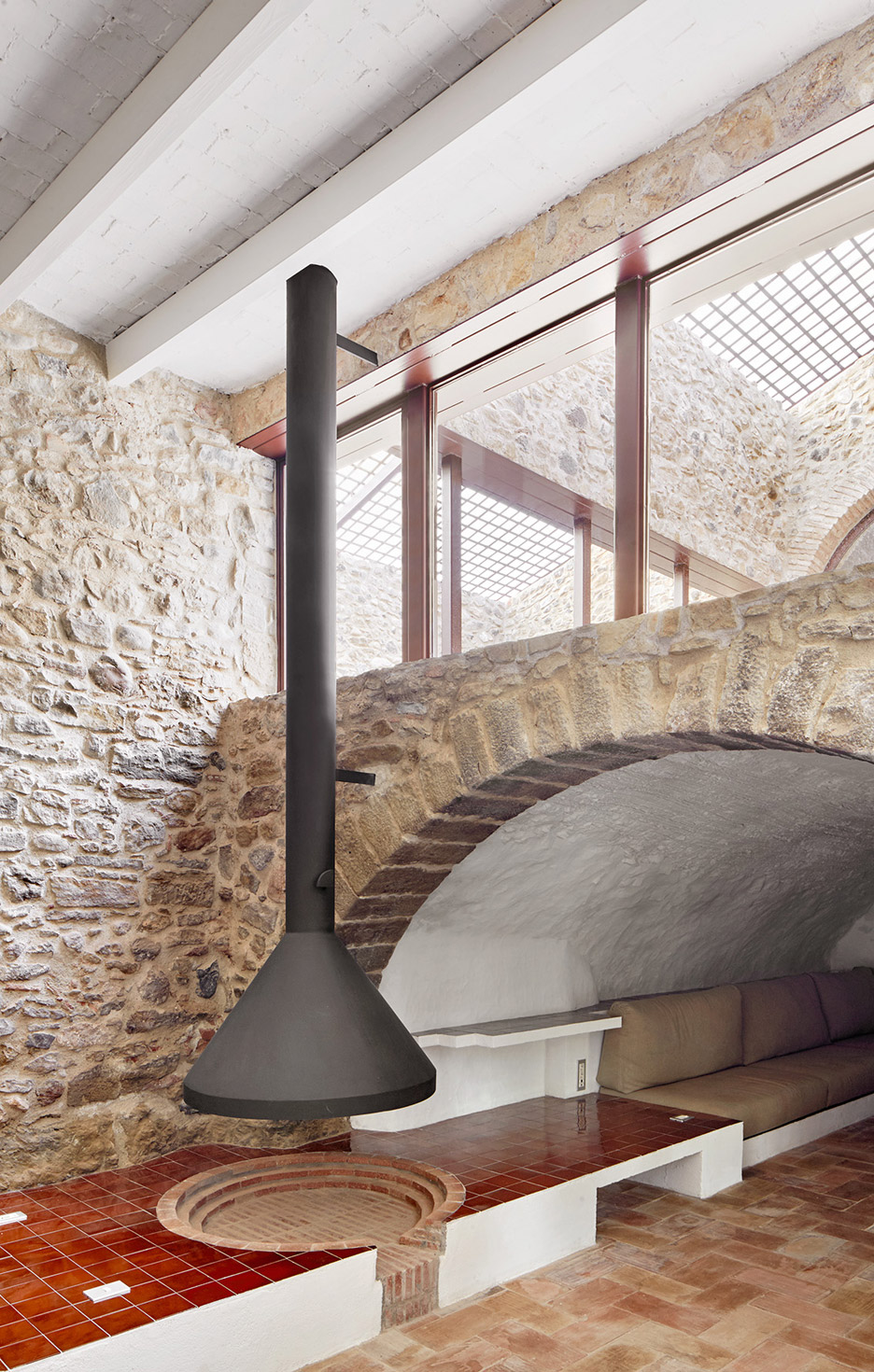

Country House in Empordà, Spain, by Arquitectura-G  from rustic interiors roundup

Country House in Empordà, Spain, by Arquitectura-G 

Spanish studio Arquitectura-G exposed the original brick walls of this farmhouse, composed of decades-worth of adaptations and extensions spread over three different levels, in order to make it feel like one cohesive whole.

Built-in furniture such as seating bays and fire pits further help to tie the different rooms together, while glossy brown tiles emphasise the texture of the original terracotta floors.

Find out more about Country House in Empordà ›
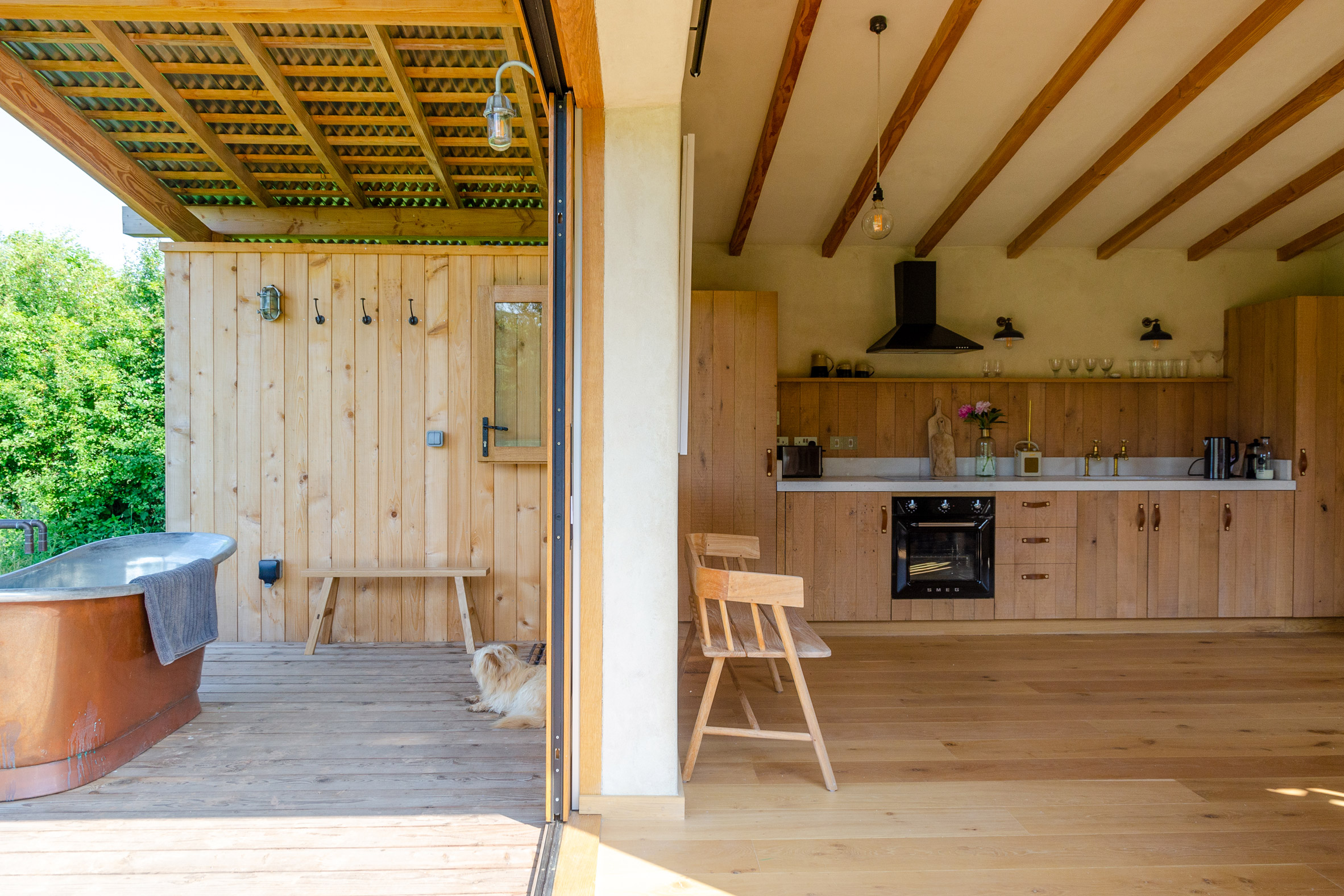

Holly Water, UK, by Out of the Valley

Holly Water, UK, by Out of the Valley

Sliding glass doors allows the indoor area of this cabin in Devon to be opened up onto a veranda with a copper tub, offering views of the surrounding cornfields.

The patio is panelled in larch wood and the kitchen cabinetry in oak, helping to create a seamless transition between the two spaces, while a layer of clay render gives the interior walls a tactile, organic finish.

Find out more about Holly Water ›


This is the latest in our series of lookbooks providing curated visual inspiration from Dezeen's image archive. For more inspiration see previous lookbooks showcasing statement tiling, broken-plan layouts and hotel bedrooms..

The post Ten rustic interiors that incorporate natural textures and materials appeared first on Dezeen.


from Dezeen https://ift.tt/3iLl9NX