Tuesday, 17 August 2021

Atelier Xi transforms abandoned house into library with curved concrete walls

Library in Ruins

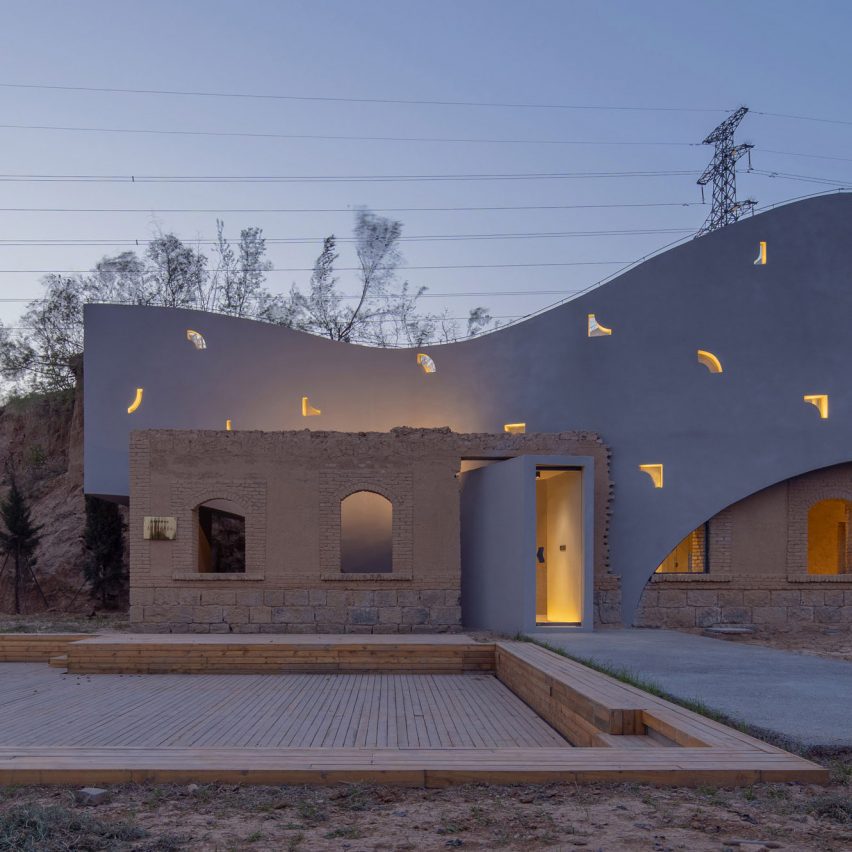
Chinese architecture studio Atelier Xi has completed a library in Henan province featuring a curving concrete volume that emerges from the ruins of a derelict house.

Library in Ruins is part of a series of buildings designed by Shenzhen-based Atelier Xi for the municipal government of rural Xiuwu County.
Library of Ruins is in Xiuwu County
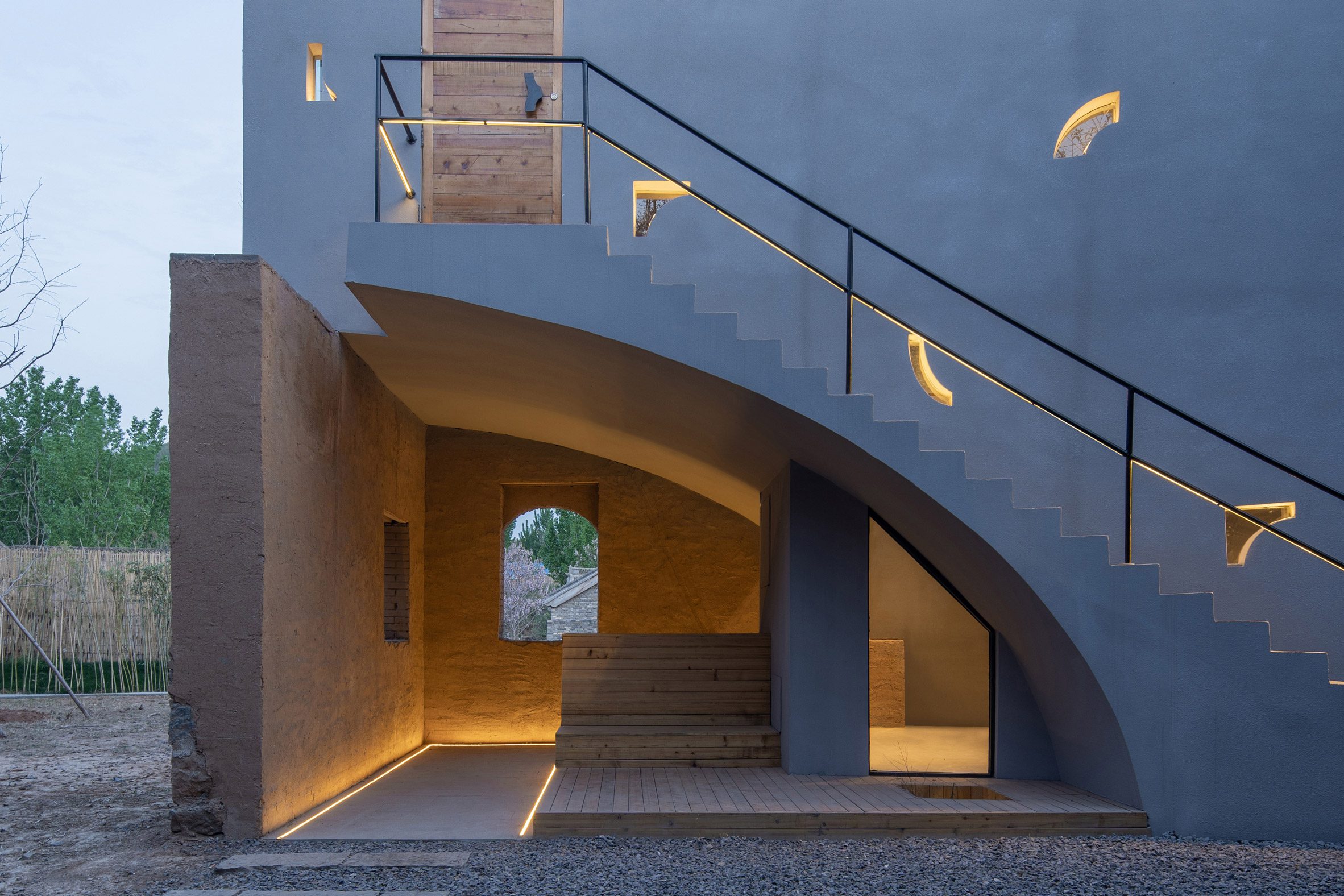
Library in Ruins comprises a concrete volume built around a dilapidated house

The firm was initially commissioned to design a large public building housing various cultural amenities for the county's inhabitants.

However, due to Xiuwu's large area and the difficulty of travelling between scattered villages, the architects suggested separating the proposed functions and distributing them across various buildings in different locations.
Atelier Xi designed the project
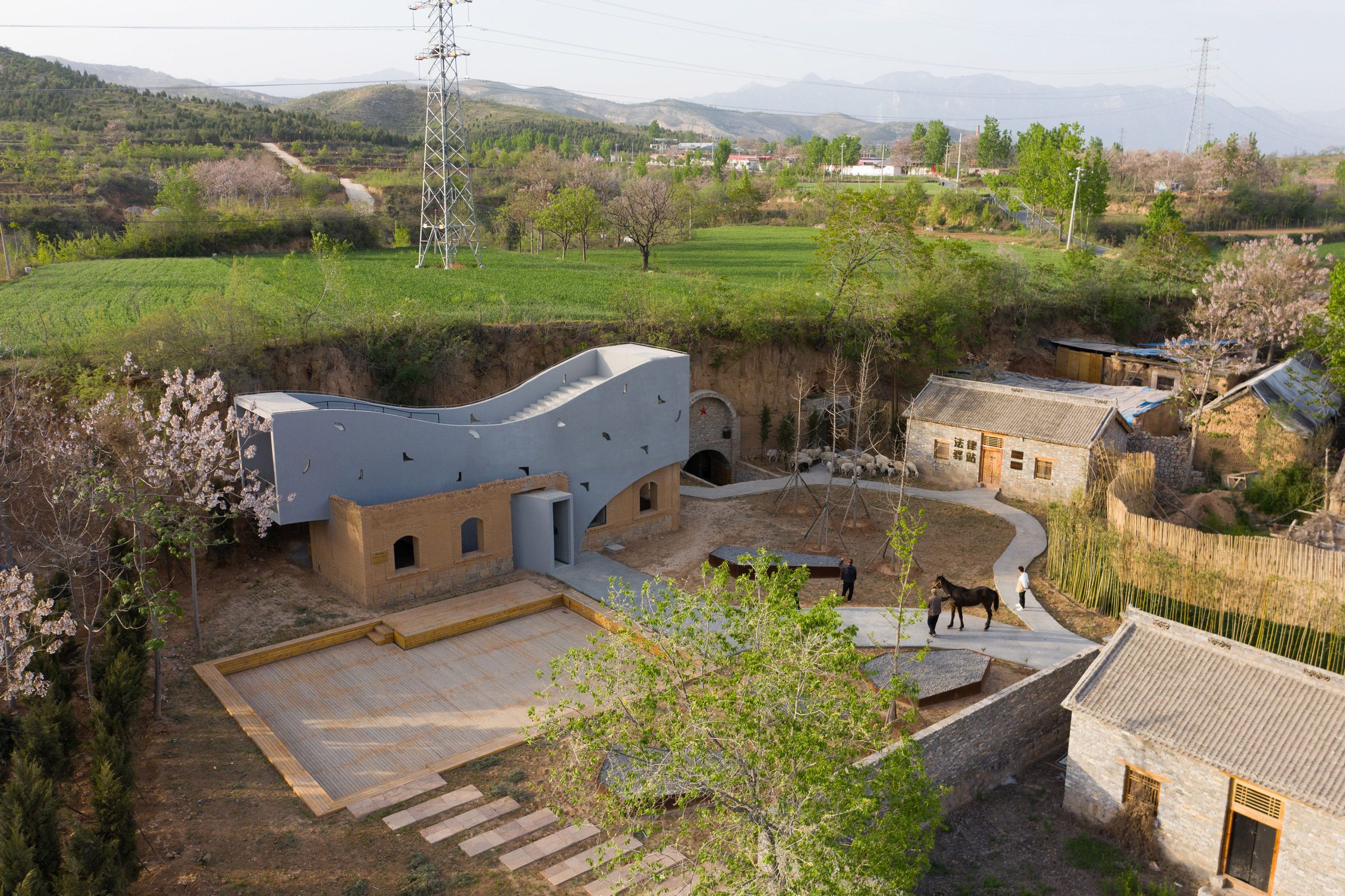
The library is located in a mountainside village in Henan province

Each of the buildings in the Miniature Series is constructed using in-situ cast concrete and features organic forms intended to evoke tree branches reaching towards the sky – like the Peach Hut community pavilion, based on the shapes of nearby peach trees.

The library building is located in Sunyao Old Village, a mountainside settlement comprising cave dwellings and buildings made from adobe mud. The village was gradually abandoned from the mid-1990s onward as the population moved to newly constructed accommodation nearby.
Atelier Xi designed the project to blend with the landscape
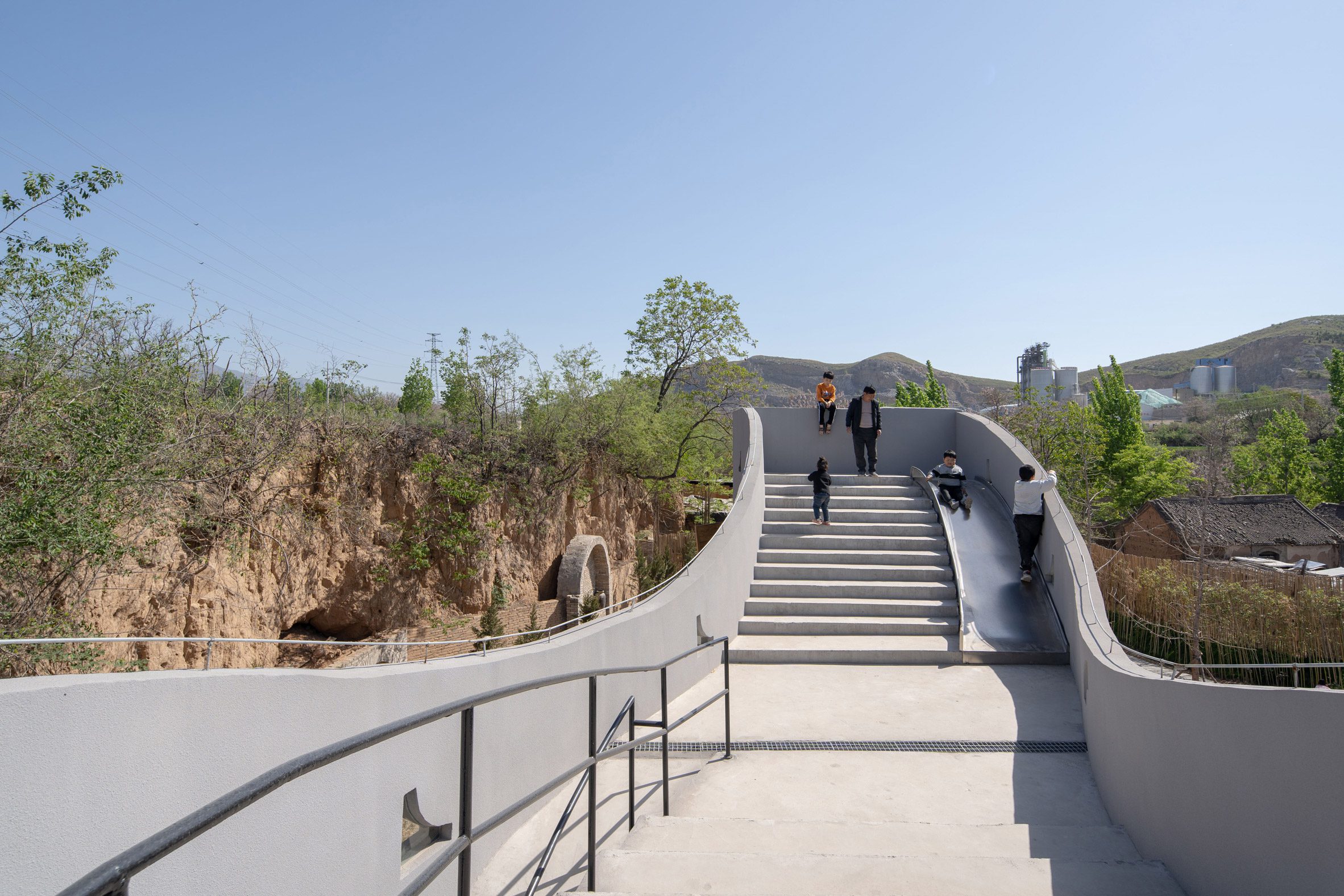
Its roof offers views of nearby cave dwellings

Having initially examined the possibility of restoring one of the derelict houses to create the library, the architects found there were no longer any craftsmen with the traditional skills required to extend the existing rammed-earth walls.

Instead, the library's design features a concrete form constructed within the existing walls. The new volume both evokes the heavy construction of the old buildings and is clearly identifiable as part of the Miniature Series.

"[We] proposed to build with a new method to allow a new structure to grow from the old ruins," explained Atelier Xi, "allowing the new building to become a spatial device where people enter the ruins, jump over the old houses and gaze into the village, the fields and the mountains in the distance."

The design carefully blends the old and new parts of the building, retaining many of the original features while creating a strong contrast through the form and materiality of the contemporary addition.
Atelier Xi Library in Ruins
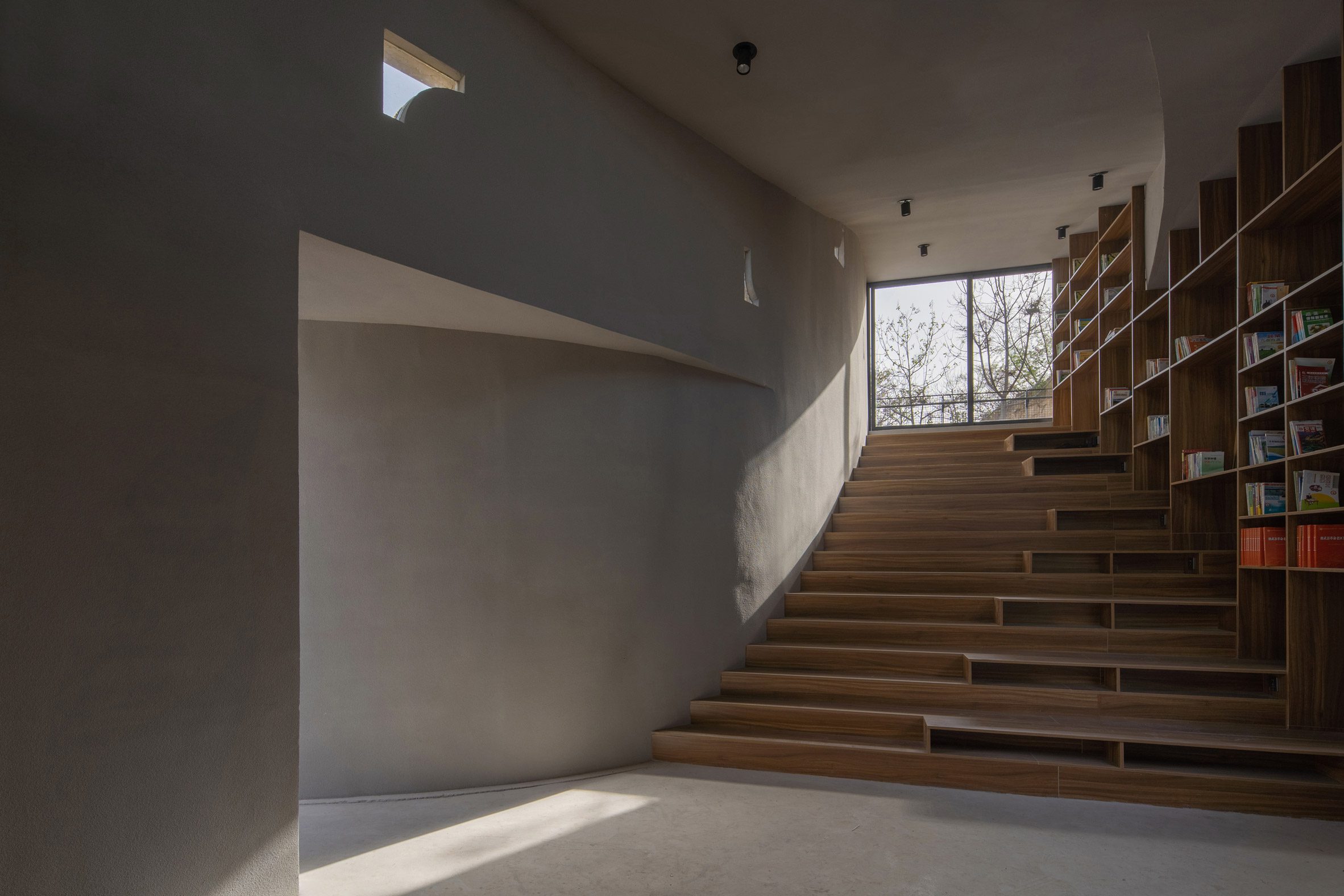
Books are stored on wooden shelves that connect with a reading area formed by bleacher seating

The original doorway now forms the new entrance, which is marked by a protruding concrete volume that intersects with the existing earth wall.

A corner of the original wall guides visitors toward a gravel garden at the rear of the building, which faces onto the adjacent cliff and network of cave dwellings.
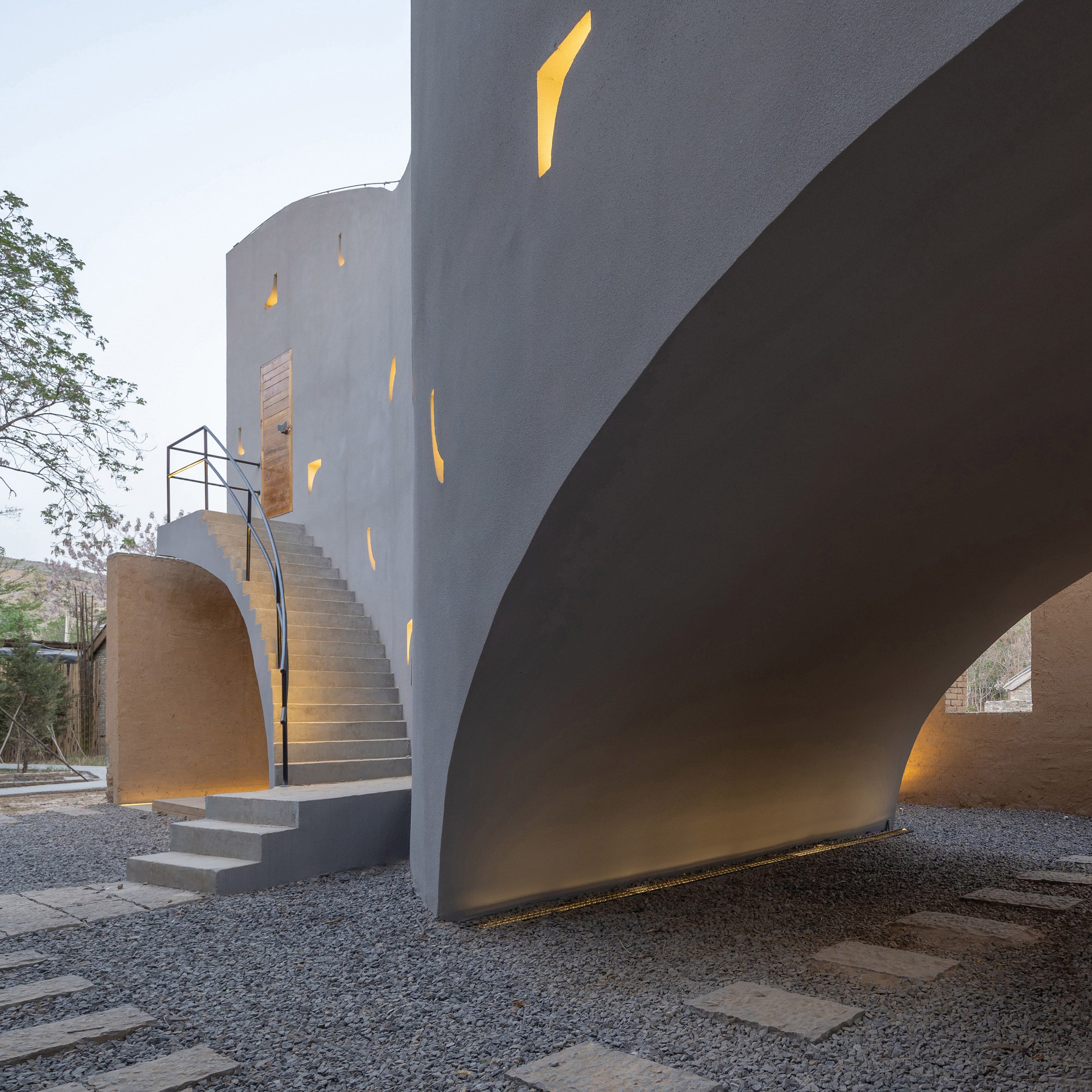
Atelier Xi Library in Ruins
The building's arching forms are surrounded by a gravel garden

Inside the building, the compact ground floor can be used as a projection room and reading space, with bookshelves and bench seating incorporated into the curving stair.

Curving concrete surfaces overlap the existing structure and extend upwards to create space for a tea room above the ground-floor reading room.
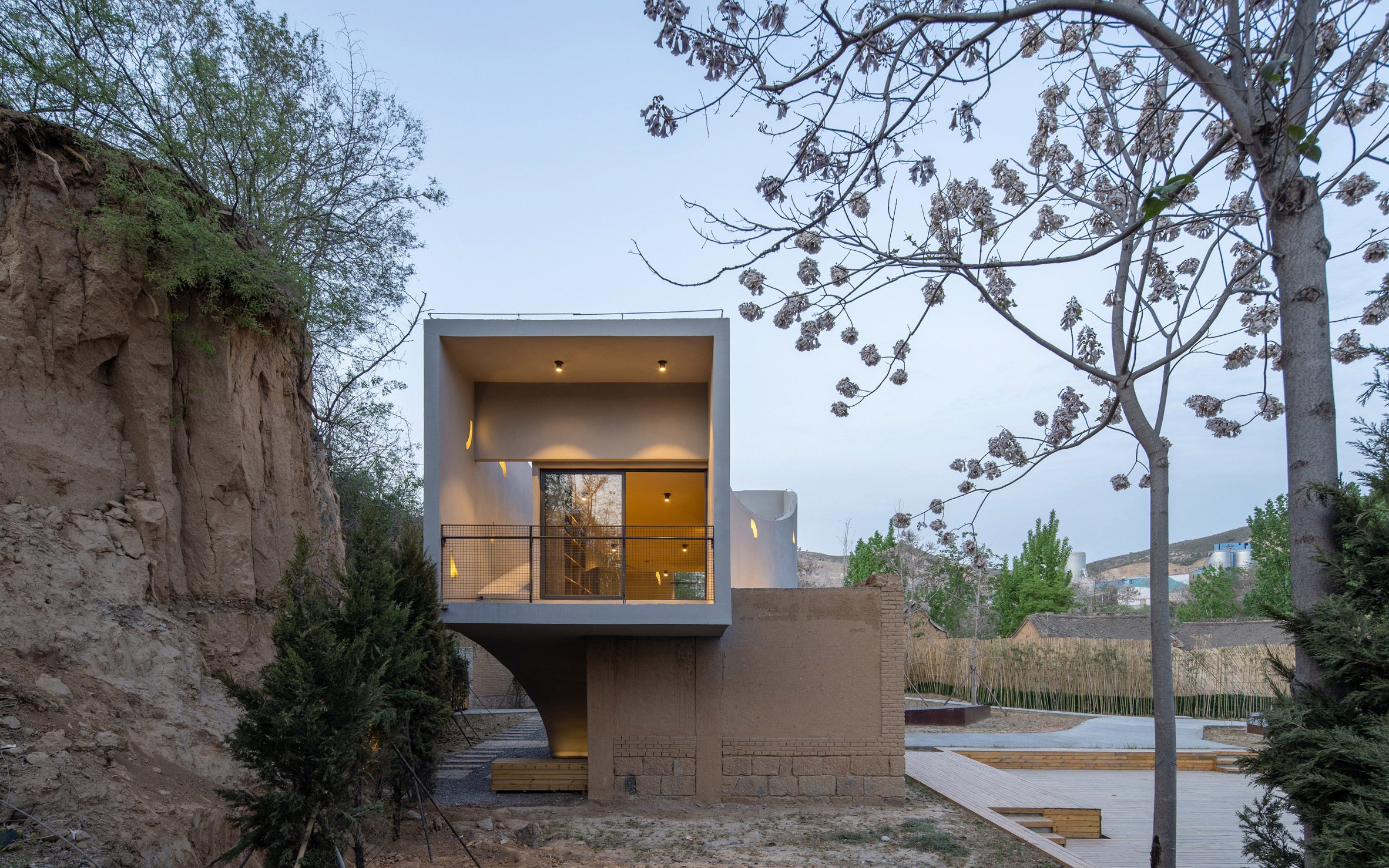
The building's fluid shapes complement the natural forms of the surrounding trees
A protruding concrete volume intersects with the earth wall

"The facade and internal spaces of the building unfold in a topographic approach," Atelier Xi added. "The undulating outline of the roof echoes the terrain and distant mountains, and the roof ground naturally forms an outdoor terrace and a slide for children."

The building's fluid shapes complement the natural forms of the surrounding trees and landscape, which are visible from inside through large, full-height openings at either end of the first floor.
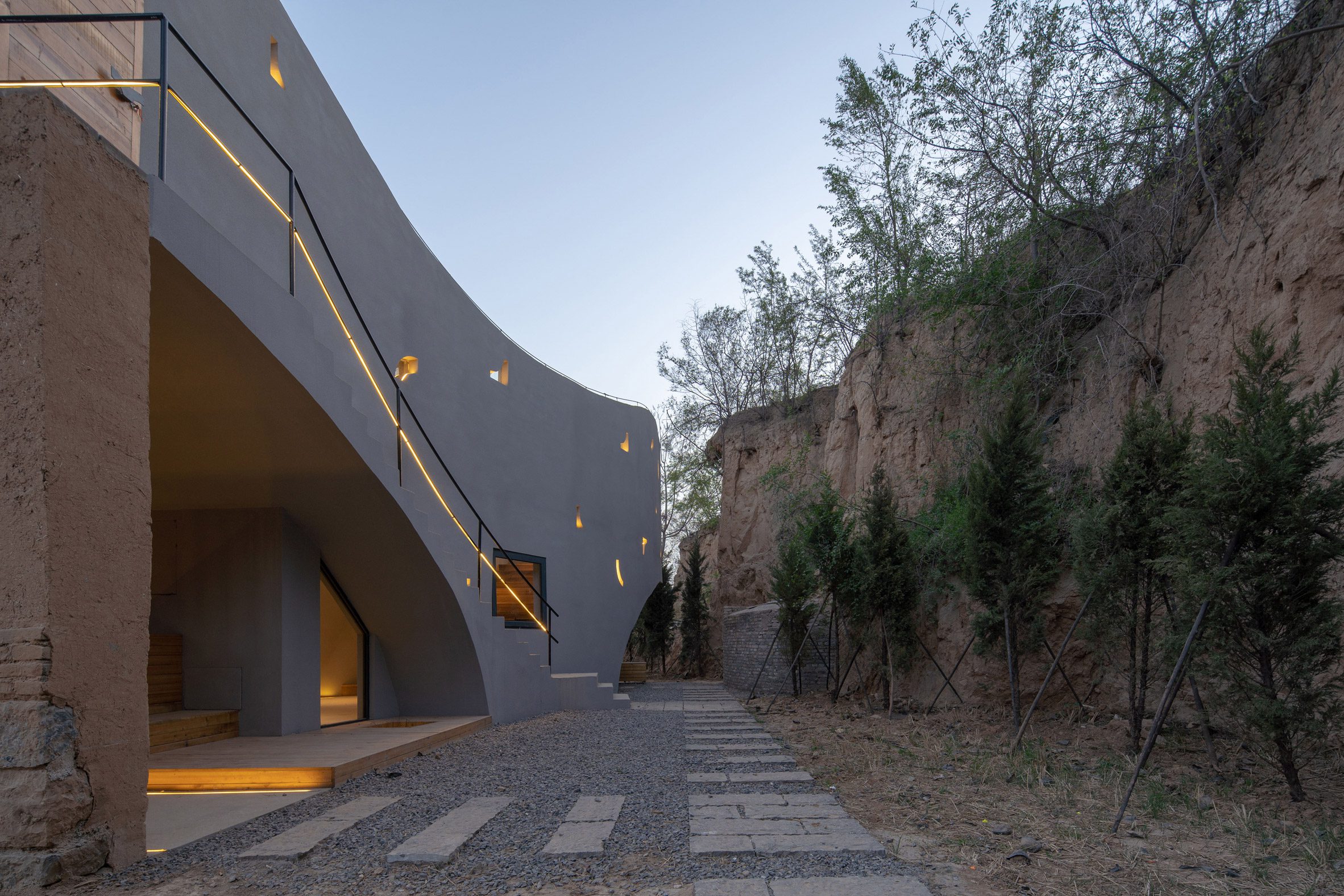
Atelier Xi is a Chinese practice
The building's shapes are designed to fluidly blend with its surroundings

The in-situ concrete walls also incorporate small cutouts shaped to echo the forms of buildings in the Miniature Series.

"These irregularly shaped openings curate a play of shadow during the day," added Atelier Xi, "and create a backdrop of twinkling lights throughout the night."

The curving forms extend to the exterior landscaping and paths that connect the library with the adjacent caves and a public square used to host meetings and festivals.

The photography is by Zhang Chao.

The post Atelier Xi transforms abandoned house into library with curved concrete walls appeared first on Dezeen.


from Dezeen https://ift.tt/3AOqJW9

Snøhetta adds reflective underground extension to Ordrupgaard Museum

Ordrupgaard Museum extension by Snohetta

Architecture studio Snøhetta has completed an extension to Denmark's Ordrupgaard Museum, uniting the original country manor building and a 2005 Zaha Hadid addition with new subterranean galleries that make a sculptural protrusion into the landscape.

Located north of Copenhagen near the forest park Jægersborg Dyrehave, the Ordrupgaard Museum is dedicated to French and Danish art from the 19th and early 20th century.

Snohetta Ordrupgaard Museum extension protruding into the landscape
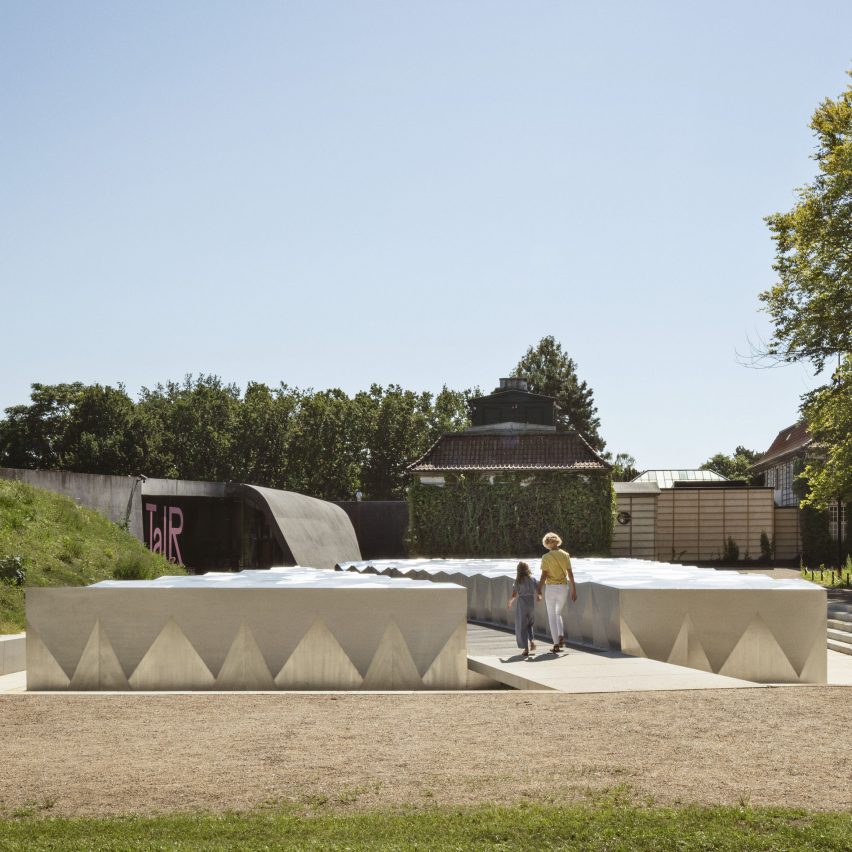
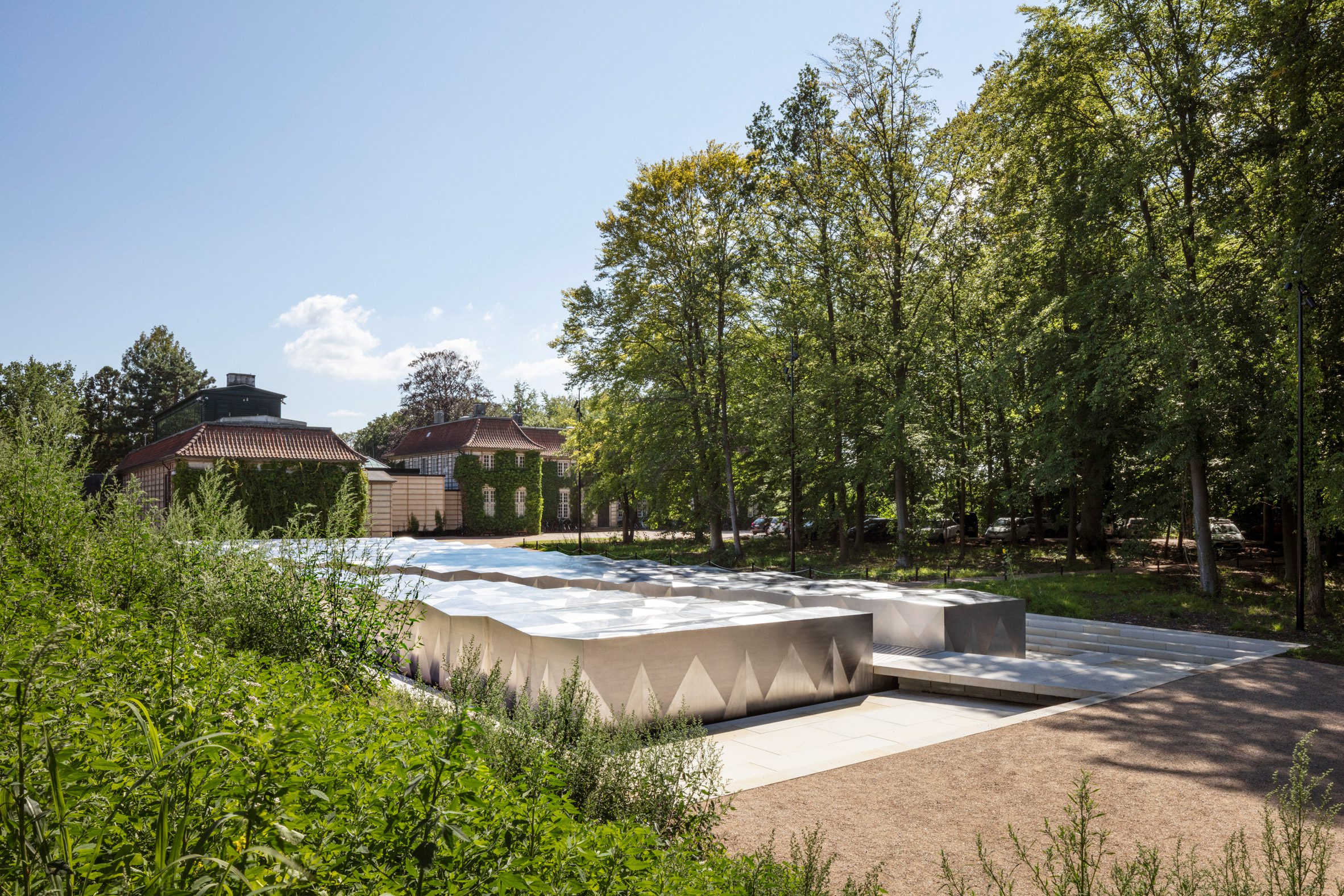
Snøhetta's Ordrupgaard Museum extension is subterranean but partially protrudes into the landscape

Its original world war one-era building is a three-winged neoclassical country mansion that houses the permanent collection, while special exhibitions are presented in the adjacent Zaha Hadid-designed modern extension, which is made of glass and black lava concrete.

Snøhetta's new addition links these two buildings with five new underground gallery spaces and several landscape interventions, all intended to provide a "holistic and continuous path" throughout the museum and its grounds.

Ordrupgaard Museum extension in multifaceted steel
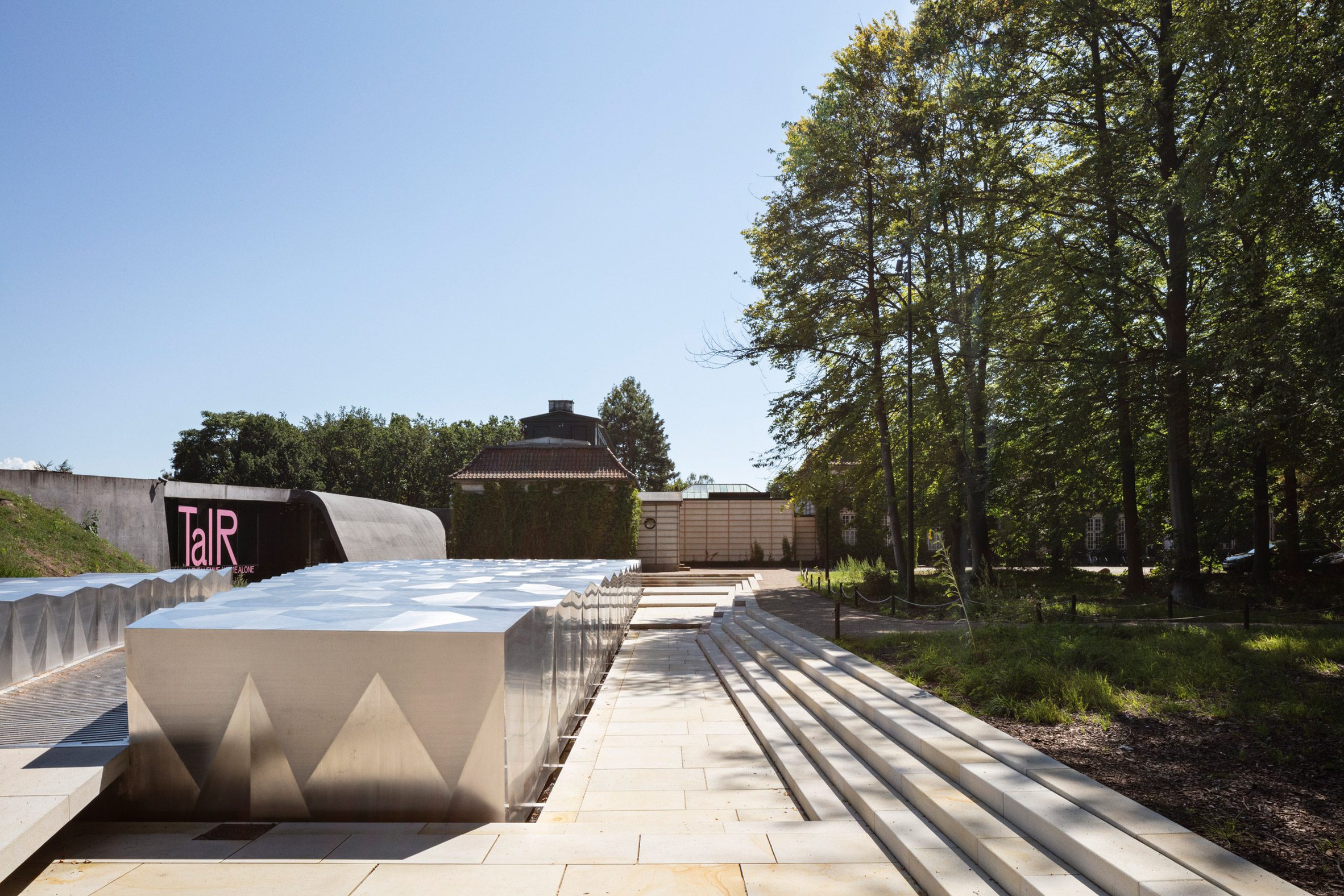
The extension includes a semi-sunken area where people can sit

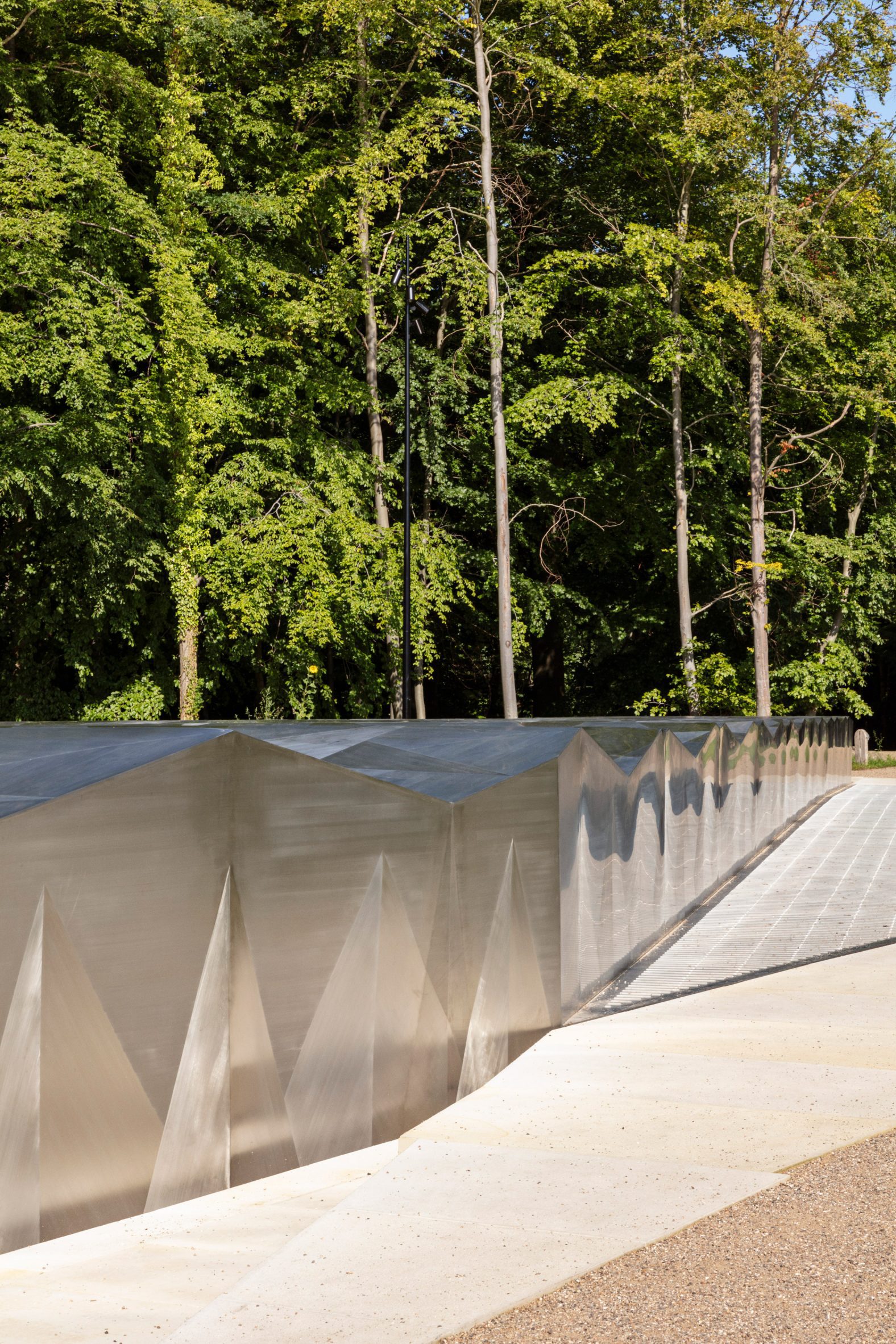
Three of the new gallery spaces are dedicated to one of the Ordrupgaard Museum's drawcards, its collection of French impressionistic paintings — an art style that Snøhetta references in the section of the structure that can be seen from outside.

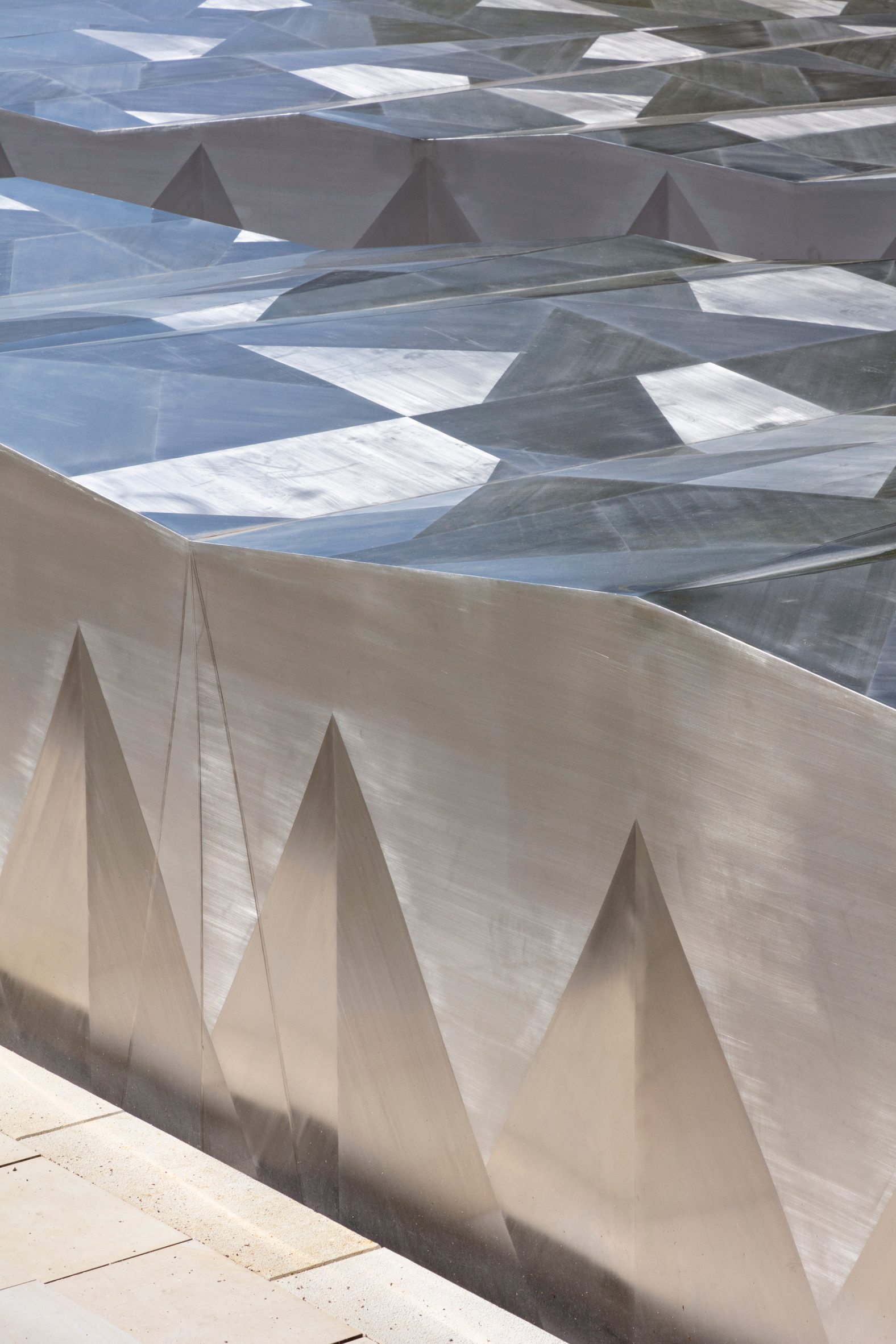
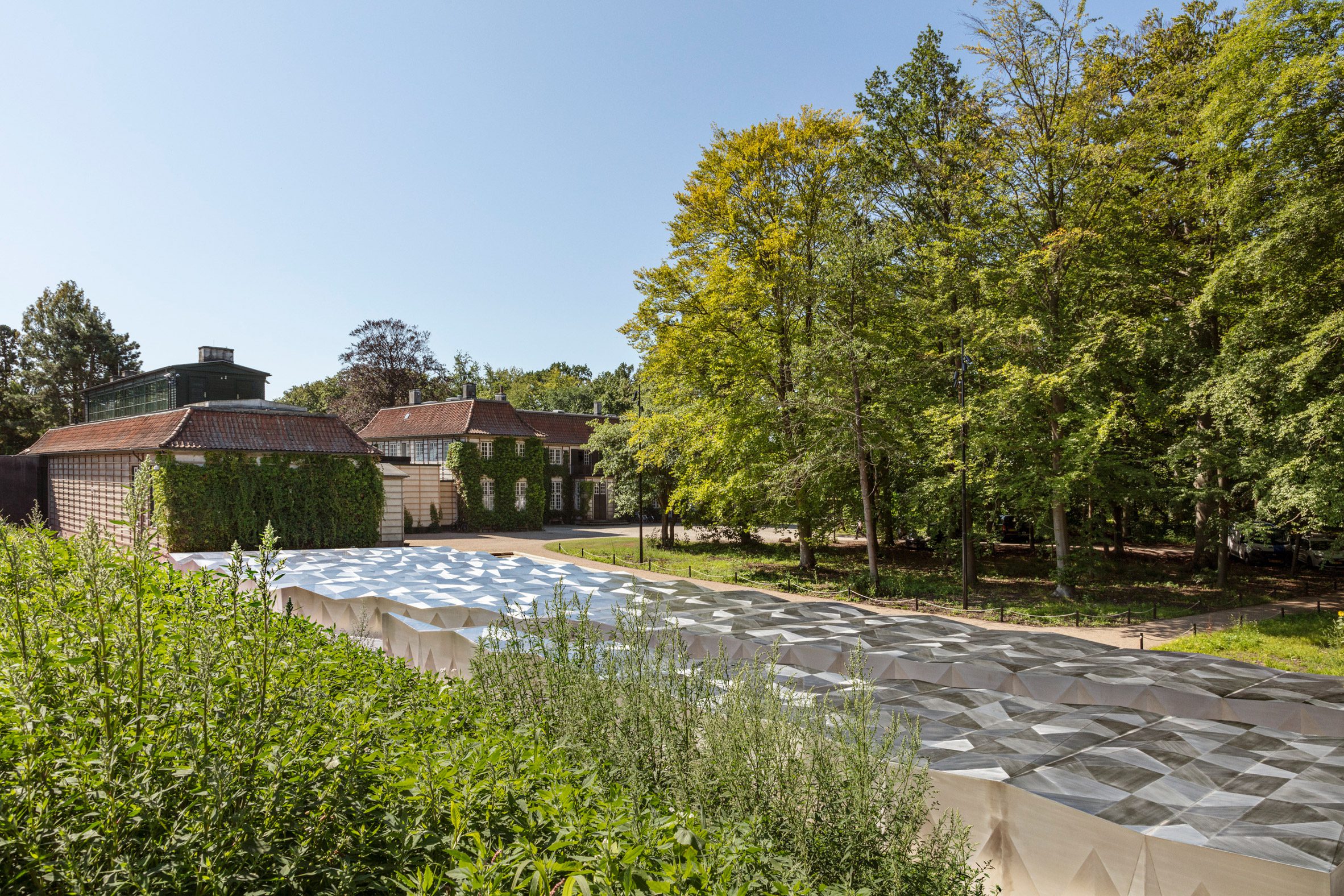
This steel-coated structure is cut into multiple facets that are polished in different directions. They create a play of light that the Norwegian architecture firm intended to reflect the impressionists' preoccupation with capturing the changing qualities of light.

Multifaceted steel of Ordrupgaard Museum extension
The protruding section is coated in steel that glitters in the light

The steel structure, dubbed "Himmelhaven" ("Heaven’s Garden") by the architects, has a different look throughout the day and in different seasons.

The studio also tried to give it the appearance of an object that has been semi-excavated from the ground below.

Ordrupgaard Museum extension next to deciduous forest
The extension is meant to resemble a semi-excavated object

"Just like a hidden treasure that reveals itself as it appears during excavation, the structure glistens in the landscape," said Snøhetta.

Through this structure, there is a diagonal cut — a bridge, paved in natural stone, that intuitively leads visitors from the garden to the main entry.

Around it, a half-sunken "mini-atrium" with steps welcomes visitors to sit, rest and enjoy the views of the century-old grounds around it.

On one side is an English-style park with deciduous trees and on the other, a more formal French-inspired rose garden, which Snøhetta took care to safeguard during construction.

Ordrupgaard Museum extension by Snohetta
The extension sits in between a wooded area and a formal rose garden

The firm also added to the landscape, particularly in the area around Hadid's extension, which it says it has "excavated somewhat" from the landscape, while planting meadow flowers on the surrounding hillside.

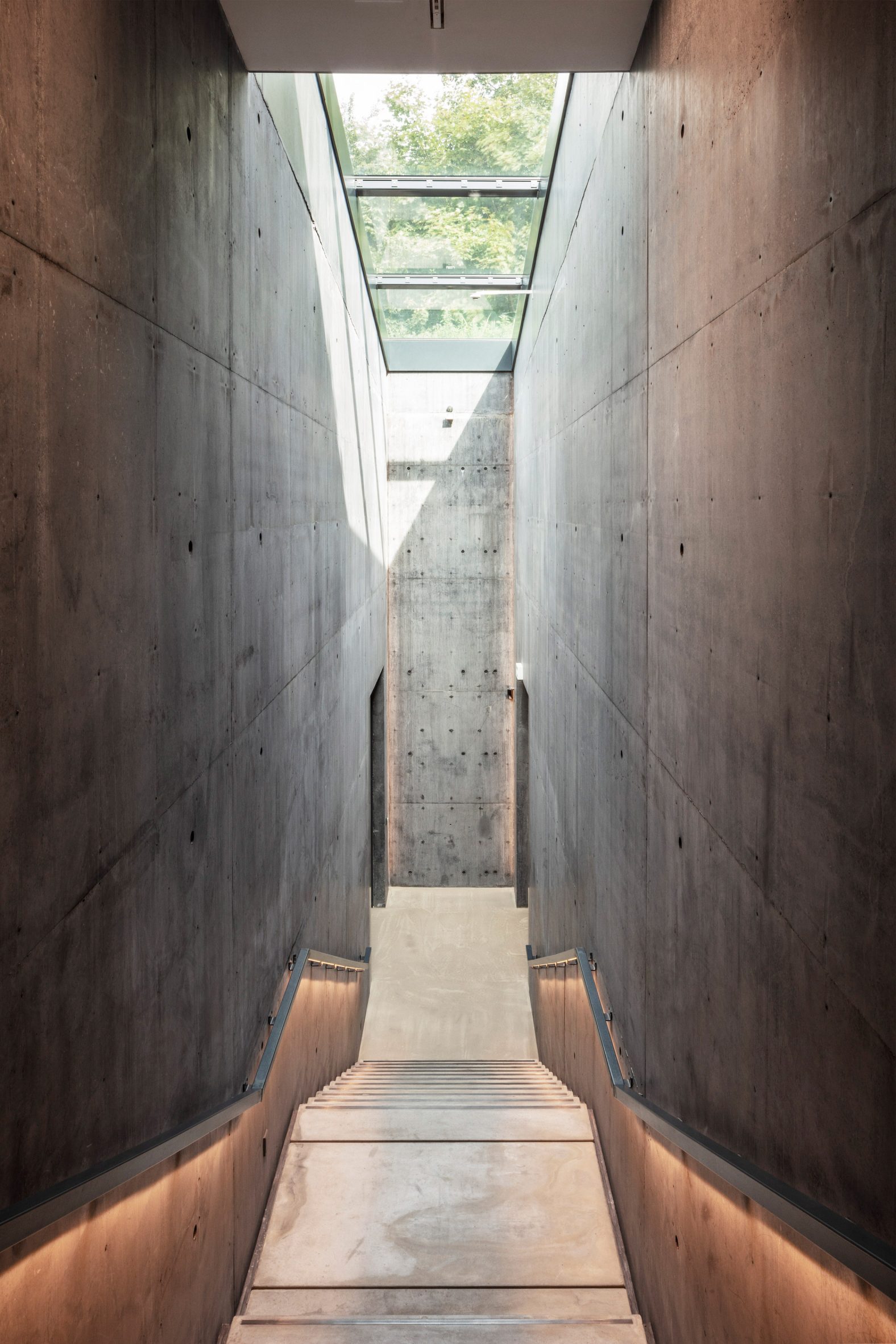
Inside Snøhetta's extension, two gallery spaces serve as a continuation of Hadid's special exhibition space, and extend its dark concrete materiality palette.

Snohetta Ordrupgaard Museum interior with dark concrete palette
Some of the galleries continue the dark concrete palette of Zaha Hadid's extension

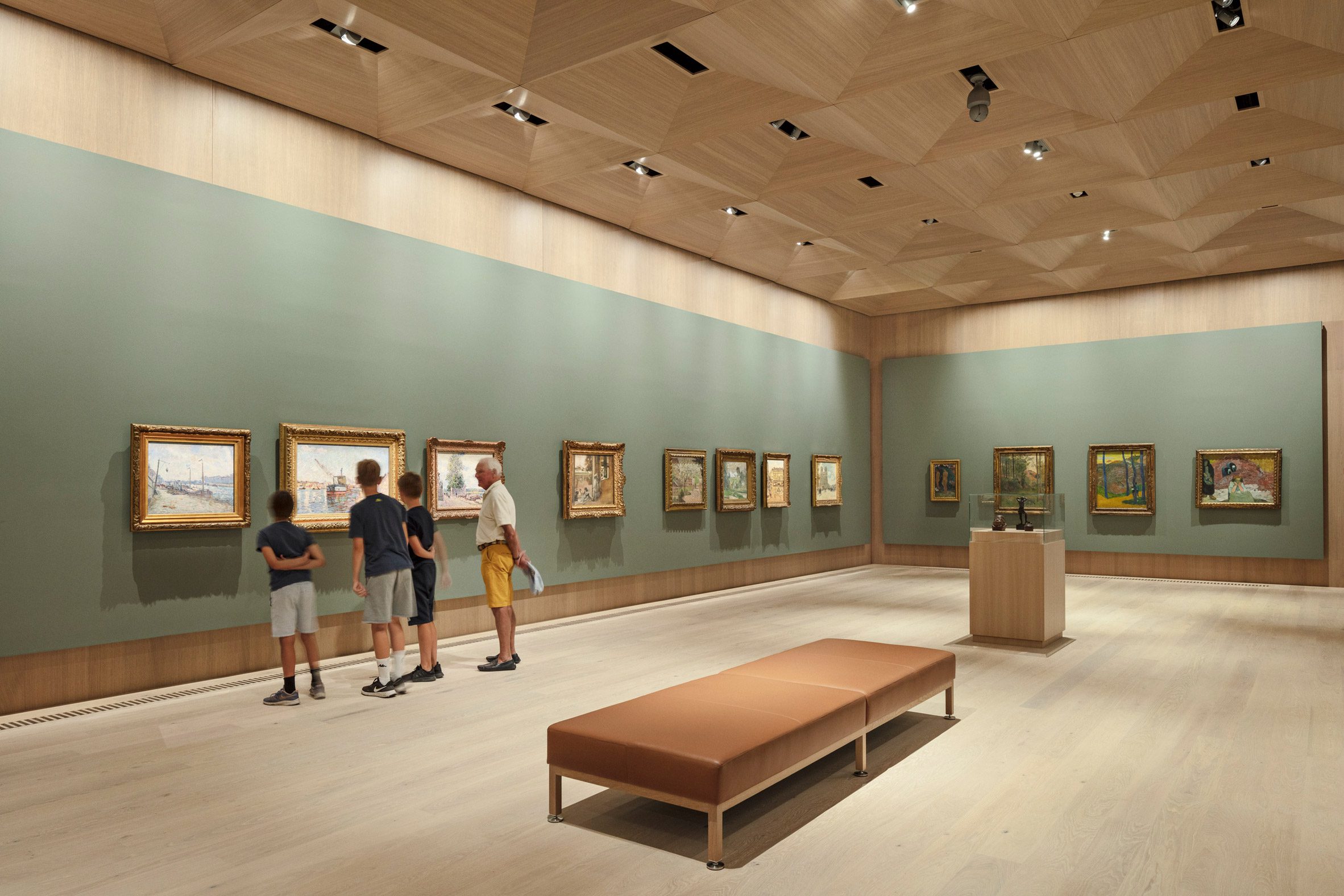
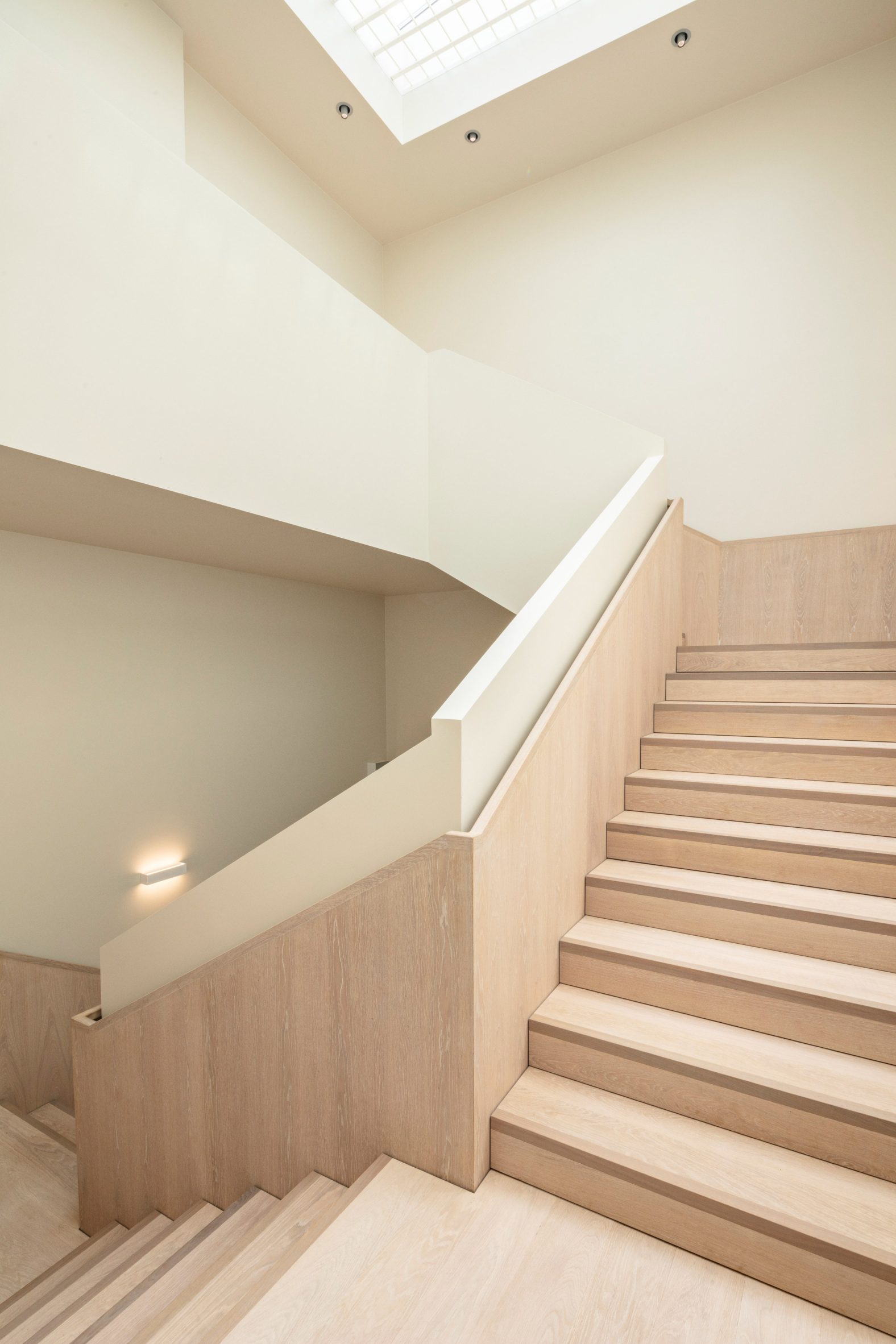
The three new impressionism-focused galleries feature lighter, warmer colours and materials. Oak is a key element, extending across floors, walls and ceilings.

Gypsum boards are mounted over the walls to allow the museum to easily change the artworks and colour palette in the space.

Interior of Snohetta Ordrupgaard Museum dedicated to Impressionism
Others are dedicated to the Ordrupgaard Museum's collection of Impressionism and feature lighter colours and materials

Snøhetta describes its overall extension as providing "a comfortable and intuitive museum journey that is accessible and tangible for all".

"Through its subdued yet powerful design, the Ordrupgaard extension by Snøhetta respectfully blends in with its existing surrounding, whether vegetal or built, historic or contemporary, all while adding its own interpretation of time and space and bringing all elements together in a circular and enhanced museum experience for future generations to enjoy," said the architecture firm.

Light timber stairwell in Snohetta extension to Ordrupgaard Museum
The extension connects what were previously separate buildings

Snøhetta is an international architecture and design studio. It was founded by architects Kjetil Trædal Thorsen and Craig Dykers in 1989 and is headquartered in Norway.

It has recently completed another glittering building — the Le Monde Group headquarters in Paris — while its Children's Museum in El Paso features a barrel-vaulted roof that almost resembles a drawing of a cloud.

Photography is by Laura Stamer.

The post Snøhetta adds reflective underground extension to Ordrupgaard Museum appeared first on Dezeen.


from Dezeen https://ift.tt/3z6NSCw

Watch a live talk on designing future-ready workplaces with BDG Architecture + Design

Sea Containers by BDG Architecture + Design

Dezeen is teaming up with workplace specialist BDG Architecture + Design to live stream a talk with its chief creative officer Colin Macgadie on how office spaces can be designed to adapt to the changing needs of workers and companies. Tune in from 2pm London time.

The talk, titled 'People-first, Future-ready', will be moderated by Dezeen's founder and editor-in-chief Marcus Fairs and is the first in-person conversation to be live streamed from Dezeen's brand new Studio Space in London.

Sea Containers by BDG Architecture + Design
Sea Containers House in London by BDG Architecture + Design

During the discussion, Macgadie will explain how the office spaces that BDG Architecture + Design has created worldwide for advertising and media group WPP illustrate the practice's evidence-based and flexibility-focussed approach to workplace design.

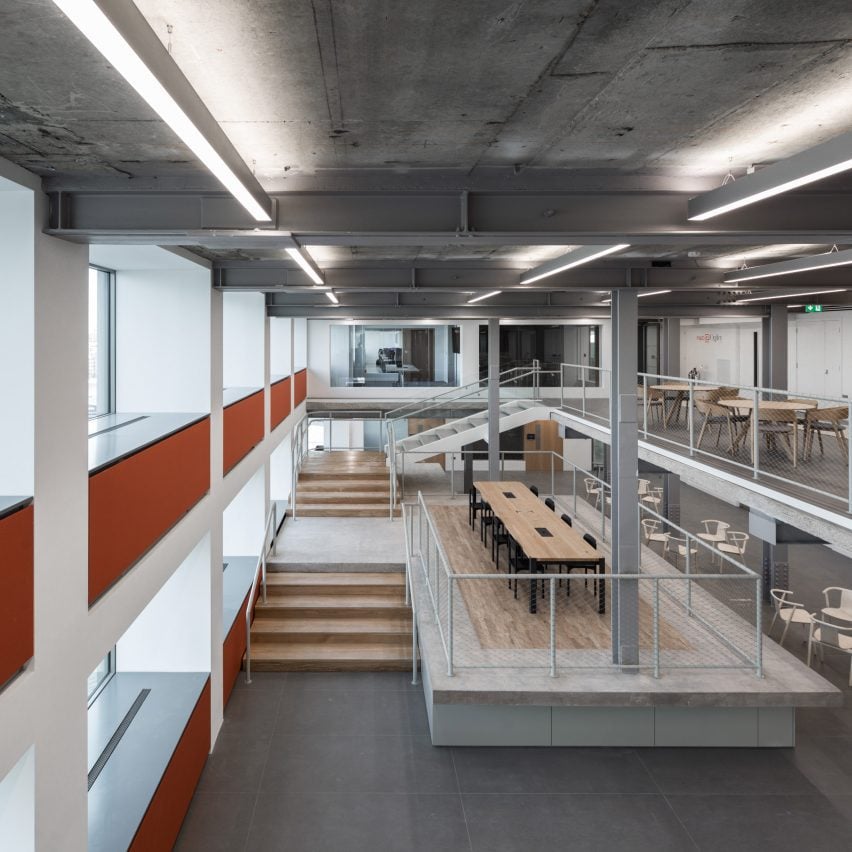
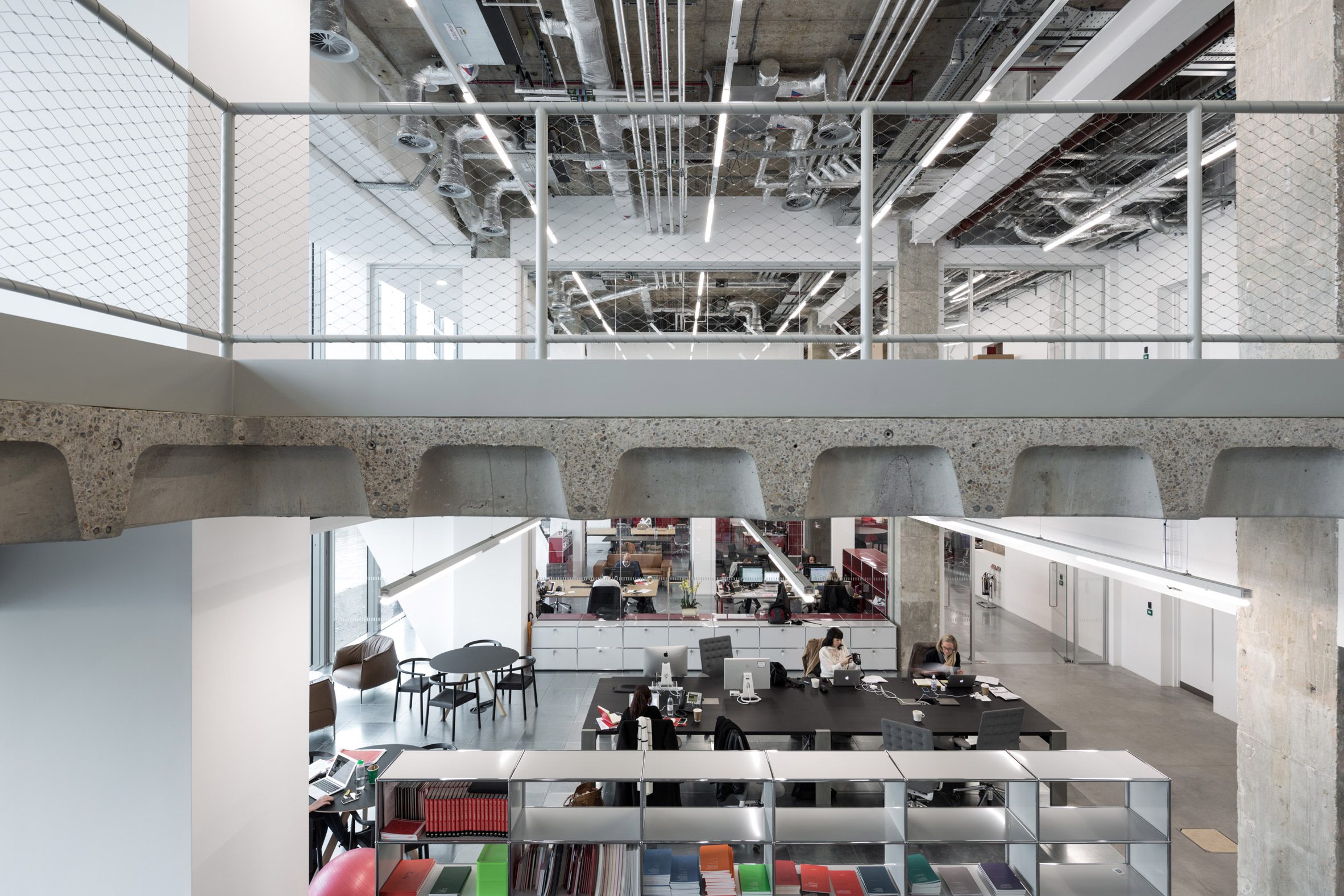
In 2015, BDG Architecture + Design completed a renovation of several floors in Sea Containers, a historic 1980s building on London's Southbank, to house a number of brands owned by WPP including advertising agency Ogilvy and media planning agency MEC.

The project is notable for the prominence given to circulation areas and an abundance of shared spaces designed to facilitate informal, flexible working practices. These include a double-height amphitheatre, extensive hospitality facilities, and stairwells which feature built-in platforms that can be used for meetings or longer-term project work.

Since the completion of that project, BDG Architecture + Design has continued to create buildings for WPP around the world, including campuses for the group's brands in Amsterdam, Detroit, Hamburg and Paris. In addition, the firm is working on two further buildings to extend WPP's presence on London's Southbank.

BDG Architecture + Design's Colin Macgadie
Colin Macgadie, chief creative officer of BDG Architecture + Design

As chief creative officer at BDG, Macgadie leads the creation of workplaces for all of the firm's clients. Under his creative direction, BDG has been commissioned to create office spaces for clients including Google, Lego, Nike and Sony, as well as WPP's campuses around the world.

During Macgadie's tenure, BDG Architecture + Design has opened studios in New York, São Paulo and Shanghai, and won two BCO Awards for innovation in 2017.

In 2019 he delivered a keynote speech on 'The Future of Work' at the inaugural Vitra International Architects Day in Basel, and in 2020 Macgadie sat on the jury for the Frame Awards.

This live stream was produced by Dezeen for BDG Architecture + Design as part of a partnership. Find out more about Dezeen's partnership content here.

The post Watch a live talk on designing future-ready workplaces with BDG Architecture + Design appeared first on Dezeen.


from Dezeen https://ift.tt/3gatmcW

Minecraft library provides gamers with "a safe haven for press freedom"

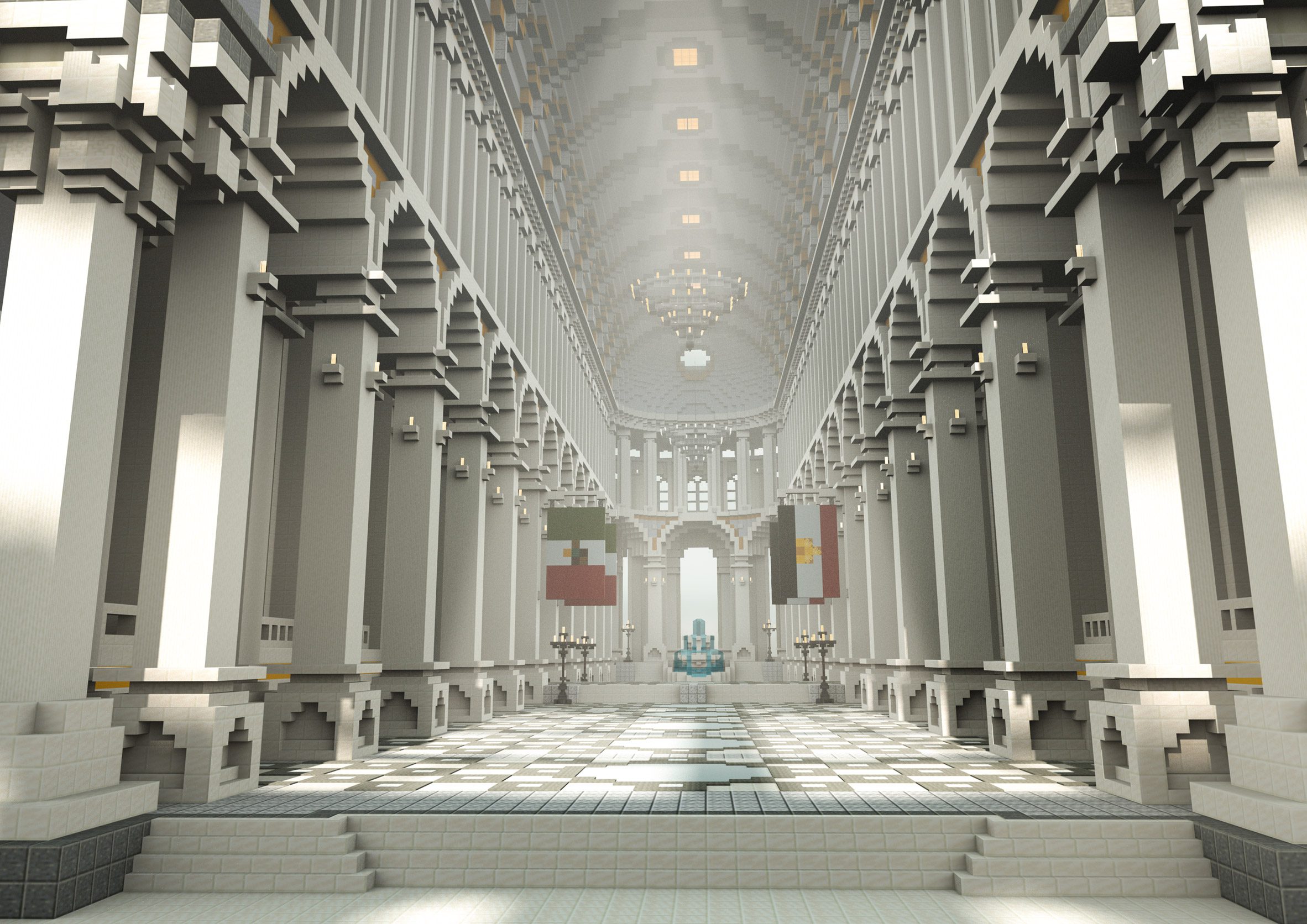
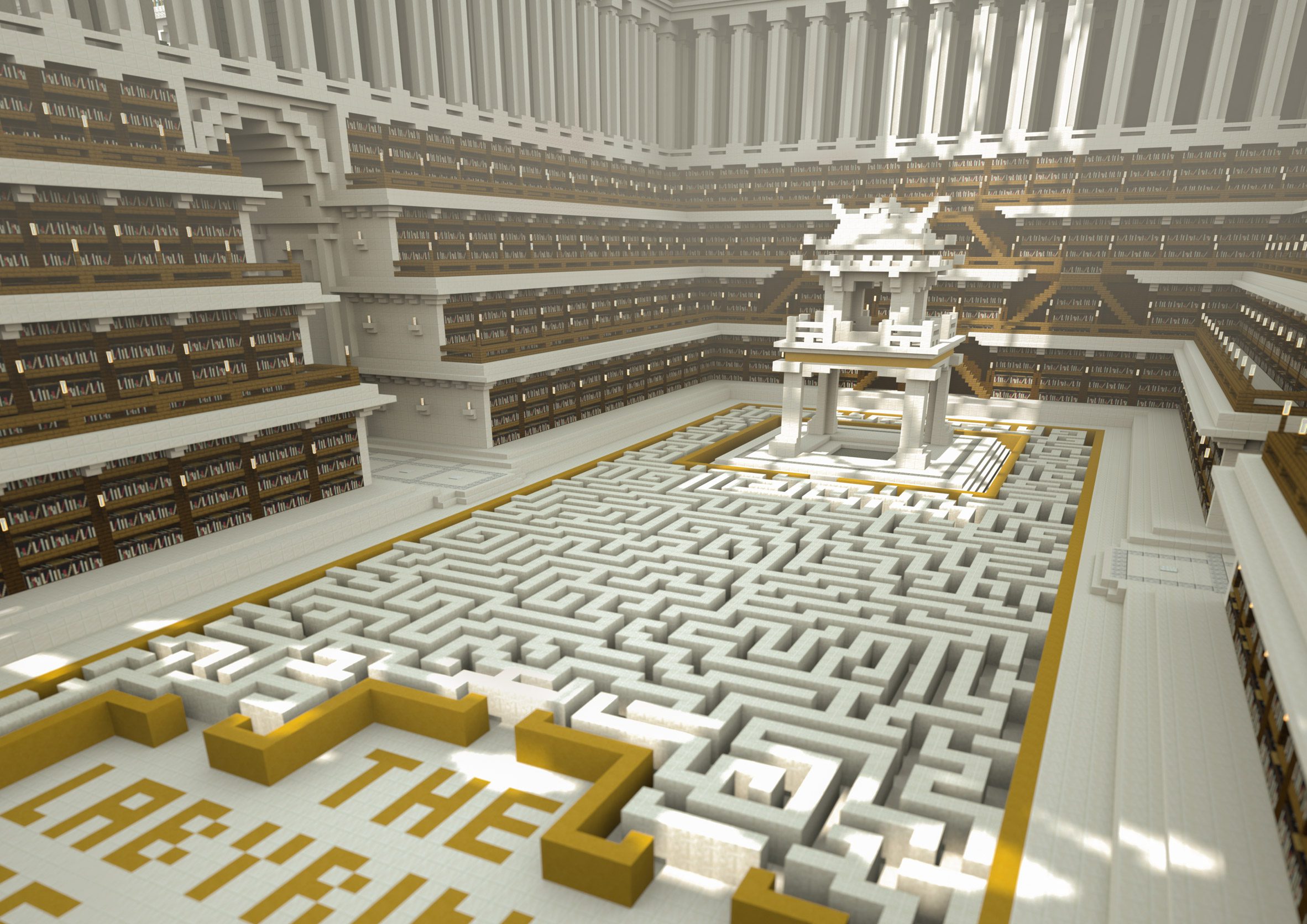
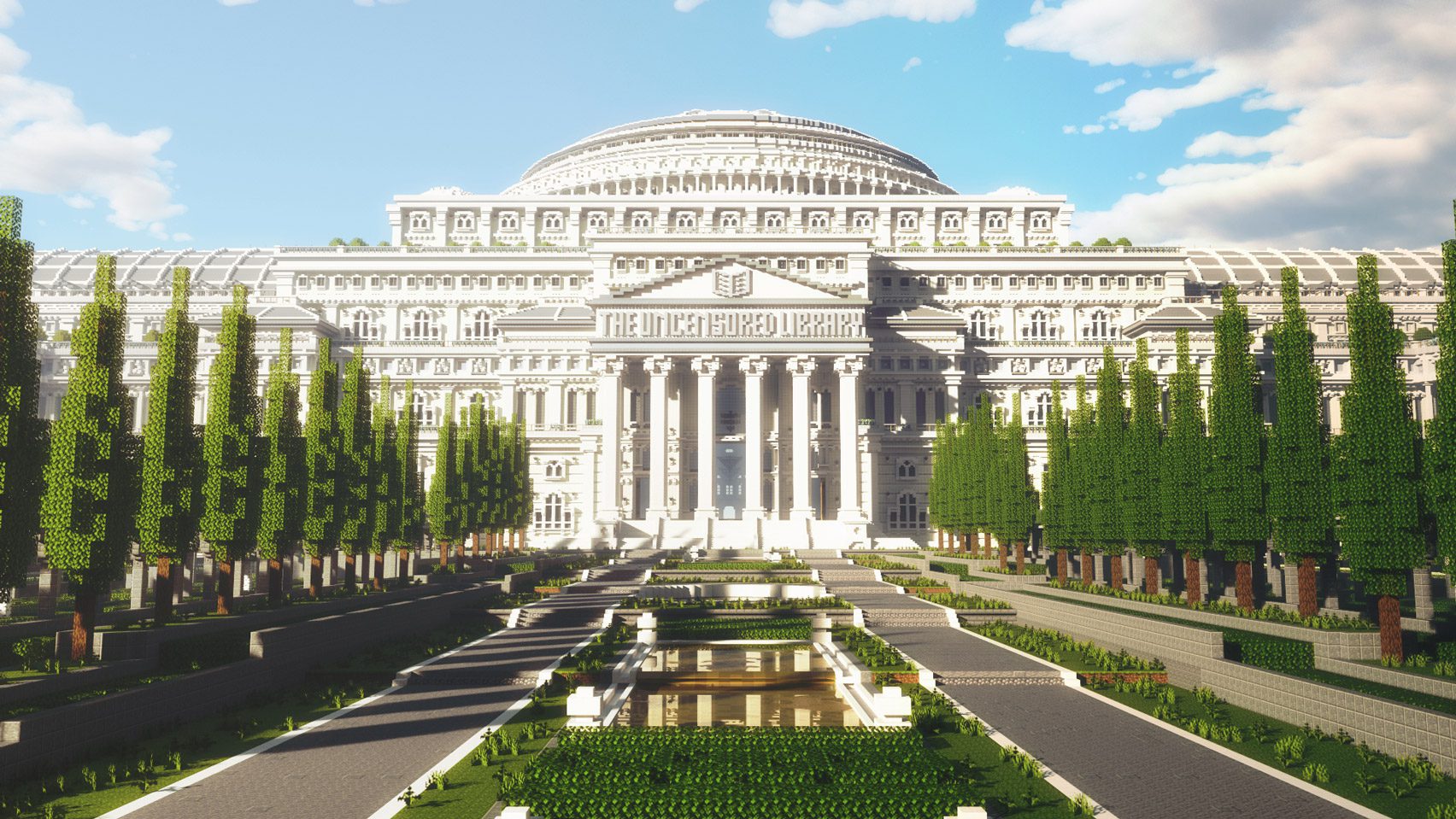
A white virtual library inside a Minecraft game

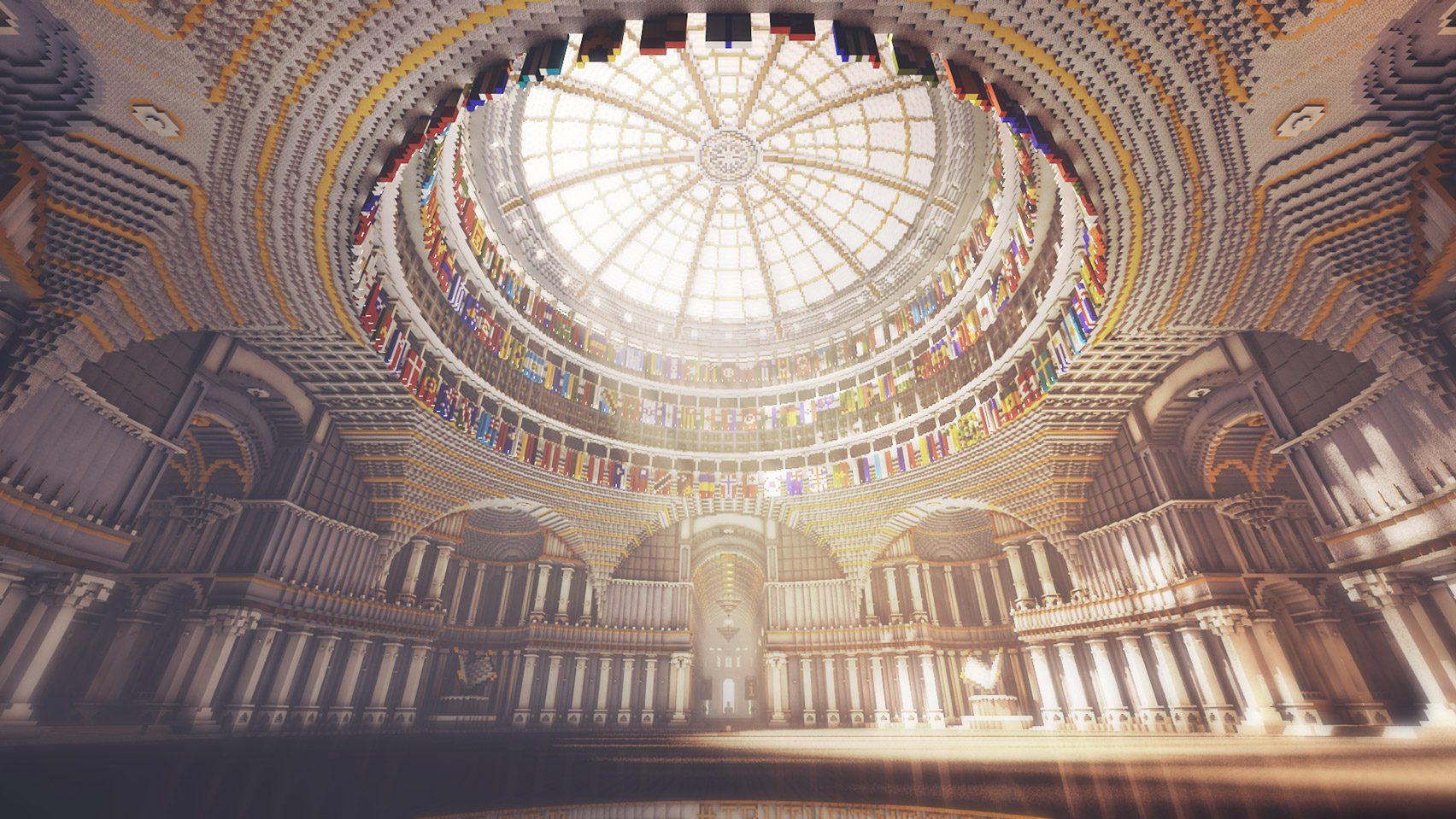
Non-profit organisation Reporters Without Borders has built a virtual library in the video game Minecraft to give gamers access to censored books and articles.

Named The Uncensored Library, the virtual library houses articles banned in countries including Egypt, Mexico and Russia.

A digital library inside Minecraft
The Uncensored Library is a virtual library inside Minecraft

Reporters Without Borders (RSF) and creative advertising agency DDB devised the concept so that young gamers in countries with stringent press censorship rules are able to access the material.

"The target was to reach gamers aged between 15 and 30 years old, especially in countries with online censorship, to get them engaged with independent journalism," senior art director at DDB Germany Sandro Heierli told Dezeen.

A white hall with columns inside The Uncensored Library
The designers hope that young people can access independent journalism through the library

The team chose to locate the virtual library inside Minecraft, using blockchain cloud storage to prevent governments from surveilling its contents.

"The library can be downloaded as an offline map," Heierli explained. "The offline map is then stored on a decentralised blockchain cloud storage – which is impossible to hack."

"Once downloaded, each map can be uploaded again, allowing the library to multiply," he continued. "So far there are more than 200,000 copies – this makes it impossible to take the library down even for Reporters without Borders themselves."

A room in The Uncensored Library with a monochrome floor
Governments are unable to censor the books in Minecraft thanks to blockchain technology

Although anyone with access to the server can read the 100-page books, Minecraft's popularity among young people was an important factor in the development of the library.

"In oppressive countries that increasingly restrict the rights of their citizens, young people especially tend to flee into games such as Minecraft that still provide freedom in virtual worlds," said Heierli.

Users can "playfully interact" with the library's contents by collecting, sharing and writing their own books in the game. Players can read the books in The Uncensored Library but they cannot change the content of the books on the server.

An map of the earth on a virtual library ceiling
Gamers download the library as an offline map to read the articles

RSF and DBB selected articles based on carefully developed criteria. They compared countries with a high score in the RSF's World Press Freedom Index – meaning the country has a low degree of freedom for journalists – against those with high Minecraft usage as outlined in Google data.

The designers then installed a Minecraft plug-in into the game that automatically converts word documents into Minecraft books that can be found in The Uncensored Library.

Alongside the protection of users, DBB and RSF considered the protection of journalists. Most of the writers, such as the Mexican journalist Javier Valdez, have either passed away, are living in exile or remain anonymous.

Additionally, according to Heierli, "RSF is in close contact with the journalists or their families to ensure everyone’s safety".

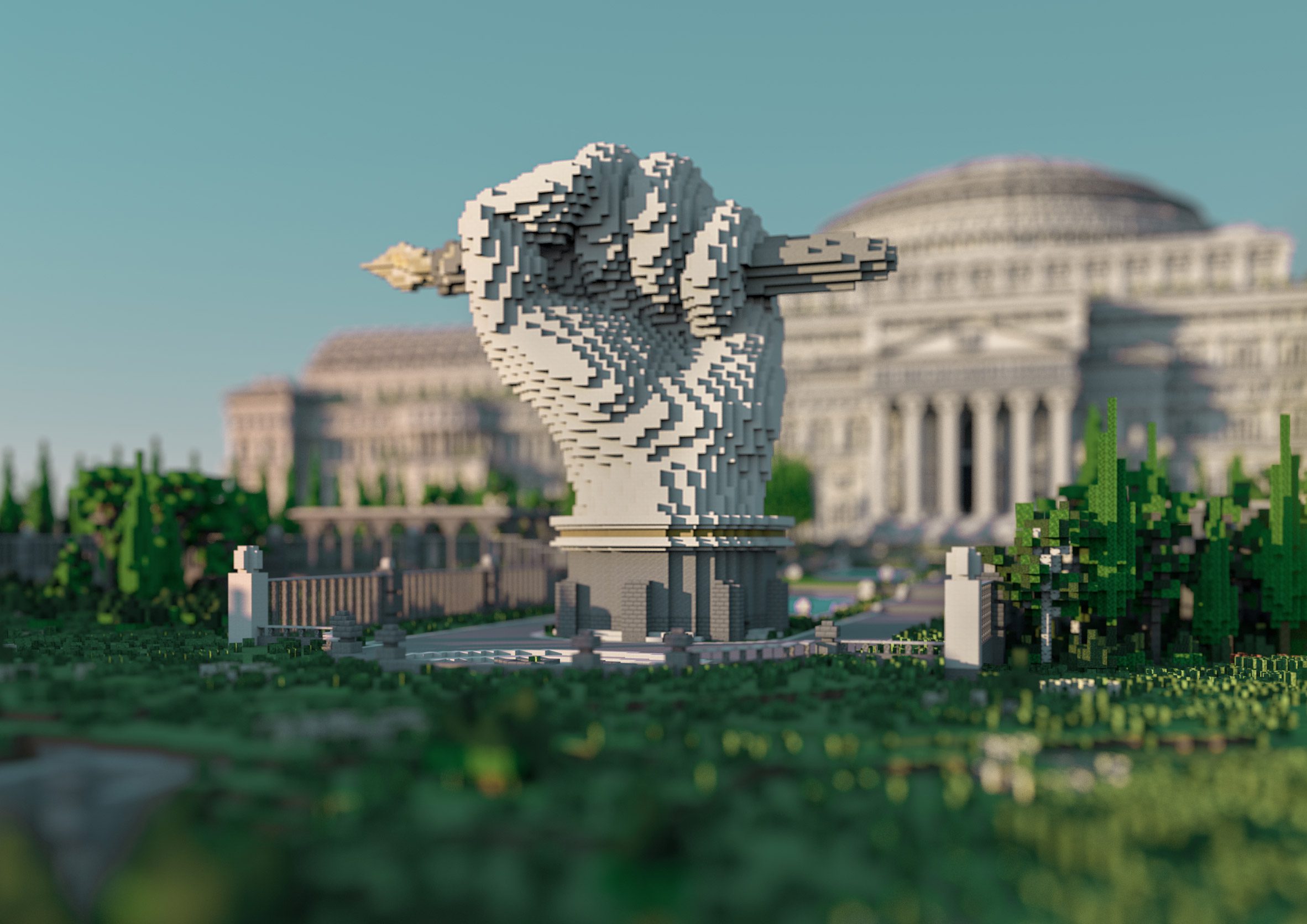
A virtual hand holding a fountain pen outside the library
Works were selected from journalists living in countries with little press freedom

RSF and DBB collaborated with design studio BlockWorks to build the library, which is informed by the design of the New York Public Library.

Overall, it took 24 people from 16 countries and 12.5 million "digital Lego blocks" to create the virtual space.

"The design of the library is derived from the traditions of ancient Roman and Greek architecture," said Heierli.

"The neoclassical architectural style is often used to represent culture and knowledge in the design of public buildings around the world such as museums, galleries and libraries."

Digital library on a tree-lined street
The design is based on the New York Public Library

This isn't the first time the virtual game has been used to give disadvantaged communities a platform.

Minecraft was used by The United Nations to get communities in developing countries to design their own public spaces.

In 2015, architect Bjarke Ingels claimed that the game should be utilised by architects for its world-building principles. The architect used the game as a model for engaging communities with urban design at the Future of Storytelling summit in the same year.

The post Minecraft library provides gamers with "a safe haven for press freedom" appeared first on Dezeen.


from Dezeen https://ift.tt/3m7fBzB

Monday, 16 August 2021

Haworth Tompkins completes restoration of London's Theatre Royal Drury Lane

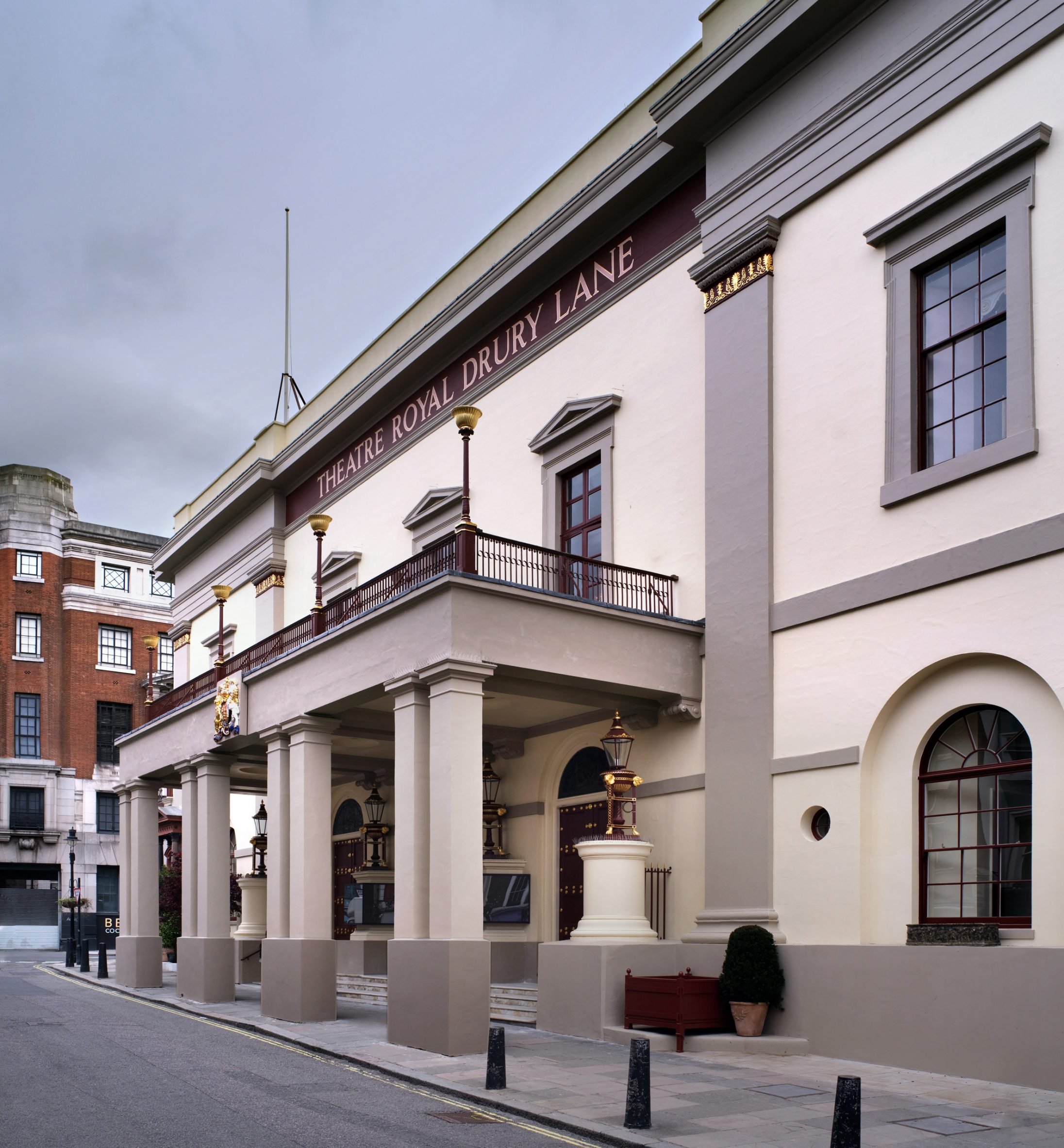
The Theatre Royal Drury Lane

The historic Theatre Royal Drury Lane in London's West End has reopened following an extensive restoration project led by architecture firm Haworth Tompkins.

Haworth Tompkins oversaw a £60 million project aimed at completely restoring and reimagining the 19th-century venue to improve the experience for audiences and performers.

The Grade I-listed theatre was constructed in 1812

The Grade I-listed theatre was constructed in 1812 and occupies a spot on Drury Lane that has hosted a theatre since 1663, making it the oldest theatre site in continuous use in the world.

The venue, which is owned and operated by Andrew Lloyd Webber's company LW Theatres, required an upgrade to restore some of its original features while ensuring it meets the standards expected of modern theatres.

Drury Lane is one of London's most historic locations
Haworth Tompkins led the restoration

"Drury Lane is the history of British theatre in one building, and much of our task has been to protect and restore its astonishing original qualities," explained project director Steve Tompkins.

"But it is also a public venue operating into the 21st century, and so an equally important task has been to make sure the theatre as a whole continues to thrive in a world that is culturally, technically and commercially transformed."

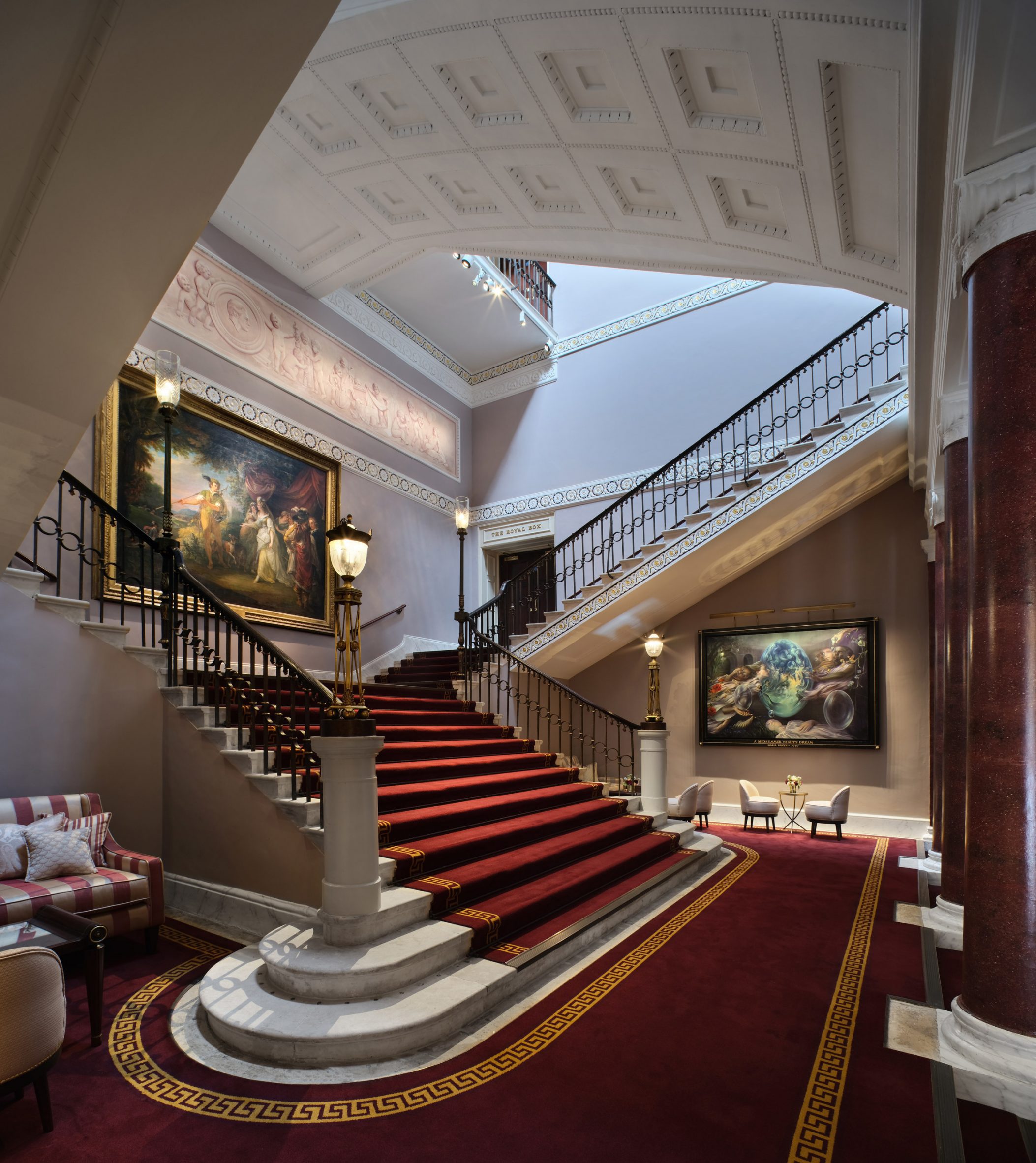
The foyers were reinstated with original design elements
Original cantilevered staircases feature in the foyers

One of the project's key interventions involved reinstating the foyers and cantilevered staircases designed by the building's original architect, Benjamin Dean Wyatt.

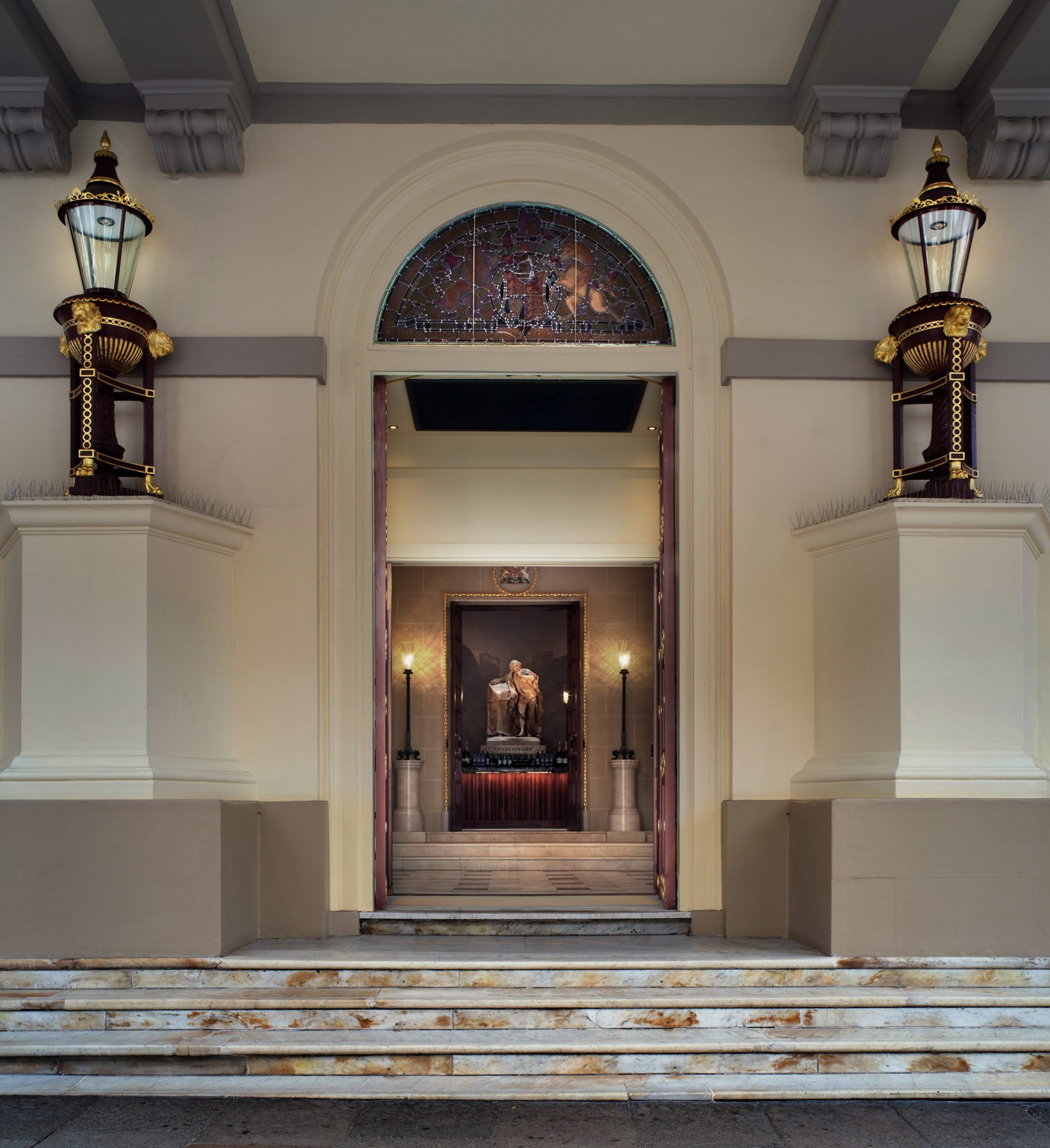
Street-level entrances on three sides now provide access to the foyer, which has been restored to its original form by removing later additions that had segregated the space.

Accessibility and circulation within the building were key to the project. The auditorium can now be entered directly from street level rather than via the basement, with ramps providing access to the stalls and wheelchair spaces added across three levels.

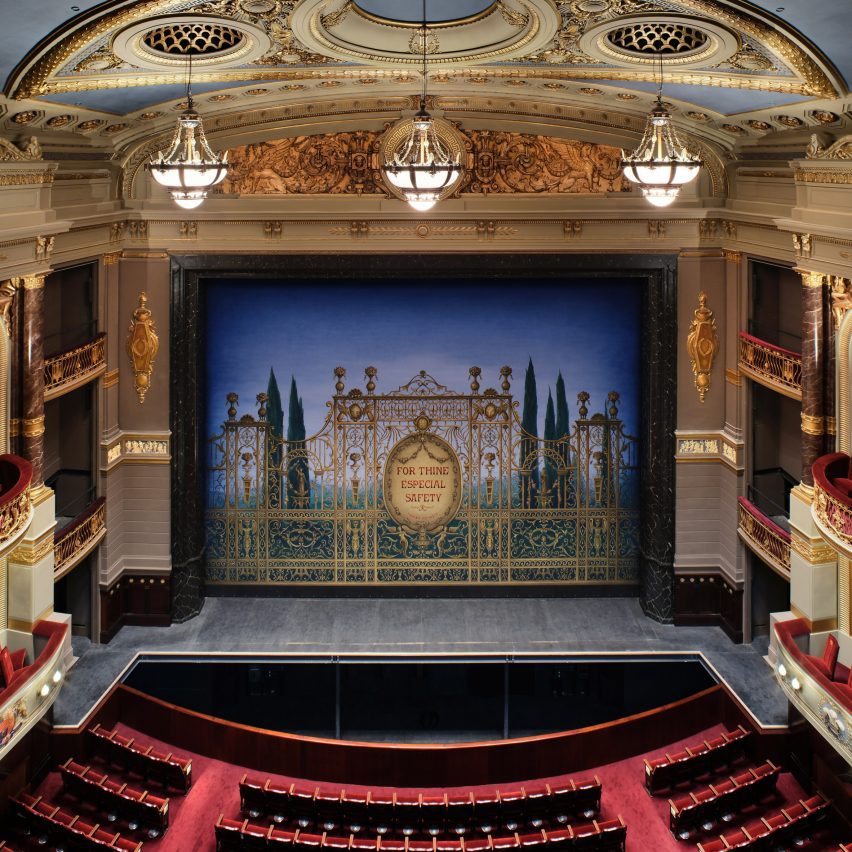
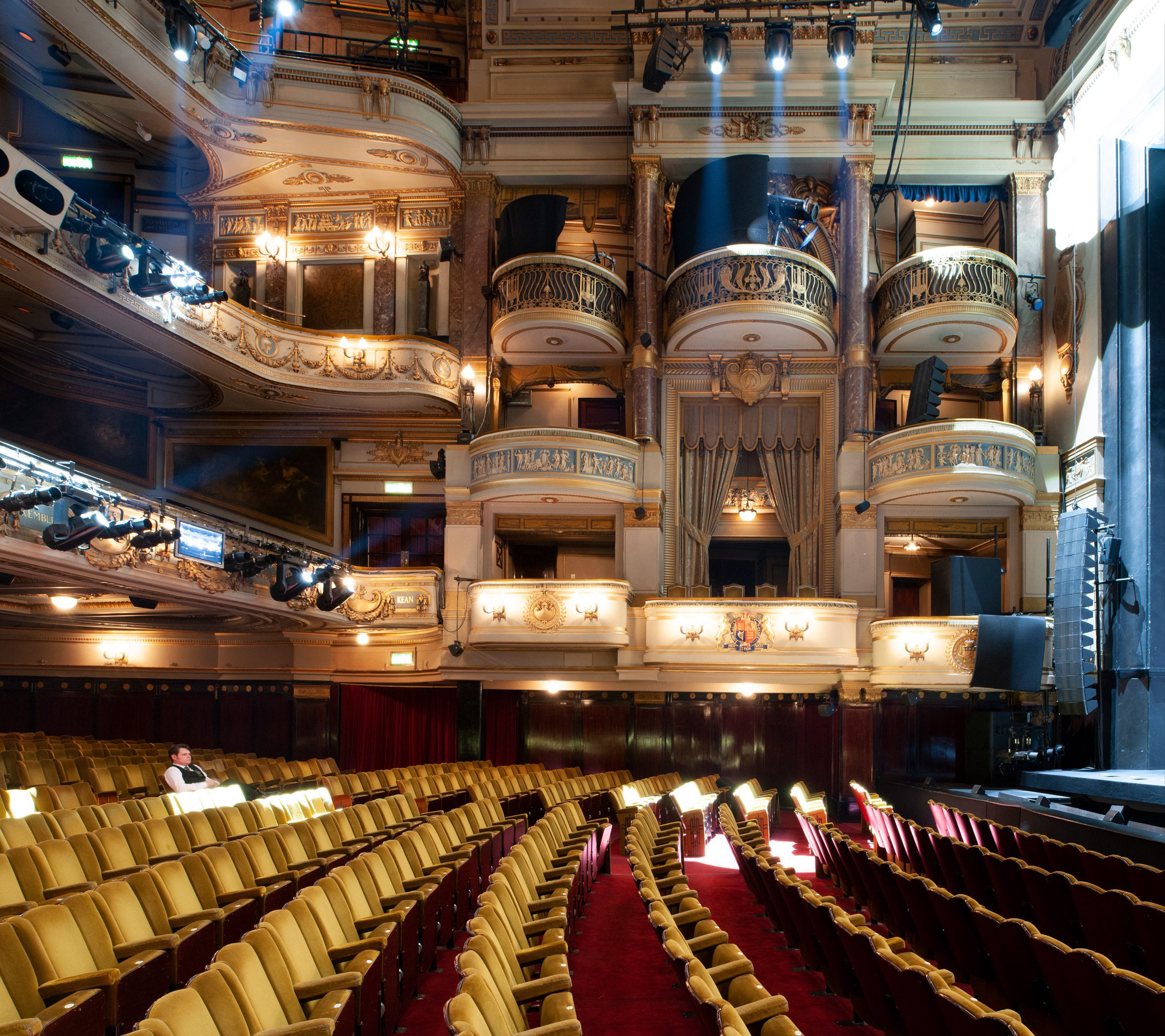
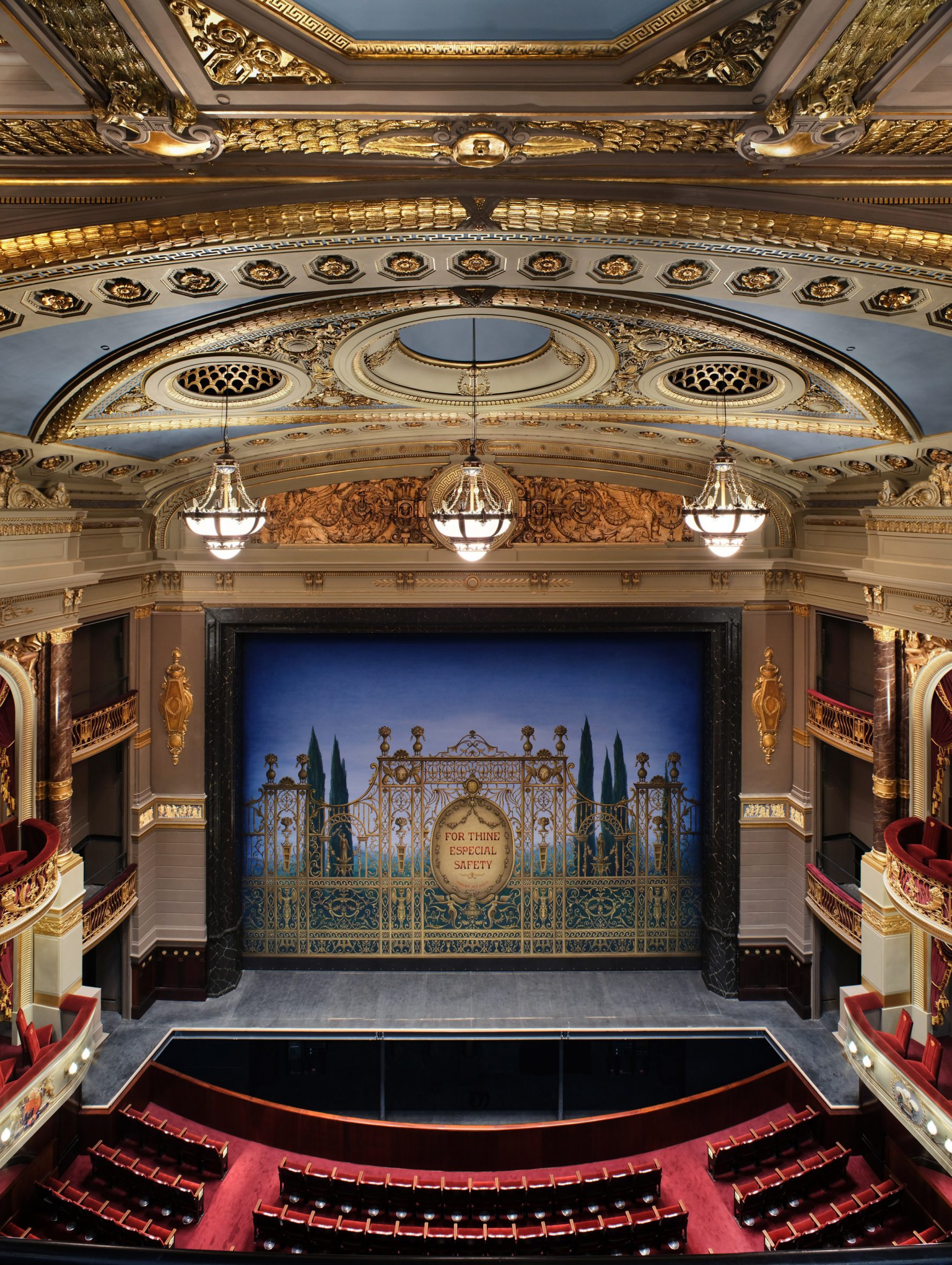
The auditorium itself was remodelled with input from theatre consultants Charcoalblue to create wider seats, better legroom and improved sightlines. The space was also reshaped to create a tighter curve, bringing the audience closer to the stage.

The Theatre Royal Drury Lane was refitted to allow for a more flexible staging system
The auditorium was reshaped to create a more intimate setting

The redesigned auditorium was also technically refitted to allow for a more flexible staging system. The stage can be altered to project out into the room, enabling performances to be staged in the round.

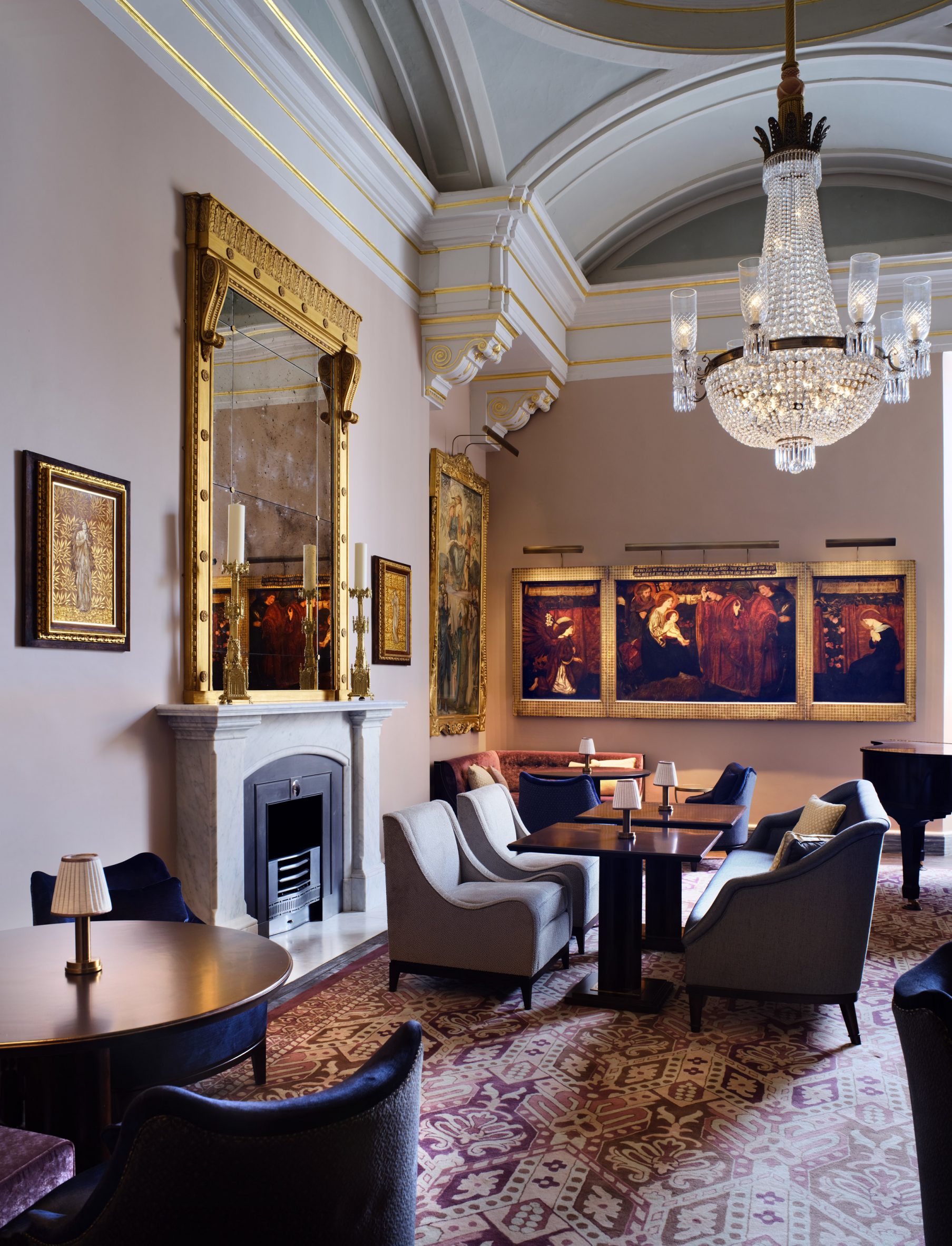
Haworth Tompkins collaborated with interior design studio AWI to also install new bars, retail spaces and furnishings that complement the building's original features and enable it to operate throughout the day and evening.

Interior design studio AWI assisted Haworth Tompkins
New bars were installed in the theatre

The project also involved a full refurbishment of the dressing rooms, as well as the installation of a 16-person lift providing access to all floors of the theatre.

Five new accessible toilets were installed and the number of female bathroom cubicles was increased by 20 to 55 in order to reduce waiting time.

The Theatre Royal Drury Lane is in London
The Theatre Royal maintains original design elements

Steve Tompkins and Graham Haworth founded their eponymous studio in 1991. The firm works across numerous disciplines including housing, masterplanning and higher education, with Tompkins leading the performing arts portfolio.

Haworth Tompkins regularly works on the renovation of historically significant cultural buildings, with previous projects including overhauling a brutalist theatre in Chichester and renovating London's iconic National Theatre.

Photography is by Philip Vile.

The post Haworth Tompkins completes restoration of London's Theatre Royal Drury Lane appeared first on Dezeen.


from Dezeen https://ift.tt/3mdJqOT