Tuesday, 17 August 2021

Worrell Yeung updates 1970s Hamptons house designed by Charles Gwathmey

The House in the Dunes by Worrell Yeung

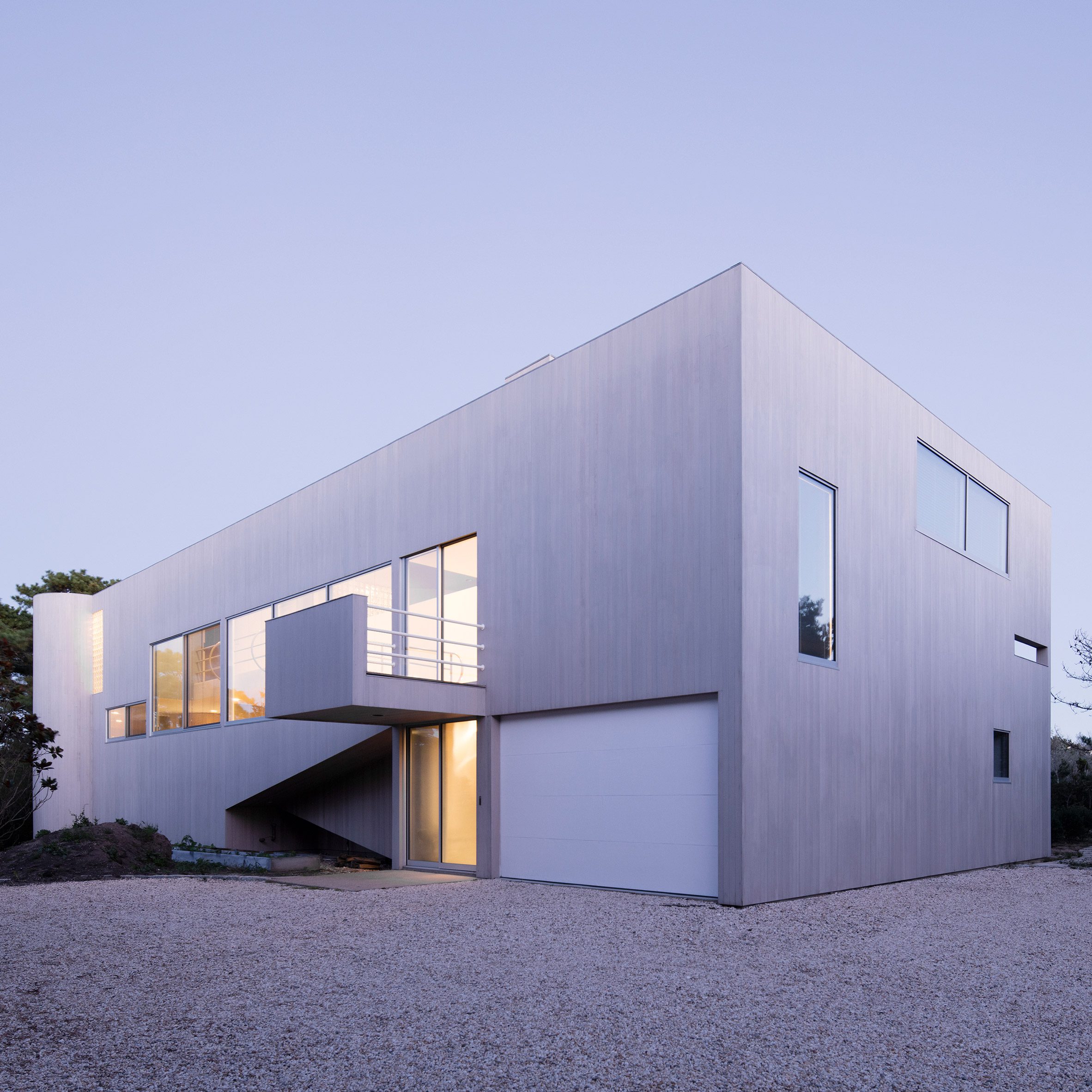
A cedar-clad dwelling on Long Island that was originally designed by famed US architect Charles Gwathmey has received a sensitive refresh by New York studio Worrell Yeung.

The House in the Dunes is located in the Hamptons beach town of Amagansett. Formerly called the Haupt Residence, the dwelling was designed in the 1970s by Charles Gwathmey, a noted modernist architect who died in 2009.

The House in the Dunes by Worrell Yeung
The House in the Dunes is located in the Hamptons town of Amagansett

Worrell Yeung, a Brooklyn-based firm, was tasked with updating the home to meet the needs of a new owner while preserving the integrity of the original design. Gwathmey's drawings served as a guide throughout the project.

"We were very excited when we got the call about the house – especially given that it was in its original condition, totally untouched," said studio co-founder Max Worrell. "Our intention, at first, was really to do as little as possible."

The House in the Dunes by Worrell Yeung
Grey cedar cladding and expanses of glass wrap the house

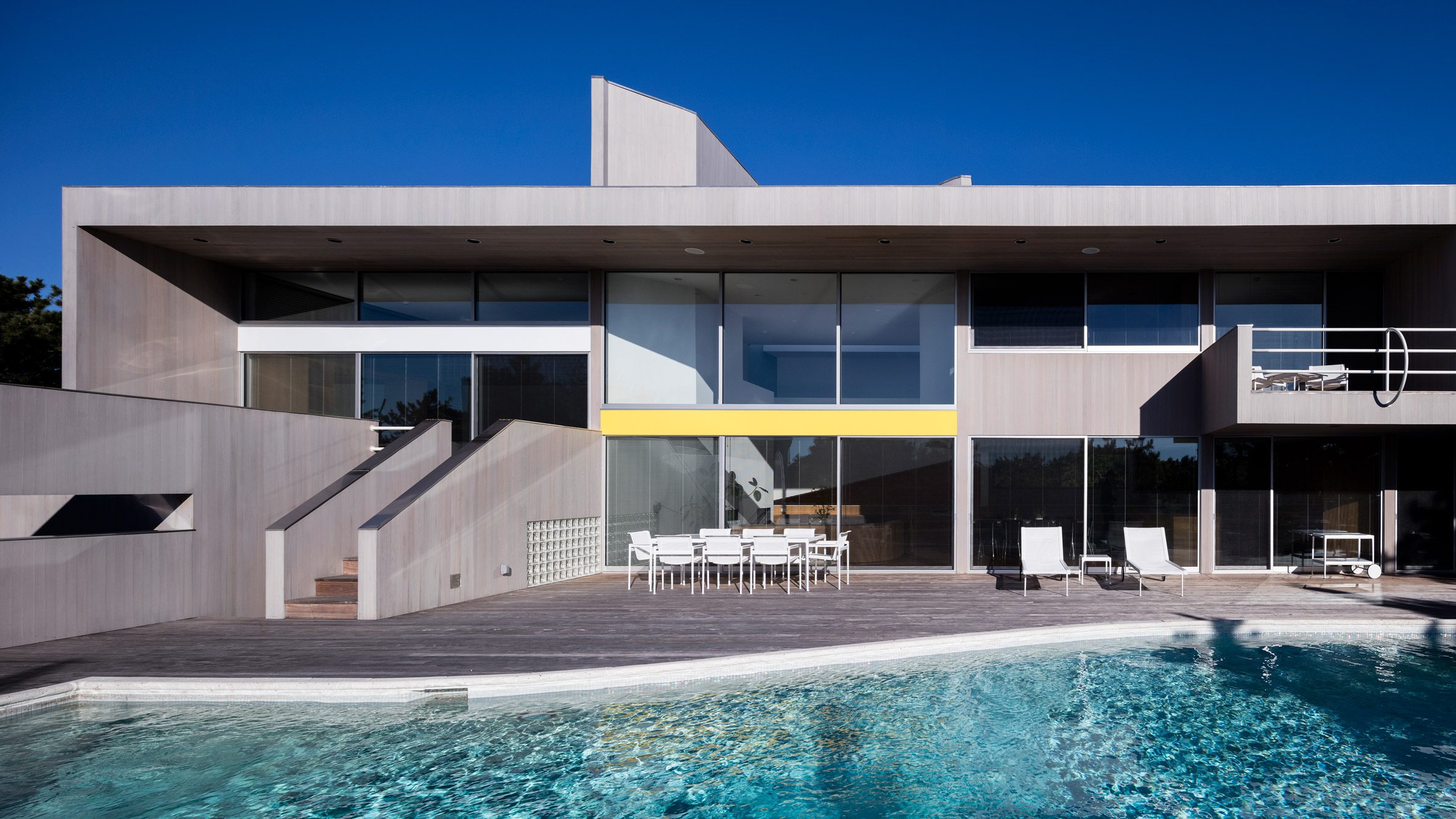
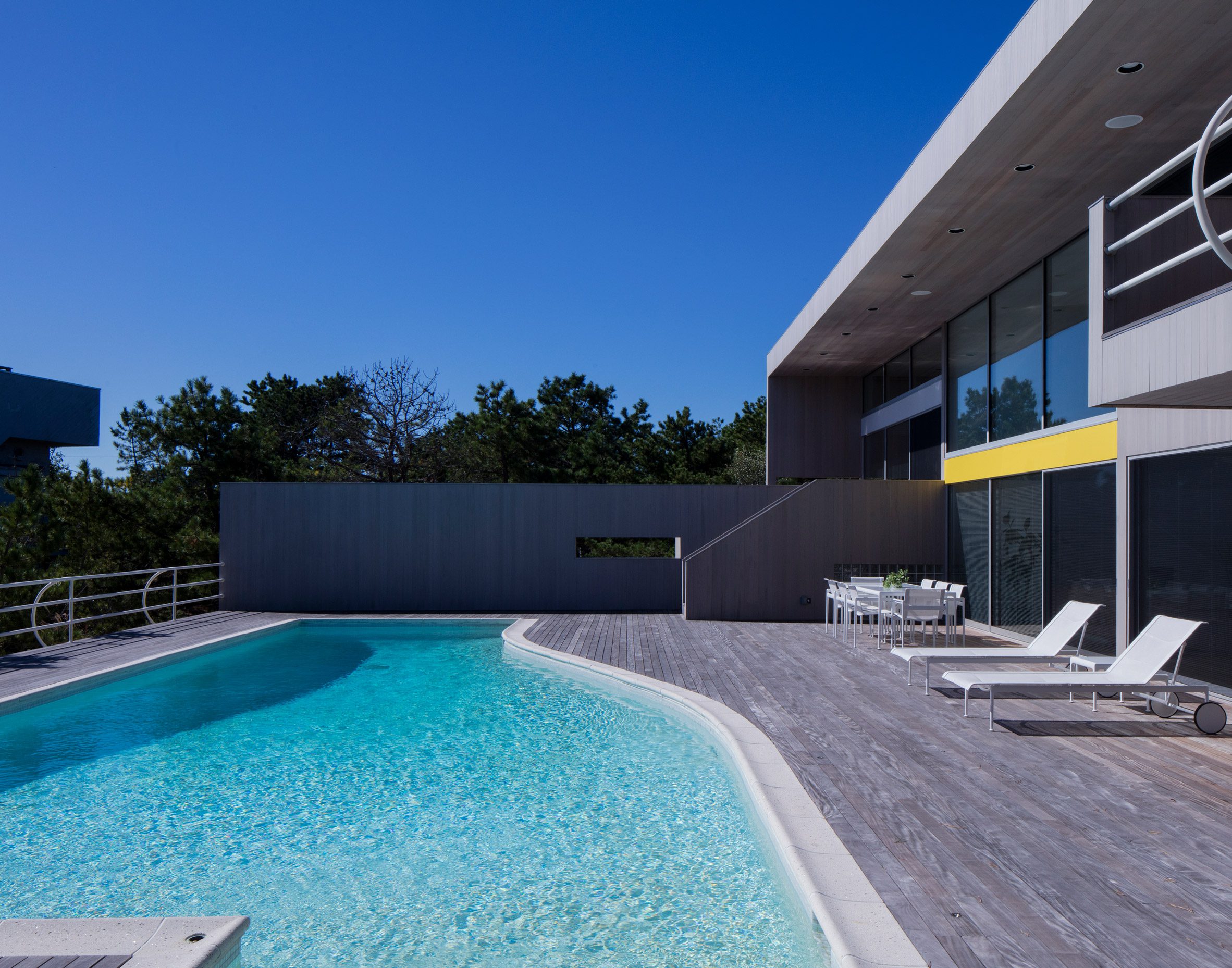
Situated on a one-acre site with ocean views, the rectilinear, 4,400-square-foot (409-square-metre) home has two levels and a basement. Facades are wrapped in grey cedar and large stretches of glass.The exterior work entailed a full refurbishment of the building envelope. The roof, siding, doors and windows were all replaced, as was the deck surrounding a generous swimming pool.

Worrell Yeung added a swimming pool to the deck
The outdoor deck incorporates a large swimming pool

Within the light-filled home – which has four bedrooms and a den/library – the architects used materials that were sensitive to the original finishes.

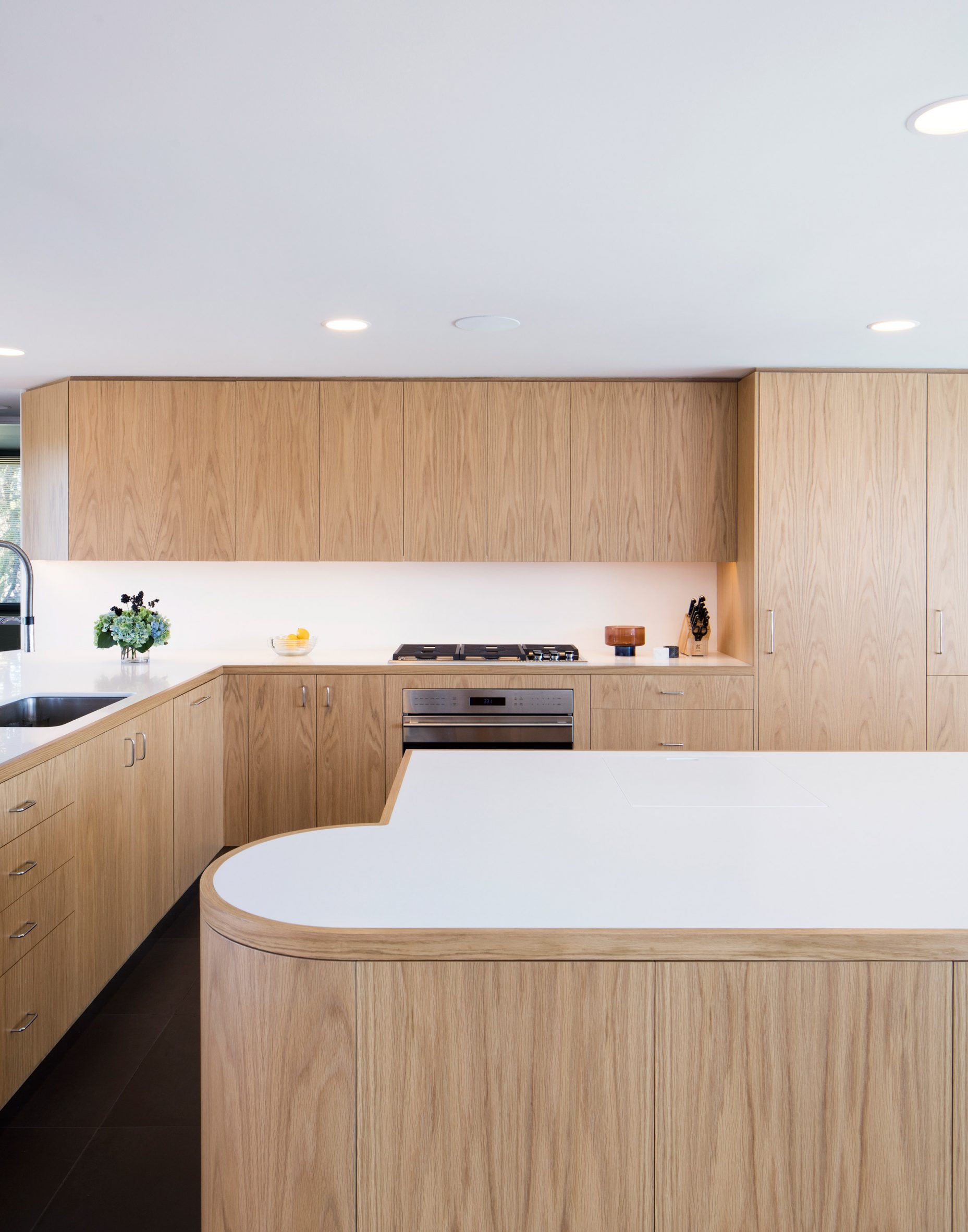
In the kitchen, for instance, the team swapped out laminate countertops with Corian in a glacier white hue. The kitchen floor is covered in full-body porcelain tiles from Lea Ceramiche.

The architects reconfigured the home's primary bathroom suite to make it larger and more efficient. New ceramic tiles match existing tiles.

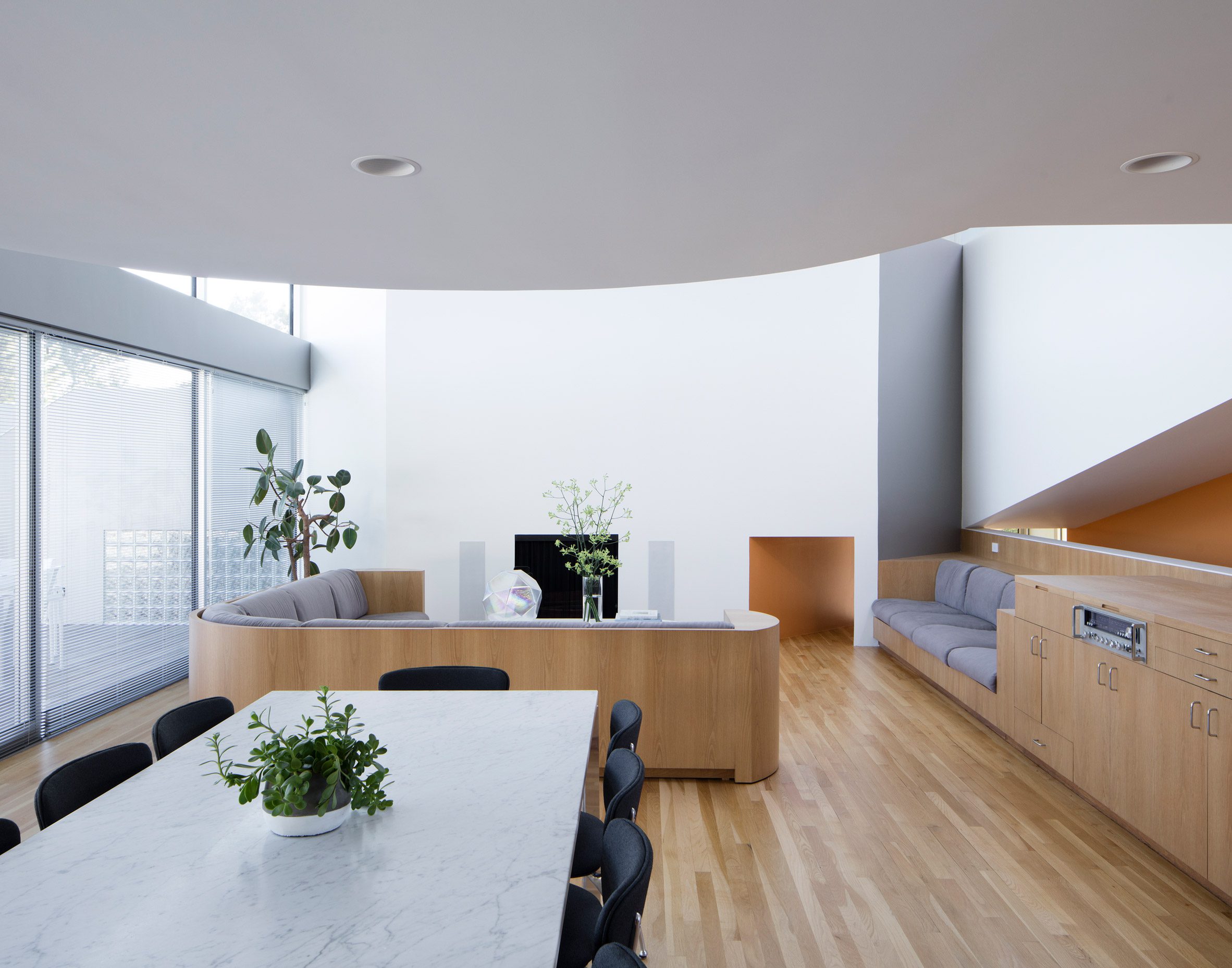
The most notable spatial change to the home was the removal of a half wall between the kitchen and living room, resulting in a more open public area.

Worrell Yeung removed a half wall between the kitchen and living room
A half wall between the kitchen and living room was removed during the renovation

"This small move was one of the most significant changes made to the original structure," the architects said.

Other modifications include a redesign of the living room's fireplace wall, where shelving and a television were removed to provide a cleaner surface for displaying art. The team also restored the room's built-in furniture and coffee table.

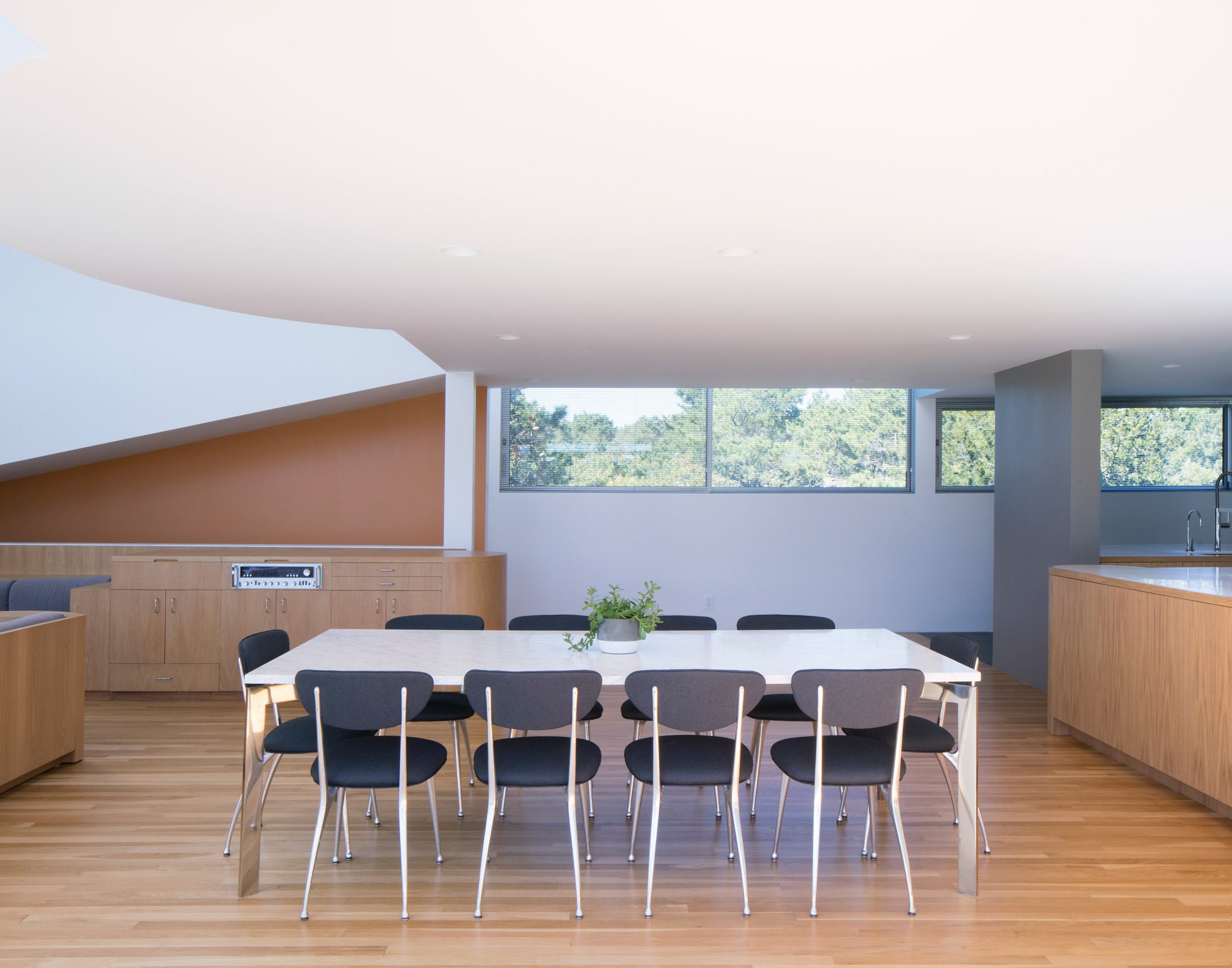
A dining space in the house by Worrell Yeung
A dining area in the open-plan kitchen

The architects made sure to preserve the dwelling's strong connection to the coastal landscape.

"The house's interiors have a direct connection between the indoors and the outdoors, extending beyond the polygonal pool to the ocean," they said.

The kitchen boasts Corain countertops in a white hue
Corian countertops were installed in the kitchen

The home was sold in July after being put up for sale earlier this year. The asking price was $9.25 million (£6.67 million), according to the Wall Street Journal.

Other recently completed projects in the Hamptons include a waterfront home by KOS+A wrapped in teak and charred cedar and a holiday dwelling by MB Architecture that is composed of stacked shipping containers.

The photography is by Naho Kubota.

The post Worrell Yeung updates 1970s Hamptons house designed by Charles Gwathmey appeared first on Dezeen.


from Dezeen https://ift.tt/37VHphO

Commenter says "we will mourn the loss of so many 1960s buildings"

In this week's comments update, readers are debating news that a 1960s landmark in central London will be demolished and discussing other top stories.

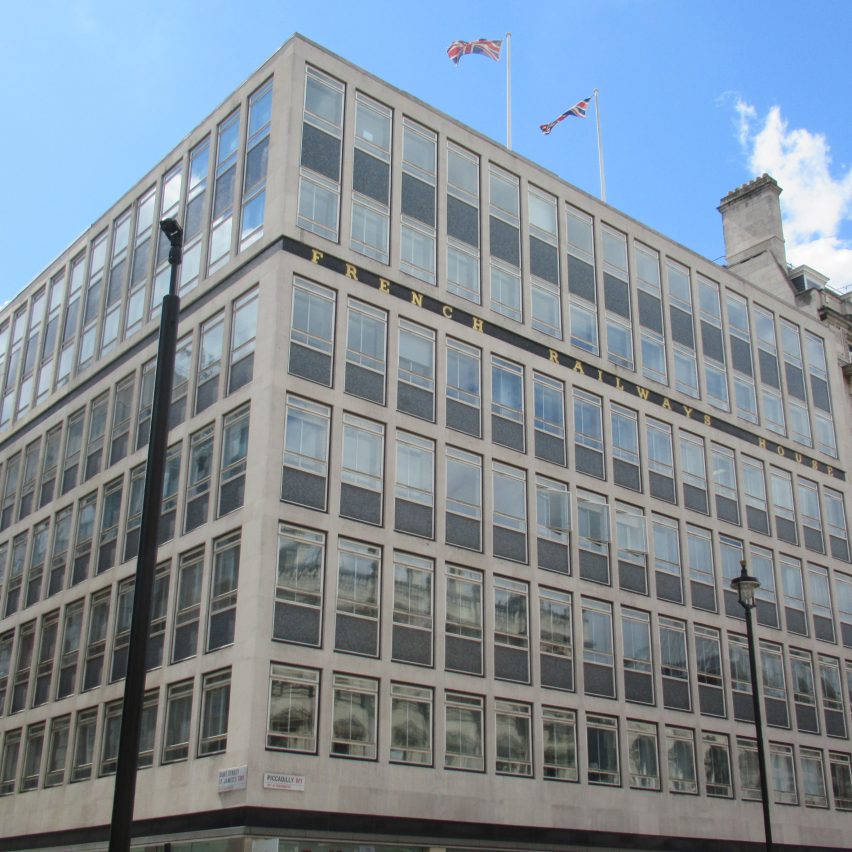
The City of Westminster has granted permission for French Railways House near Piccadilly, which once acted as the headquarters of French national rail network SNCF, to be succeeded by an eight-storey complex designed by Make.

"This is very wasteful"

Commenters are divided. "Taste is subjective of course but on environmental grounds, this is very wasteful," said Alexander. "We will mourn the loss of so many 1960s buildings in the future."

Ken Steffes agreed: "The new building will not be a timeless design like the older building and the arches on the new building will date the newer structure within a decade."

"We still have some of those ugly-looking things from the 60s in my hometown," continued Bobby Dazzler, on the other hand. "Asbestos-covered death traps. I can't see any reason for keeping it. The proposed replacement is okay I suppose and more in fitting with its surroundings."

"Modernists have been bulldozing history for quite a while now," concluded Jb, "so it's no small hypocrisy when they bleat about one of their own mediocre buildings suffering the same fate".

What do you think of French Railways House being demolished? Join the discussion ›

Knubben harbour bath redesign by Snohetta
Snøhetta reimagines long-closed 1930s Norwegian harbour bath Knubben

Reader calls plan to revive a traditional harbour bath "super cool"

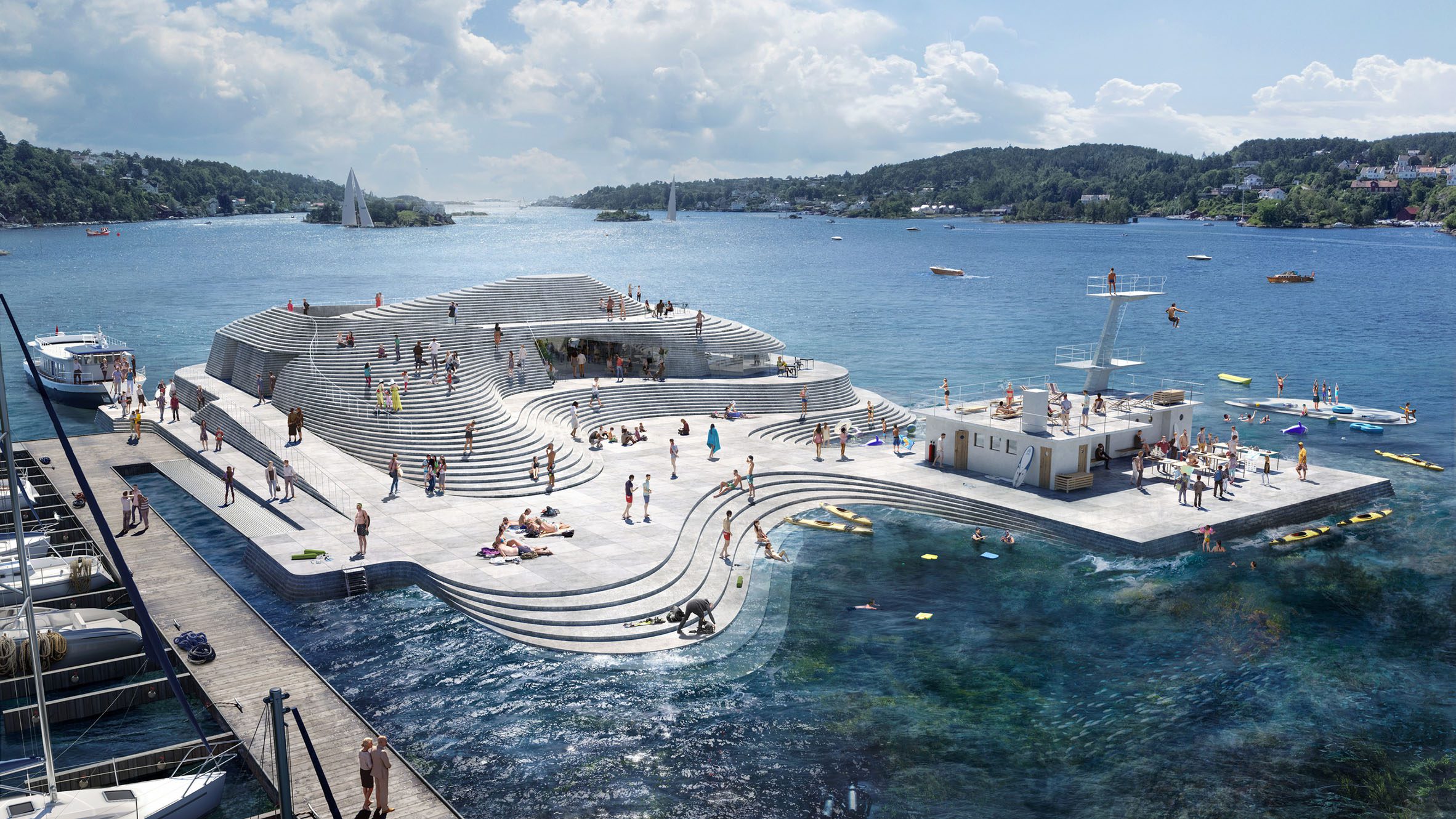
Snøhetta has unveiled its plan to revive a traditional harbour bath in the city of Arendal, Norway, with a layered structure that looks like a topographical map of the area. Commenters are impressed.

"Super cool!" said Ken Steffes. "Like a man-made island of pleasure."

Don Bronkema agreed: "Species of splendid."

"I'm all about the swooping curves," added Design Junkie.

"Gorgeous," concluded Think.

Are you equally delighted? Join the discussion ›

Salt Point Residence by Reddymade and Ai Weiwei
Reddymade and Ai Weiwei add hexagonal extension to Salt Point home

Commenter thinks metal extension is "all about the architect's name"

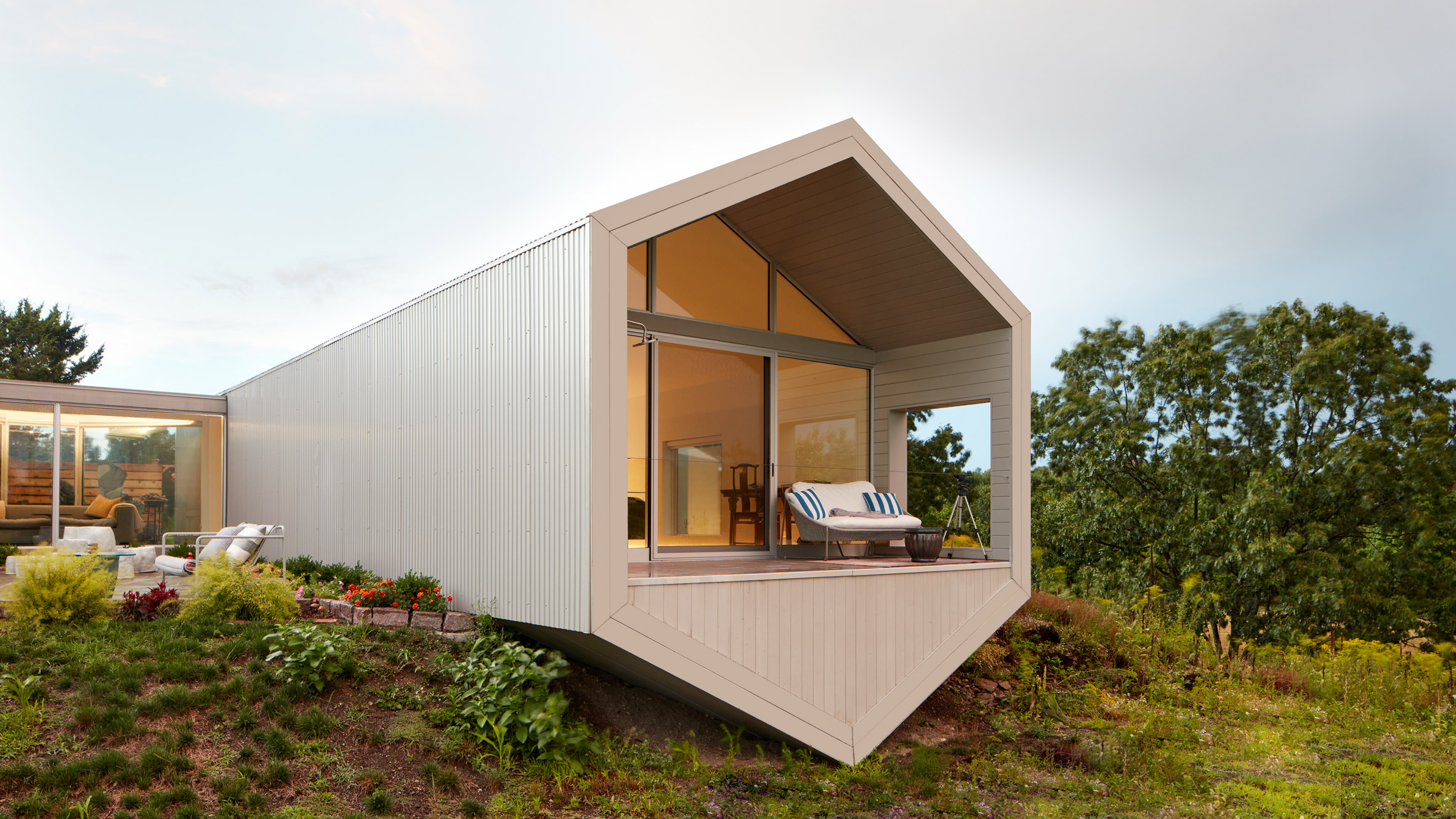
Readers are discussing a collaboration between architecture studio Reddymade and Chinese artist Ai Weiwei. The duo designed a corrugated metal extension for a weekend home in Salt Point, New York.

"It's a metal shed!" said Ken Steffes. "Many people could have done the same. Seems it's all about the name."

"I'd be curious to see what a collaboration really means in this case," replied Arhmatic. "What was Ai Weiwei's role in this? A half an hour sketch? A Zoom call and a nod to the architect's work? Or weeks of work detailing the cladding? How do you quantify someone's involvement before you add a name to the project team?"

"Unclear and inarticulate," concluded Chris. "It's a collab, but did it need to be?"

Are commenters being harsh? Join the discussion ›

Marble Arch Mound by MVRDV
Council deputy leader resigns due to "unacceptable" rise in Marble Arch Mound costs

Reader praises Westminster City Council deputy leader for "doing the decent thing"

Updates of the MVRDV-designed Marble Arch Mound in London continue to be amongst the most commented stories on Dezeen this week. The most recent is news that Westminster City Council's deputy leader Melvyn Caplan has resigned after costs grew from £3.3 million to £6 million.

"Well done Melvyn Caplan for doing the decent thing," said Borders Grouse.

"When will the media stop describing this stupid, stupid vanity project as a mound?" asked Nick Jones. "It is an ill-thought-out scaffolding structure hastily covered with expensive sedum turf! I think the entire Westminster City Council should resign."

Mistermoog agreed: "£6 million is a disgraceful figure when this country, and its health service, are going through a crisis. Westminster Council should hang their heads in shame, and MVRDV should donate some of their time to improving essential services and infrastructure."

Should more people resign? Join the discussion ›

Read more Dezeen comments

Dezeen is the world's most commented architecture and design magazine, receiving thousands of comments each month from readers. Keep up to date on the latest discussions on our comments page.

The post Commenter says "we will mourn the loss of so many 1960s buildings" appeared first on Dezeen.


from Dezeen https://ift.tt/2W2OOt0

University for the Creative Arts spotlights ten student illustration projects

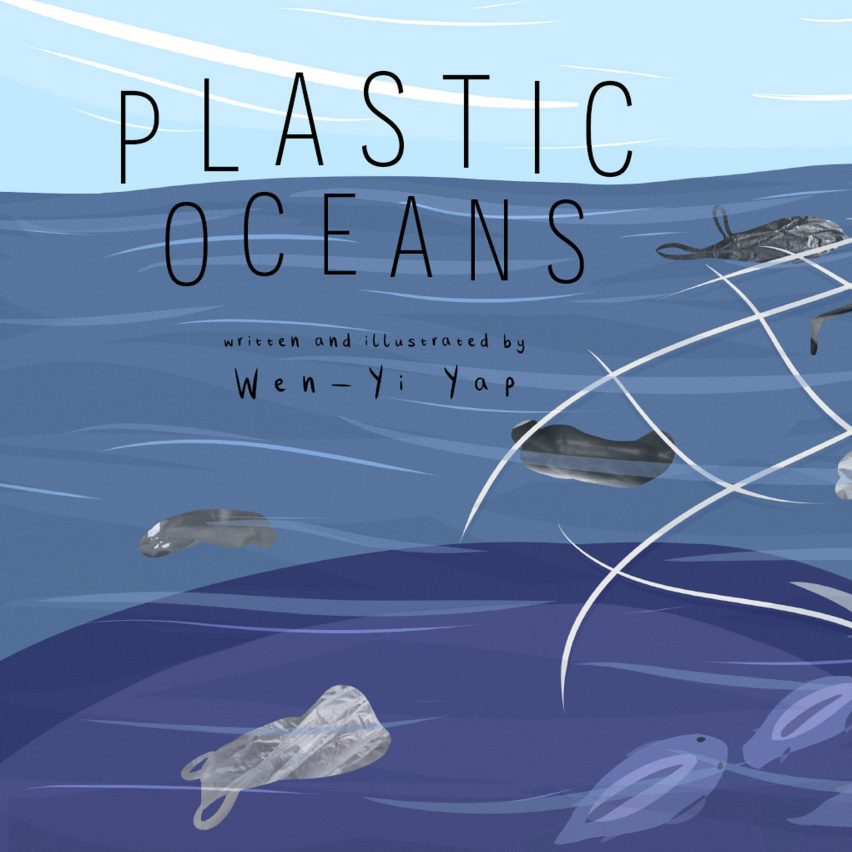
UCA student project. Plastic ocEAN

An animation exploring a student's fear of the unknown after graduating and a book that tells the story of loneliness while studying abroad is included in our latest school show by students at the University for the Creative Arts.

Projects also include is a book that teaches children how recycling can be rewarding, and another that examines the human destruction of coral reefs.


University for the Creative Arts

School: University for the Creative Arts
Courses: BA (Hons) Illustration and Animation and BA (Hons) Illustration

School statement:

"Storytelling and finding visually impactful ways of conveying messages are at the core of how we change perspectives. University for the Creative Arts (UCA) illustration courses focus on these visual narratives, whether creating characters for a children's book, producing a graphic novel or developing illustrations or animations for advertising or apps.

"Exploring a wide range of styles and mediums, the class of '21 have created and developed their unique voices. These voices can be heard loud and clear in UCA's graduation showcase. You can explore a selection of the graduates' provoking and original work here."


University for the Creative Arts illustration school show

Oliver Pratt

"Pratt's short film is an account of the time he spent in Intensive Care at St. Thomas' hospital with Covid-19. The virus triggered a reaction where his immune system started attacking itself, causing heart muscle damage – an ailment known as Multi-system Inflammatory Syndrome.

"The film draws on Pratt's recollection of events and the feelings of confusion, unease and powerlessness."

Student: Oliver Pratt
Course: BA (Hons) Illustration and Animation, UCA

University for the Creative Arts illustration school show

Emily Larkin

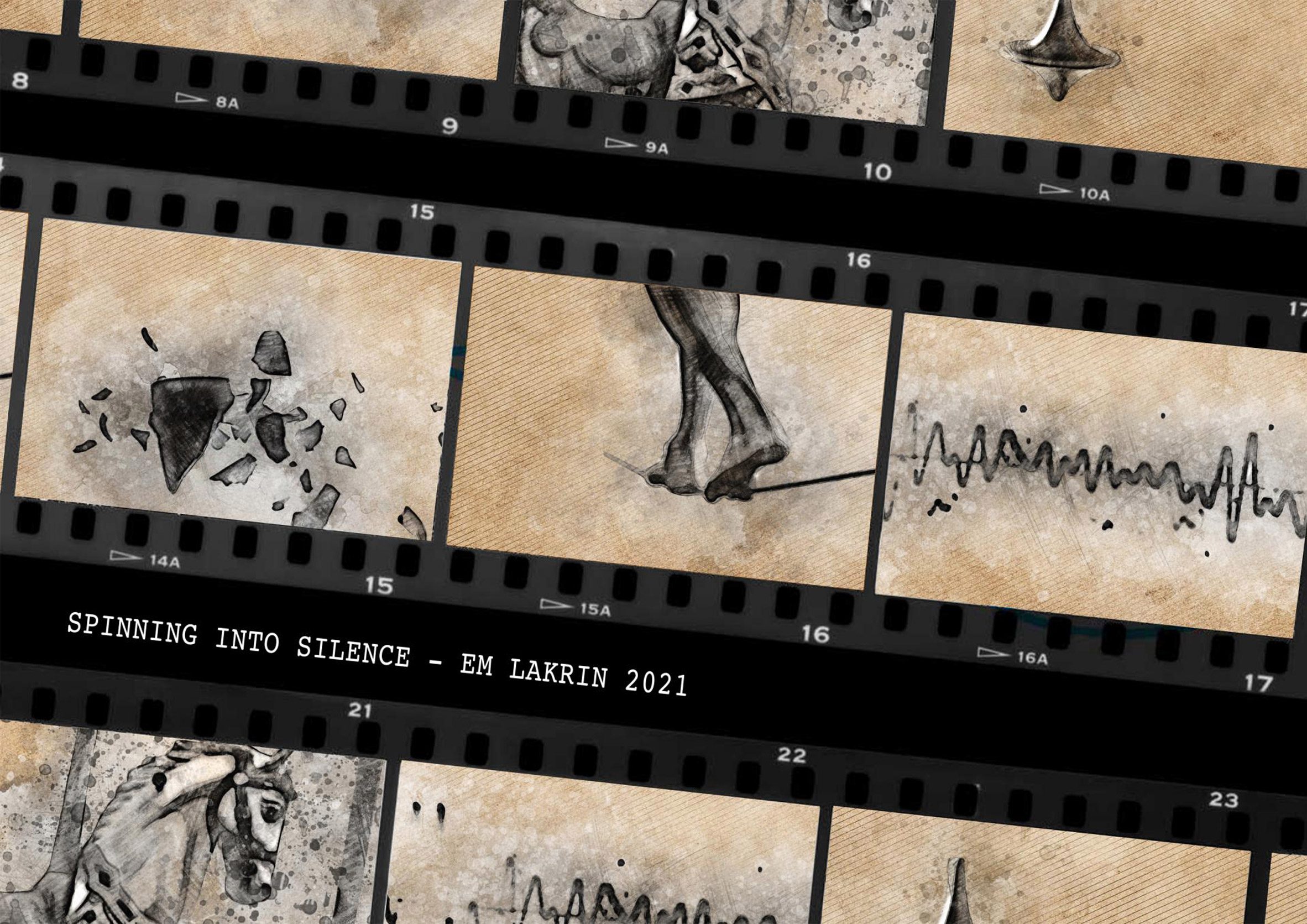
"Emily Larkin is a multi-award-winning animator whose deaf awareness film, 'Who's not listening?' has received plaudits at international film festivals. Larkin's graduation film 'Spinning into Silence' is a 2D hand-drawn animation that aims to raise awareness about vestibular disorder – a condition Larkin suffers from.

"The film shows visually and audibly what life living with the disorder is like. Larkin wanted the viewer to experience someone who lives with a vestibular disorder's perspective on the world. The visuals have been kept simple in order to process the visuals and audio at the same time. To achieve the visual textures it took many layers, with each frame requiring 182 hand-drawn layers."

Student: Emily Larkin
Course: BA (Hons) Illustration and Animation, UCA


University for the Creative Arts illustration school show

Benedict Abbit

"I'm a cartoonist who has written and designed my comic called Mindlurker. I love the personable feel of a comic. It's like holding a film or tv show in your hands, but you can move at your own pace. Stop on an image whenever you please or reveal a surprise hidden on the next page at your discretion.

"The comic tackles unresolved trauma and is based on things I learned during the darkest parts of my struggle with mental health. It is about the importance of understanding oneself and not being afraid to explore 'the darker' parts of oneself."

Student: Benedict Abbit
Course: BA (Hons) Illustration and Animation, UCA

University for the Creative Arts illustration school show

Beatrice Mossman

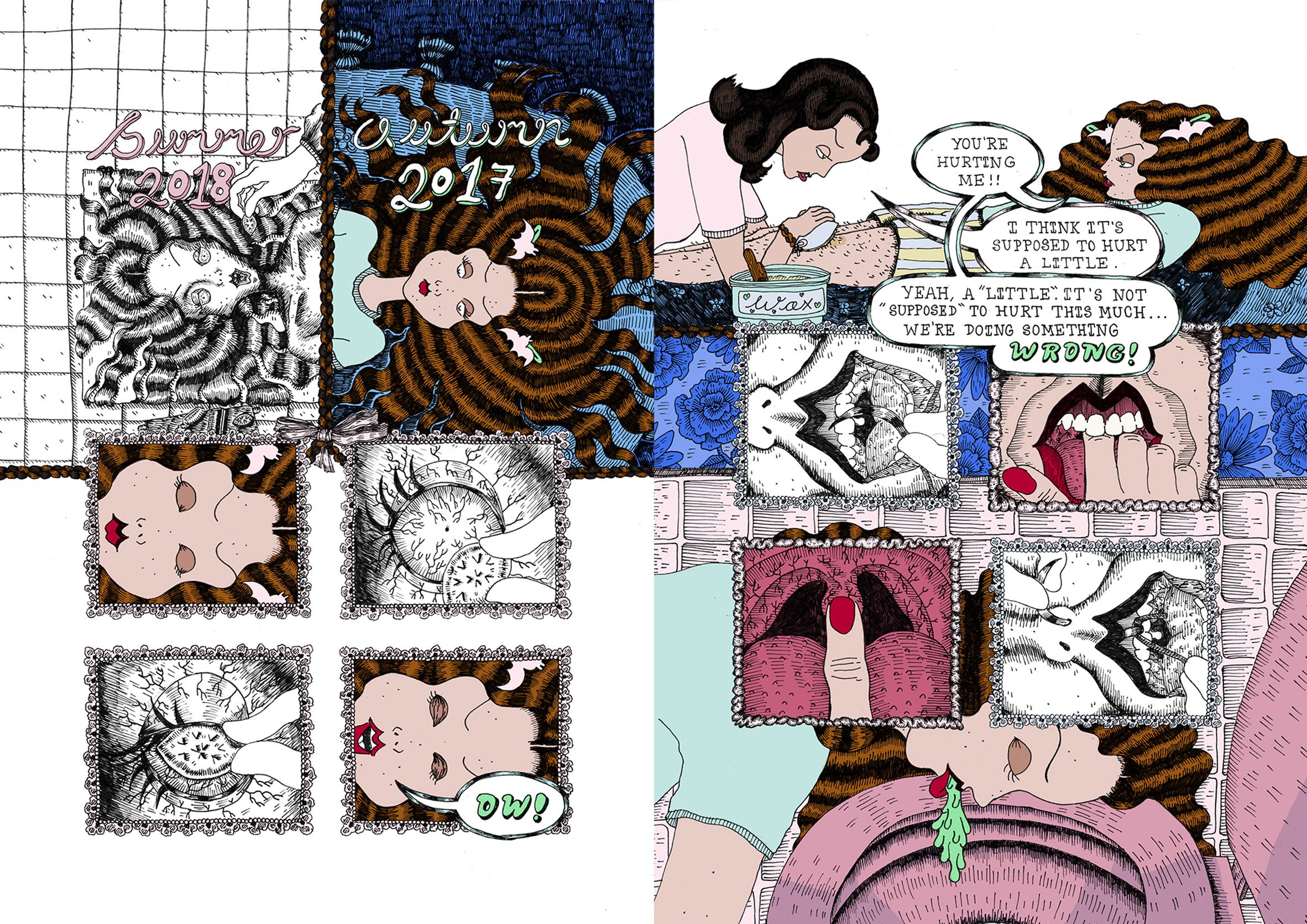
"Beatrice Mossman is a comic creator and illustrator with a specific interest in comics and film academia. Her passion is writing and illustrating coming-of-age horror narratives. Mossman uses her work to deconstruct the experience of girlhood. After all, what's scarier than being a teenage girl?

"Her style is greatly influenced by 1940s and 1950s teen-humour comics and chick-flick horror films. Her illustrations are packed with detail and each page of her comic is designed for maximum impact. Outside of her degree, Mossman edits Hell-hued, an open-submissions horror zine, and contributes to numerous other zines."

Student: Beatrice Mossman
Course: BA (Hons) Illustration, UCA

University for the Creative Arts illustration school show

Lucy Munt

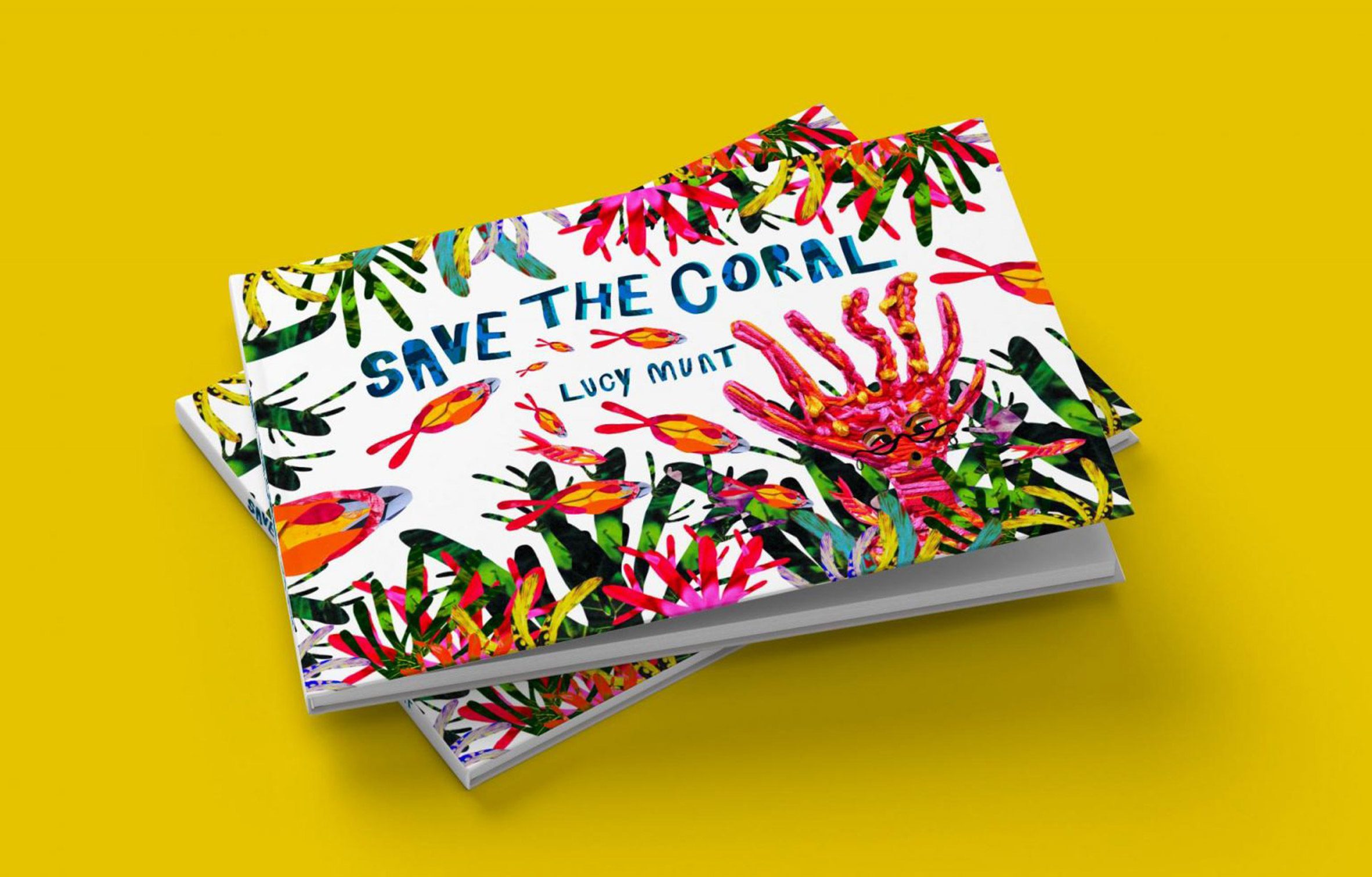
"Illustrator Lucy Munt decided to take decisive action to help protect the coral reefs by creating and illustrating a book for future generations to learn about the effects of human destruction on coral. The text, aimed at six to nine-year-olds, includes beautifully drawn full-colour illustrations by the artist.

Munt designed the cover to capture young readers' attention. Fifty per cent of the Great Barrier Reef is dead. Coral helps humans with treatments for cancer, asthma, heart disease and arthritis. Lucy conveys this vital information and what we can do to prevent this destruction in a stylish book, which pops with its colourful illustrations."

Student: Lucy Munt
Course: BA (Hons) Illustration, UCA

The pandemic hughstreet

Betty Onion

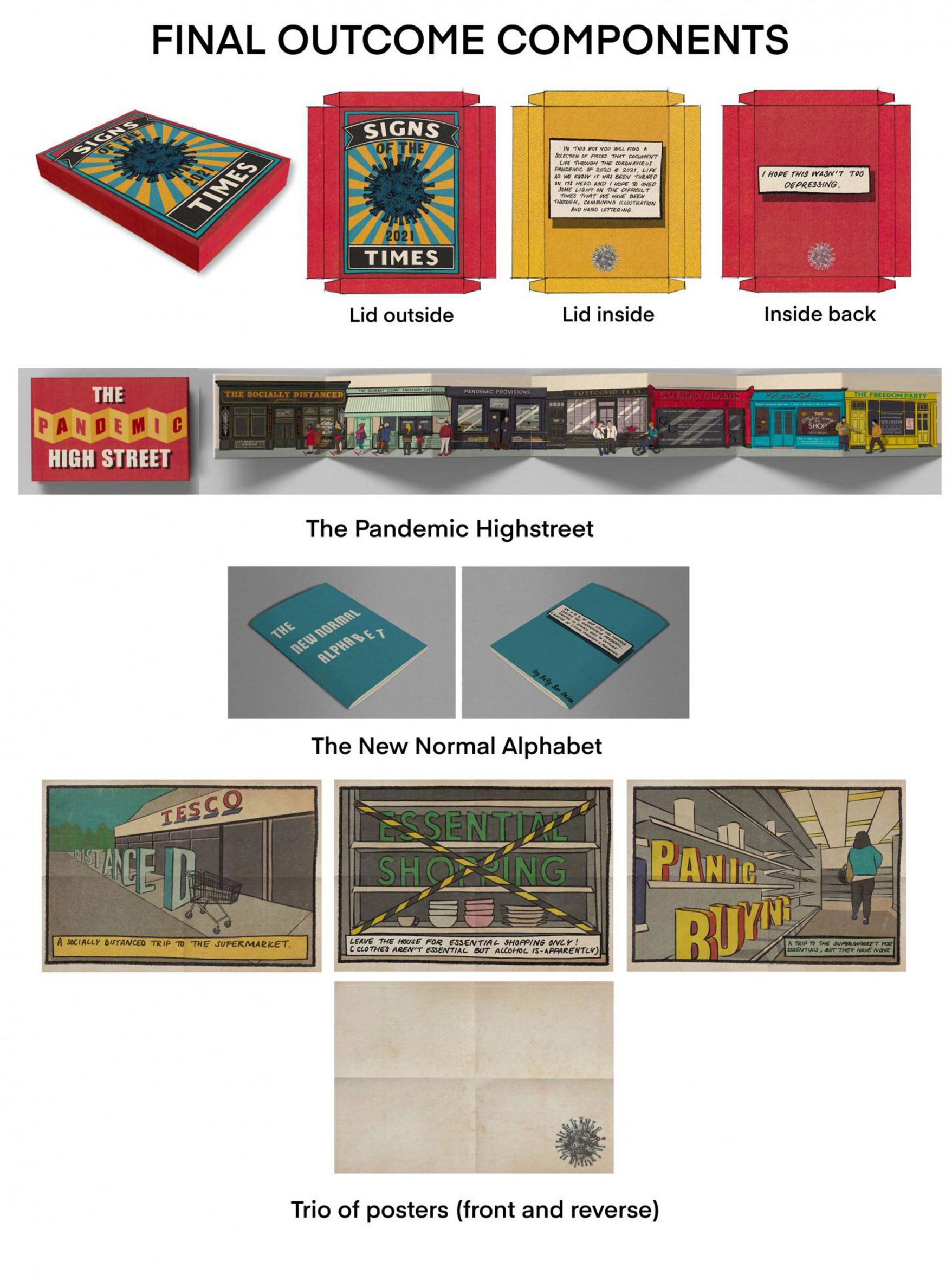
"Signs of the Times is an archival document that aims to capture a special time in history through illustration and words. Onion looks at how the world has changed during the pandemic. The pandemic high street combines elements of reportage and signage, coming together in a piece that visually explains how life has changed.

"The new normal alphabet is an in-depth look at 26 words that once had little meaning but have now become part of daily life. It serves as a reminder of the hard times we have lived through and the ways our lives changed. The box Onion designed acts as an archival piece, holding the documents together."

Student: Betty Onion
Course:
BA (Hons) Illustration, UCA

University for the Creative Arts illustration school show

Henriette Moberg Lillegaarde

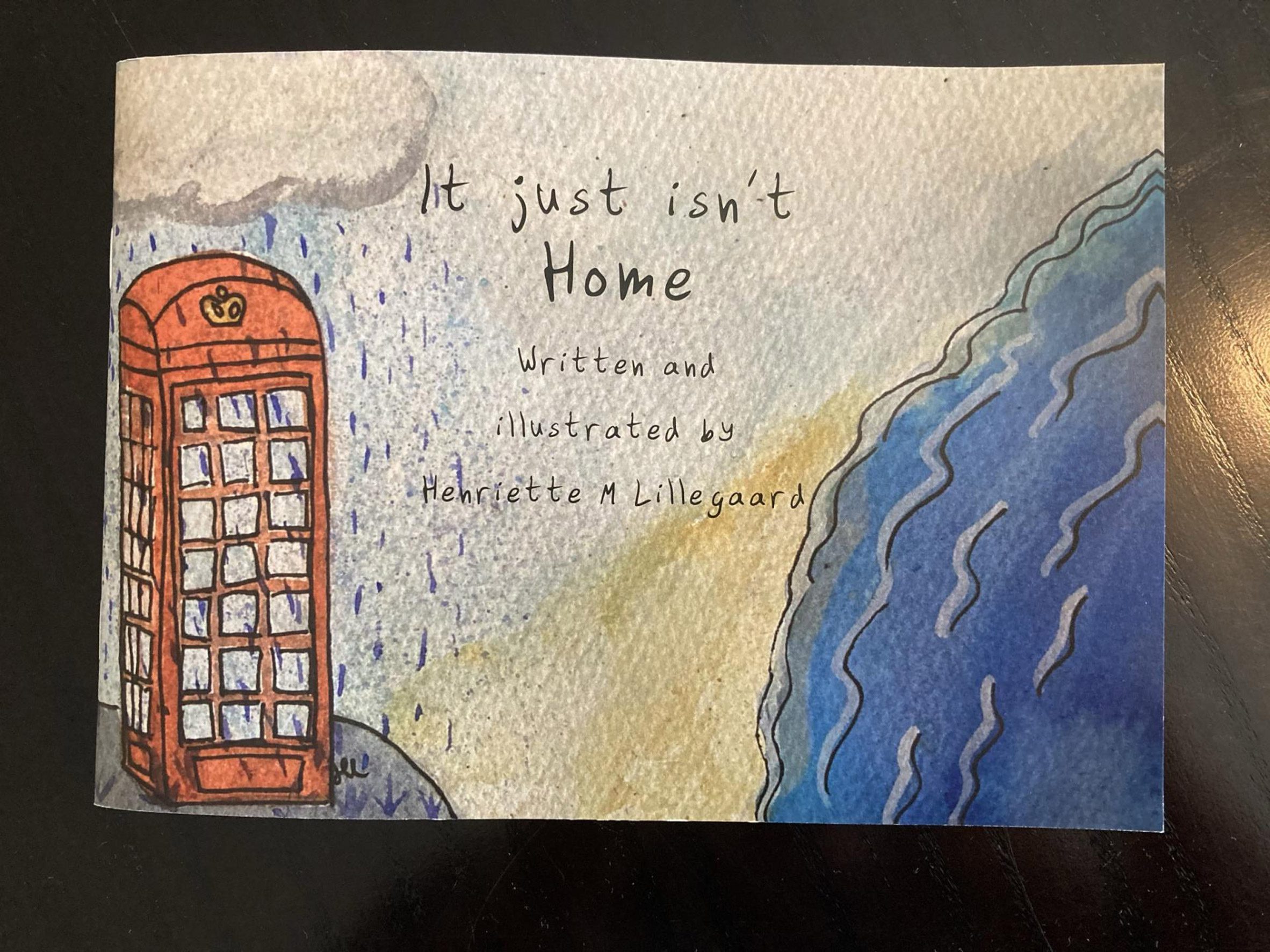
"It just isn't Home is a book written and illustrated by Henriette M Lillegaard, telling stories about the experience of homesickness and loneliness whilst studying abroad in the United Kingdom.

"As a student studying away from home, the feeling of homesickness was quite acute at times. Lillegaarde decided to express the experience through watercolour illustrations, layering and some subtle 3D effects in the hope that others in a similar situation might relate to it."

Student: Henriette Moberg Lillegaarde
Course: BA (Hons) Illustration

University for the Creative Arts illustration school show

Wen-Yi Yap

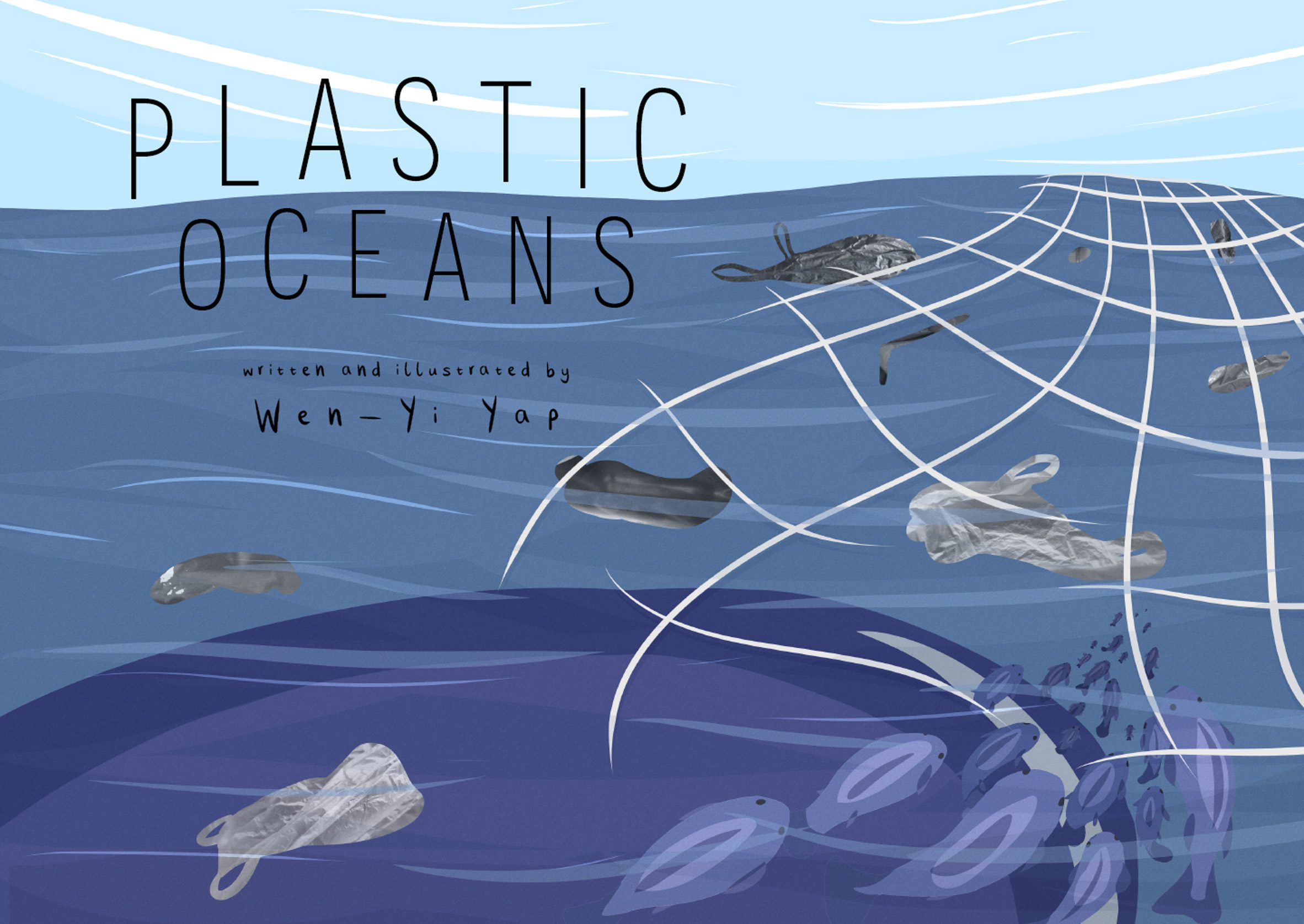
"Yap's book is about plastic pollution and the devastating consequences it has on animals. Yap wanted to teach young children how important it is to keep our planet clean, but not in a daunting and overwhelming way. The book shows children that recycling can be fun and rewarding, and the more people become aware, the more they can work together to make a change."

Student: Wen-Yi Yap
Course: BA (Hons) Illustration, UCA

University for the Creative Arts illustration school show

Jude Gibbs

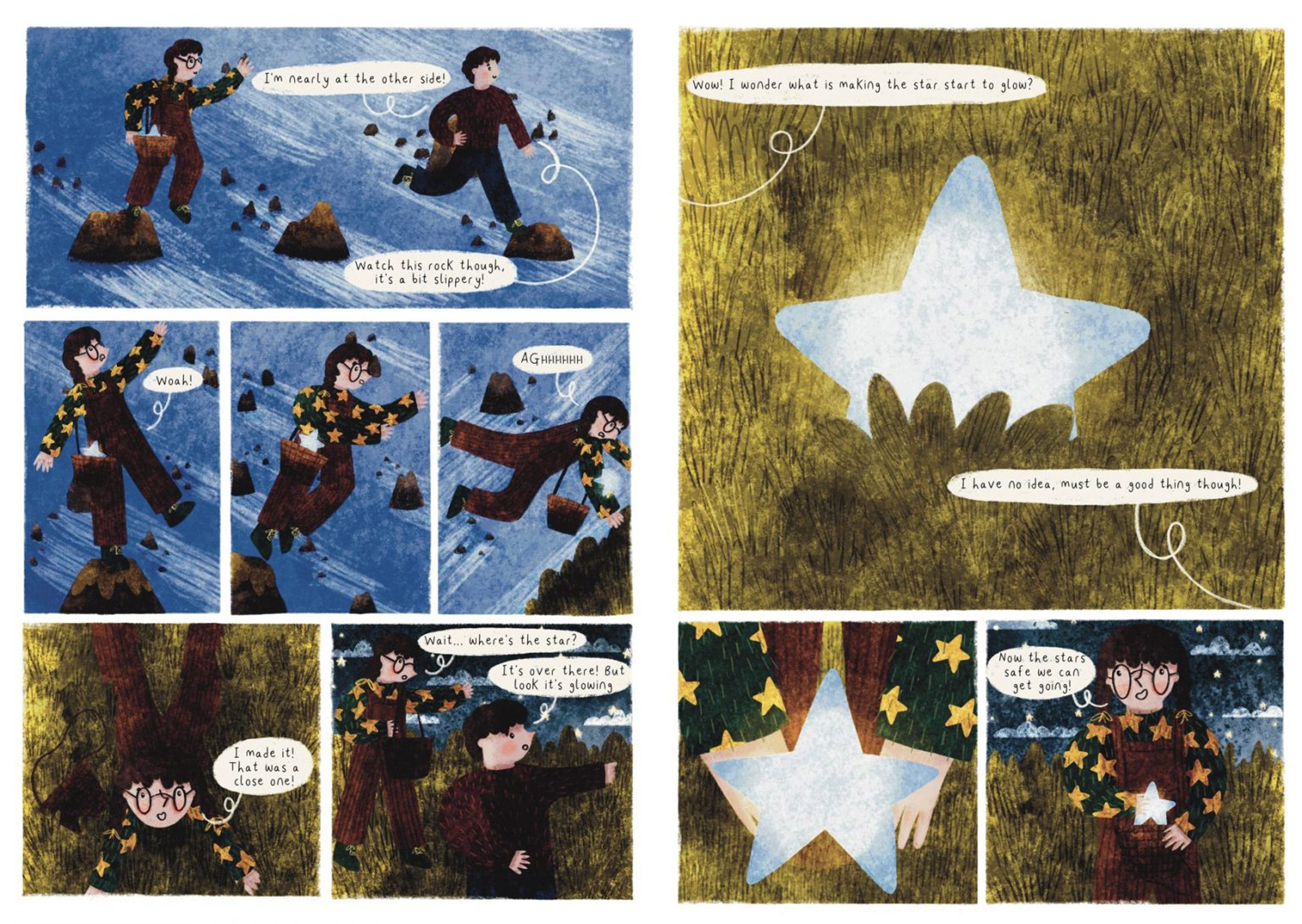
"George and Daisy's Starry Adventure is a graphic novel about two siblings who go on an adventure to help the star that fell to earth back in the sky. They encounter some issues along the way, but eventually overcome them to help the star."

Student: Jude Gibbs
Course: BA (Hons) Illustration and Animation, UCA


University for the Creative Arts illustration school show

Lucia Matano

"Matao's animation explores the never-ending game of life and the fears of growing up and out of one's comfort zone. It focuses on the idea of leaving the past behind and moving forward before you become trapped by it. Frustration, fear and desperation are explored through the genre of horror and its tropes.

"This topic stems from Matano's personal fear of growing up, leaving university and moving onto the unknown. The animation expresses the struggle and acceptance of this fear and their hopes to move forward to a new chapter."

Student: Lucia Matano
Course: BA (Hons) Illustration and Animation, UCA


Partnership content

This school show is a partnership between Dezeen and University for the Creative Arts. Find out more about Dezeen partnership content here.

The post University for the Creative Arts spotlights ten student illustration projects appeared first on Dezeen.


from Dezeen https://ift.tt/3k1iDmn
Lloyd's building in London to undergo "once-in-a-generation" overhaul

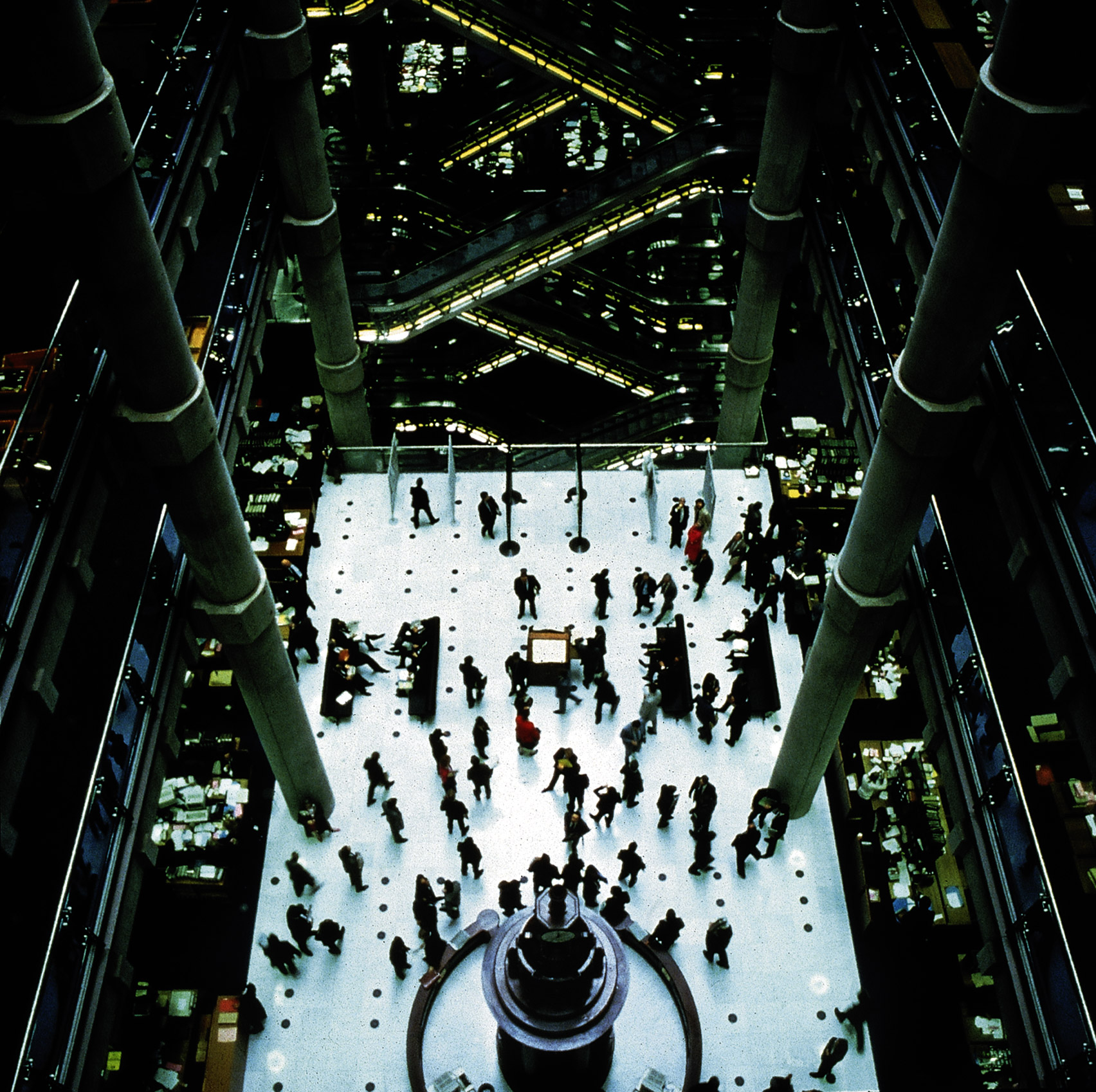
The Underwriting Room in the Lloyd's building

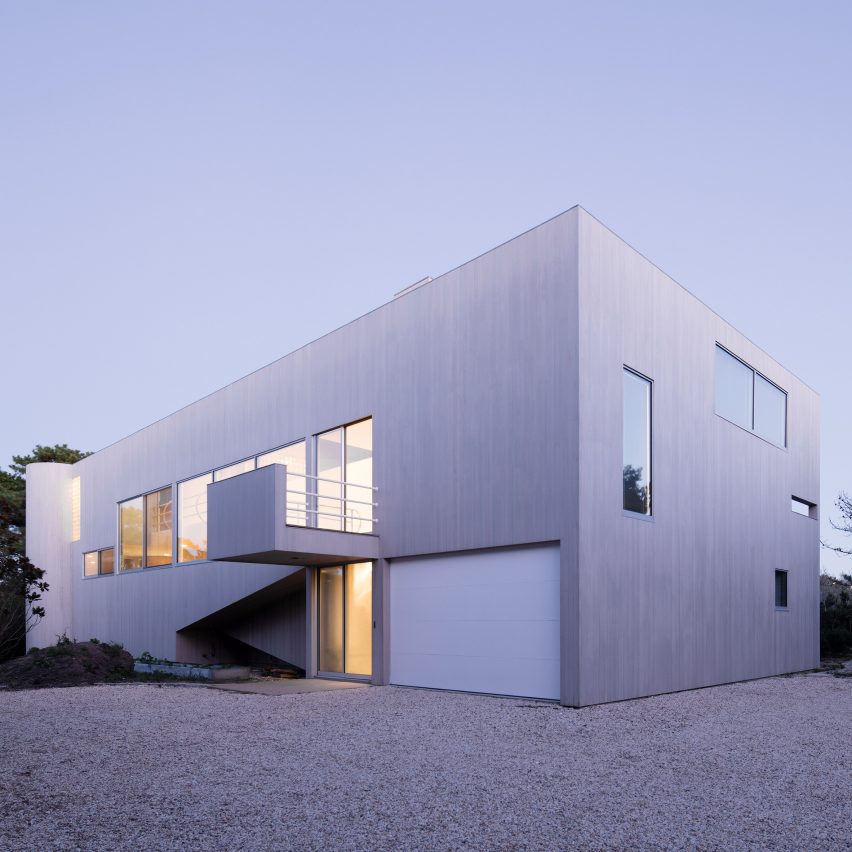
The iconic Underwriting Room at the heart of Richard Rogers' high-tech Lloyd's building in London is set to undergo a major redesign by its owner, insurance company Lloyd's of London.

Planned for 2022, the "once-in-a-generation" overhaul of the Grade I-listed building's central space is being carried out to better accommodate the firm's flexible working practices following the coronavirus pandemic.

The Underwriting Room in the Lloyd's building
The Underwriting Room at Lloyd's is set to be redesigned. Photo is by Colin via Wikimedia Commons

Alongside the three-storey Underwriting Room, Lloyd's of London will also be revamping several of its supporting spaces.

However, Rogers Stirk Harbour + Partners, the studio that was co-founded by now-retired architect Rogers, is not currently involved in the process and has declined to comment on the plans.

Plans driven by "increasing trends of flexible working"

The Lloyd's building was Rogers' first high-tech office block, completed in the UK capital in 1986 as part of his former studio, Richard Rogers Partnership.

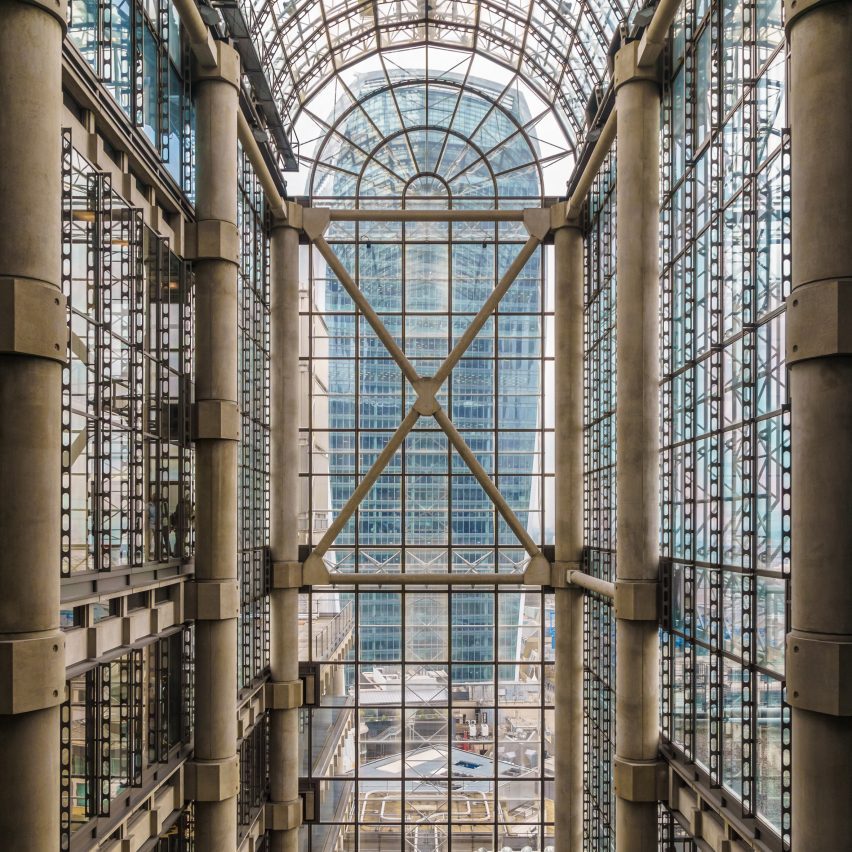
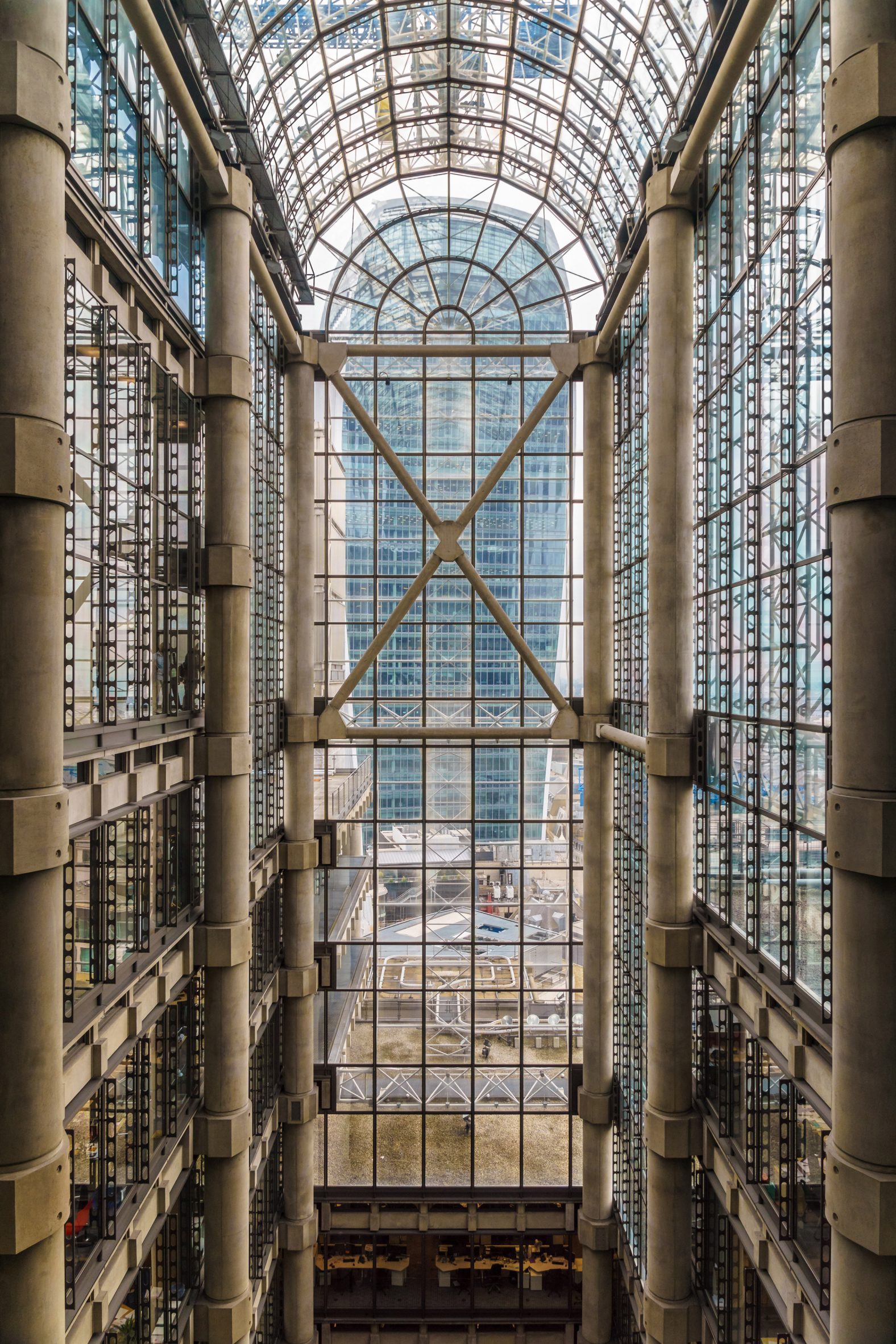
It is known for its distinctive inside-out aesthetic in which all of its building services are placed on its exterior to create large open-plan spaces inside.

The Underwriting Room, a 60-metre-high atrium, is its central hub and, before the coronavirus pandemic, "welcomed more than 5,000 experts from more than 50 leading insurance companies" each day, according to the insurance firm.

The Underwriting Room in the Lloyd's building
The Underwriting Room forms the heart of the building. Photo is by Janet Gill, courtesy of RSHP

"We have embarked on a once-in-a-generation journey to redesign the iconic Underwriting Room and supporting spaces in the Lloyd's building," a spokesperson from Lloyd's of London told Dezeen.

"The decision to undertake this journey has been driven by the increasing trends of flexible working and digitalisation, which have been accelerated by the Covid-19 pandemic."

Final plans to be revealed this year

The final design and architect that Lloyd's of London will be working with for the project will not be decided until later this year. However, the insurance firm has been carrying out consultations and targeted focus groups to develop ideas for the redesign.

"Through Q1 2021, we completed an extensive market consultation to gather insights and ideas about the future requirements for spaces and services our marketplace needs," it said.

"Currently, like many other organisations, we are considering a range of options around our workspace strategy and the future leasing arrangements for Lloyd's. Our final plans will be shared later in 2021 once we have fully explored all the options available to us."

The ideas it has shared so far include introducing different-sized spaces to support private and collaborative work, alongside areas that accommodate both physical and virtual interactions.

This will include developing ways for the Underwriting Room to work with the firm's Virtual Room – a digital platform introduced for underwriters and brokers to connect while working remotely.

Lloyd's of London is also considering introducing a high-end restaurant at the top of the building to help attract more clients and open the building to the public, reported The Times.

History of "frustrations" with building

The news of the overhaul comes seven years after reports that the insurance firm was considering leaving the radical Lloyd's building due to "frustrations" and "costly" repairs required due to the exposure of building services.

It is the second high-tech building by Rogers to face extensive renovations. In Paris, the Centre Pompidou that he designed with Renzo Piano is due to close in 2023 for repair works over four years.

The building, which is also known for its inside-out aesthetic, has a number of elements in need of replacing, such as its heating and cooling system, escalators and elevators. It is the second time that the Centre Pompidou has faced closure due to construction works since its opening.

The main image of the Lloyd's building is by Richard Bryant, courtesy of arcaidimages.com.

The post Lloyd's building in London to undergo "once-in-a-generation" overhaul appeared first on Dezeen.


from Dezeen https://ift.tt/3AGgq6u

Eight Braun products that demonstrate its good design principles of "simple, useful and built to last"

Braun black calculator

Dezeen promotion: as part of our collaboration with Braun to mark the brand's centenary, we look back at eight influential Braun products that changed the home electronics landscape.

The brand's 100 years have paved the way for many of the electronic products we continue to use in our homes today

As part of the centenary, Dezeen has collaborated with Braun to present their three-episode masterclass series hosted by Ilse Crawford, which encourages designers and users to consider "good design for a better future".

In the Good Design Masterclass series, Braun's three core principles – simple, useful and built to last – were explored as Crawford discussed how each one could be applied to today's design industry and influence a new generation of designers.

The episodes, which are available to watch on Dezeen and Braun's website, also explore how we can integrate good design into our day-to-day lives.

As part of its centenary, the brand has opened this year's BraunPrize. Through this year's challenge to "shape tomorrow," it asks the next generation of designers to develop concepts that drive behavioural change intending to solve the challenges of the future. The competition is open to anyone with less than five years of design work experience. For more details on how to enter the 21st BraunPrize, visit the BraunPrize website.

Here we reflect on some of the iconic design brand's most important innovations and explore how each fulfils Braun's three core principles that were explored in the masterclass series.


A grey Braun TP1 radio

TP 1 by Dieter Rams

Introduced in 1959, the TP 1 by Dieter Rams was a ground-breaking portable transistorised radio-record player that long preceded the Walkman of the 1980s.

The modular system is comprised of a pocket radio and battery-operated record player linked by a short cable and held in an anodised aluminium case. It is a minimalist design that is in keeping with the Braun principles with a focus on simplicity and increasing the flexibility and freedom of the user.

The TP 1's distinctive material language of grey plastic, aluminium and tan leather strap is still reflected in today's wireless speaker category.


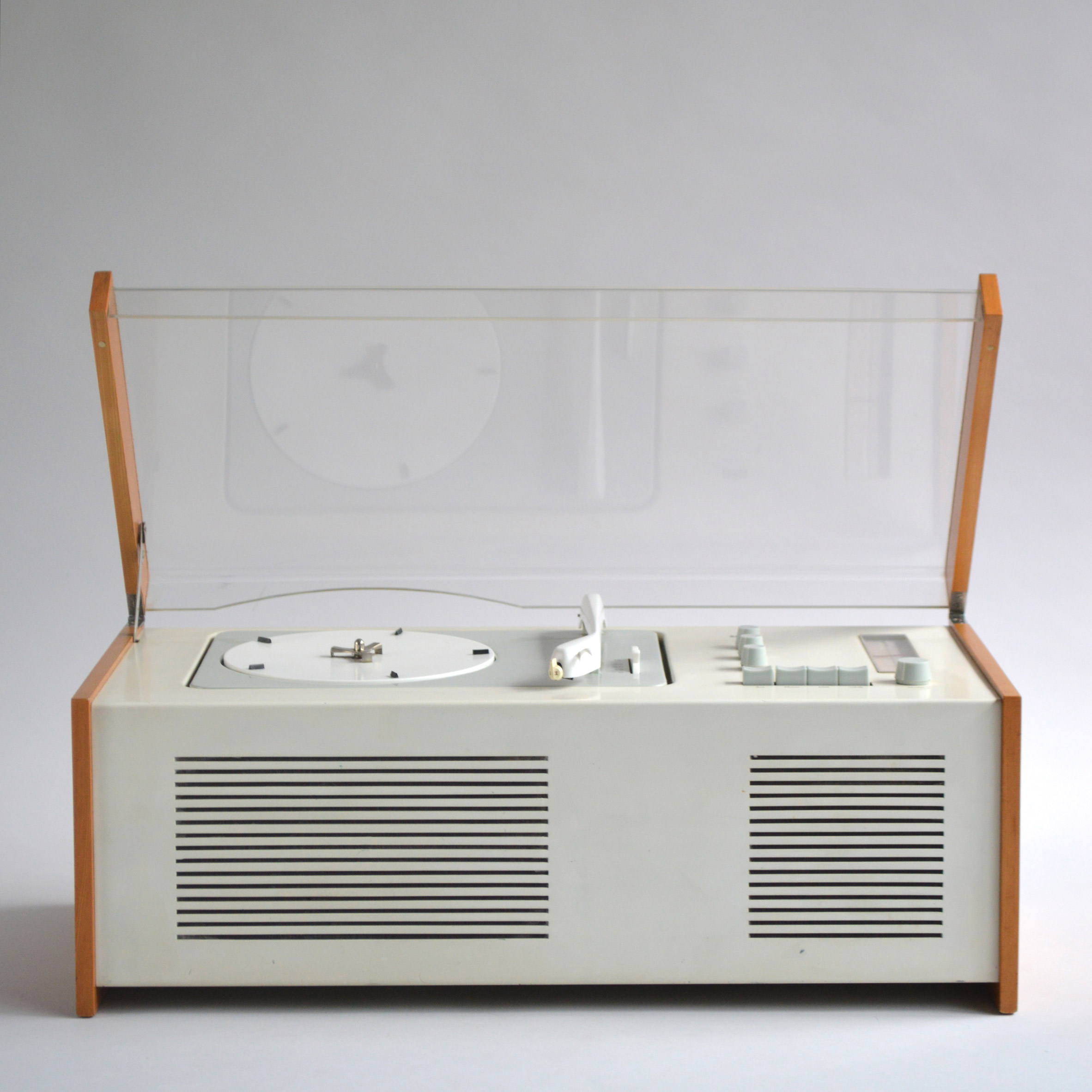
Braun SK 4 audio player

SK 4 by Dieter Rams and Hans Gugelot

When the SK 4 was launched in 1956, it disrupted the conventional approach to audio design in which devices were hidden in baroque cabinets.

Conceived as a beautiful piece of engineering and the first record player to use an acrylic hood, it was among the first Braun audio designs produced in the modern style and set the tone for the Braun audio programme of the 1960s.

The SK 4 demonstrated that taking a functional approach didn't have to result in a cold design and could instead be human-focused.


Black Braun LE speaker

LE speaker range by the Braun Design Dept

Bringing together balance, form and function in the tradition of Braun Design, the multi-award-winning LE speaker range was introduced in 2019. The speakers offer exceptional sound reproduction and contemporary functionality packaged within a heritage-style casing.

The range was the recipient of the IF Gold Award 2020 and a Red Dot winner 2020.


Braun KM 3 food blender

KM 3 by Gerd Alfred Müller

This fashion-defying food blender from 1957 was produced with only slight modifications for over three decades making it one of the longest-lived industrial products of all time.

Its enduring aesthetic appeal was matched by its robust construction and was famous for its reliable service.


Braun black calculator

ET 22 pocket calculator by Dieter Rams and Dietrich Lubs

Debuted in 1972, the ET 22 was the first calculator to have colour-coded keys – a feature that was reprised in the Apple iPhone calculator app – and was also the first calculator to feature convex keys.

While both innovations had an aesthetic value, more importantly, they were geared towards clarifying operation for the user.


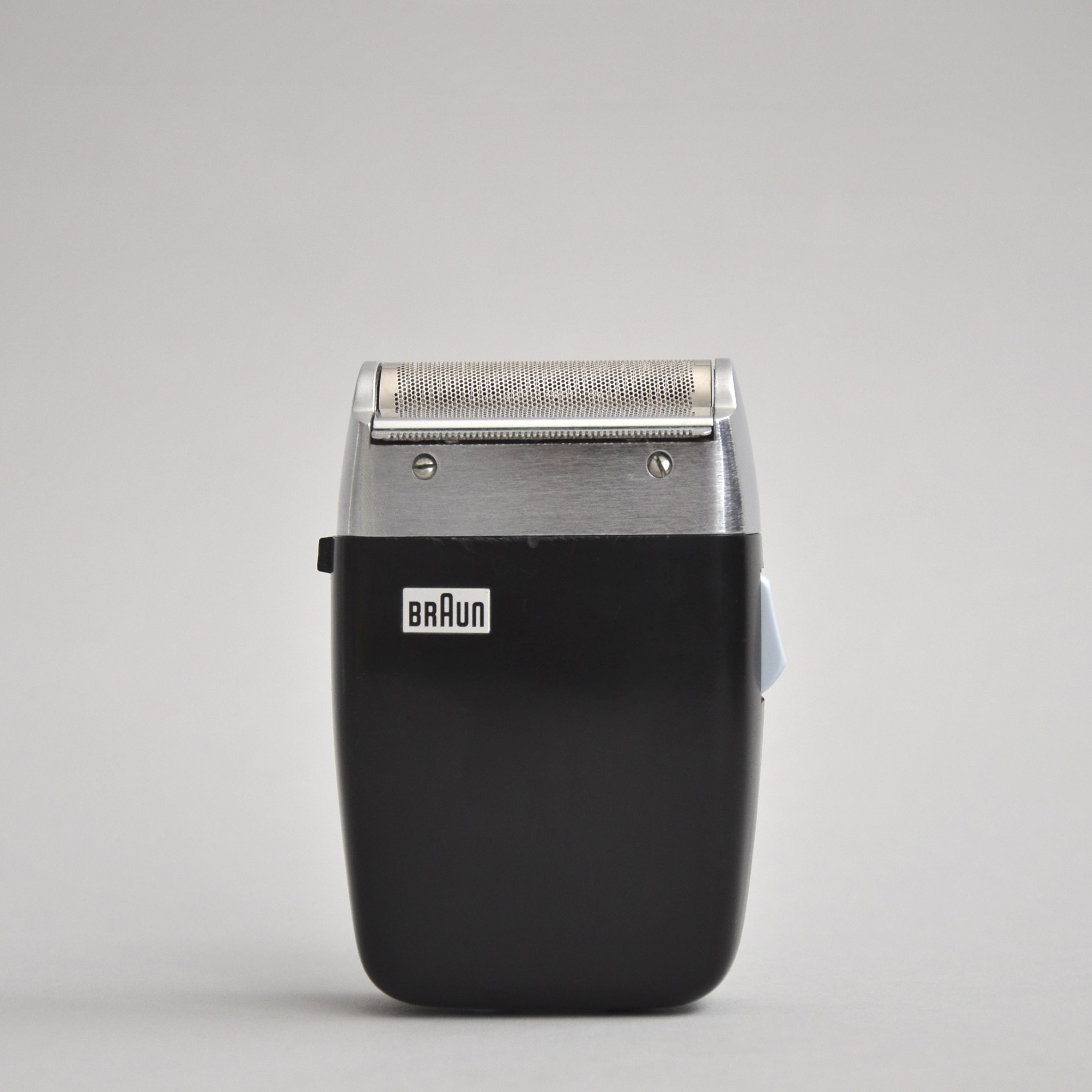
Braun SM 31 shaver

SM 31 by Gerd Alfred Müller and Hans Gugelot

Up until the SM 31 was launched in 1962, shavers were typically chrome and cream and had a "medical feel" about them. With a brushed matte surface which was initially produced by hand, the SM 31 had a more masculine appearance.

As well as its distinctive finish, the design's USP was that its perforated hexagonal foil openings that are considered optimal for cutting were made using an electrotyping technique.

The design was well-received by the market and smashed existing sales records, selling over 8 million units worldwide.


Braun Micron Plus shaver

Micron Plus by Roland Ullmann

This 1980 shaver featured 500 rubber stubs covering an aluminium surface. It was the first use of anti-slip "hard and soft technology" by which hard and soft materials are fused.

It also featured an integrated beard trimmer and shaver switch, which was the first "switch-in-switch" brought to market. The technology later became commonplace in razor design but the Micron Plus paved the way.


Braun Series 9 shaver

Series 9 by the Braun Design Dept

User comfort is prioritised in Series 9 thanks to a number of technological breakthroughs, including SynchroSonic cutting system technology, which reads beard density and automatically adapts the motor output accordingly, 160 times a minute.

The 2019 design also has two titanium coated trimmers that capture more hair per stroke than any other shaver on the market.

Its titanium coating provides protection from corrosion and improves wear resistance, resulting in a more durable shaver that lasts for up to 50,000 shaves.


Dezeen x Braun Good Design Masterclass

This article was written by Dezeen for Braun as part of our Dezeen x Braun Good Design Masterclass partnership. Find out more about Dezeen partnership content here.

The post Eight Braun products that demonstrate its good design principles of "simple, useful and built to last" appeared first on Dezeen.


from Dezeen https://ift.tt/3sxiafy