Wednesday, 18 August 2021

Kengo Kuma draws on fairytale landscapes for Hans Christian Andersen museum in Denmark

Hans Christian Andersen Museum designed by Kengo Kuma in Odense

Winding maze-like hedges wrap a series of green-roofed timber pavilions at a museum dedicated to the work of Hans Christian Andersen in Odense, Denmark, designed by Japanese practice Kengo Kuma & Associates.

The new museum building, announced in 2016 to coincide with the author's 211th anniversary, is tucked behind the yellow buildings of the fairytale author's birthplace, which has housed the H C Andersen House museum since 1908.
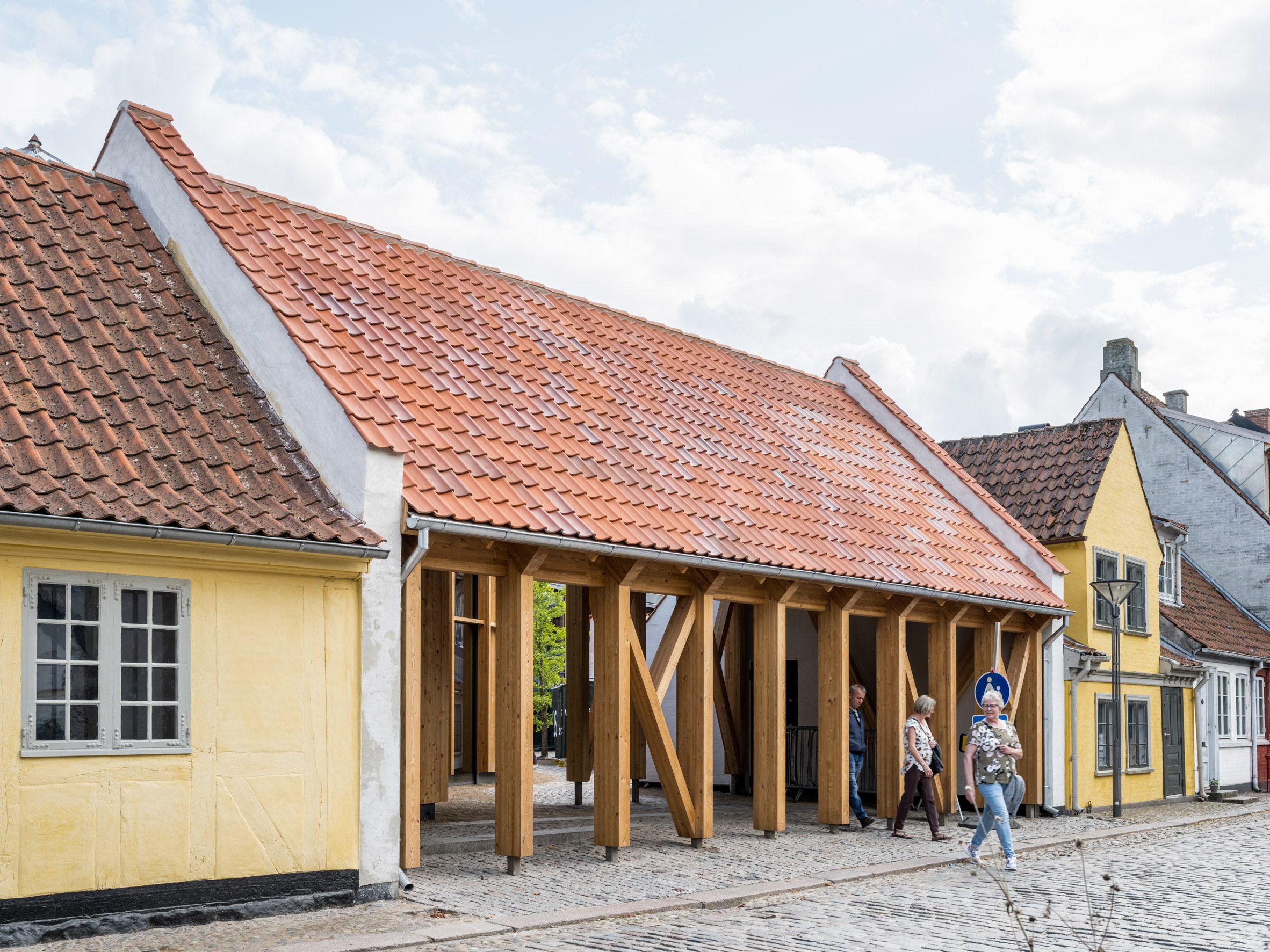
Entrance of H C Andersen museum
A timber-framed entrance leads into the museum

A timber-framed entrance that mimics the gabled houses of Odense's old town leads through into the lush 5,600-square-metre site of the museum, which had a soft opening at the end of June.

It was designed to not just tell the history of Andersen's life and works, but to embody their sense of "puzzlement, imagination and magical adventure."
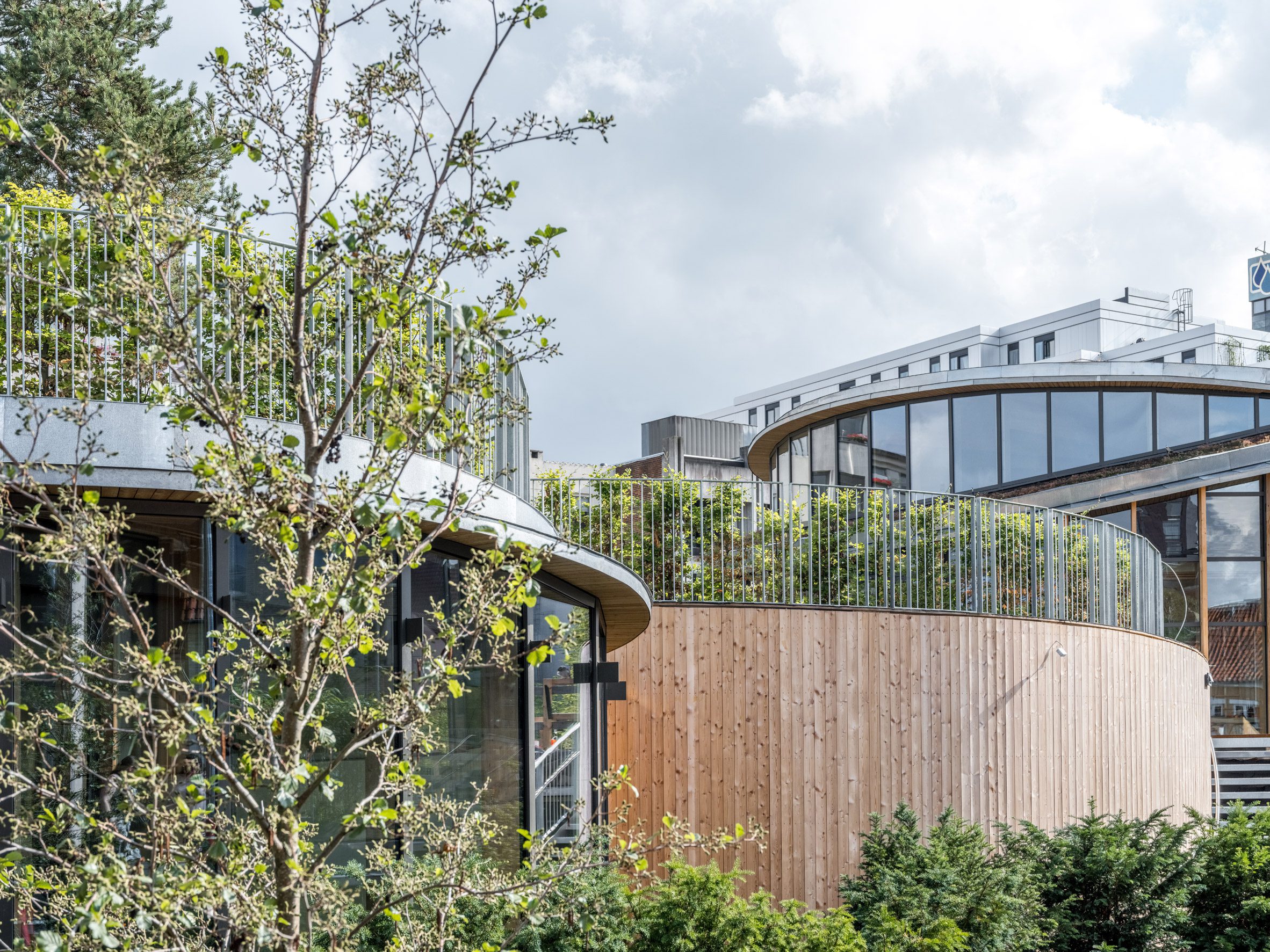
Kengo Kuma-designed museum in Odense
The architecture was loosely informed by the author's The Tinderbox fairytale

Loosely inspired by Andersen's story The Tinderbox, in which a tree reveals an underground world, three wooden pavilions housing a cafe, children's studio and entrance foyer above-ground lead to a network of immersive subterranean display spaces.

"The idea behind the architectural design resembled Andersen's method, where a small world suddenly expands to a bigger universe," architect Kengo Kuma said.
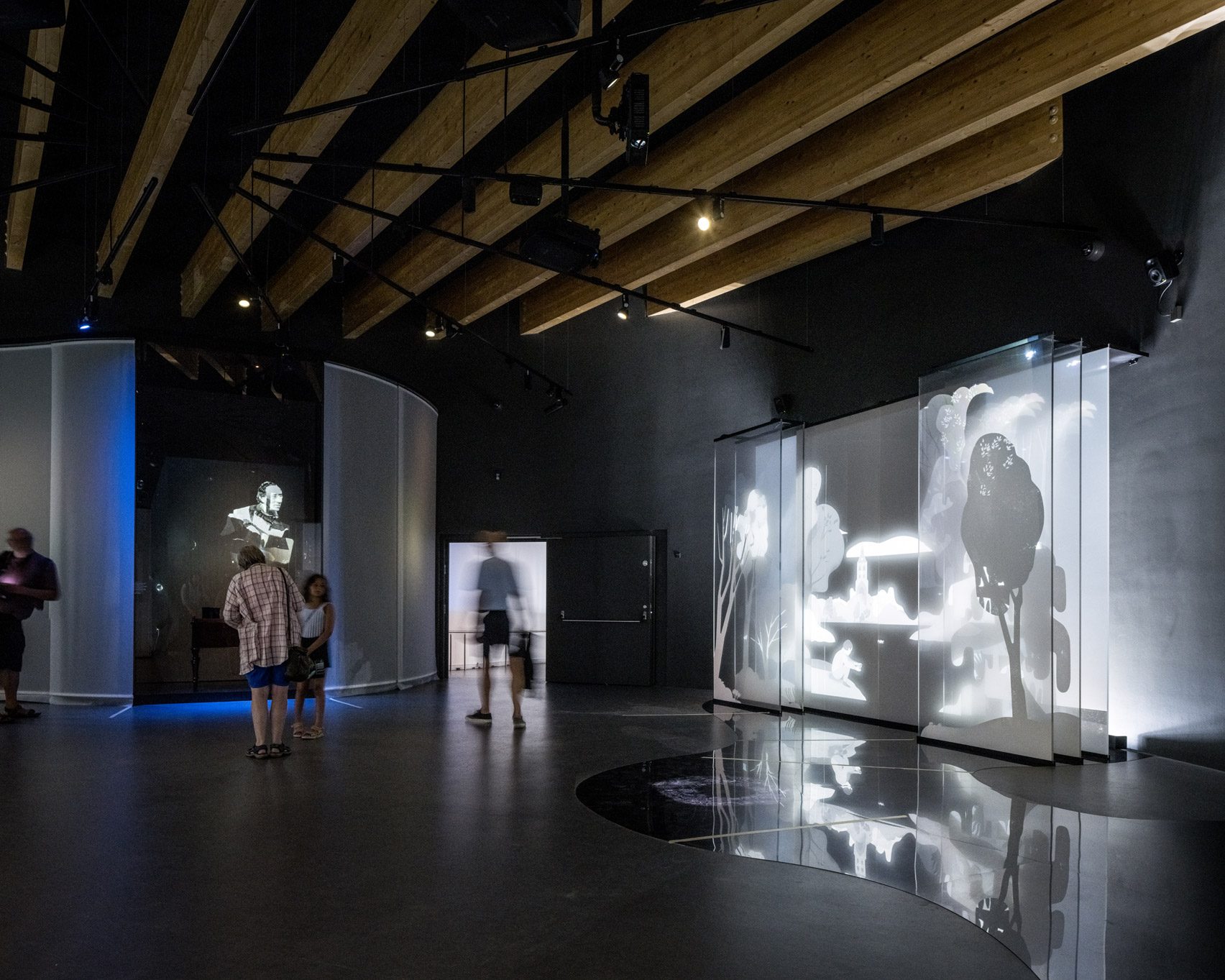
Hans Christian Andersen Museum designed by Kengo Kuma in Odense
Subterranean spaces house exhibitions

In these underground spaces, the architecture is combined with a "complete artistic experience" of sound, light and visuals to immerse visitors in the worlds of Andersen's tales through a series of interactive exhibits.

"[The fairytales] are what everyone knows...the idea is not to retell the stories, but rather to communicate their familiarity and inspire further readings of Andersen," head of Odense City Museums Torben Grøngaard Jeppesen added.

The landscaping, developed in collaboration with Danish landscape architects MASU Planning, is defined by a series of curved hedges that trace the outline of the exhibition spaces below, connected by a network of paths dotted with trees and sculptures.

Glimpses into the underground exhibition spaces are provided by a sunken, tree-filled courtyard in the garden's centre and a glass pool in the gardens, described by the practice as "portals from the real world to the fairytale world."
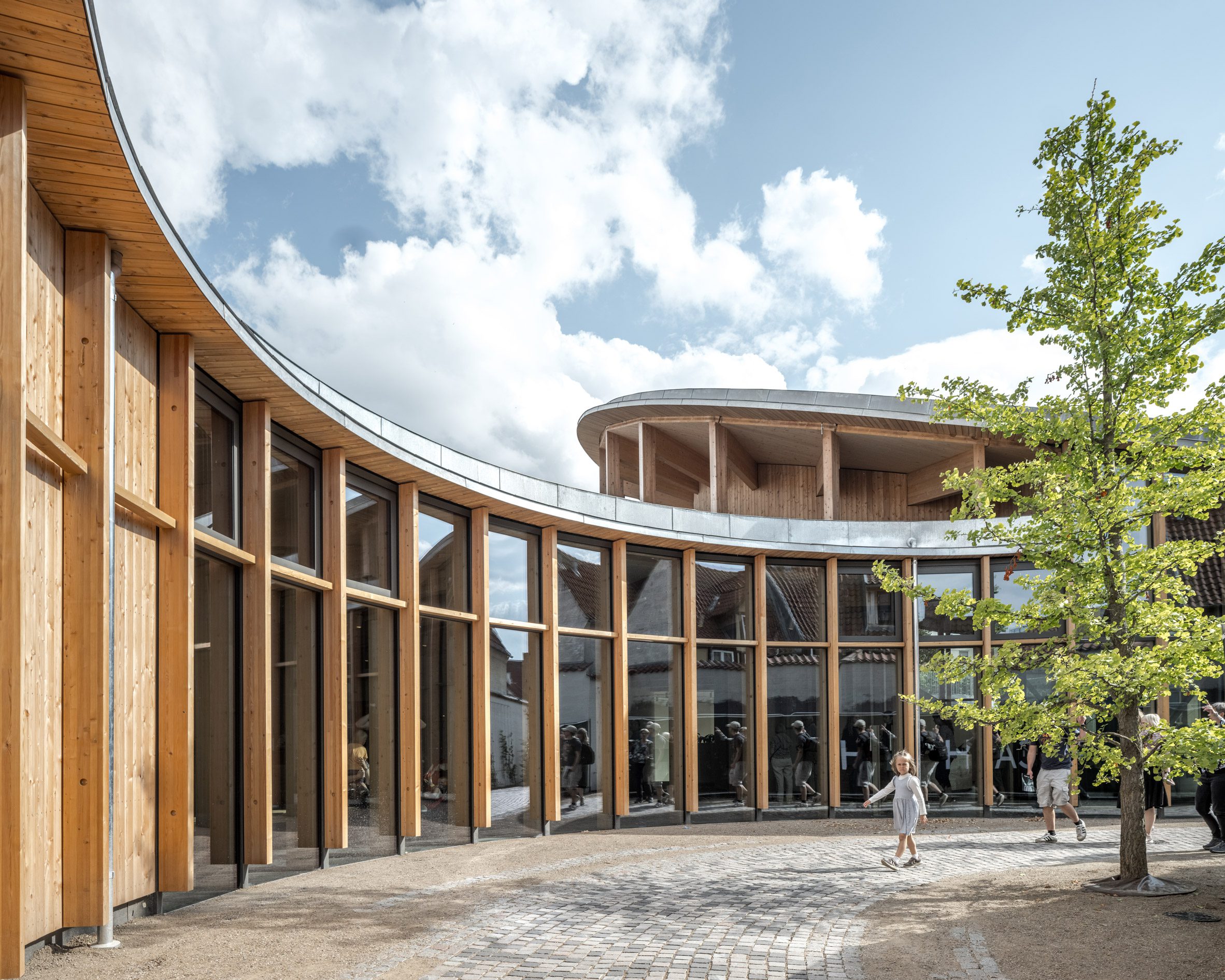
Courtyard of Kuma museum
A tree-filled courtyard shows glimpses into the exhibition spaces

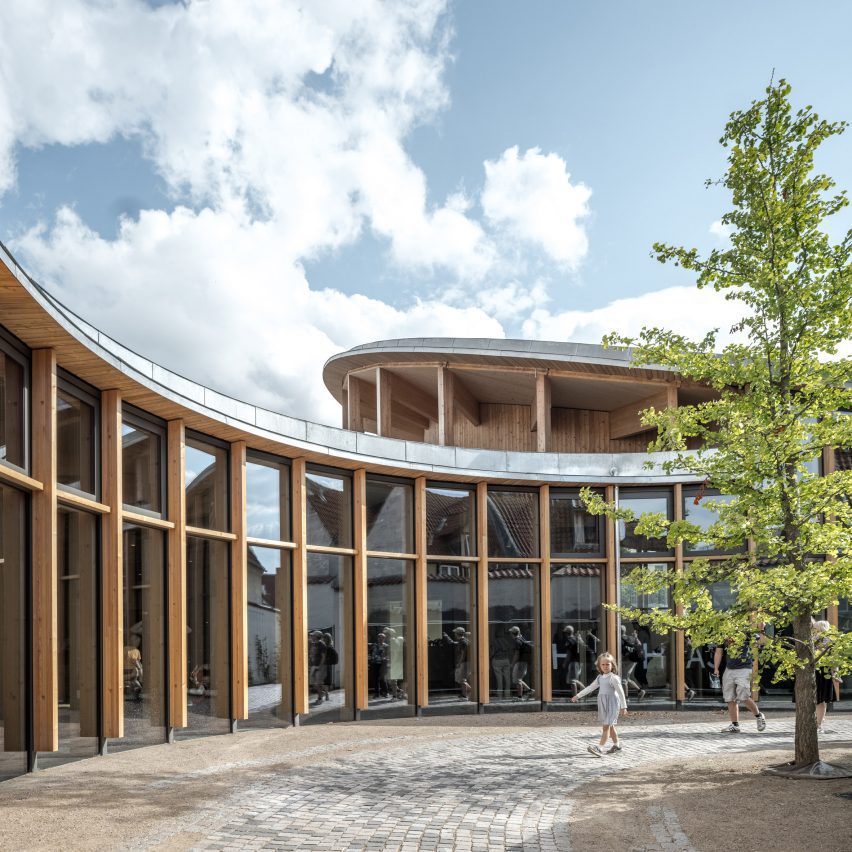
The pavilion structures, built with a frame of spruce and clad with a grid of thin larch beams, are designed to both echo the structure of Andersen's half-timbered childhood home in Odense and allow the structures to blend in with the garden.

"The architectural structure is reduced to the programs that require natural light – their volumes above ground are minimised to the scale of small pavilions floating among the hedges, trees and green in the garden," Kengo Kuma & Associates told Dezeen.
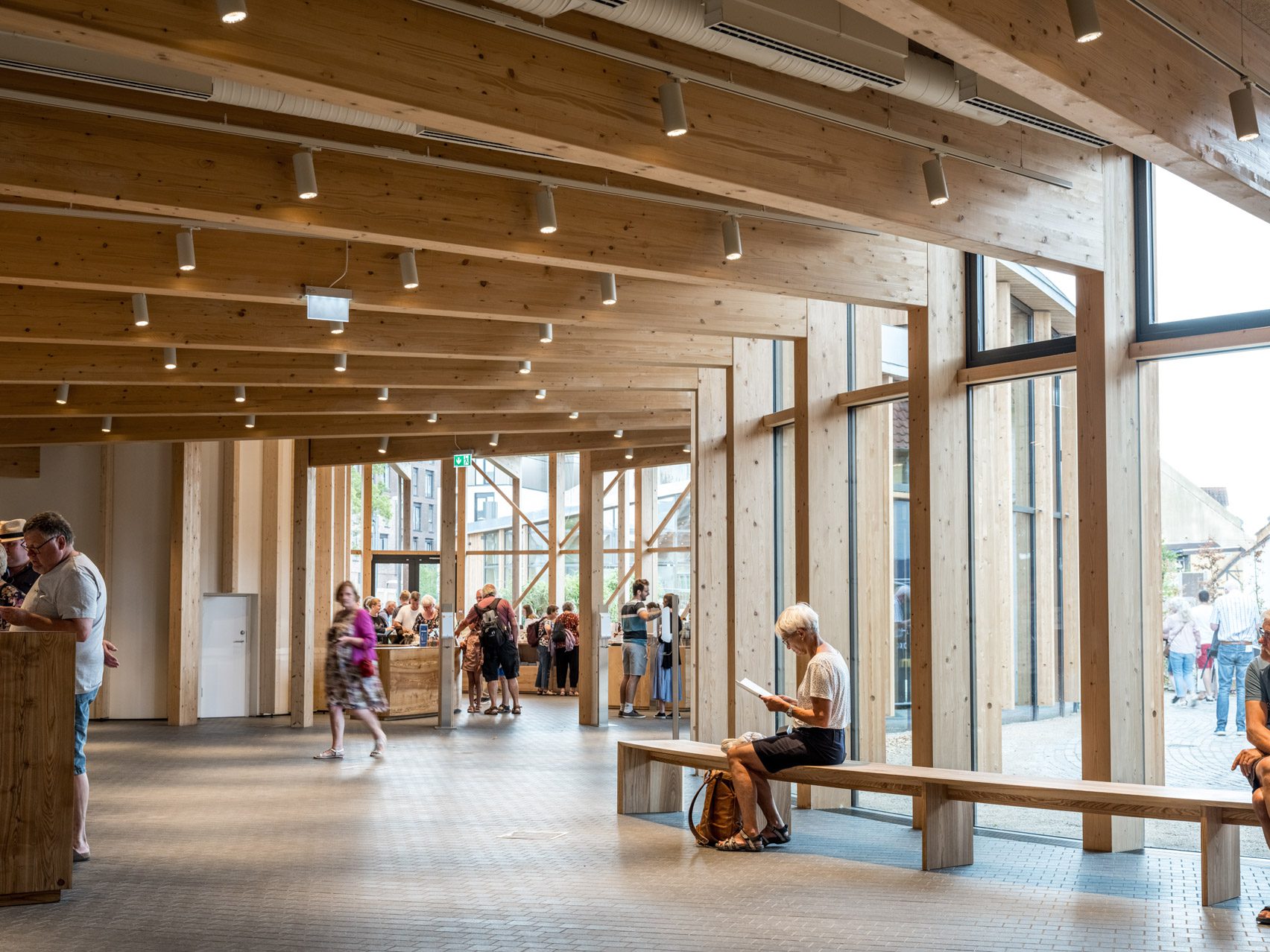
Interior of Danish museum
Timber features both in the museum's interior and exterior

Internally, the timber structure has been left exposed, giving each pavilion a ceiling of radial beams intended to evoke the feeling of being beneath a tree canopy. Externally, their scooped roofs are topped with plants to create green roofs.

In contrast, the concrete of the subterranean structure has been left largely exposed, with skylights and clerestory-level windows giving views back up to the gardens above and creating contrasting areas of light and dark in the exhibition spaces.
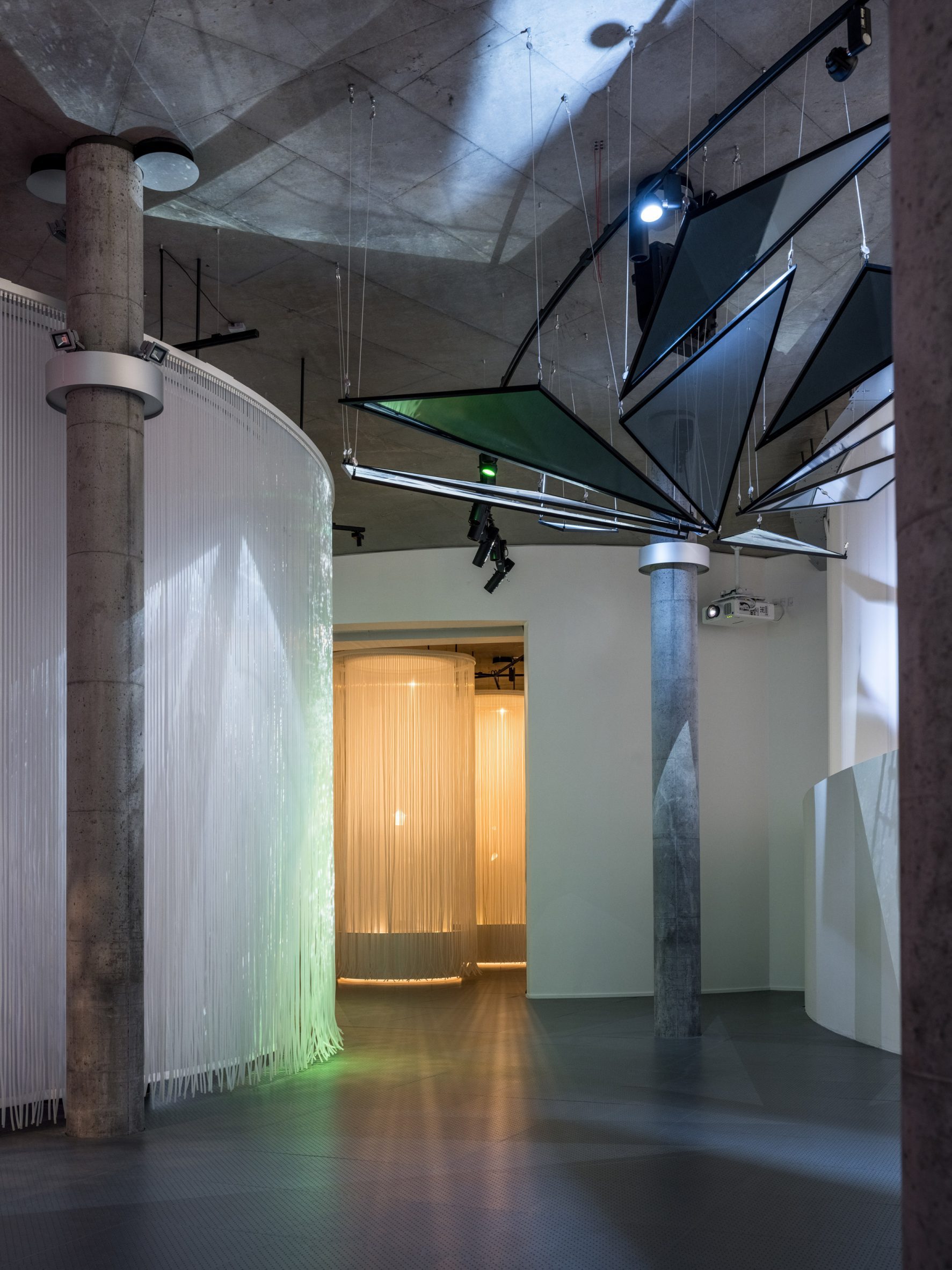
Concrete museum interior
Interiors feature exposed concrete

Elsewhere in Denmark, the fairytale author provided the inspiration for Danish practice Bjarke Ingels Group's tree-covered designs for the 18 storey H C Andersen Hotel in Copenhagen's Tivoli Gardens amusement park, revealed in 2019.

Photography is by Rasmus Hjortshøj.

The post Kengo Kuma draws on fairytale landscapes for Hans Christian Andersen museum in Denmark appeared first on Dezeen.


from Dezeen https://ift.tt/3AX31qV

Forma rug collection by Tsar Carpets

Act 2 of the Forma rug collection by Tsar Carpets

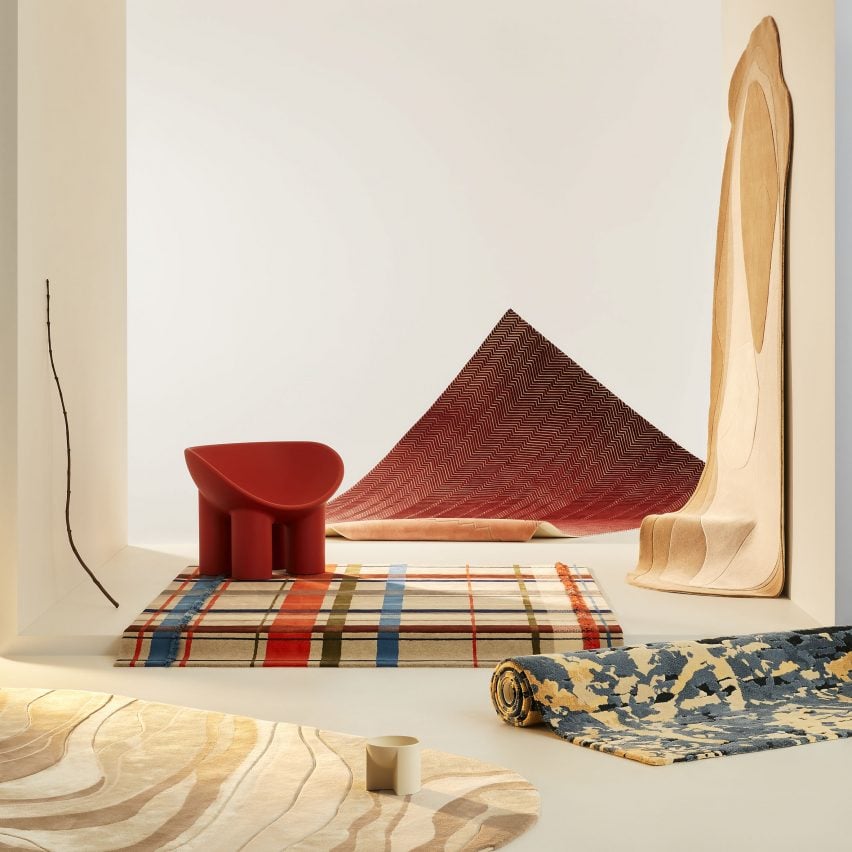
Dezeen Showroom: Tsar Carpets has launched Forma, its largest and most experimental rug collection to date, which was designed to "embody the dawn of a new beginning."

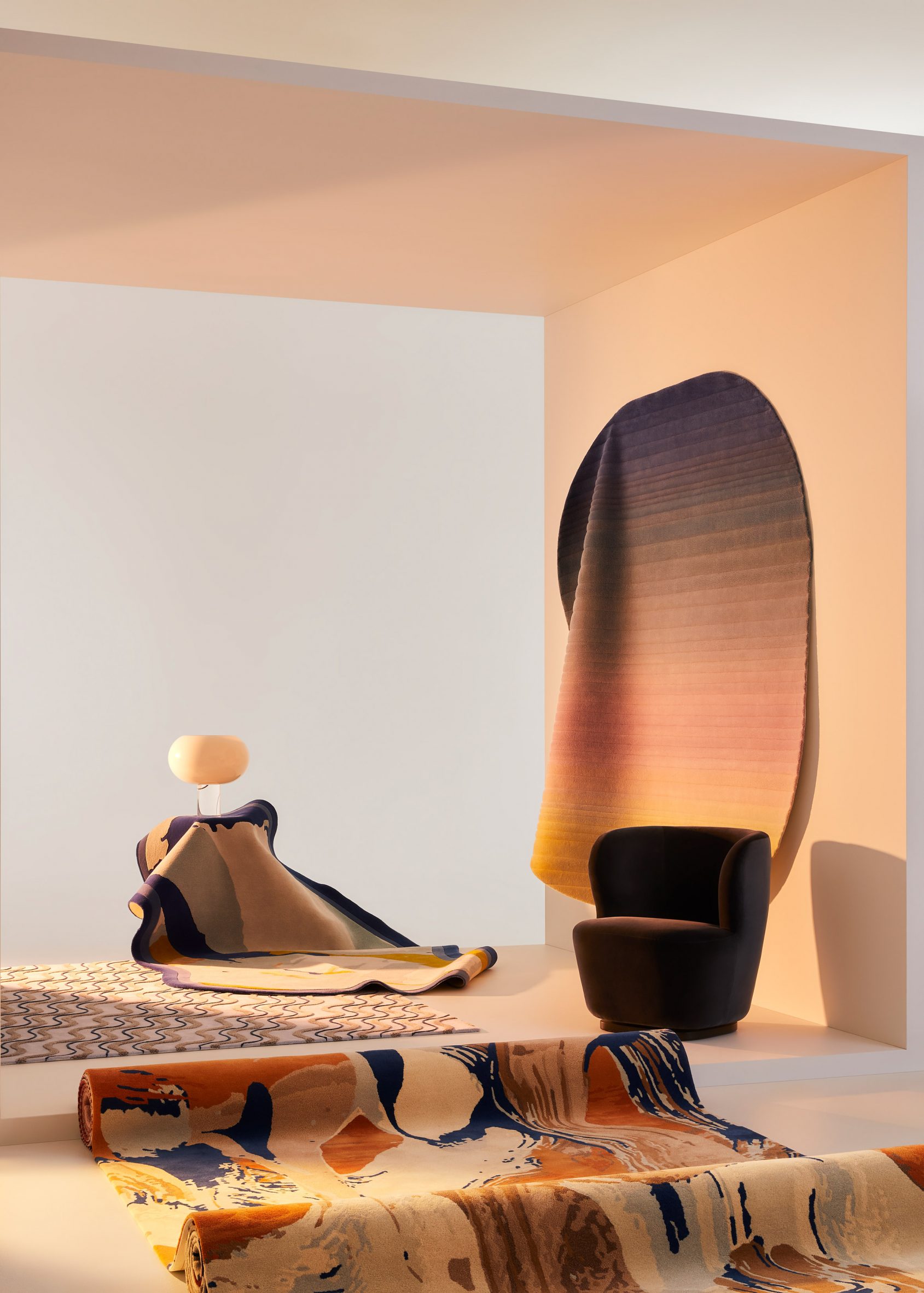
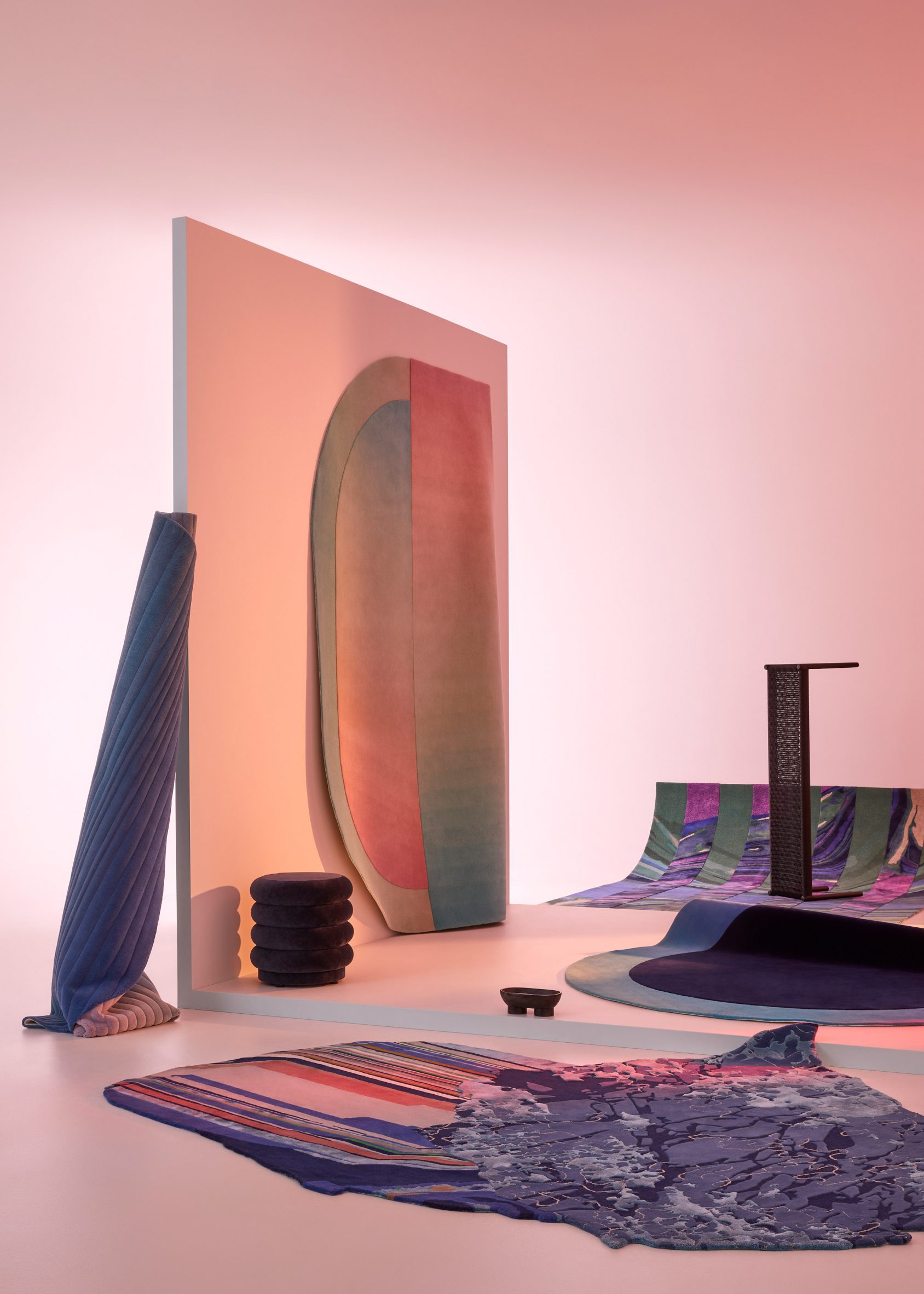
The Forma collection includes 25 hand-tufted floor coverings with abstract silhouettes and unusual colour and material combinations.

Swell, Wave, Rae and Paradiso from Forma rug collection
The Forma collection features 25 different vibrant patterns

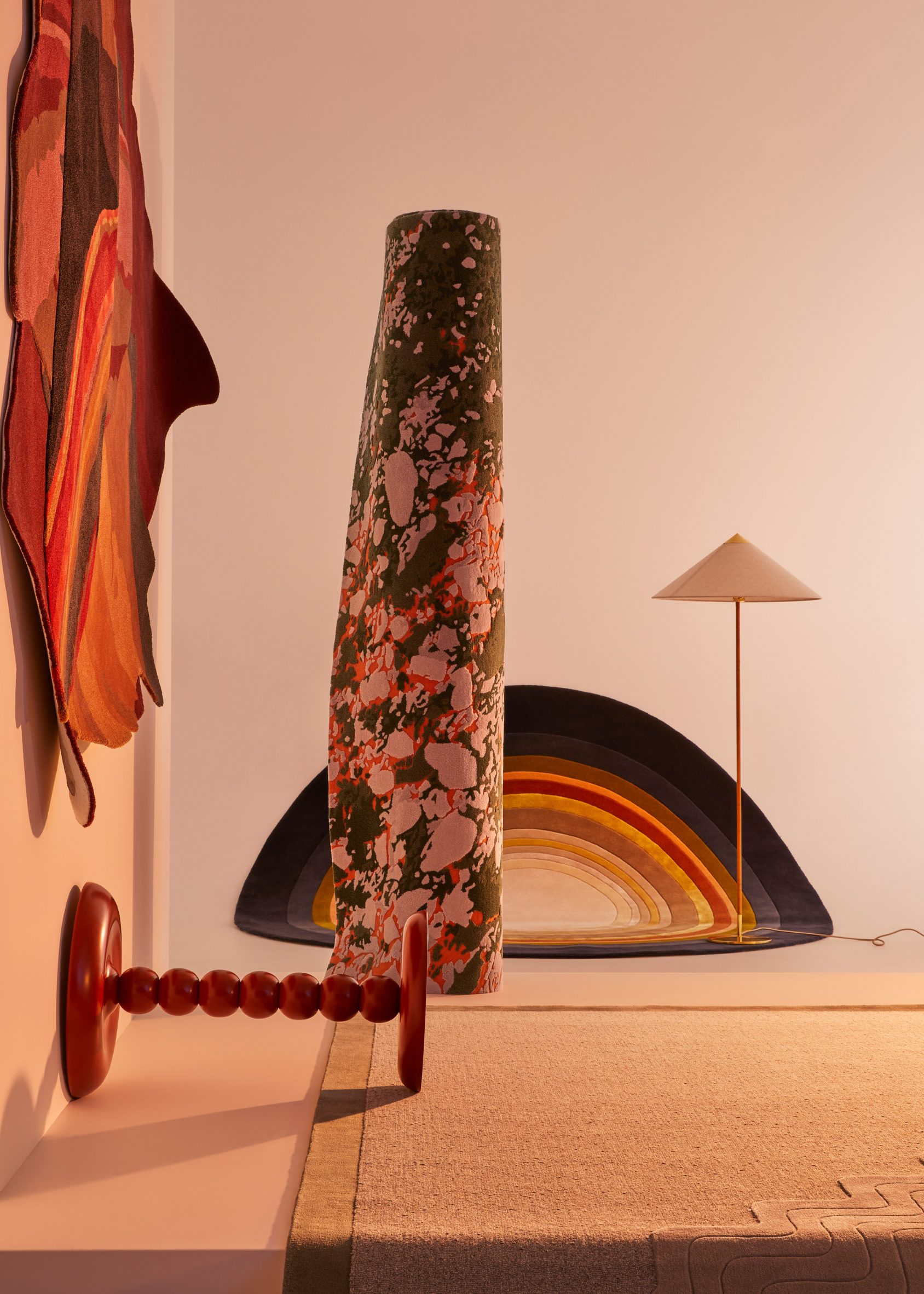
Tsar Carpets' in-house design team began working on the project during lockdown, when cracked earth, moss-covered rocks and other natural sights observed on daily walks became a source of inspiration for patterns.

The team sought escapism through the use of vibrant colours and exaggerated forms as well as wanting to explore the themes of energy and optimism, Tsar Carpets design manager Teresa Ceberek explained.

Lucy, Mai, Muse, Paradiso and Yin rugs by Tsar Carpets
The designs are themed around energy and optimism

"The goal was to create designs that exemplify and embody the dawn of a new beginning," she said.

"The word 'forma' is a playful nod to the imaginative and uplifting shapes in each of the rug's patterns, as well as the abstract silhouettes of the rugs themselves."

Cali, Kinsey, Origin, Pompidou and Rize rugs by Tsar Carpets
The rugs incorporate unusual materials such as Lurex and ribbon yarn

This experimental approach led to a number of firsts for Tsar Carpets, including the brand's first use of refined fading techniques to create gradients and its first use of ribbon yarn to form sculptural rug dimensions.

The Forma rugs are hand-tufted from New Zealand wool, Tencel, ribbon yarn and Lurex. Their sizes, colours and designs can be altered to suit different projects.

Product: Forma
Brand: Tsar Carpets
Contact: info@tsar.com.au

About Dezeen Showroom: Dezeen Showroom offers an affordable space for brands to launch new products and showcase their designers and projects to Dezeen's huge global audience. For more details email showroom@dezeen.com.

Dezeen Showroom is an example of partnership content on Dezeen. Find out more about partnership content here.

The post Forma rug collection by Tsar Carpets appeared first on Dezeen.


from Dezeen https://ift.tt/3k3lgUL

Designers and architects redesign the Louis Vuitton trunk for Louis 200

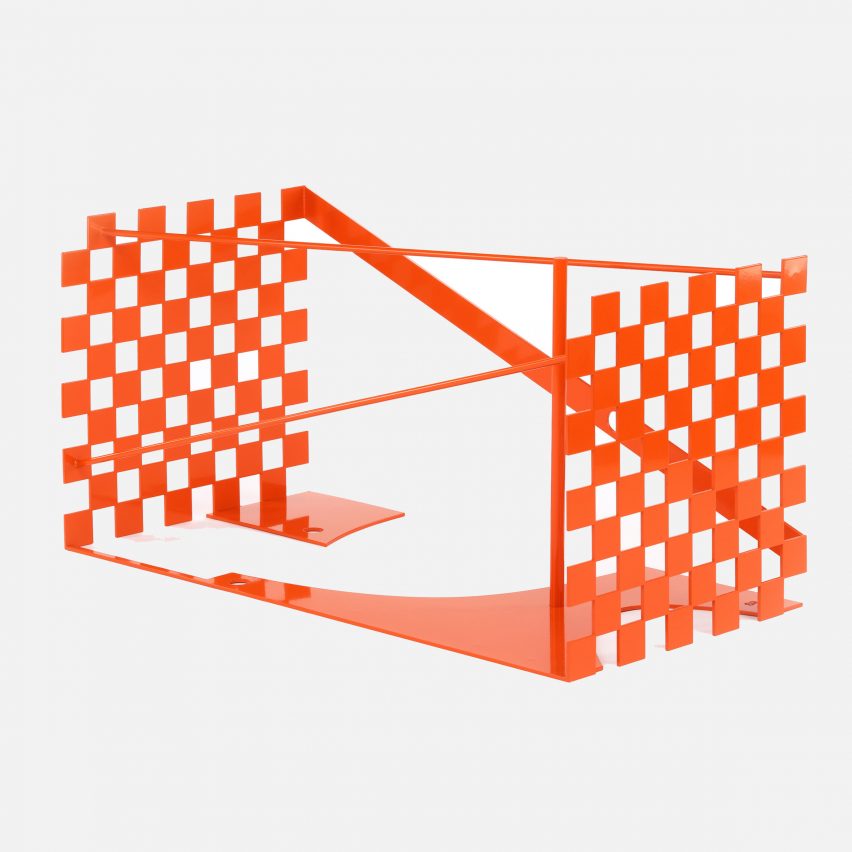
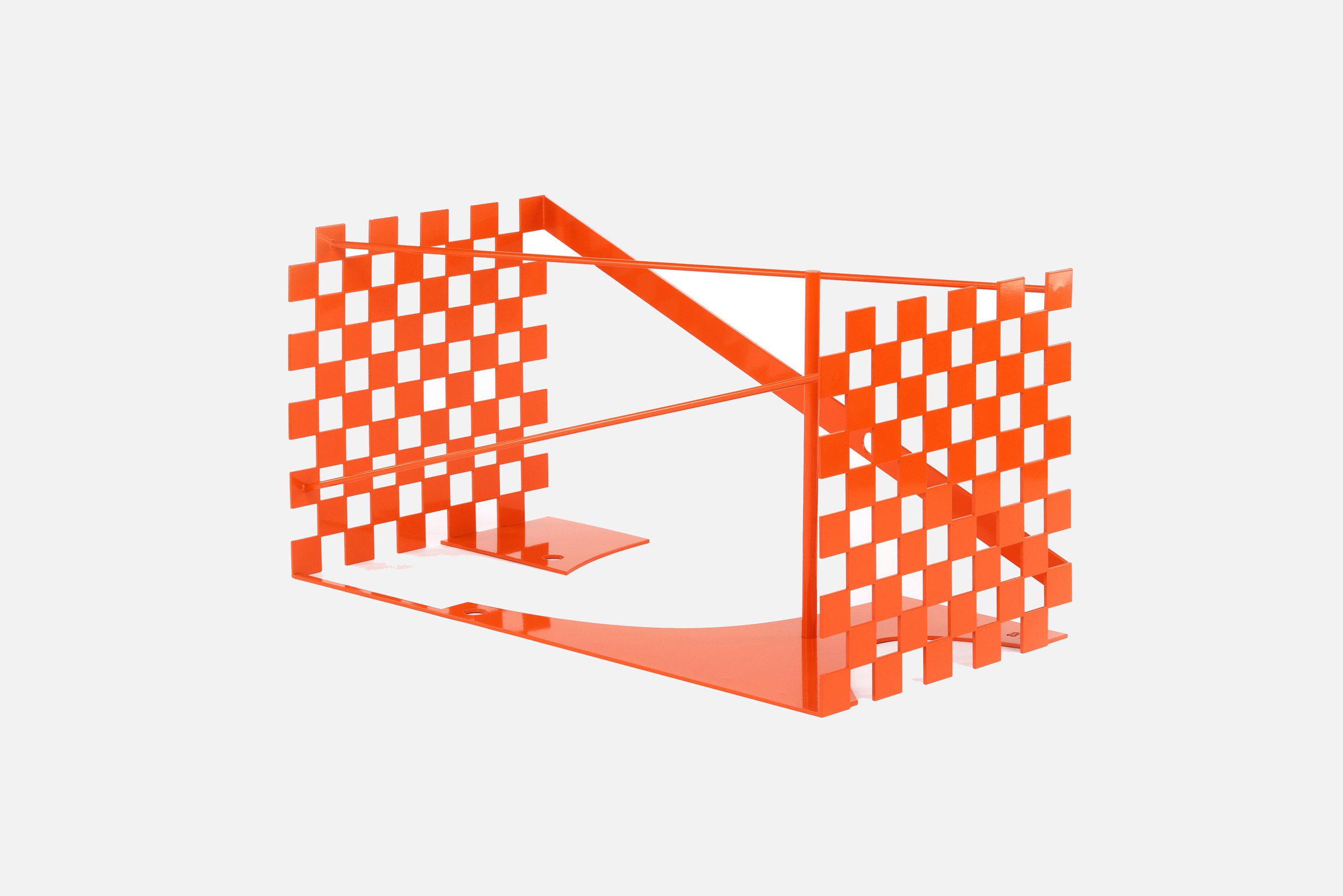
An orange metal Louis Vuitton trunk design

Two hundred creatives, including architect Sou Fujimoto and designer Samuel Ross, have reinterpreted the classic Louis Vuitton trunk in celebration of what would have been the fashion designer's 200th birthday.

The creatives were given free rein to redesign the trunk as part of Louis 200, an initiative that was launched at the beginning of August to mark the bicentennial birthday of French designer Louis Vuitton, who founded the fashion house.

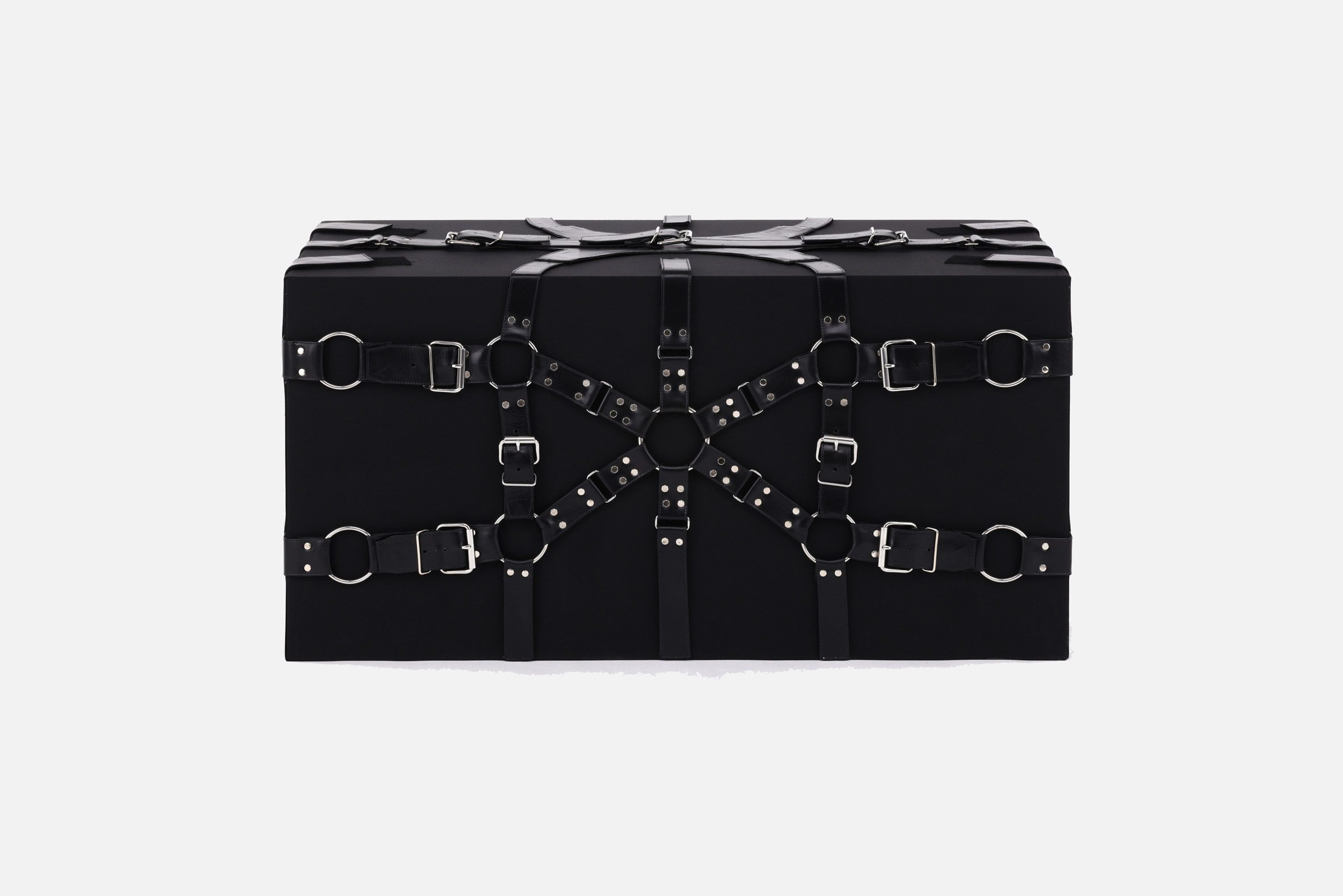
Peter Marino's black trunk with leather straps
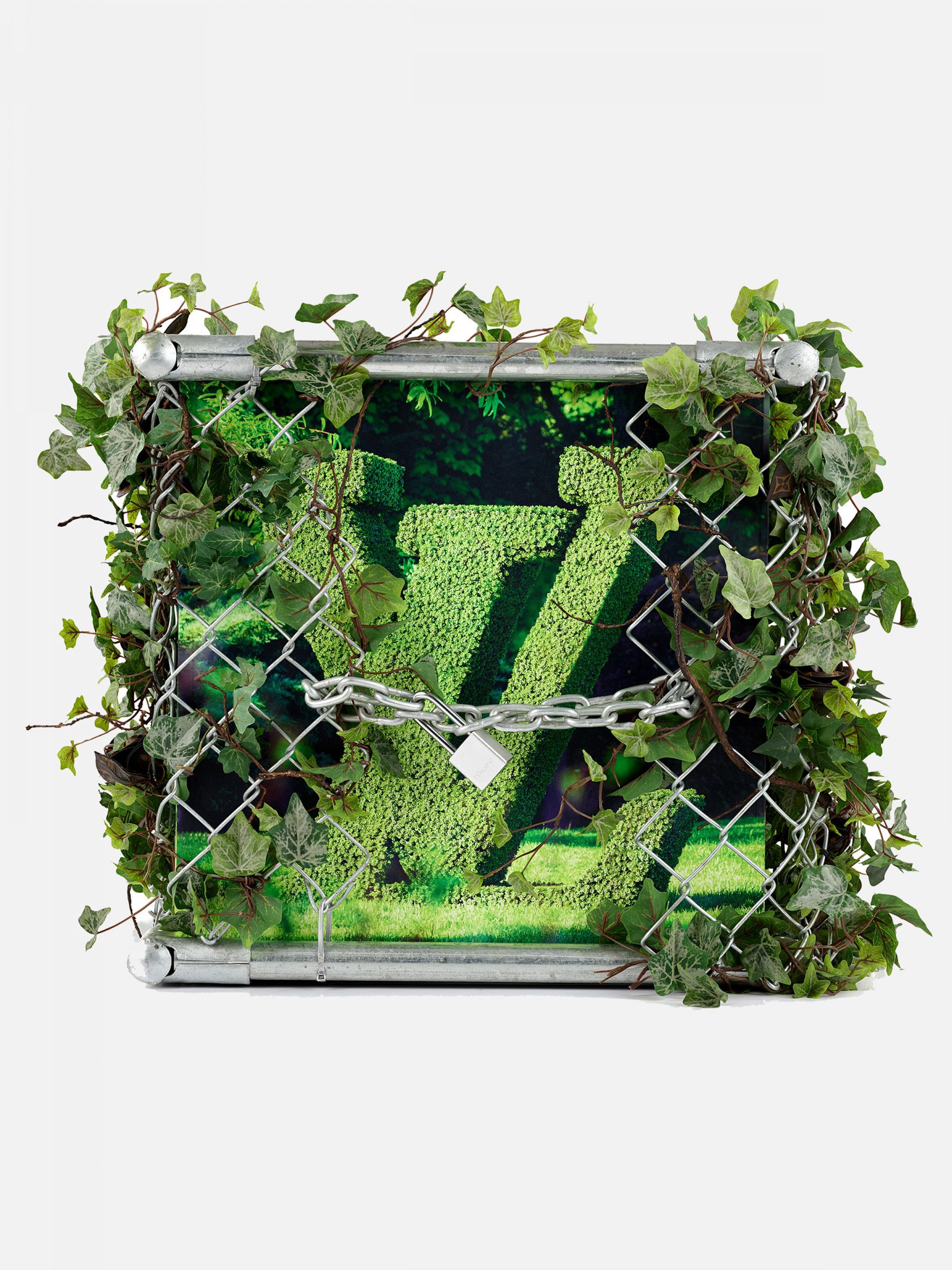
Top: Mr Flower Fantastic created a trunk covered in plants. Above: Peter Marino strapped his black trunk in leather harnesses

Collaborators were encouraged to use any medium to create their own 50 by 50 by 100-centimetre trunk, which is nearly the same size as the original trunk Vuitton developed in the 1850s.

The resulting designs range from architect Peter Marino's 'Houdini Trunk' (above), which has tight-fitting leather straps, to a floral sculpture (top) by multidisciplinary artist Mr Flower Fantastic.

The brand hopes that the initiative "creates a bridge between Louis, the pioneering trunk maker and packer, and all the visionaries" who were asked to redesign the trunks.

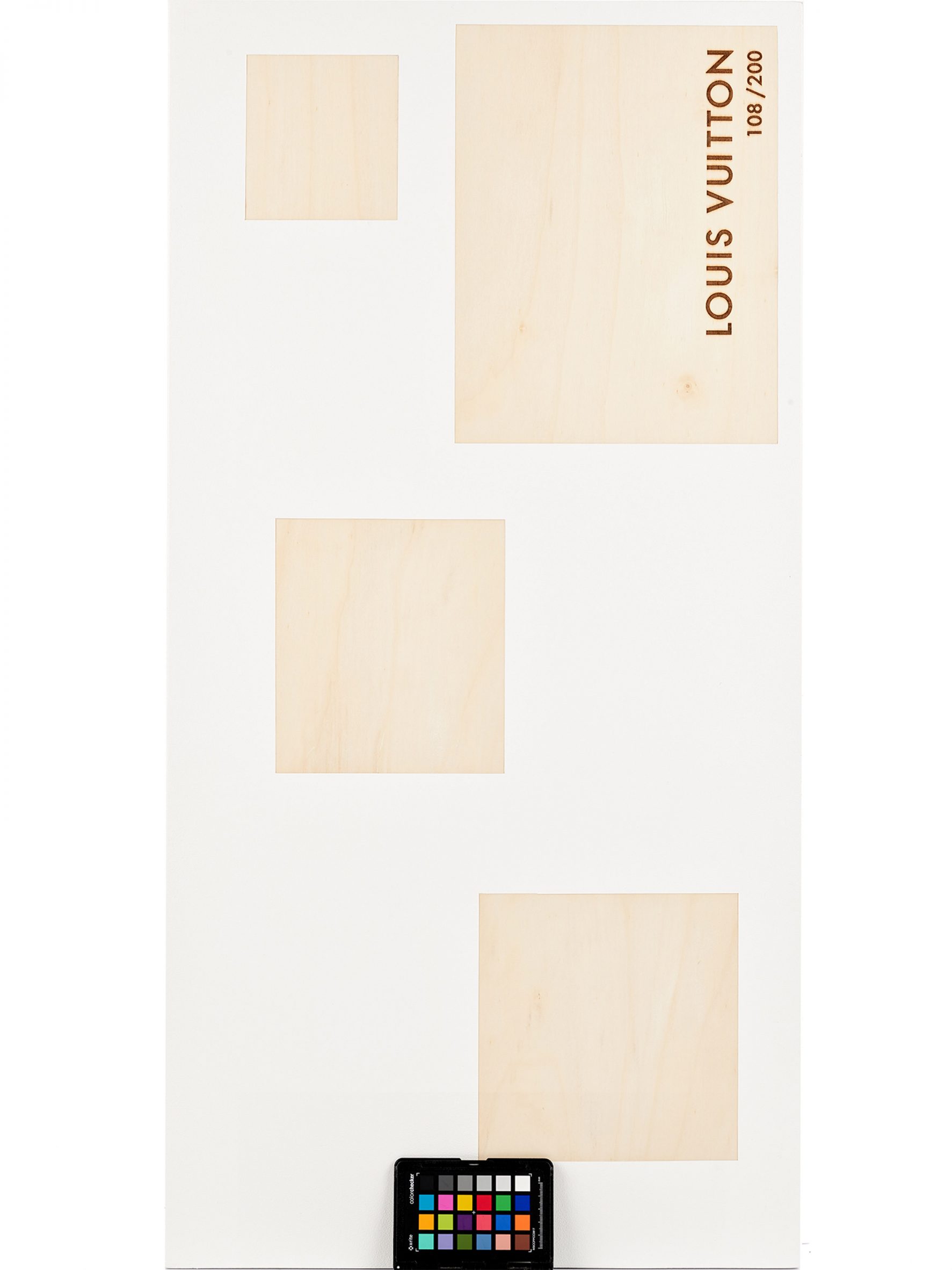
Sou Fujimoto's white trunk design for Louis Vuitton
Sou Fujimoto's trunk is informed by his well-known residential work House N

Japanese architect Fujimoto designed a trunk informed by his House N, a starkly geometric white house punctuated by windows and openings in Oita, Japan.

His trunk makes use of a neutral white paint colour palette, as well as birch plywood blocks that represent the windows in the residential building.

"The simple volume of the trunk has been re-surfaced to create an impression of interiority," Fujimoto told Dezeen.

"By applying a white surface and leaving only a few 'openings' the previously simple and flat box achieves depth and volume," he said.

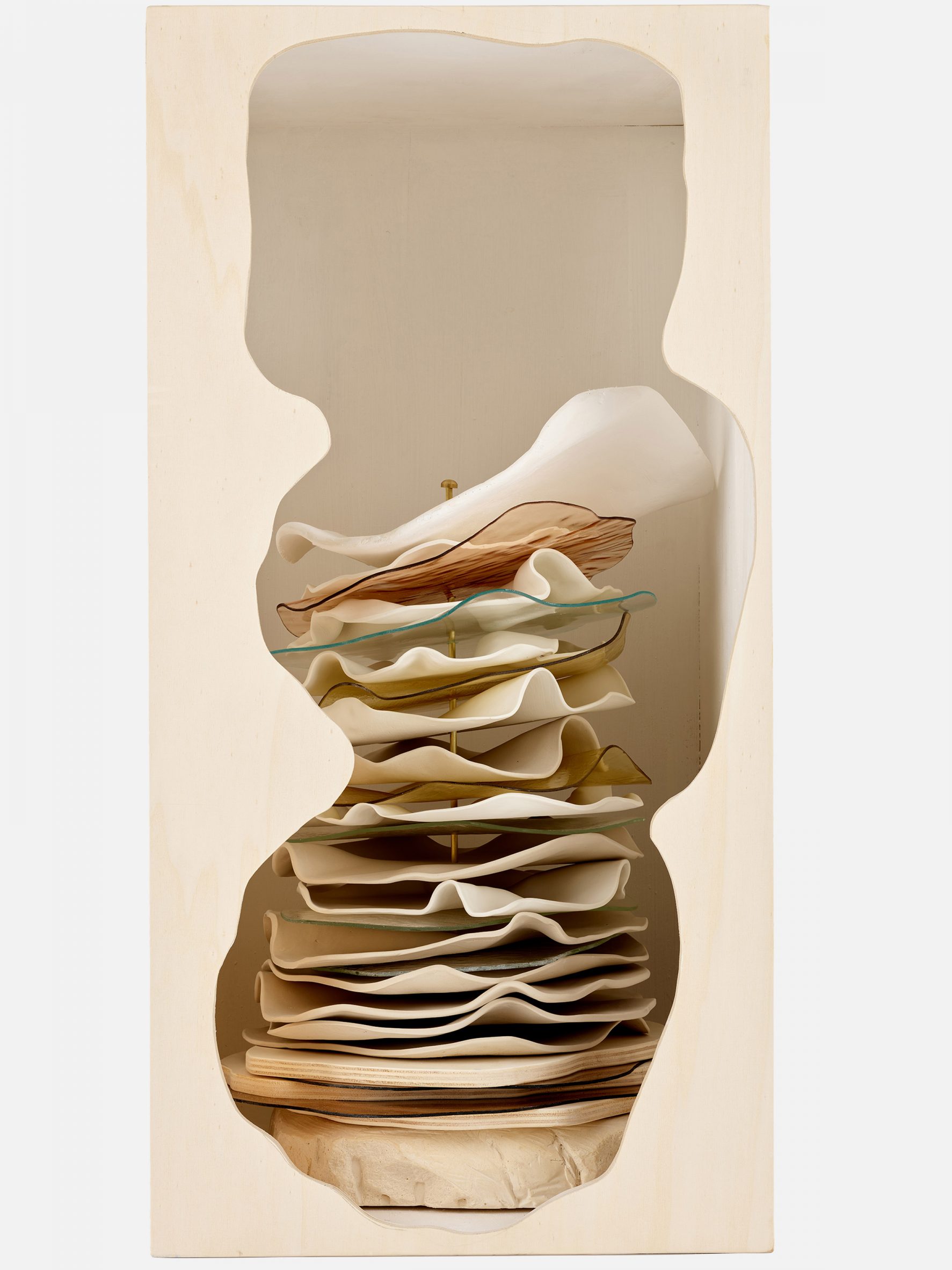
Amande Haeghen's Louis Vuitton trunk
Amande Haeghen designed her trunk as a window into the human soul

Elsewhere, artist Amande Haeghen drew on the trunk's role as a vessel for keeping sentimental items safe.

"I found inspiration in the symbolic definition of a trunk that spans ages and eras – a material witness to immaterial events like all the secrets and all the essential things you bring with you on a trip," Haeghen told Dezeen.

The French artist used a wooden trunk and a plaster base as the foundation for her design, which took two months to produce.

Haeghen cut a body-shaped piece of wood from the top of the trunk to act as a "window" into the box. Inside, she created a sculpture made of sandstone, glass and porcelain plates stacked on top of one another.

"I placed the structure inside the trunk like a window to a soul, as if you can truly see inside someone and analyse the pages of his memory and history," she explained.

Haeghen then thermoformed layers of glass on the porcelain layer to finish the piece.

A green Louis Vuitton trunk covered in plants and a silver chain
Mr Flower Fantastic's Legacy Garden trunk can be seen in Louis Vuitton store windows around the world for the month of August

Over the course of the month of August, the trunks will be showcased in different ways across Louis Vuitton stores around the world. In some stores, digital screens will display the trunks in a video loop.

In other stores, the trunks will be stacked on top of each other to form a giant, robot-like figure. This is a reference to the designer's penchant for stacking trunks in his windows.

An orange trunk designed by Samuel Ross
Samuel Ross used neon orange steel for his skeletal reinterpretation of the trunk

Louis Vuitton has launched several other creative initiatives to mark the founder's birthday, including a video game that allows users to collect NFTs designed by artist Beeple.

The trunk isn't the only Louis Vuitton accessory to have undergone a makeover. Artist Jeff Koons teamed up with the brand to create a collection of bags that repurposed some of the world's most famous paintings.

The team at Louis Vuitton also re-launched two of its monogram handbags with built-in flexible OLED digital screens at its Cruise 2020 show.

The post Designers and architects redesign the Louis Vuitton trunk for Louis 200 appeared first on Dezeen.


from Dezeen https://ift.tt/3k47wJd

Tuesday, 17 August 2021

Mudd Architects snakes wavy bookshelf up to roof of Spanish writer's cabin

Writer's cabin by Mudd Architects

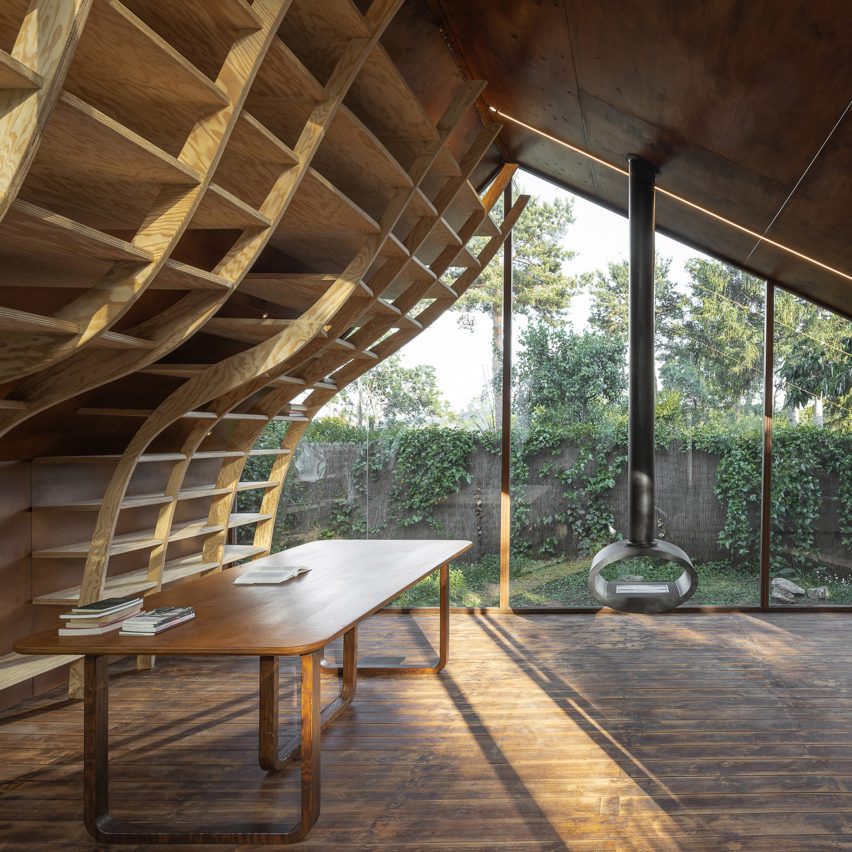
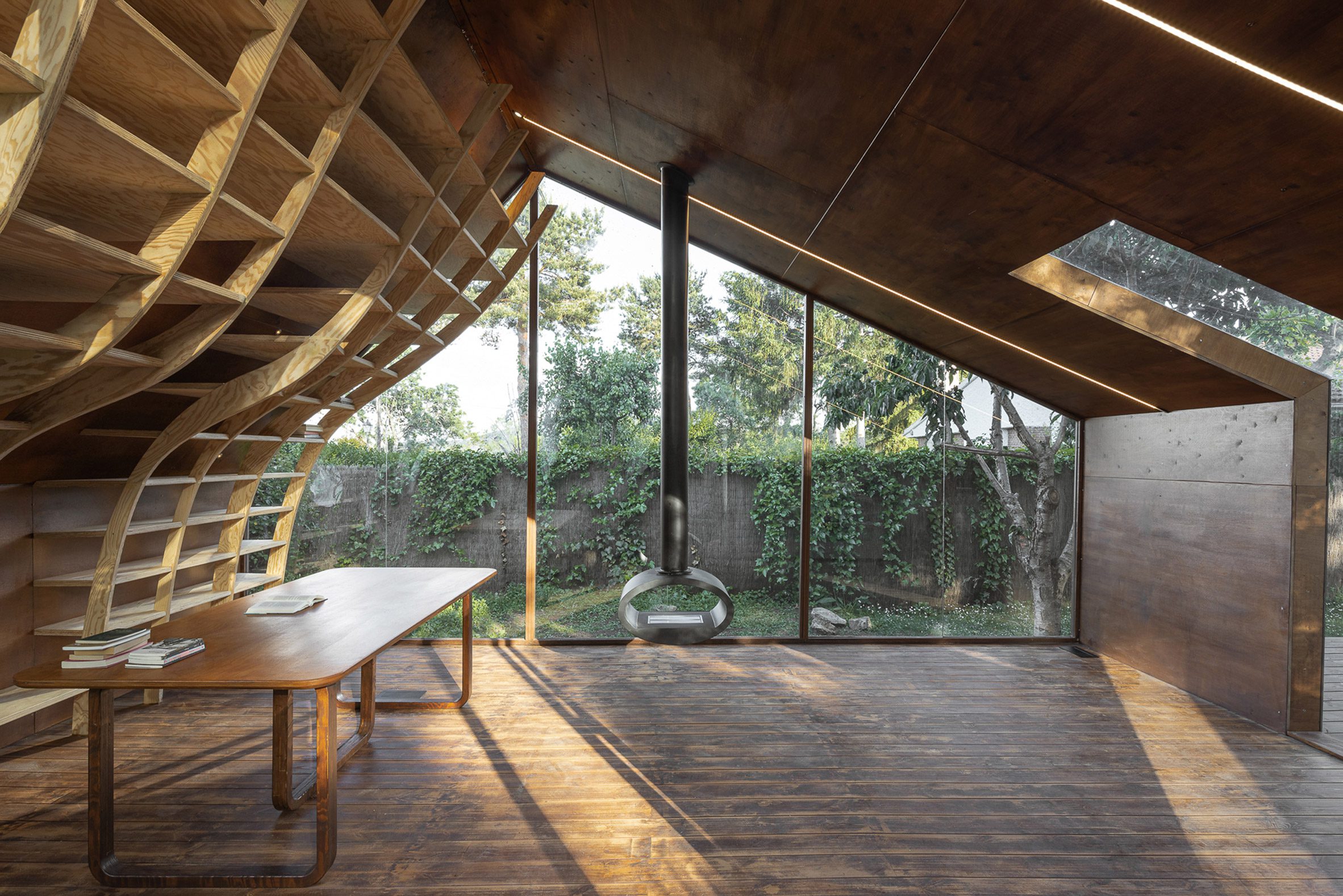
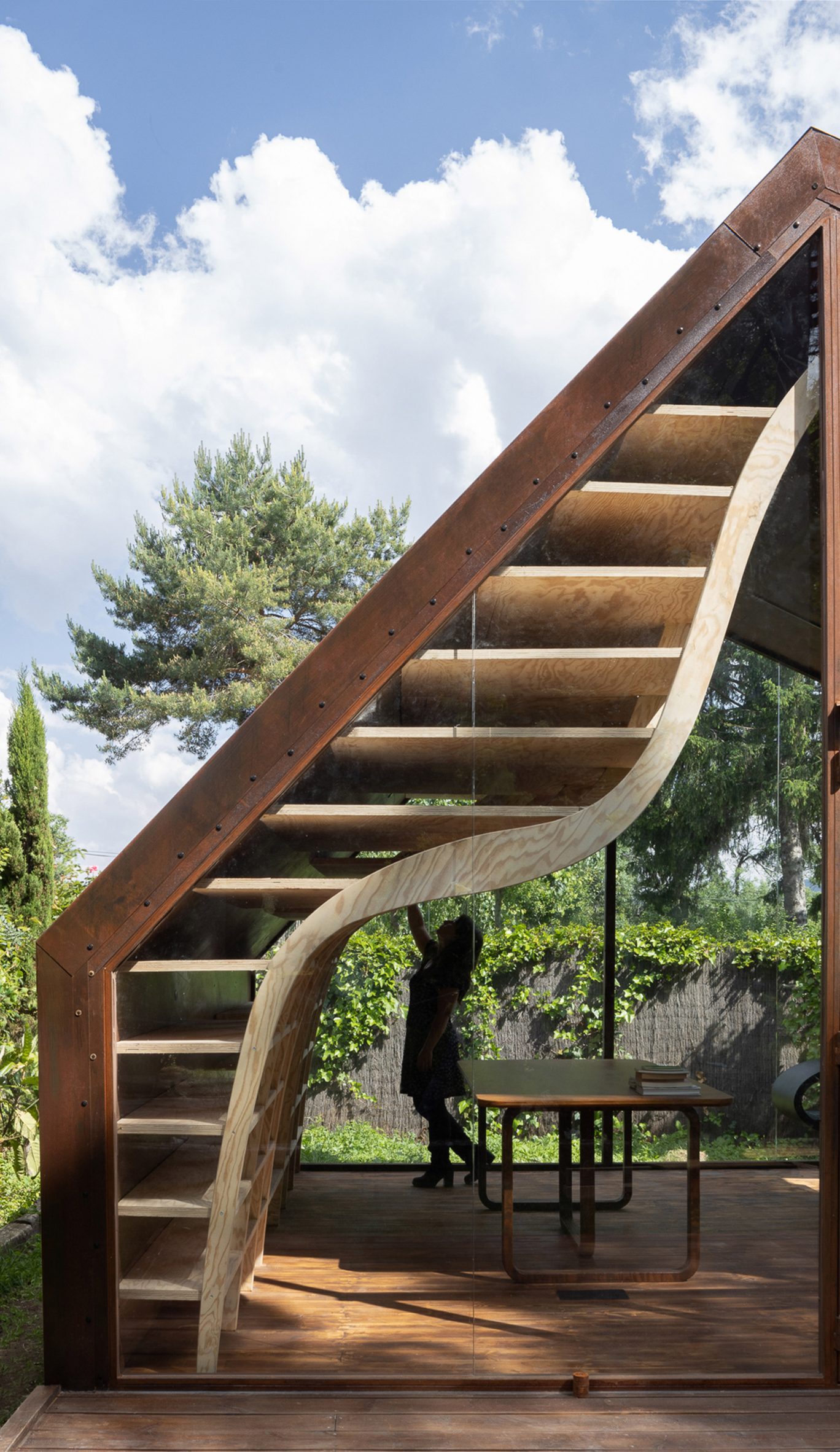
A towering, floor-to-ceiling bookshelf made from 100 pieces of CNC-cut pine creeps up one side of this writer's cabin in the north of Madrid by Mudd Architects.

The Barcelona-based practice was commissioned to create a studio in the garden of a local children's book author that could serve as a source of inspiration for her future books.

Interior of Writers Cabin with wooden floors curving bookshelf and wood burning stove
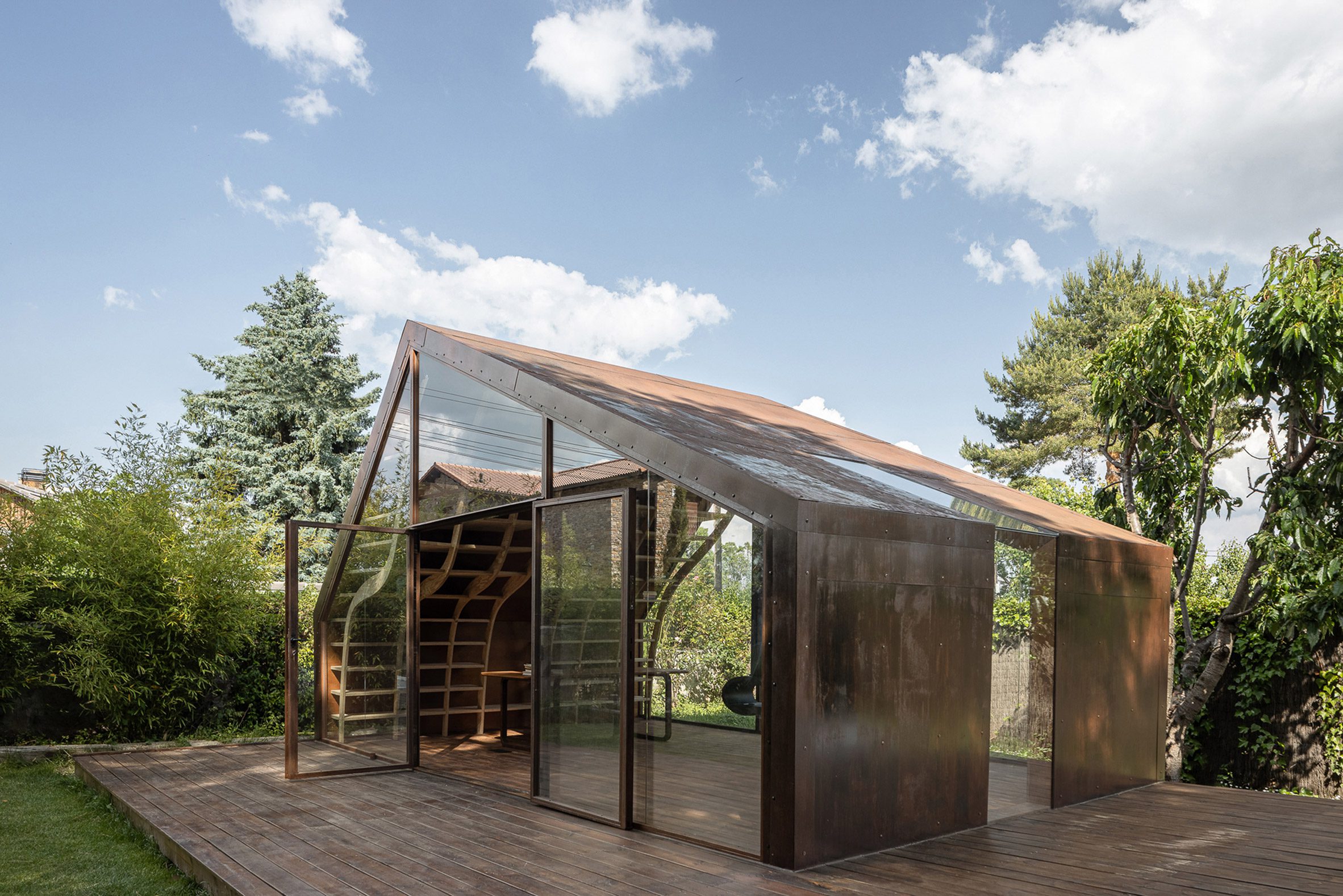
The exterior of the Writer's Cabin is clad in oxidised iron (top image) and the interior in maple (above)

Longlisted in the small building category at this year's Dezeen Awards, the cabin features an asymmetrical pitched roof clad in oxidised iron that is bookended by a wall of glass on either side.

Its interior is panelled in dark maple wood to contrast against the lighter pine that was used to form the parametrically designed bookshelf, which curves up towards the ceiling, following the line of the gabled roof.

In order to determine the most efficient and discreet construction for this storage wall, Mudd Architects worked with a digital fabrication studio in Girona to test different assembly methods.

Side view of curving bookshelf in gabled iron structure of the Writers Cabin
The bookshelf is made from 100 pieces of pine wood

"The most challenging part but also one of the most important parts of the house is the highly complex, curvy bookshelf adapted to the very specific, high sloped roofs of the house," the studio explained.

"These bookshelves create a sensation of movement, held still in time, where the heavy weight of both the horizontals and verticals is counterbalancing the weight of the high roof."

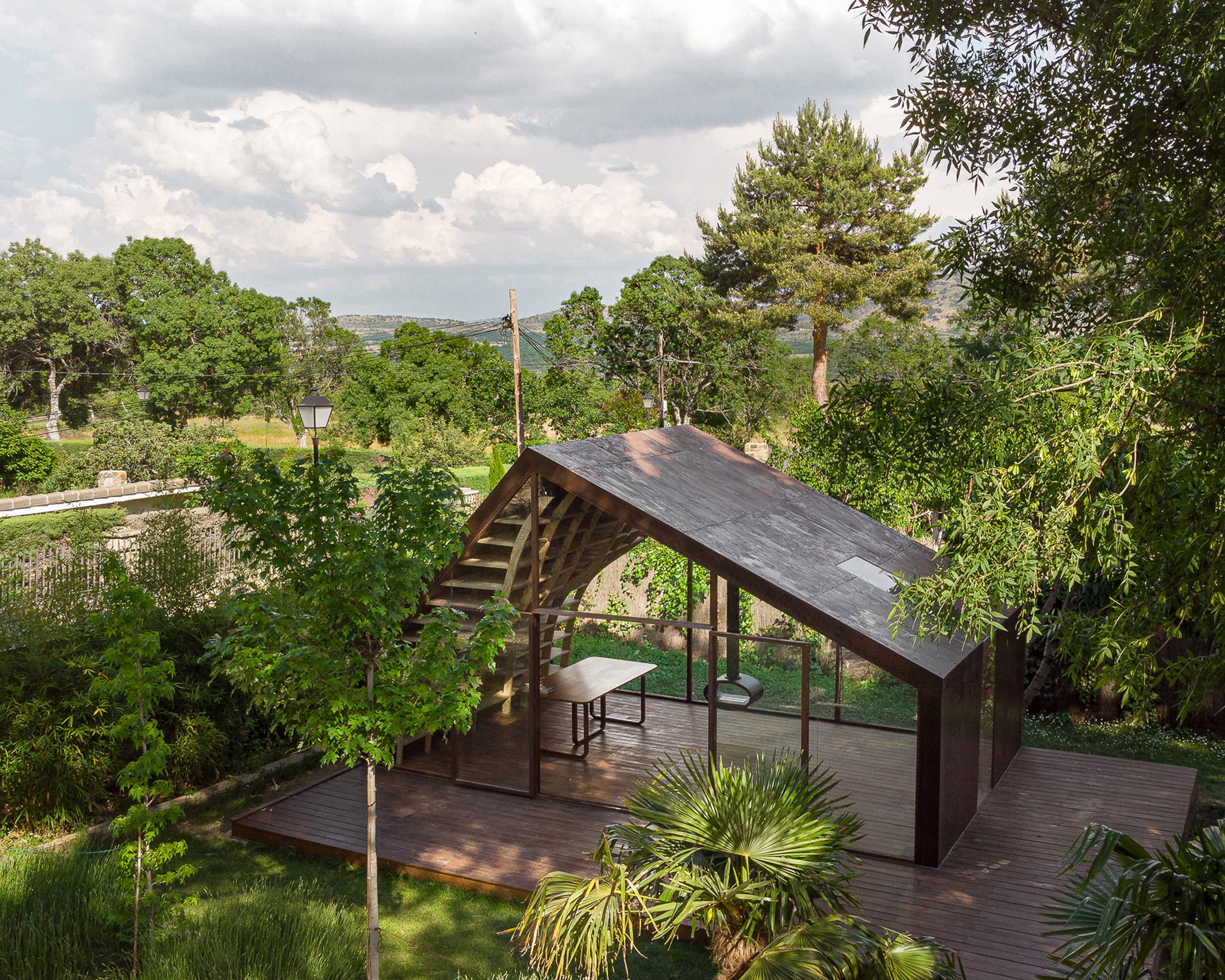
The cabin's generous glass walls provide expansive views into the garden, helping to bring the outdoors inside. To further enhance this connection, the terrace features the same wooden floor as the interior.

The interior is sparsely furnished and heated by a black cast-iron stove, which hangs from the highest point of the roof.

Gabled steel cabin with glazed walls by MuDD Architects
Two sides of the cabin are entirely glazed

Dimmable LED lighting emphasises the expansive volume of the roof and the perimeter of the terrace, while smaller spotlights are placed inside the bookshelves.

A third, narrow window at the centre of the iron facade provides additional natural light.

Gabled iron writers cabin on wooden platform in garden
The structure stands on a wooden platform

Other projects longlisted in the small building category of the 2021 Dezeen Awards include a bridge built by robots, a woven bamboo canopy and a cabin hotel in Jiangxi formed from zoomorphic pods on stilts.

Photography is by Nacho Villa.

The post Mudd Architects snakes wavy bookshelf up to roof of Spanish writer's cabin appeared first on Dezeen.


from Dezeen https://ift.tt/3yYlLpk

Worrell Yeung updates 1970s Hamptons house designed by Charles Gwathmey

The House in the Dunes by Worrell Yeung

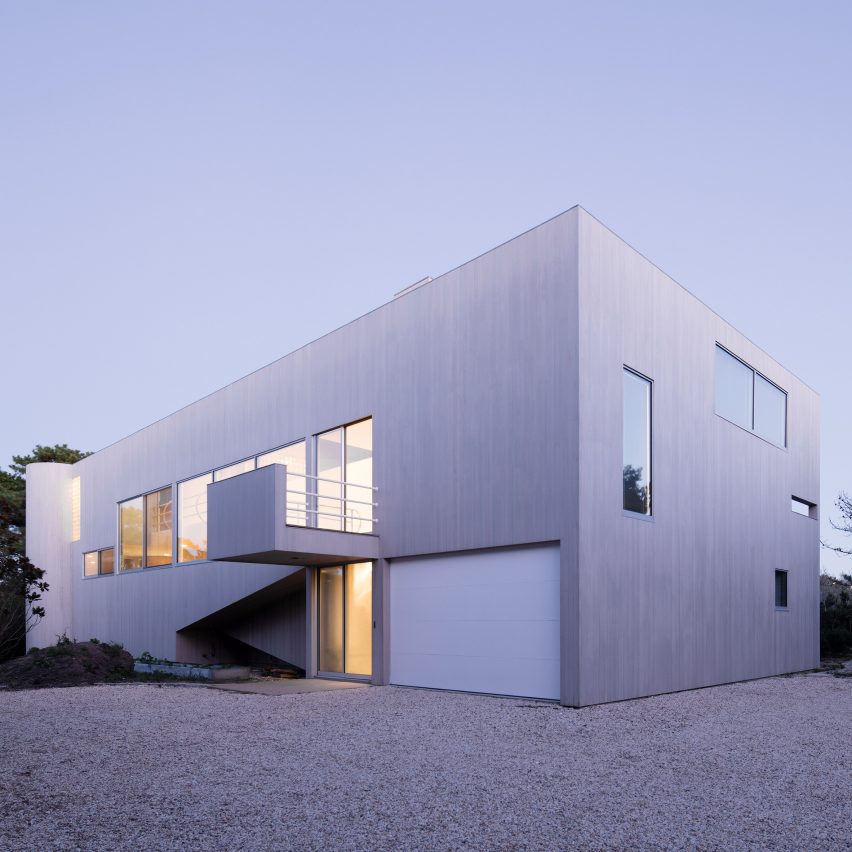
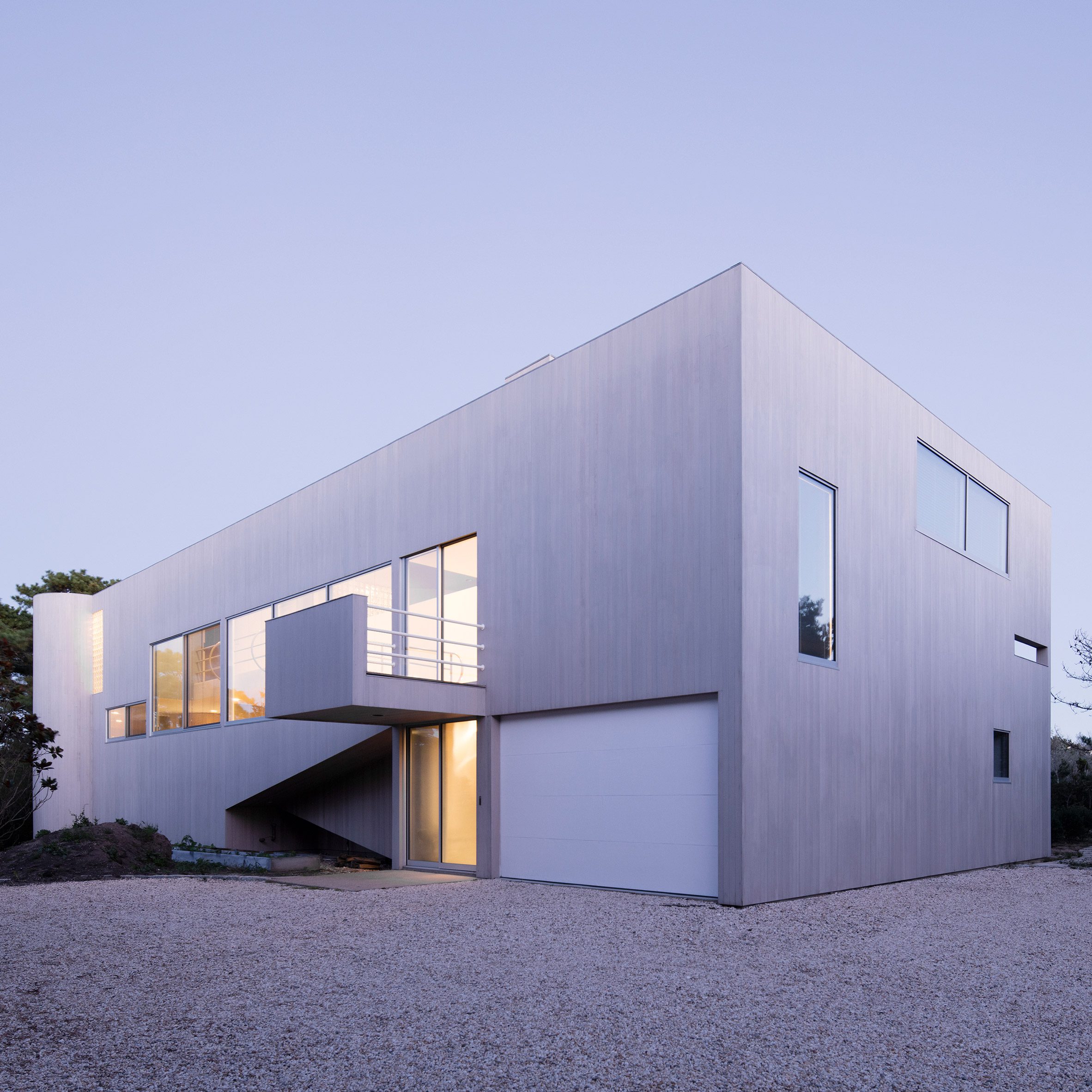
A cedar-clad dwelling on Long Island that was originally designed by famed US architect Charles Gwathmey has received a sensitive refresh by New York studio Worrell Yeung.

The House in the Dunes is located in the Hamptons beach town of Amagansett. Formerly called the Haupt Residence, the dwelling was designed in the 1970s by Charles Gwathmey, a noted modernist architect who died in 2009.

The House in the Dunes by Worrell Yeung
The House in the Dunes is located in the Hamptons town of Amagansett

Worrell Yeung, a Brooklyn-based firm, was tasked with updating the home to meet the needs of a new owner while preserving the integrity of the original design. Gwathmey's drawings served as a guide throughout the project.

"We were very excited when we got the call about the house – especially given that it was in its original condition, totally untouched," said studio co-founder Max Worrell. "Our intention, at first, was really to do as little as possible."

The House in the Dunes by Worrell Yeung
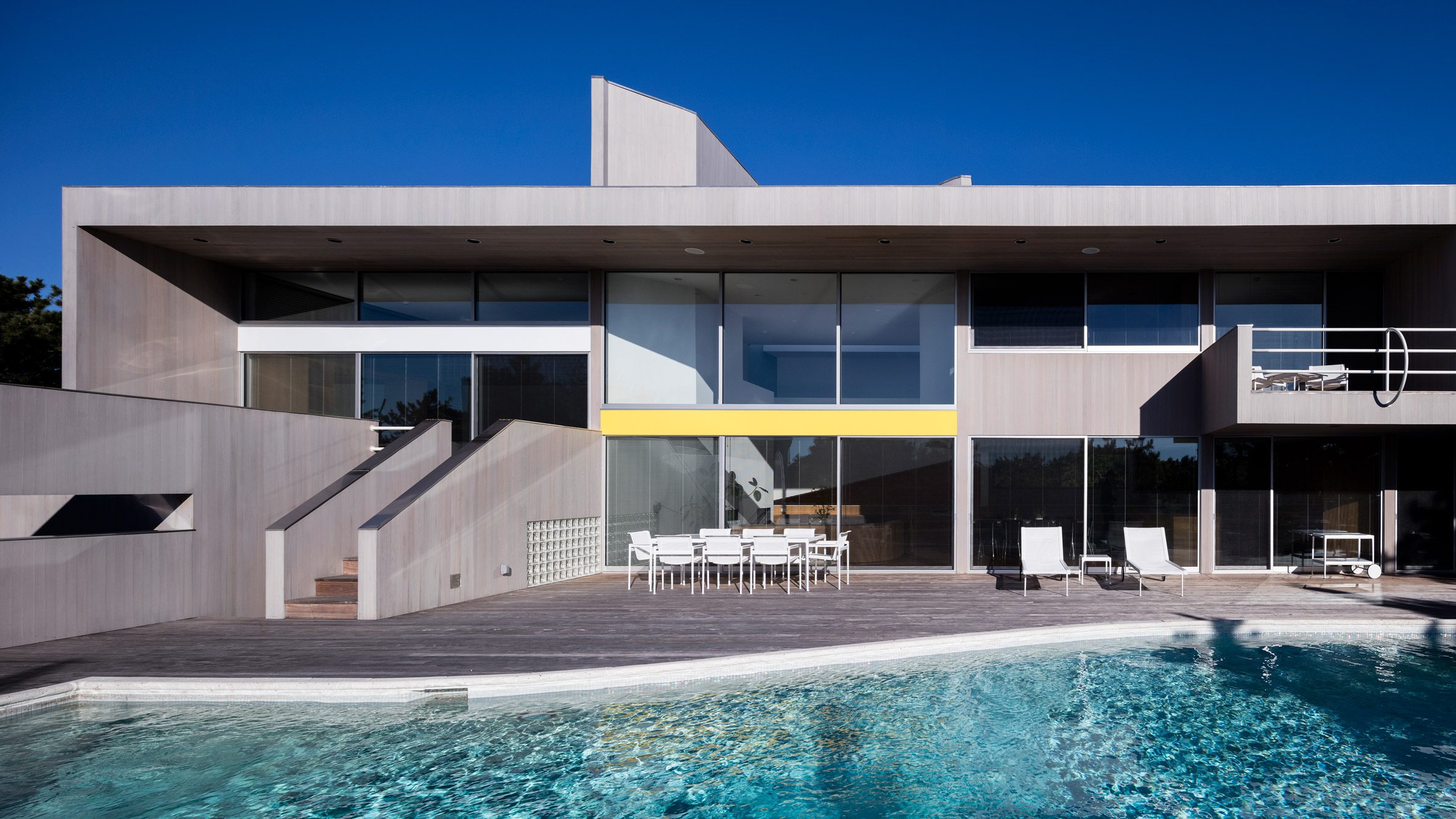
Grey cedar cladding and expanses of glass wrap the house

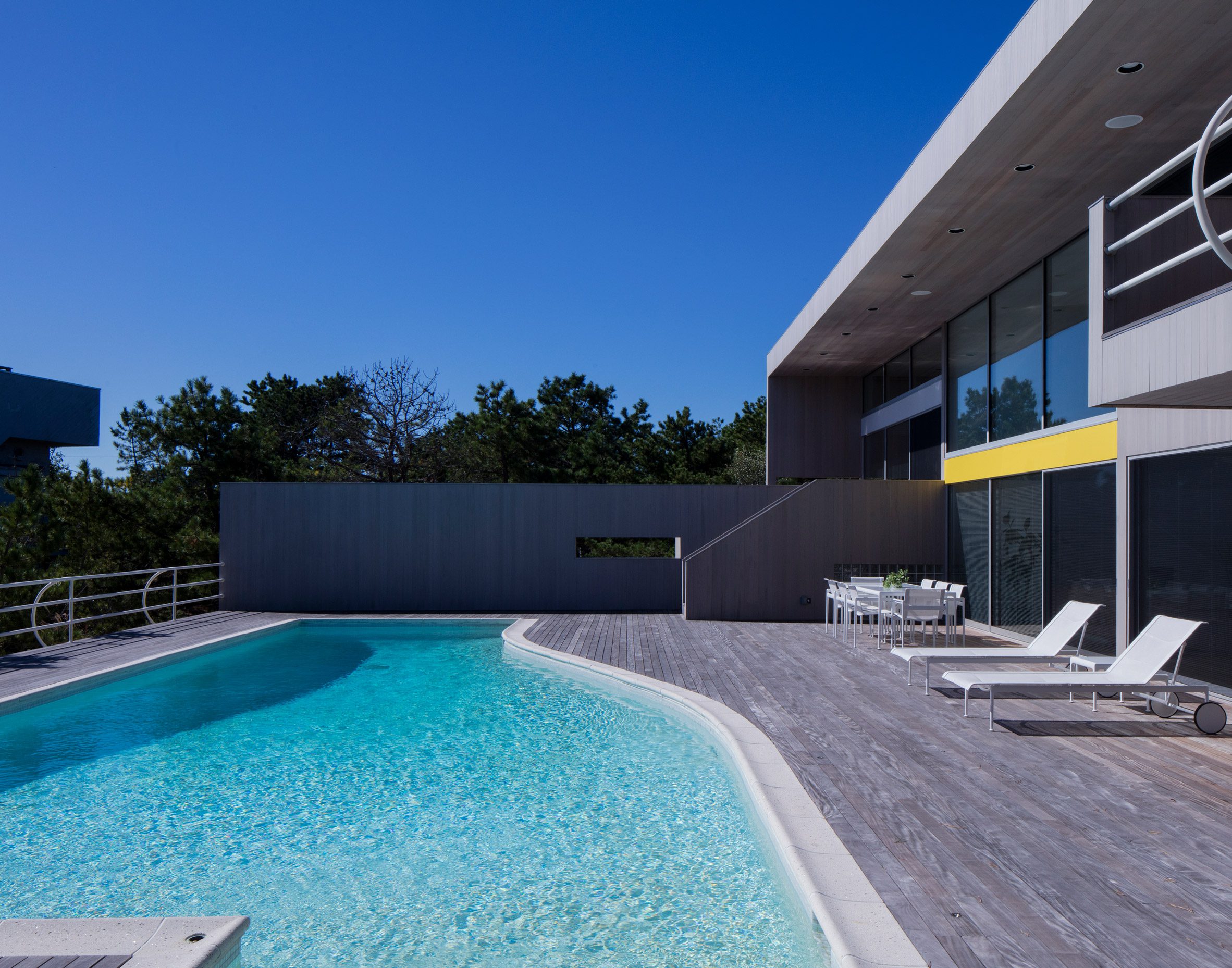
Situated on a one-acre site with ocean views, the rectilinear, 4,400-square-foot (409-square-metre) home has two levels and a basement. Facades are wrapped in grey cedar and large stretches of glass.The exterior work entailed a full refurbishment of the building envelope. The roof, siding, doors and windows were all replaced, as was the deck surrounding a generous swimming pool.

Worrell Yeung added a swimming pool to the deck
The outdoor deck incorporates a large swimming pool

Within the light-filled home – which has four bedrooms and a den/library – the architects used materials that were sensitive to the original finishes.

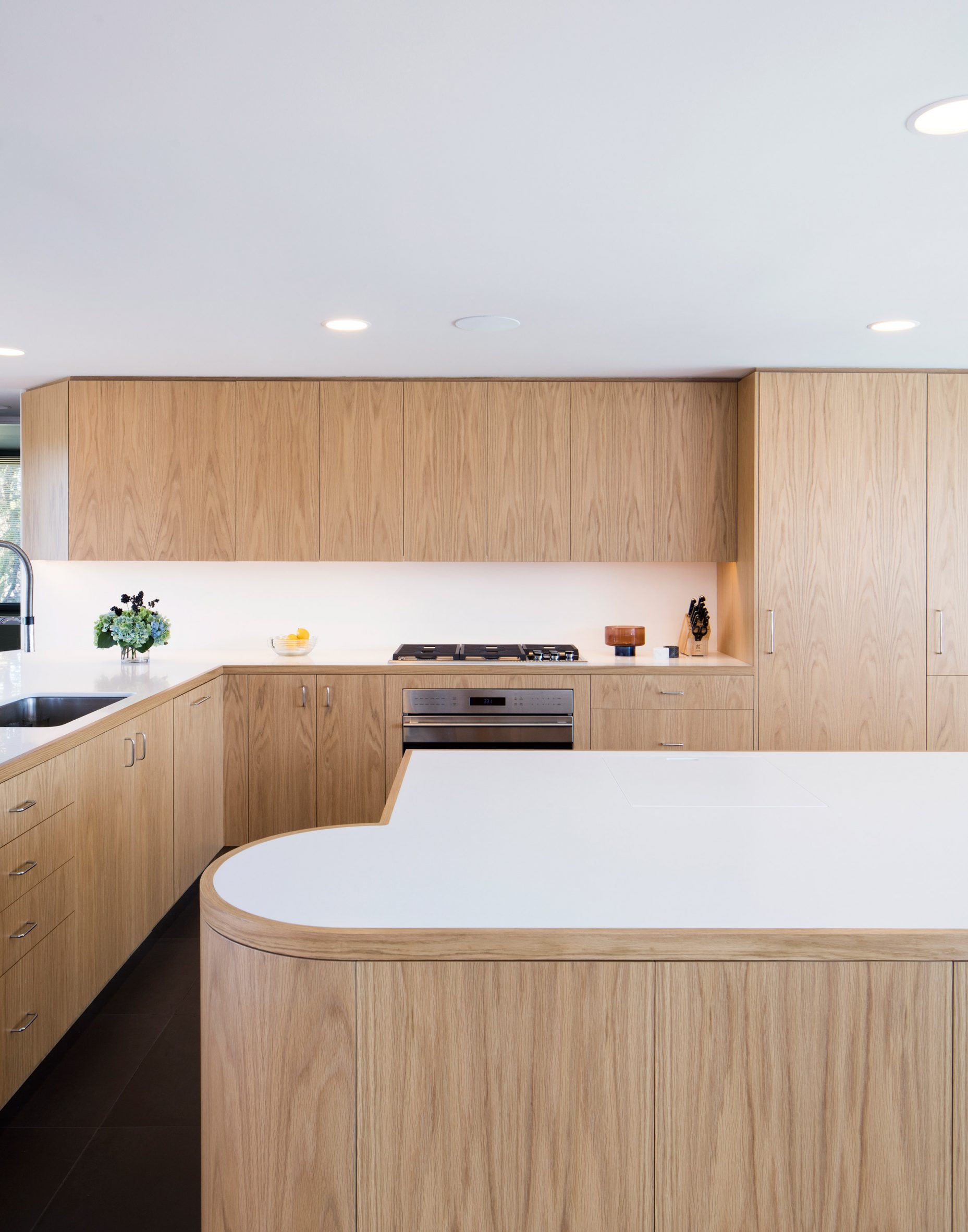
In the kitchen, for instance, the team swapped out laminate countertops with Corian in a glacier white hue. The kitchen floor is covered in full-body porcelain tiles from Lea Ceramiche.

The architects reconfigured the home's primary bathroom suite to make it larger and more efficient. New ceramic tiles match existing tiles.

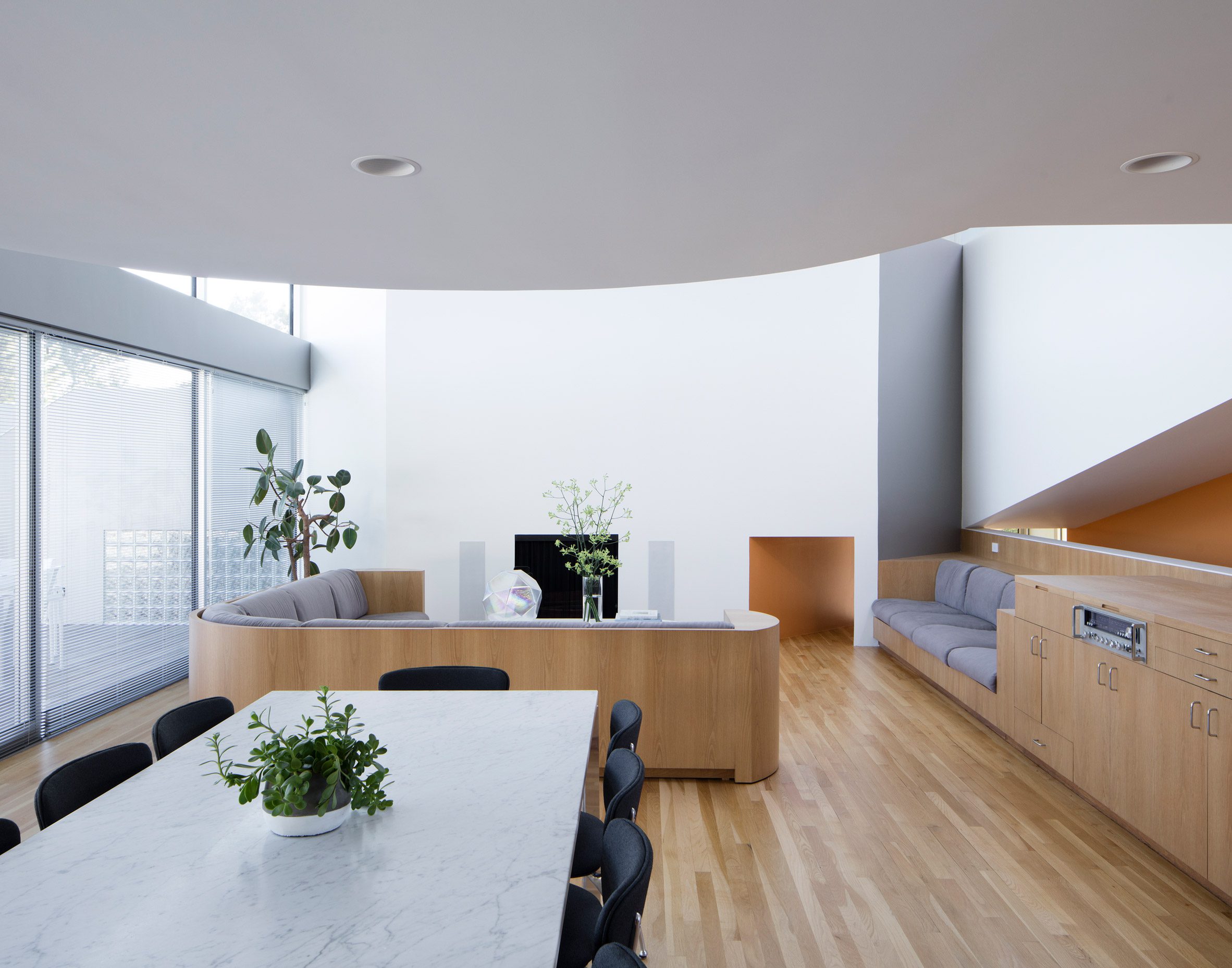
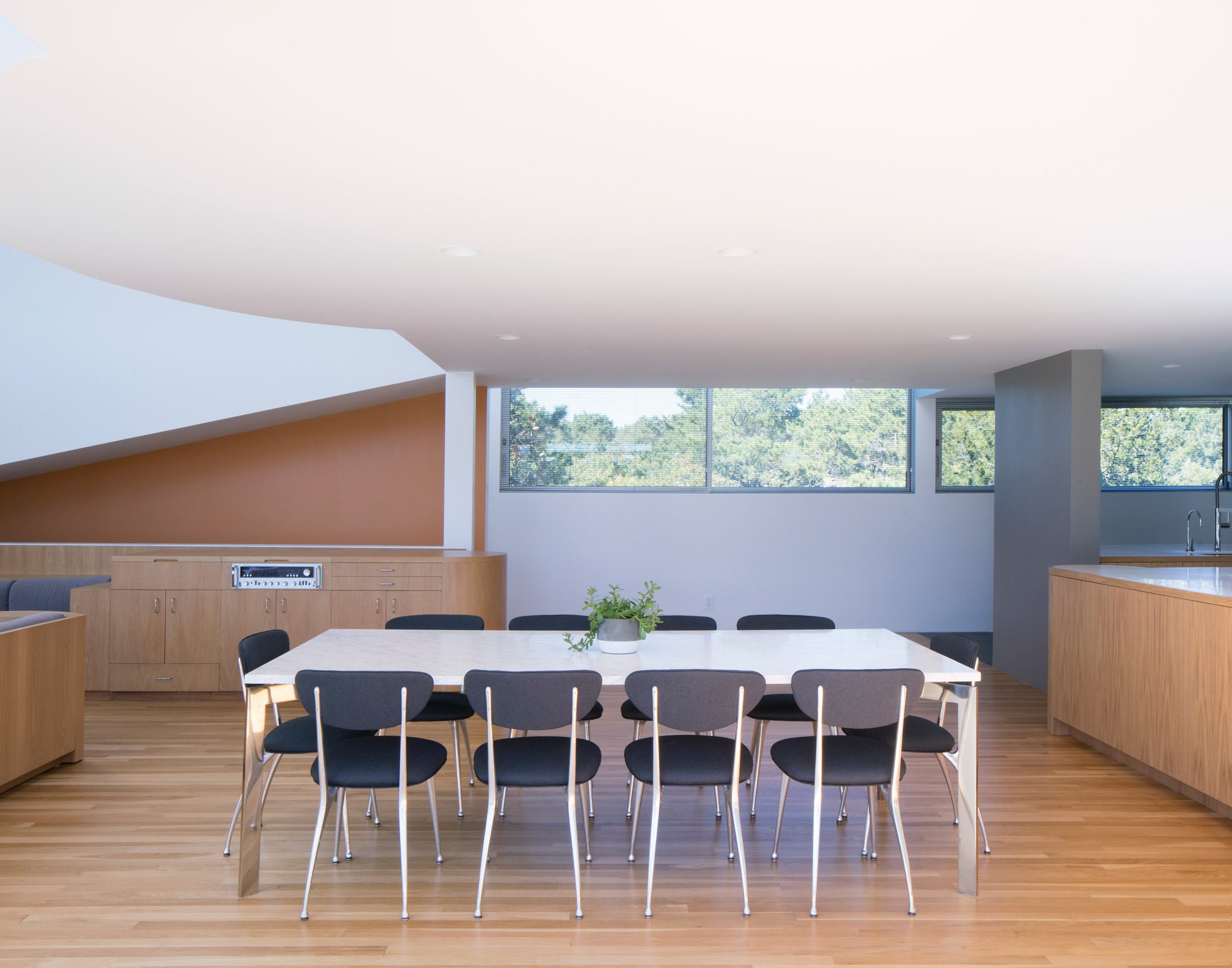
The most notable spatial change to the home was the removal of a half wall between the kitchen and living room, resulting in a more open public area.

Worrell Yeung removed a half wall between the kitchen and living room
A half wall between the kitchen and living room was removed during the renovation

"This small move was one of the most significant changes made to the original structure," the architects said.

Other modifications include a redesign of the living room's fireplace wall, where shelving and a television were removed to provide a cleaner surface for displaying art. The team also restored the room's built-in furniture and coffee table.

A dining space in the house by Worrell Yeung
A dining area in the open-plan kitchen

The architects made sure to preserve the dwelling's strong connection to the coastal landscape.

"The house's interiors have a direct connection between the indoors and the outdoors, extending beyond the polygonal pool to the ocean," they said.

The kitchen boasts Corain countertops in a white hue
Corian countertops were installed in the kitchen

The home was sold in July after being put up for sale earlier this year. The asking price was $9.25 million (£6.67 million), according to the Wall Street Journal.

Other recently completed projects in the Hamptons include a waterfront home by KOS+A wrapped in teak and charred cedar and a holiday dwelling by MB Architecture that is composed of stacked shipping containers.

The photography is by Naho Kubota.

The post Worrell Yeung updates 1970s Hamptons house designed by Charles Gwathmey appeared first on Dezeen.


from Dezeen https://ift.tt/37VHphO