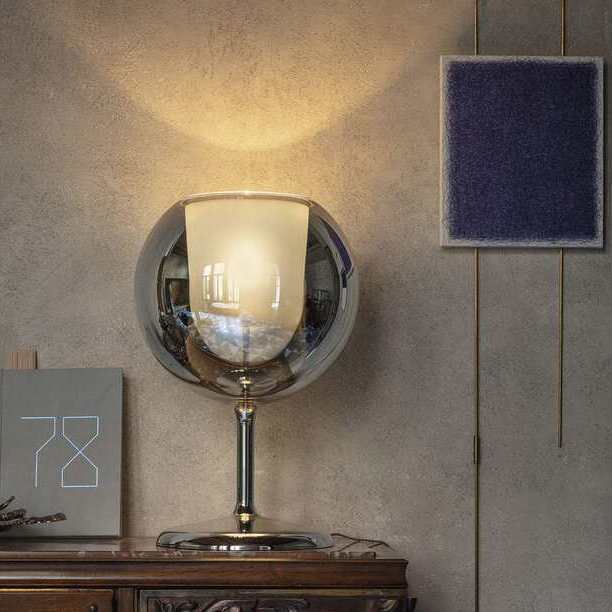
For our latest competition, we've teamed up with Design London to offer readers the chance to win a Glo table lamp by Penta Light.
Formerly known as 100% Design, Design London is a design show that will be held in the city from 22 to 25 September 2021, featuring a curated selection of leading design brands including Penta Light. Visitors can sign up to Design London on the event website.
In celebration of the upcoming event, Penta Light is giving away one of its Glo table lamps to a Dezeen reader.
Created by architect Carlo Colombo for the Italian brand, the Glo table lamp is characterised by its glass sphere, designed to enhance light within a room.
We've teamed up with Penta Light to offer readers the chance to win a Glo table lamp
"It's an icon of the Penta collection, a glass sphere enhancing the glare of light in a game of reflections back and forth between the lamp and space around it," said the brand.
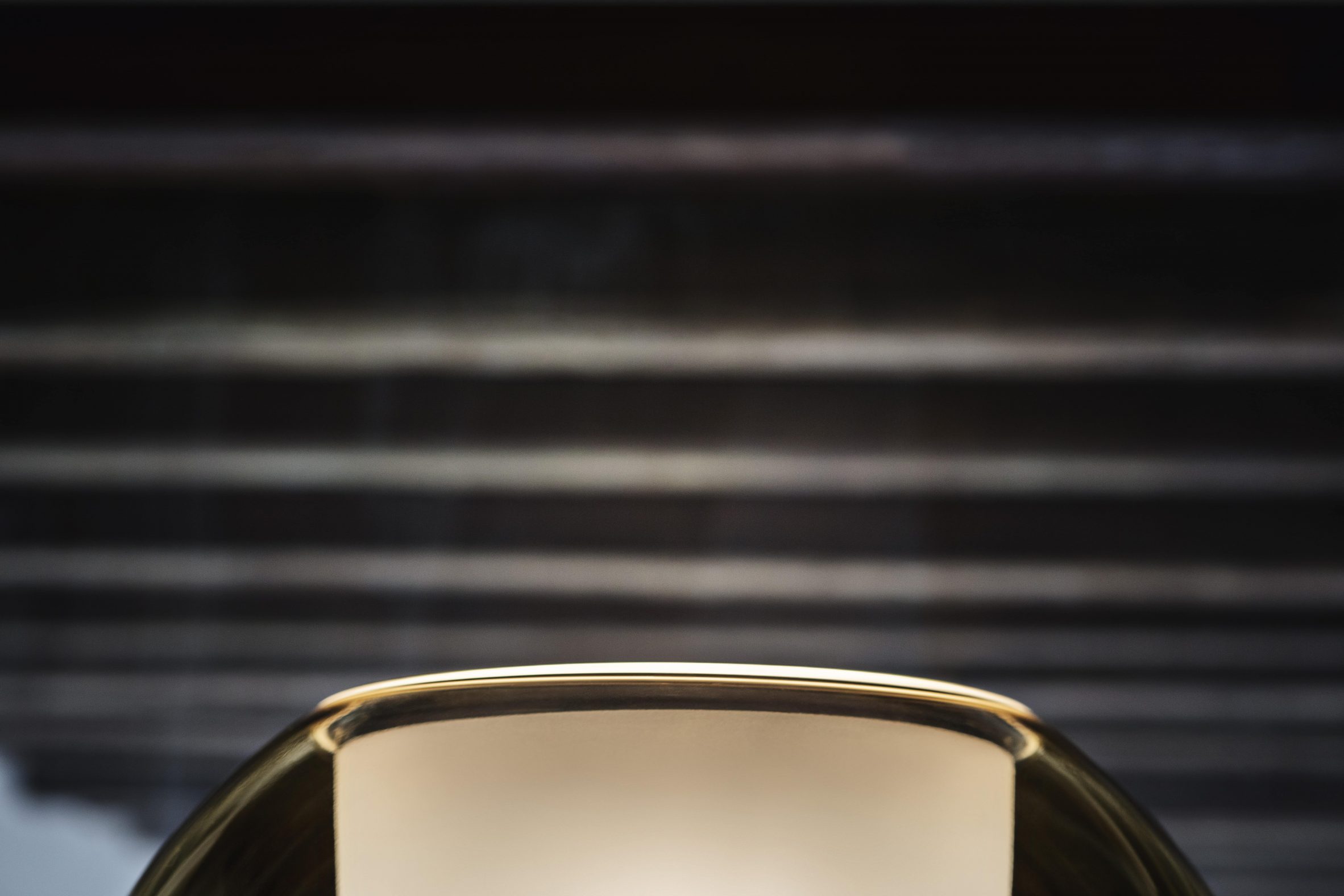
The lamps are made from chromed metal and borosilicate – a type of glass formed of silica and boron trioxide, known for being more highly resistant to thermal shock than common glass.
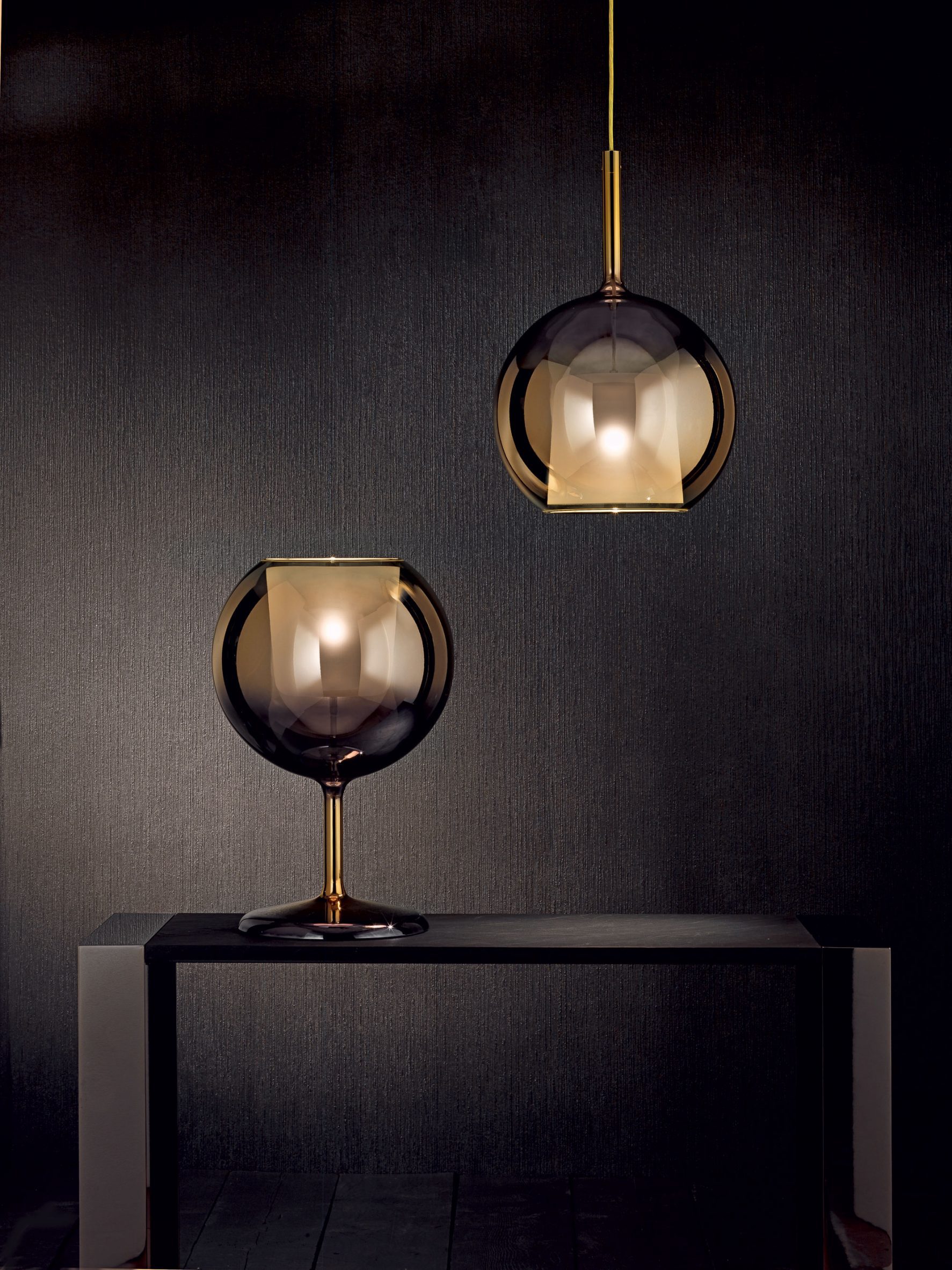
They come complete with shades in transparent or rose gold glass, as well as gold, silver, black, blue, green, violet, or a mirrored glass called 4ever. All have a sandblasted interior.
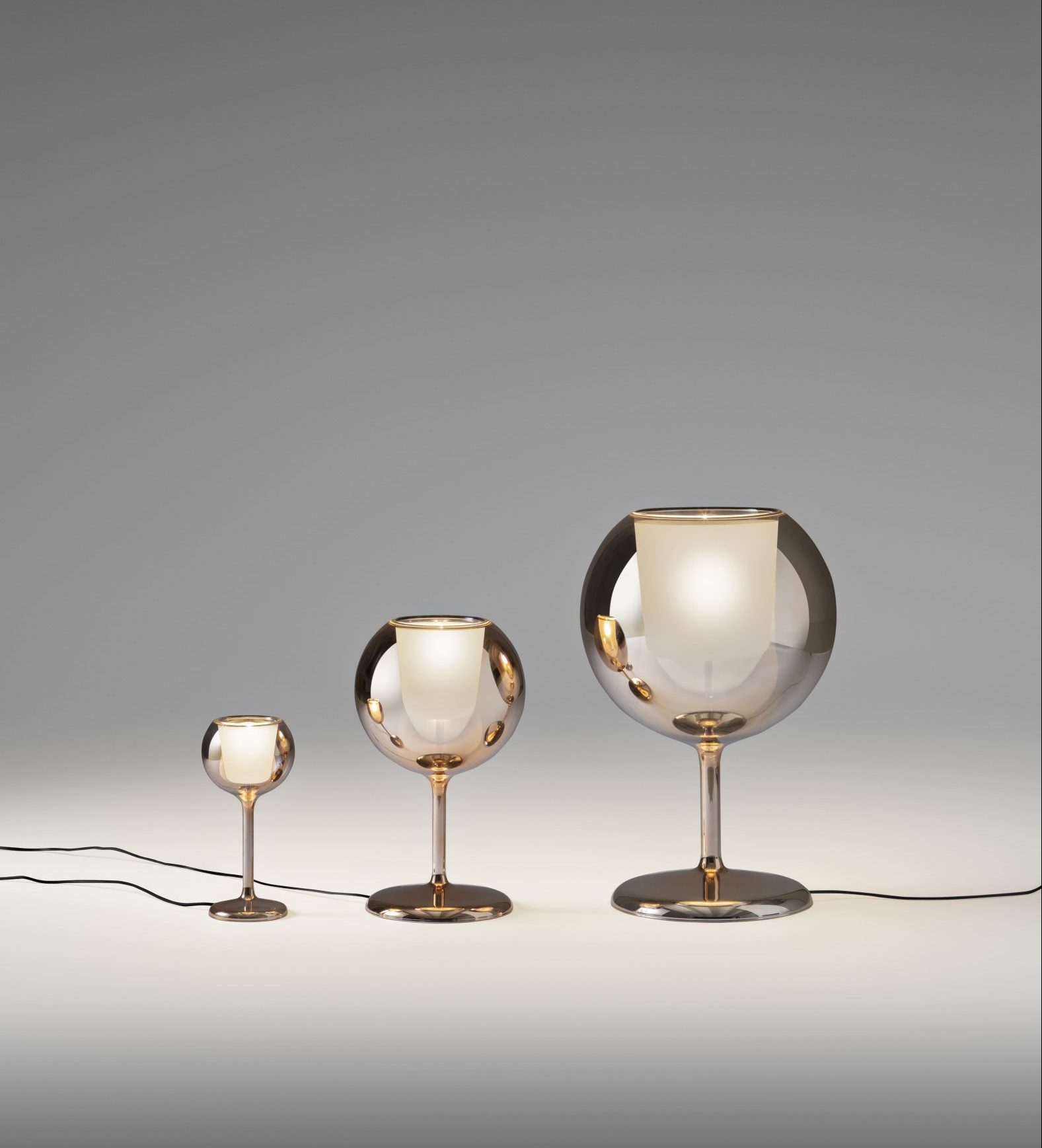
The Glo lamps were designed by architect Carlo Colombo for Penta Light
The table version comes in three different sizes – large (38 by 68 centimetres) medium (25 by 42 centimetres) and mini (13 by 28 centimetres).
One winner will receive a medium-sized Glo lamp, with a choice of gold, rose gold or black finishes.
Also available in the Glo collection are the floor, wall and suspension lamps, all designed by architect Colombo. As well as designing for Penta, Colombo's studio works on design, interiors and architecture projects all over the world.
Other brands he has collaborated with include Elie Saab, Cartier, Bentley Home, Bugatti Home, and more.
One reader will win a medium Glo table lamp in their choice of gold, rose gold or black
Established in 1975 in Cabiate, Italy, Penta started by selling essential homeware before branching into lighting, which it decided to specialise in shortly after.
Today, Penta produces lighting for homes as well as hotels, restaurants, ships and other public spaces. It prides its designs on their "quality, elegance, functionality and materials," according to the brand.
Design London takes place from 22 to 25 September 2021. See Dezeen Events Guide for an up-to-date list of architecture and design events taking place around the world.
Competition closes 17 September 2021. Terms and conditions apply. One winner will be selected at random and notified by email.
Partnership content
This competition is a partnership between Dezeen and Penta Light. Find out more about Dezeen partnership content here.
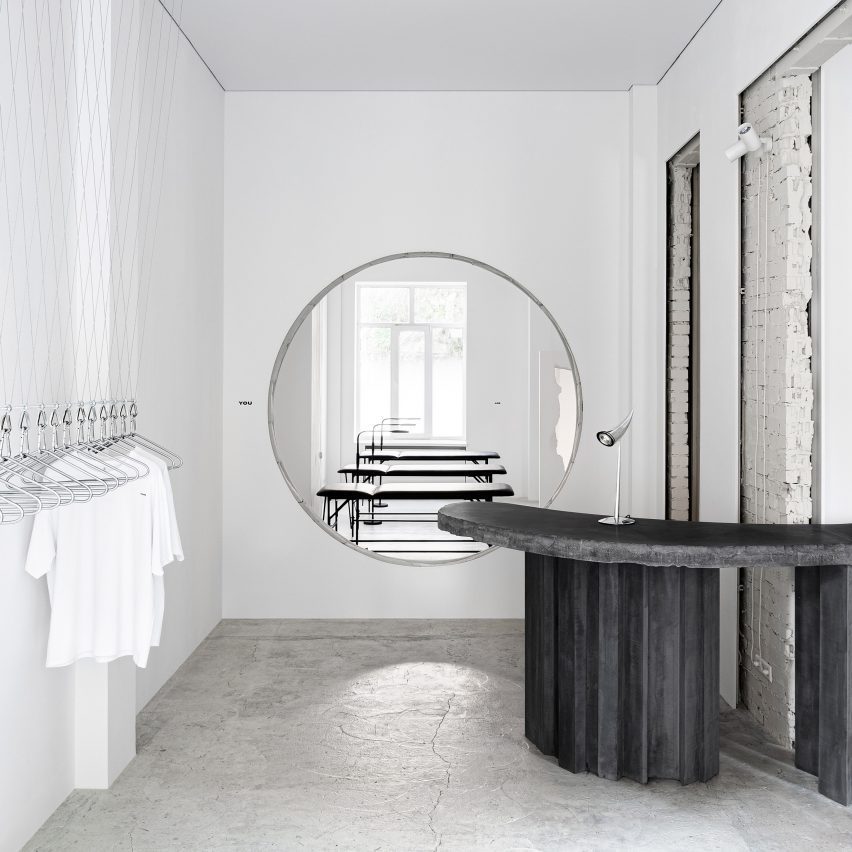
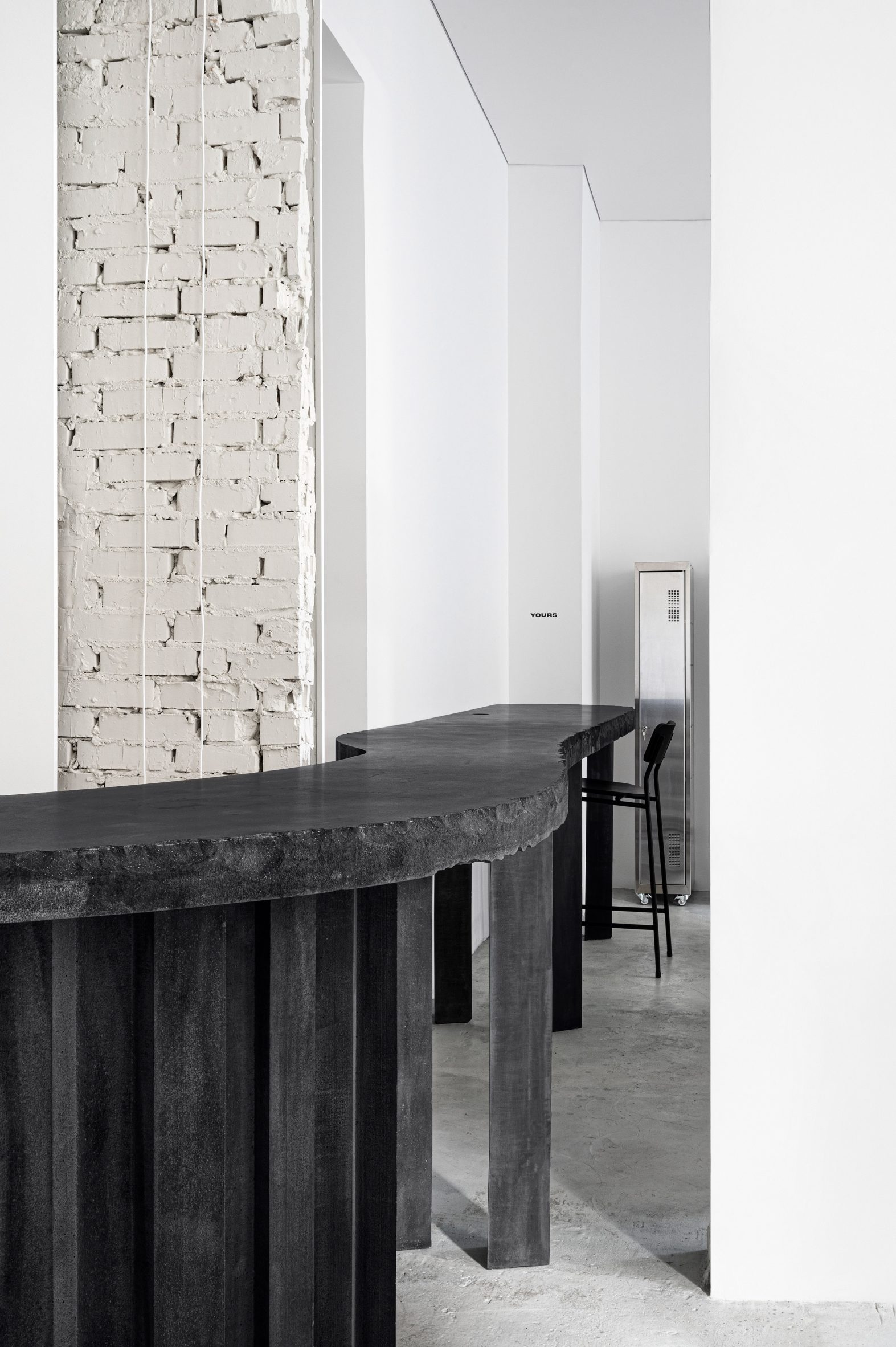
Located on the ground floor of a residential building in the city's historic Podil neighbourhood, the 111-square-metre studio belongs to Ukrainian artist Ulyana Nesheva.
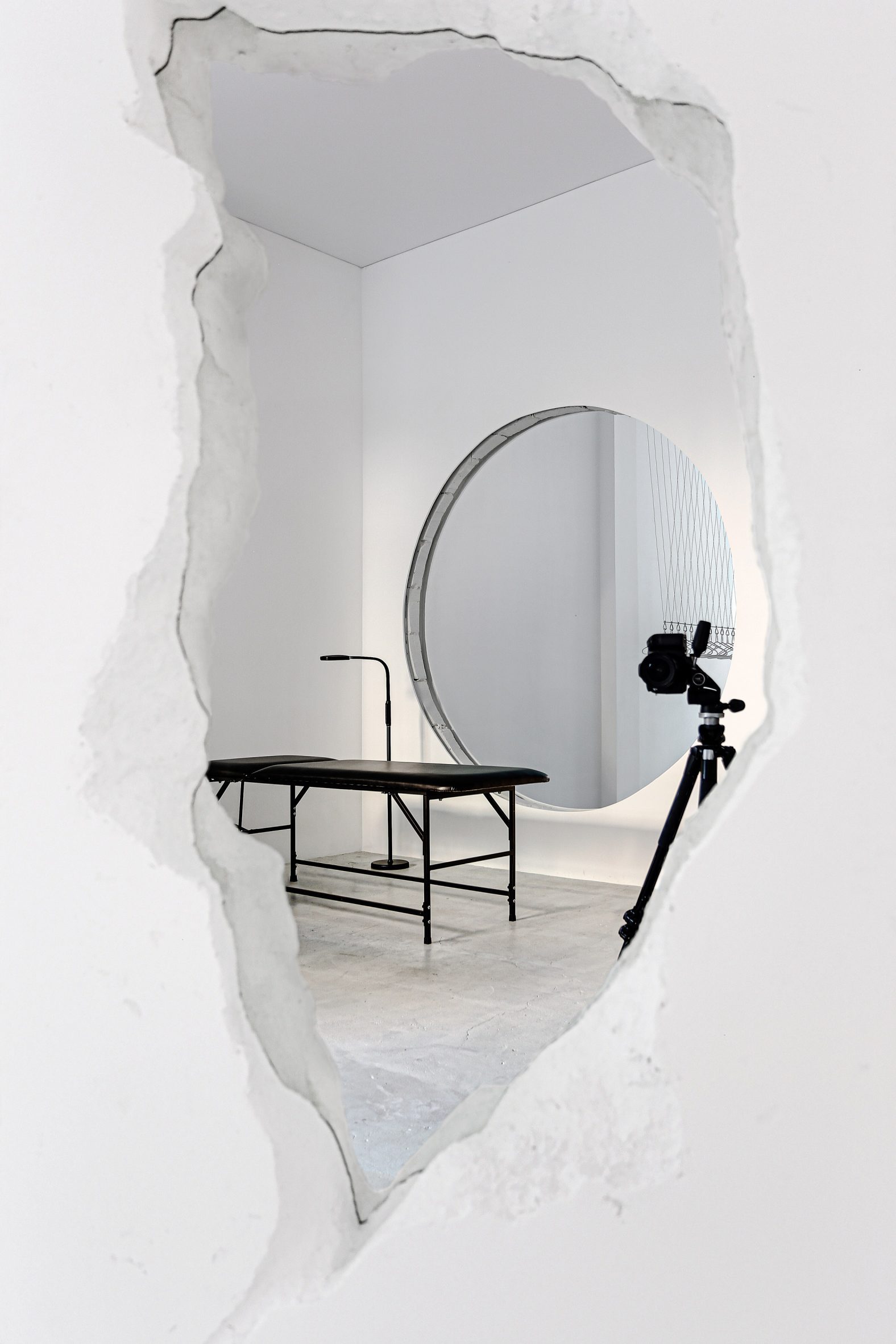
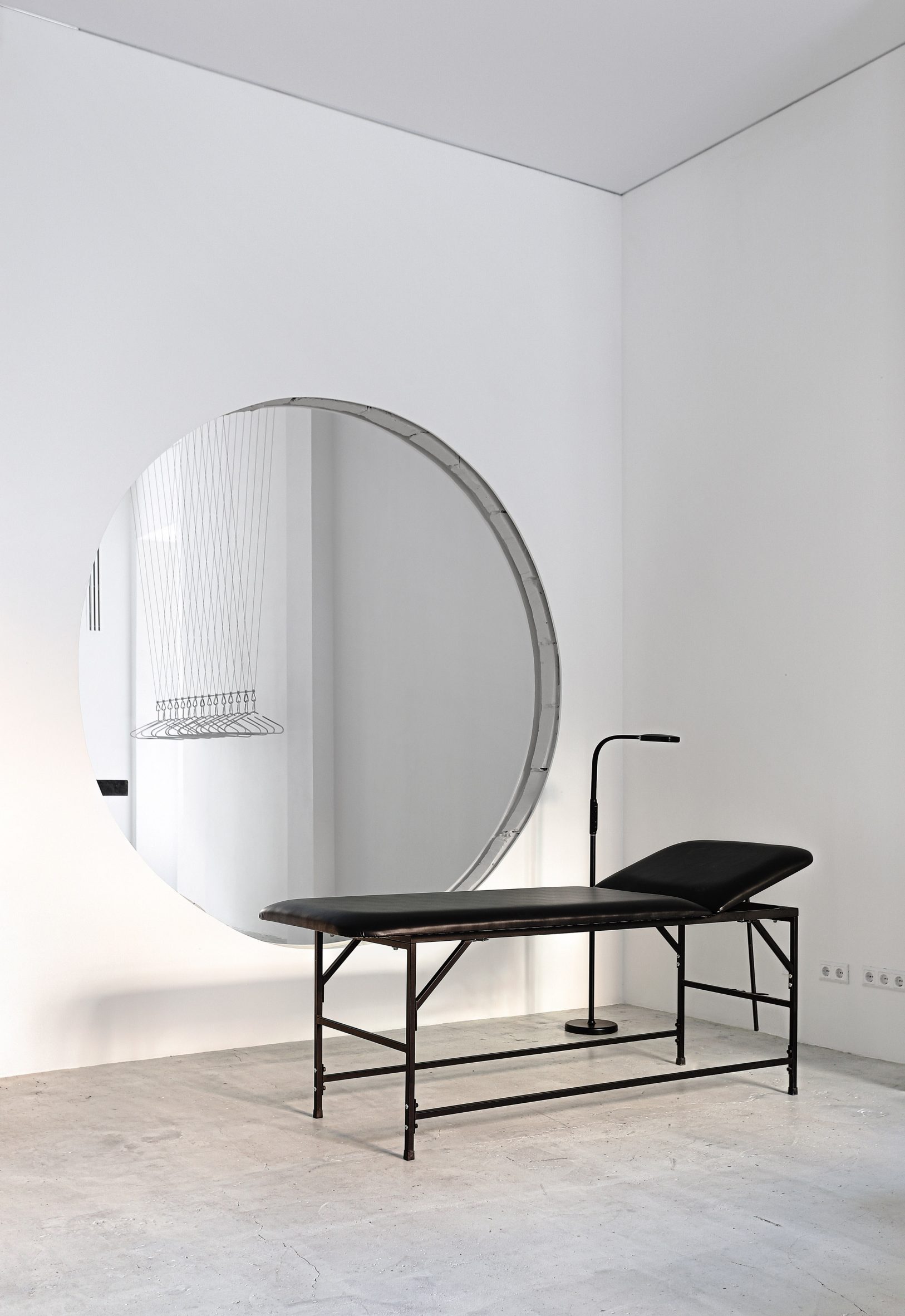
A circular opening offers views from the reception (top image) into the main studio (above)
"The concept of the studio is that all our artists, despite the diversity of their styles and colours, are united by an exploration of minimalism," she explained.
"Simplicity is the ultimate goal and the highest form of complexity."
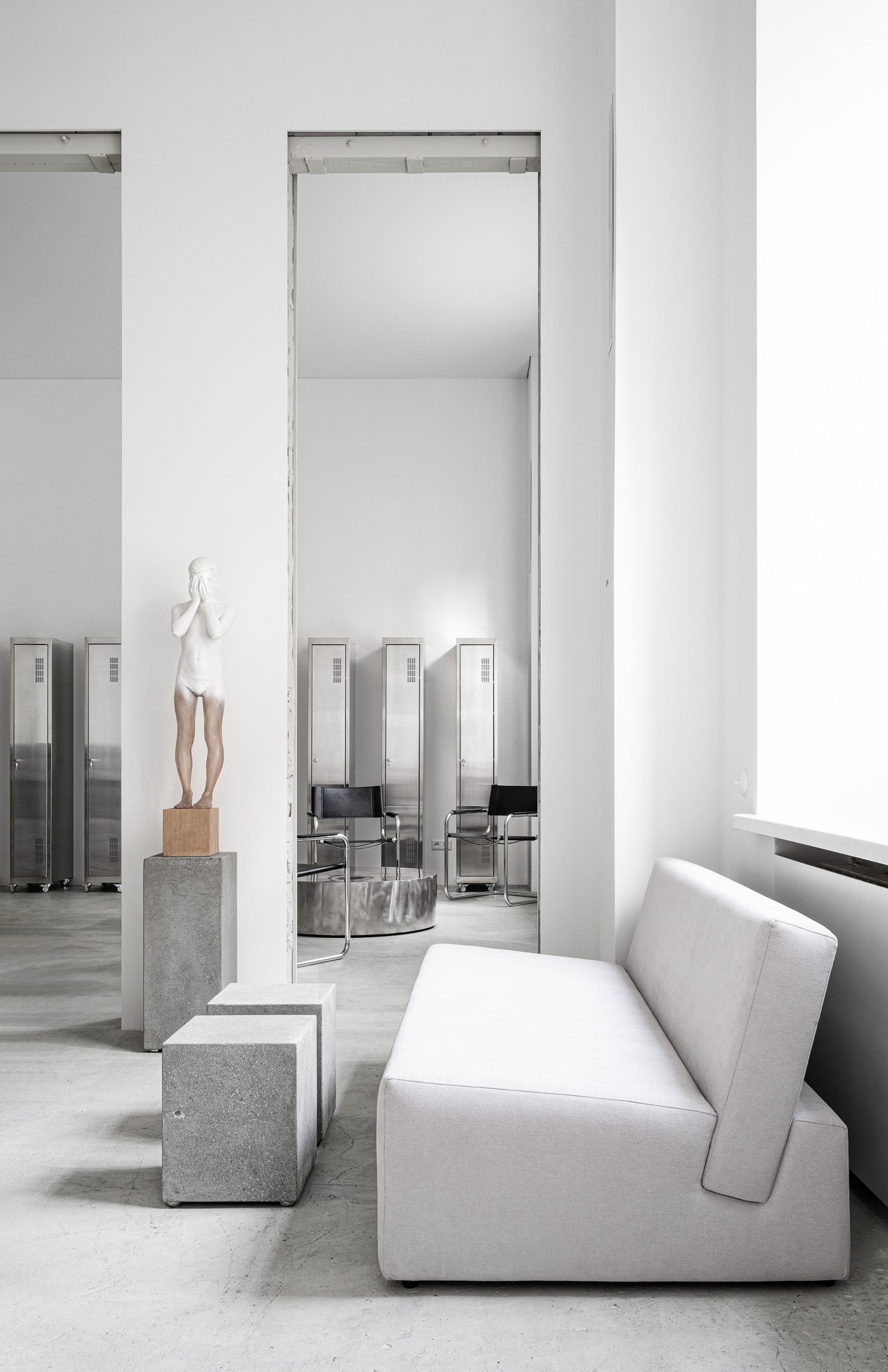
6:19 Studio's waiting area is flanked by a statue by Ukrainian artist Сhristina Ridzel
Local studio Balbek Bureau translated this idea into an uncluttered, open-plan layout using a monochrome palette of black and white paired with concrete and stainless steel.
"The goal was to design a tattoo parlour that resembles a contemporary art workshop," the practice said.
Strategic openings reveal the structure of the walls and allow a long table to snake through the interior
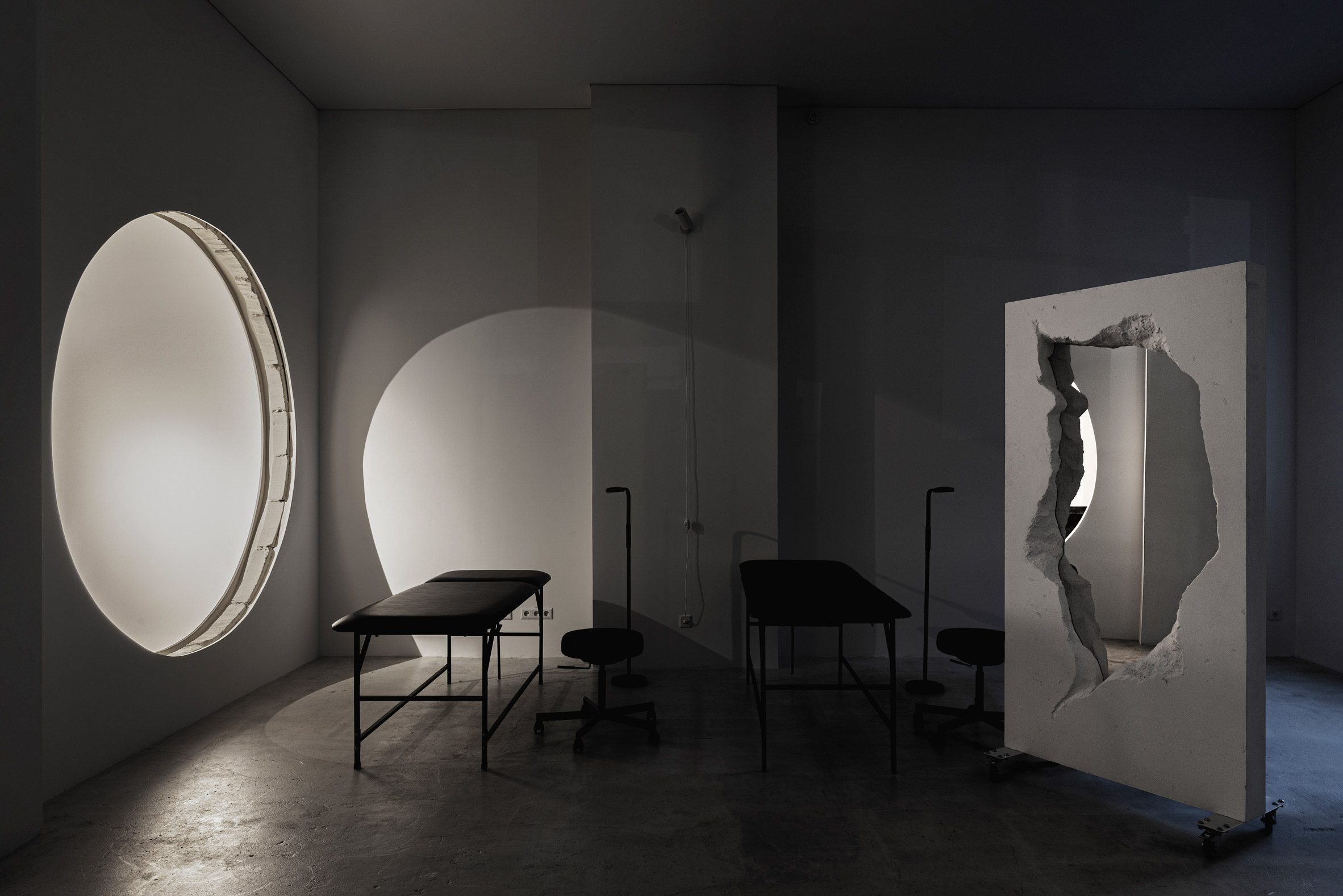
There are almost no doors in 6:19 Studio. Instead, round and rectangular openings are cut into the walls to blend the parlour's separate spaces.
These openings help to improve sightlines and air circulation, while revealing the construction of some of the walls.
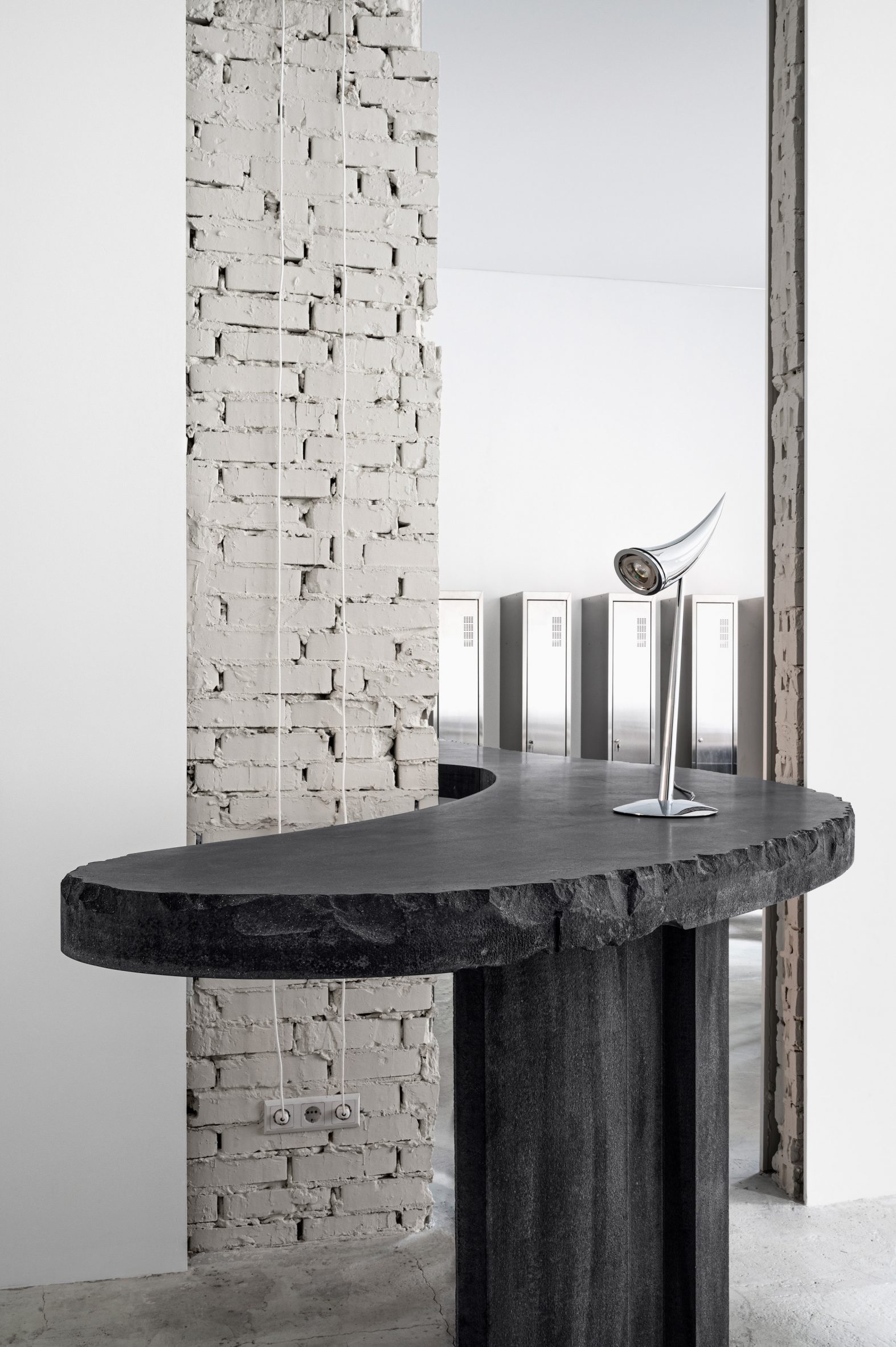
The table acts as both a front desk and a work surface for the tattoo artists
"During construction work, we opened up the walls to see what they are made of and found that all the interior partitions are made of brick and foam, and the top is lined with plasterboard," Balbek Bureau said.
"We liked the idea of showing this multi-layered wall and it was implemented spontaneously during construction."
The studio's lobby is home to a waiting area alongside a row of clothes hangers, suspended from the ceiling using metal cables, that display the parlour's own line of branded clothing.
An 800-pound graphite-coloured concrete table snakes through the reception and into a lounge area, serving as both a front desk and a work surface for the studio's resident artists.
"Its edge has been beaten down by hand, giving it a unique and enchanting power as a tattoo on the human body," Balbek Bureau explained.
Rows of black leather tattoo beds are lined up in the main studio
A large circular opening behind the reception provides a view of the main studio hall, where rows of simple black leather tattoo beds are arranged along both sides.
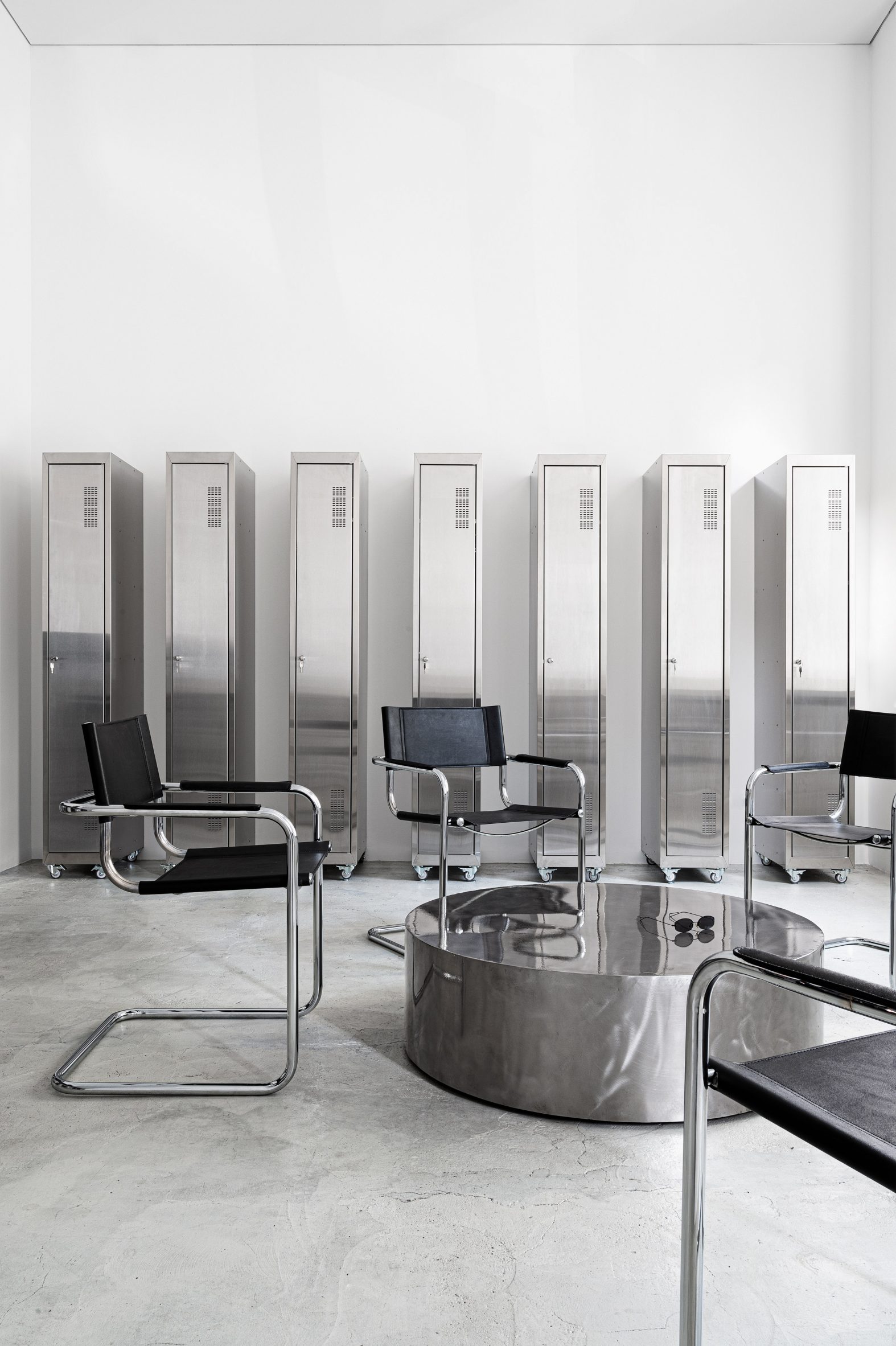
Connected to the studio space through a series of tall rectangular openings, the lounge area is used by the studio's seven resident artists to rest.
The lounge area features vintage S34 chairs by Mart Stam alongside a low coffee table
As well as the graphite table that extends into the room from the lobby, furnishings include vintage S34 cantilever chairs by Bauhaus architect Mart Stam set around a metal table, as well as a series of matching lockers for the artists to store their belongings.
A black cube structure placed between two walls in the studio houses a hidden wardrobe, a bathroom and a dressing room for artists and customers.
The studio's strategic openings allow light to funnel into the main studio
Other spaces in the Ukrainian capital completed by Balbek Bureau include a salon-cum-cocktail bar with concrete surfaces and gold accents and a restaurant that incorporates traditional Ukrainian forms, materials and colours.
The UK government has invited architects to "shape the future" of the profession by submitting their views on regulation, the Architects Registration Board, and how to improve diversity and innovation.
The call to evidence invites submissions from those working in the architectural and built environment professions and will examine the country's regulatory framework and the role of the Architects Registration Board (ARB).
Individuals have 12 weeks from 16 August 2021 to submit evidence, which they can do by filling out an online survey at the government's official website.
A chance to "look to the future"
The government is positioning the consultation as part of a wholesale review aimed at modernising regulation, improving diversity and "upholding the UK's global reputation in architecture".
In addition to questions related to the ARB, the government has said the review will look at how the profession can become more diverse and accessible and whether the current regulatory regime is fit for purpose.
It will examine the role of architects' regulation in ensuring a more sustainable built environment, and look at how the government can promote innovation in the sector.
The review was launched by housing minister Christopher Pincher, who said the changes could contribute to building a stronger and more sustainable industry.
"Our architectural sector is one of the best in the world – with first-class educational institutions, world-leading practices, and a healthy export market," Pincher said.
"The review we are launching today builds on this outstanding legacy, looking to the future and exploring the changes we need for an innovative, accessible and broad profession that delivers better, greener and safer design and construction."
Review "asks important questions"
The review is being welcomed by the Architects Registration Board, which is currently conducting its own public engagement exercises.
"ARB has set an ambitious agenda that will modernise and transform the way we regulate," said ARB chair Alan Kershaw. "It's essential that we have a renewed and modern policy framework to match."
"The government's review asks important questions about policy and regulation and we look forward to playing a full part in shaping and supporting an architectural profession that is fit for the future."
As part of the review, the government will also conduct thematic workshops and interviews with sector representatives.
The housing minister will then receive initial findings by spring 2022, and an outcome from the review is expected in the summer of that year.
Call to evidence follows controversial proposals for UK planning reforms
The feedback to those consultations is still being analysed.
Separately, the government has also instituted a new Office for Place within the Ministry of Housing, Communities and Local Government, which is meant to support local authorities to introduce their own local design codes based their own communities and preferences.
To participate in the current review, architects can fill out the online survey.
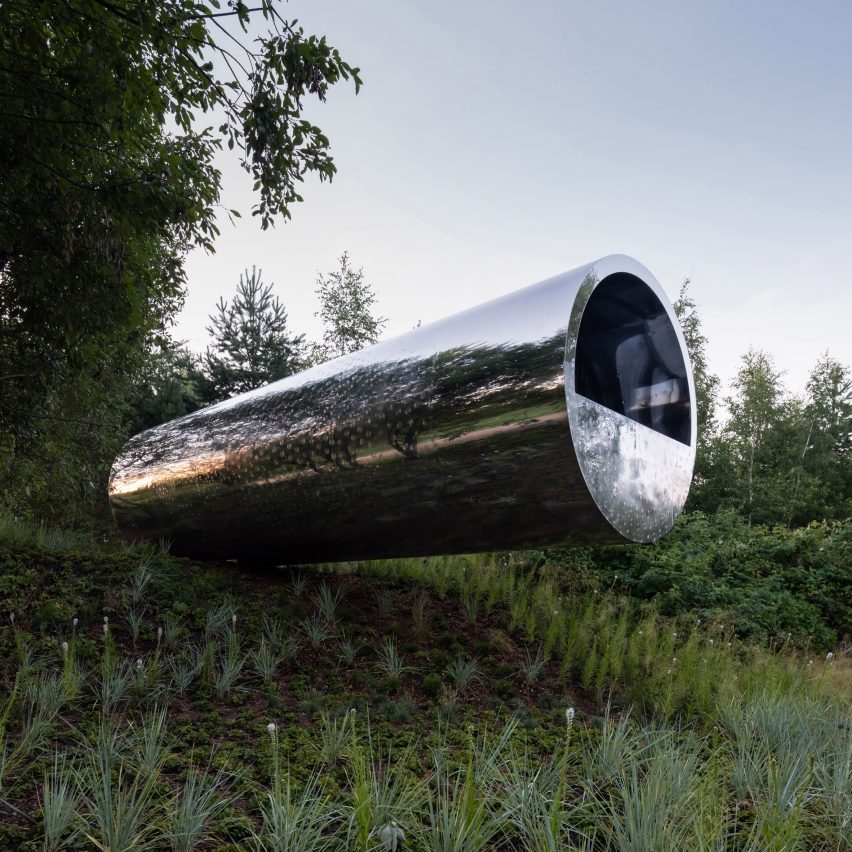
Moscow's chief architect Sergey Kuznetsov has completed a pipe-shaped cabin, constructed like the hull of a ship and balanced on the edge of a slope in Russia's Nikola-Lenivets Art Park.
The holiday home was conceived for the annual Archstoyanie festival, known as Russia's Burning Man, and will remain in place after the event to provide accommodation for visitors of the outdoor art gallery, which is set in a nature reserve near the city of Kaluga.
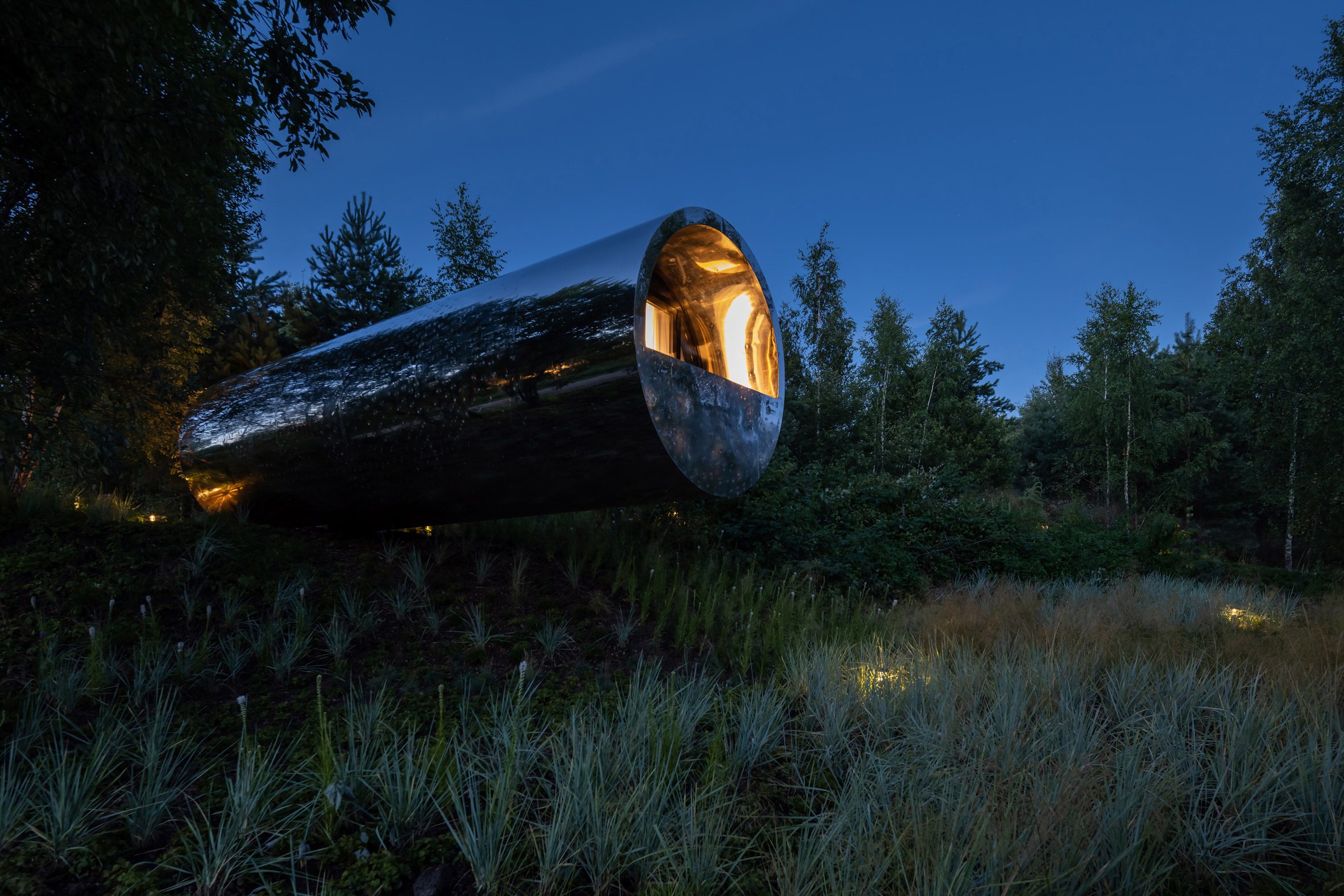
Sergey Kuznetsov designed a tubular house for the Archstoyanie land art festival
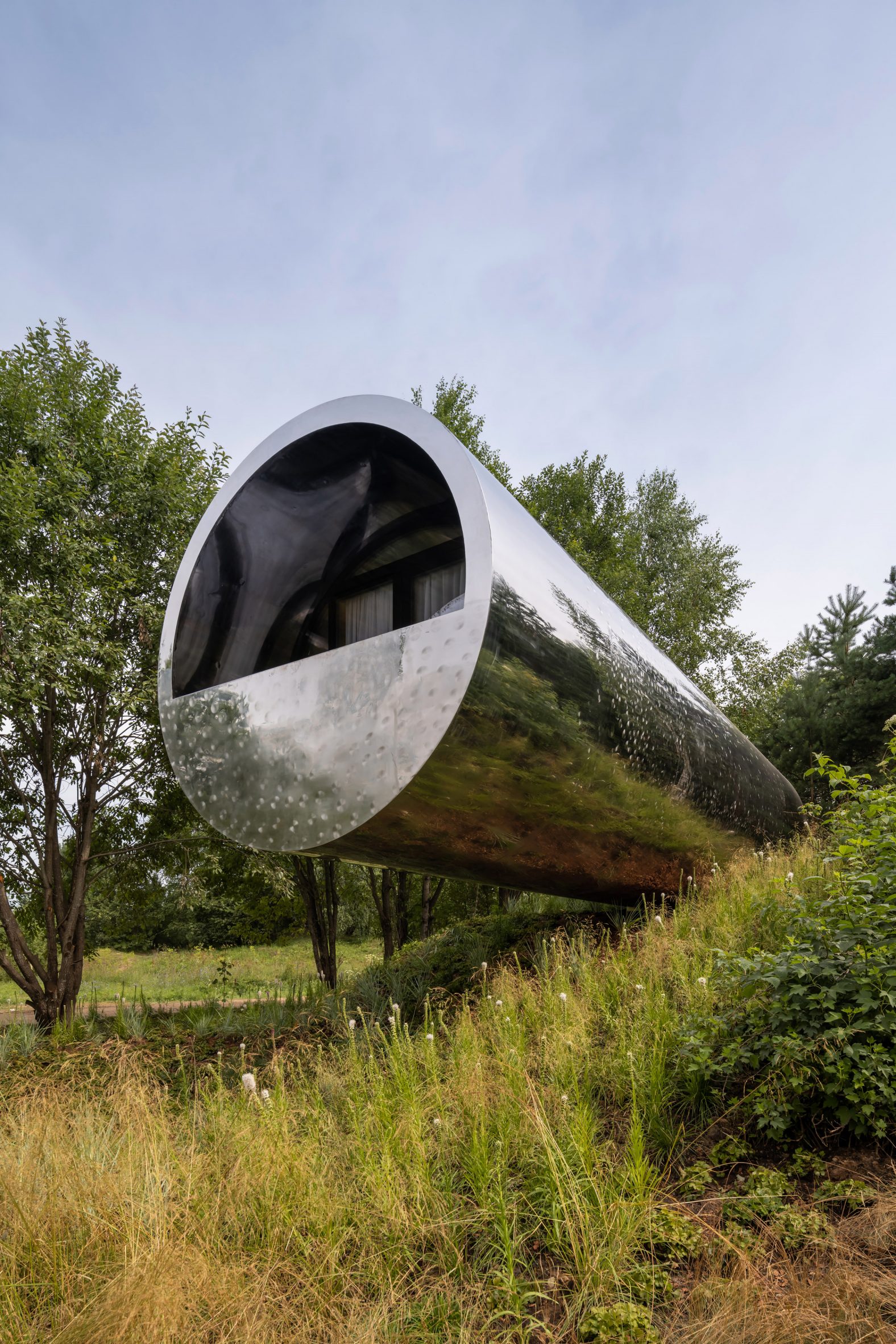
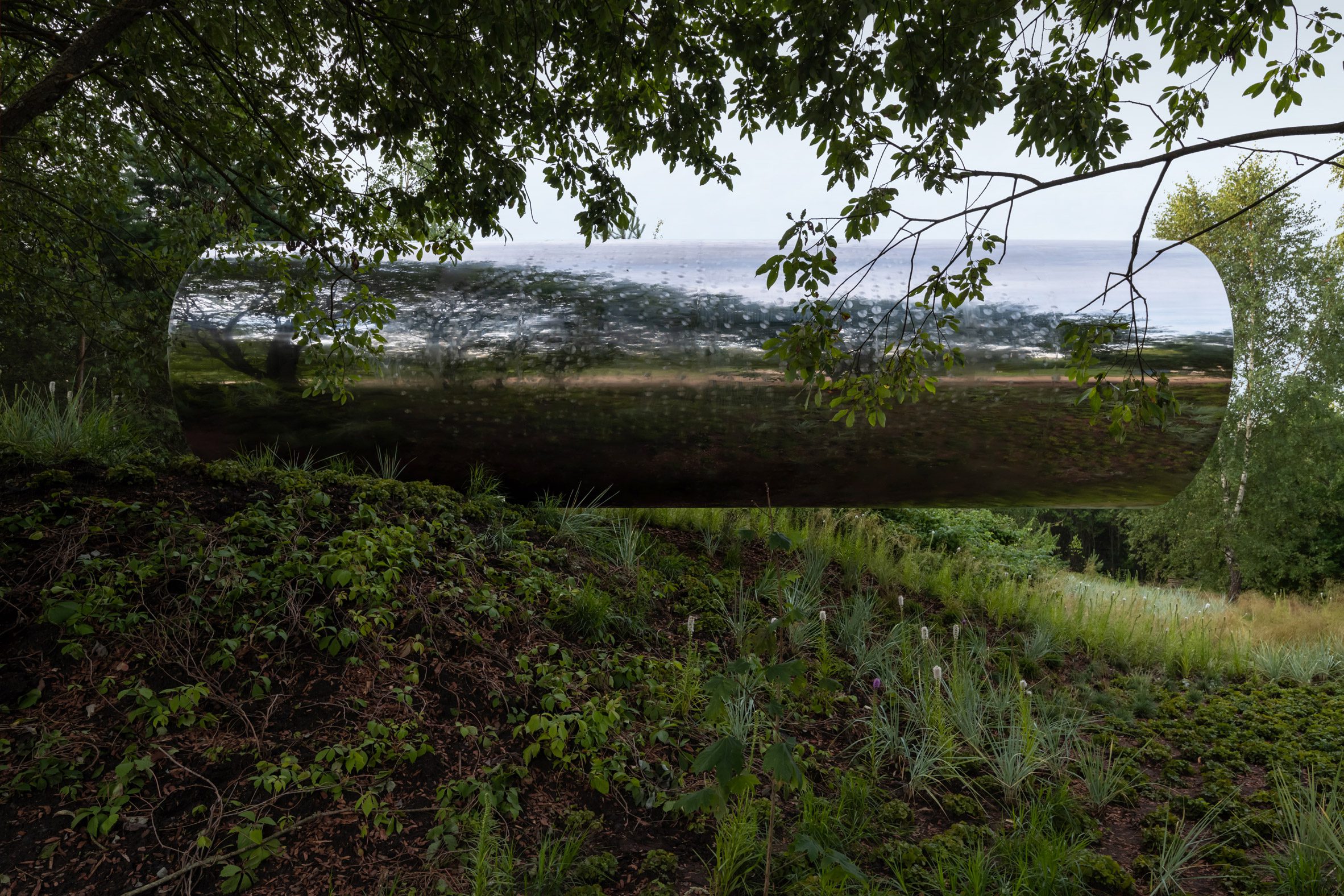
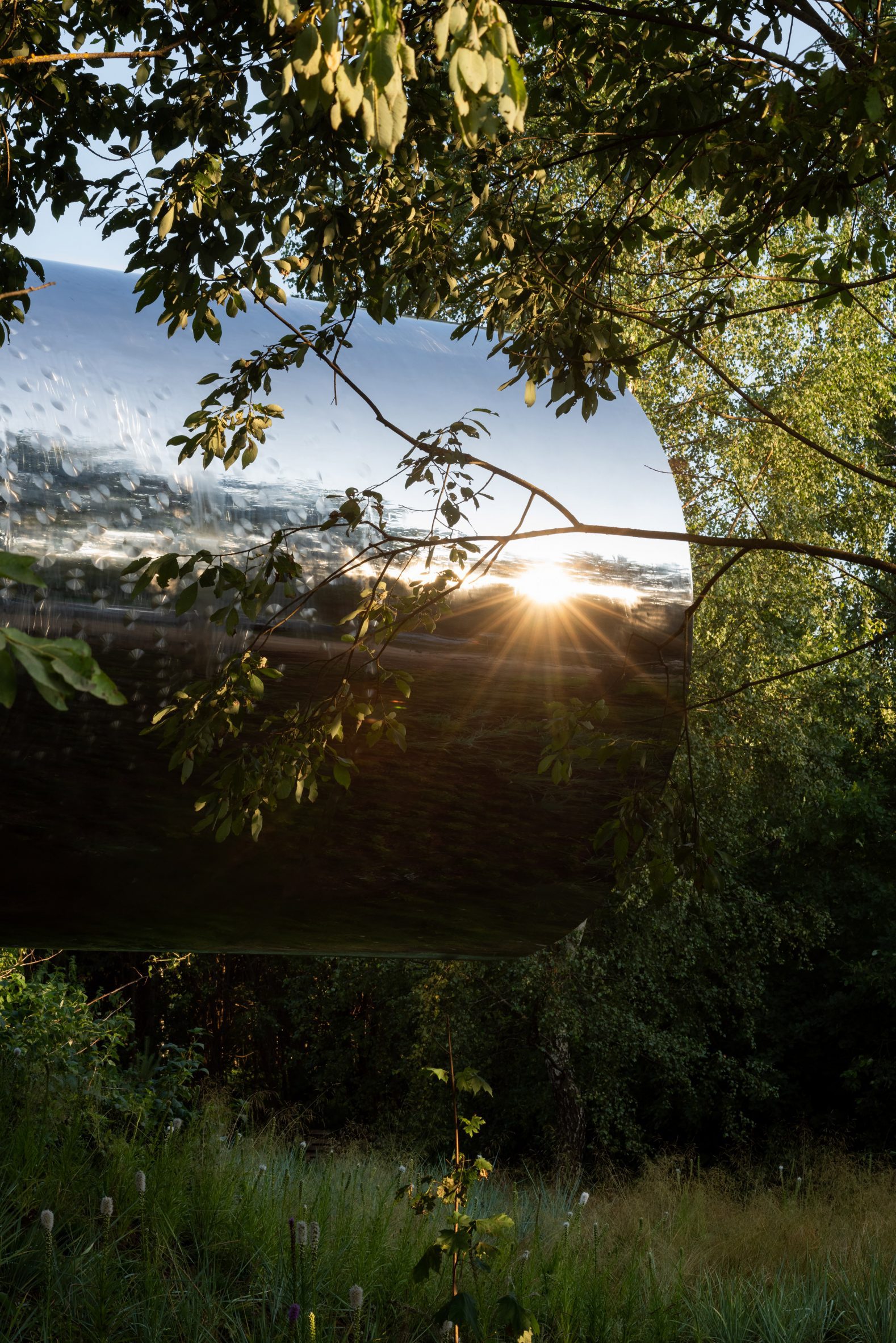
Clad in a single, continuous sheet of stainless steel that reflects the surrounding forest, the building is 12 metres long and weighs around twice as much as a fully-grown elephant. But Kuznetsov claims its structure is held together using only six bolts.
"The idea was to create something with an element of magic," he told Dezeen.
The holiday cabin is cantilevered from the top of a small hill
To create the impression of the cabin hanging in mid-air, its foundation is concealed inside a small hill that had to be almost completely demolished during excavation, before being rebuilt and reinforced with sand cushions.
Kuznetsov and construction company Krost devised the cylindrical structure mounted on top by drawing on a shipbuilding technique known as transverse framing.
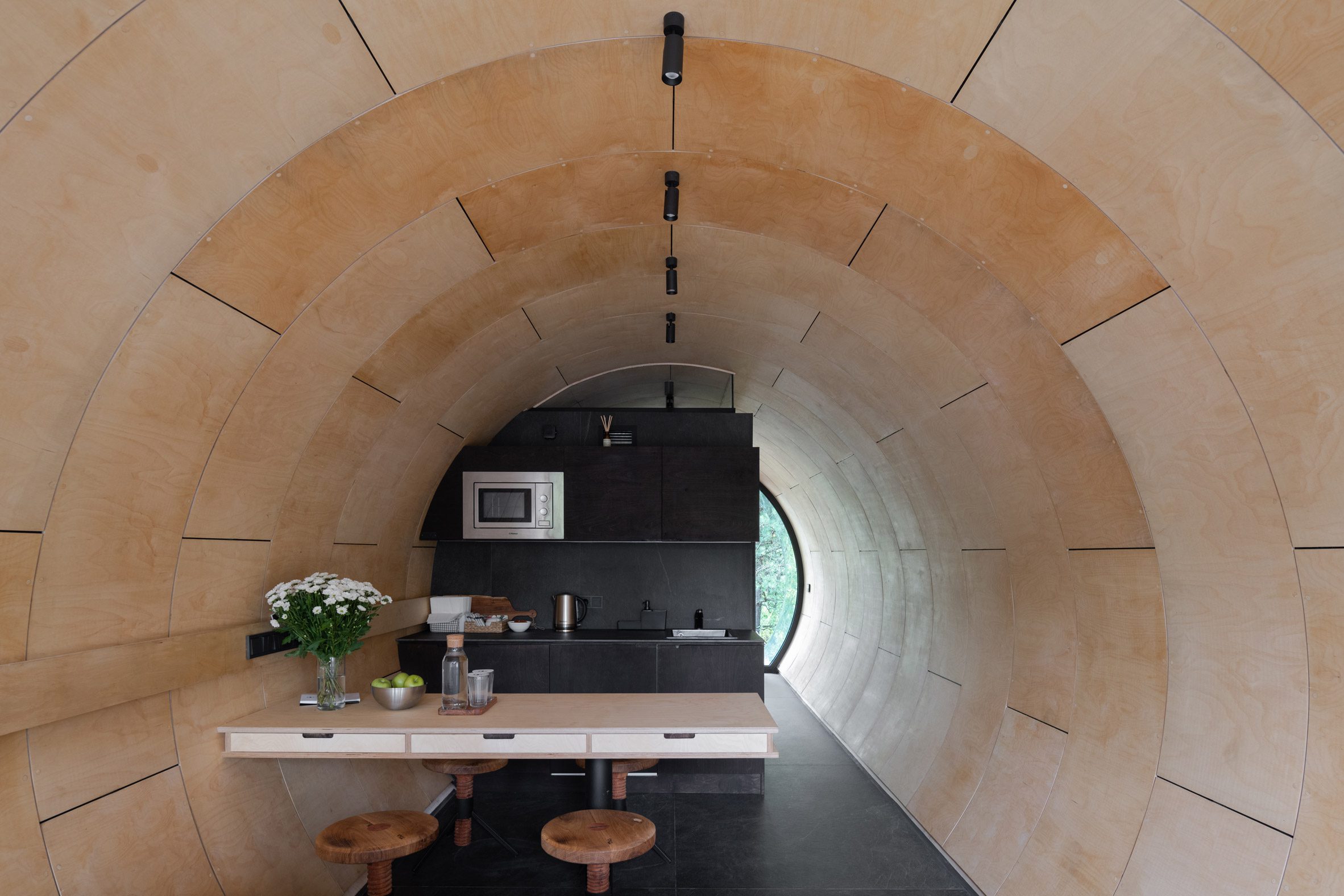
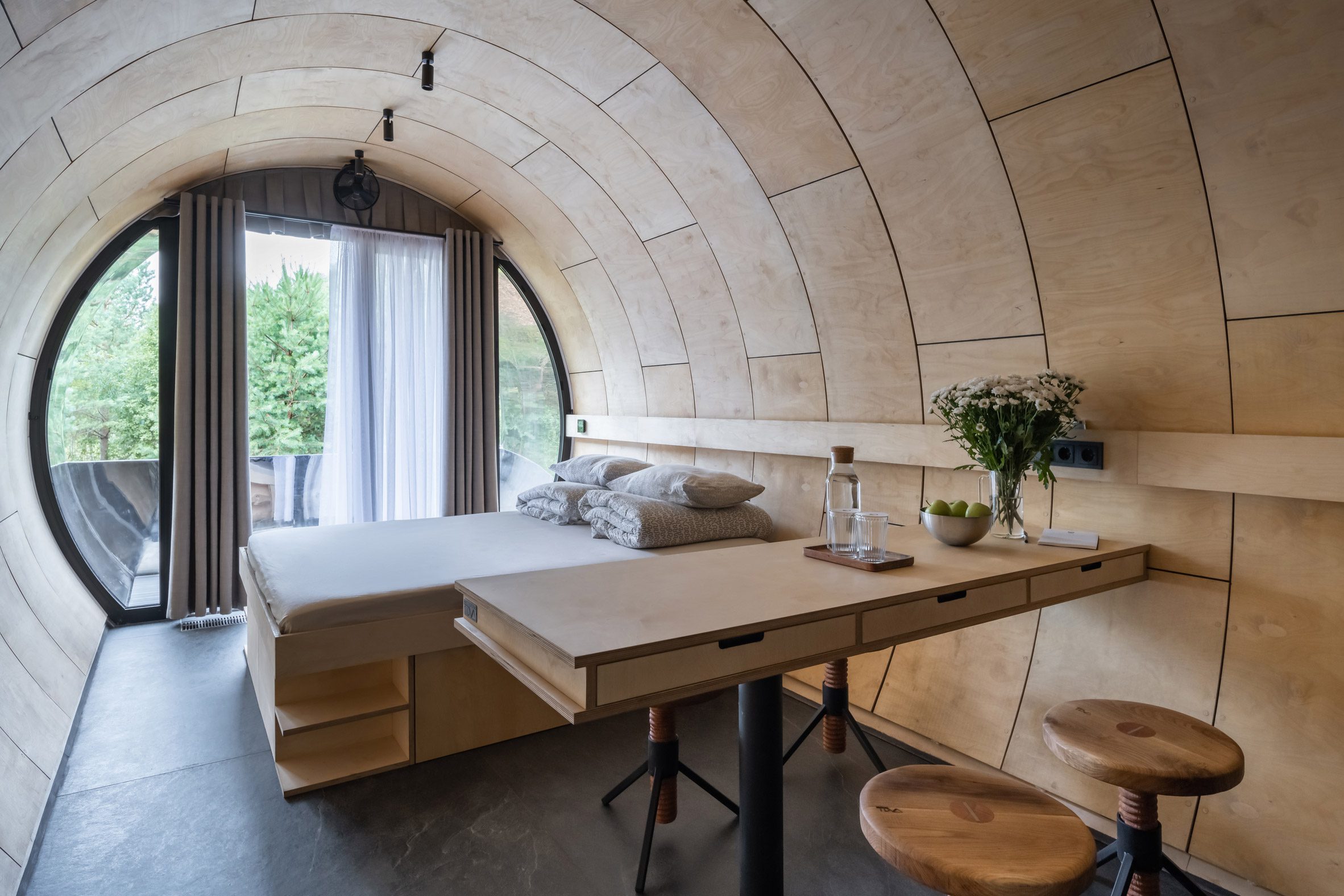
The kitchen and bathroom are located above the foundations, close to the plumbing and electricity supply
In lieu of traditional wall studs, this involves a system of closely spaced, circular ribs that run along the length of the entire building.
Cut from sheets of stainless steel and connected by horizontal guides known as stringers, they create a strong yet lightweight frame that is able to support itself without breaking.
The bedroom occupies the far end of the tube
"The entire structure consists of six cylindrical modules, simultaneously manufactured and then connected to each other," Kuznetsov explained. "The same thing happens in shipbuilding. Separate sections of the hull are made in the workshop before being assembled into a single structure on a dry dock."
"The biggest challenge at this stage was to put the cylinders together – precisely, coaxially, with virtually no tolerances," he added.
Underground, a concrete slab foundation extends in the opposite direction of the cabin to act as a counterweight.
This also houses the plumbing and electricity, with the kitchen and bathroom located directly above while the bedroom occupies the far end of the building that floats above the forest floor.
Cladding is formed from a single, continuous sheet of stainless steel
Kuznetsov says no one on his team knew whether the structure was going to hold up in its cantilevered position until it was physically installed on-site, due to the complexity of the construction.
"The designers calculated potential deformations but due to the lack of relevant experience, no one could say with confidence how the structure and most importantly its cladding would behave when installed," Kuznetsov said.
"After removing the supporting structures, the bottom of the console dropped by 22 millimetres within a calculated maximum tolerance of 30 millimetres, which caused an incomparable feeling of joy and relief for everyone involved."
The cabin will provide accommodation for visitors of the Nikola-Lenivets Art Park
Archstoyanie is a festival for large-scale landscape art and architecture that takes place in the Nikola-Lenivets Art Park every year.See Dezeen Events Guide for an up-to-date list of architecture and design events taking place around the world.
A group of architecture and design students plans to sue The Glasgow School of Art over its alleged failure to provide adequate education during the coronavirus pandemic and for cancelling their degree shows.
The group has hired law firm Harper Macleod and has launched a crowdfunding campaign to fund their legal challenge for alleged "underprovided education".
Students were six months into their courses when the first UK lockdown happened in March 2020. According to the group, the Scottish school then "chose to cancel the remaining seven weeks of the semester, two days after campus closed".
"We had no contact from our tutors for 10 weeks whilst other universities, like the University of Glasgow, were tutoring students online within a few weeks," the group said. "GSA management instructed tutors not to speak to us during this time."
The Glasgow School of Art (GSA) degree show was also cancelled, which meant students missed out on meetings with curators, galleries and collectors, which they say is another key reason for studying at the school.
"We've still not got our promised degree show," said the group's spokesperson Penny Anderson. "We've had talks, it's been promised, there were various surveys on what we wanted, but so far nothing concrete."
Students offered remote-learning option
The school eventually gave students the option to continue with remote learning, or withdraw from their courses with no assurance of future re-entry, according to the student group.
There was a "limited amount of Zoom tutorials very late and after lockdown was lifted in late July last year, roughly one month before our final submission deadline," Anderson said.
However, she said remote learning wasn't a possibility for many of the students at the school.
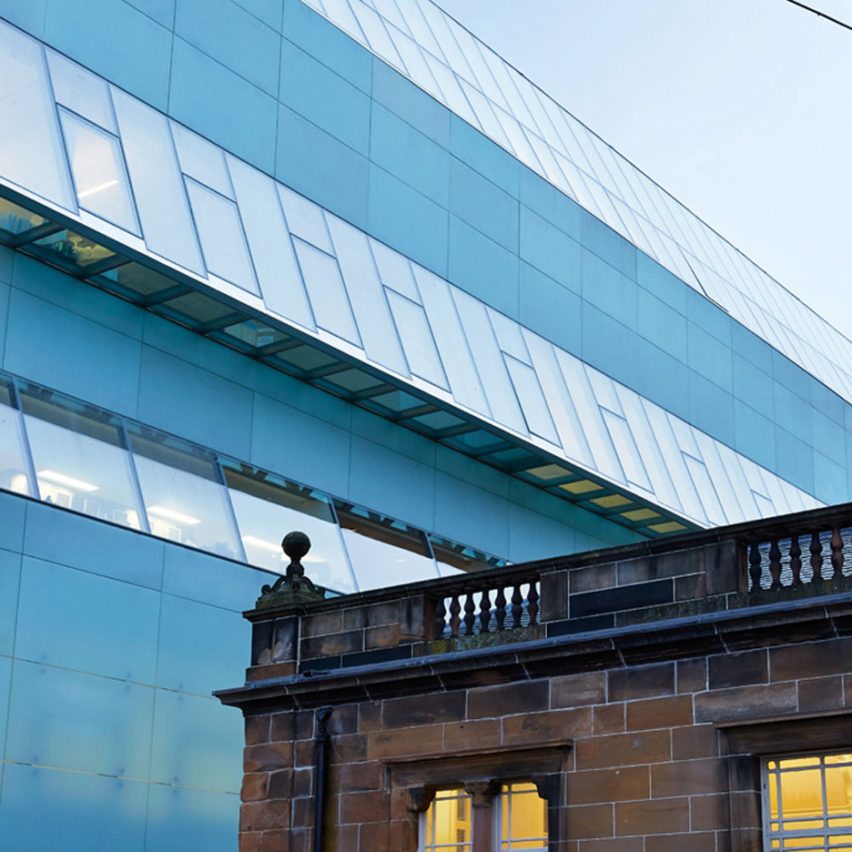
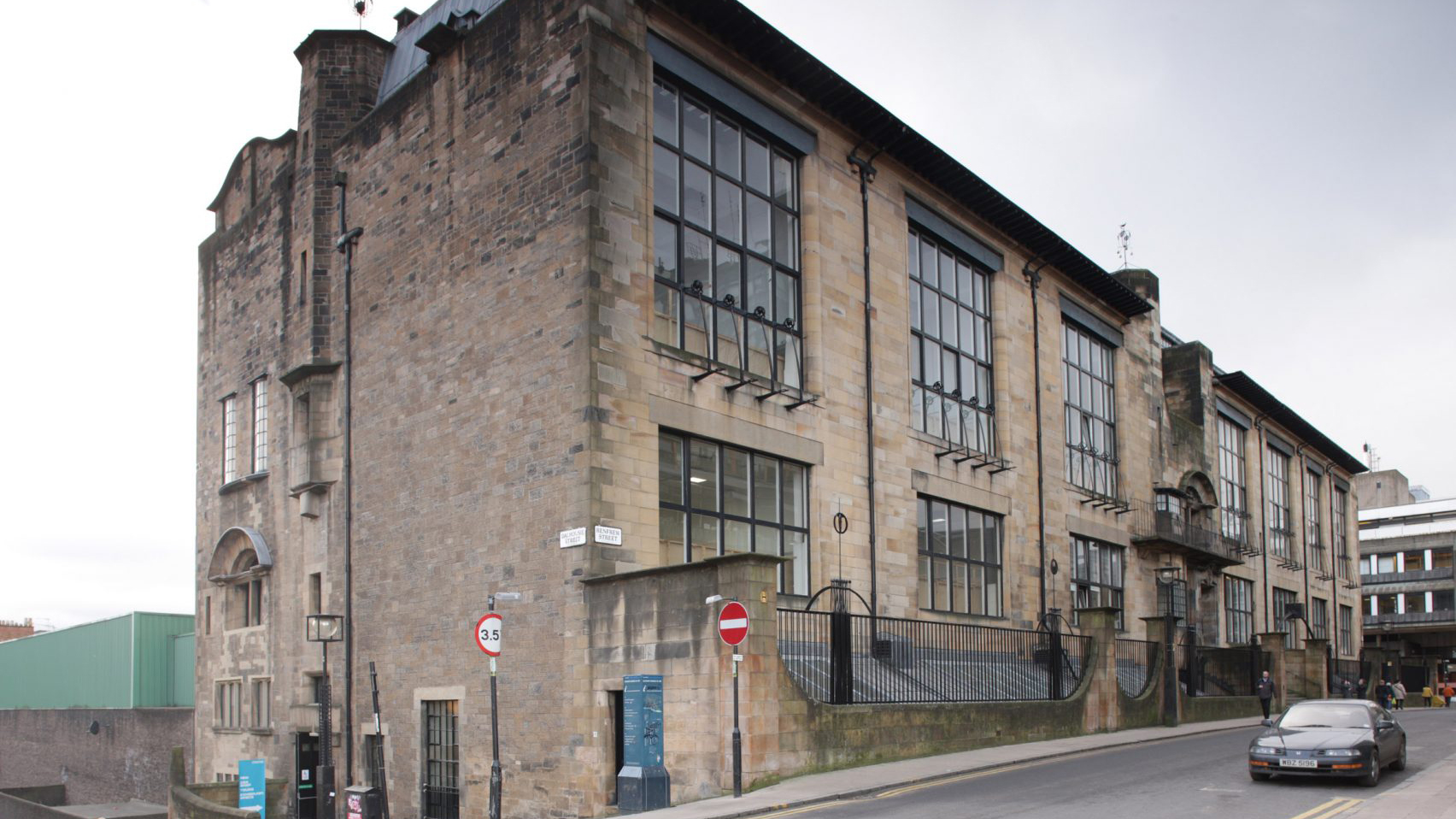
The school was previously located in a Charles Rennie Mackintosh building (shown above before it was damaged in a fire) and has an extension by Steven Holl (top image)
"There was no way Mlitt sculptors, a sizeable group of the complainants, could do welding in a shared lounge, or printmakers work without printmaking facilities," Anderson said.
According to the students, the issues during lockdown came after an "already disrupted year for our cohort, impacted by mismanaged studio and workshop access, University and College Union strikes and closure of the student union".
Complaints rejected by the school
Art School Racket said it had appealed to the school through the internal complaint procedure, asking for a pause option that would suspend studies until it is safe to return to campus learning and for a partial refund of fees to reflect the difference between studio-based and remote learning.
It said its complaints were rejected by the school.
A spokesperson for the school said: "The complaints in question went through the GSA’s complaints process, the final stage of which is for the complainants to ask the independent Scottish Public Services Ombudsman [SPSO] to review the matter."
"The SPSO briefly looked at the complaint that we had submitted to GSA internally," said Art School Racket spokesperson Harriet Orrey-Godden. "GSA had rejected all of our complaint points and the SPSO decided they agreed with GSA. They rejected a full investigation."
Auction to raise money for legal fees
In addition to launching the crowdfunding campaign, the student group is preparing an auction of work donated by students, as well as two pieces by architect Alan Dunlop, a former tutor at the school, to fund the legal challenge.
"There was no remaining viable alternative than legal action, otherwise the GSA will continue to lure us into the sausage machine of cuts to budgets but increased fees and reduced facilities," Anderson said of the group's decision to sue the school.
The Glasgow School of Art was founded in 1845 as one of the first Government Schools of Art and Design and focuses on education in the visual creative disciplines, with degrees in architecture, design, fine art, simulation and visualisation and innovation.