Thursday, 19 August 2021

Los Angeles ranch house becomes Zen Den by Working Holiday Studio

The owners of design firm Working Holiday Studio have renovated their own mid-century residence by opening up the kitchen, adding skylights and filling the interior with contemporary decor.

The house, called Zen Den, is located in Woodland Hills, a suburban community in Los Angeles that lies about 20 minutes by car from the beach.

The home belongs to the owners of Working Holiday Studio
The house is a 1960s ranch-style property

Carlos Naude and Whitney Brown – the couple behind Working Holiday Studio and its companion interior design practice, Working Holiday Spaces – purchased the 1960s, ranch-style house last year during the coronavirus pandemic.

The duo, who have a toddler son, formerly lived in a compact urban residence and desired more space. The house checked many boxes, yet it was in need of a major overhaul.

Zen Den by Working Holiday Studio
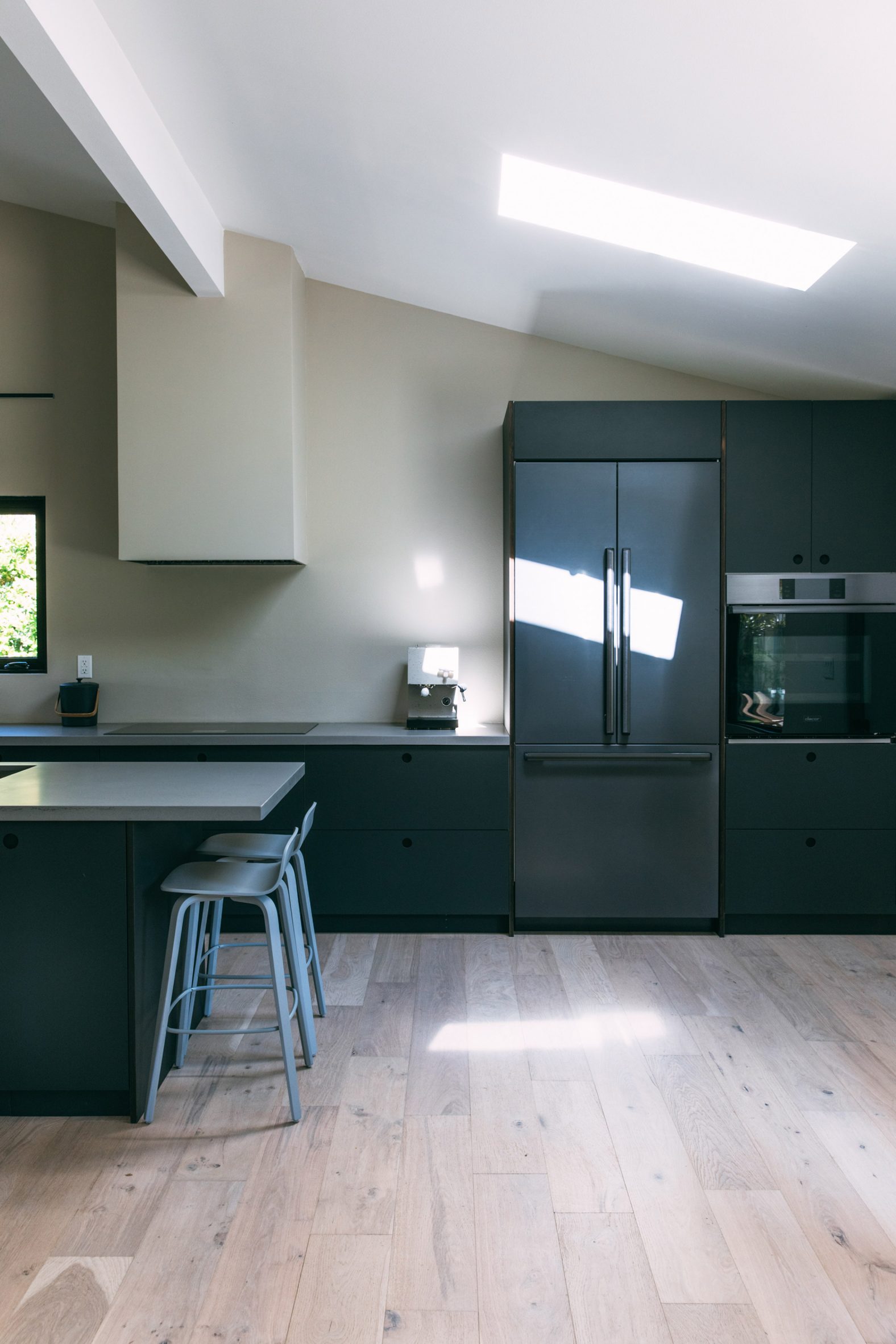
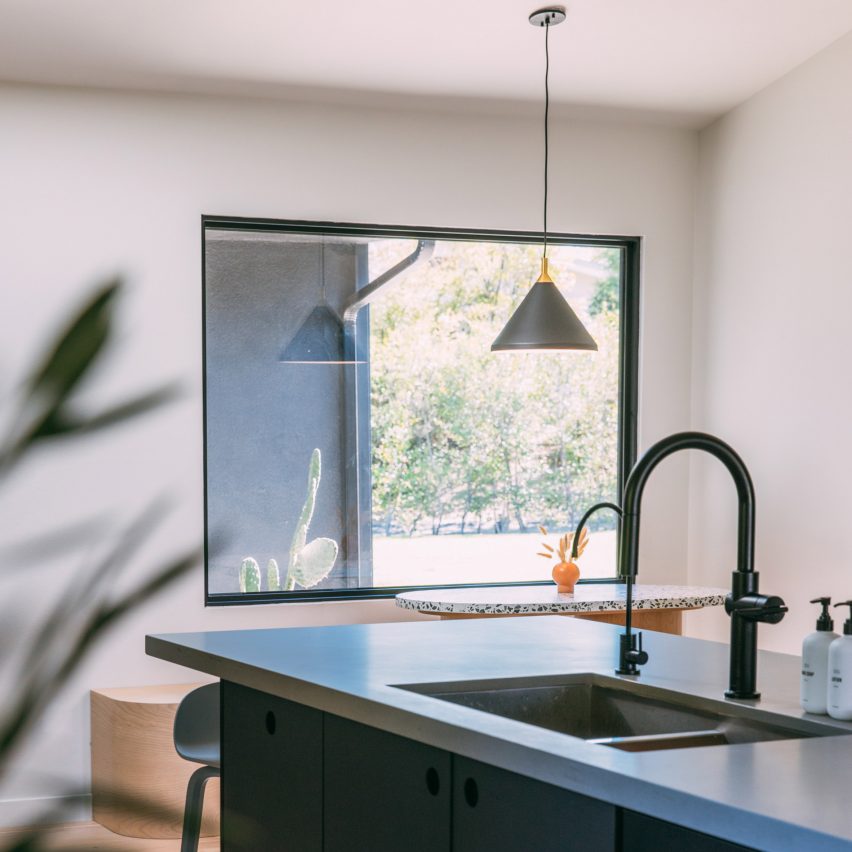
Skylights were added to the kitchen during the renovation

"We wanted to restore the residence to its original glory while reimagining it for modern living," the couple said, noting that they also served as the project's general contractor, with input from their friend Zach Leigh at Goodboy Develops.

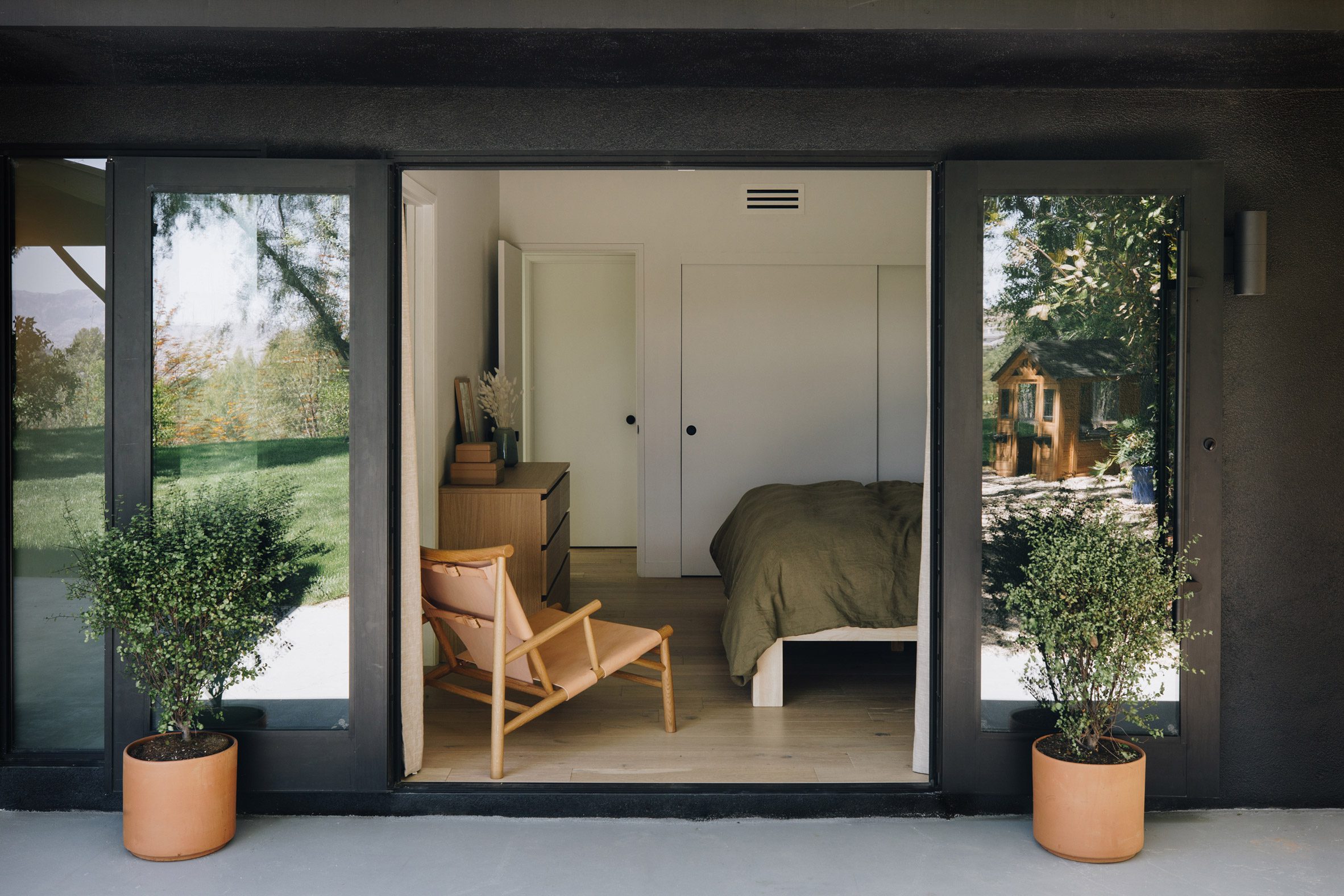
On the exterior, the home's stucco cladding was repaired and repainted. The duo also installed a new roof, along with new windows and patio doors.

Scandinavian design elements feature in the kitchen
Zen Den was designed to double as a furniture and product showroom

Inside, the single-storey, four-bedroom home was gutted. Upgrades were made to the floors, insulation, plumbing and electrical systems, and a significant portion of the drywall.

The team added skylights and reconfigured certain areas of the house. In particular, a wall between the kitchen and the dining room was removed.

"We opened up the kitchen so you could take in the views, added skylights throughout the house to bring in more light, and completely reconfigured and renovated both bathrooms," the designers said.

For the finishes and decor, the duo took inspiration from Japanese, Scandinavian and Mexican design styles. The home is meant to double as a showroom.

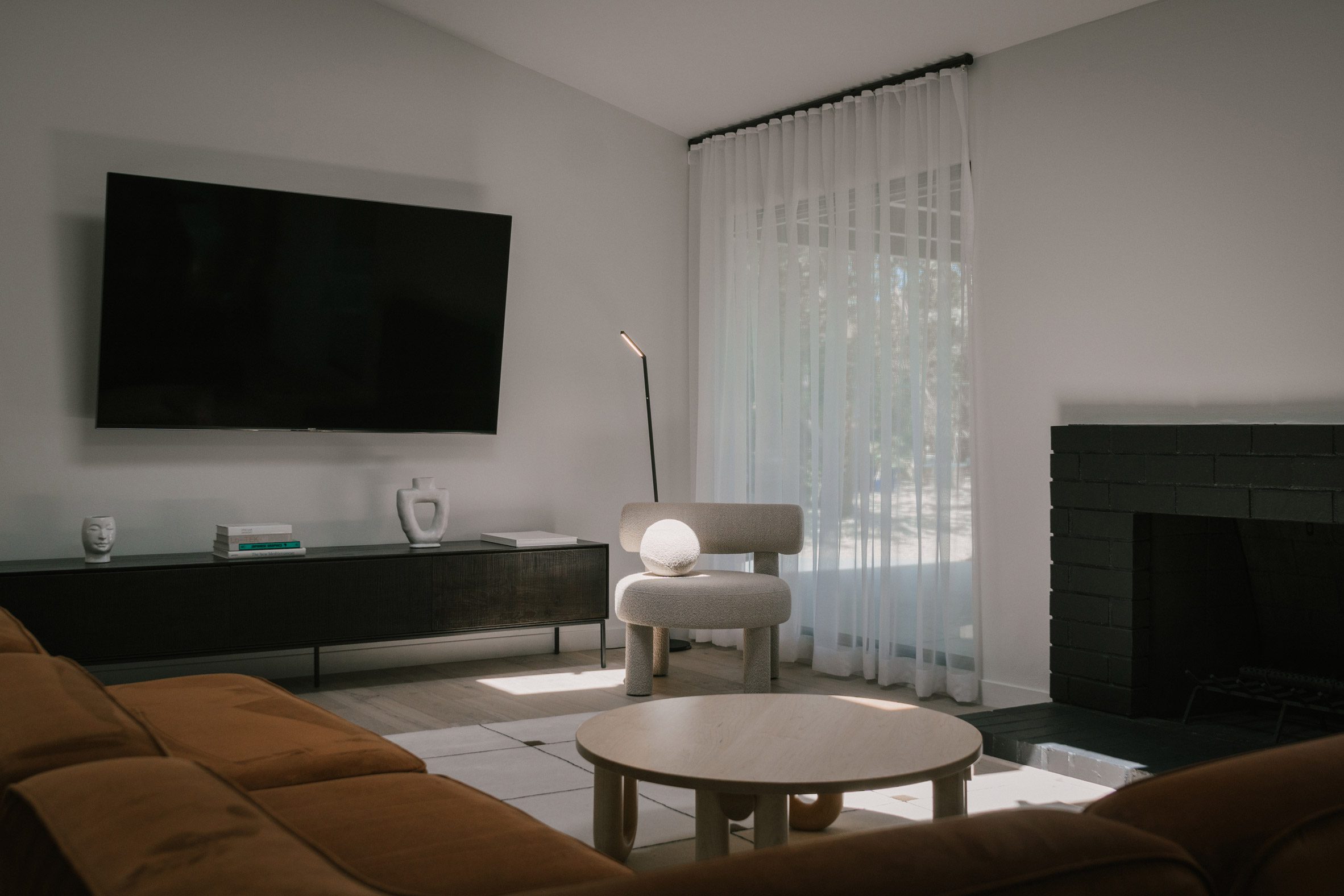
The living room has a velvet sofa
A white chair by Noom is included in the living room

"We worked with designers and brands to display their products in our home," the designers said. "We are in the process of creating an online shop where people can buy the products."

The living room is fitted with a rust-coloured, velvet sofa from Normann Copenhagen and a round coffee table with tube-shaped legs from Hedge House. A white accent chair is from Noom, a young studio in Ukraine.

Zen Den features eclectic design elements
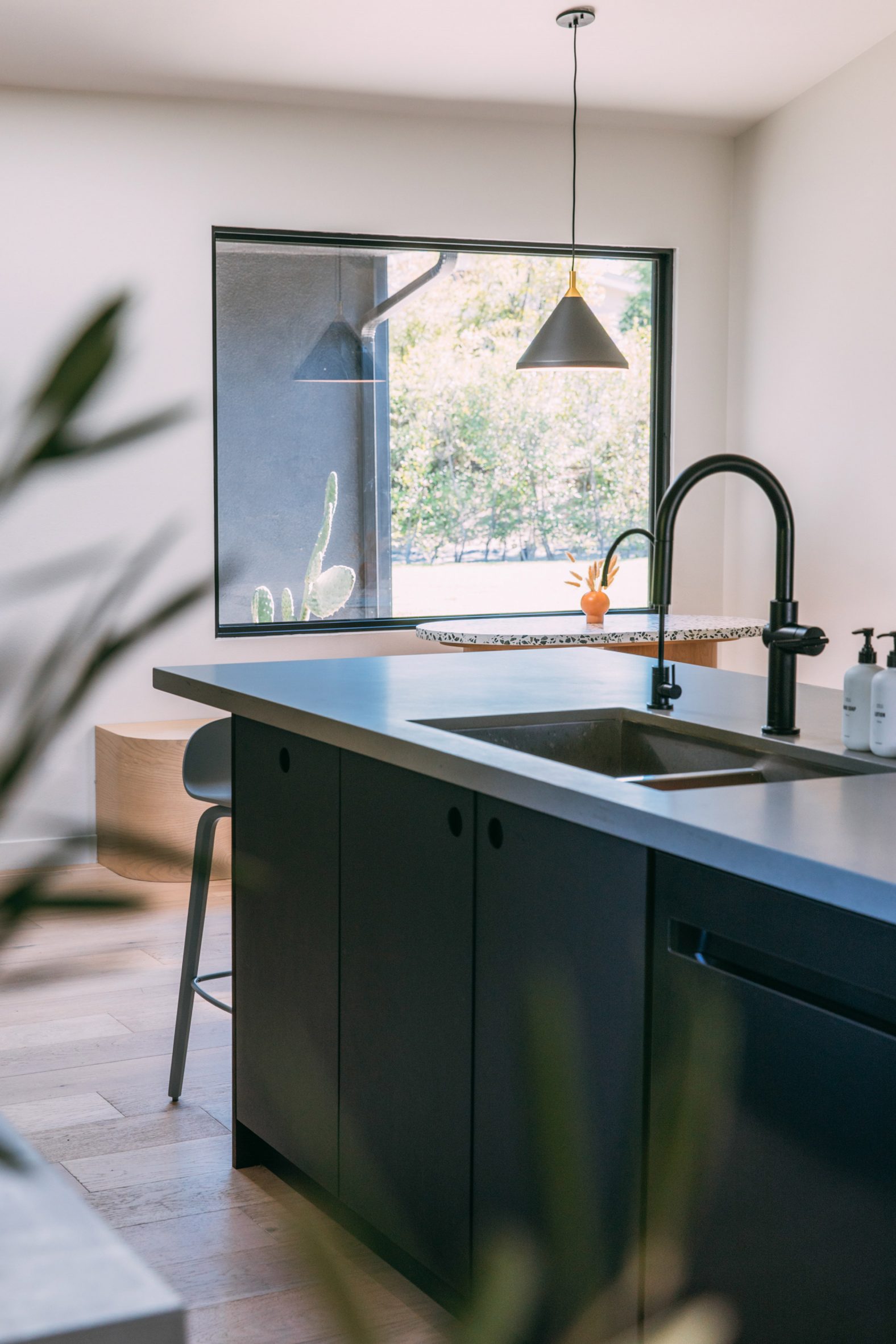
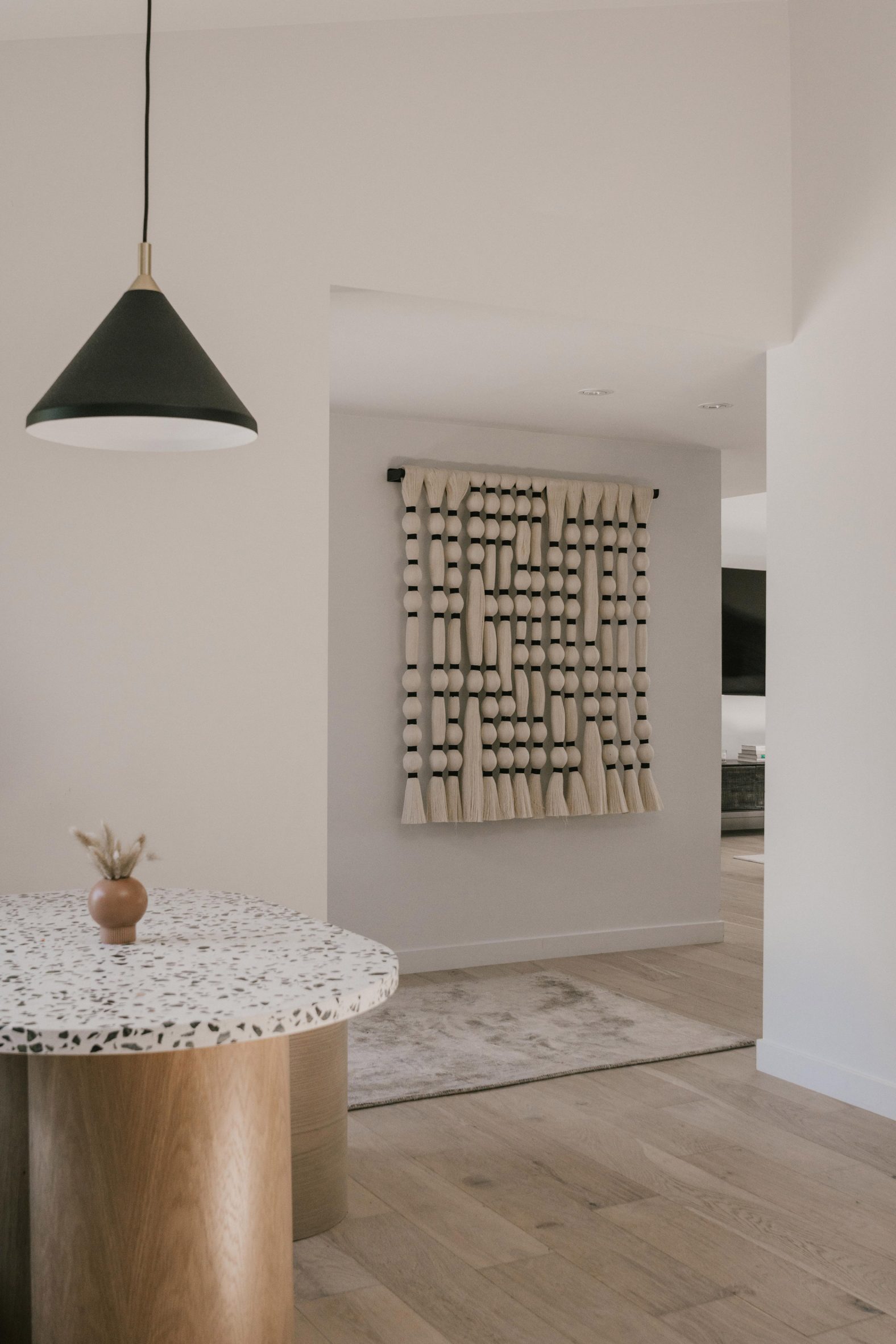
The breakfast nook features a custom terrazzo table

The adjoining dining room has a black marble table from the Mexican brand Casa Quieta, which also supplied the chairs. Overhead is a Mori pendant from Brooklyn's RBW.

In the kitchen, the designers sought out premium materials that would be easy to maintain. The prefabricated cabinets are from the Danish company Reform, and the quartz countertops are from Caesarstone.

A bunkbed in the children's bedroom
A children's bunkbed has a rearrangeable configuration

A breakfast nook features a custom table made of terrazzo from California-based Concrete Collaborative. The terrazzo was actually leftover from a refurbishment of the guest bathroom.

The table has a white oak base – the same wood used to fabricate the surrounding bench. Oak also was used for the flooring throughout the home.

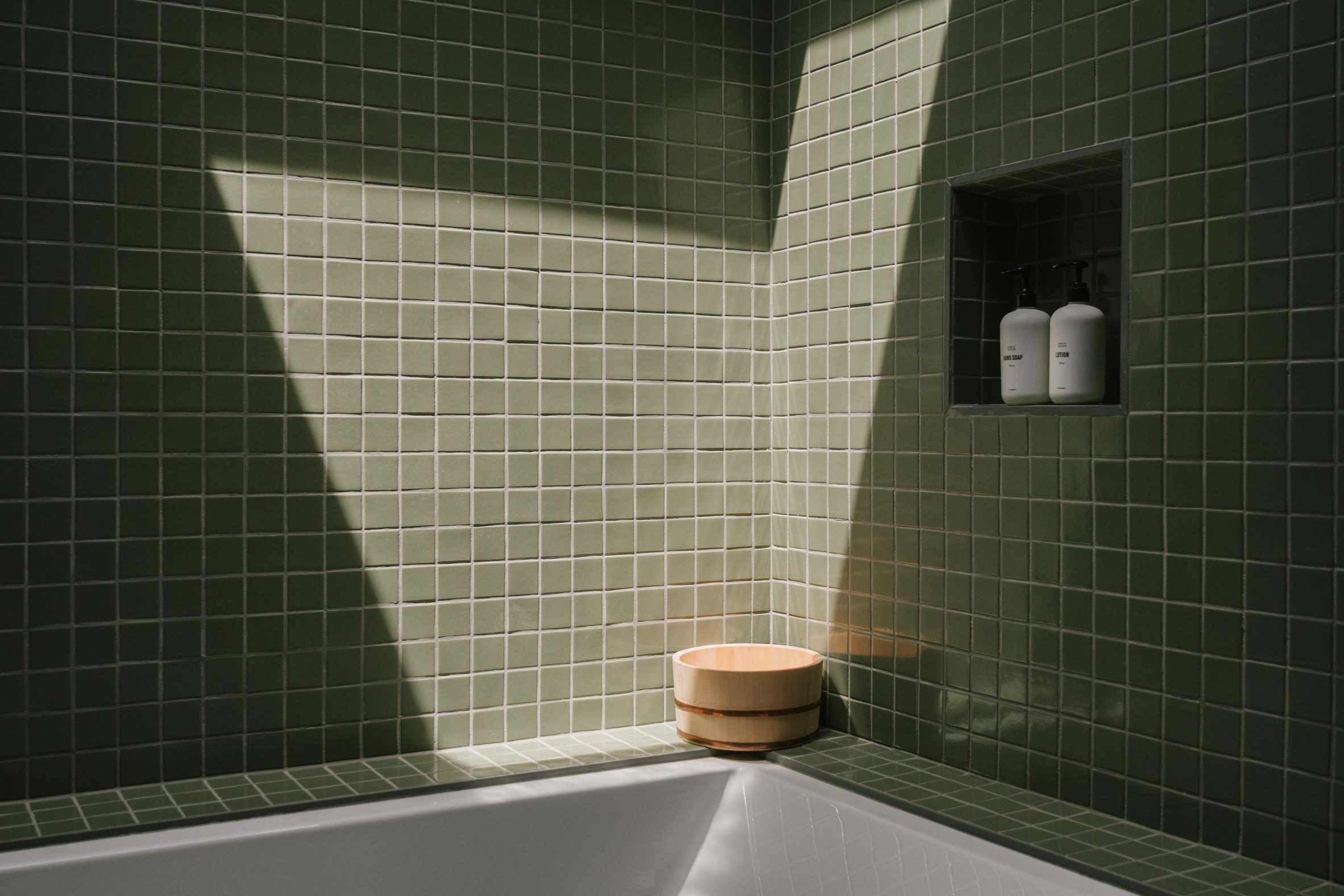
Zen Den has bathrooms with tiles from Fireclay
Green ceramic tiles feature in the bathroom

The sleeping areas feature neutral colours and cosy decor. In a kid's bedroom, the designers installed a wooden bunk bed from Oeuf that can be arranged in different configurations.

Bathrooms feature sinks from Concretti, countertops from Concrete Collaborative and ceramic tiles from Fireclay. Kuzco lighting and Kohler fixtures round out the selection.

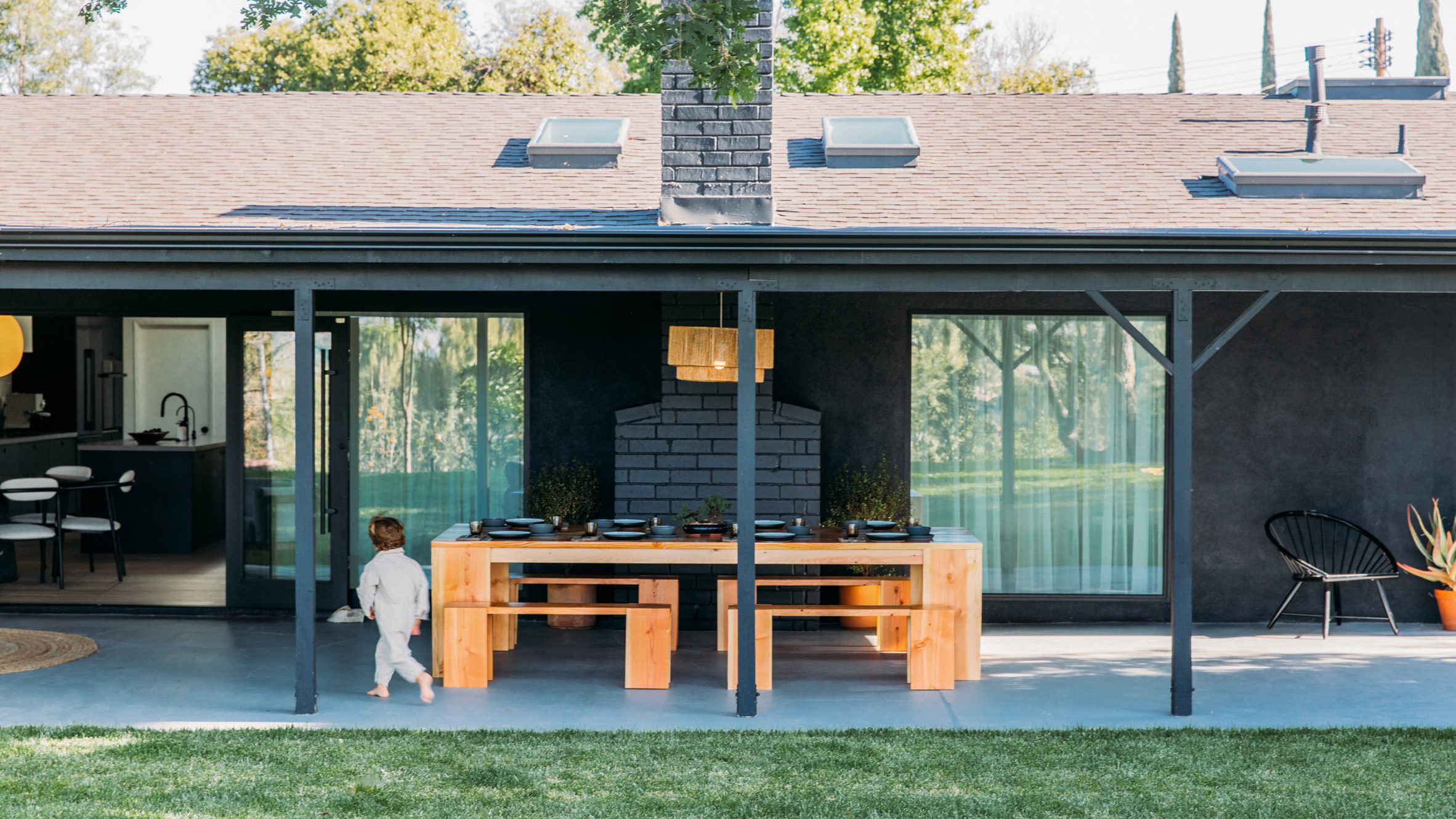
An outdoor living area includes a large dining table

Given Southern California's pleasant climate, the designers wanted to incorporate an opportunity for indoor-outdoor living. A rear patio is adorned with a sectional sofa from Neighbor and a chunky accent table from Zachary A, along with a custom dining set that seats up to 12.

Other projects by Working Holiday Studio include Casa Miami, an all-white holiday home that stands in stark contrast to its desert setting in California, near Joshua Tree National Park. Like Zen Den, the house is meant to be shoppable, with guests able to purchase the decor via a dedicated website.

The photography is by Candida Wohlgemuth and Carlos Naude.

The post Los Angeles ranch house becomes Zen Den by Working Holiday Studio appeared first on Dezeen.


from Dezeen https://ift.tt/3mfRbDU

A bright red bridge features in today's Dezeen Weekly newsletter

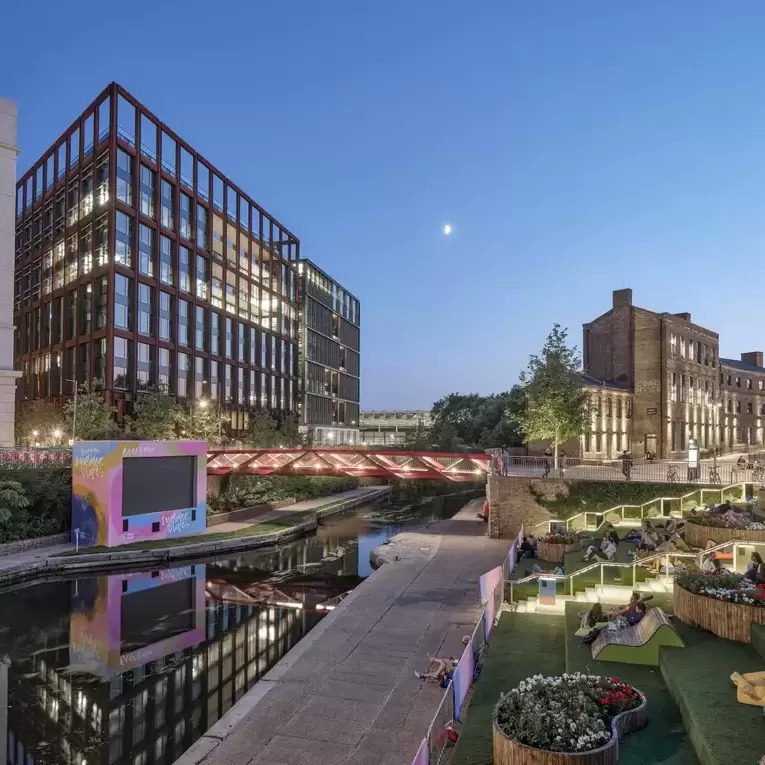
The latest edition of our Dezeen Weekly newsletter features a bridge designed by Moxon Architects for King's Cross in London.

Moxon Architects has teamed up with engineering firm Arup to install a bright red bridge across Regent's Canal at King's Cross in London.

The bridge forms a new route into the Thomas Heatherwick-designed Coal Drops Yard shopping development.

Readers are fairly impressed. One said, "To the designer's credit, it looks like a bridge".

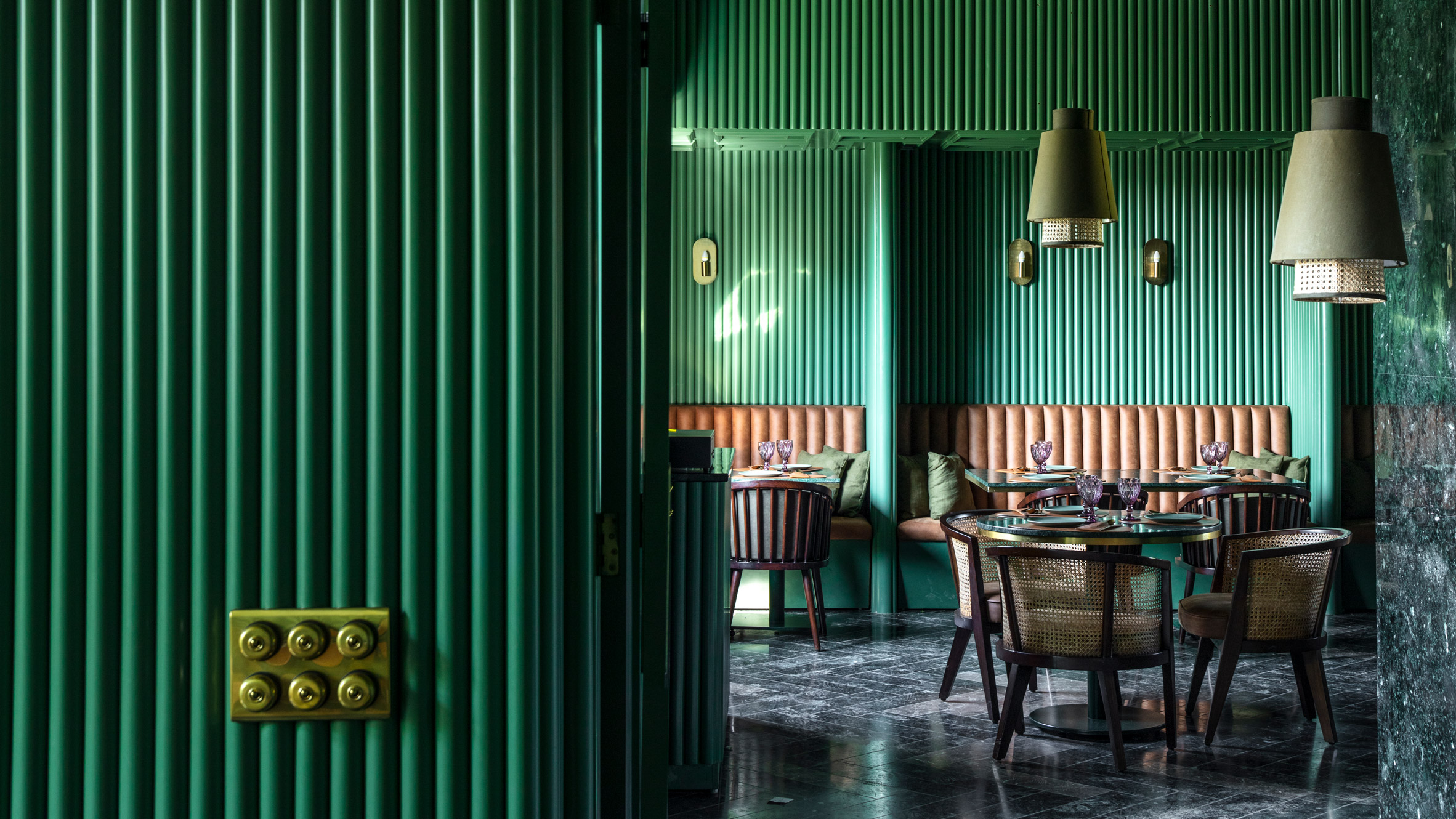
Elgin Cafe by Renesa Architecture in Punjab, India
Studio Renesa creates green granite interior for restaurant in Punjab

Other stories in this week's newsletter include a green granite restaurant in Punjab, India, the conversion of a 1990s van into a mobile home, and a red metal and brick boarding house in Indonesia.

Subscribe to Dezeen Weekly

Dezeen Weekly is a curated newsletter that is sent every Thursday, containing highlights from Dezeen. Dezeen Weekly subscribers will also receive occasional updates about events, competitions and breaking news.

Read the latest edition of Dezeen Weekly. You can also subscribe to Dezeen Daily, our daily bulletin that contains every story published in the preceding 24 hours.

Subscribe to Dezeen Weekly ›

The post A bright red bridge features in today's Dezeen Weekly newsletter appeared first on Dezeen.


from Dezeen https://ift.tt/2UCoNkc

Diamond Schmitt and Therme Group to transform Toronto's Ontario Place into wellness destination

Therme Group to transform Toronto's Ontario Place into water and wellness destination

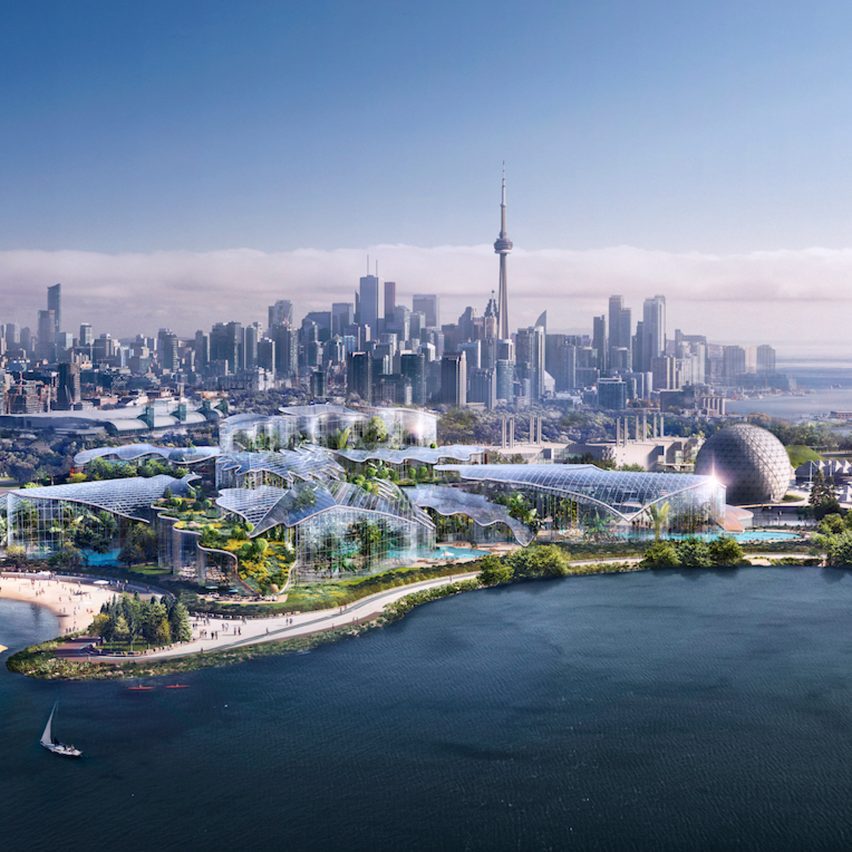
Dezeen promotion: Diamond Schmitt Architects and resort developer Therme Group have unveiled plans to overhaul the lakefront Ontario Place in Toronto by adding swimming pools, botanical gardens and art experiences.

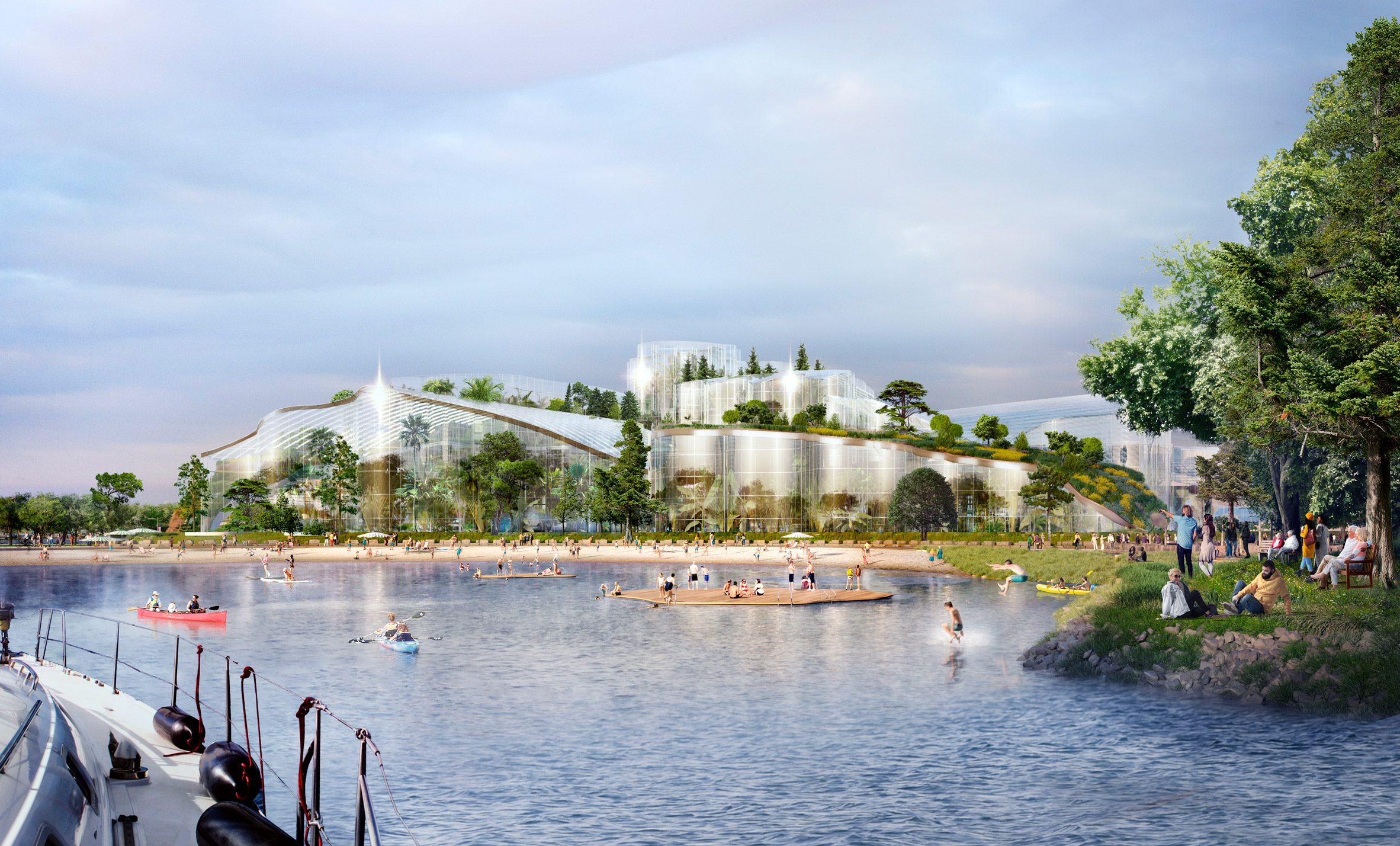
The Therme Canada Ontario Place masterplan sees the 1970s-built entertainment park transformed by combining the existing landmark architecture with new public spaces and cultural attractions.

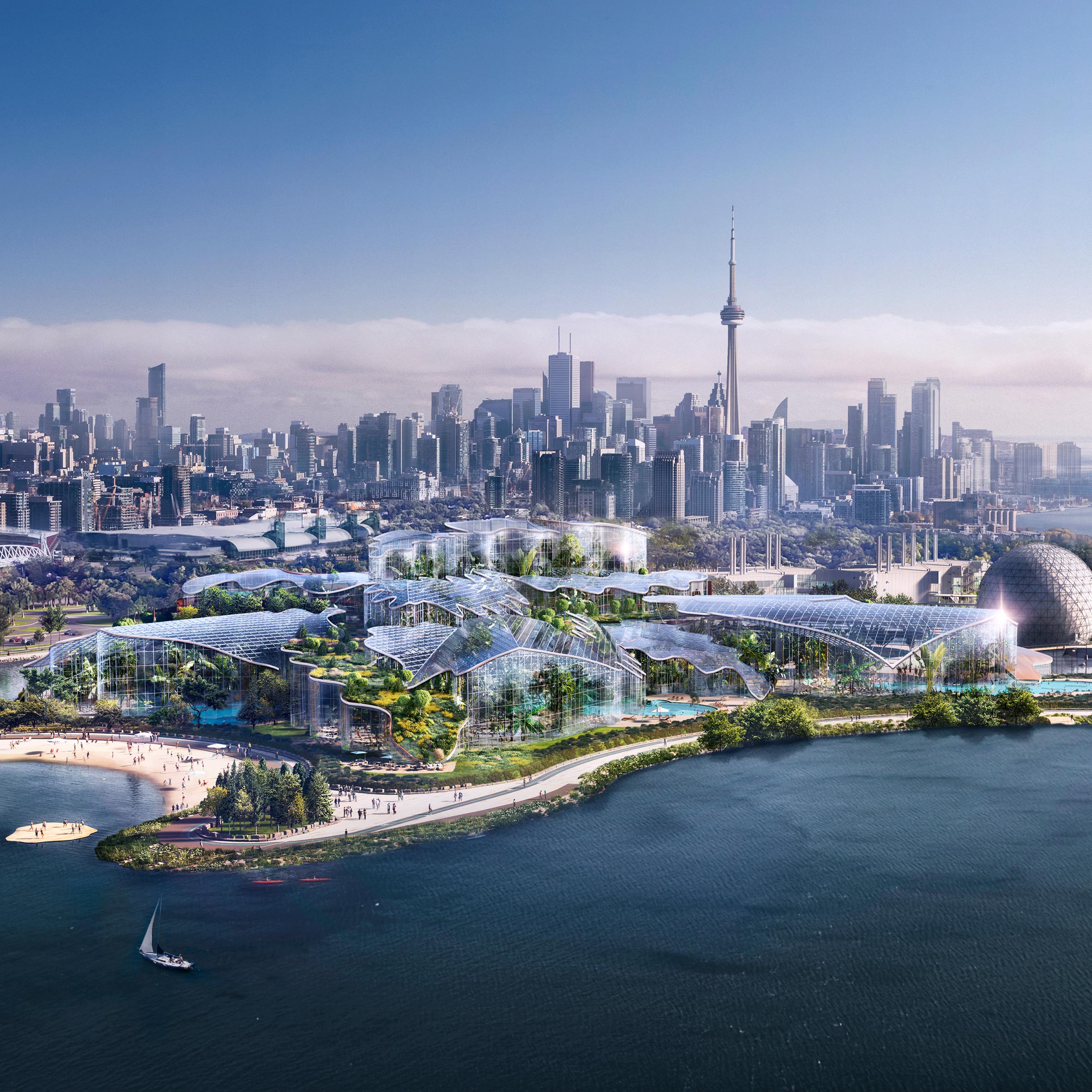
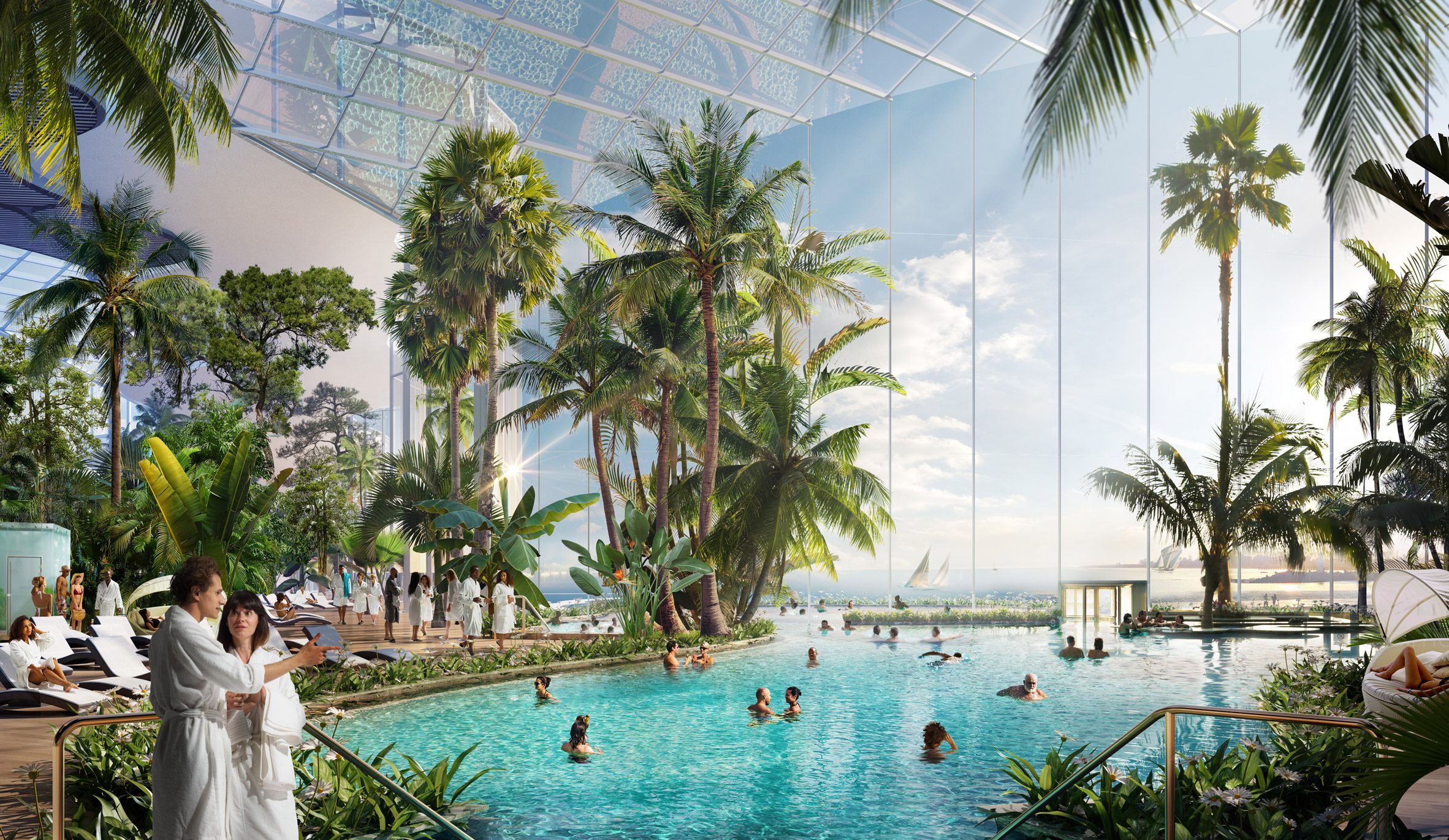
New additions will include a huge glasshouse filled with plants and swimming pools, a flower-shaped exhibition pavilion and a lakefront beach.

A visualisation of Ontario Place being turned into a wellness destination
The lakefront Ontario Place in Toronto will be transformed with swimming pools, botanical gardens and art experiences

"Diamond Schmitt's design for Therme defines a future for urban places that aspire to strong connections in nature to enrich the human spirit," said studio co-founder Don Schmitt, who is based in Toronto.

"The architecture is exuberant, connected to water and the open landscape, grounded in indigenous knowledge and engaged in the heritage and legacy of Ontario Place," he said.

Ontario Place is best known as a site of experimental architecture. Built as part of the legacy of the 1967 Montréal Expo, its buildings include a triodetic dome known as the cinesphere and three pods suspended above the surface of the lagoon.

A visualisation of Ontario Place being turned into a wellness destination
The masterplan sees the 1970s-built entertainment park transformed into a water and wellness destination

The future of the site has been a topic of city-wide debate since it stopped operating as a theme park in 2012, given the significance of its heritage and its connection to Downtown Toronto.

Therme Group's ambition is to bring Ontario Place back to its former glory as a tourist attraction but to open it up to a wider audience by making it more publicly accessible.

As a global leader in wellbeing resorts – with past projects including Therme Bucharest – the developer believes that water-based experiences are key to this revitalisation.

"The future of Ontario Place will be defined by how successful it can be connecting people to the water," said Therme Group CEO Robert Hanea.

"Through our technology and by engaging the community, Therme and our partners will add a new architectural landmark that will play a role in bringing more people back to the waterfront, capturing the original spirit of Ontario Place from 50 years ago," he said.

A visualisation of Ontario Place being turned into a wellness destination
The masterplan combines the existing landmark architecture with new public spaces and cultural attractions

Diamond Schmitt worked closely with Therme Group's in-house design team Therme ARC on the masterplan.

The main Therme Canada Ontario Place building, built from energy-efficient, bird-friendly glass, will combine swimming and wellness facilities with botanical gardens.

The Therme Entrance Pavilion will be formed of three transparent vaults, inspired by the form of a trillium flower.

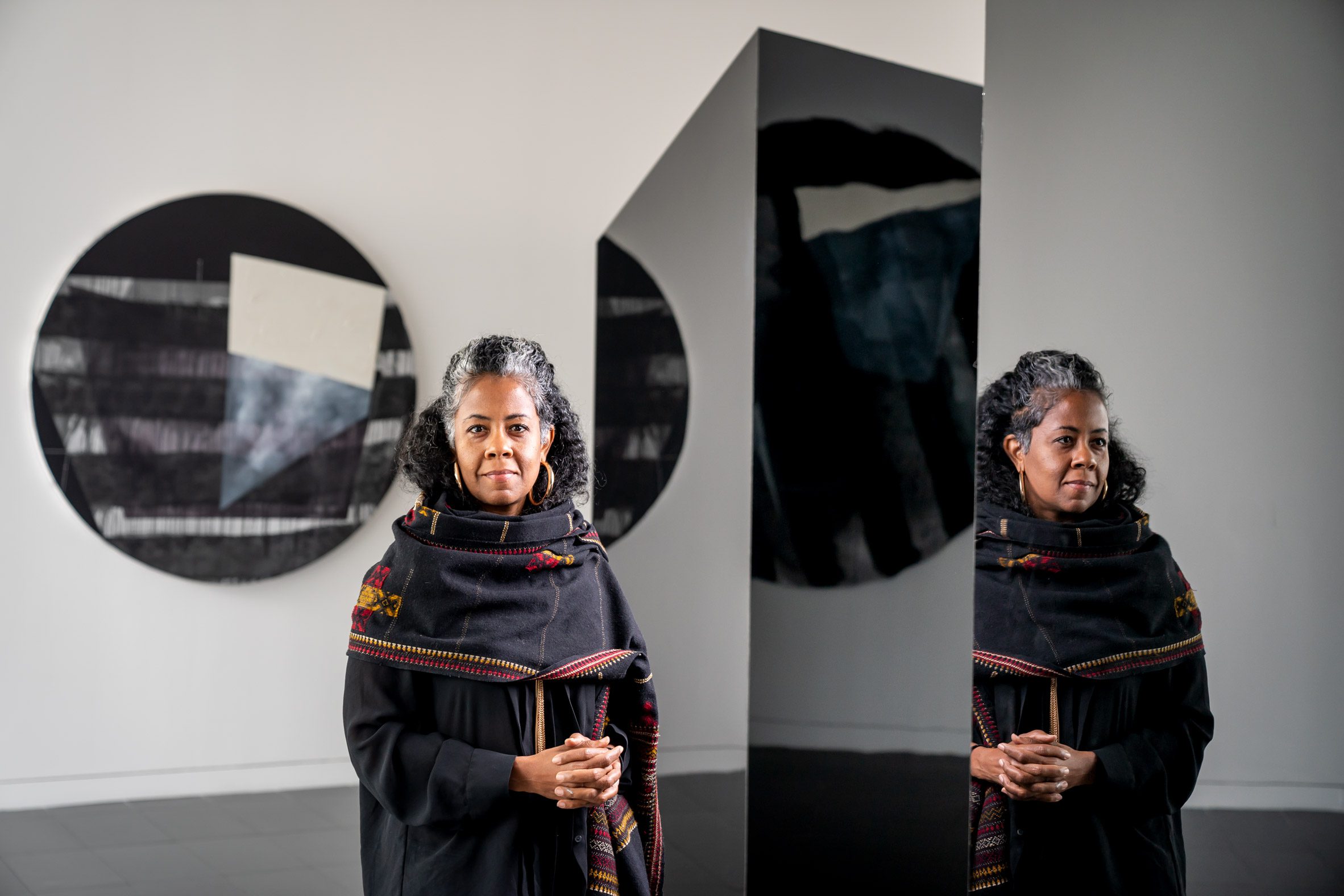
A portrait of Torkwase Dyson who is a Canadian artist
Torkwase Dyson is an artist

This space will host a programme of multi-sensorial art installations and sustainable infrastructural solutions curated by Therme Group's cultural arm, Therme Art.

Therme Art works with a network of artists, designers and architects, such as DRIFT, Torkwase Dyson, Refik Anadol and Stefano Mancuso amongst many others, to develop site-specific projects.

"The design for Ontario Place invites us to explore all of our senses and supports opportunities for ongoing internal and external liberation practices connected to nature," said artist Torkwase Dyson.

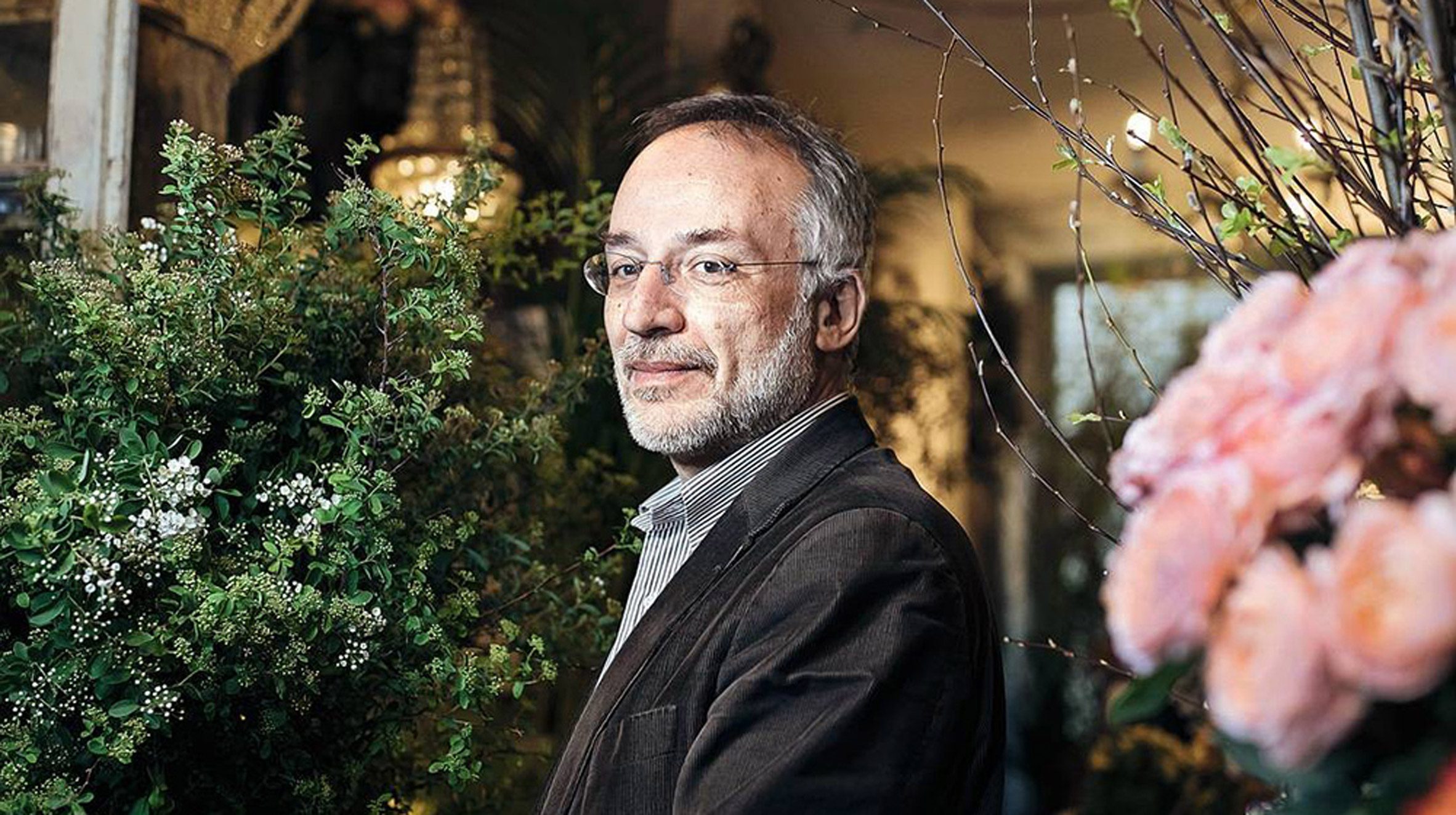
A portrait of Stefano Mancuso who is a plant scientist and Professor at the University of Florence
Stefano Mancuso is a plant scientist and professor at the University of Florence

Across all Therme facilities, including Therme Canada Ontario Place, there will be functional plant-based solutions that intend to purify the air inside the buildings through natural processes and cycles observed in plants.

This function has been informed by urban botanical solutions provider Pnat, led by plant scientist Stefano Mancuso. The concept was shown in Mancuso's installation called Mutual Aid at the 2021 Biennale Architettura in Venice.

The installation shared how humans and plants are interconnected through processes of mutual exchange which promoted discussions at the Wellbeing Culture Forum, Therme Art's platform of interdisciplinary discourse founded in response to the global pandemic in 2020.

"We created Botanical Solutions, a joint venture between Therme Group and Pnat whose plant-based solutions will be widely used in the Toronto project," said Mancuso.

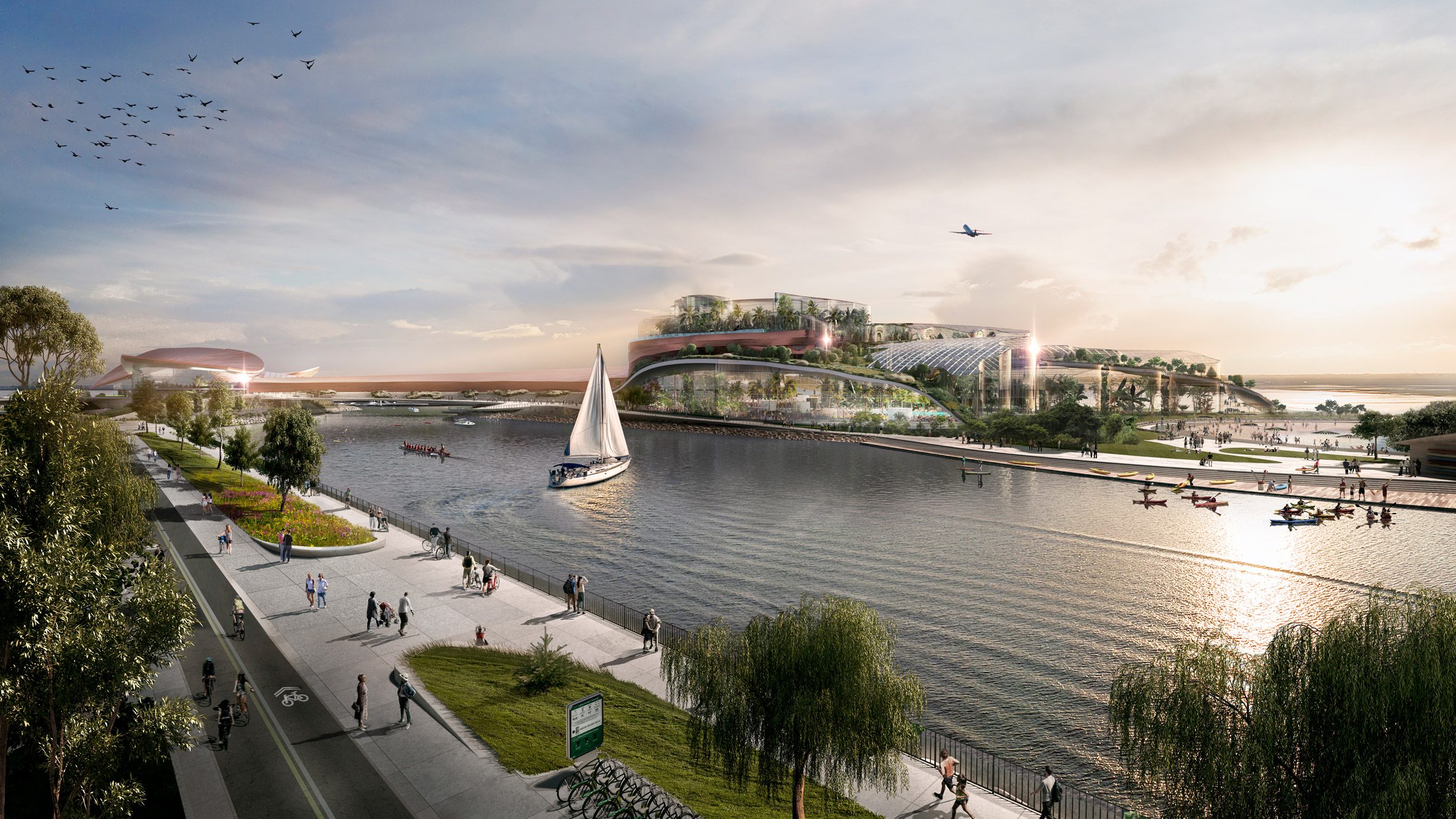
In addition to solutions designed to improve air quality, the scheme also includes 32,000 square metres of public space, including the new beach, green spaces, wetlands, and an enhanced network of pedestrian and cycle paths.

Renovations to the cinesphere and pods will make these spaces more accessible, and a new bridge will be installed to connect the West Island with the mainland.

Toronto's Ontario Place is being turned into a water and wellness destination
The masterplan combines the existing landmark architecture with new public spaces and cultural attractions

"Therme is grounded in the planned expansion of public park space," said Diamond Schmitt principal Gary McCluskie. "It honours and celebrates Ontario Place's history, including the pods and cinesphere."

"We designed the West Island of Ontario Place to connect people to the water year-round," he stated. "Our design weaves three themes, expressed through architecture: exhibition pavilions; natural forms; and greenhouse architecture."

Once complete, Ontario Place is expected to attract three million visitors every year and become a linchpin of the city's post-Covid transformation.

Throughout the project, Therme Art will work with local Toronto communities with the aim of improving lives with culture.

"Therme Art will work closely with Toronto's local scenes, through synergic expansion in relation to the environment and its communities, by proposing long-lasting alternatives for the improvement of people's lives at the core of cultural enhancement," said CEO of Therme Art and Vice President of Therme Group, Mikolaj Sekutowicz.

To read more about the project, visit Therme Canada's website.


Partnership content

This article was written by Dezeen for Therme Canada as part of a partnership. Find out more about Dezeen partnership content here.

The post Diamond Schmitt and Therme Group to transform Toronto's Ontario Place into wellness destination appeared first on Dezeen.


from Dezeen https://ift.tt/3AYeNBo

Nine art and design projects from the Chelsea College of Arts Graduate Showcase

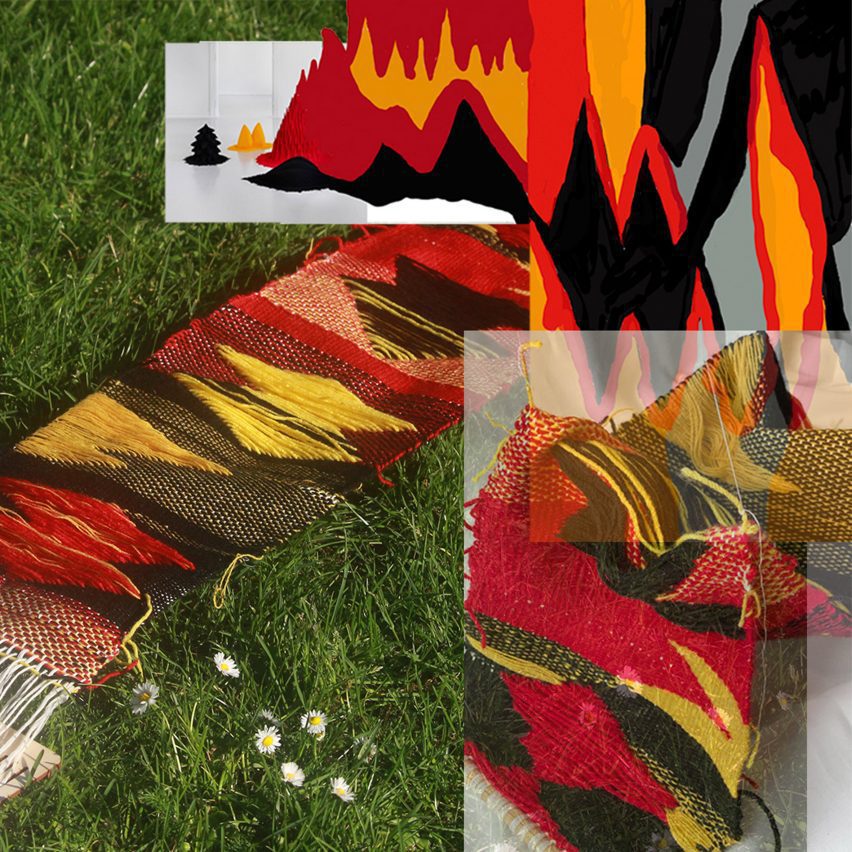
A red and yellow textile project

A physio-rehabilitation centre designed to enhance patient recovery and a project exploring the traditional weaving craft of the Li people in China's Hainan Province are included in Dezeen's latest school show by students at the Chelsea College of Arts.

Also featured is a textile installation referencing the importance of plants to a student during the coronavirus lockdown, and a textile project made out of discarded tea and Irish moss.


Chelsea College of Arts

School: Chelsea College of Arts

Courses: BA (Hons) Graphic Design Communication, BA (Hons) Fine Art, BA (Hons) Interior Design, BA (Hons) Textile, DesignBA (Hons) 3D Design (now BA (Hons) Product and Furniture Design at Chelsea College of Arts), Graduate Diploma Textile Design, Graduate Diploma Fine Art, Graduate Diploma Interior Design and Graduate Diploma Graphic Design

School statement:

"The challenges of the past year have brought Chelsea's global networks to the forefront of our students' experience.

"Working together with classmates and colleagues internationally, our artists and designers have developed complex creative responses to the social, cultural and political issues arising from uncertain circumstances.

"Chelsea College of Arts Graduate Showcase is the place to discover the newest names in art, communication and design. You can view work online at the Graduate Showcase website."
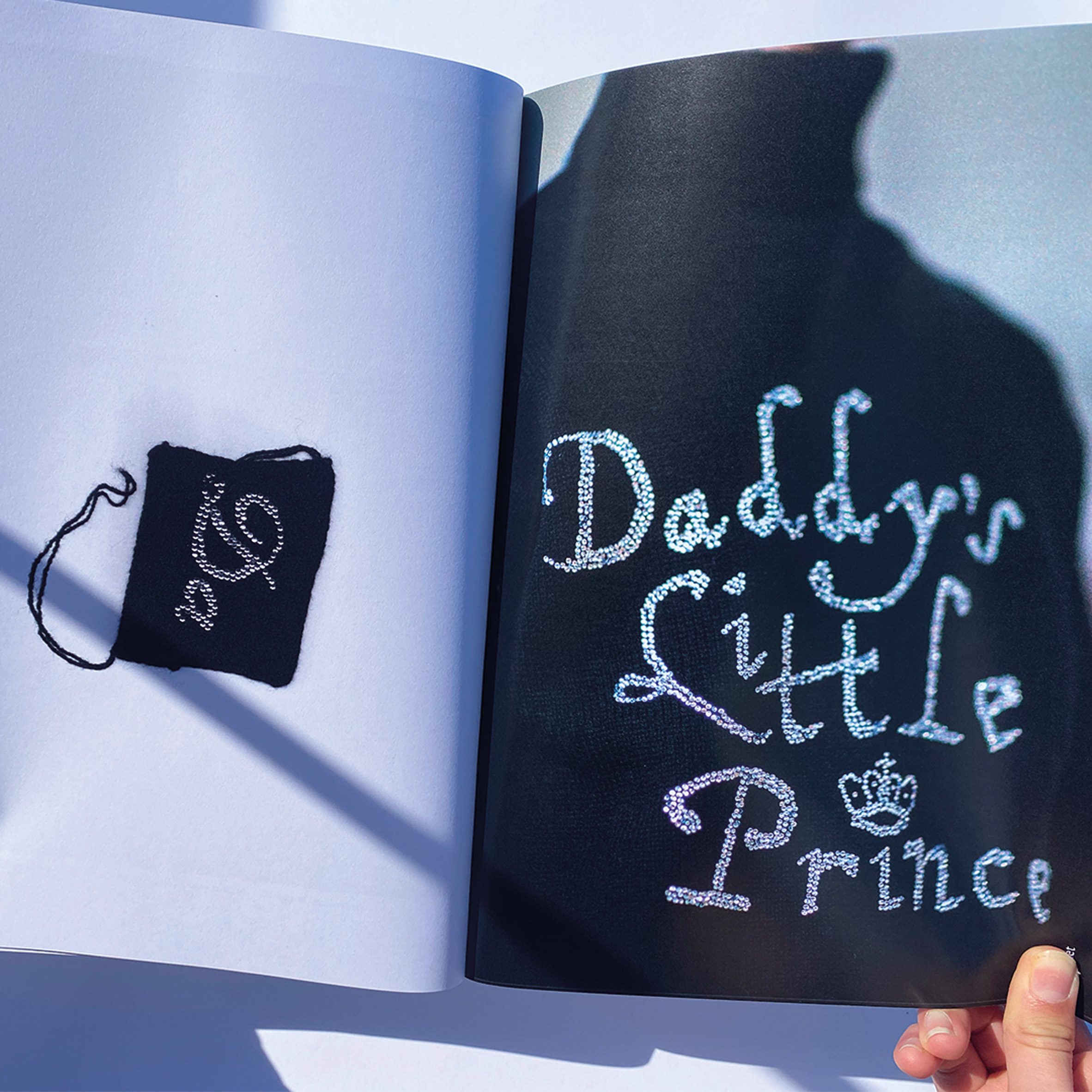

A book of embroidered work. This page says "Daddy's little Prince"

An Audition by Katie Beddoe

"Led by both historical and modern contexts, this is a playful film and photography project which works at the intersection between multiple creative crafts.

"Literature, textiles and dance interact to redesign the costumes of three Shakespearean characters. The project draws on not just their original forms, but later creations within ballet, film and popular culture."

Student: Katie Beddoe
Course:
BA (Hons) Graphic Design Communication


A beach in Greece with green and blue water

Live Your Myth In Greece by Katerina Mimikou

"Join us in Greece, where all your dreams can come true! Experience the untold ancient myths, hang around with the gods and goddesses, visit the place where true democracy was born. Have some souvlaki, some tzatziki, some spanakopita! And ouzo! And let's break some plates.

"Many times these questions are asked: 'Why did you ever leave such a beautiful country?' and the much-heard phrase 'Stay abroad. Don't come back to Greece.'

"Live Your Myth In Greece is a project based on antithesis. The antithesis of dark and light, of what's advertised and happening in reality. The laughing and crying, the myth of a country and the real version, the intimacy and the impersonal.

"A project based on the crisis, personal and collective. It's a project about living in capitalism."

Student: Katerina Mimikou
Course: BA (Hons) Fine Art

Plans of Fish and Coal Offices in King's Cross

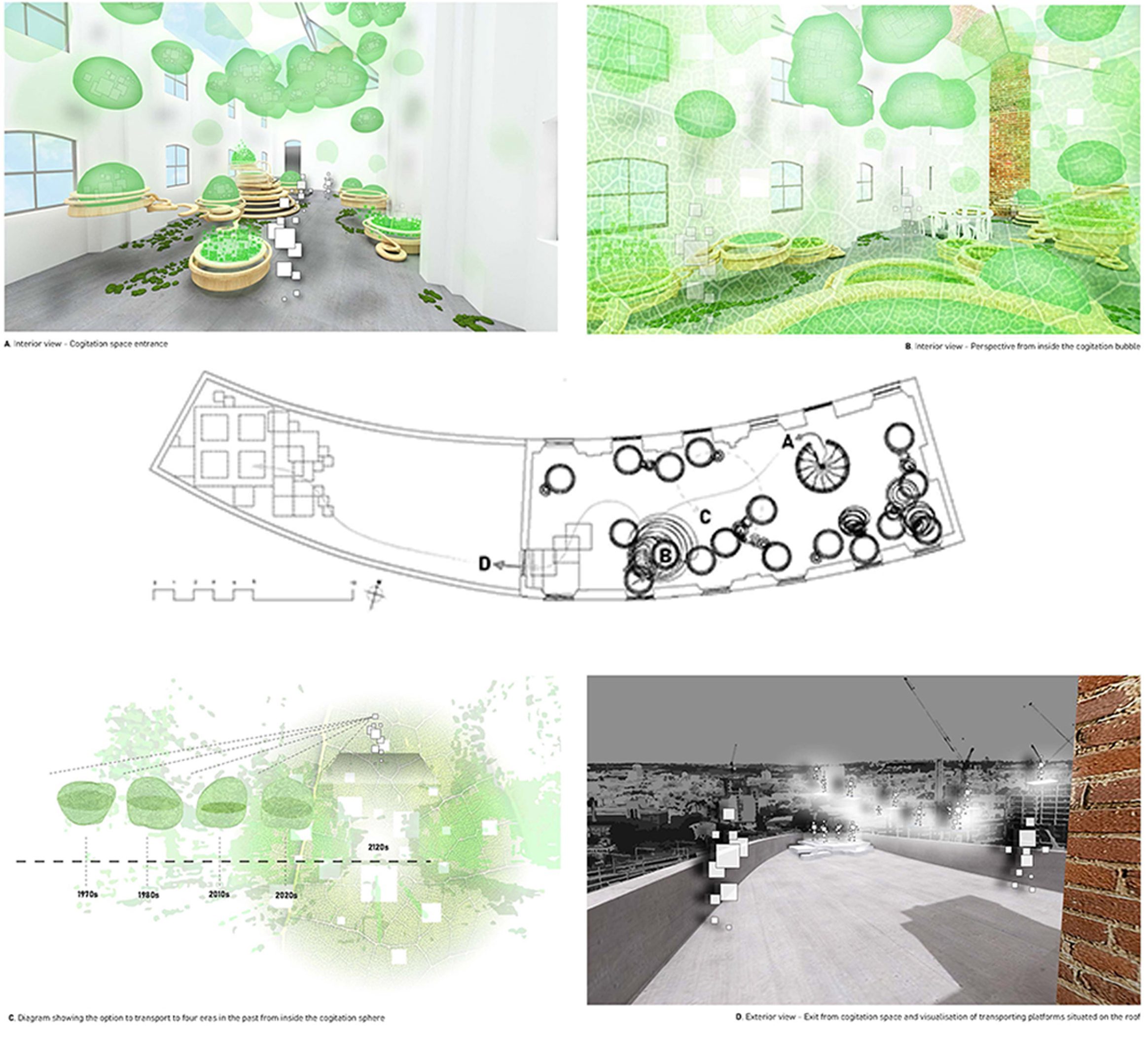
The Immaterial Institute by Catrinel Visan

"The Immaterial Institute is a cultural centre placed in a hundred years' time in the socio-cultural context of a genderless community. The project analyses the influence that the lack of unconscious gender biases has on the built environment. It proposes an ultimate goal: the complete removal of prejudice, presenting a society in which everyone focuses on the importance of multiculturalism and communal living.

"The proposal is situated inside the present Fish and Coal Offices in King's Cross, utilizing the second and third units from East to West due to their higher visibility on site. The first section hosts a performance space where people are enabled to interact inside zero-gravity spheres.

"The second section of the building contains a sensory experience that awakens the five trivial human emotions at the ground floor, as a preparation for the cogitation journey placed on the first level through which people can experience the present or the past. The programme aims to challenge unconscious biases and promote the beauty of multiculturalism and communal living.

"The space is designed to adapt and evolve to the ever-changing needs of humans, the development of the space being organic within a fixed structure and following the queer architectural proposals whilst binding the aesthetics of binary spaces. The whole design pursues creating an unbiased world, just like the gender removal process aims to remove the sex preconceptions."

Student: Catrinel Visan
Course: BA (Hons) Interior Design
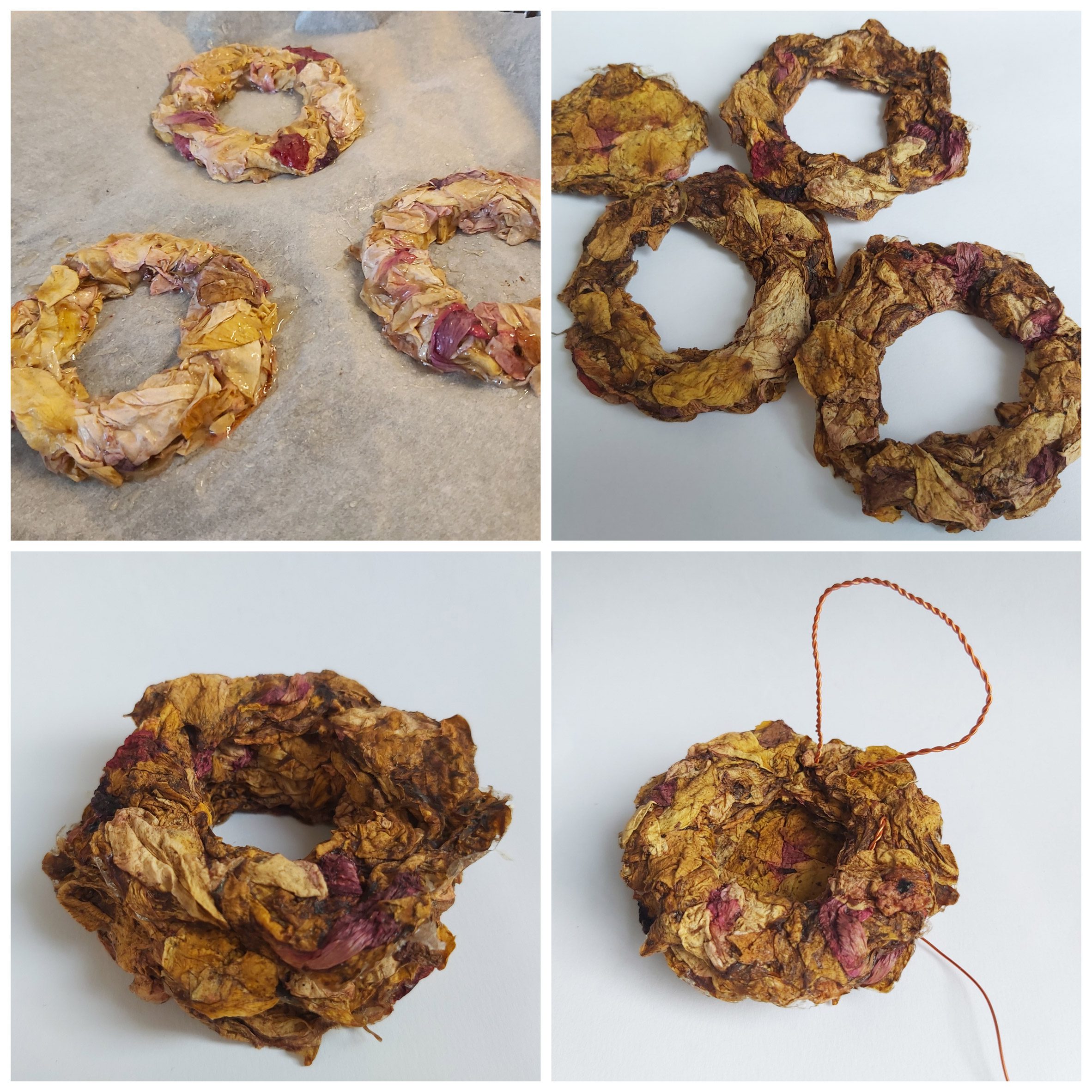

Textile project made from dried flowers and moss

An Alternative Practice by Lora Aleksandrova

"I am concerned about the waste we as designers produce while working on a project. Even though the goal could be to create a sustainable object, the process still involves tests and models, which get thrown away and turn into waste.

"I wanted to change my practice through this project which is why I called it 'An Alternative Practice'. I was trying to create material out of discarded tea and carrageen (Irish moss). However, while working, I realised that sustainability is a tricky subject.

"And even sustainability leaves some footprint on the environment. After I came to that conclusion, my project switched direction. Rather than trying to create a practical object of the material, I wanted to show the fragility of sustainability.

"The background is an essential part of the piece. I used the pieces of paper which got stained during the drying of the material. They are a symbolic sign of the footprint of sustainable practice."

Student: Lora Aleksandrova
Course:
BA (Hons) 3D Design (now BA (Hons) Product and Furniture Design at Chelsea College of Arts)
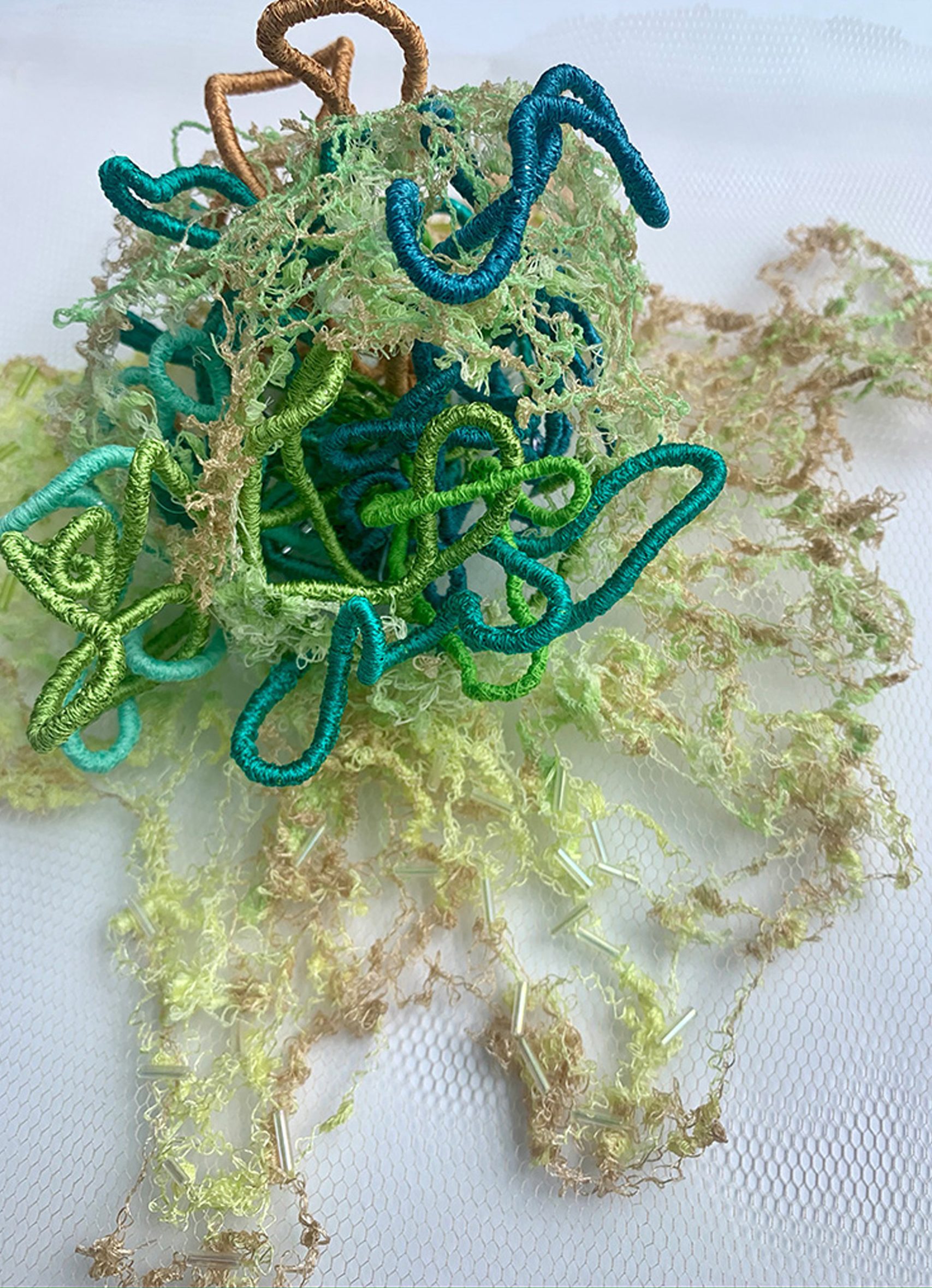

A textile project of green moss

Inside the Greenhouse by Xianxuechun Xiao

"We have been forced into a controlled environment with a lack of connection to the physical world, a non-native environment. This change in circumstances forced me into implementing a safe space for myself, highlighting the safe space implemented for the plants within the greenhouse and terrariums. I wanted to highlight the feeling of being protected yet restricted and trapped at home.

"It is using symbolism, metaphor and imagination in the textile fine art form. My project engages with the plant matter and nature around me, expressing the frustrating miscellaneous attitudes about staying at home for safety, and desire for the outdoor and future.

"'Inside the Greenhouse' is a collection of 3D installations of textile art with mix-media embroidery. Using machine embroidery with water dissolvable fabric and drying it out as different uniques 3D forms to create unexpected 3D organic sculptures. The unique stitch techniques with fabric manipulation create both soft and intricate sculptures."

Student: Xianxuechun Xiao
Course: BA (Hons) Textile Design
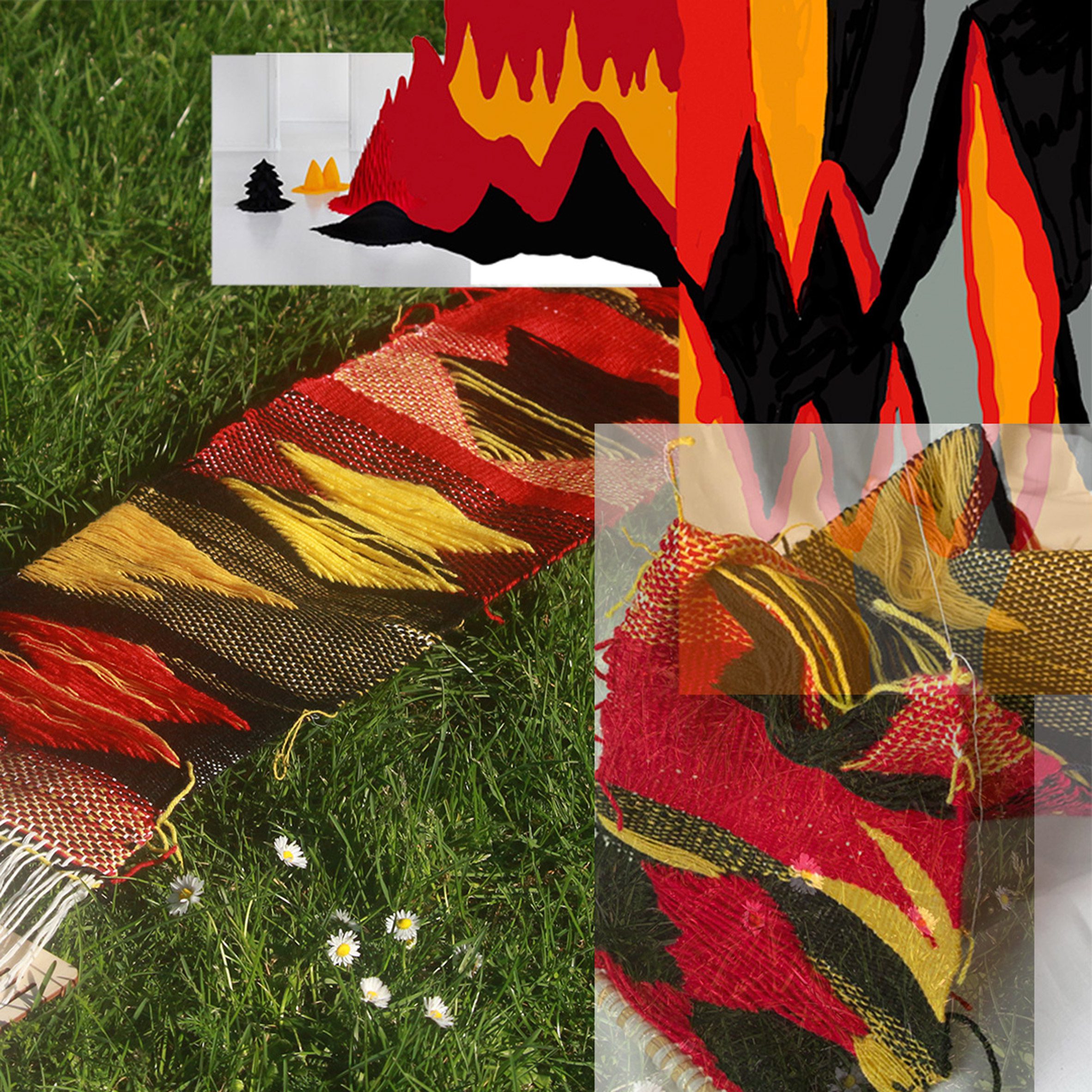

A textile project with red and white patterns

A Contemporary Manifesto for Traditional Craft by Yifan Yang

"My project focuses on the traditional brocade weaving craft of the Li people in Hainan Province, China. Li brocade textiles are a living fossil in the history of Chinese textiles and represent the highest level of Li craftsmanship, covering three primary techniques: spinning, tie-dyeing and weaving.

"These are three works that relate to the traditional crafts of the Li people and are abstractly combined with contemporary art.

"The first two pieces provide a step-by-step interpretation of the traditional process of Li tie-dyeing. By deconstructing the methods of tie-tying and herb-dyeing, they abstract the process and then design the artworks that use contemporary abstract art techniques.

"In the video, images of the crafting process are reflected in the woven pieces, and this dynamic form of video is an independent statement of the traditional craft in the context of contemporary art. This transformation is a continuation and interpretation of traditional handicrafts in the language of contemporary art."

Student: Yifan Yang
Course: Graduate Diploma Textile Design


A fine art project of four men in white shirts

Broski by Joseph Ijoyemi

"My practice represents a critical view of social and cultural issues. I have deep interests in mental health, the Black Lives Matter Movement and Nigerian African culture.

"The inspiration for my work comes from my own life experience and through conversations with my community. I aim to tell a story. Each project usually consists of multiple works grouped around specific themes and meanings to create a series. A new piece of work usually stems from the personal research and key events in my life."

Student: Joseph Ijoyemi
Course:
Graduate Diploma Fine Art
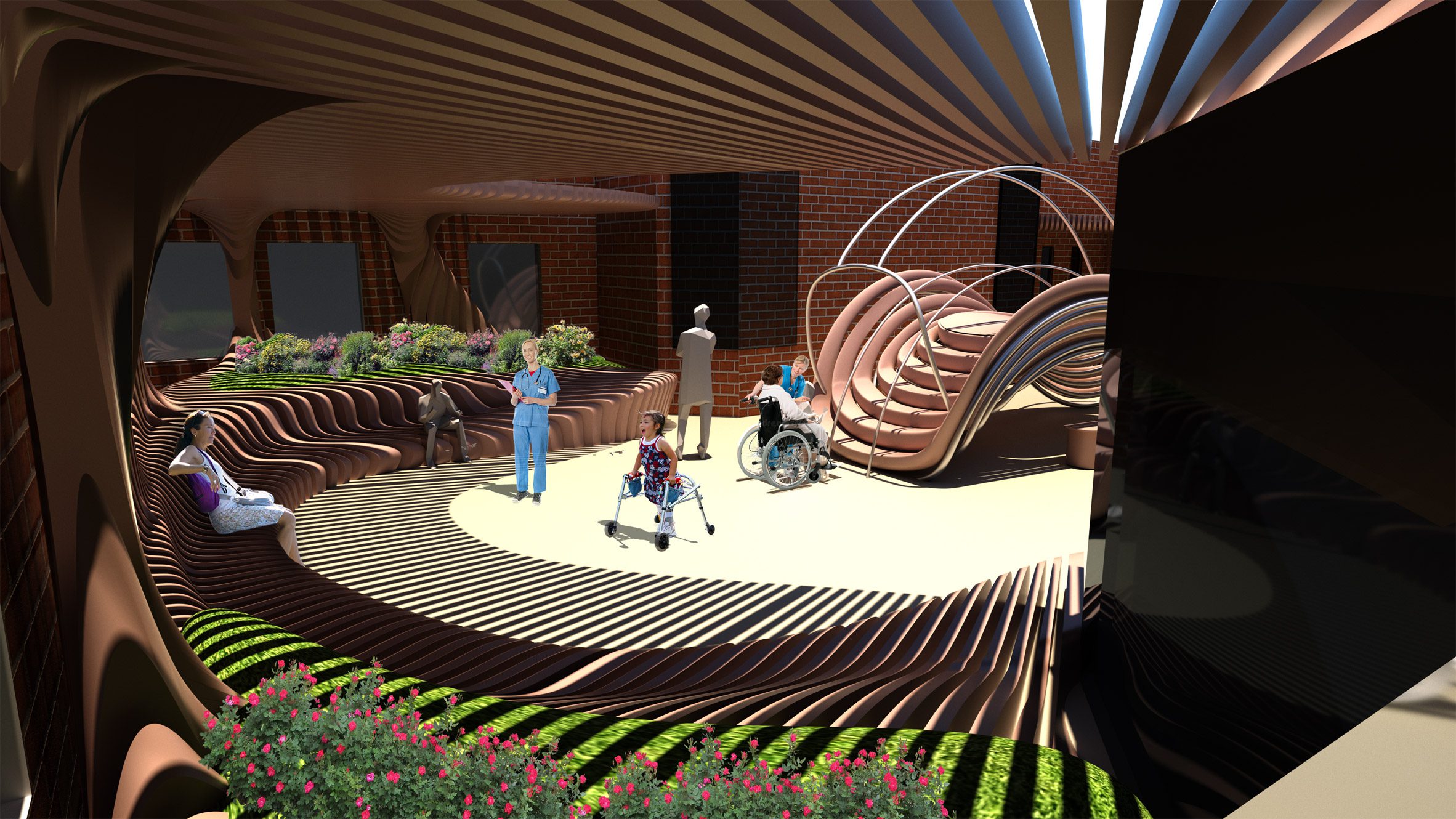

A rehabilitation centre with brown and white patterns

The Royal Brompton Hospital Physio-rehabilitation by Zainab Al-Rawi

"The Royal Brompton Hospital Physio-rehabilitation is designed to help patients engage with other patients with similar health issues.

"This is to exercise and enhance patient recovery by combining patients, patients' families and children in a playful atmosphere and help patients exercise confidently independently.

"This design is an environment-friendly and self-containing sculpture where most of the physiotherapy equipment is built-in."

Student: Zainab Al-Rawi
Course: Graduate Diploma Interior Design
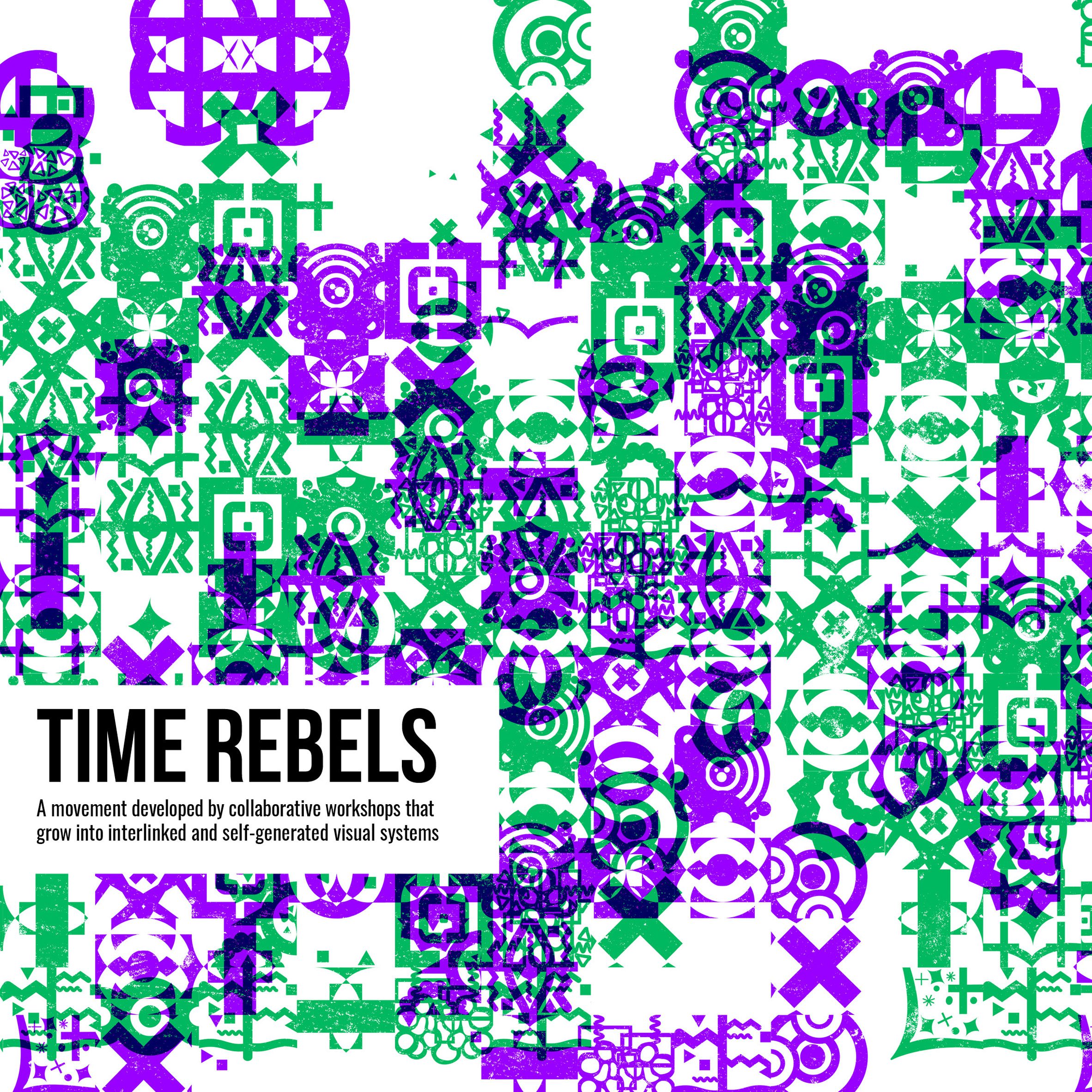

A purple and green graphic design project

Time Rebels by Thais Mota

"The manifesto was one of the essential tools for this project. Placing the Time Rebels' movement into the real world and defining its values guided me through the process. I designed participatory open-access workshops where each idea was formed from concepts mentioned in the movement's manifesto.

"I used different approaches – stamping, layering, filling spaces and drawing according to arbitrary instructions – to engage with the highlighted concepts."

Student: Thais Mota
Course: Graduate Diploma Graphic Design


Partnership content

This school show is a partnership between Dezeen and Chelsea College of Arts. Find out more about Dezeen partnership content here.

The post Nine art and design projects from the Chelsea College of Arts Graduate Showcase appeared first on Dezeen.


from Dezeen https://ift.tt/3ghAiVI
"If we act together now, we change the world"

Edward Mazria from Architecture 2030

Architects can prevent the worst effects of climate change by deciding to design and build to net-zero carbon standards, argues Edward Mazria, architect and founder of non-profit organisation Architecture 2030.


Architecture 2030 is calling on all architects, planners, engineers and those responsible for designing and constructing the built environment worldwide to design all new buildings, renovations, landscapes, cityscapes and infrastructure to be zero carbon beginning right now.

If we act together today, we prevent the worst effects of climate change. Our calling is, and has always been, to make the world a better place. Now we get the chance to do it on a global scale and help protect life on the planet. If we act together now, we change the world.

Almost 15 years ago, in 2007, I was sitting next to doctor James Hansen at the Architecture 2030 Global Emergency Teach-in and asked him: "When will we begin to see the actual effects of global warming?"

He leaned over and whispered: "At about one degree Celsius warming". Today, I checked NASA’s "Vital Signs of the Planet" website and sure enough, the planet is currently at 1.02 degrees Celsius warming above pre-industrial levels.

The time for half measures and outdated timelines is over

As I write this, ​​the IPCC just released an alarming report on the state of the climate crisis, and brutal heat waves, droughts, deadly flooding and fires are shattering records all over the planet and currently ravaging Europe, North America, China and India – the regions currently responsible for 58 per cent of all global CO2 emissions.

These events have driven home two essential facts: we’re all in this together and must all act quickly and boldly. The time for half measures and outdated timelines is over if we are to prevent irreparable destruction of our cities, towns, and natural environments.

As architects and design professionals, we have a unique and critically important role to play. Buildings alone account for about 40 per cent of total annual global CO2 emissions and with building interiors, sitework, landscapes, cityscapes and infrastructure, that percentage is much, much greater.

Our community must provide the leadership necessary

If the world is to meet the 1.5 degrees Celsius carbon budget set out in the Paris Agreement, our community must provide the leadership necessary and reduce CO2 emissions in the entire built environment by 65 per cent by 2030 and to zero by 2040.

We directly shape and influence the built environment worldwide and are the one industry across all political and geographic boundaries with the design and planning freedom to affect global emissions immediately. In other words, we can decide to design and build to zero-carbon today.

How difficult is it to design to zero carbon? Not difficult at all.

Zero carbon in three steps:

1. Design to the latest code standards
Design all new buildings, major renovations and developments to the most current energy code standards – ASHRAE 90.1 2019 and IECC 2021, their equivalent, or better. In other words, design energy-efficient buildings that use little energy to operate.

Local building energy codes only set minimum energy efficiency requirements and do not prevent architects, engineers and building sector professionals from designing to the most current code standards or producing energy-efficient buildings.

Designing to current standards has several advantages – they are evaluated to be cost-effective, reduce occupant energy burdens, and include ready-to-use energy modeling compliance tools, checklists and trade-off options such as COMcheck and REScheck. In the developing world, free EDGE software can be used to design energy-efficient commercial or residential buildings in over 160 countries. EDGE will pinpoint least-cost options, calculate utility savings, payback periods and a building’s carbon footprint.

2. Design all-electric and renewables 
Design all new buildings, major renovations and developments to use no on-site fossil fuels – no gas, oil or propane – and to be 100 per cent powered by on-site and/or new off-site renewable energy.

Burning fossil fuels directly in buildings accounts for about 5.4 per cent of total worldwide greenhouse gas emissions, and burning gas, oil and propane in buildings accounts for 35 per cent of all US building sector CO2 emissions. To meet the 1.5 degrees Celsius carbon budget, buildings must be designed all-electric, with the electricity supplied by on-site and/or new off-site renewable energy (see the Zero Code and 2021 IECC Zero Code Appendix).

The health, economic and environmental benefits of all-electric buildings are well documented. This will also further lay the groundwork for new renewables to decarbonize the power sector and, in turn, the existing building sector.

3. Zero out embodied carbon 
While steps number one and two will produce zero-carbon building operations, it is also critical that we confront the embodied carbon of construction and building materials if we hope to phase out CO2 emissions by the year 2040.

Architects, planners and designers can minimize the embodied carbon emissions from all new buildings, major renovations, infrastructure and construction by adopting the following:

a. Reuse
Repurpose and upgrade urban areas and renovate existing buildings instead of constructing new buildings whenever possible; use local and recycled materials when available; design buildings so that they can be deconstructed and their materials reused at the end of life.

b. Reduce
Infill and densify urban areas to utilize existing infrastructure; reduce material use by optimizing structural designs; specify low- to zero-carbon materials using comparative tools such as the Embodied Carbon in Construction Calculator
(EC3), among many others.

c. Sequester
Use mass timber and glue or cross-laminated wood from existing sustainably managed forests; use bamboo structural members and panels where available; specify materials that sequester CO2 in their manufacture or application; plan and design carbon-sequestering sites, parks and urban landscapes.

Twenty years ago, when I founded Architecture 2030 and issued the 2030 Challenge, achieving zero carbon buildings seemed a far-off aspiration. Today, thanks to many years of creativity and ingenuity on the part of the global design and building community, we have the knowledge, standards, tools and technologies readily available to achieve zero carbon buildings in all climates.

The global architecture, planning, engineering and building community has an extraordinary opportunity to lead efforts to solve the climate crisis. This is the ultimate design project; this is our legacy.

Edward Mazria is the founder and CEO of the nonprofit Architecture 2030 and is an internationally recognized architect, author, researcher and educator. Over the past four decades, his research into the sustainability, resilience, energy consumption and greenhouse gas emissions of the built environment has helped redefine the role of architecture, planning, design and building in reshaping our world. He was awarded the 2021 AIA Gold Medal for his "unwavering voice and leadership" in the fight against climate change.

The post "If we act together now, we change the world" appeared first on Dezeen.


from Dezeen https://ift.tt/3stUdWc