Saturday, 15 January 2022

Ten hotels with refreshingly original bathroom interiors

Hotel bathroom by Plesnser Architects

For our latest lookbook, we have selected ten hotel bathrooms from the Dezeen archive designed to provide an alternative place to refresh.

These vibrant but relaxing hotel bathrooms show how unusual colours, materials and styles can create the ultimate space to scrub.

From an earth-coloured wet room to a cherry-coloured terrazzo shower, they demonstrate why white tiles needn't be the default option when it comes to designing a bathroom.

This is the latest roundup in our Dezeen Lookbooks series that provides visual inspiration for designers and design enthusiasts. Previous lookbooks include interiors with slides at their centres, living rooms with statement rugs and kitchen extensions.

Six Senses Shaharut by Plesner Architects
Photo is by Assaf Pinchuk

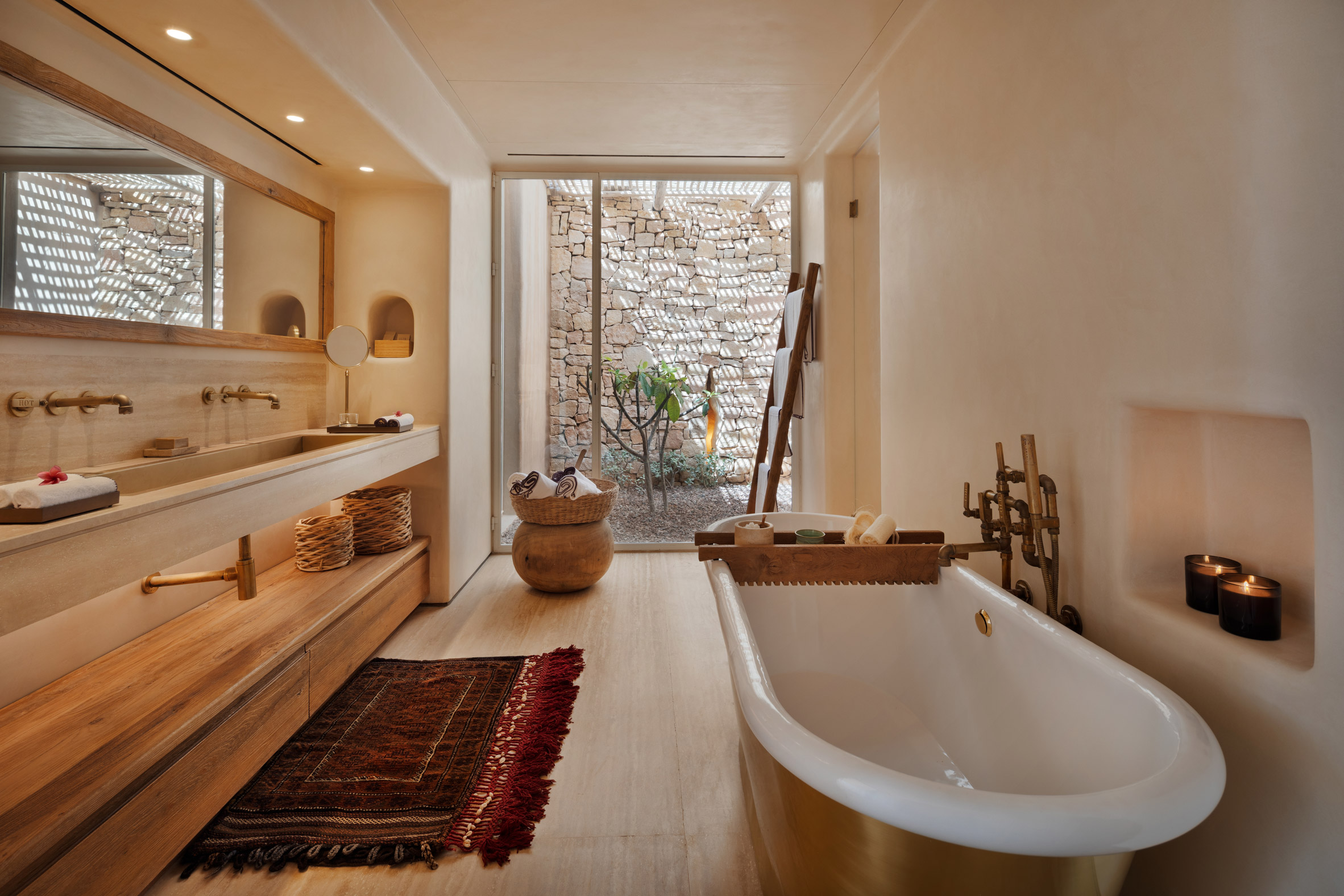
Six Senses Hotel, Israel, by Plesner Architects

Tel Aviv-based studio Plesner Architects shows how the finer details such as decor, lighting and material choice can make a bathroom appear cosy and homely.

White linens, plaster walls and regional craft such as this tasselled rug make the space feel personal, even if it is away from home. An alcove just for candles adds the finishing touch.

"We wanted the stones, the patterns, the textures and the colours to be omnipresent, resulting in architecture that is woven in with the natural elements," Plesner Architects said.

Find out more about Six Senses Hotel ›

Bathroom at The Siren Hotel
Photo is by Christian Harder

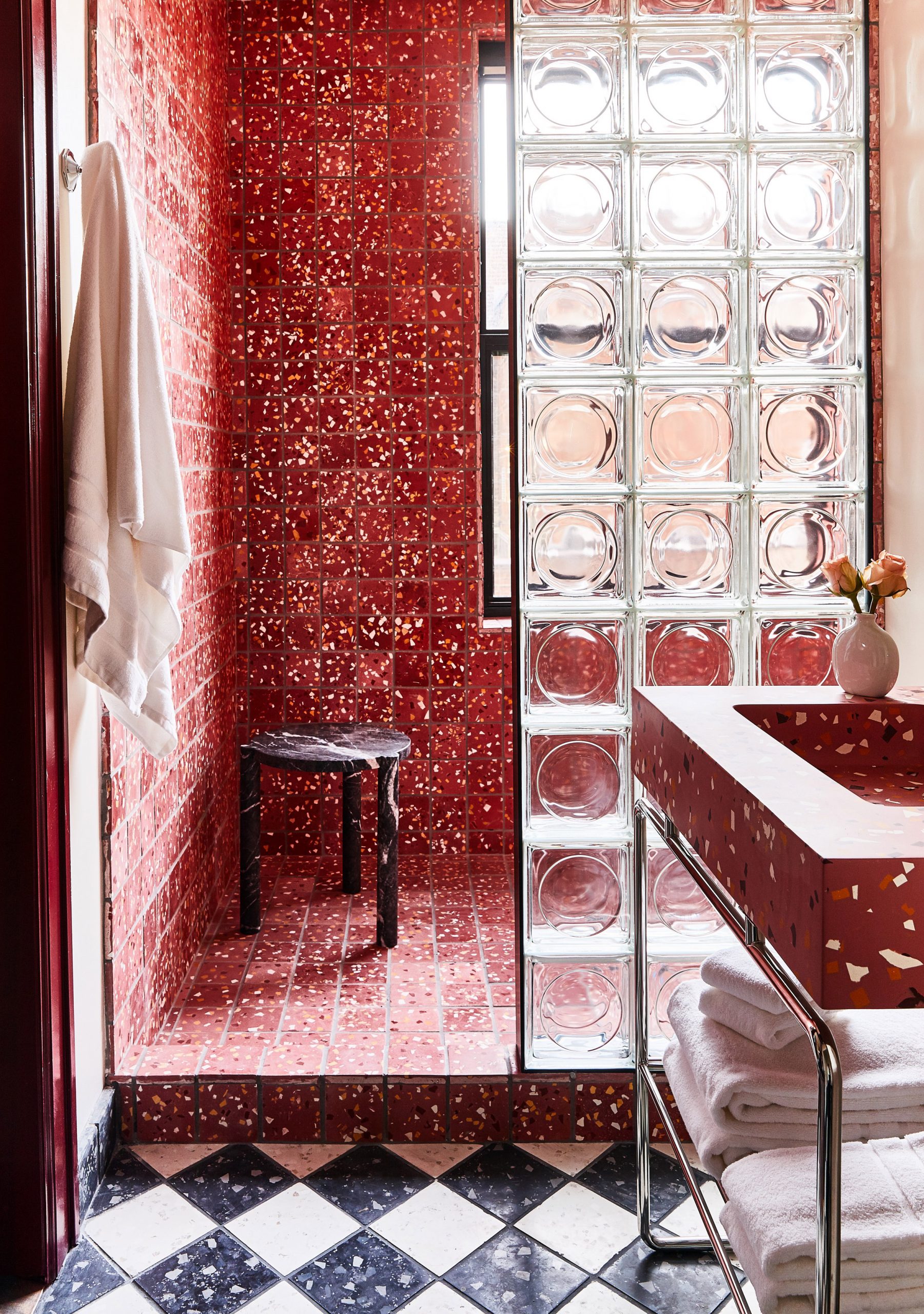
The Siren, US, by ASH NYC

Bathrooms are as experimental as the guest suites inside The Siren Hotel, which ASH NYC designed as part of an effort to regenerate the city of Detroit.

Flecked, cherry-red terrazzo covers the floor and walls, which contrasts the glass partition and veiny marble shower stools.

Find out more about The Siren ›
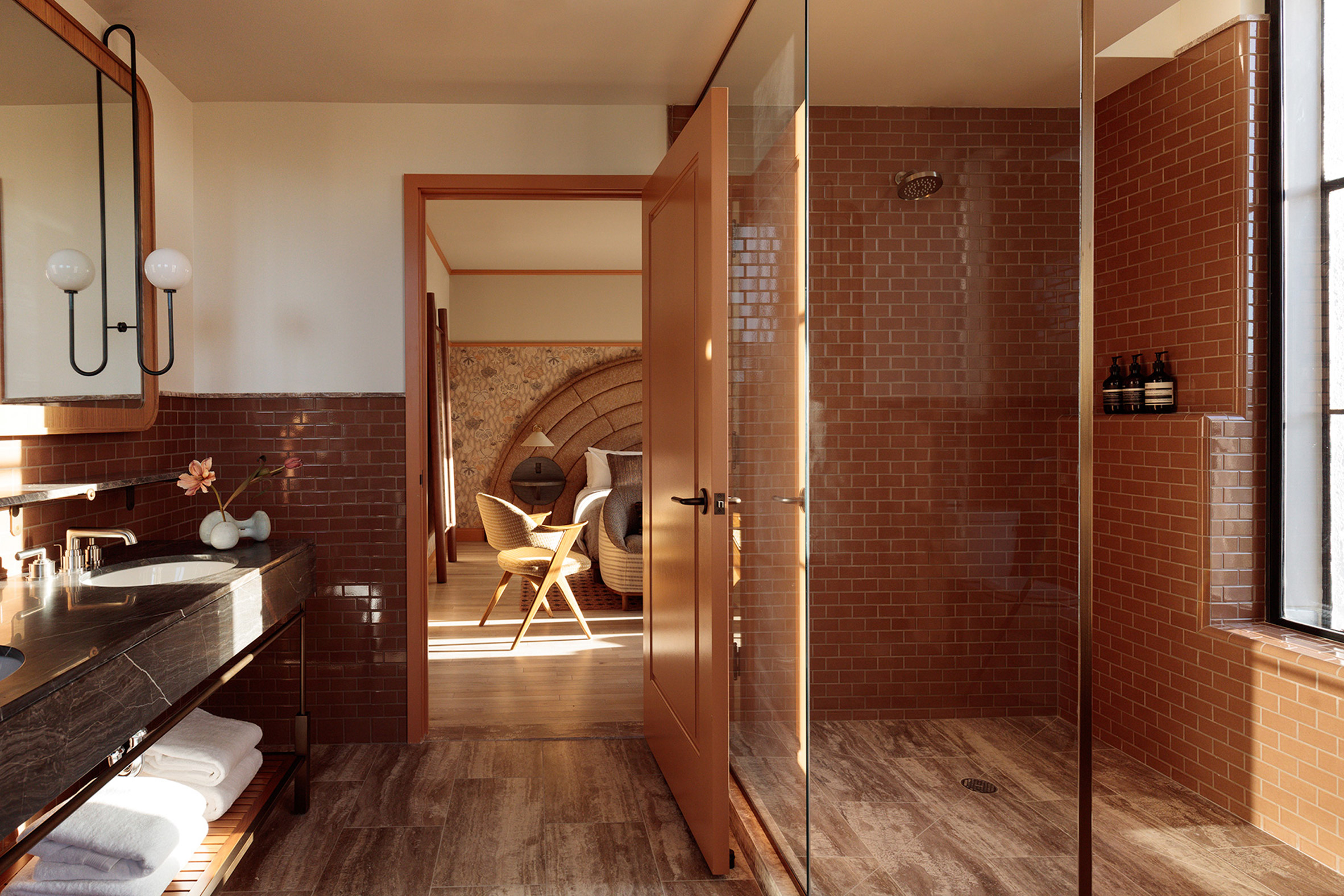

Kelly Wearstler's interiors for Santa Monica Proper Hotel
Photo is by The Ingalls

Santa Monica Proper, US, by Kelly Wearstler

Interior designer Kelly Wearstler is known for her laid-back Californian style and this bathroom in the Santa Monica Proper hotel is no exception.

Wearstler opted for materials in colours that match the hotel's beachside setting, such as sandy-coloured tiles and wooden flooring designed to remind guests of beach decking.

Find out more about Santa Monica Proper ›
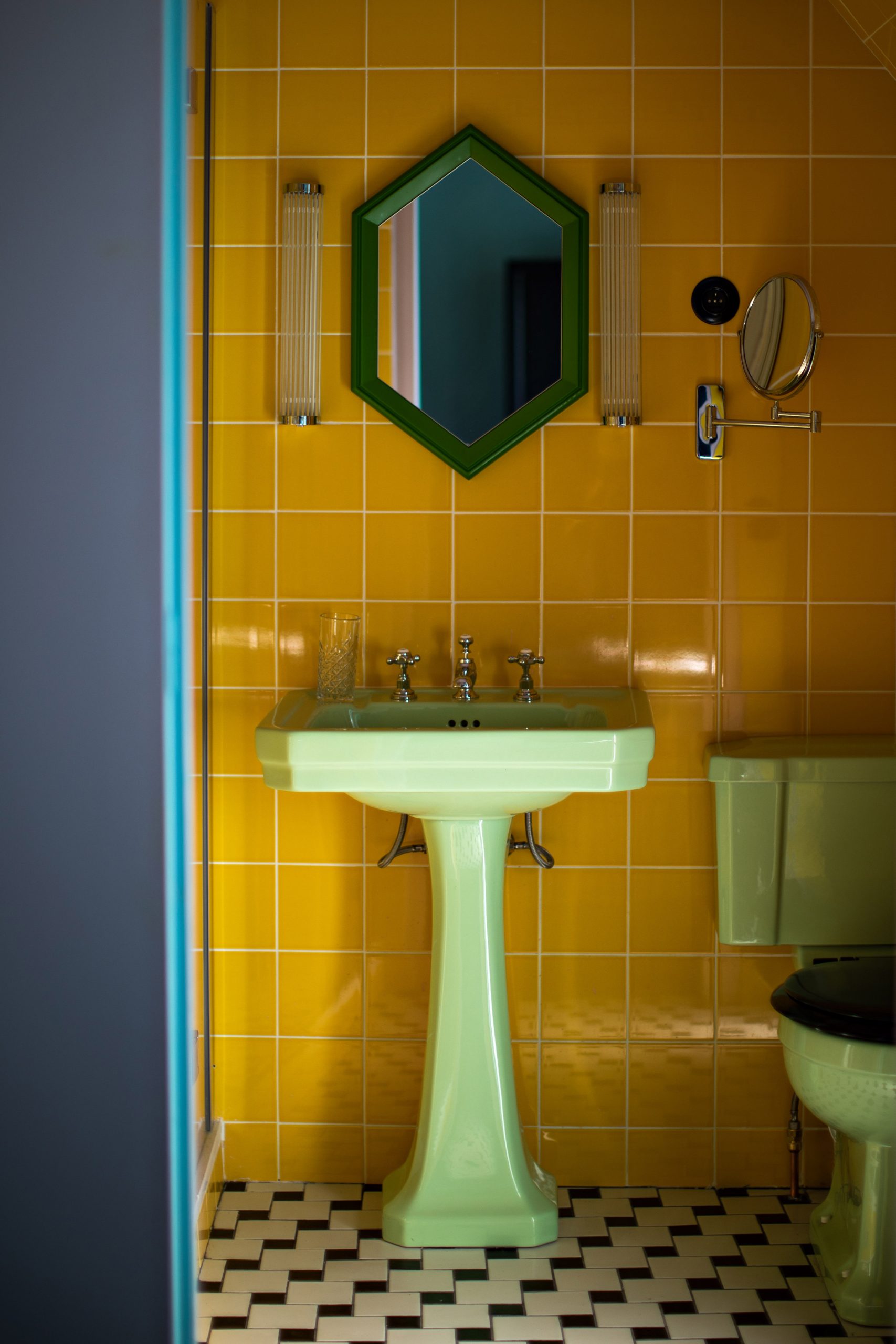

Tiled bathrooms inside Hotel Les Deux Gares in Paris
Photo is by Benoit Linero

Hotel Les Deux Gares, France, by Luke Edward Hall

British designer Luke Edward Hall didn't hold back when working on this hotel in Paris' 10th arrondissement.

Tasked with making the accommodation feel "anti-modern", Hall chose to pair avocado-coloured sinks and toilets with chequered flooring and mustard yellow tiles, resulting in a maximalist aesthetic.

Find out more about Hotel Les Deux Gares ›
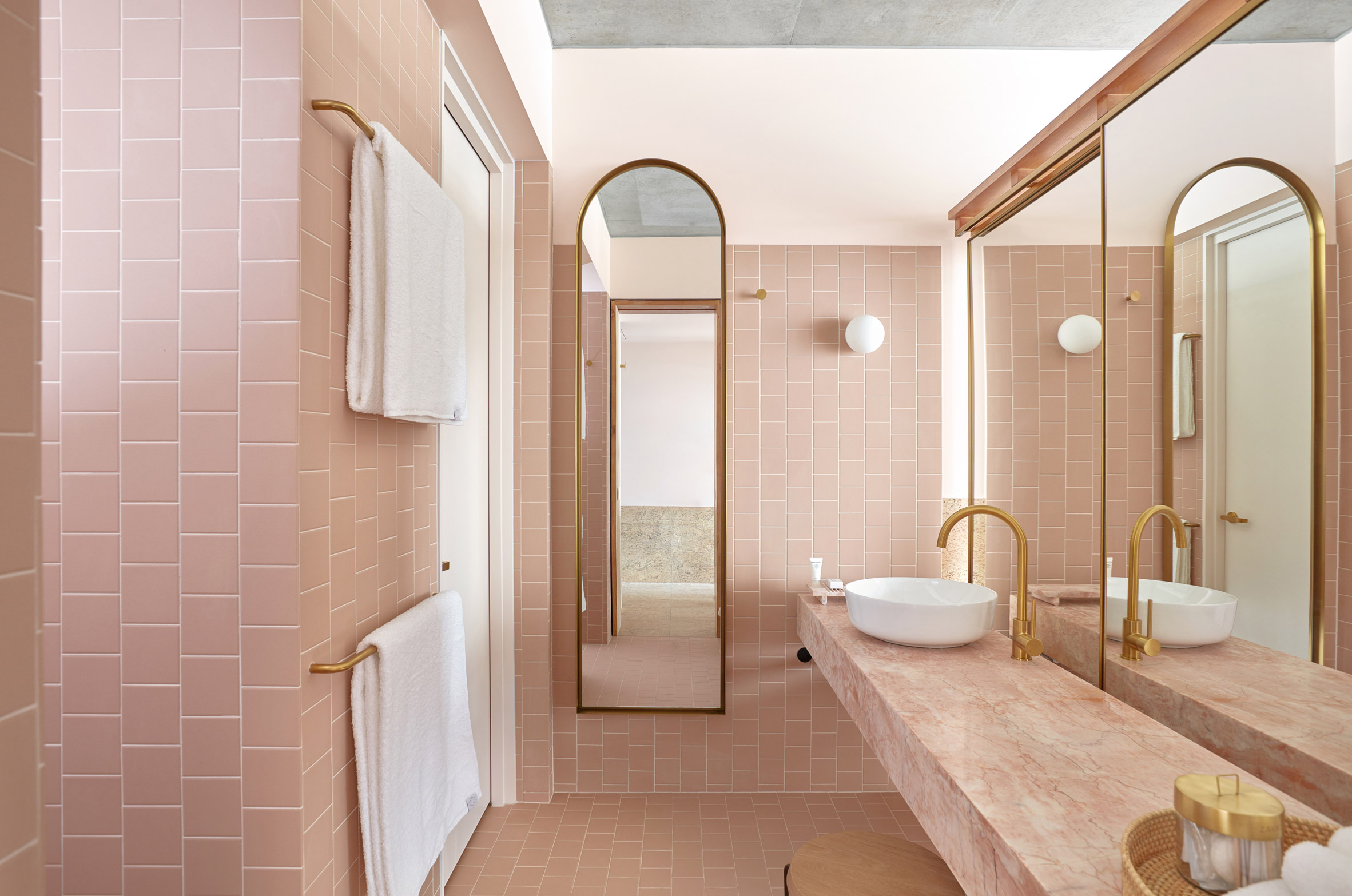

Interiors of The Calile Hotel, designed by Richards and Spence
Photo is by Sean Fennessy

The Calile, Australia, by Richard and Spence

In this hotel's 175 rooms, the bathrooms are either covered in blush or sky-blue-coloured tiles. The colours were chosen to make guests feel as if they are staying at a tropical resort, as opposed to an urban hotel.

Australian architecture studio Richards and Spence used brass faucets, mirrors, and towel railings to add a touch of glamour to the interior.

Find out more about The Calile ›
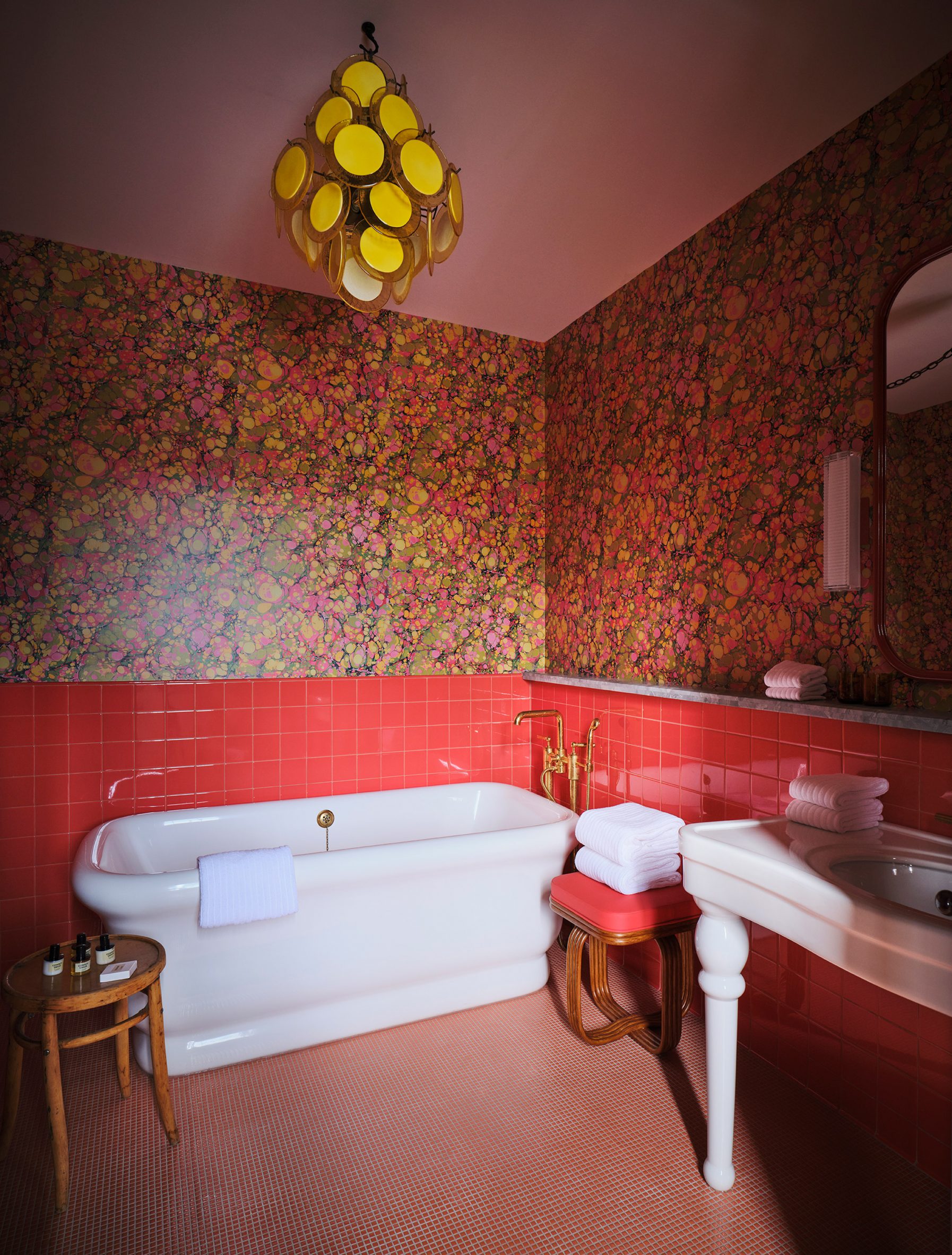

A white bath in a red bathroom
Photo by Matt Harrington

Hotel Saint Vincent, US, by Lambert McGuire Design

Another example of a maximalist bathroom can be found in the Hotel Saint Vincent, where American studio Lambert McGuire Design used chunky tubs and psychedelic wallpaper to make bathing more of an experience than a chore.

Throughout this 75-room hotel in New Orleans, the studio opted for an eclectic mix of design styles that range from 20th-century Italian to mid-century modern and Art Deco.

Find out more about Hotel Saint Vincent ›
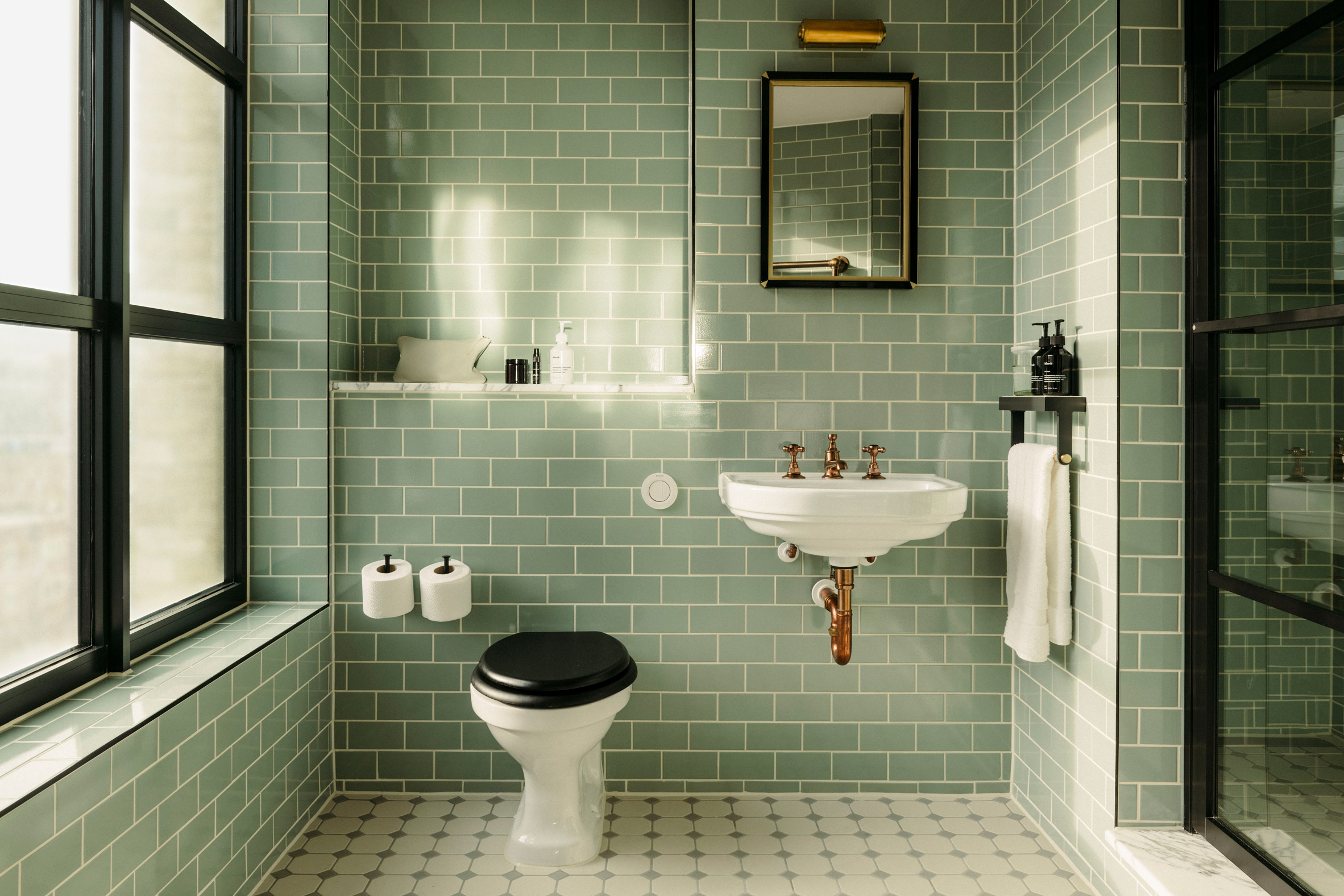

Hoxton Southwark hotel designed by Ennismore
Photo is courtesy of The Hoxton

The Hoxton, Southwark, UK, by Ennismore

Hospitality property developer Ennismore decided to go for an industrial aesthetic for this hotel in London, referencing Southwark's former role as a major trading spot for hops.

The roomy bathrooms which are wrapped in green tiles have walk-in showers, brassy sinks and inbuilt shelves where guests can store toiletries and makeup.

Find out more about The Hoxton, Southwark ›
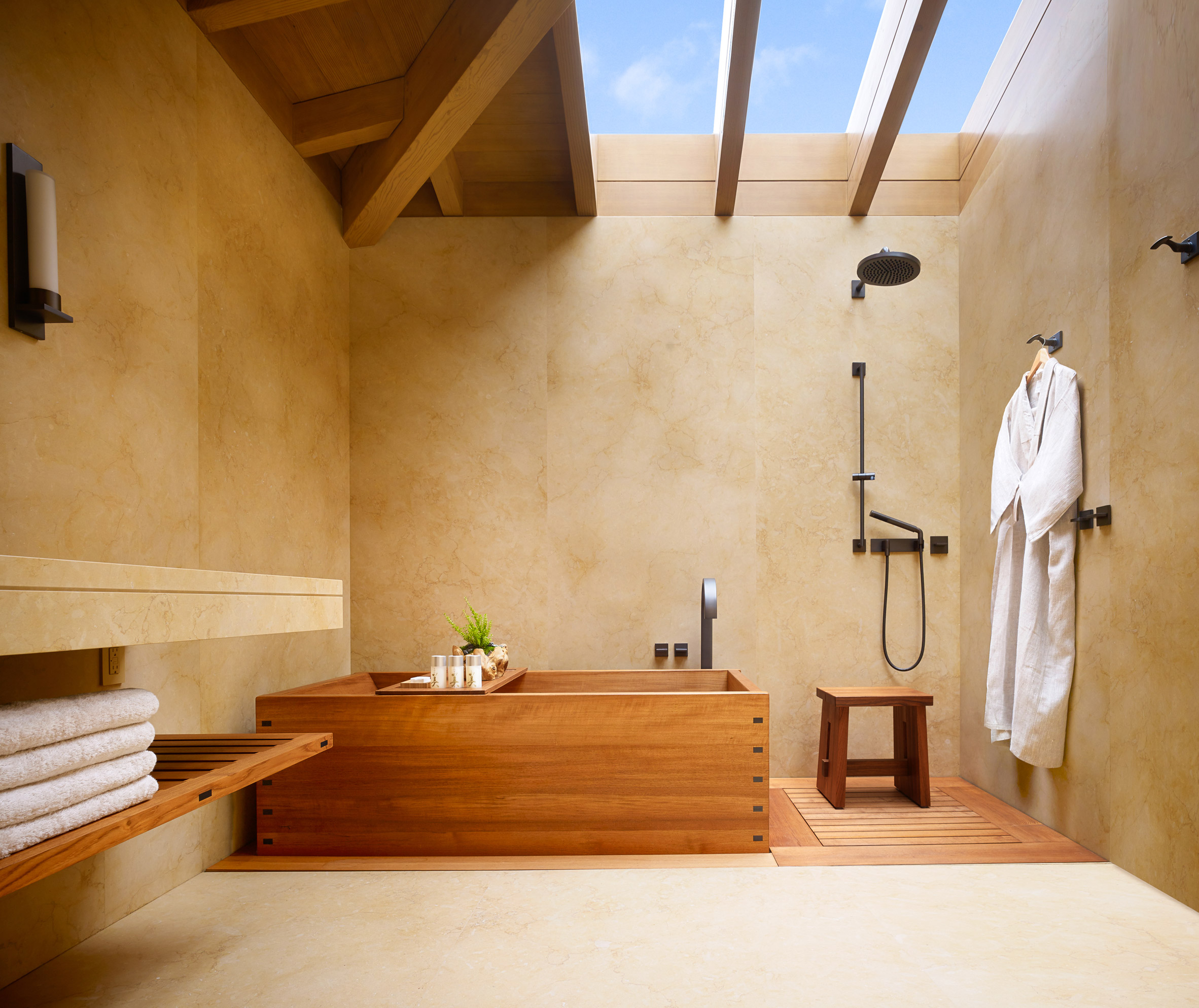

Nobu Ryokan Malibu by Studio PCH and Montalba Architects
Photo is courtesy of Studio PCH and Montalba Architects

Nobu Ryokan Malibu, US, by Studio PCH and Montalba Architects

All of the rooms in this luxury hotel are fitted with contemporary decor typified by a neutral colour palette and earthy materials that centre Japanese design within a Californian location.

Guests can shower under bright skies or relax in a hand-crafted teak wood soaking tub in the minimalist wet room.

Find out more about Nobu Ryokan Malibu ›
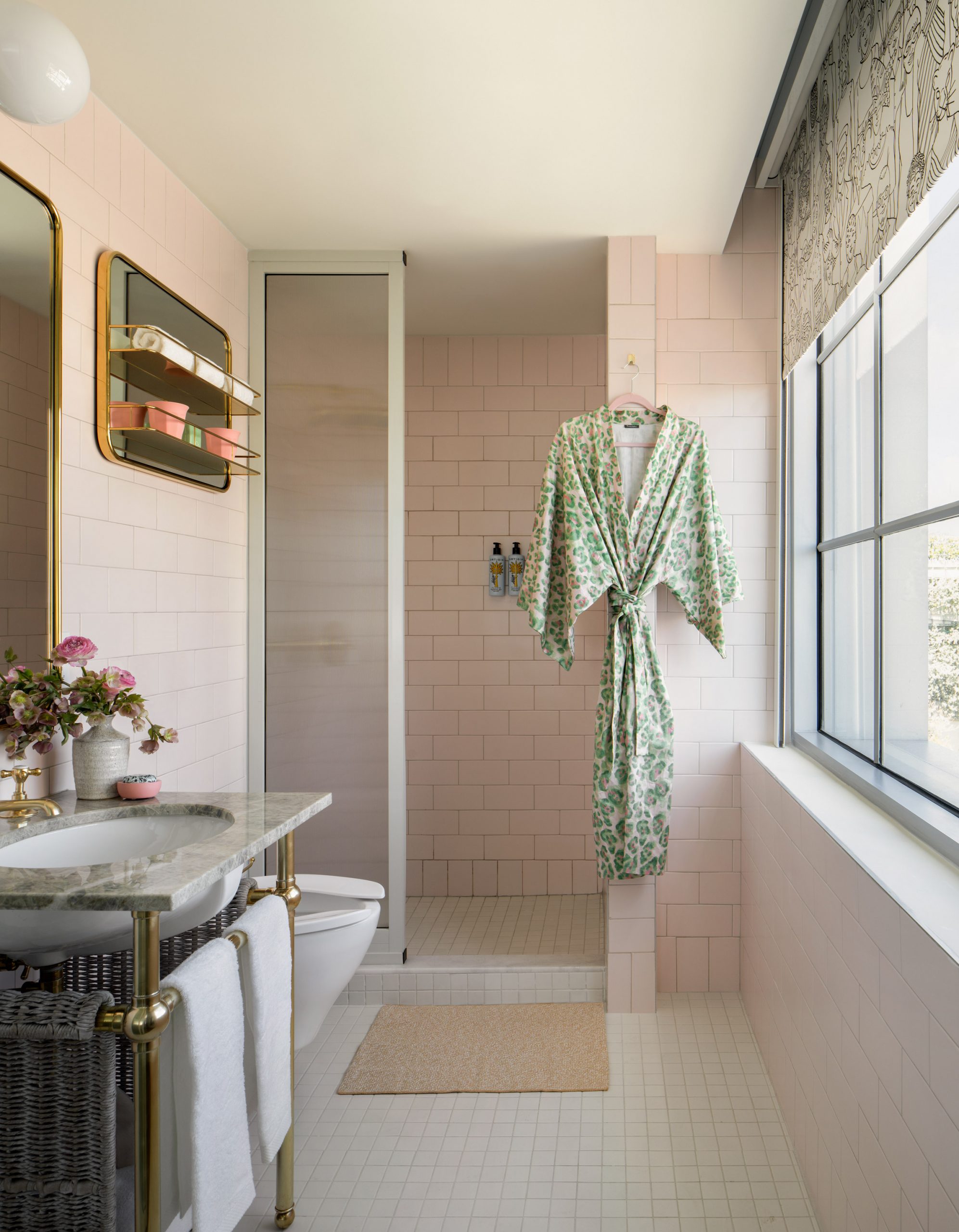

The bathroom inside Goodtime hotel
Photo is by Alice Gao

Goodtime Hotel, US, by Ken Fulk

Pastel hues and wicker furnishing clash playfully with the floral print in this bathroom at the Goodtime Hotel in Miami.

Designed by Ken Fulk for musician Pharrell Williams, the interiors were decorated by Fulk in a "reimagined art deco" aesthetic to "recall the opulence and nostalgia of a time gone by".

Find out more about Goodtime Hotel ›
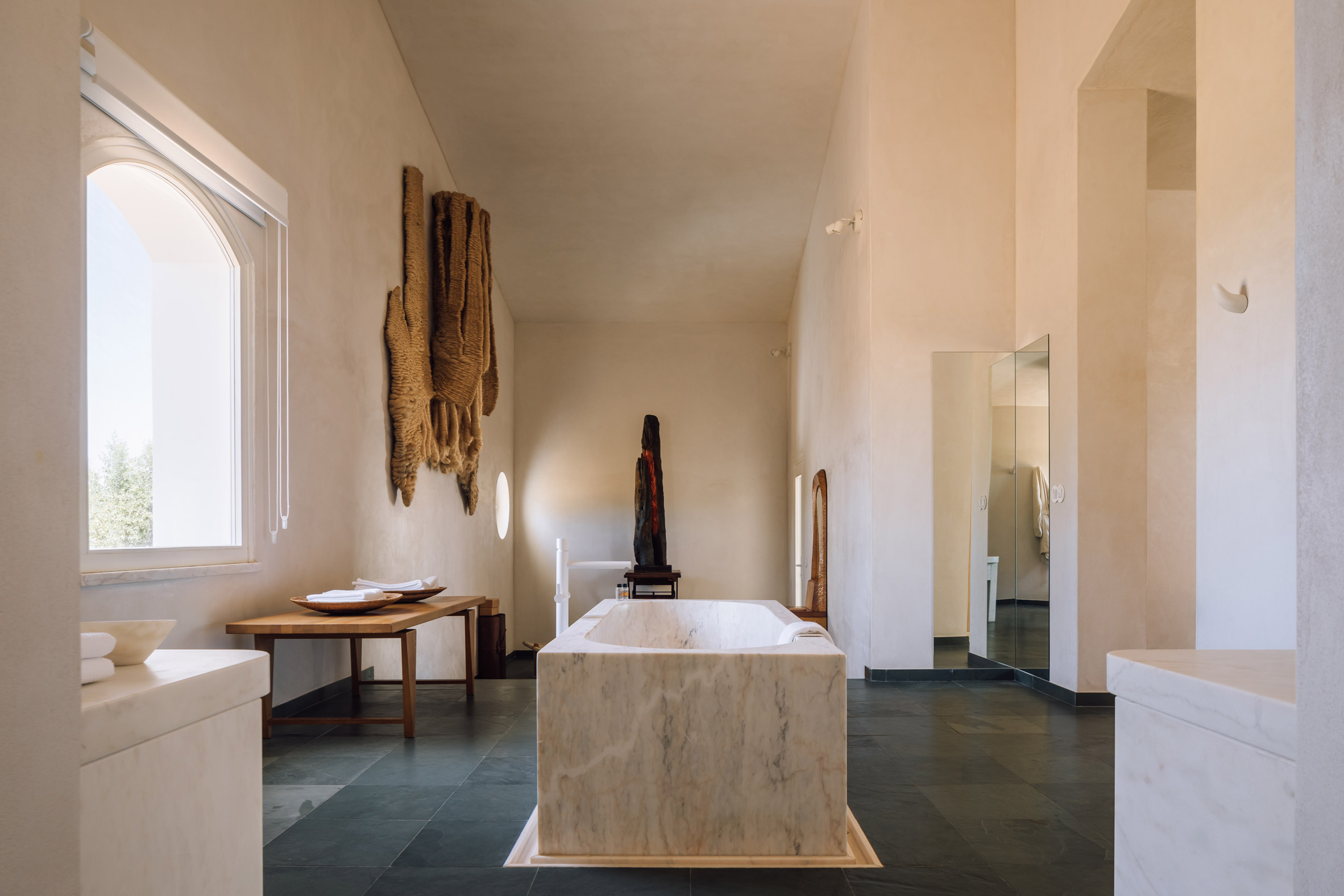

Dá Licença hotel by Vitor Borges and Franck Laigneau
Photo is by Francisco Nogueira

Dá Licença, Portugal, by Vitor Borges and Franck Laigneau 

Creatives Vitor Borges and Franck Laigneau incorporated vintage furnishings and one-off pieces in the bathroom of this hotel located in the historic city of Estremoz, Portugal.

In a subtle nod to Estremoz's marble-rich terrain, the designers used natural stone to craft the free-standing bath which acts as a centrepiece of the room. The same marble can also be seen on the sink basins and pink-hued shower cubicles.

Find out more about Dá Licença ›


This is the latest in our series of lookbooks providing curated visual inspiration from Dezeen's image archive. For more inspiration see previous lookbooks showcasing rustic interiors, retro bathrooms and domestic gyms.

The post Ten hotels with refreshingly original bathroom interiors appeared first on Dezeen.


from Dezeen https://ift.tt/3nvKZrs

22 Parkside "led to most of the work I do" says Richard Rogers

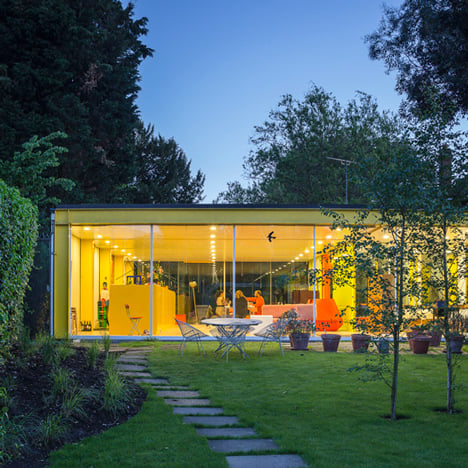
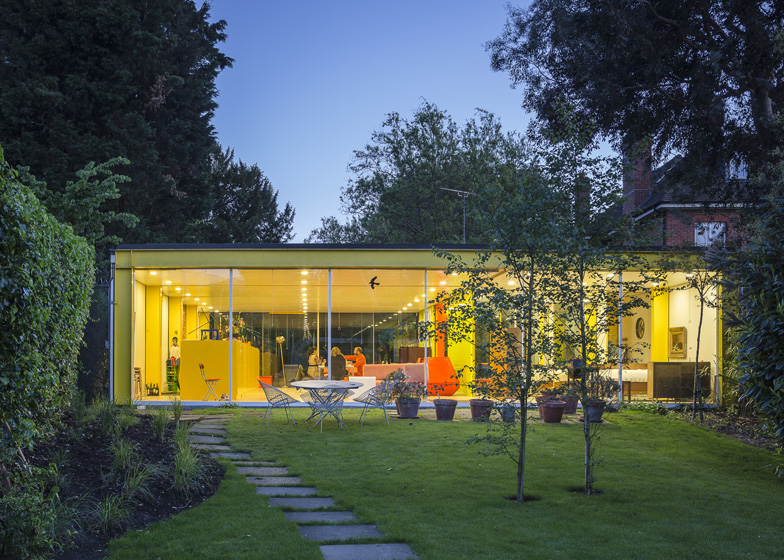
22 Parkside by Richard Rogers

In the final exclusive interview that Dezeen filmed with Richard Rogers in 2013, the late architect discusses the concept behind his Wimbledon house, 22 Parkside.

The interview forms part of a series Dezeen filmed with Rogers to coincide with a retrospective of his work at the Royal Academy of Arts in London in 2013.

Rogers, who passed away on 18 December aged 88, was one of the world's most famed architects, best known for pioneering the high-tech architecture style that emerged in the 1970s.

He was responsible for designing the Centre Pompidou in Paris with Renzo Piano, as well as the Lloyd's building in central London.

In this interview, Rogers reflects on the influence of the Grade II-listed 22 Parkside, also known as Wimbledon house, that he designed in the late 1960s for his parents in Wimbledon, London.

Rogers hoped that the house would demonstrate the potential of prefabricated homes and revolutionise the housing industry.

"This wasn't gonna be a one-off like our previous buildings," Rogers told Dezeen. "This was going to be a standardised system to solve the British housing problem."

Read on for a transcript of the interview below:


"The Wimbledon house was designed for my parents, I guess we started in 1967 and it has been through a whole series of different clients and users.

"Now we've given the house to Harvard, and they're using it to house graduate students. We've been strongly influenced by people like Soriano, Ellwood, Prouve, Eames and so on.

22 Parkside by Richard Rogers in Wimbledon
22 Parkside was built by Richard Rogers in 1967. Photo is by Tim Crocker

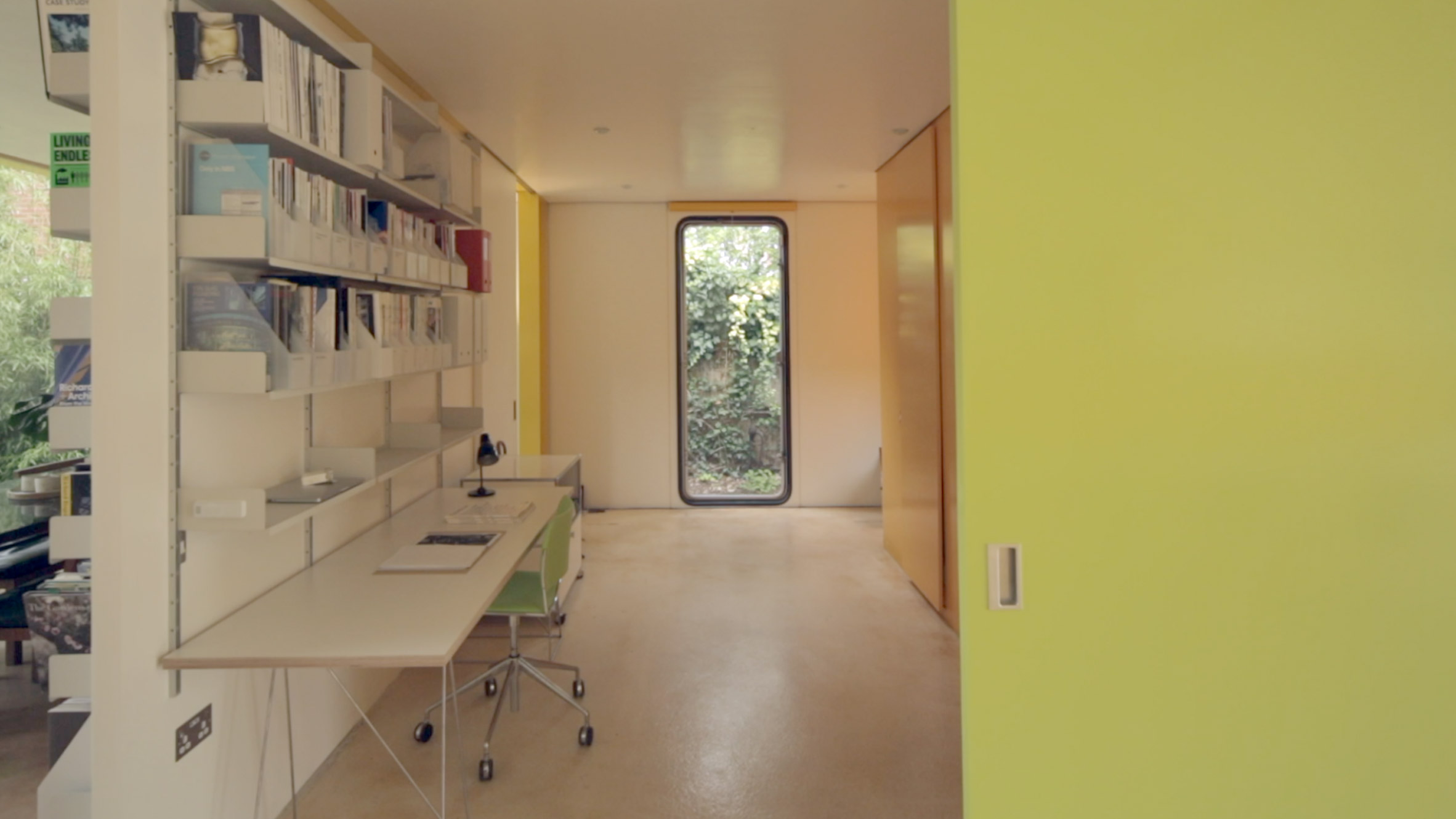
"We were looking at prefabricated systems, process construction. The idea was that we could put up the house fast, it could be all built in a factory, so you didn't have to have all the weather problems, it could be programmed – and really the final idea, you could buy it from your local shop, because you could have the standard components.

"We ended up with this simple rectangular plan, two parts, a courtyard in the middle, the house on the north side, and then we call the lodge.

"We decided to use a very simple steel frame, upside-down C's and you could have as many as you'd like in a line and the house could be as long as you wanted.

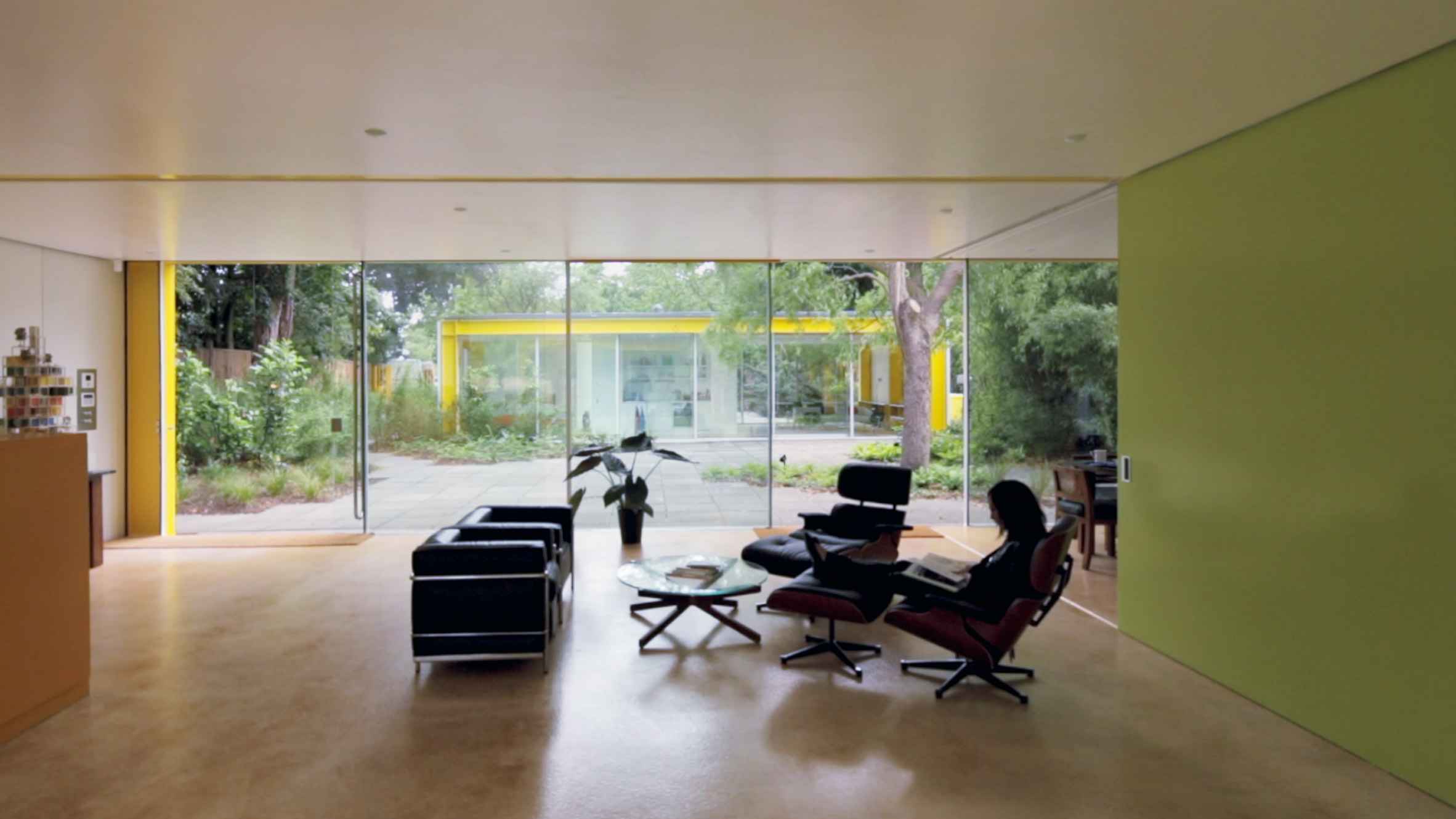
"Then you bought bus doors and bus windows and put those on the sides and at the ends of this long tube was just glass, so you looked out to the common or looked out at the gardens as an absolute visual continuity.

Interior image of living space at 22 Parkside by Richard Rogers
The structure was designed to solve the British housing problem

"This wasn't gonna be a one-off like our previous buildings, this was going to be a standardised system to solve the British housing problem.

"It didn't, but it led to most of the work I do some 50 years later and more.

Interior image of study area space at the home
It used standardised components that could be bought locally

"In a sense, it was a prototype also, to the Pompidou Centre. Now Renzo Piano had obviously added his technological knowledge, which is absolutely brilliant.

"So if you put the Wimbledon house and you put Renzo's work together you sort of get the Pompidou Centre.

"Now, it's a much bigger thing. It has escalators across the facade, the open spaces in the floors are the size of two football fields, you can't see that about Wimbledon, and so on, but the concepts were there and the bright colours are there.

"So again, we wanted somewhere which could be fun, which could be enjoyable, which you could participate with, which wasn't just a brick house with windows cut into it."

The post 22 Parkside "led to most of the work I do" says Richard Rogers appeared first on Dezeen.


from Dezeen https://ift.tt/3I92PIs

Friday, 14 January 2022

This week Bjarke Ingels discussed how to revolutionise the housing sector

bjarke ingels founds home design company

This week on Dezeen, Danish architect Bjarke Ingels spoke about his housing startup Nabr and how it plans to address "systemic" failures of housing.

According to Ingels, who is the founder of architecture studio BIG and co-founder of Nabr, the "consumer-first housing company" wants to fundamentally transform the housing industry.

Nabr will do so by designing mass-timber blocks using modular construction, which will feature customisable apartments plugged into a cross-laminated structural timber frame.

"This is basically an attempt to apply design, not just to the final product, but to the entire process that delivers our homes," Ingels told Dezeen in an exclusive interview.

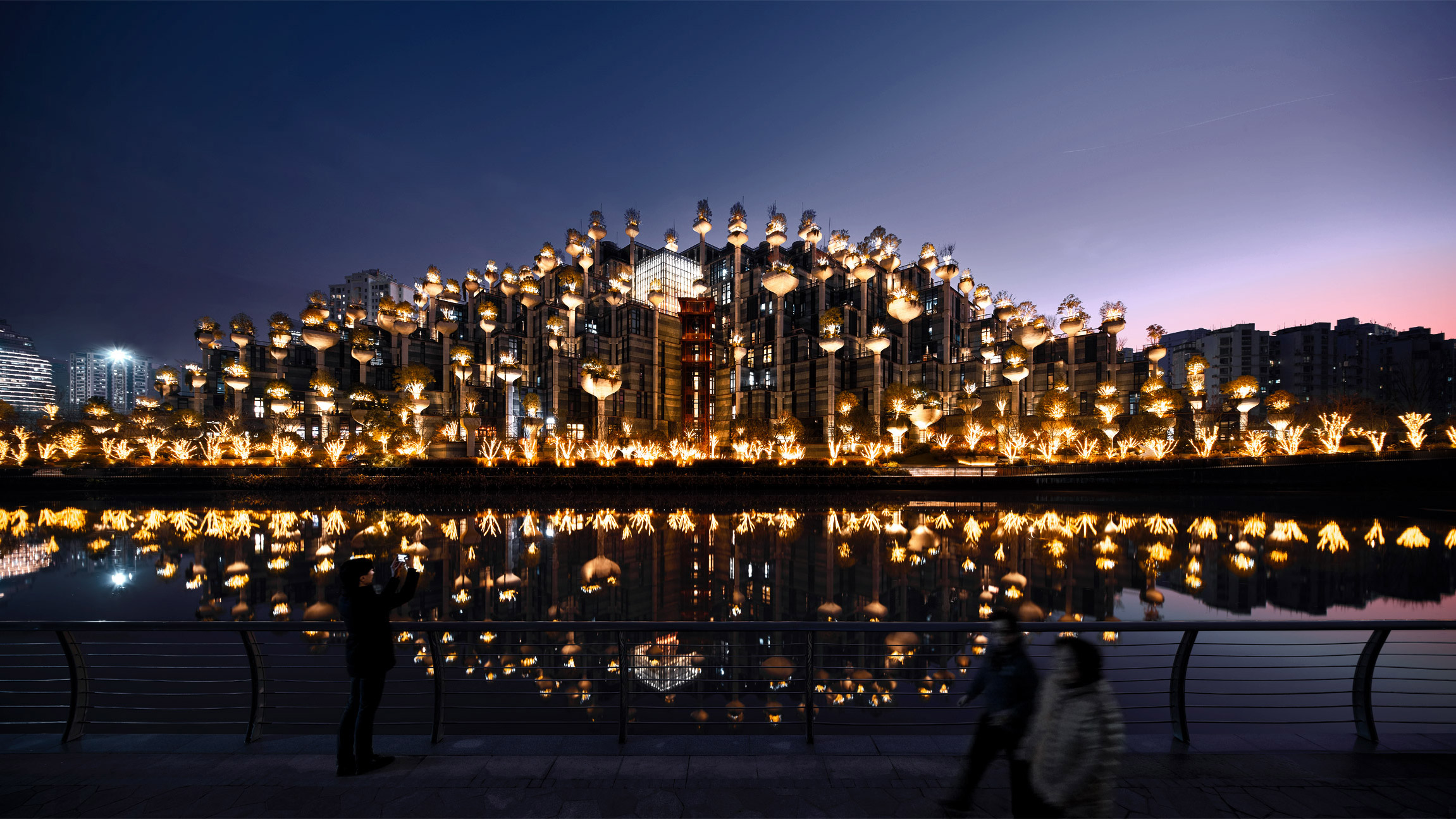
Heatherwick's 1,000 Trees in Shanghai
Thomas Heatherwick unveils 1,000 Trees shopping centre in Shanghai

In other architecture news, British designer Thomas Heatherwick's studio unveiled 1,000 Trees in Shanghai, its latest project to open to the public. The shopping centre is covered in over 1,000 trees and 250,000 plants and was designed to resemble a mountain clad in greenery.

In an interview with Dezeen, Heatherwick explained that the design was "driven by making something that we hope is engaging people."

"I think the 100,000 people a day are proof that we all need places that trigger a response," he said.

However, in an opinion piece written for Dezeen, architect Philip Oldfield argued that the carbon costs of creating 1,000 Trees outweigh the environmental benefit.

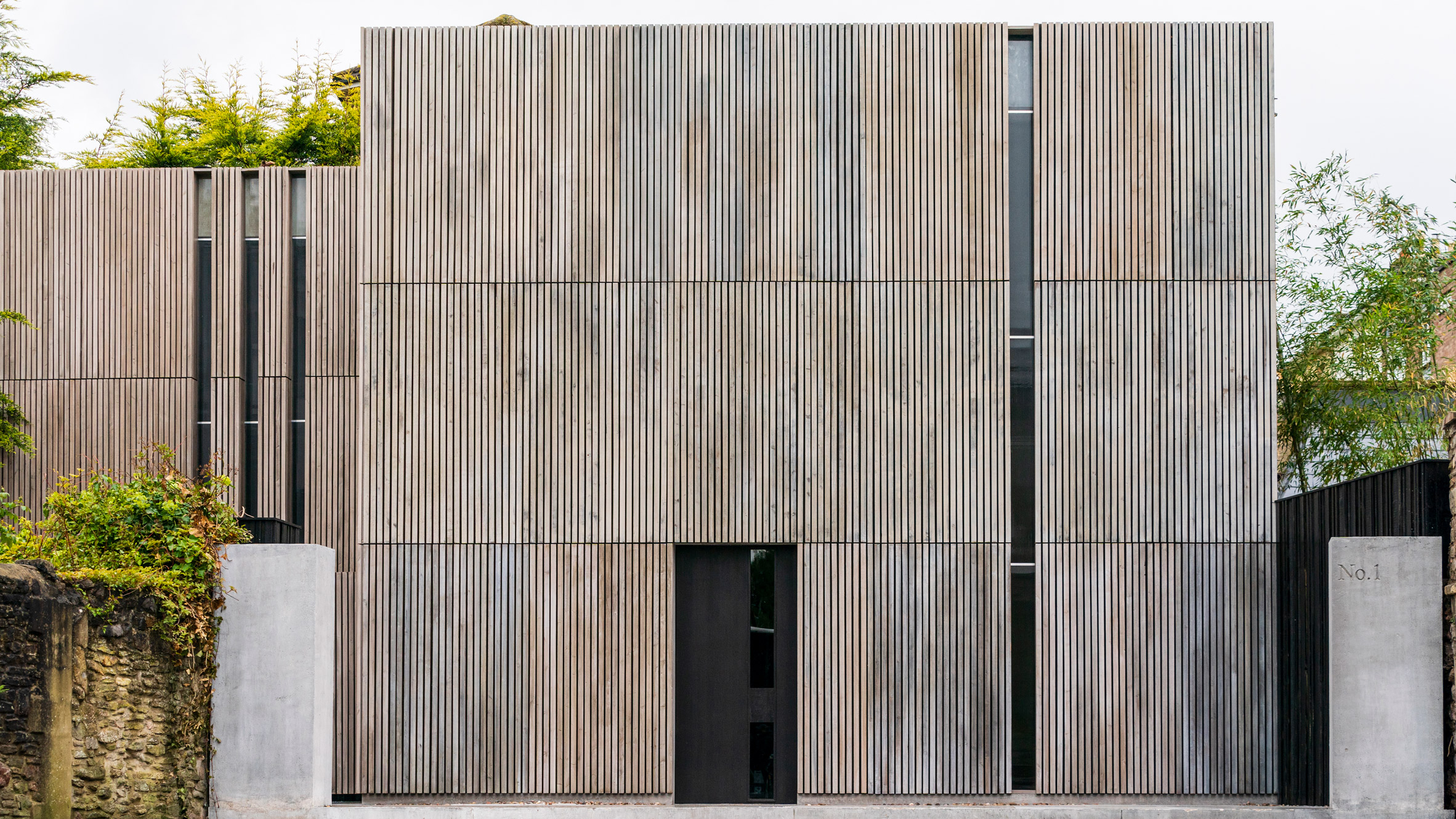
The exterior facade of One Folgate Street house
House in The Girl Before designed to feel both like a sanctuary and "a fortress or prison"

This week, we also peeked inside the house in BBC television series The Girl Before, speaking to production designer Jon Henson about how he created a house that acts "like a fourth character" in the four-part series.

Henson referenced Japanese architecture when designing the house and was drawn in particular to Gosize's F Residence in the Japanese prefecture of Hygo, which was featured on Dezeen in 2019.

Richard Rogers
Architects should try to "leave the city more beautiful than when we entered" says Richard Rogers

In celebration of architect Richard Rogers, who passed away in December, we republished a series of interviews that Dezeen filmed with Rogers in 2013. In the six movies, Rogers discusses his work, starting with an interview in which he speaks of architects' responsibilities to society.

Other films look at Rogers' design for the Centre Pompidou, the backlash to the Lloyds building in London, how the design of the Leadenhall building was informed by views of St Paul's Cathedral and Rogers' hopes for his legacy.

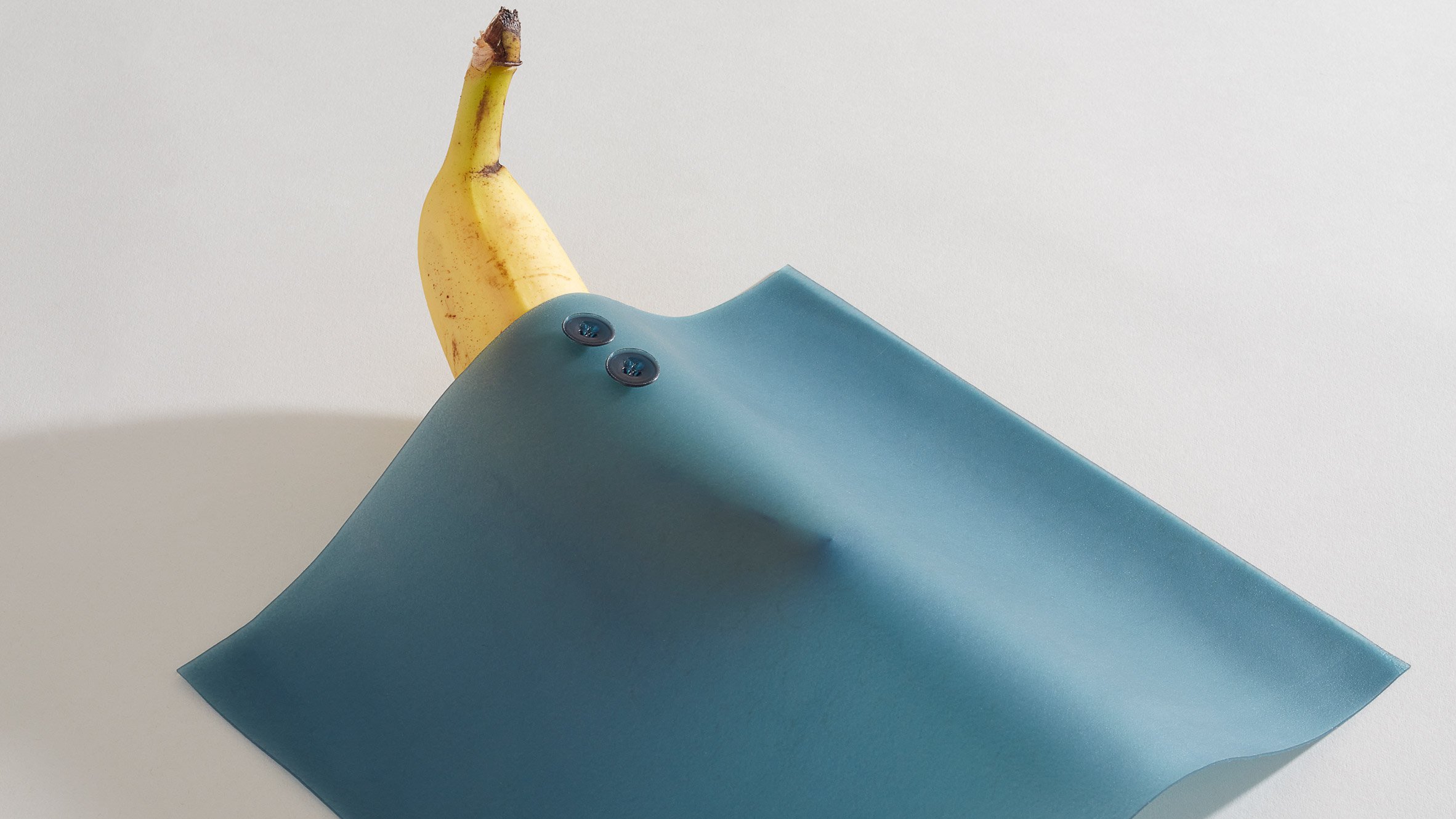
A banana and a blue sheet of Peelsphere
Peelsphere is a leather-alternative biomaterial made from fruit waste and algae

In design news this week, designer Youyang Song showcased Peelsphere, a biodegradable plant-based material made from fruit peels and algae that was designed as an alternative to leather. The waterproof material can be used to create accessories or bags.

Nottingham furniture designer Mac Collins was named the winner of the inaugural Ralph Saltzman Prize for emerging designers, a new award presented by the Design Museum that aims to "champion new talent and nurture the development of a vibrant design sector".

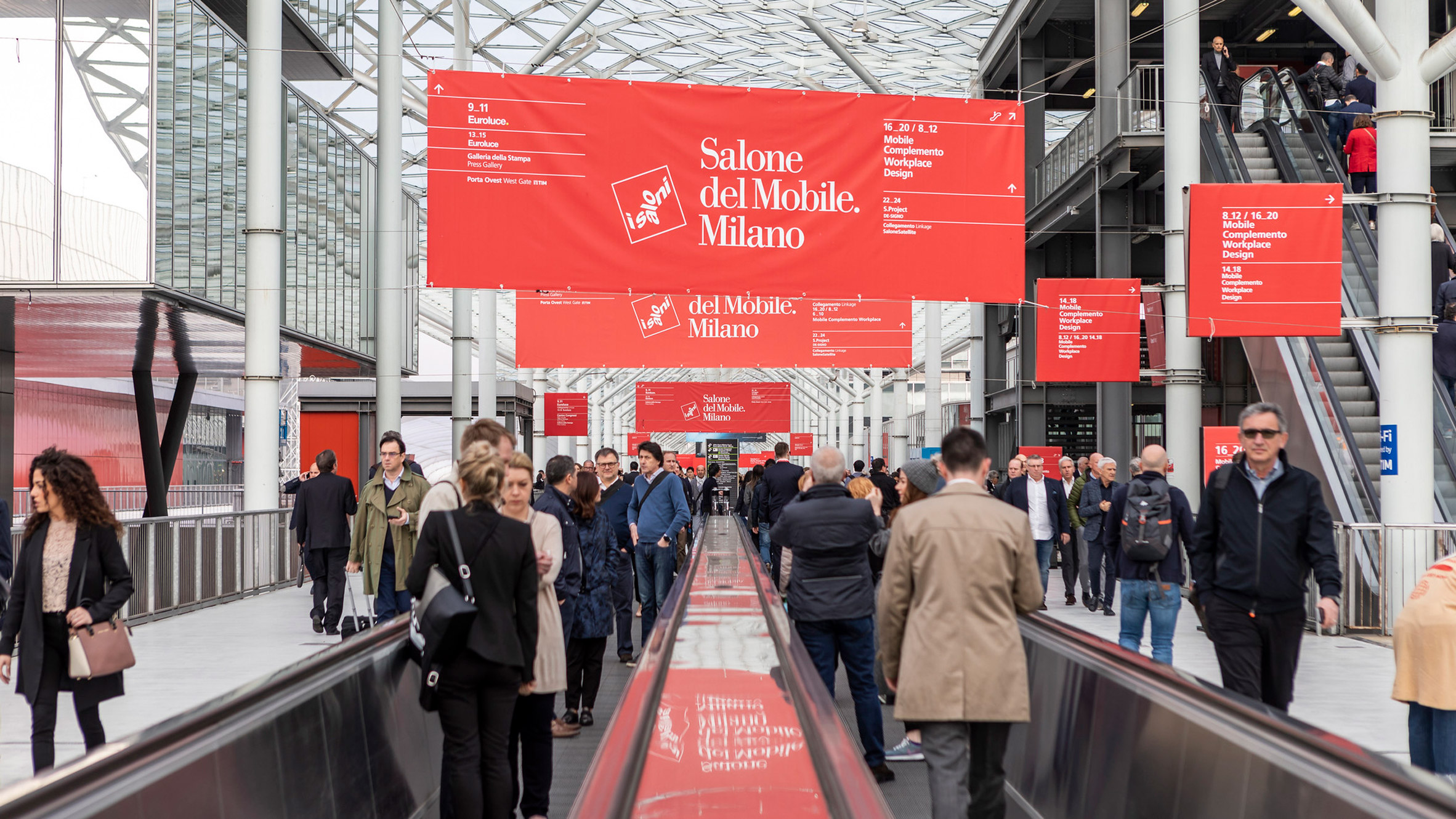
Salone del Mobile
Salone del Mobile expected to move to 7-12 June due to Covid-19 concerns

As the coronavirus pandemic continues to affect architecture and design events, we revealed that Salone del Mobile, the world's biggest and most important furniture fair, is set to announce that it will be held in June instead of April this year according to multiple sources.

Our guide to the twenty-five best design weeks and festivals for 2022 is an up-to-date overview of when design events will take place this year.

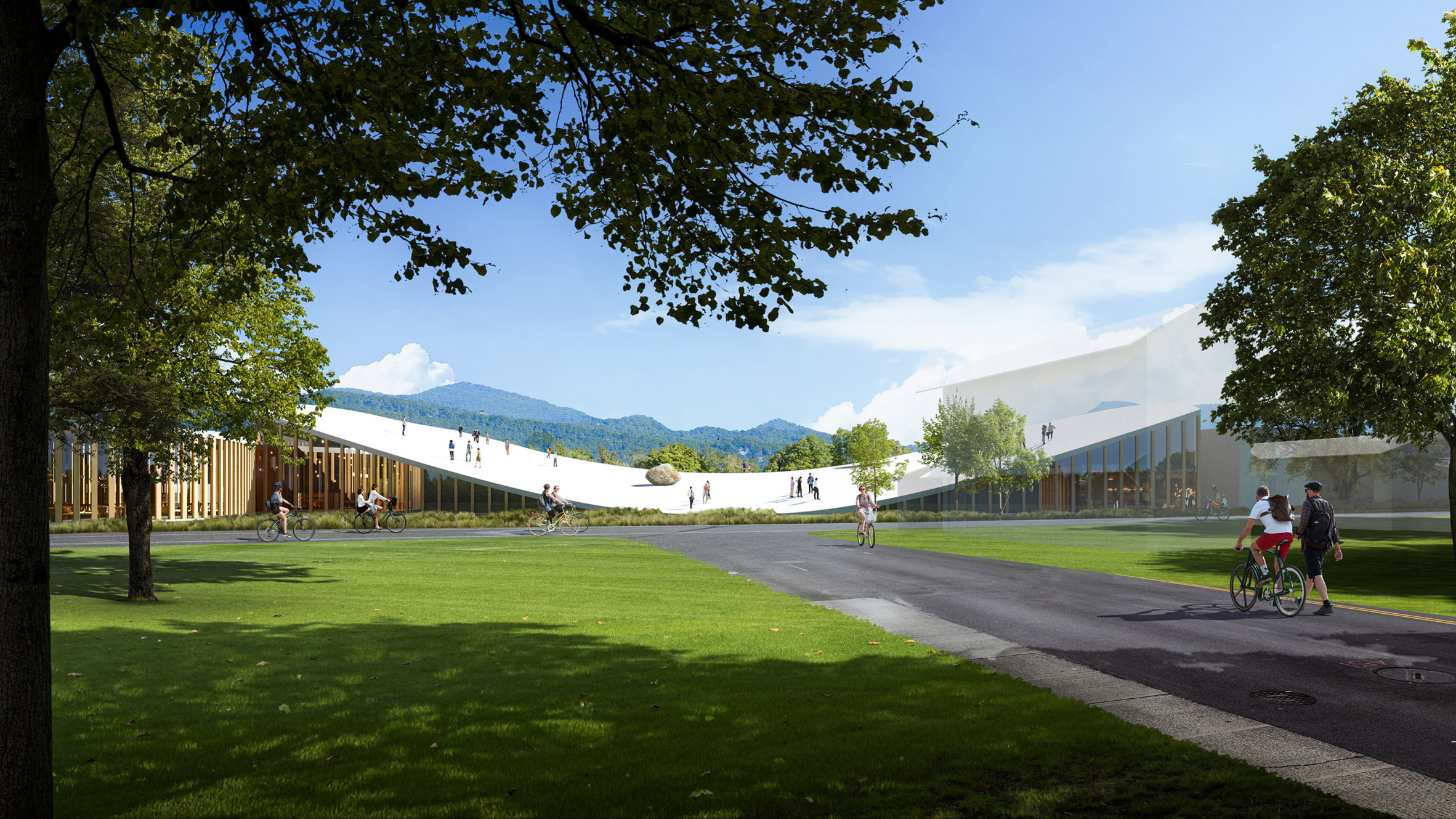
Accessible rooftop of Hida Takayama University
Sou Fujimoto Architects designs walkable rooftop for rural Japanese university

Among the most popular projects this week were a university with a walkable roof designed by Sou Fujimoto, a theatre with a multi-faceted red auditorium, and a Tehran office building wrapped in a brick-clad "second skin."

This week's lookbooks focused on kitchen extensions that make spacious additions to homes and interiors featuring verdant indoor trees.

This week on Dezeen is our regular roundup of the week's top news stories. Subscribe to our newsletters to be sure you don't miss anything.

The post This week Bjarke Ingels discussed how to revolutionise the housing sector appeared first on Dezeen.


from Dezeen https://ift.tt/33dW5dL

Triangular embeds PR House on a forested hillside in Chile

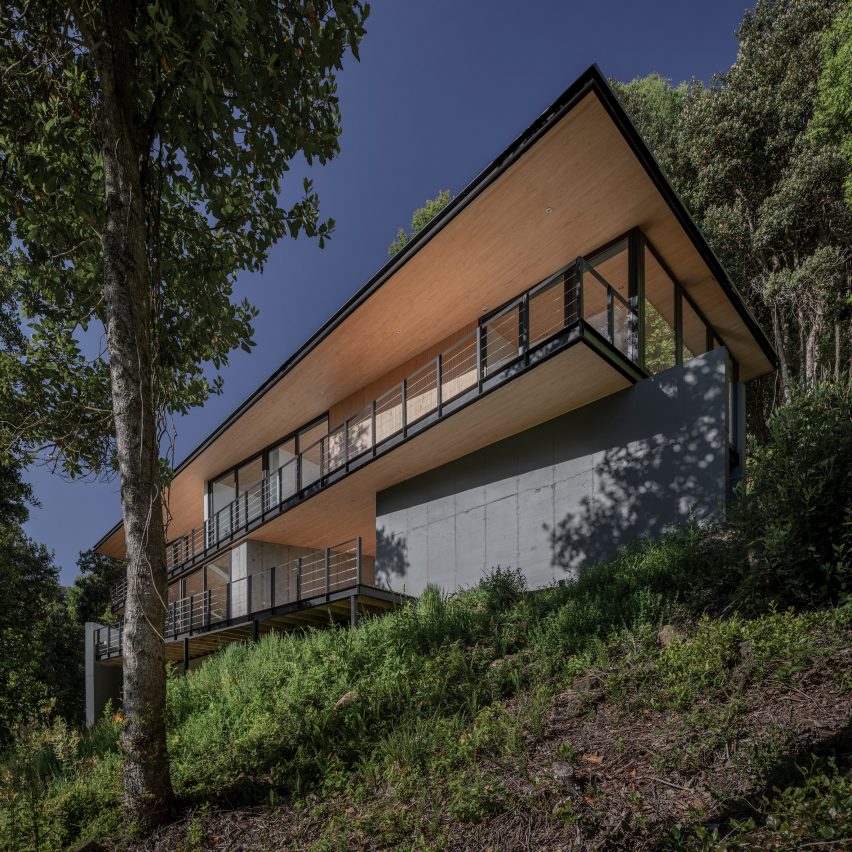
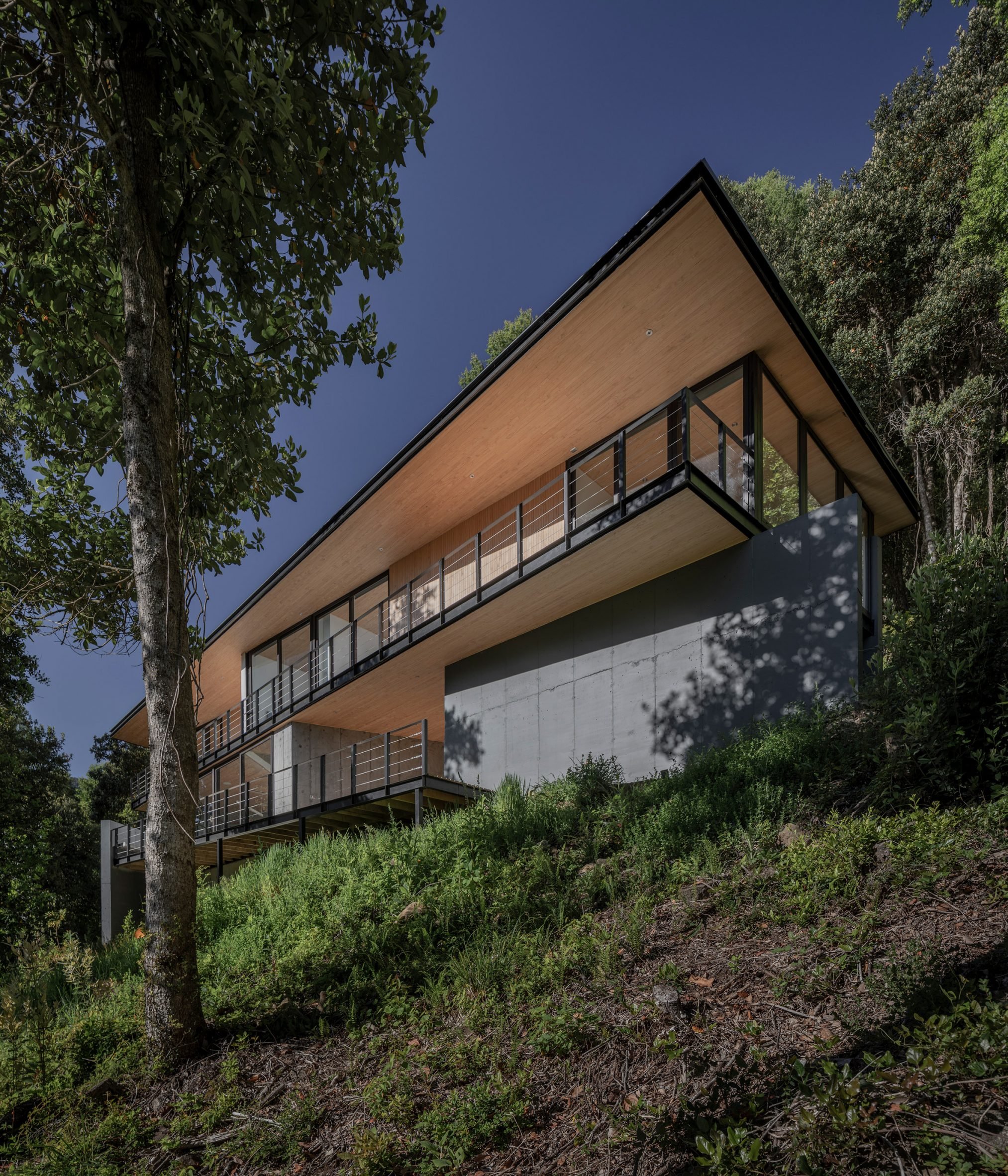
The exterior of PR House

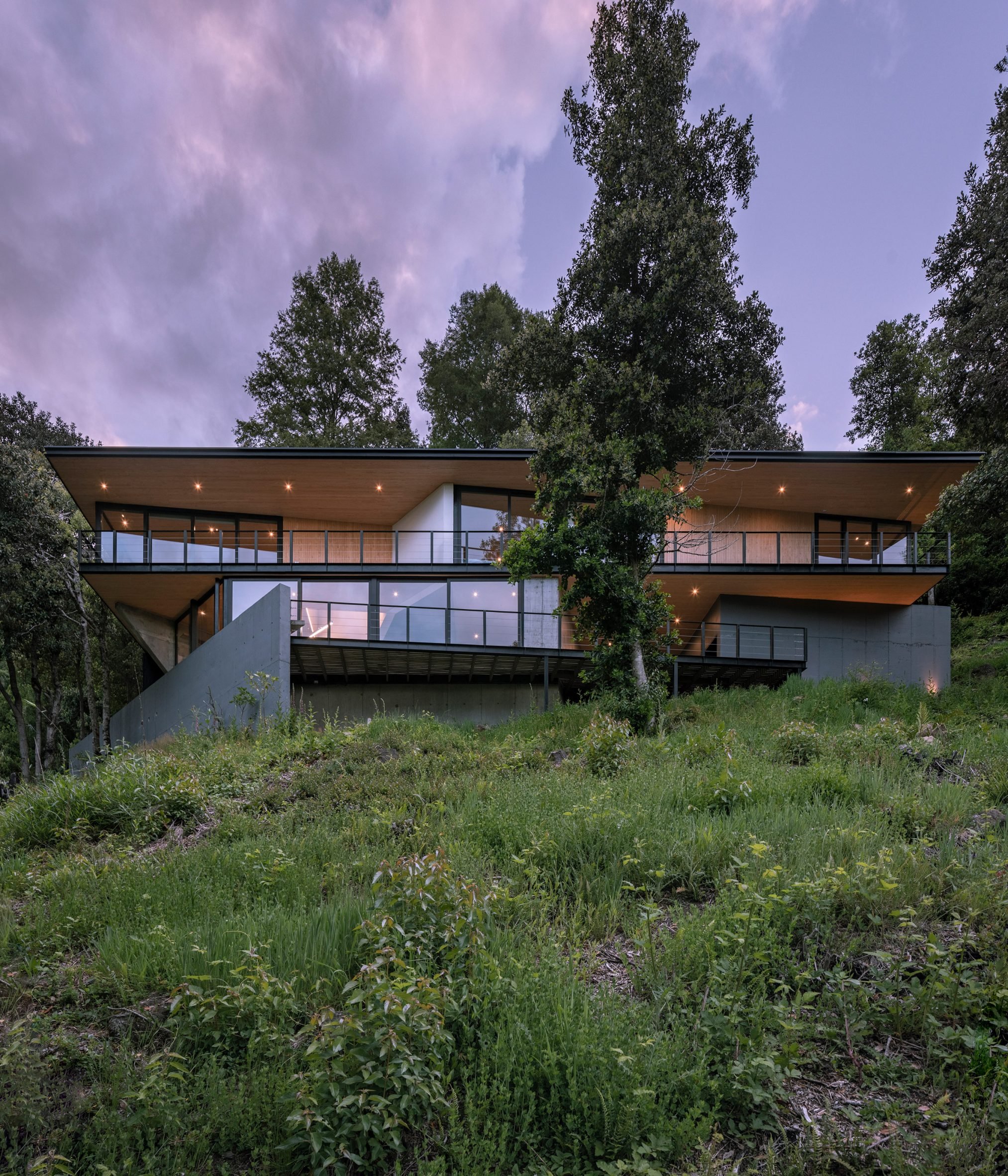
A series of concrete retaining walls help support an irregularly shaped holiday home in southern Chile that was designed by architecture firm Triangular.

The PR House is located in Cunco, a city in Chile's Cautín Province. Designed for a family from Santiago, the vacation home sits on a wooded hillside that looks toward Colico Lake.

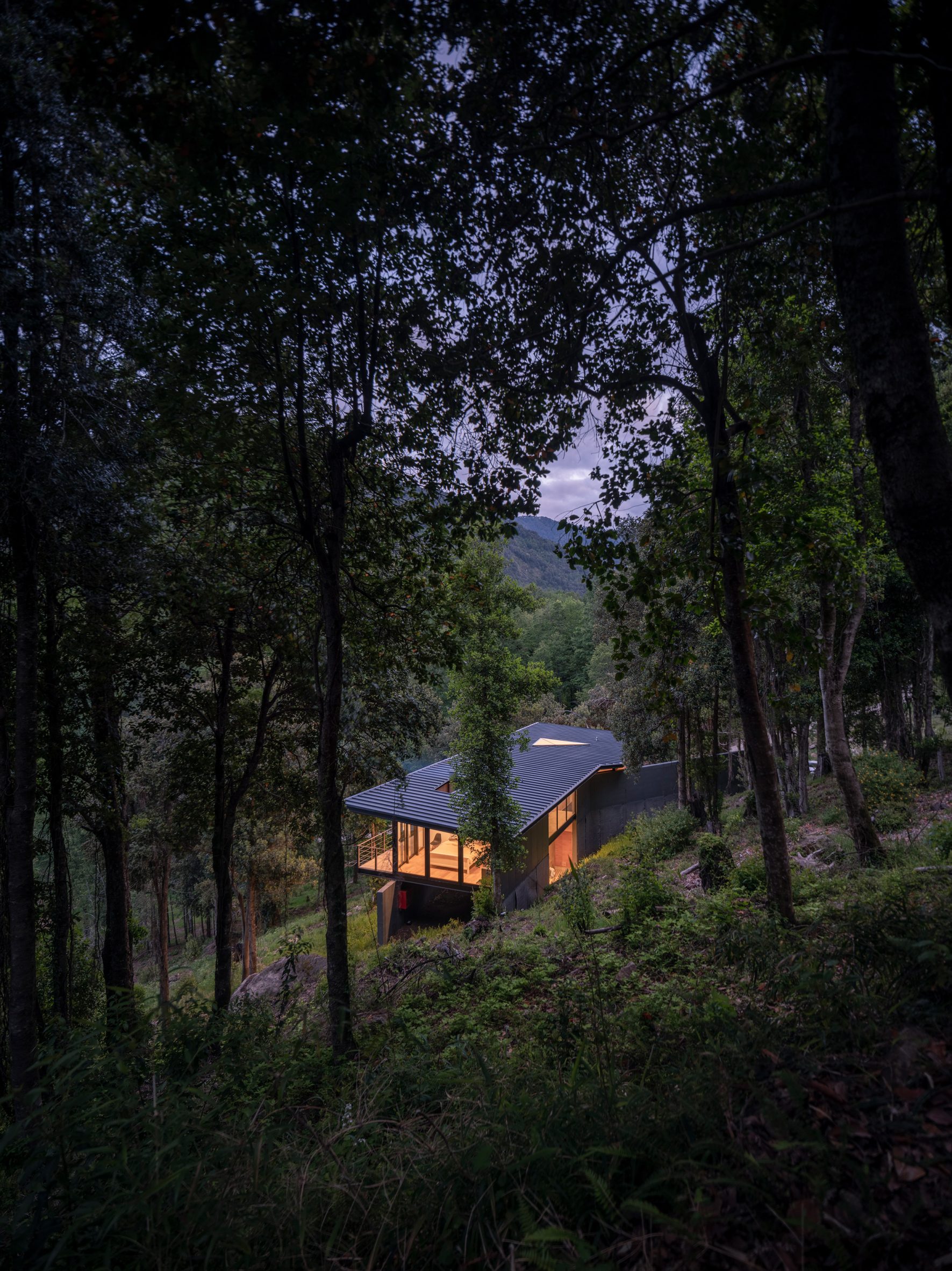
A house hidden in a dense forest
Above: Triangular nestled the residence within a Chilean forest. Top image: PR House has an irregular V-shape

The main challenges for Triangular, a Santiago-based firm, were building a home on a steep slope and capturing views of the lake.

The team ended up creating a two-storey, 240-square-metre house that is roughly V-shaped in plan. The home is oriented in a way that provides the most extensive views of the water.

A house with vast windows on top of a grassy hill
The building cantilevers over the grassy landscape towards the water

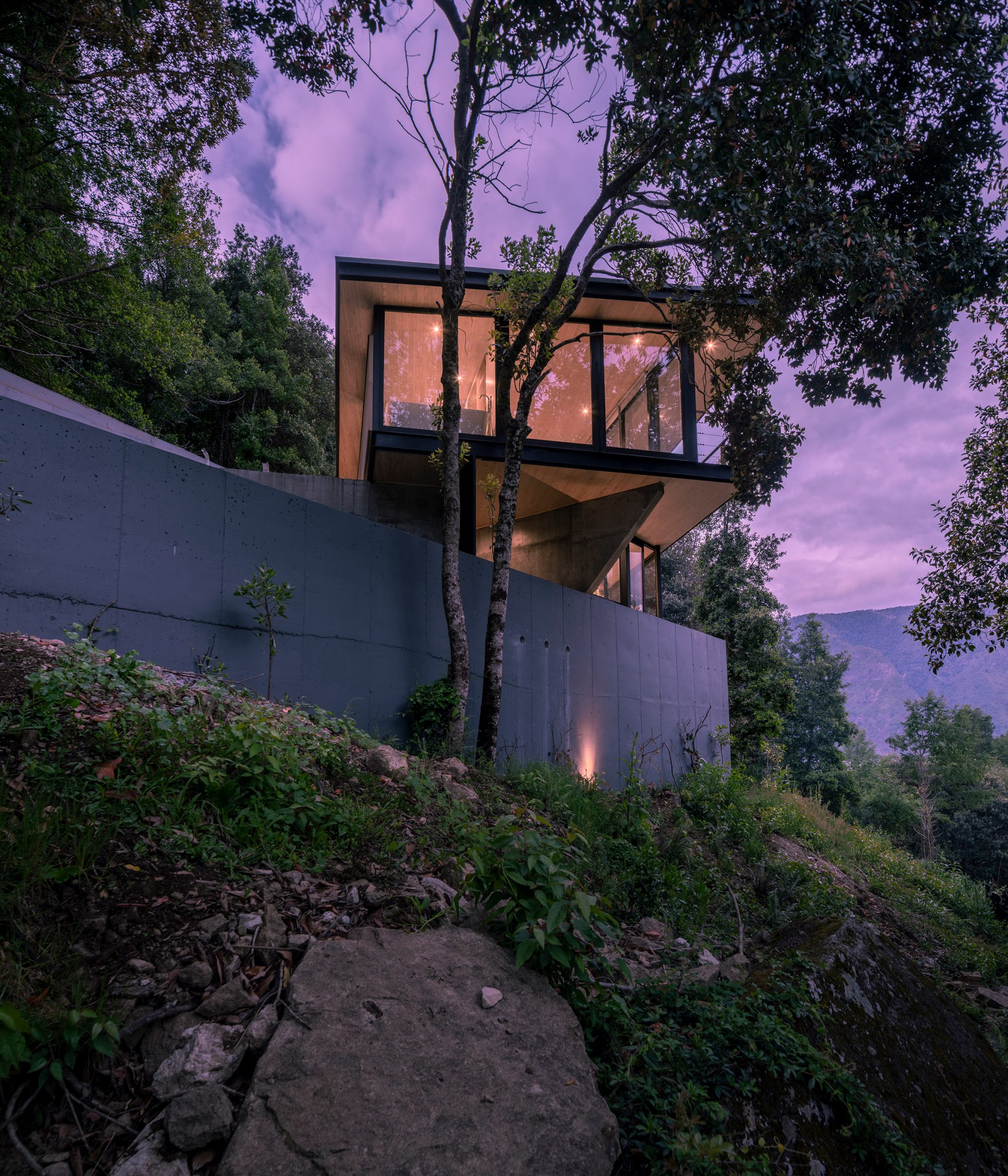
The home is set amongst a series of concrete retaining walls that enable the building to rest on the hillside. The walls intervene as little as possible in the terrain, and their graphite colour helps them merge with the site, the architects said.

Materials were chosen for their durability and ability to blend with the natural context.

A V-shaped roof on top of a house
The walls were placed to intervene as little as possible in the terrain

Facades are clad in high-performance wood that has been chemically modified through a process called acetylation.

"This kind of cladding, provided by the company Leaf with 50 years of warranty, is perfect for the rainy climate of Cunco," the team said.

PR House captured at sunset
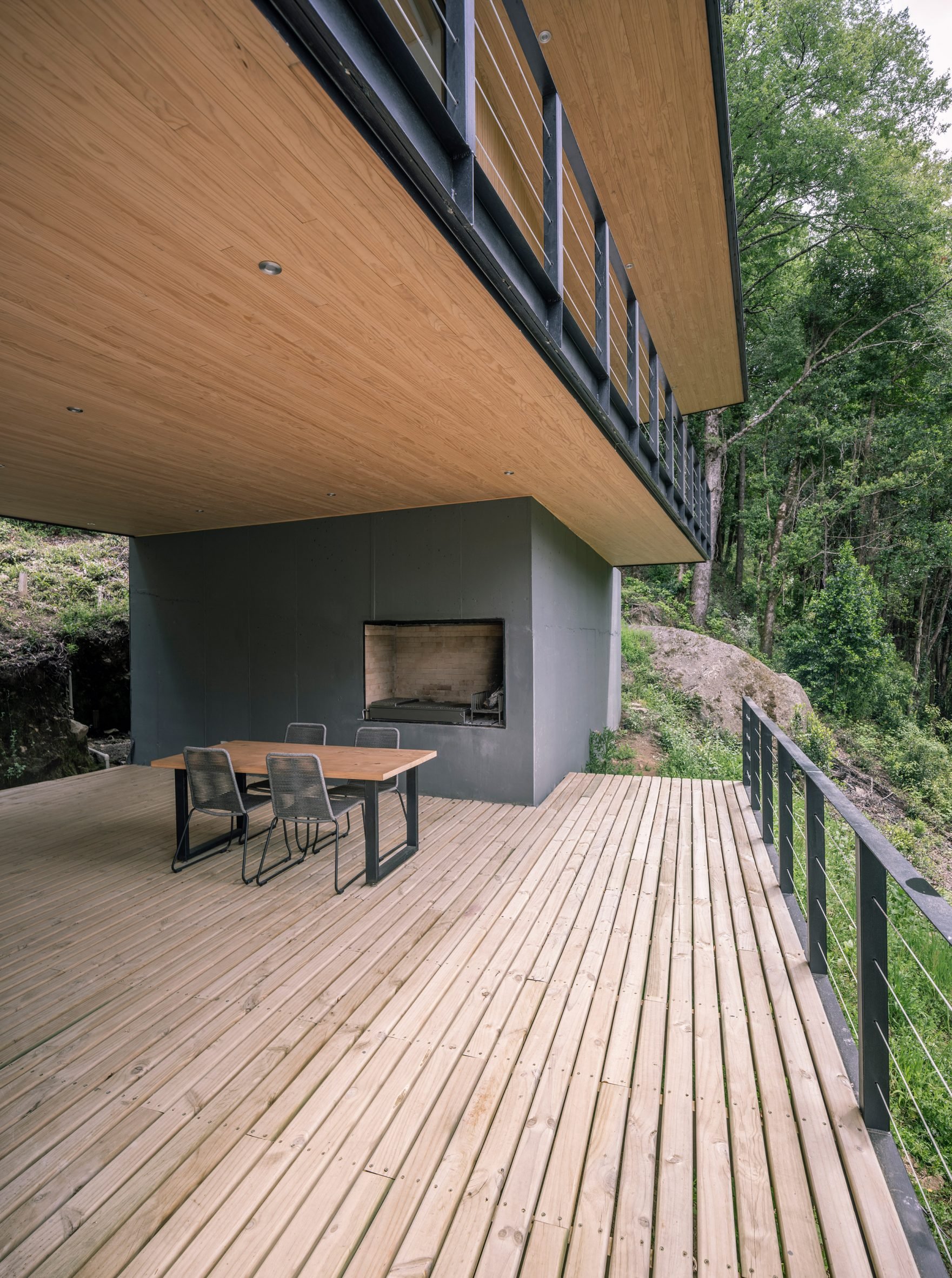
Large glass windows allow the living space to extend outdoors

The home is topped with a pre-painted, metal-clad roof with no gutters. The contours of the roof enable the shedding of rainwater – an ideal solution in areas where leaves might otherwise clog rainwater pipes.

The exterior also has several terraces with pine decking and metal railings.

Within the dwelling, there is a separation between public and private spaces.

"This clear zoning is due to the need for ample family gathering spaces and, simultaneously, places of tranquility, with total independence from each other," the studio said.

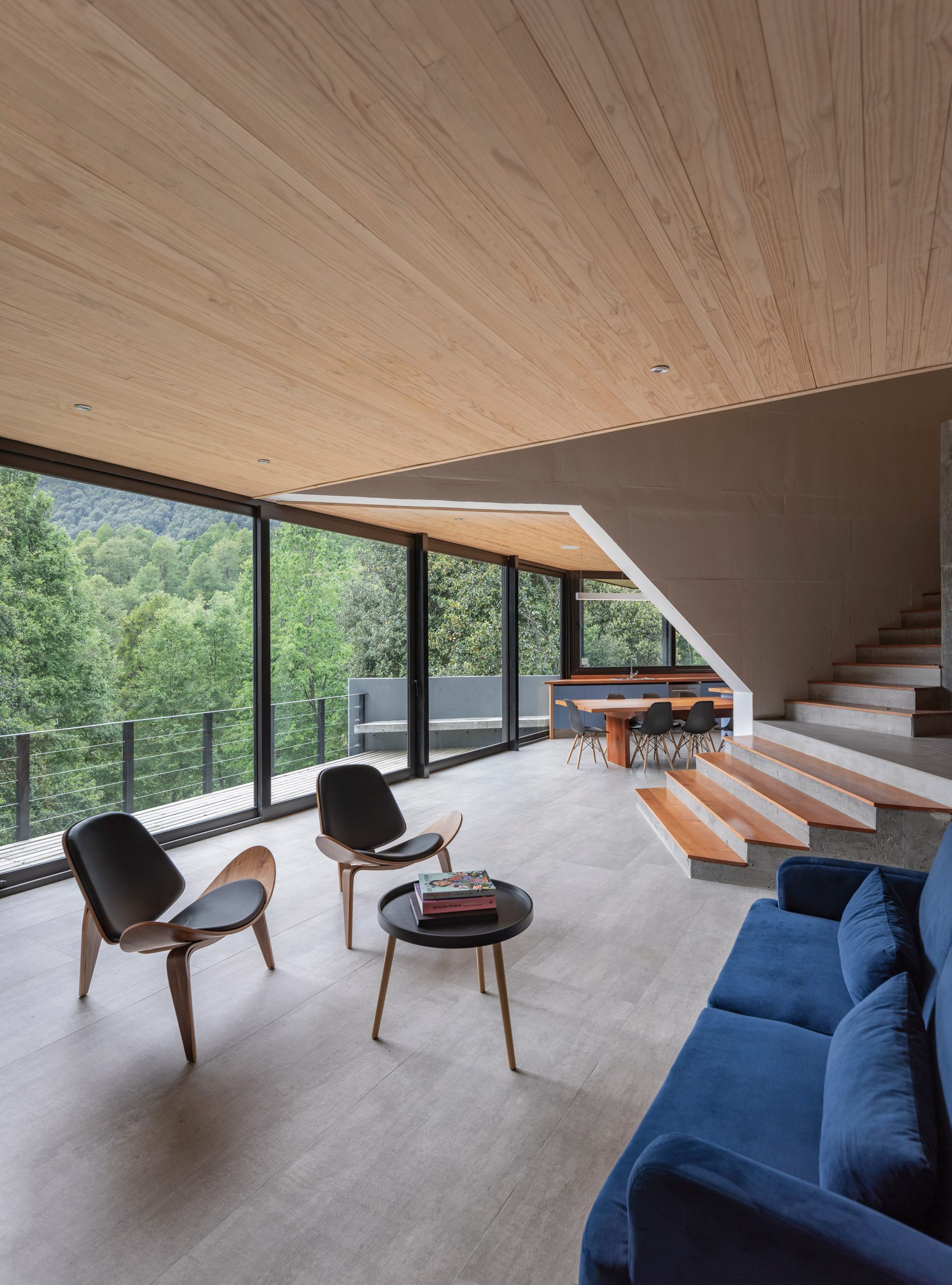
A living room with views onto a forest in Chile
The kitchen, dining and living room are on the lower floor

The layout also enables adaptability of use and meets different thermal requirements during the year, the team added.

The lower level encompasses a kitchen, dining area and living room, while the upper floor holds a master suite and several additional bedrooms.

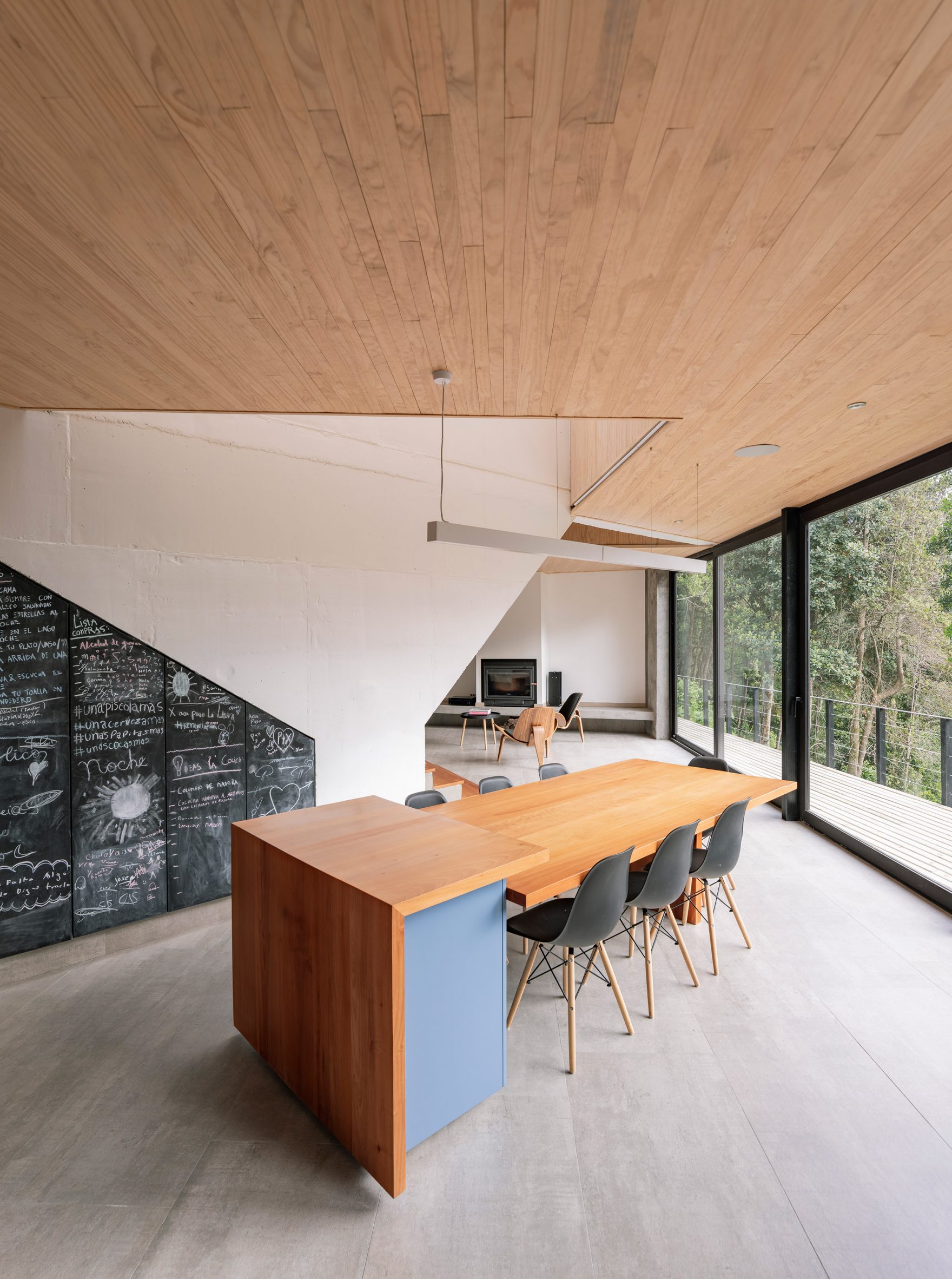
A dining room with a pine table
The floor is covered in porcelain tiles

Interior finishes include knot-free pine that was provided by a local wood manufacturer.

Porcelain tiles clad a metal-and-wood floor. A seven-centimetre, concrete floor slab – about half the thickness of a regular slab – minimises vibrations and accommodates heating ducts.

A wooden terrace surrounding PR House
Pine terraces run around both floors of the house

Large stretches of glass offer a strong connection with the landscape, as do outdoor terraces on both levels. On the lower level, a covered patio features a built-in grill.

Other Chilean houses include an amoeba-shaped, coastal dwelling by Gubbins Polidura Arquitectos and Más Arquitectos, and a wood-clad ski cabin by Iragüen Viñuela Arquitectos that was built atop the foundation of an uncompleted home.

The photography is by Nicolás Sanchez.


Project credits:

Architecture firm: Triangular
Lead architects: Tomás Swett Amenábar, Alejandro Armstrong Ramos

The post Triangular embeds PR House on a forested hillside in Chile appeared first on Dezeen.


from Dezeen https://ift.tt/3A0lAuL

Spanish architect Ricardo Bofill dies aged 82

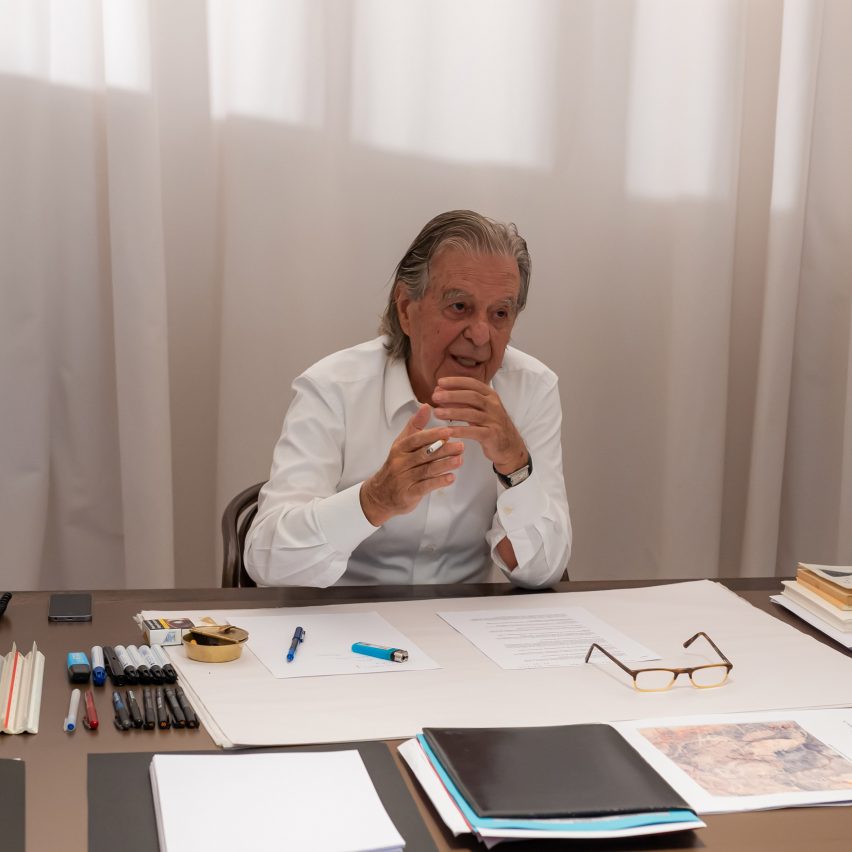
Ricardo Bofill portrait

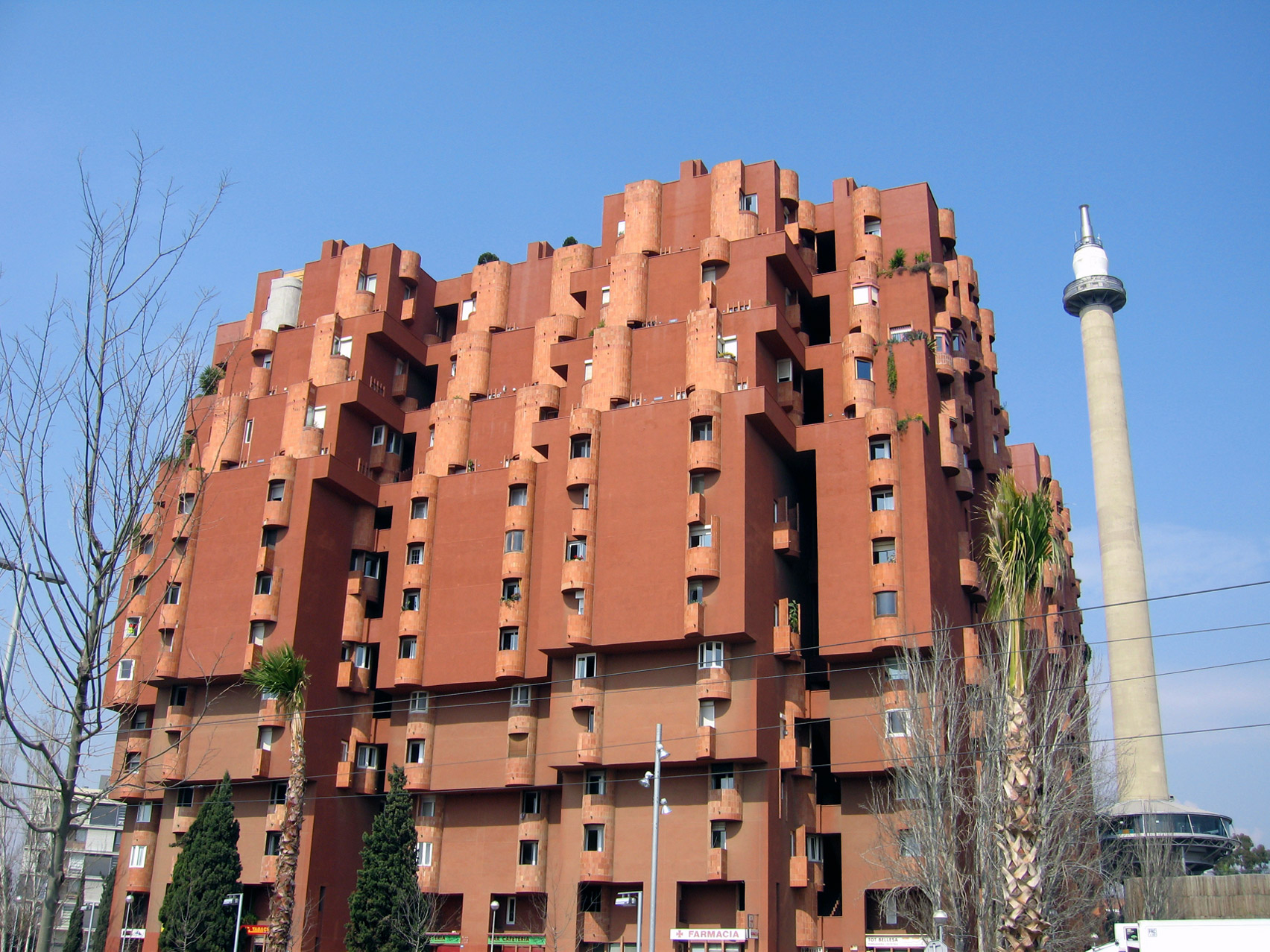
Ricardo Bofill, the Spanish architect behind the Walden 7 apartment building in Catalonia, has passed away at the age of 82.

The news of Bofill's death today was announced by his studio Ricardo Bofill Taller de Arquitectura (RBTA), which shared three old portraits of the architect on its Instagram.

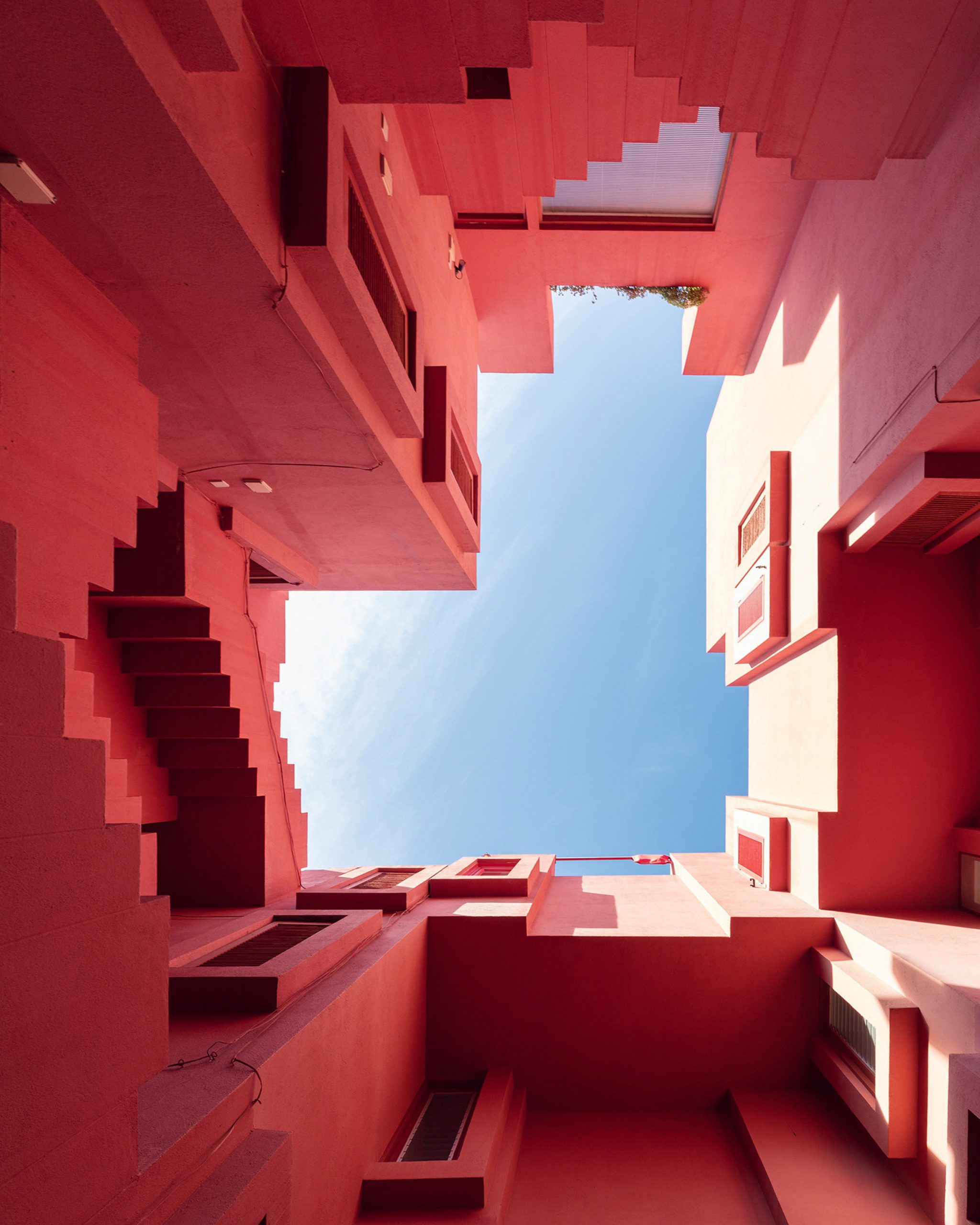
Bofill founded studio RBTA in 1963. Its best-known projects include Walden 7 and the brightly coloured La Muralla Roja housing estate in Manzanera.

Walden 7
Top image: Ricardo Bofill has passed away at the age of 82. Above: he was the architect behind Walden 7. Photo is by Till F. Teenck via Wikimedia Commons

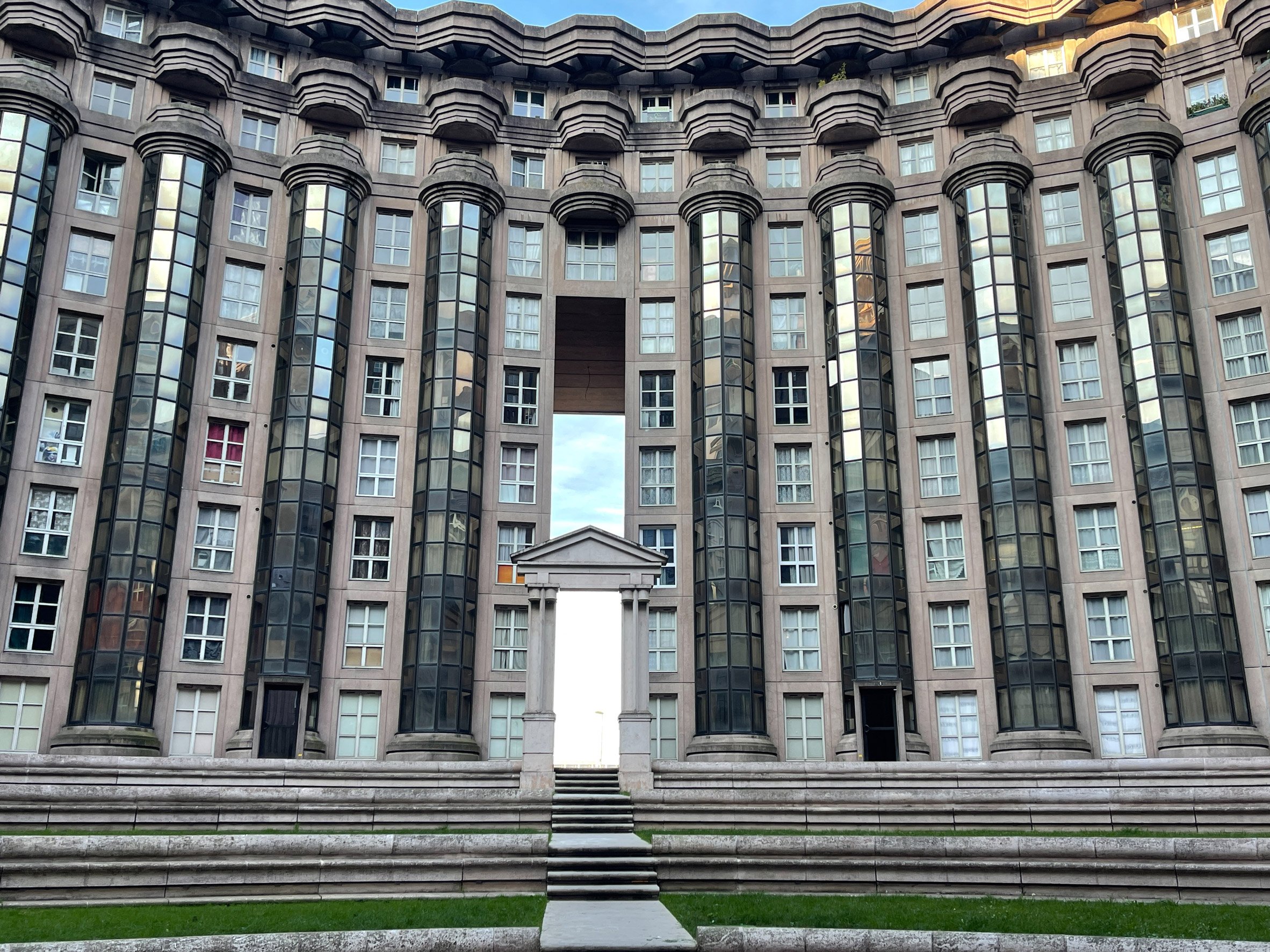
Other key projects from Bofill's six-decade-long career include the Les Espaces d'Abraxas housing complex near Paris and, in Spain, the Castell de Kafka and La Fábrica – a repurposed cement factory containing the RBTA headquarters and Bofill's family home.

More recently, his studio completed the sail-shaped W Barcelona Hotel in Spain and Mohammed VI Polytechnic University in Morocco.

Ricardo Bofill's La Muralla Roja
Bofill also designed the colourful La Muralla Roja. Photo is by Sebastian Weiss

Bofill was born in 1939 in Barcelona. He completed his architectural training at the Geneva University of Art and Design in Switzerland before founding his studio aged 23.

Much of the studio's early work is celebrated for its unusual and monumental aesthetic, which has led it to be used as a stage for Hollywood films and video games. In the last decade, Les Espaces d'Abraxas featured in the dystopian movie The Hunger Games: Mockingjay, while La Muralla Roja informed the design of the Monument Valley game.

Les Espaces d'Abraxas
Les Espaces d'Abraxas was among the studio's early works. Photo is by Mikeshaheen1 via Wikimedia Commons.

Bofill received a number of awards for his work, including the Ciudad de Barcelona Prize of Architecture for La Fábrica and The Israelí Building Center's Life Time Achievement Award.

He was also an honorary fellow of the American Institute of Architects and the Association of German Architects.

The portrait of Bofill is by Xuan_95 via Shutterstock.

The post Spanish architect Ricardo Bofill dies aged 82 appeared first on Dezeen.


from Dezeen https://ift.tt/3HWcuCe