Wednesday, 30 June 2021

Ilse Crawford explores "useful design" in second episode of Braun's Good Design Masterclass

Good Design Masterclass

Ilse Crawford discusses useful objects such as prosthetic hands, electric bikes and shavers in the second episode of Braun's masterclass video series that Dezeen is publishing as part of our collaboration with the German design brand.

Braun launched the Good Design Masterclass video series, which is led by British designer Crawford, to inspire "good design for a better future" and to mark its centenary. The second episode focuses on useful objects.

"Fundamentally, 'useful' is about functional things that people really need," said Crawford in the video. "Genuinely useful design creates the building blocks of our lives."

"Sometimes, 'useful' can make things more convenient. But it can also improve lives in quite profound ways."
Braun Good Design Masterclass
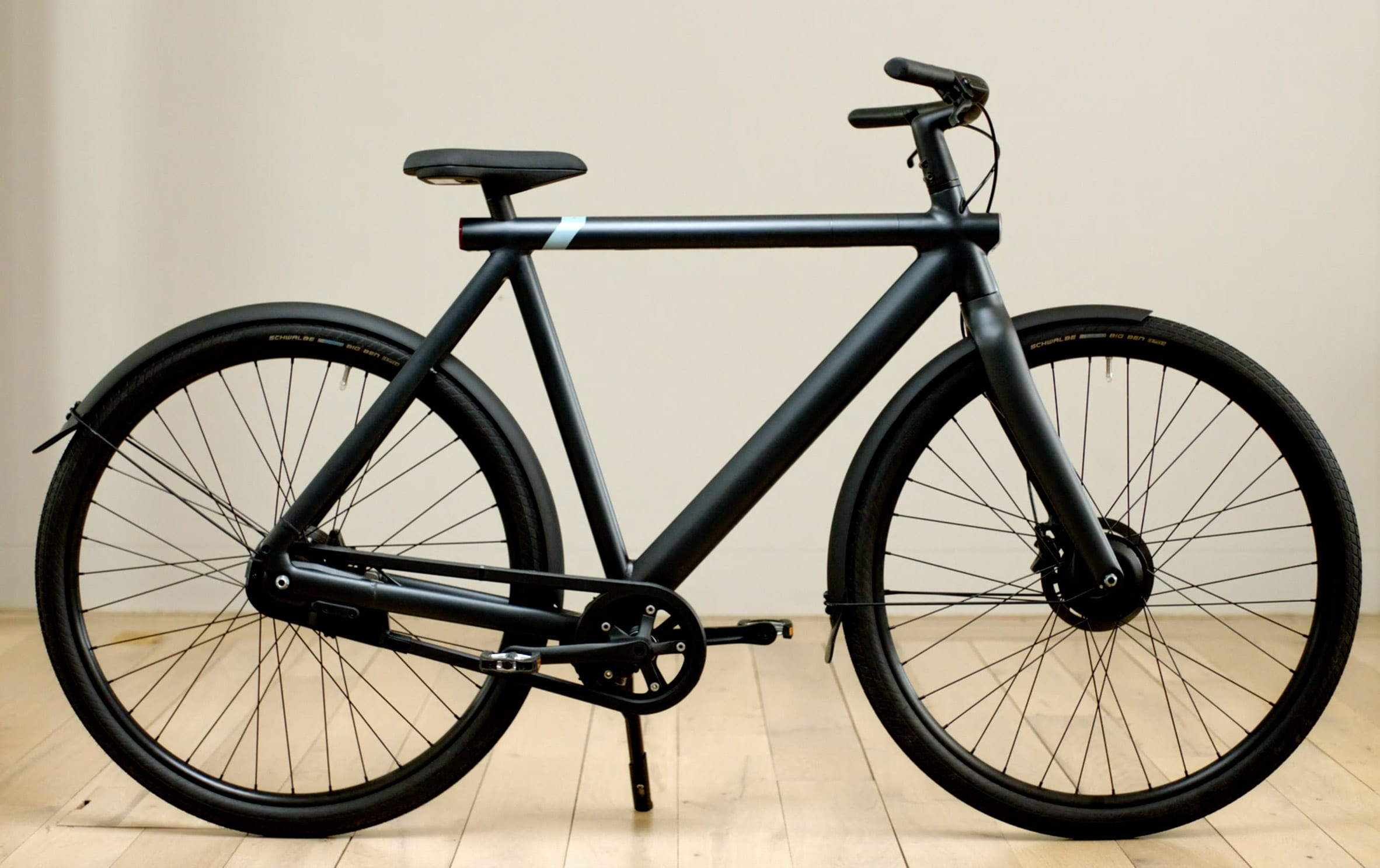
The VanMoof S3 bike aims to be "the sustainable future of mass transportation", according to Crawford

One example of useful design featured in the video is the VanMoof S3 electric bike, which Crawford described as a "beautiful piece of functional design". The design aims to be "the sustainable future of mass transportation", according to Crawford.

"This is a municipal object, it's a commuter tool," she said. "And you see it in what is in front of you. It is sturdy, everything is integrated into the frame, everything is embedded. And when they develop new models, they don't mess around with new styles or novelty. Every upgrade is based on improving the functionality of this bike."
Braun Good Design Masterclass
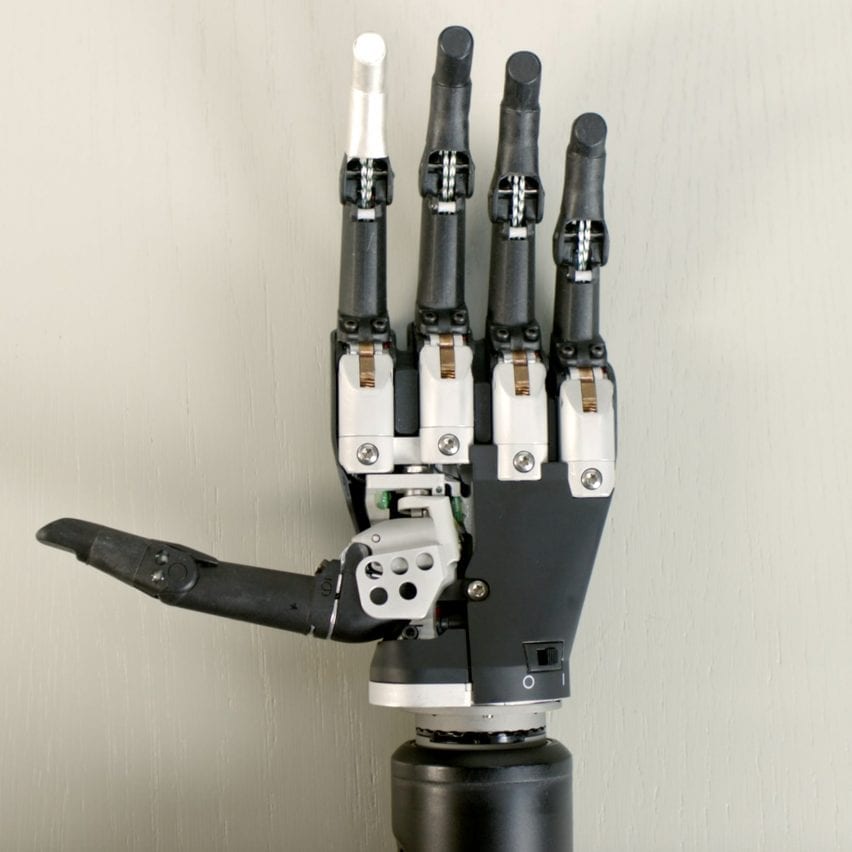
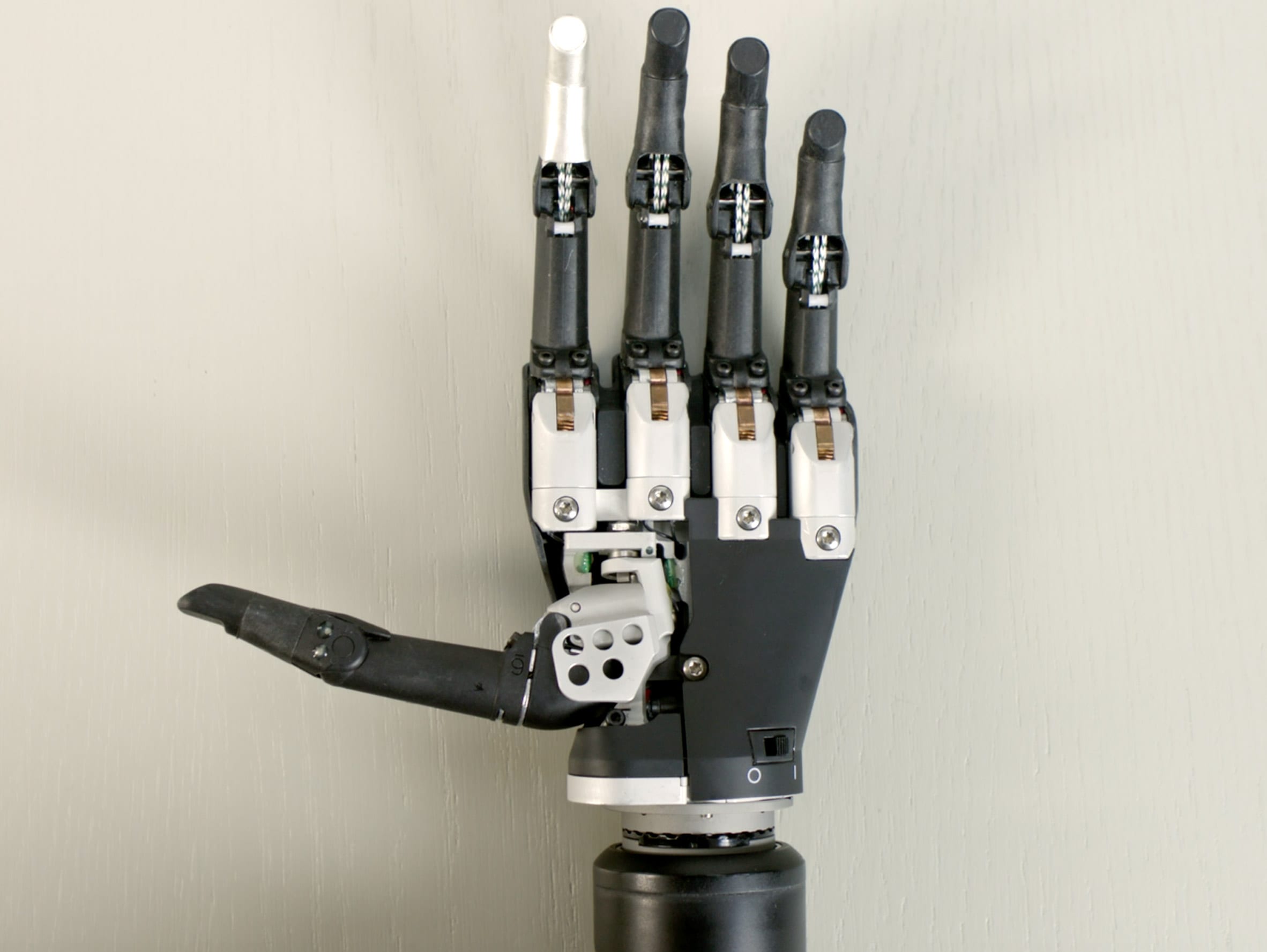
Össur's i-Limb Quantum is a myoelectric prosthetic hand

Another example of useful design featured in the video is the i-Limb Quantum prosthetic hand by Iceland-based company Össur.

The device is myoelectric, which means that it can be operated with the electrical signals generated by a person's muscles to enable the user to regain the functionality of a missing hand. Crawford described the design as "unashamedly robotic" and said it is something the user would want to show off.

"This really has been a shift from the times when to have a prosthetic limb was a matter of shame and social stigma to today when a prosthetic is not only functionally useful – technological shifts have made it a wonderful accessory in terms of dexterity – but also a thing of beauty," she said. "So it's now also useful from a social point of view – it's something to be proud of."
Braun Good Design Masterclass
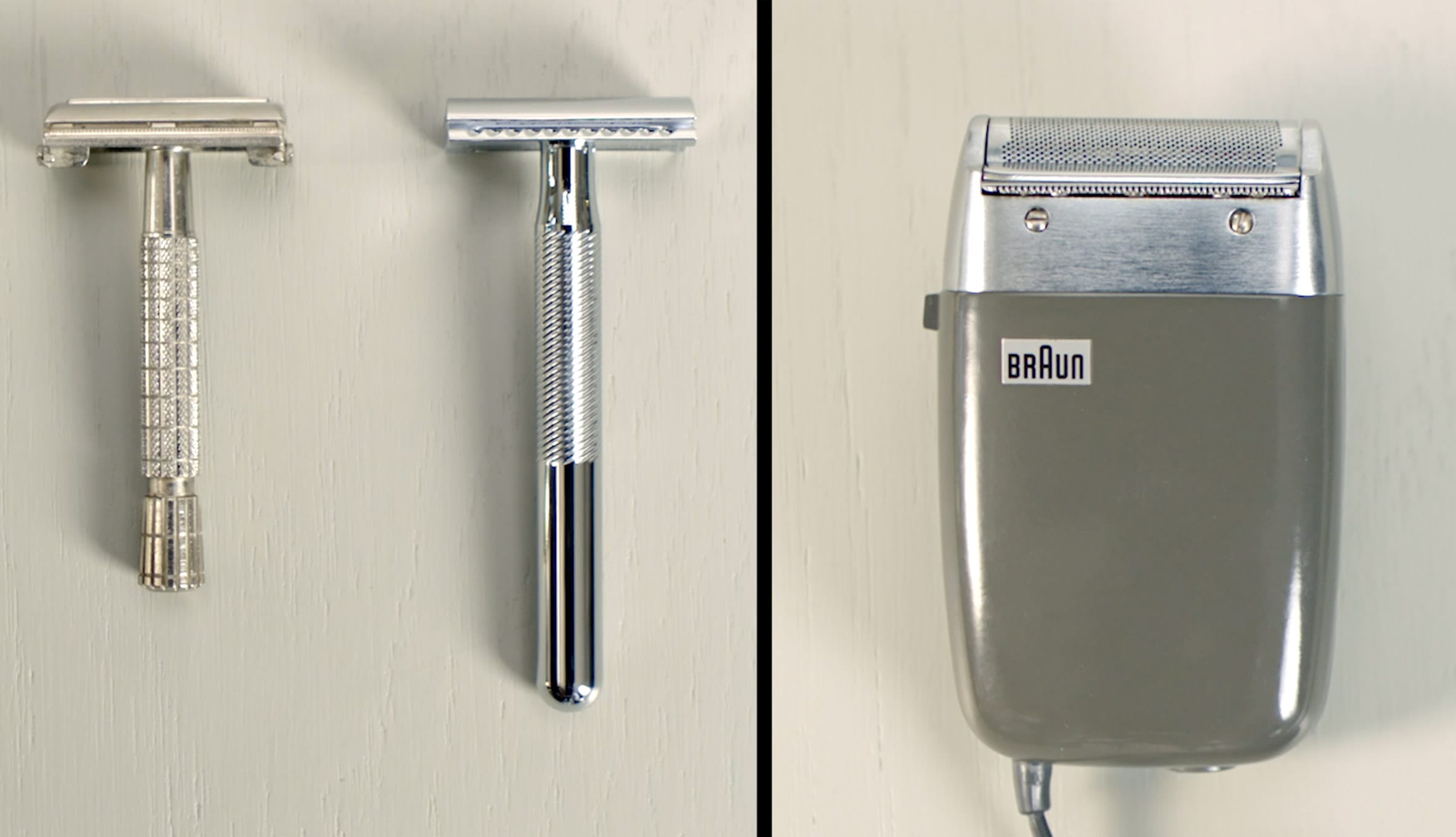
Braun's Parat BT SM 53 electric shaver (right) could be powered using the cigarette lighter in a car

The third design Crawford discussed in the video is Braun's Parat BT SM 53 electric shaver by Dieter Rams and Richard Fischer, which she said is an example of how usefulness shifts and changes over time.

Crawford described the shaver as "a pioneer of the unplugged lifestyle" because it could be powered via the cigarette lighter socket in a car.

"But, of course, 'useful' is not something that is pinned down in stone," she said.

"Tastes shift, values shift. And, of course, change continues. Because now beards are back so now there are new typologies for clippers and trimmers. So what is useful is continually tied into the cultural and social shifts of any time."
Braun Good Design Masterclass
Braun's Good Design Masterclass series is led by British designer Ilse Crawford

This is the second episode of Braun's Good Design Masterclass. In the first episode, Crawford discussed "simple design".

Dezeen editor-in-chief Marcus Fairs also spoke to Crawford about the masterclass series in a live talk that we broadcast this week.

Next week, Dezeen will publish the final episode of the Good Design Masterclass series, which is also available to watch on Braun's website.


Dezeen x Braun Good Design Masterclass

This article was written by Dezeen for Braun as part of our Dezeen x Braun Good Design Masterclass partnership. Find out more about Dezeen partnership content here.


The post Ilse Crawford explores "useful design" in second episode of Braun's Good Design Masterclass appeared first on Dezeen.


from Dezeen https://ift.tt/3hlVI3J

Calipso Linear ceiling light by Neil Poulton for Artemide

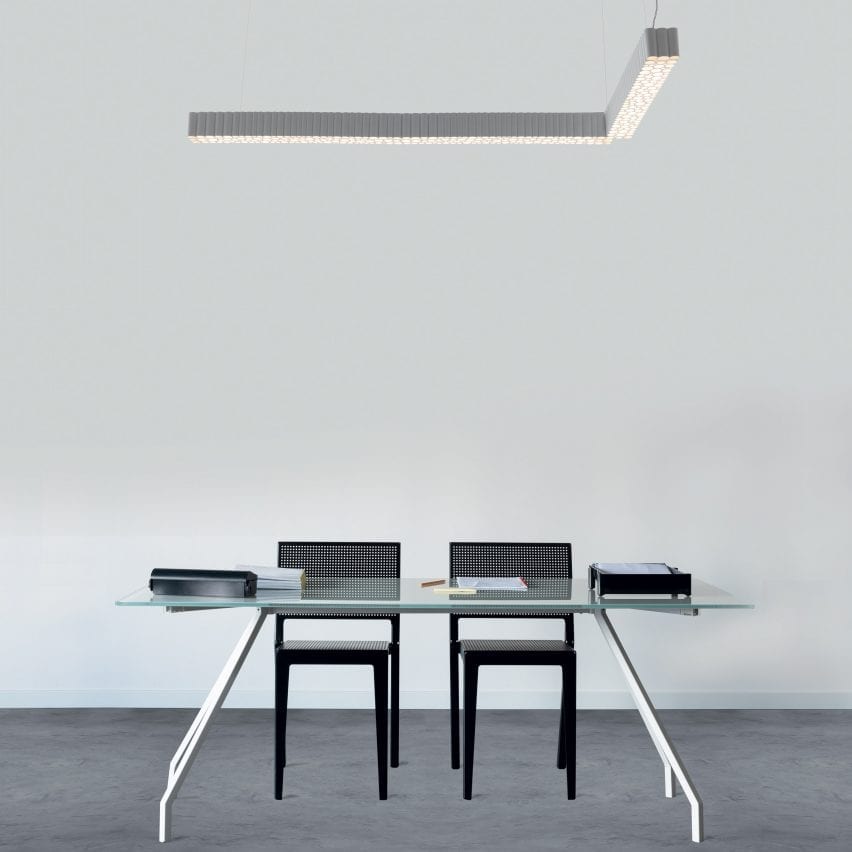
The Calipso light hanging above a table and chairs

Dezeen Showroom: Paris-based product designer Neil Poulton has created a ceiling light with a honeycomb effect for Italian lighting manufacturer Artemide.

The traditional ceiling light is given a new twist for Calipso Linear, a lighting design made up of geometric tubes.

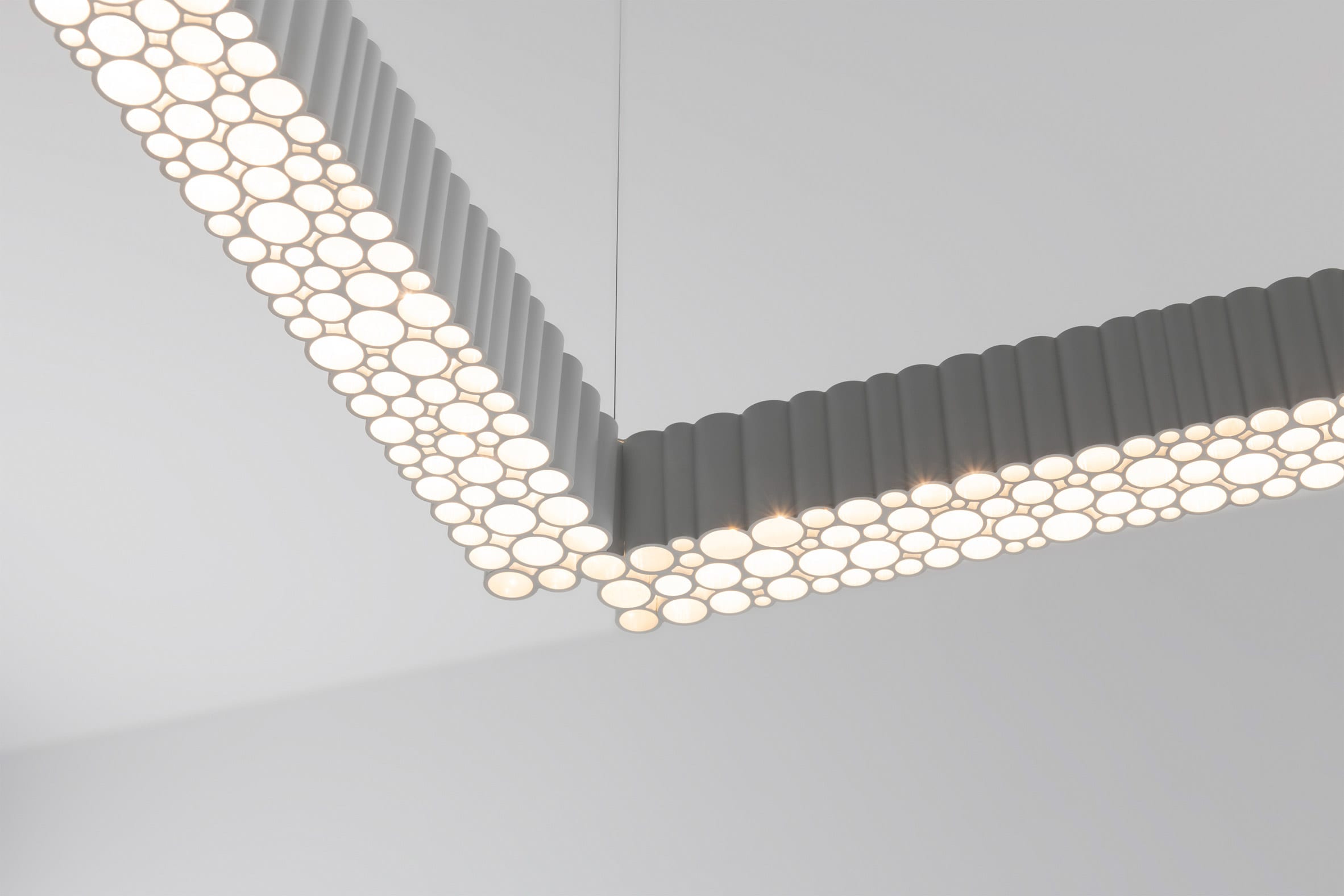
Light shines through small circles of varying diameters, which are arranged side by side to create a "honeycomb" effect along its length.

The white Calipso Linear light
Top: different configurations of Calipso Linear lights. Above: a honeycomb effect is created by different-sized circles

"This honeycomb pattern in an elongated shape adds visual interest and comfort with a soft light to an otherwise traditionally shaped fixture," Artemide told Dezeen.

The honeycomb grill was created by inserting a photo of the moon into an image-based algorithm on a computer. A shell was then placed over a thermo-formed screen to hide the LED circuit while maintaining its distinctive "dot effect".

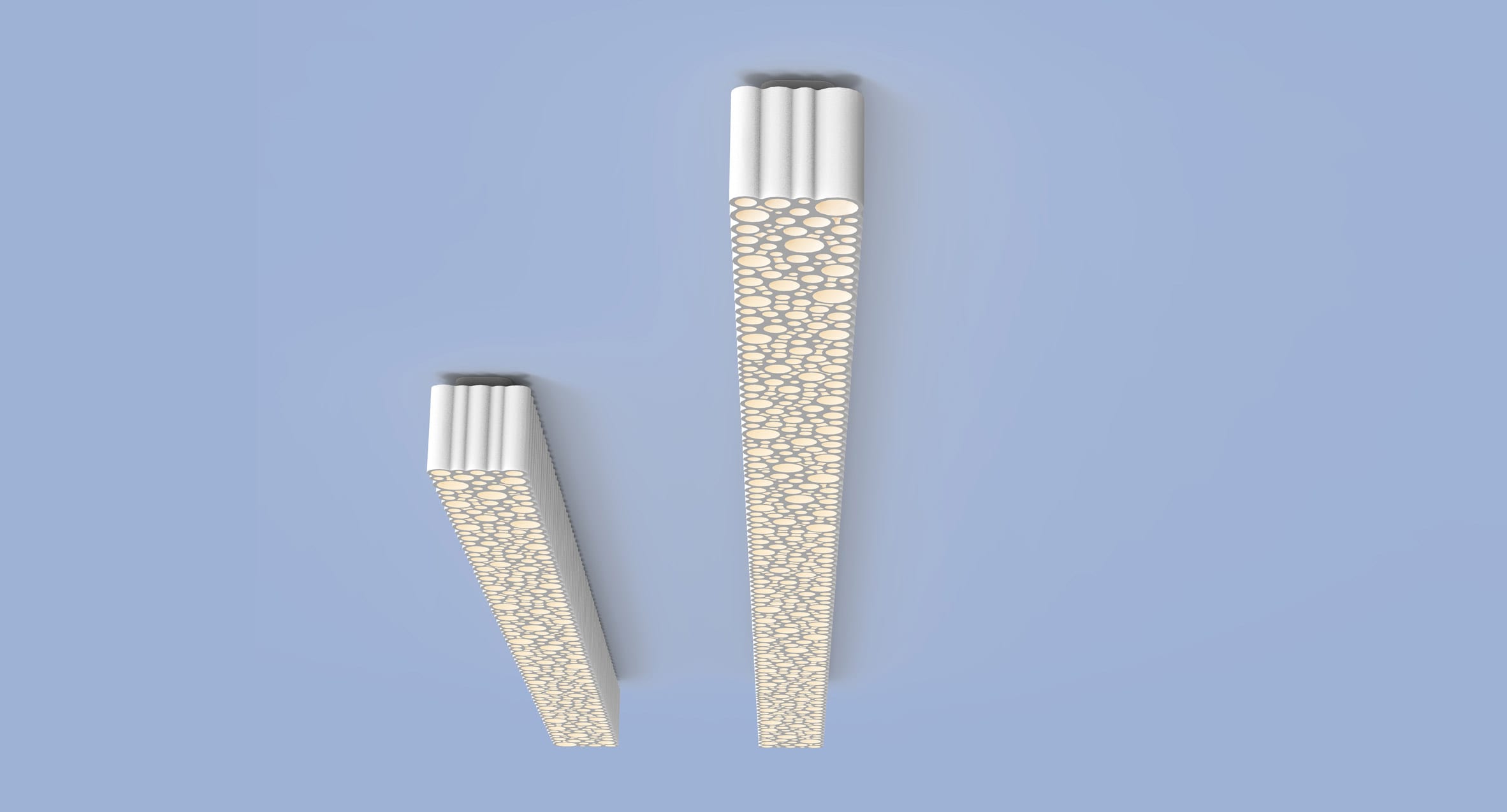
Two Calipso lights of different lengths on a blue background
The light comes in a range of sizes that can be attached together

Calipso Linear can be used in both workplaces and homes thanks to its even and comfortable light emission.

"Calipso is suited to a variety of applications expressing Artemide's traditional approach to deliver high performance lighting with a unique and emotional expressiveness," the brand said.

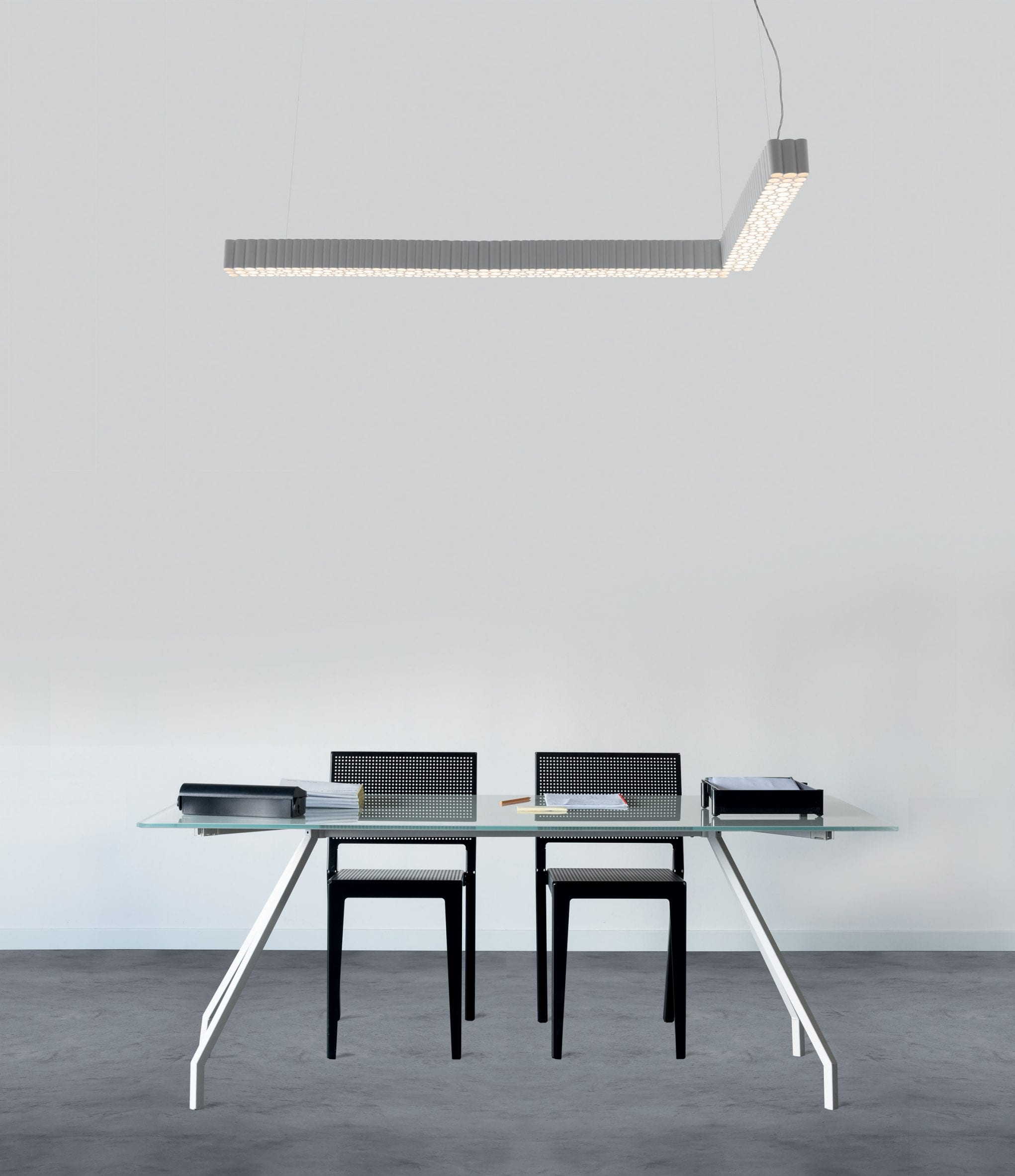
A Calipso light hanging above an office desk
The light is suitable for offices as well as homes

Straight parts of Calipso Linear can be added together to create a longer light. Alternatively, a joint can connect two Calipso lights at a 90-degree angle. This functionality allows users to create multiple shapes.

Product: Calipso
Designer: Neil Poulton
Brand: Artemide
Contact: USA infousa@artemide.net CANADA: infocanada@artemide.net

About Dezeen Showroom: Dezeen Showroom offers an affordable space for brands to launch new products and showcase their designers and projects to Dezeen's huge global audience. For more details email showroom@dezeen.com.

Dezeen Showroom is an example of partnership content on Dezeen. Find out more about partnership content here.

The post Calipso Linear ceiling light by Neil Poulton for Artemide appeared first on Dezeen.


from Dezeen https://ift.tt/3dt3BTZ

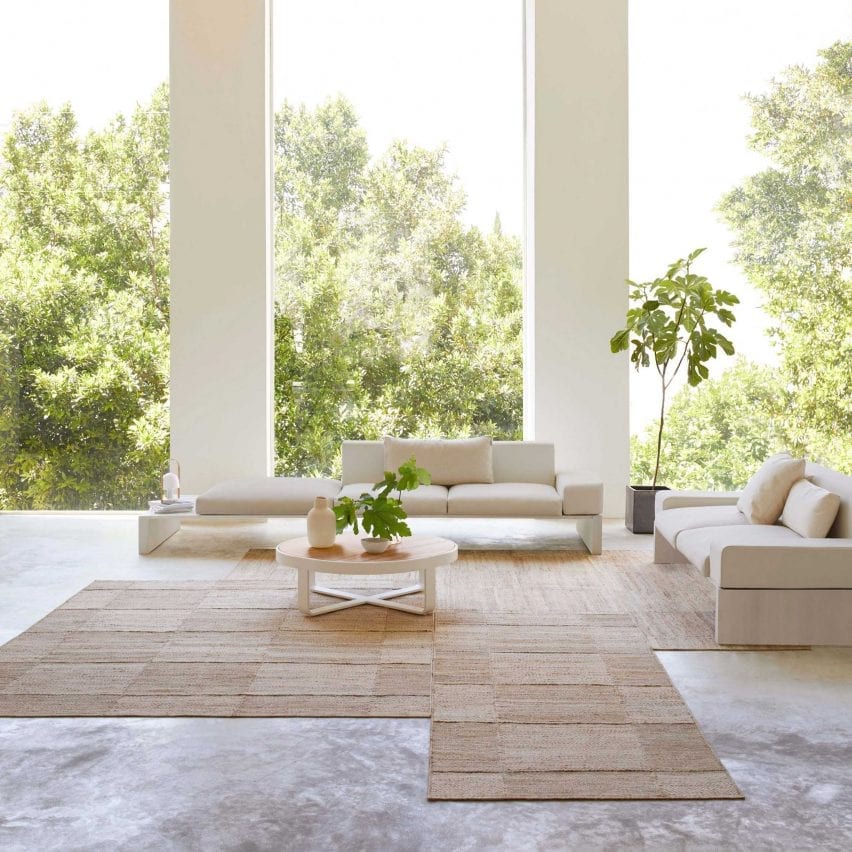
Roots rugs by Inma Bermúdez for Gan

Roots rug by Inma Bermudez for Gan

Dezeen Showroom: Inma Bermúdez has designed Gan's Roots collection, a series of jute and cotton rugs in ode to the designer's Mediterranean heritage.

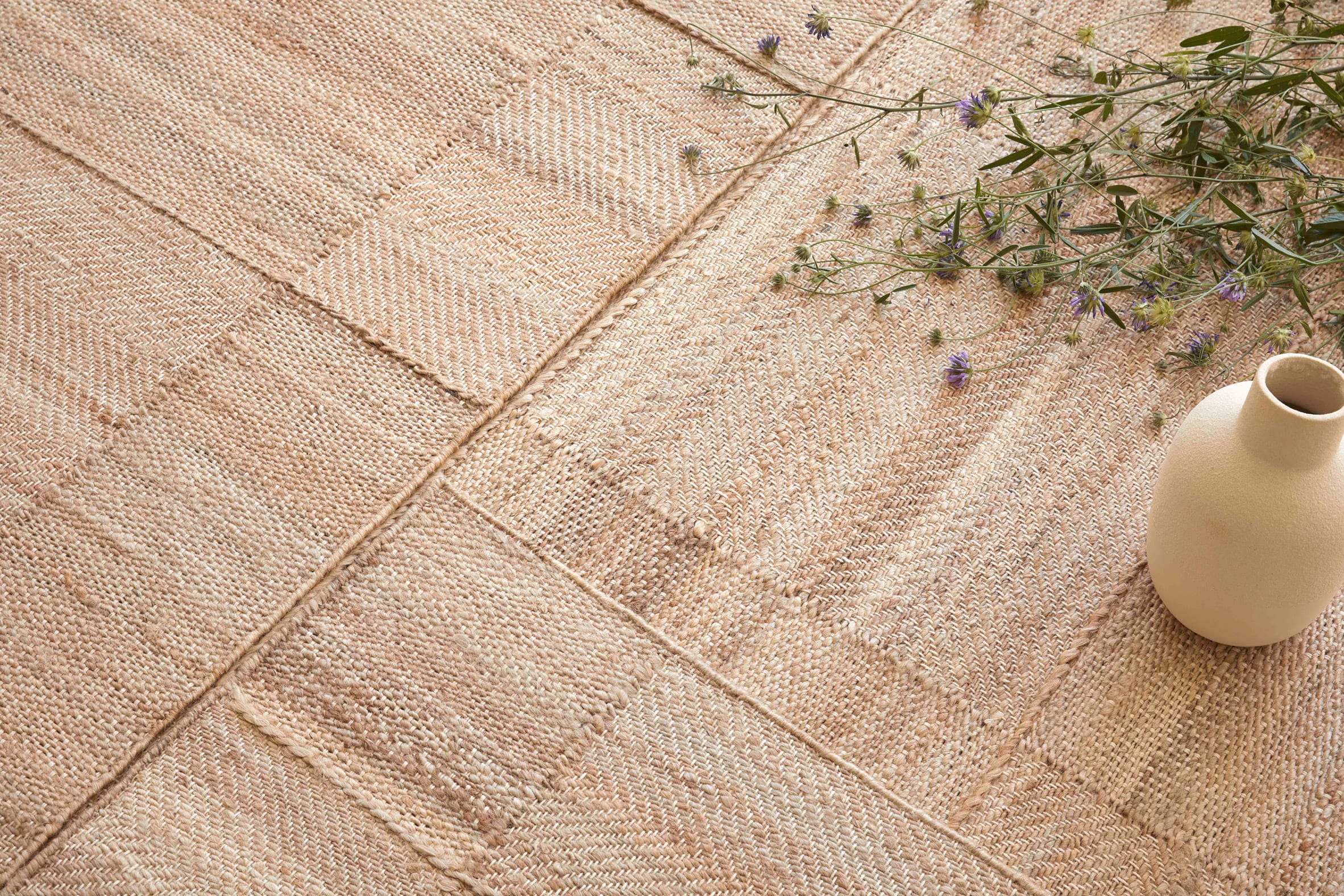
The Roots collection features four different styles of flat-woven rugs, each made with jute fibres as the weft and cotton as the warp.

Roots rug by Inma Bermudez for Gan
Gan's Roots rugs are made of jute and cotton

The rugs have a richly textured look highlighting subtle differences in material and colour, with hues ranging from beige to ochre and brown.

Bermúdez made the collection to honour her own Mediterranean roots and those of the Gan brand. Both are based in Spain.

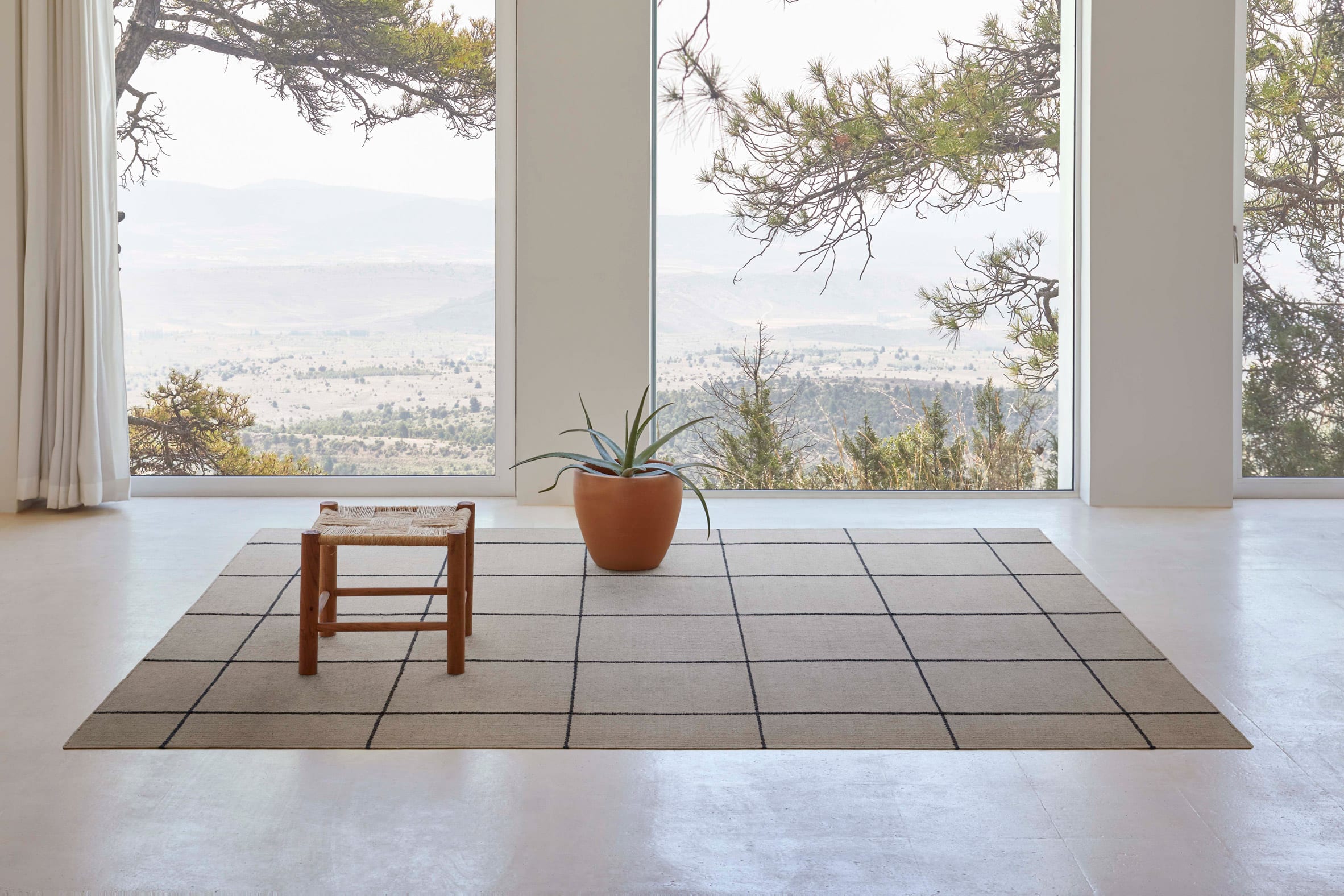
Roots rug by Inma Bermudez for Gan
All feature a variation on a square pattern

Each of the four models features a pattern of square shapes that repeat at different scales and rhythms to give them their unique character. The rugs are available in four sizes ranging from 96 by 144 centimetres to 240 by 288 centimetres.

All are made by hand in India and the collection also includes two stools woven from the same materials.

Product: Roots
Designer: Inma Bermúdez
Brand: Gan
Contact: info@ganrugs.com

About Dezeen Showroom: Dezeen Showroom offers an affordable space for brands to launch new products and showcase their designers and projects to Dezeen's huge global audience. For more details email showroom@dezeen.com.

Dezeen Showroom is an example of partnership content on Dezeen. Find out more about partnership content here.

The post Roots rugs by Inma Bermúdez for Gan appeared first on Dezeen.


from Dezeen https://ift.tt/3dwvevo

Termite mounds inform Kéré Architecture's design of Kenyan education campus

A building finished with terracotta-hued plaster

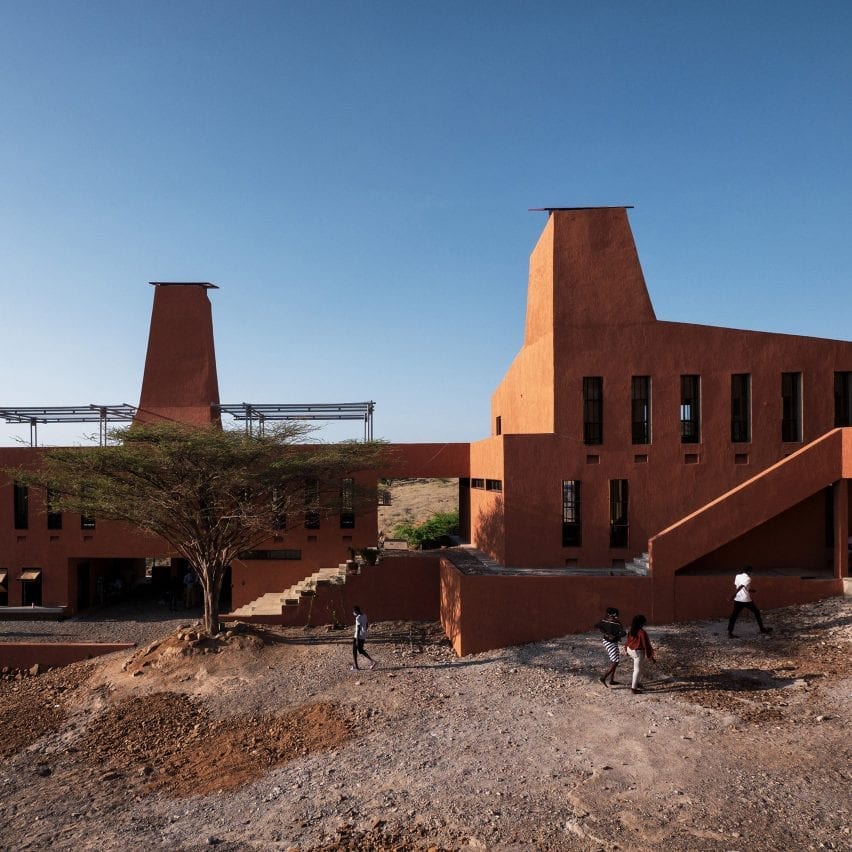
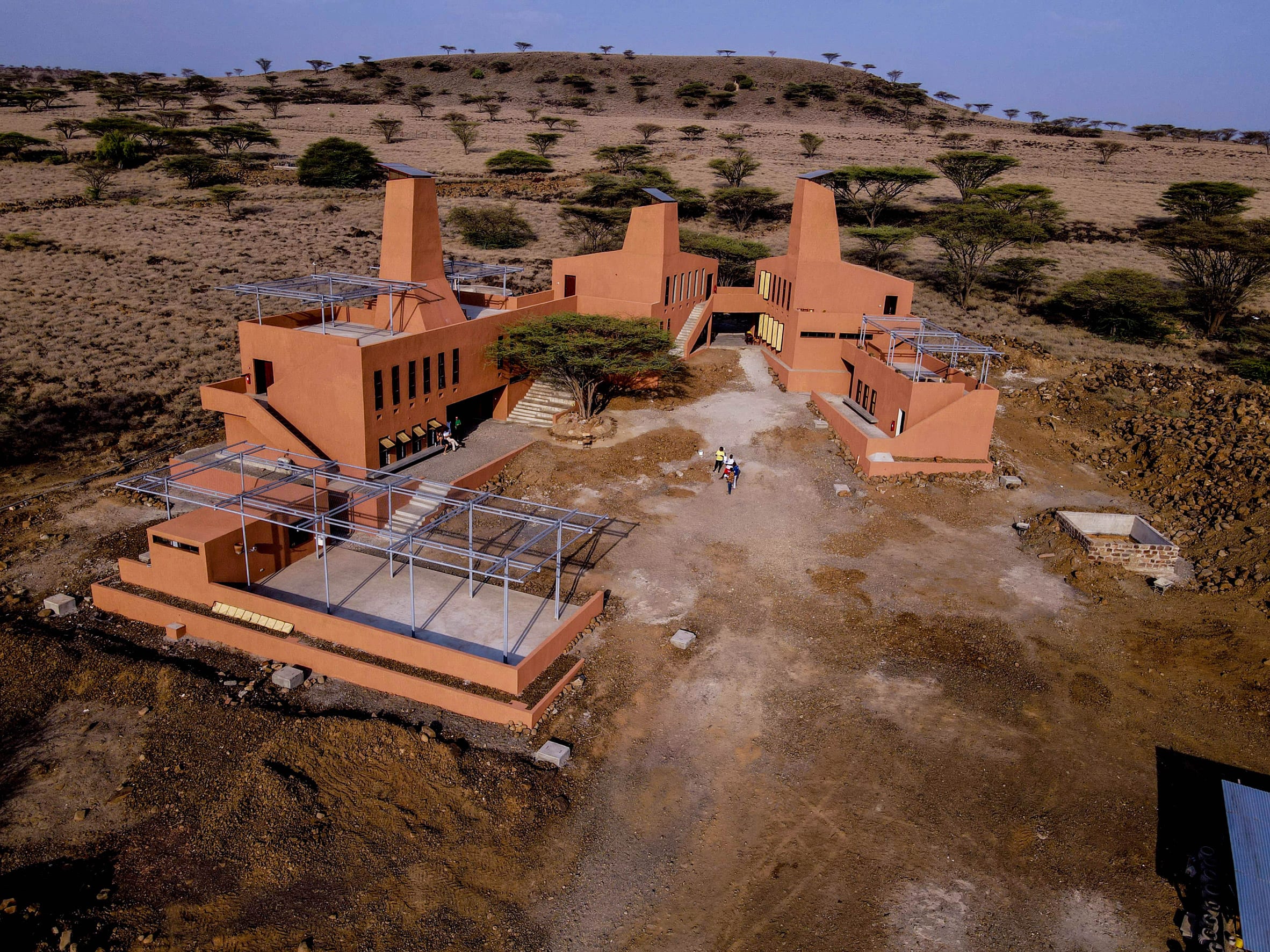
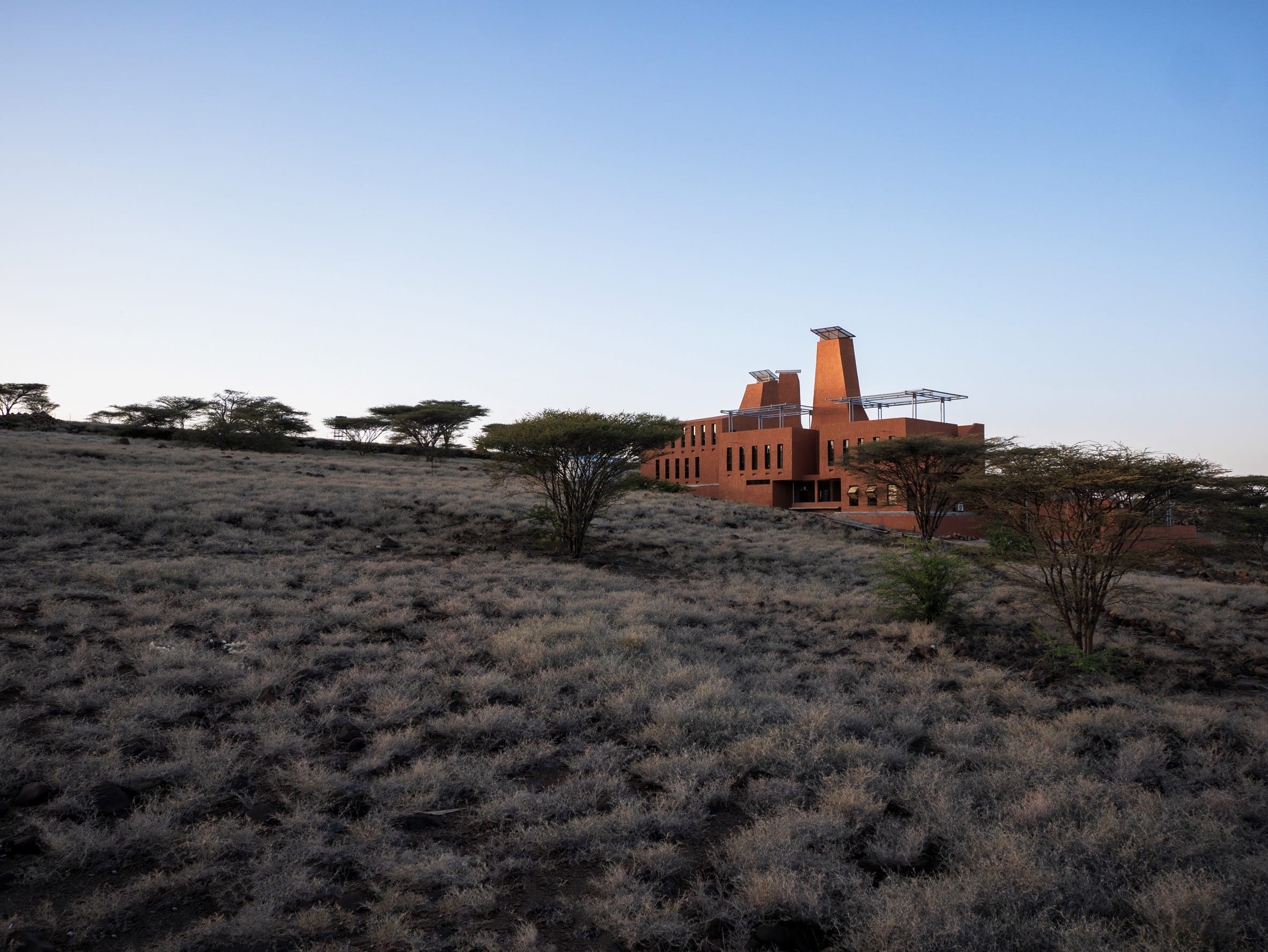
Terracotta-hued towers that reference termite mounds distinguish the Startup Lions Campus, which Burkinabe architect Diébédo Francis Kéré's studio has completed in Kenya.

Located on the banks of Lake Turkana, the 1,416-square-metre campus was built for non-profit organisation Learning Lions to offer young Kenyans free training in information and communication technologies (ICT).

It is hoped to help alleviate youth unemployment in the region and allow young people to "thrive professionally without having to leave their homeland," according to Kéré Architecture.

An aerial view of a campus by Kéré Architecture
Above: Kéré Architecture has completed the Startup Lions Campus. Top image: it is marked by three tall ventilation towers

Kéré Architecture's design for the Startup Lions Campus "celebrates the unique morphology" of the site, comprising five linked buildings spanning two levels that follow the natural slope of the terrain.

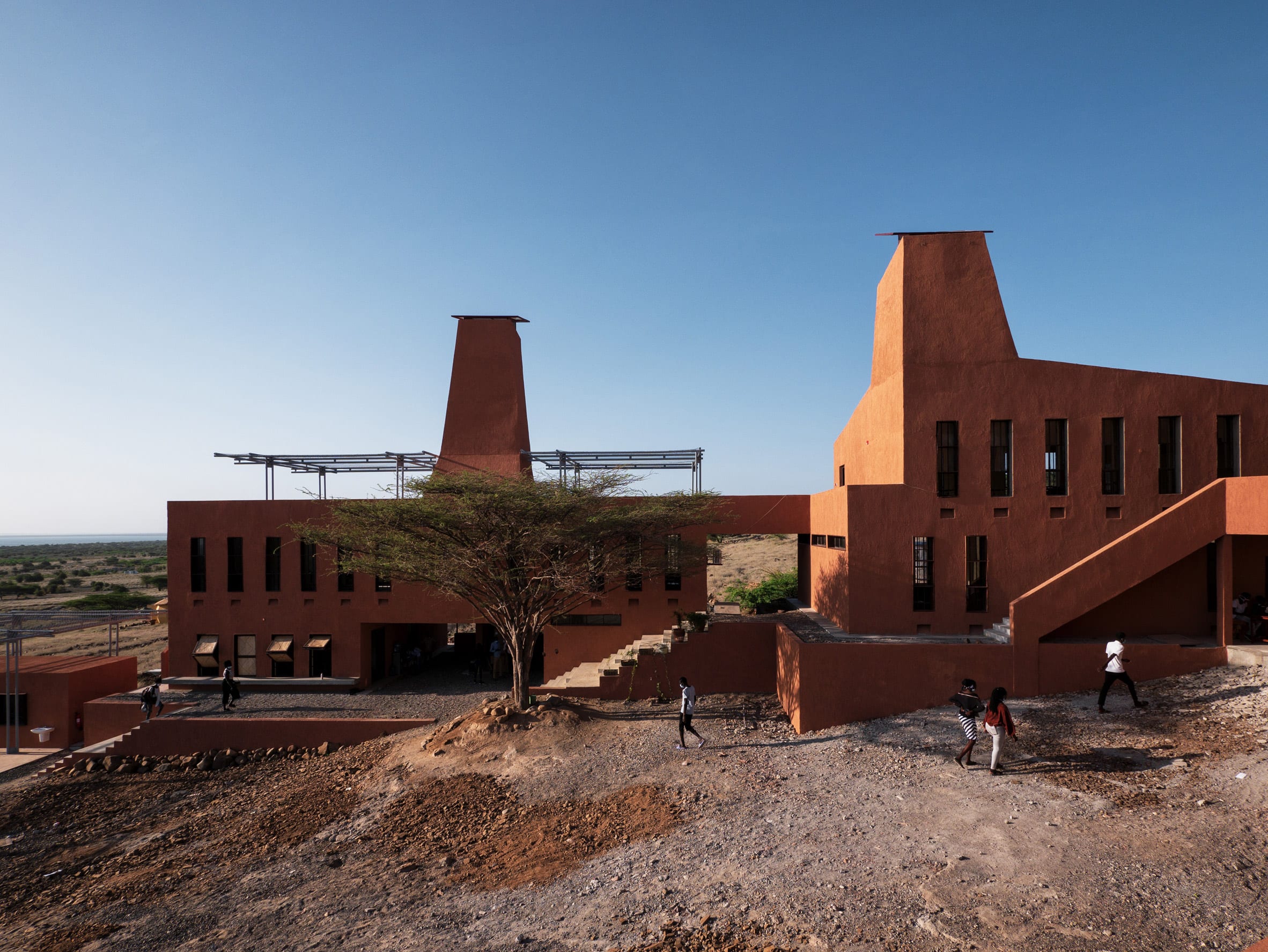
It is built from locally sourced quarry stone finished with a terracotta-hued concrete plaster. This technique was chosen as it is low cost and so that the skills of the local community could be utilised in its construction.

The Startup Lions Campus in Kenya
It occupies a sloped site beside Lake Turkana

From afar, the campus is distinguished by three tall ventilation towers that the studio modelled on the tall mounds built by termite colonies found throughout the region.

Each tower helps cool the building's interiors by extracting warm air upwards, as fresh air is brought in through adjustable low-level openings with woven straw shades. This technique is called the stack effect.

A building with a terracotta-hued plaster facade
Terracotta-hued concrete plaster covers the exterior

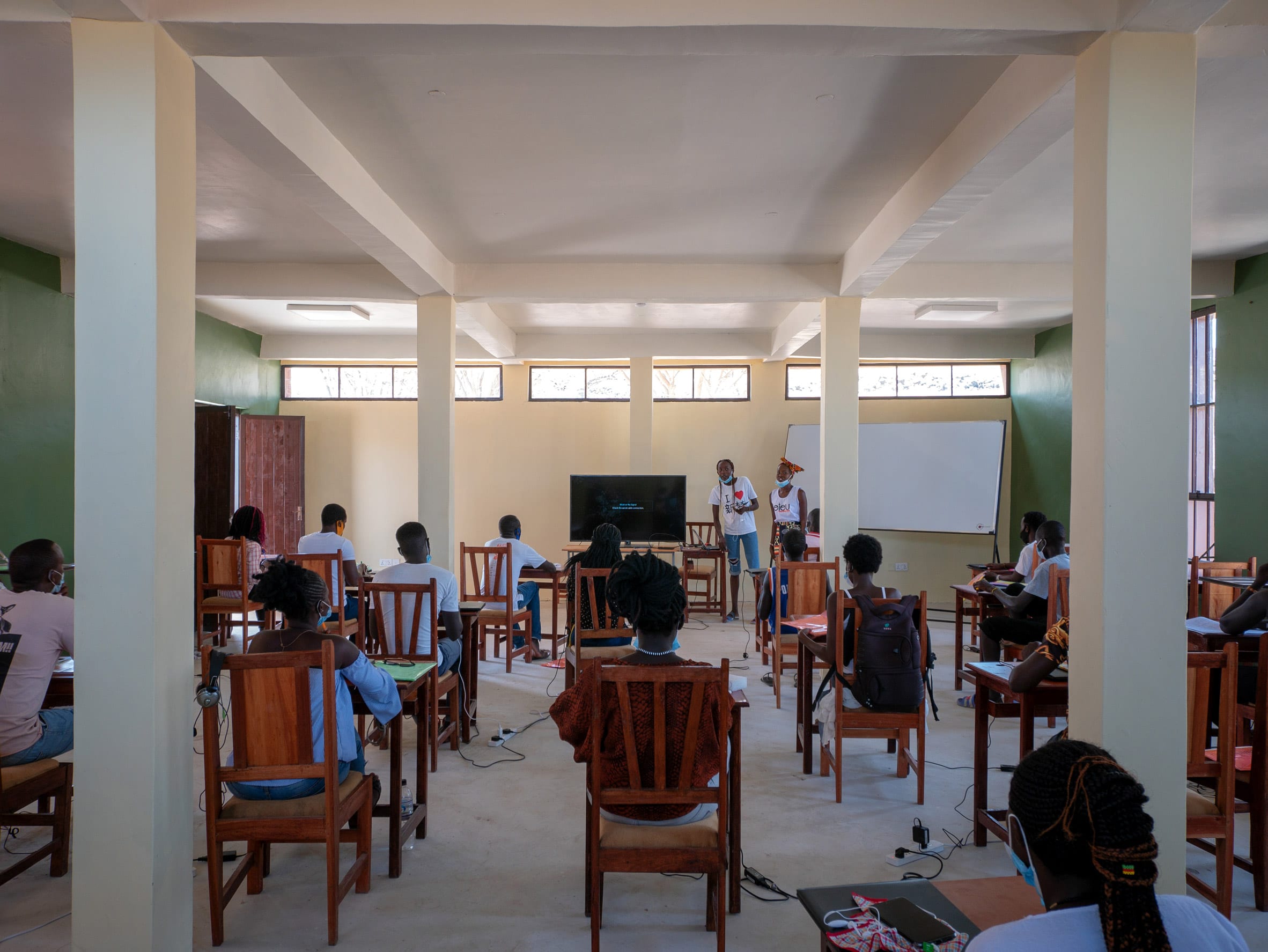
Inside, the building contains a mix of classrooms, flexible workshops and co-working spaces, alongside storage, administrative and technical facilities.

It is complete with a series of roof terraces that offer views over Lake Turkana, and will eventually be shaded by planted pergolas to offer cool and comfortable outdoor teaching and meeting spaces.

"From the very beginning the project has had collaborative building and learning at its heart," Kéré said.

"We had imagined an educational facility that blended with the striking natural landscape that surrounds it, mirroring the ingenious structures built by the terminates close by," he continued.

"It is a special honour for me and my team to have been able to provide the shape for this incredible educational facility and I am looking forward to how it may expand and most importantly see its students succeed."

A classroom in the Startup Lions Campus in Kenya
There are a mix of classrooms and co-working spaces inside

Kéré Architecture was founded by Kéré in Berlin in 2005. The studio also recently completed the Burkina Institute of Technology, which was constructed using local clay.

Elsewhere, the office is designing Benin's parliament, which is modelled on the African palaver tree, and Burkina Faso's new parliament building, which Kéré said "responds to needs of the people".

Photography is courtesy of Kéré Architecture.


Project credits:

Architect: Kéré Architecture, Diébédo Francis Kéré
Design team: Kinan Deeb, Andrea Maretto
Contributors: Juan Carlos Zapata, Leonne Vögelin, Charles André, Malak Nasreldin
Project management: Kinan Deeb
Engineering: BuildX Studio
Construction: BuildX Studio, Kyuna Rd, Nairobi, Kenya
Client: Learning Lions

The post Termite mounds inform Kéré Architecture's design of Kenyan education campus appeared first on Dezeen.


from Dezeen https://ift.tt/2U7kVHb

Counterspace's Folded Skies installation aims to explore "the complexities of land"

In the second part of our exclusive video series with Sumayya Vally, the architect discusses how her studio Counterspace's project Folded Skies addresses the complex geographies of Johannesburg.

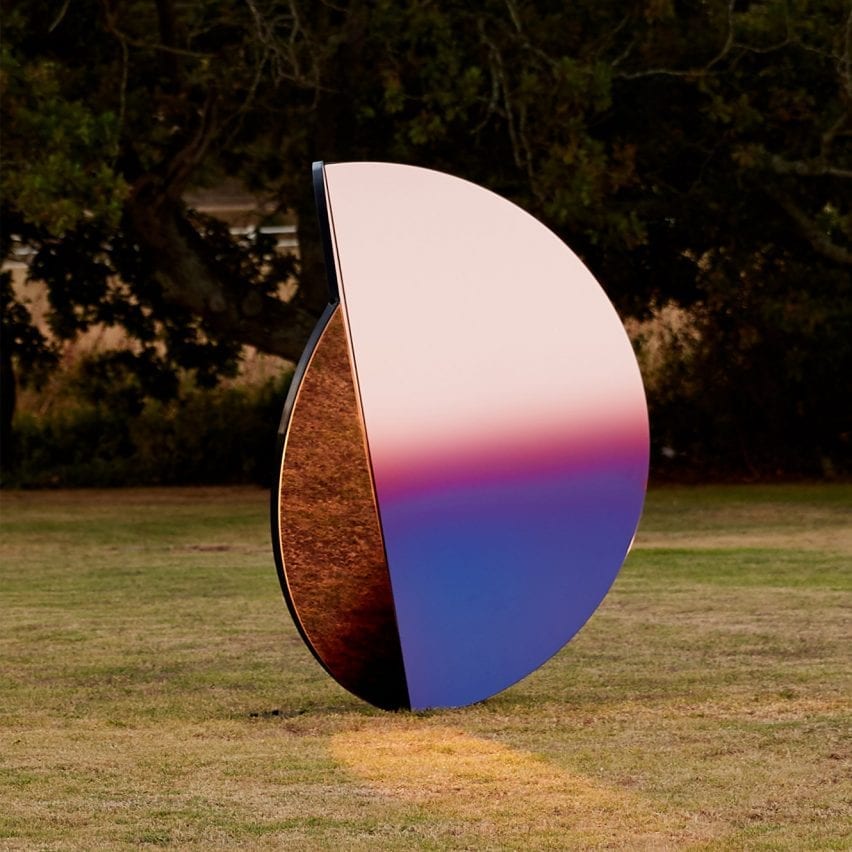
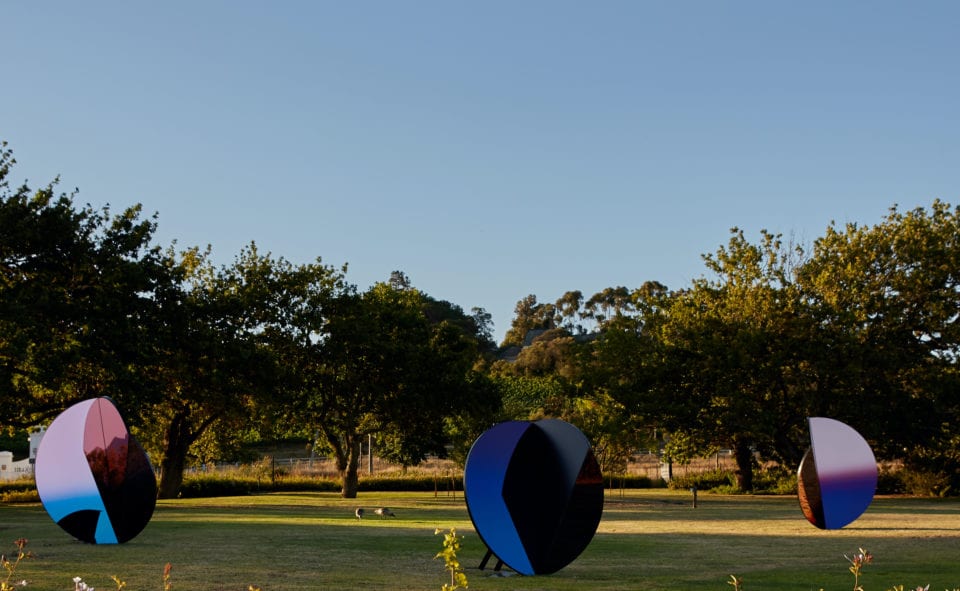
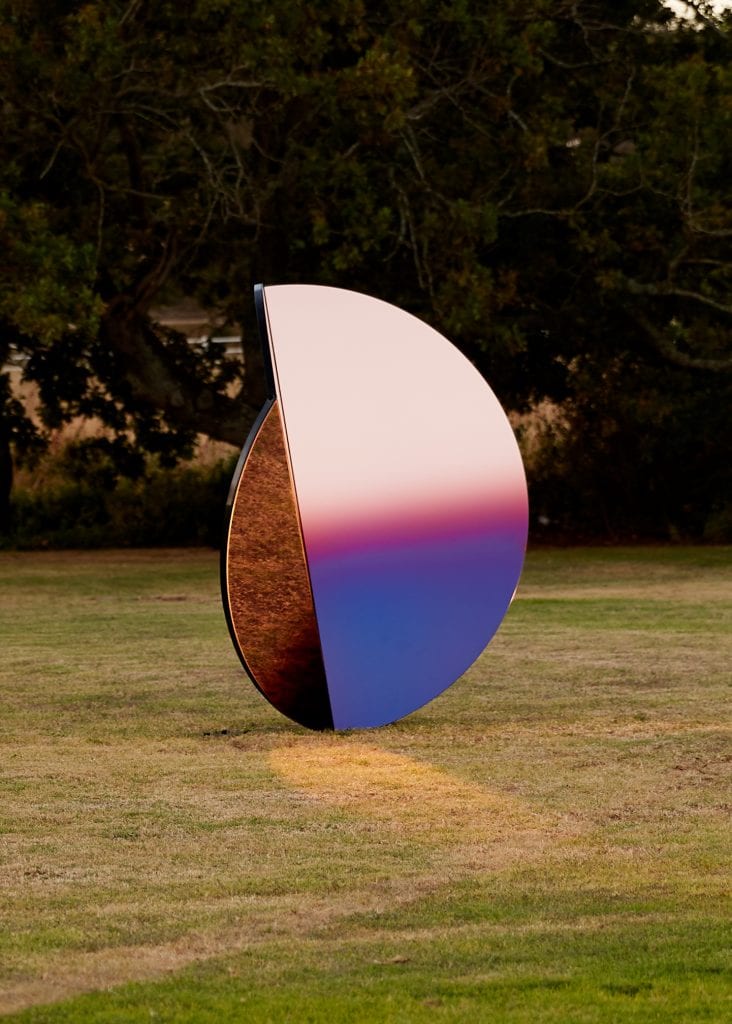
Counterspace's Folded Skies installation comprises a series of large iridescent mirrors. Each mirror features a different colour gradient, which was created using pigments found in dust produced by the mines that surround Johannesburg, South Africa.

"The Folded Skies project draws on some of my earlier research around Johannesburg's mine dumps" explained Vally in the video, which Dezeen filmed in London.

Counterspace's Folded Skies project comprises three mirrored sculptures

Beautiful sunsets can often be seen over the city of Johannesburg. However, this unusual iridescent light is thought to be a result of the toxic dust that is released by the mines around the city.

"They're brilliant colours – copper, cobalt, nickel, potassium – [but they're] very toxic substances," said Vally.

"This is what gives us the most brilliant quality of light and brilliant qualities of sunset because the dust is iridescent."

The iridescent colours of the mirrors refer to the unique pigments caused by mining waste

The three mirrors are meant to recreate the light of Johannesburg at sunrise, sunset and midnight, but also act to question the social geography behind this phenomenon.

The pieces were installed at the Spier Wine Estate in Stellenbosch as part of the Spier Light Art Festival in late 2018 and early 2019, but they were originally designed to be installed at a mine.

"They're meant to be installed on a Johannesburg mine," Vally said. "The mirror would bring together the mine landscape, but also the inner city of Johannesburg and the surrounding townships that work to service and mine the land."

"And so on the one hand, the project is working with translating this phenomenon, this atmospheric condition that is so beautiful. On the other hand, it's also interested in bringing together a conversation about the complexities of land."

Vally is the architect behind this year's Serpentine Pavillion. She founded her architecture studio Counterspace at the age of 23 and is the youngest architect to receive the prestigious commission.

Dezeen is publishing a series of exclusive video interviews with the architect. In the previous installment, Vally said that she founded her studio out of a desire to create the kind of architecture she felt was missing from her formal education.

Below is a transcript of the interview:

"In 2018 we made the Folded Skies project, which draws on some of my earlier research around Johannesburg's mine dumps. The project consists of three mirror installations commissioned by Spier and installed at Spier Light Art Festival in Stellenbosch."

"The mirrors are coated with the same chemical compounds that we find in Johannesburg mine runoff. They're brilliant colours. Copper, cobalt, nickel, potassium, [they're] very toxic substances. There is a myth that this is what gives us the most brilliant quality of light and brilliant qualities of sunset because the dust is iridescent."

Each mirror mimics this unique atmospheric phenomenon

"The mirrors also fold together different contexts in the surrounding area and bring together areas that are very separate on plan, but very entangled in how they function and in how they work. They're meant to be installed on a Johannesburg mine."

"The mirror would bring together the mine landscape, but also the inner city of Johannesburg and the surrounding townships that work to service and mine the land. And so on the one hand, the project is working with translating this phenomenon, this atmospheric condition that is so beautiful. On the other hand, it's also interested in bringing together a conversation about the complexities of land."

The post Counterspace's Folded Skies installation aims to explore "the complexities of land" appeared first on Dezeen.


from Dezeen https://ift.tt/3qEMF2e