Thursday, 7 May 2020

M-Rad designs mobile Covid-19 testing unit concept from "virus-destroying" copper

M-Rad designs mobile Covid-19 testing unit concept from "virus destroying" copper

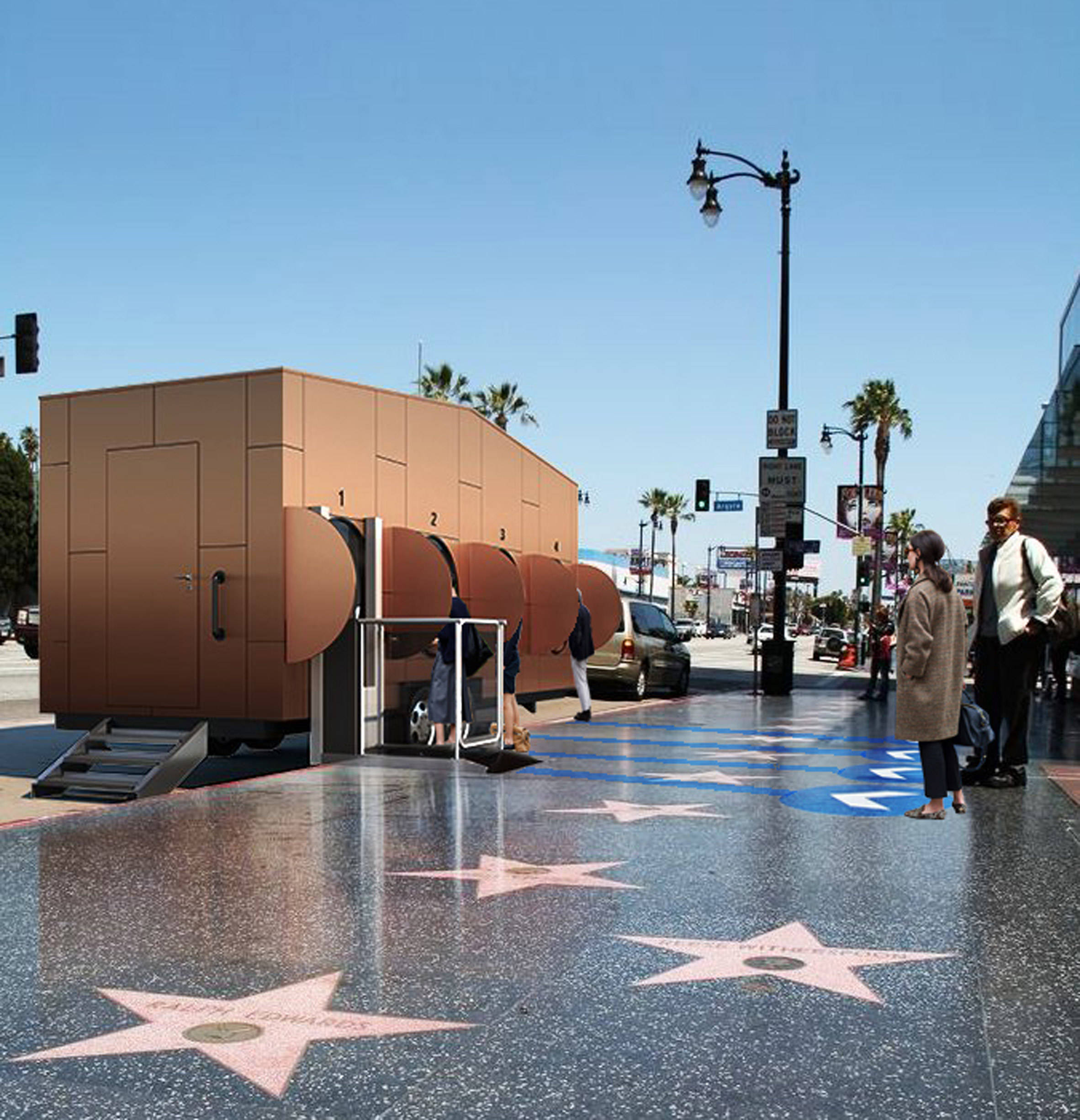
California-based design and architecture studio M-Rad proposes using the natural antimicrobial properties of copper alloy to create a travelling Covid-19 testing unit.

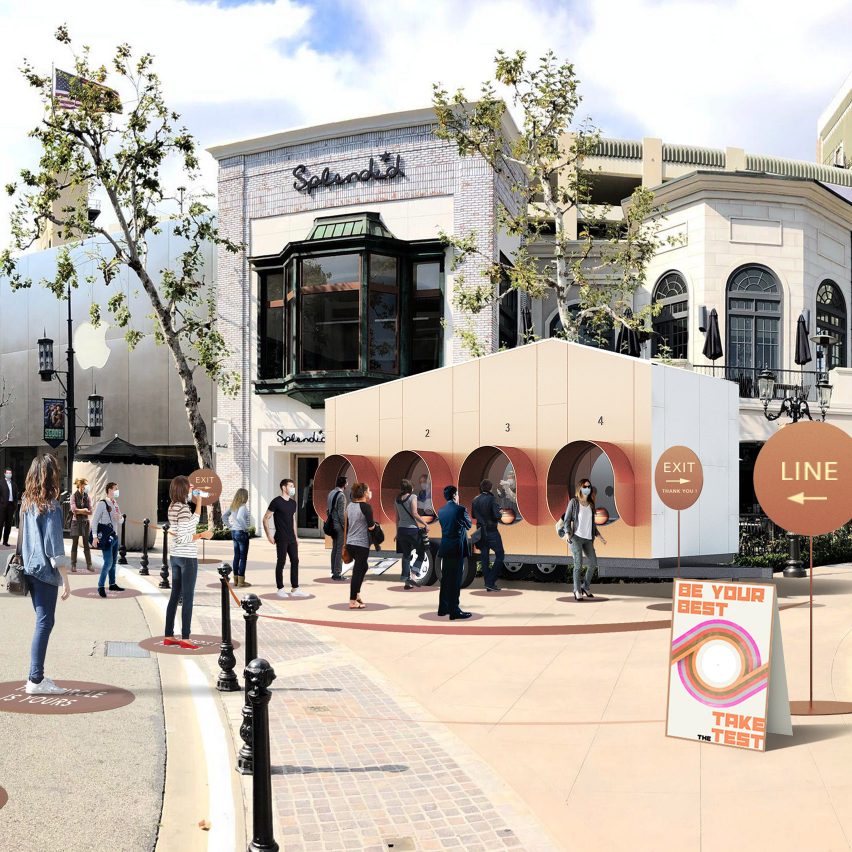
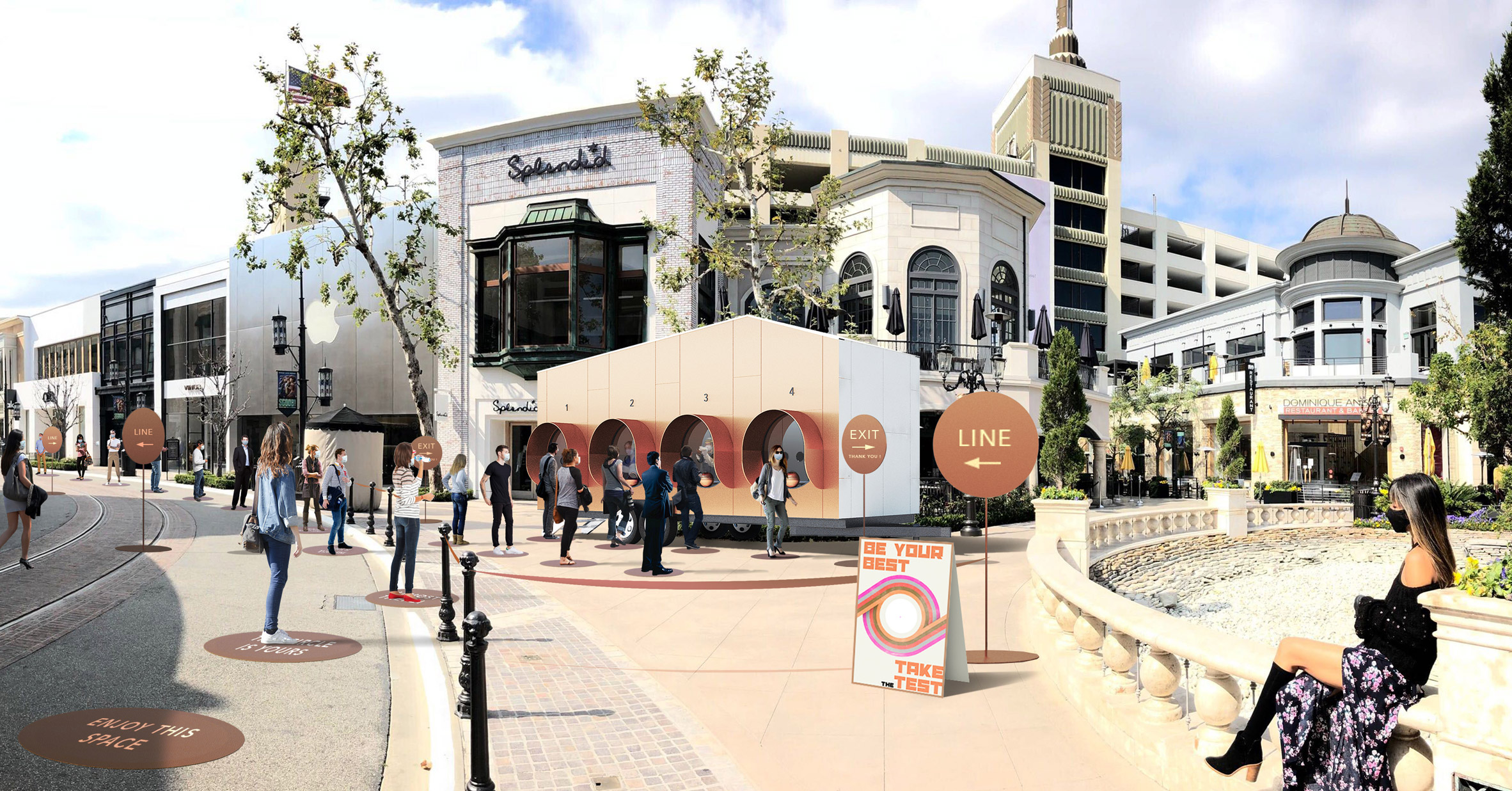
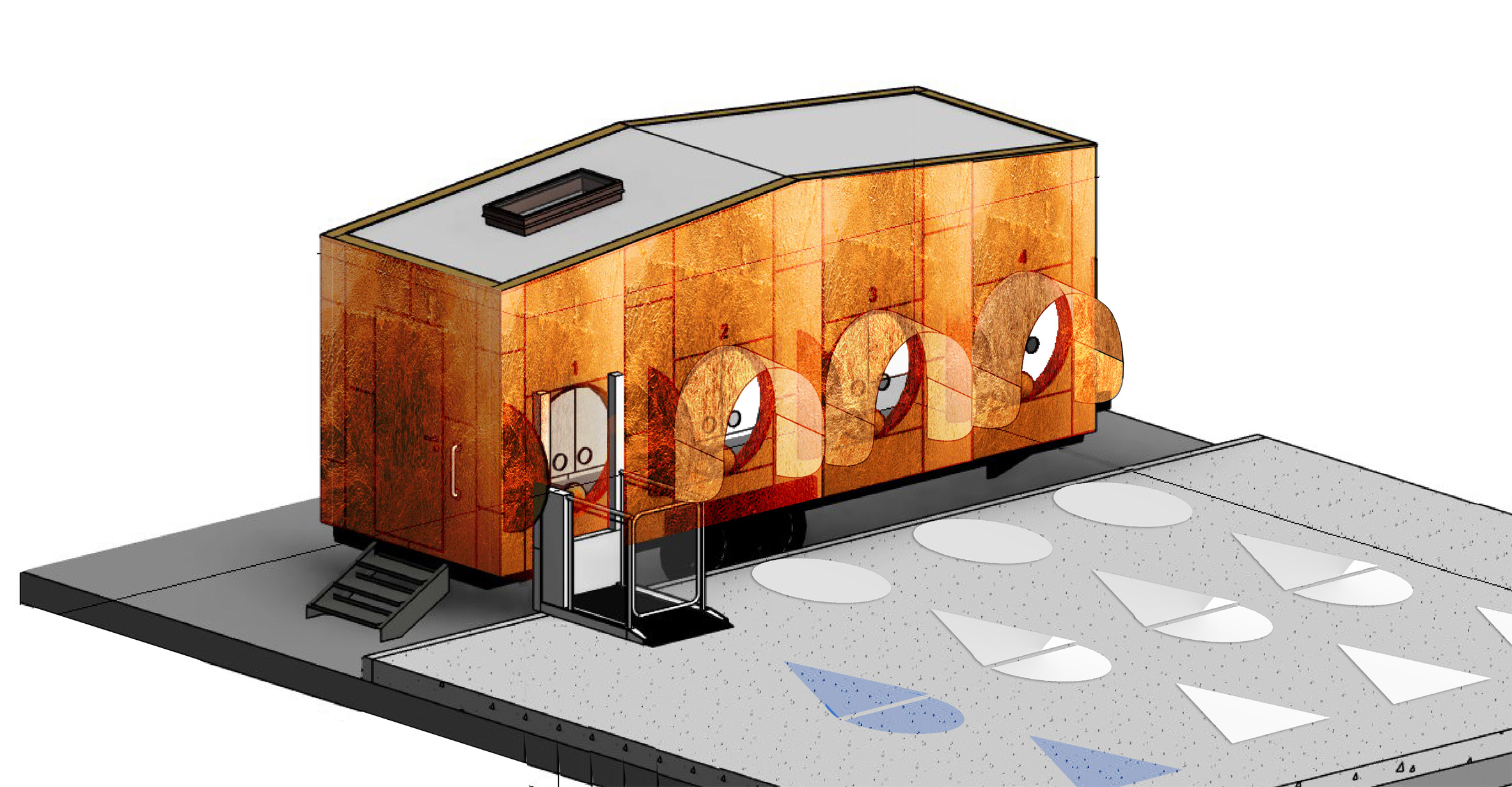
Designed to carry out both Covid-19 tests and antibody tests, M-Rad's concept for a portable testing unit features a body clad in copper alloy.

Chosen for its antimicrobial properties, the copper exterior would create a "virus-destroying environment", said the studio, by naturally killing up to 99.9 per cent of bacteria present on its surfaces within two hours.
M-Rad designs mobile Covid-19 testing unit concept from "virus destroying" copper

This antibacterial process involves the material releasing copper ions when microbes land on its surface, which prevents cell respiration by destroying the DNA and RNA inside.

This stops mutations from occurring, thus preventing the microbe from developing a resistance to the copper.
M-Rad designs mobile Covid-19 testing unit concept from "virus destroying" copper

The architecture studio proposes using six of the trailers to carry out approximately 3500 tests per day across 18 different areas in Los Angeles, California.

M-Rad also envisions the material's "glistening reflections" would position the trailer as "a traveling beacon of hope" for the public as it travels around the city.

The design team, made up of Matthew Rosenberg, Ben Dudek and Etienne Serveau, worked to a self-set brief based on the World Health Organization's (WHO) four main Covid-19 strategic objectives.

These are to interrupt human-to-human transmission to prevent spread, to identify, isolate and care for patients early, to accelerate the development of diagnostics and vaccines, and to minimise the social and economic impact through multisectoral partnerships.
M-Rad designs mobile Covid-19 testing unit concept from "virus destroying" copper

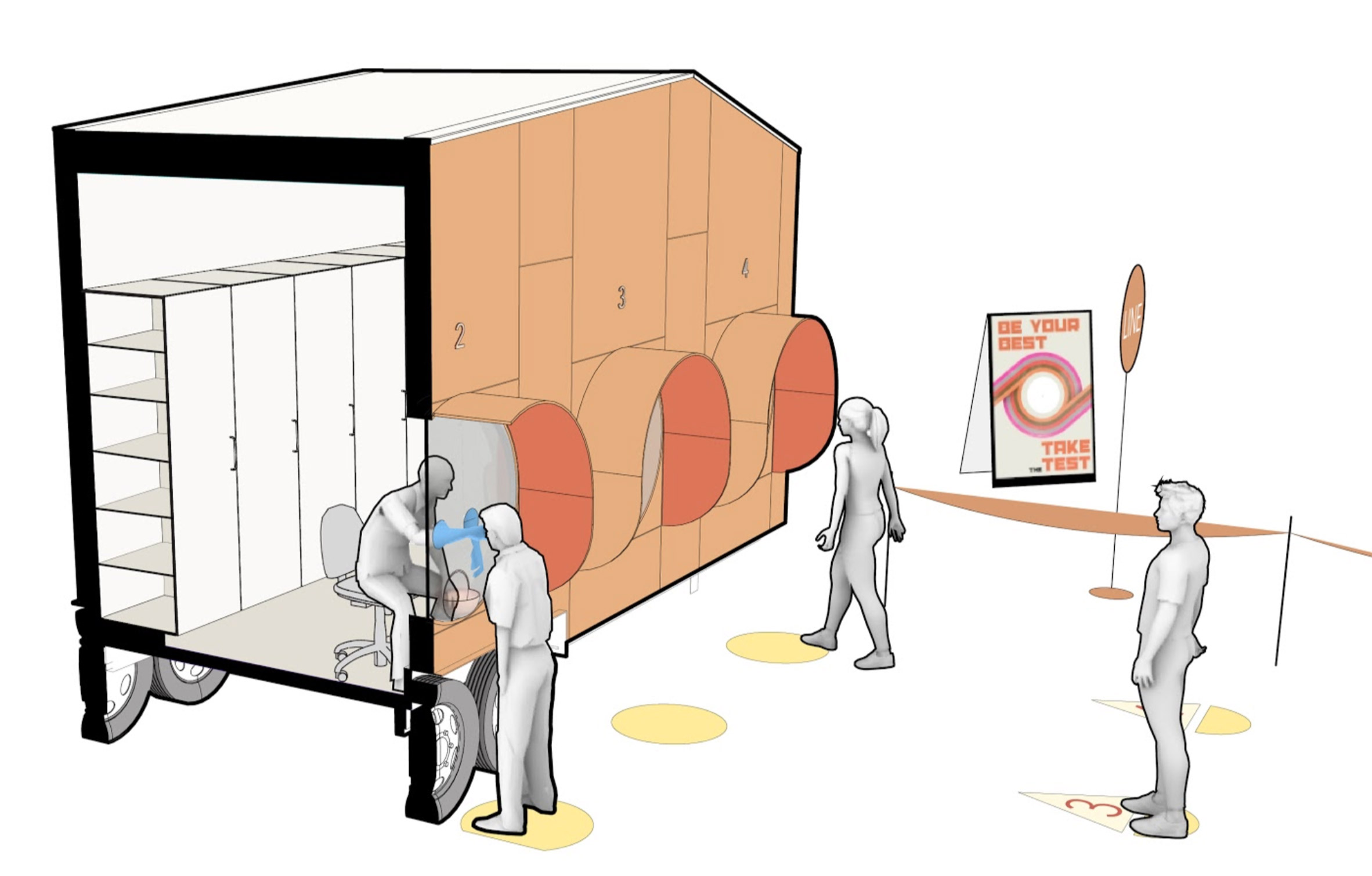
The studio took design cues from both existing portable medical units and from a series of virus testing facilities set up in a hospital in Seoul, South Korea, that look like public telephone booths.

Employing a similar system, M-Rad's unit would be used to take swabs from patients using arm-length rubber gloves through a perspex divider. This avoids any direct contact with the medical practitioner, and reduces the risk of cross-contamination between patients.

The swabs would then be sealed in an airtight container and placed into a sterilised containment unit at the bottom of the perspex divider.
M-Rad designs mobile Covid-19 testing unit concept from "virus destroying" copper

According to the studio, to have one of the units produced, delivered and operating within 21 days would cost just under $40,000.

M-Rad hopes that, if produced, the mobile medical facility would help alleviate the pressure on hospitals and stationary testing locations across Los Angeles and other cities.

Alternatively the structure could be used to deliver food and essentials to the elderly or other at-risk individuals.

Once the mobile unit has been used for coronavirus purposes, M-Rad envisions it being repurposed to serve those who are homeless by being used as a form of shelter, as well as offering general medical and washing facilities.

M-Rad designs mobile Covid-19 testing unit concept from "virus destroying" copper

The American firm recently built a series of mobile cabins at a glamping site in northern California, which feature design elements to accommodate people with disabilities.

Called X-Suite, the compact cabins measure at 270 square feet (25 square metres) and feature a wooden frame with exterior walls wrapped in a metal rainscreen, and a standing-seam metal roof.

The post M-Rad designs mobile Covid-19 testing unit concept from "virus-destroying" copper appeared first on Dezeen.


from Dezeen https://ift.tt/2yzWrvQ

Wednesday, 6 May 2020

Estudio Cavernas designs Thailand community centre as learning hub for Burmese migrant children

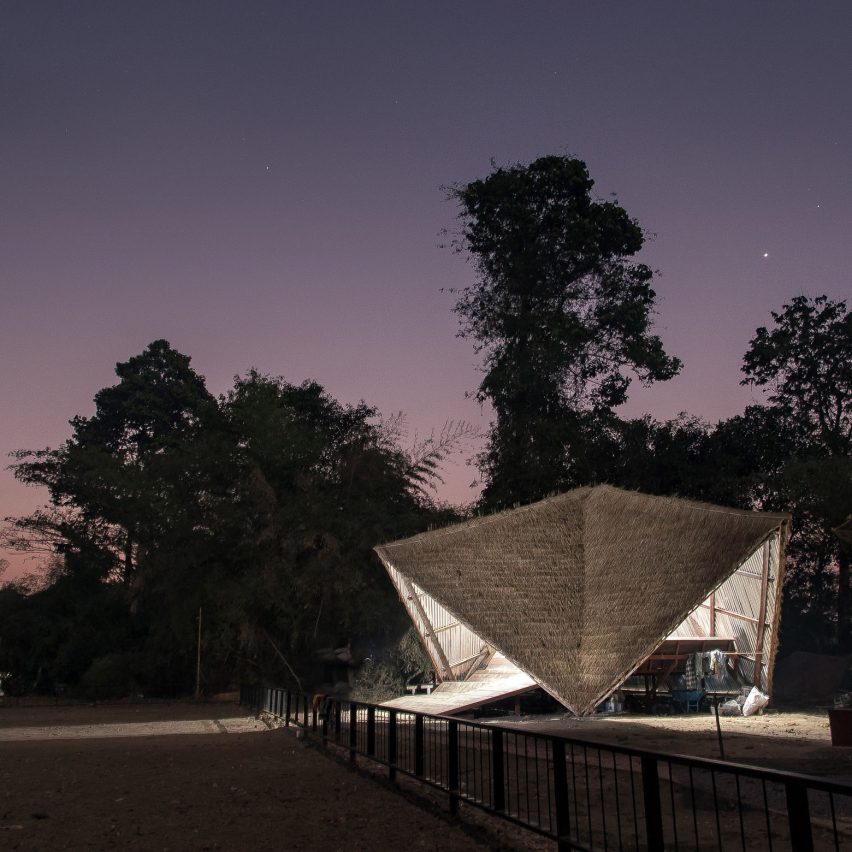
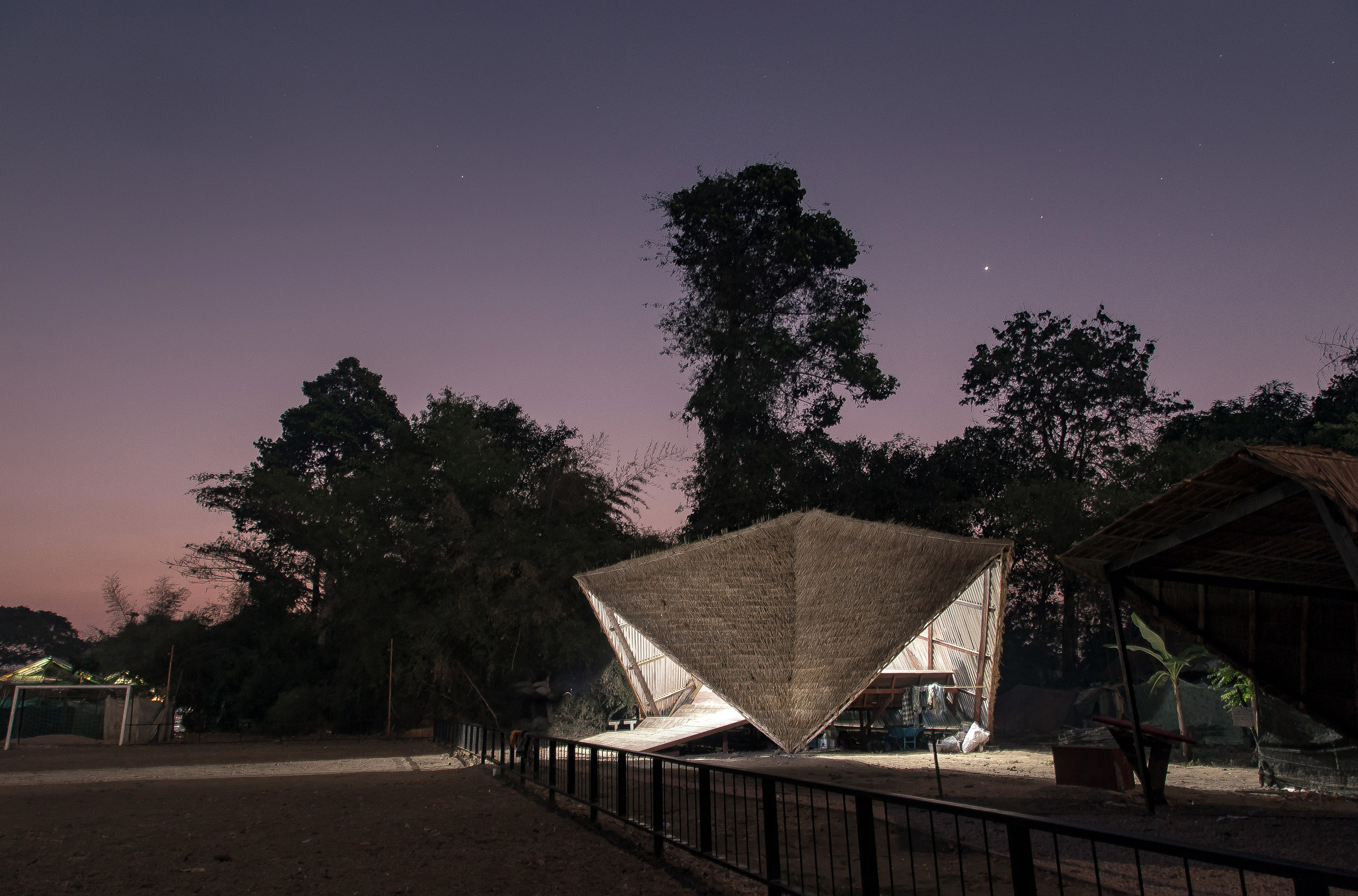
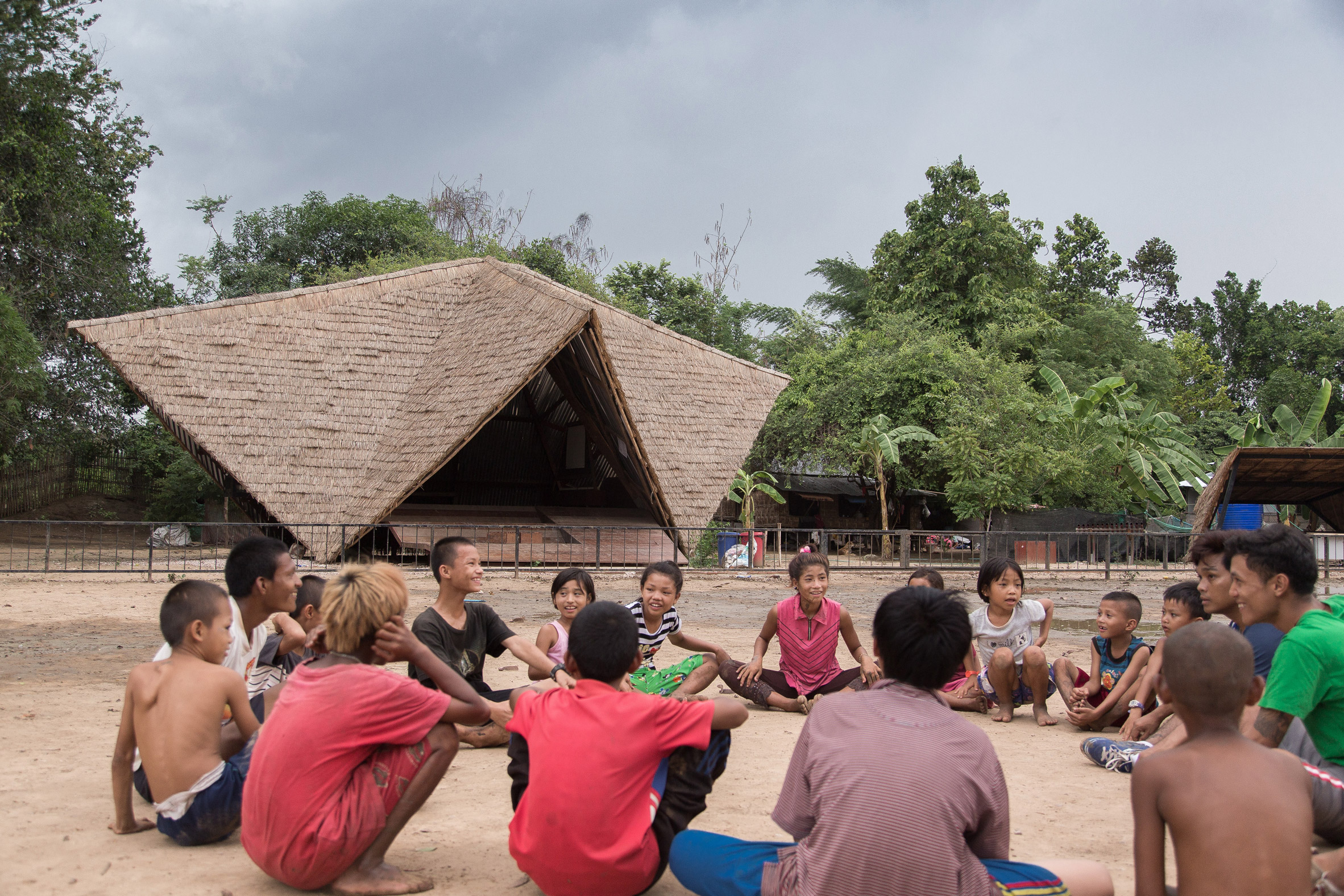
Not-for-profit organisation Estudio Cavernas has built the sugarcane-thatched Green Island community centre for over 400 Burmese children living near the Myanmar border in western Thailand.

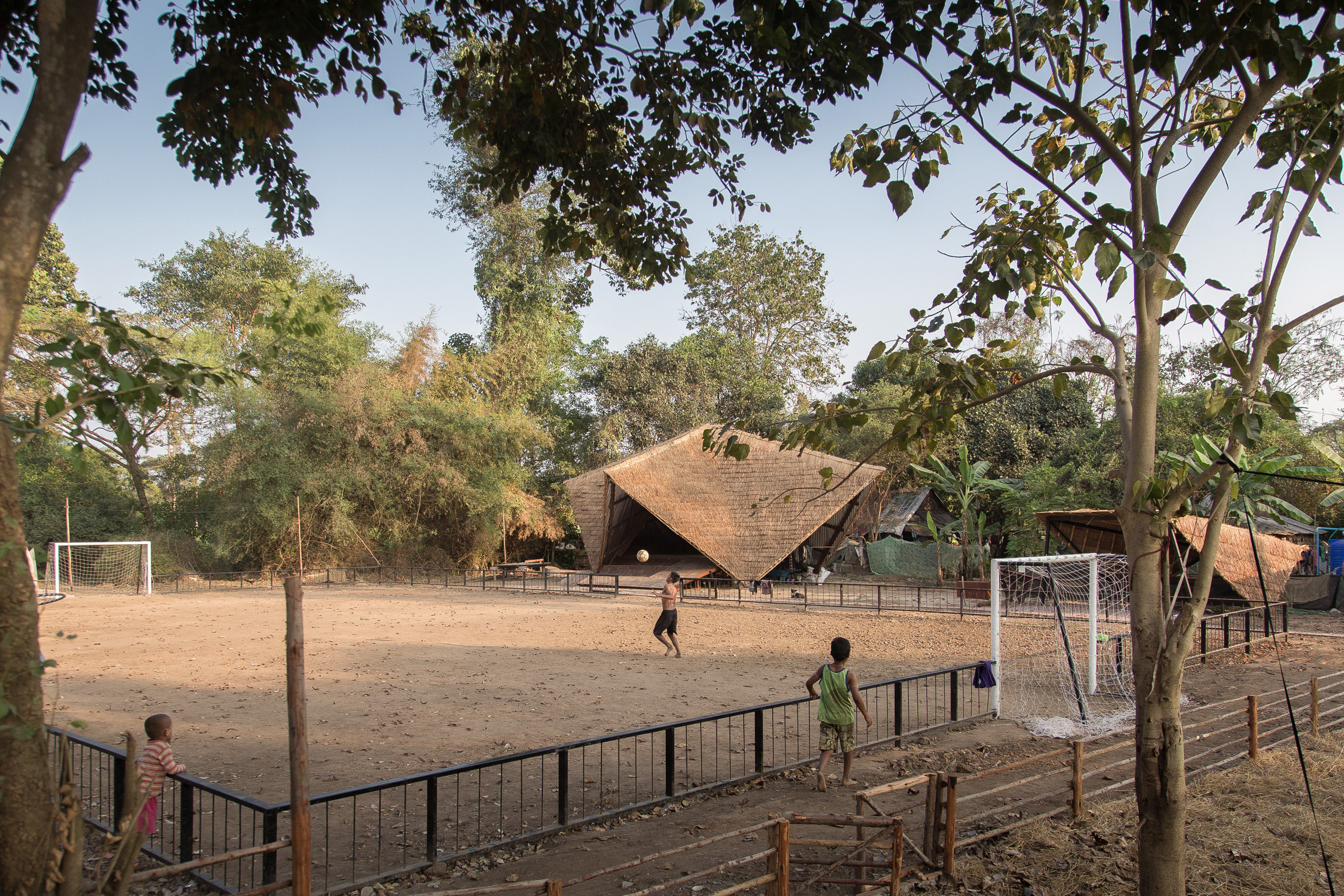
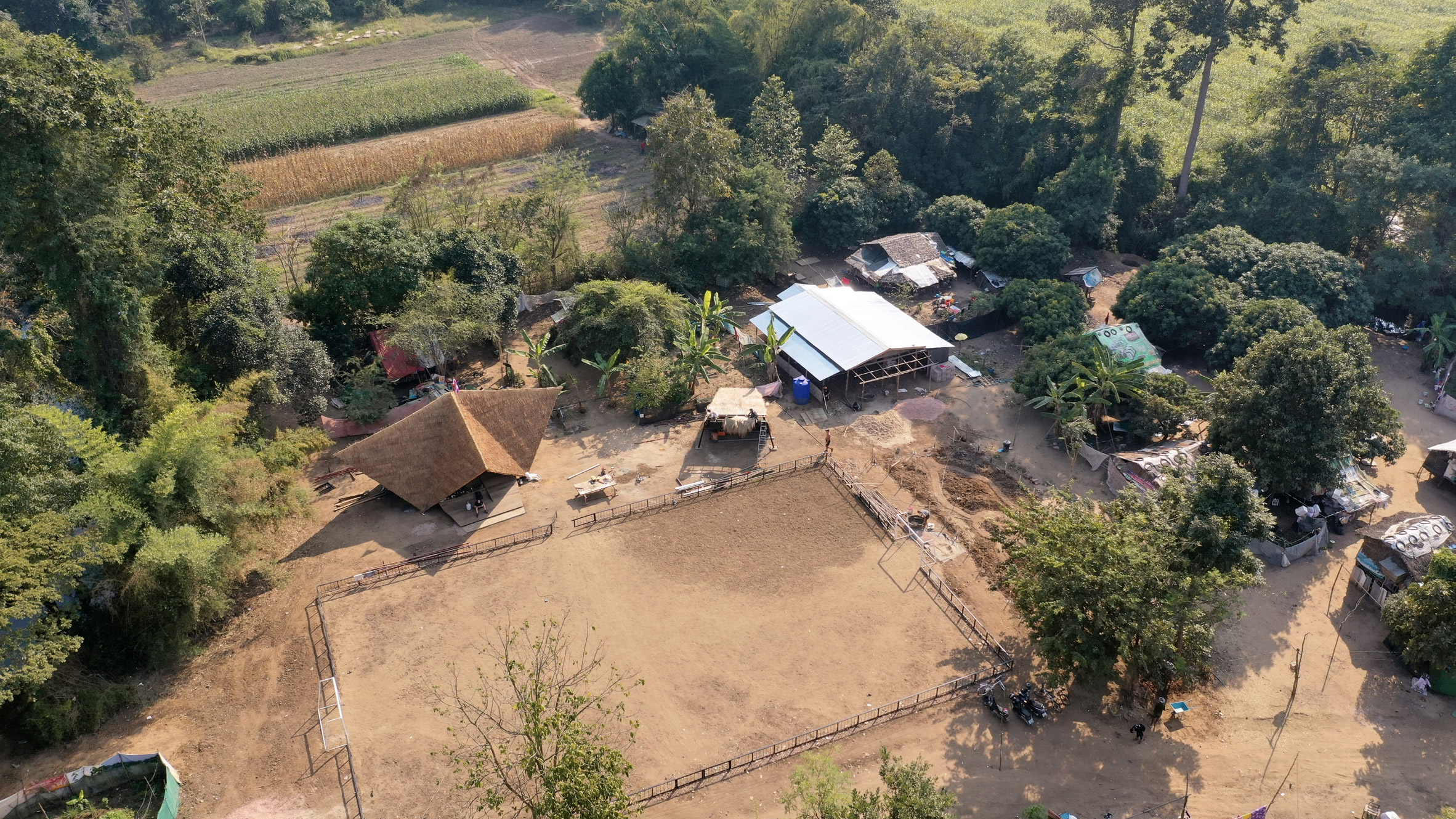
Located within a municipal waste centre in the town of Mae Sot, the timber community hall stands alongside a playground, vegetable garden and football pitch.

The building by Estudio Cavernas serves as a learning hub for children with daily classes in Thai, English, critical thinking and football. It alsoprovides local residents with a venue for weekly movie screenings and community events.

Green Island by Estudio Cavernas

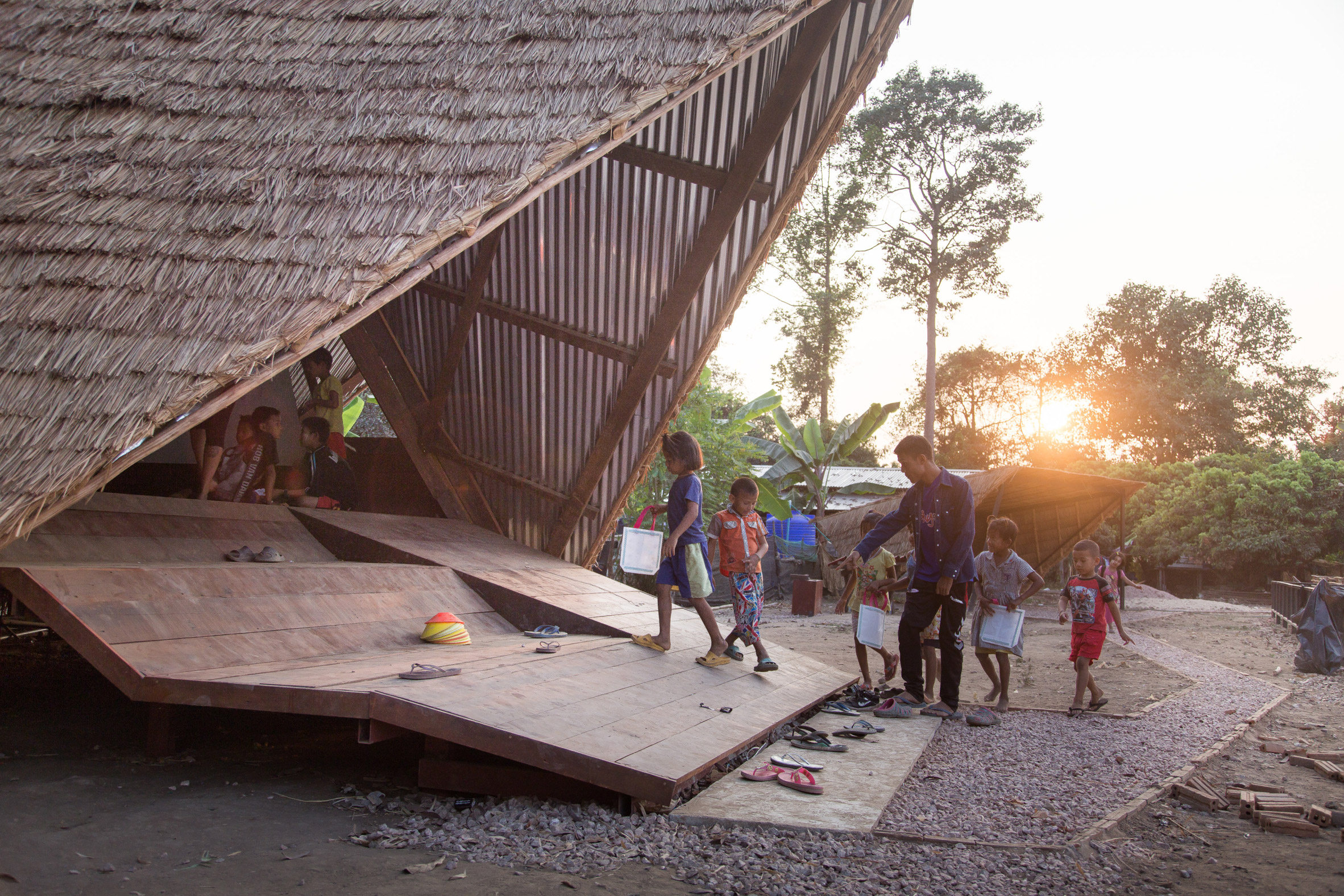
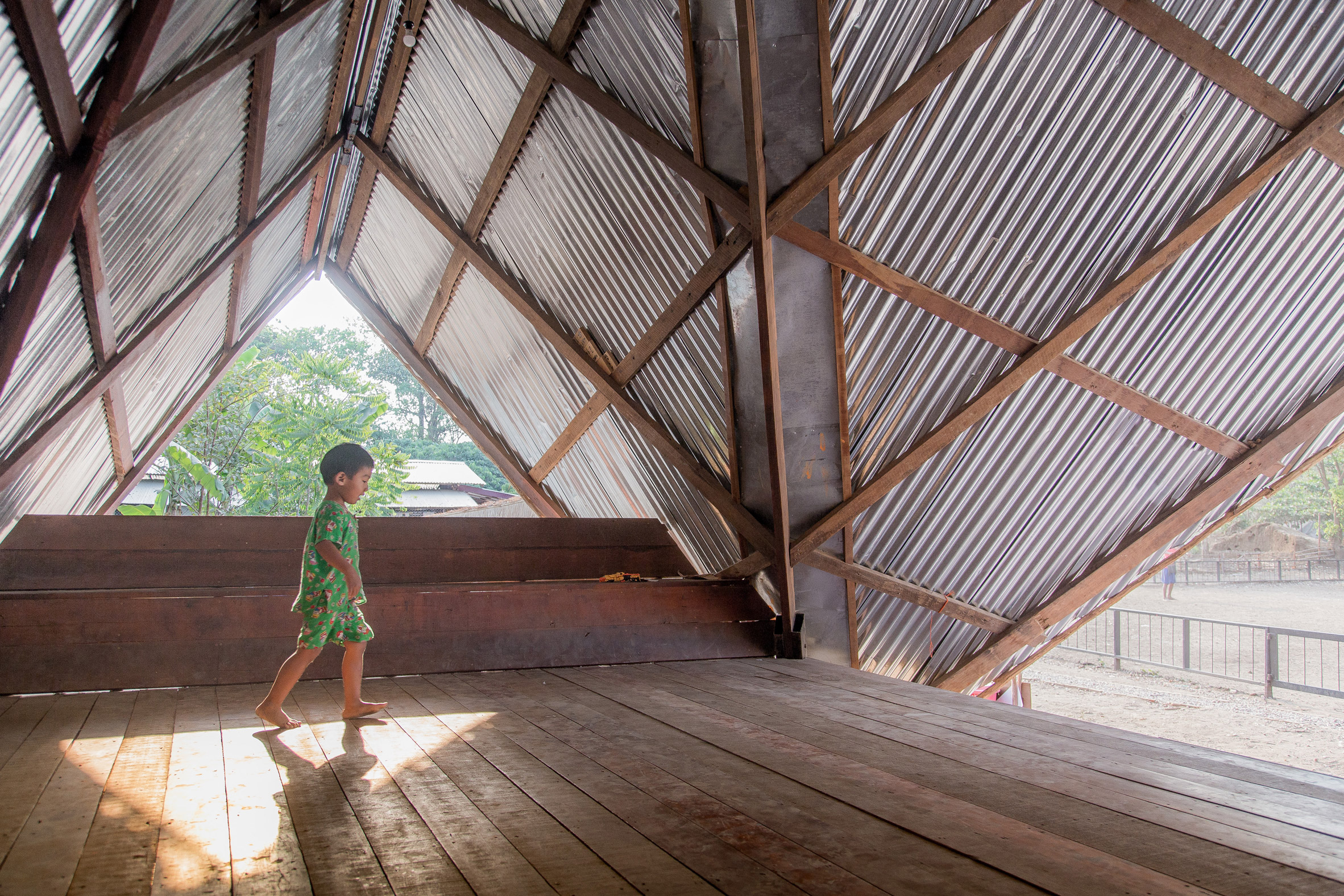
The frame as well as the flooring are made from reclaimed timber and the structure is elevated from the ground to avoid flooding and destruction during monsoon season.

Due to the extreme weather conditions, the southwest face of the building is surrounded by teak trees, protecting the structure from rainfall and extreme heat.

Green Island by Estudio Cavernas

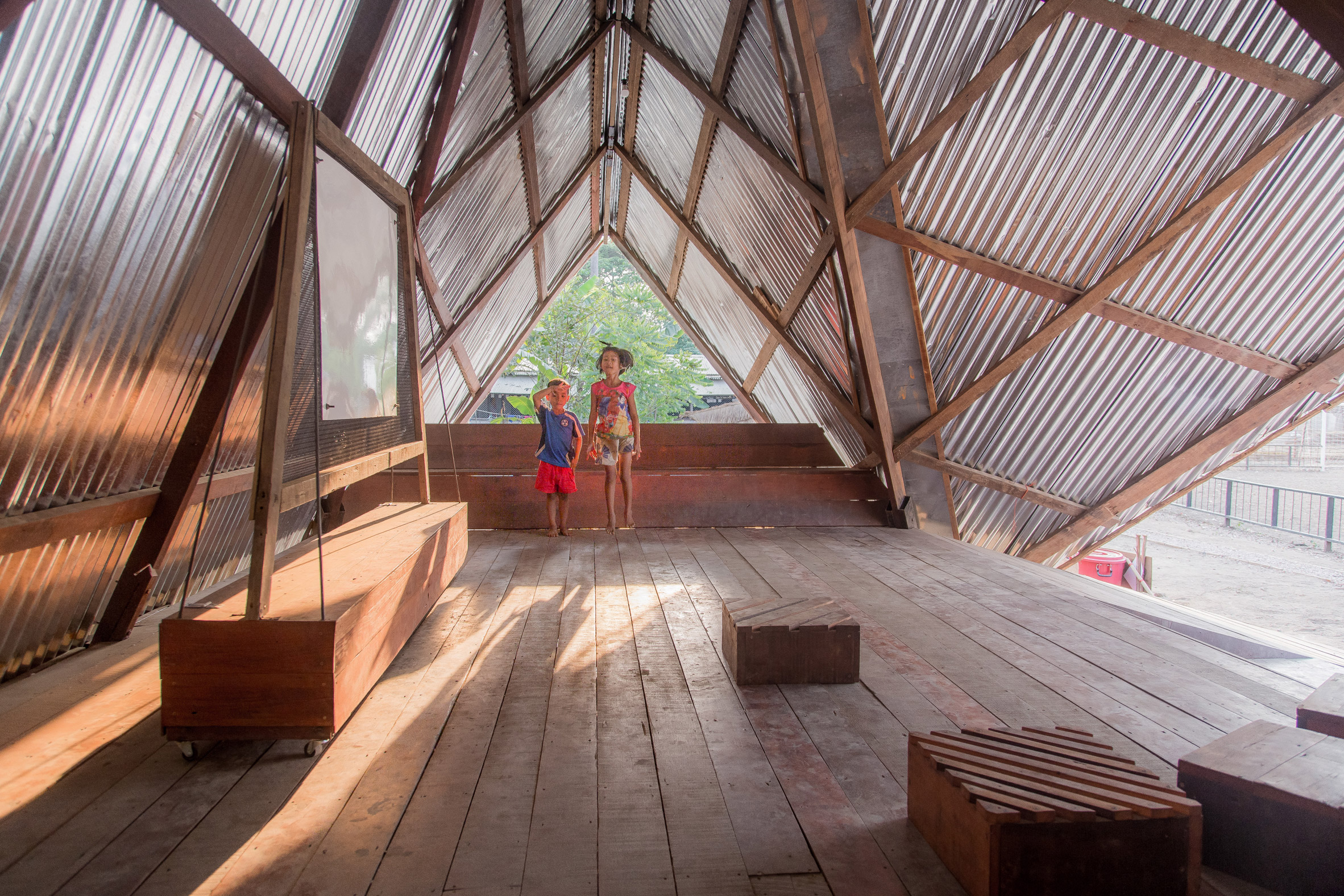
The folded roof has three large triangular openings that allow natural light and ventilation in to the building.

An inner layer of aluzinc supports the sugarcane thatch and a middle layer of vertically placed eucalyptus, creating an air chamber that protects the building from the heat of the sun.

Green Island by Estudio Cavernas

The centre is accessed by a ramp alongside a set of stairs that can also be used as a break-out space to relax between activities.

Estudio Cavernas designed the flexible interior of the centre so that several activities can take place at the same time. The large open space can be divided by a mobile partition wall, which also serves as a bookshelf and a whiteboard.

Green Island by Estudio Cavernas

Green Island was built by members of the community helped by experienced construction workers.

"Our idea of the community centre came with interpreting some of the social problems in the dumpsite migrant community by educating the kids and their families," explained Juan Cuevas, co-founder and design director of Estudio Cavernas.

"The community was involved from the very beginning and helped with identifying the needs of the settlement," continued Cuevas.

"After the approval, the team was gathered, mixing experienced construction workers, which had been trained for a few years, and members of the community."

Green Island was funded by PlayOnside, an organisation focused on youth empowerment and gender equality through sports.

"The kids of the community are often at risk when wandering off to the dumpsite, involving themselves in dangerous and illegal activities," said Cuevas. "The community previously didn’t have any gathering or social space."

Green Island by Estudio Cavernas

"PlayOnside was responsible for raising the funds, monitoring the construction process, and is also responsible for implementing the educational programs," explained Juan Cuevas.

"We only can consider it a successful project if we are certain about the continuity of the learning activities as well as the maintenance of the infrastructures."

Green Island by Estudio Cavernas

Together with Les frères Molcard, a French not-for-profit organisation that specialises in planting trees around the world, Estudio Cavernas was also responsible for the design of the landscape around the centre.

Trees were planted around the community centre and a vegetable garden was created to encourage the children to growing their own food.

Estudio Cavernas is a not-for-profit organisation, which closely works with local migrant communities and organisations in Thailand to meet their needs for housing and infrastructure.

Other examples of community centres include Women's House in Morocco by Building Beyond Borders, a community hall for a Fijian village by Caukin Studio and a community hall built from repurposed materials in the Utah desert.

Photography is by Dennis Amirtharaj

The post Estudio Cavernas designs Thailand community centre as learning hub for Burmese migrant children appeared first on Dezeen.


from Dezeen https://ift.tt/2WaeNMP

Cut and Paste Your Surroundings into Photoshop with Amazing New AR Prototype

Say goodbye to the tedious process of taking a photo, importing it, and placing it in its final position. The Paris-based designer and artist Cyril Diagne recently launched a new image editing program that circumvents the traditional method using a single app.

When users take a photograph with AR Cut & Paste, the software finds distinct objects and automatically removes their backgrounds. In a video below, Diagne shows how a plant is captured on a mobile device before being snipped from the surrounding image. Once he hovers over the computer screen, the cut-out plant is placed directly into Photoshop.

AR Cut & Paste only works with the Adobe products currently, although Diagne says it may pair with others in the future. To try out the inventive software, download it for yourself from GitHub.


from Colossal https://ift.tt/2W8te40

Modernist and Southern colonial styles meet in Three Chimney House in rural Virginia

Three Chimney House by T W Ryan Architecture

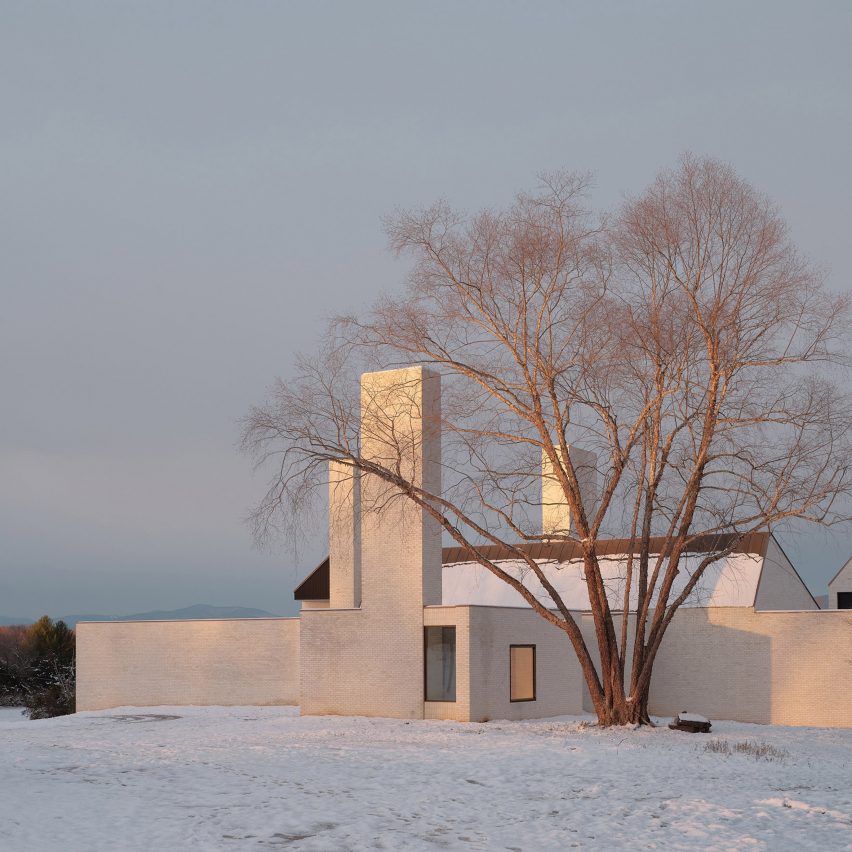
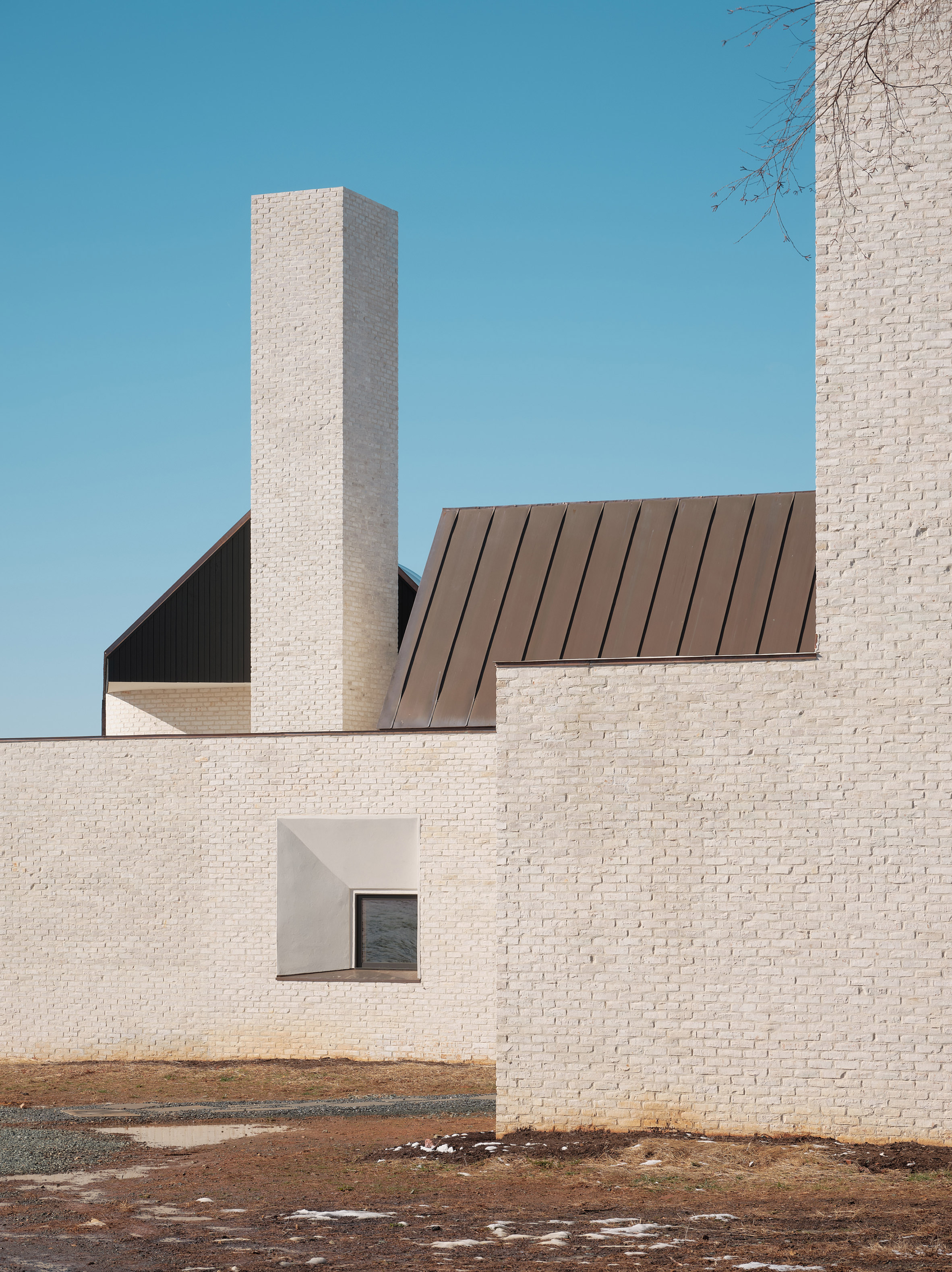
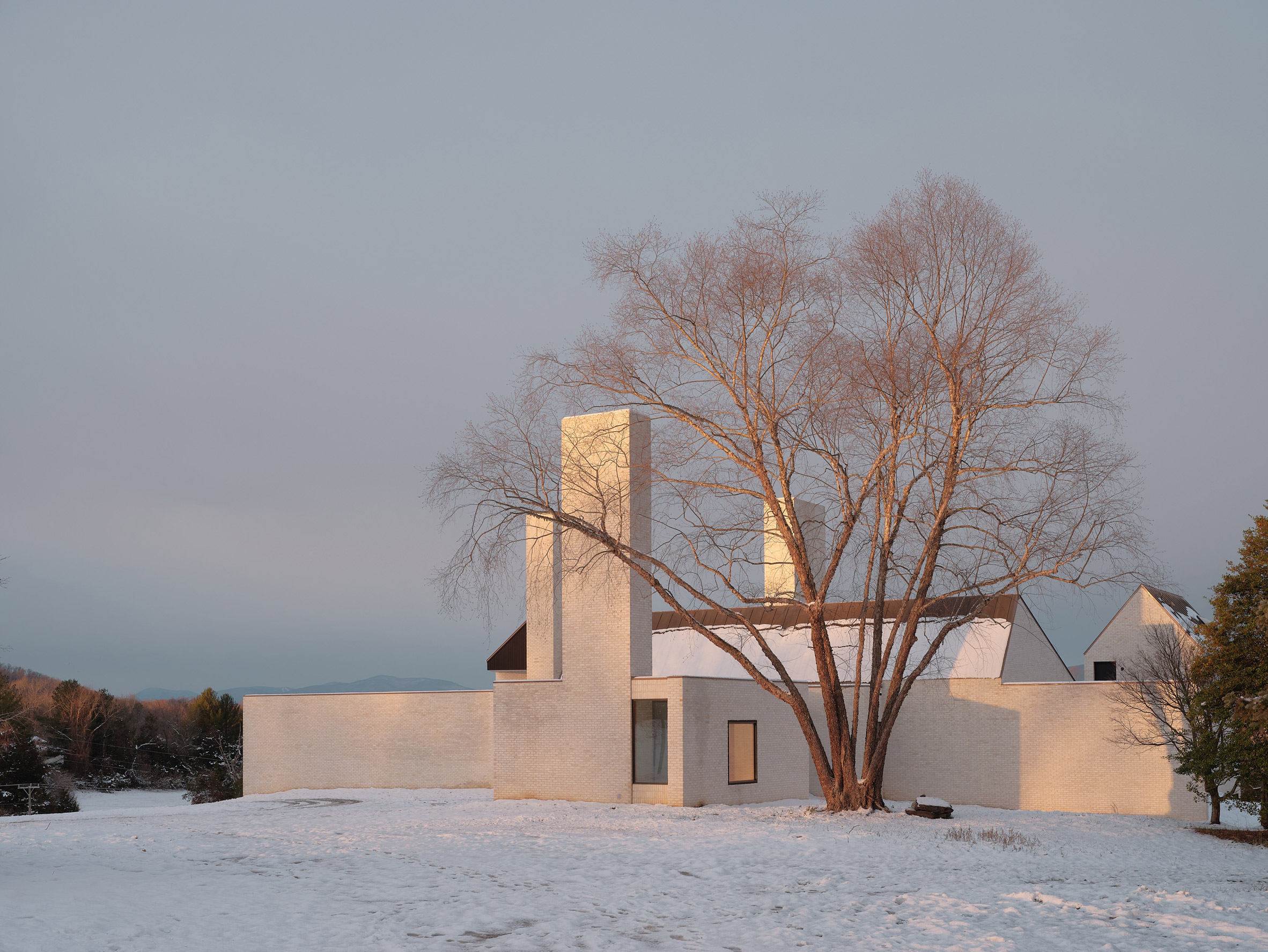
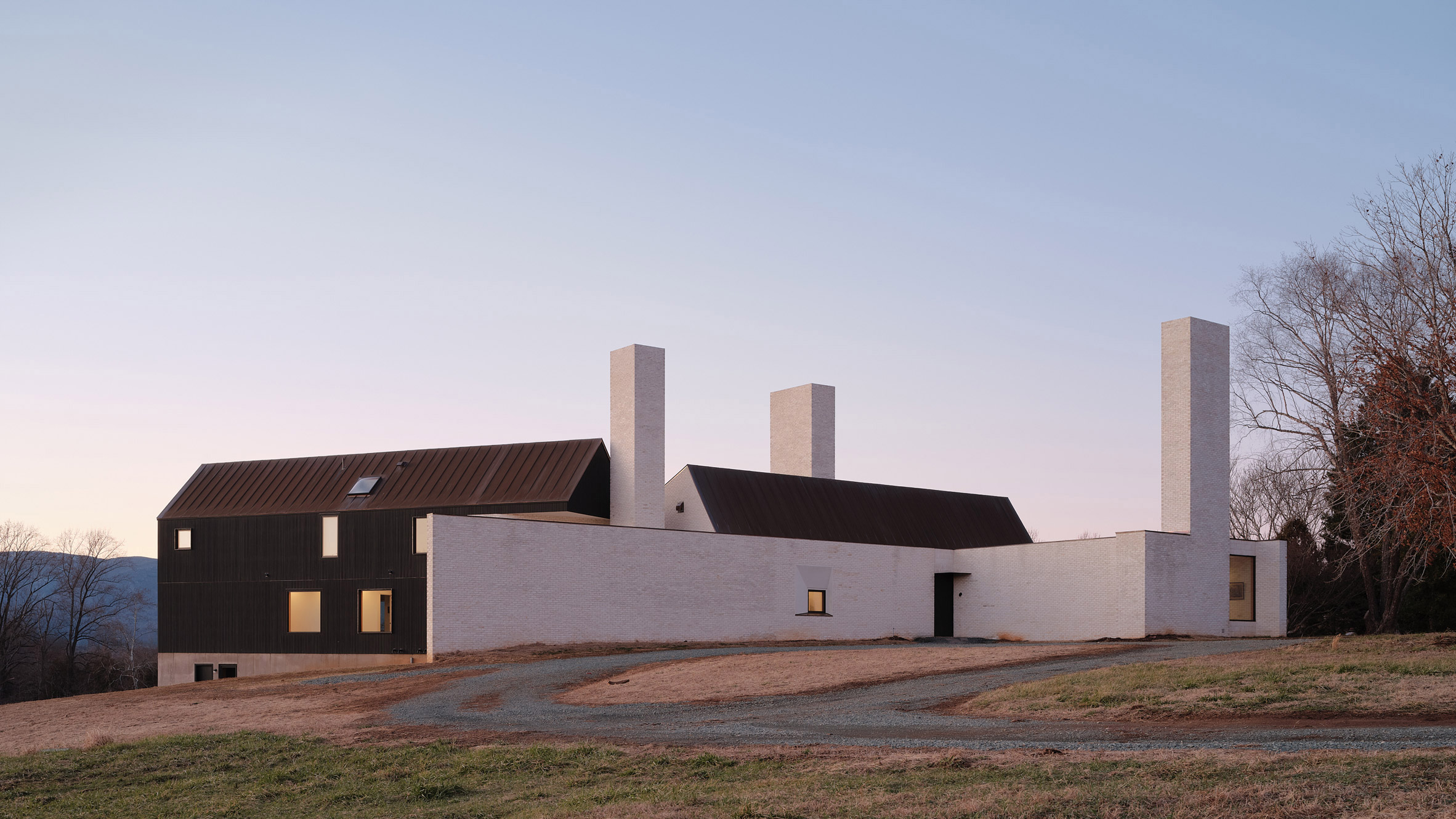
Three white-brick chimneys rise from this house in Virginia, which US studio T W Ryan Architecture designed to reference a modernist Mies van der Rohe house and a nearby plantation.

Three Chimney House by T W Ryan Architecture

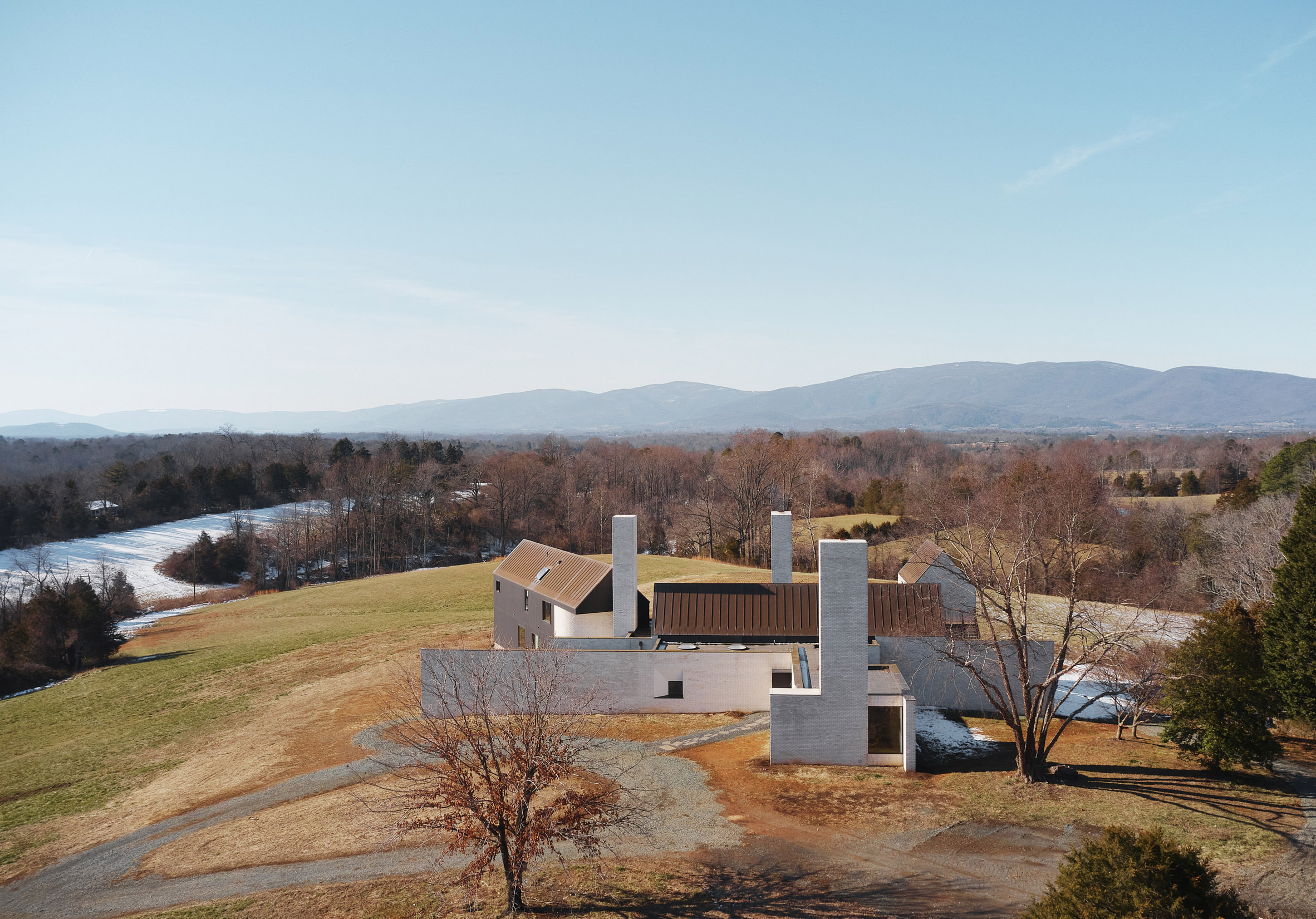
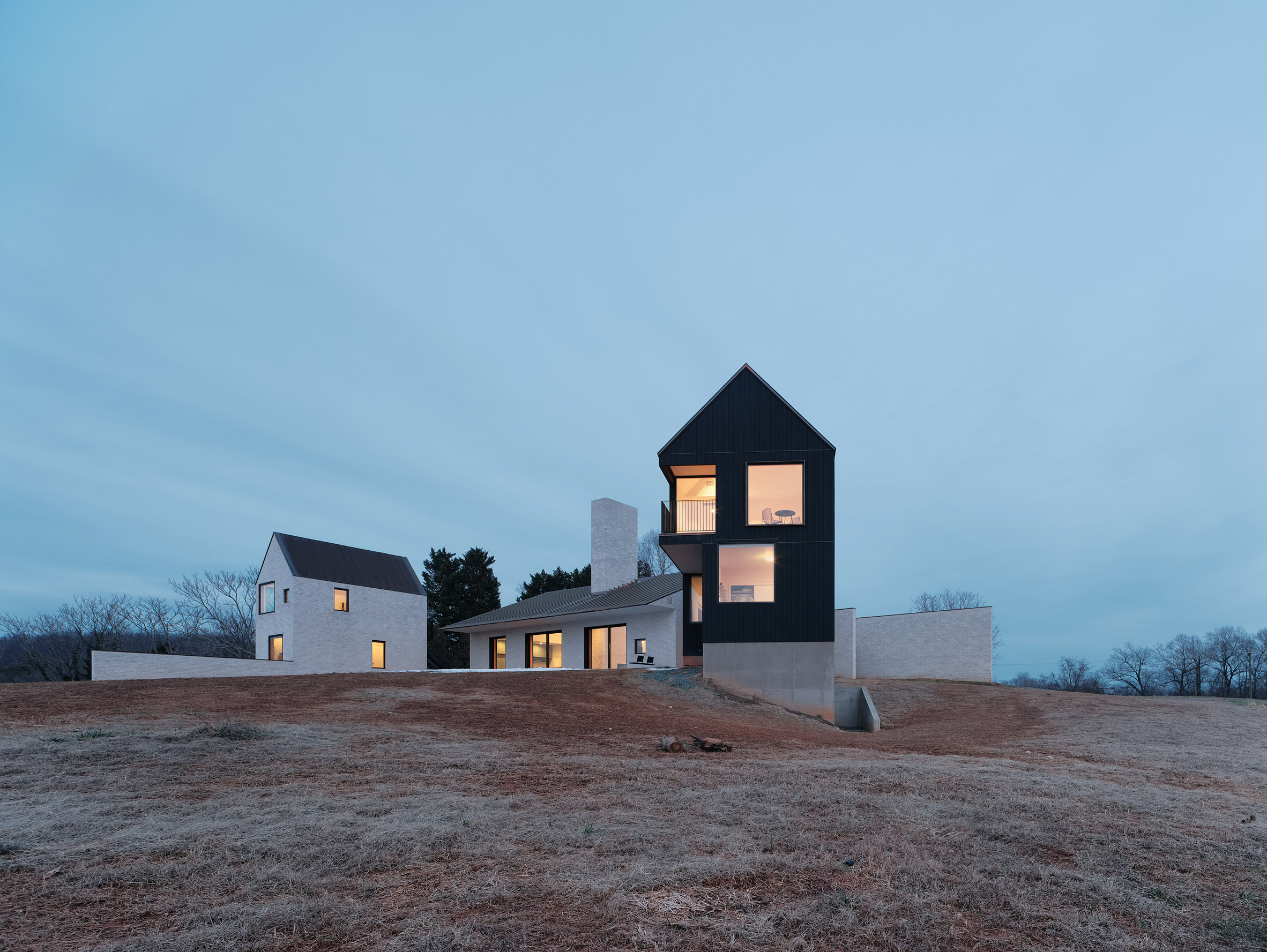
Three Chimney House comprises a series of structures that are organised in a Y-shape on a 45-acre (18-hectare) property outside of Charlottesville in horse country.

Three Chimney House by T W Ryan Architecture

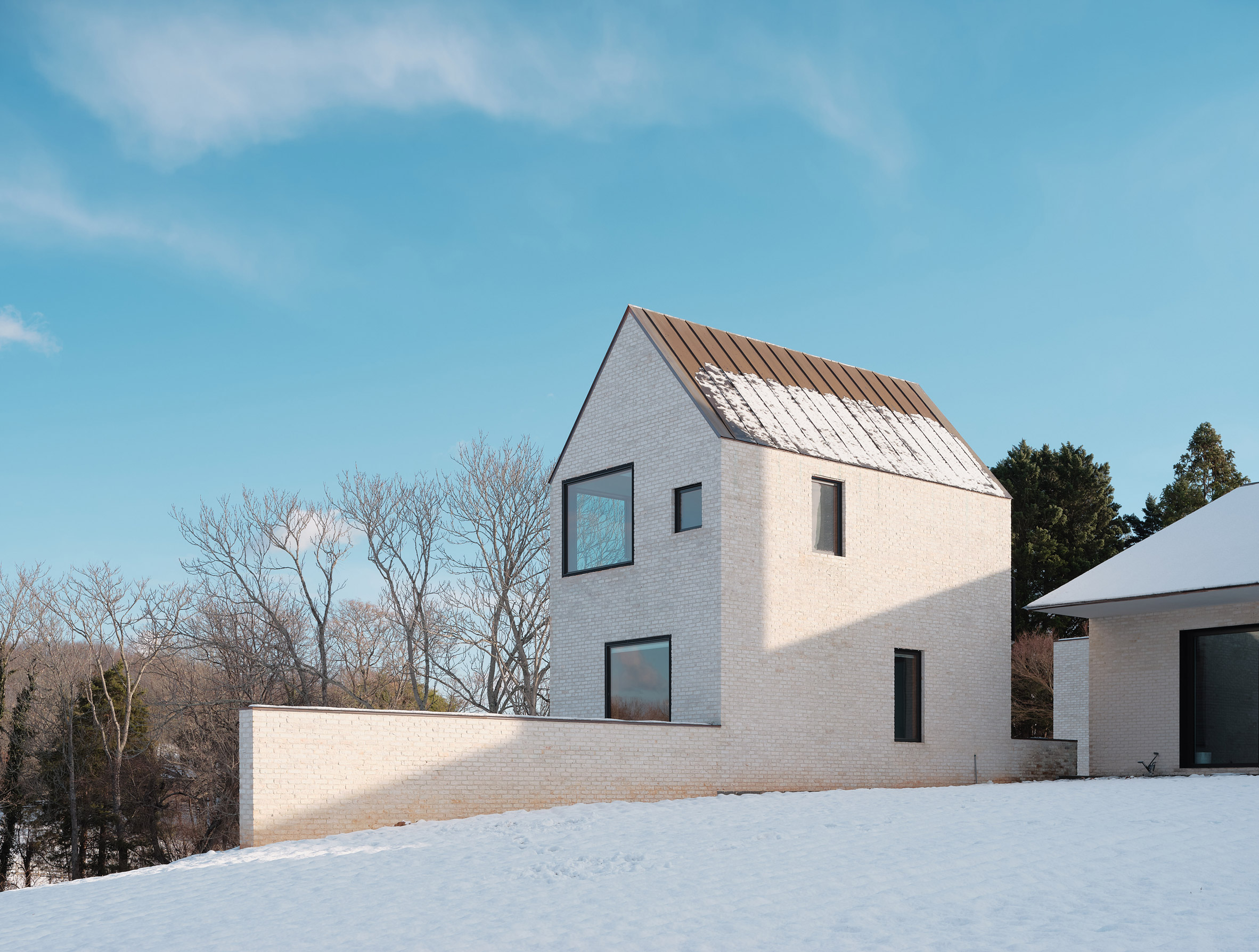
The slender, white chimneys reach 30-feet (nine-metres) high in the sky, enhancing the home's varied construction. Two double-height structures have gables while a low-slung, single-storey volume is topped with a slanting roofline and links to a flat-roofed portion.

Three Chimney House by T W Ryan Architecture

Unifying the design are brick walls with flush mortar joints painted white and copper roofs that extend down to form exterior walls and which will patinate over time.

T W Ryan Architecture designed the residence for a young family with deep roots in the region that wanted the house to link with the natural landscape and the area's historic colonial homes.

Three Chimney House by T W Ryan Architecture

"We wanted to create a house that is pure and primitive in form, defined by chimneys, walls and roofs," said studio founder Thomas W Ryan.

"The hope was that the construction success of the house would be measured against the nearby colonial forbearers rather than the modern houses under construction today."

Three Chimney House by T W Ryan Architecture

In response, the studio took cues from a variety of local sources such as Thomas Jefferson's nearby Monticello house, which has as a natural copper roof, and the chimneys of the 18th-century plantation Stratford Hall – not far from where the clients grew up.

Three Chimney House by T W Ryan Architecture

"The architecture takes inspiration from traditional Southern colonial houses," Ryan added.

"Abstracting and re-interpreting these materials and archetypal elements, both the client and architect envisioned finding a timeless yet contemporary voice for Southern architecture in America."

Three Chimney House by T W Ryan Architecture

Ludwig Mies van der Rohe's Brick Country House that he conceived 1924 but never built also formed a precedent for the project. It influenced the white barrier walls that extend from the house to mark the sloping terrain.

"It serves as an inspiration for how the natural landscape can be made clearer by the built construction, while not being tamed," Ryan added.

Three Chimney House by T W Ryan Architecture

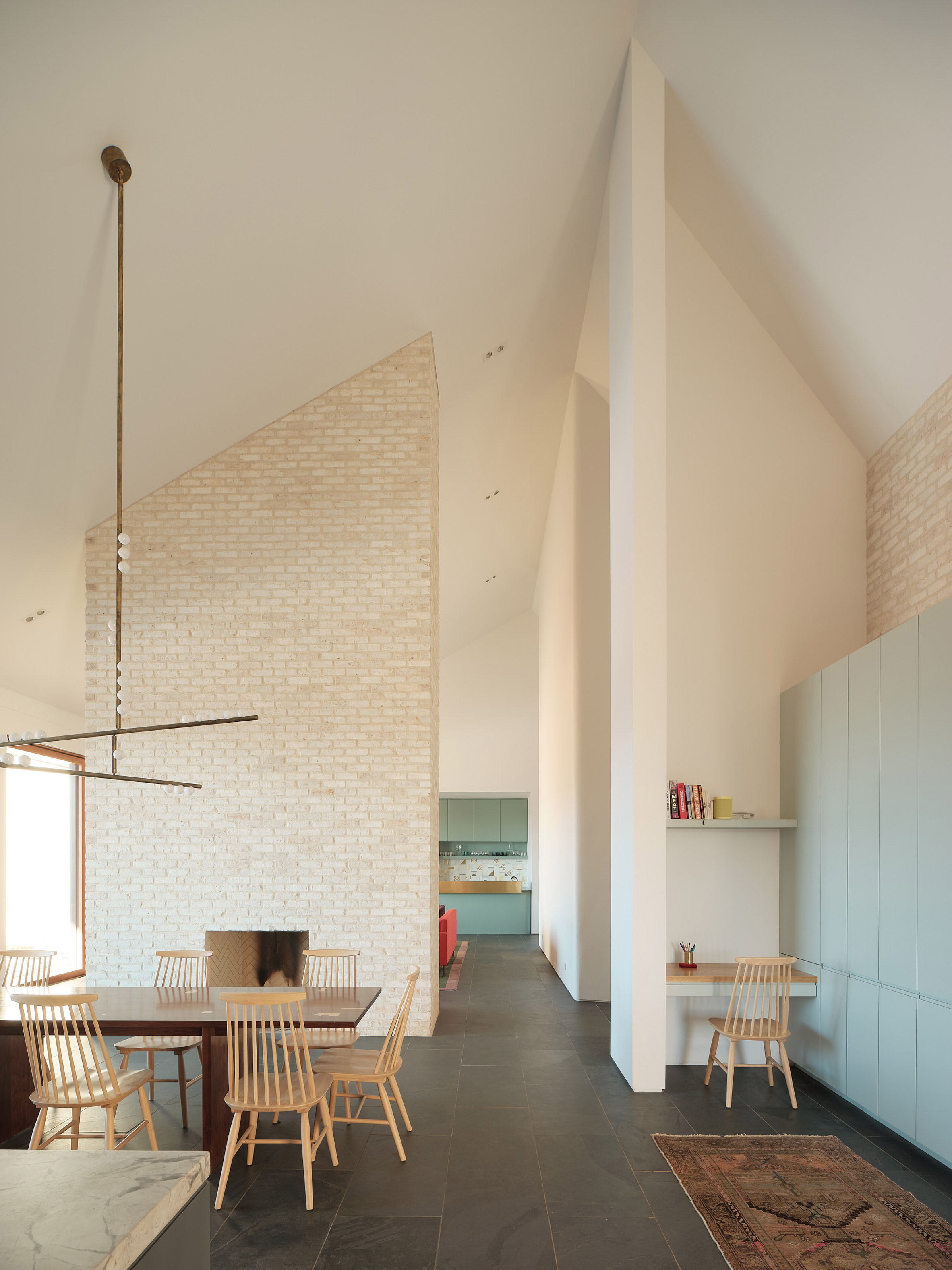
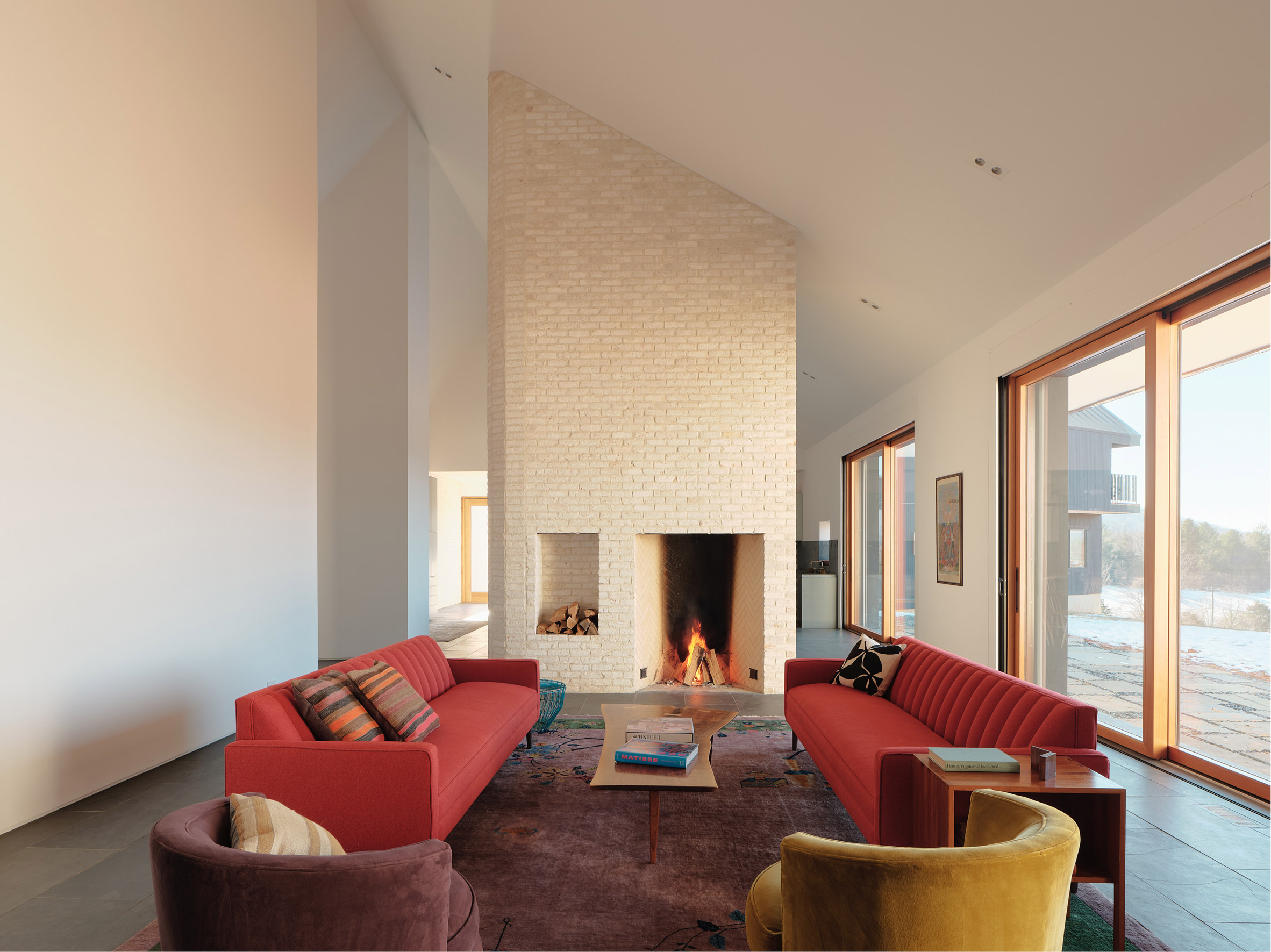
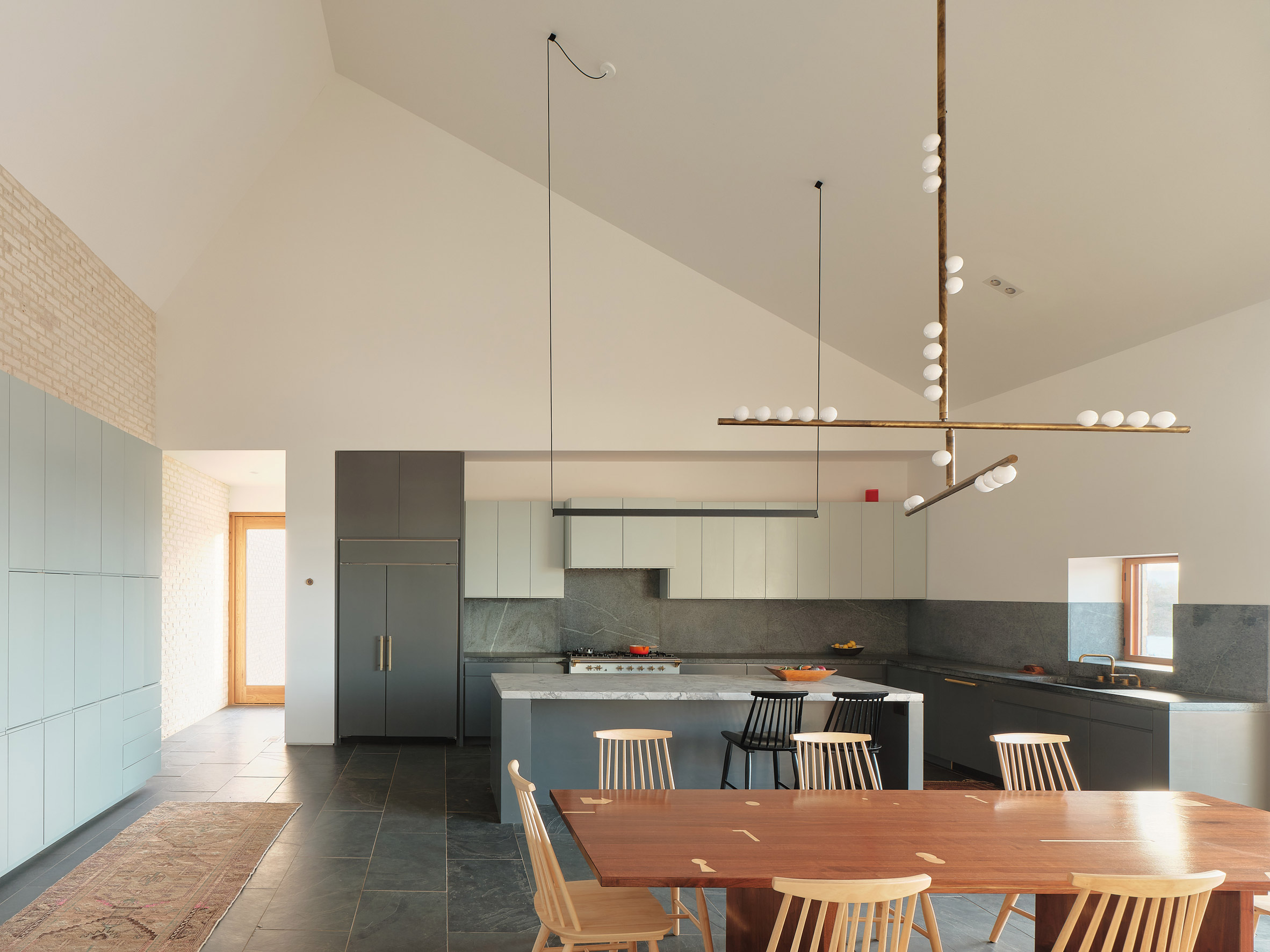
Upon entering via the single-storey structure, called the Main Hall, is a large room with a soaring ceiling. A fireplace divides a sitting area on one side and a shared kitchen and dining area opposite.

Three Chimney House by T W Ryan Architecture

Sliding glass doors access a patio and provide unobstructed views of the Shenandoah Mountains and the sunset. A powder room, two closets, a laundry and a living room are nearby.

Connected to the Main Hall to the south is a volume with two bedrooms on the ground floor and a master suite upstairs – called the Residential Wing. A detached volume is on the north side and contains an art studio and a guest suite.

Three Chimney House by T W Ryan Architecture

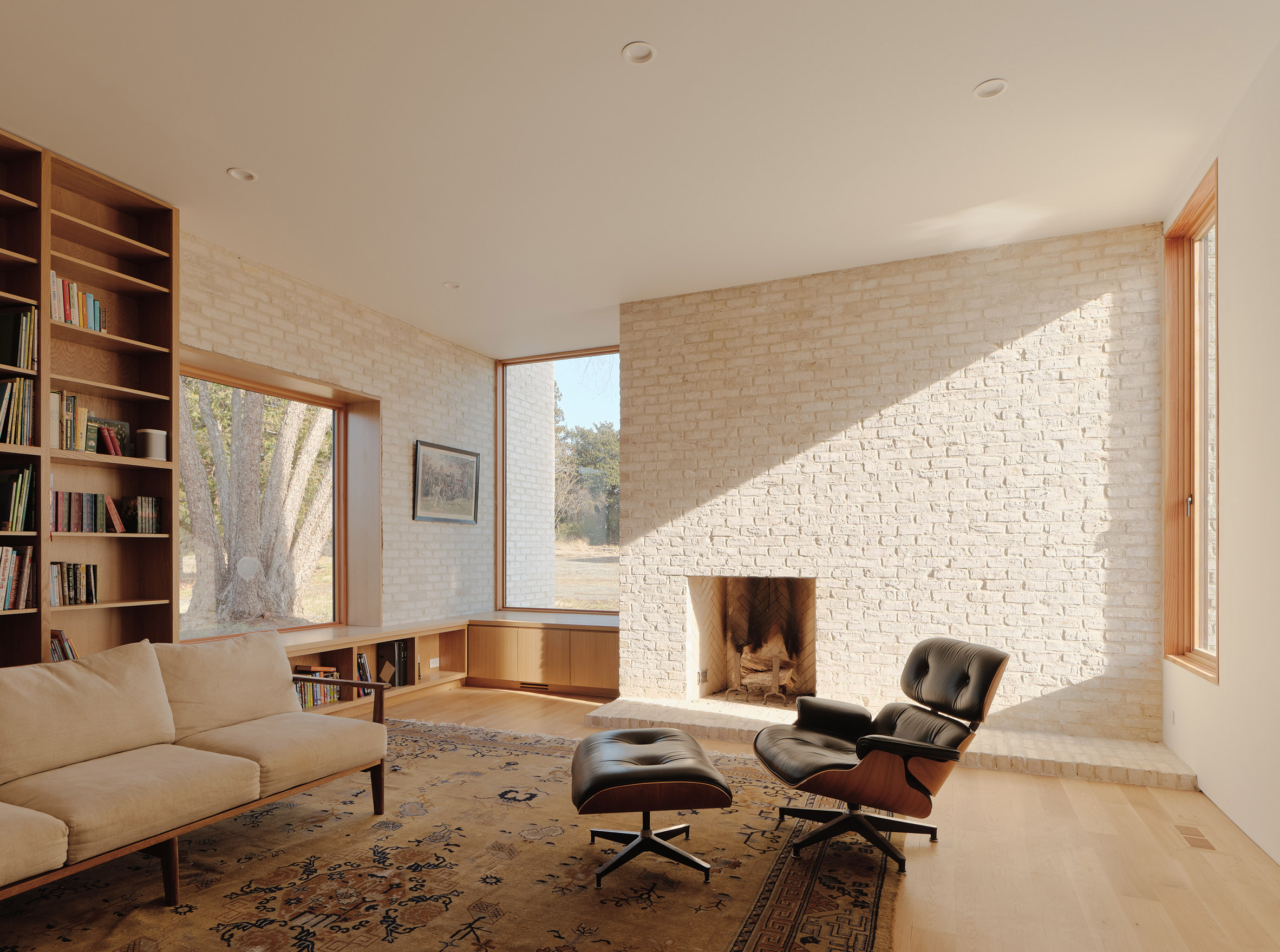
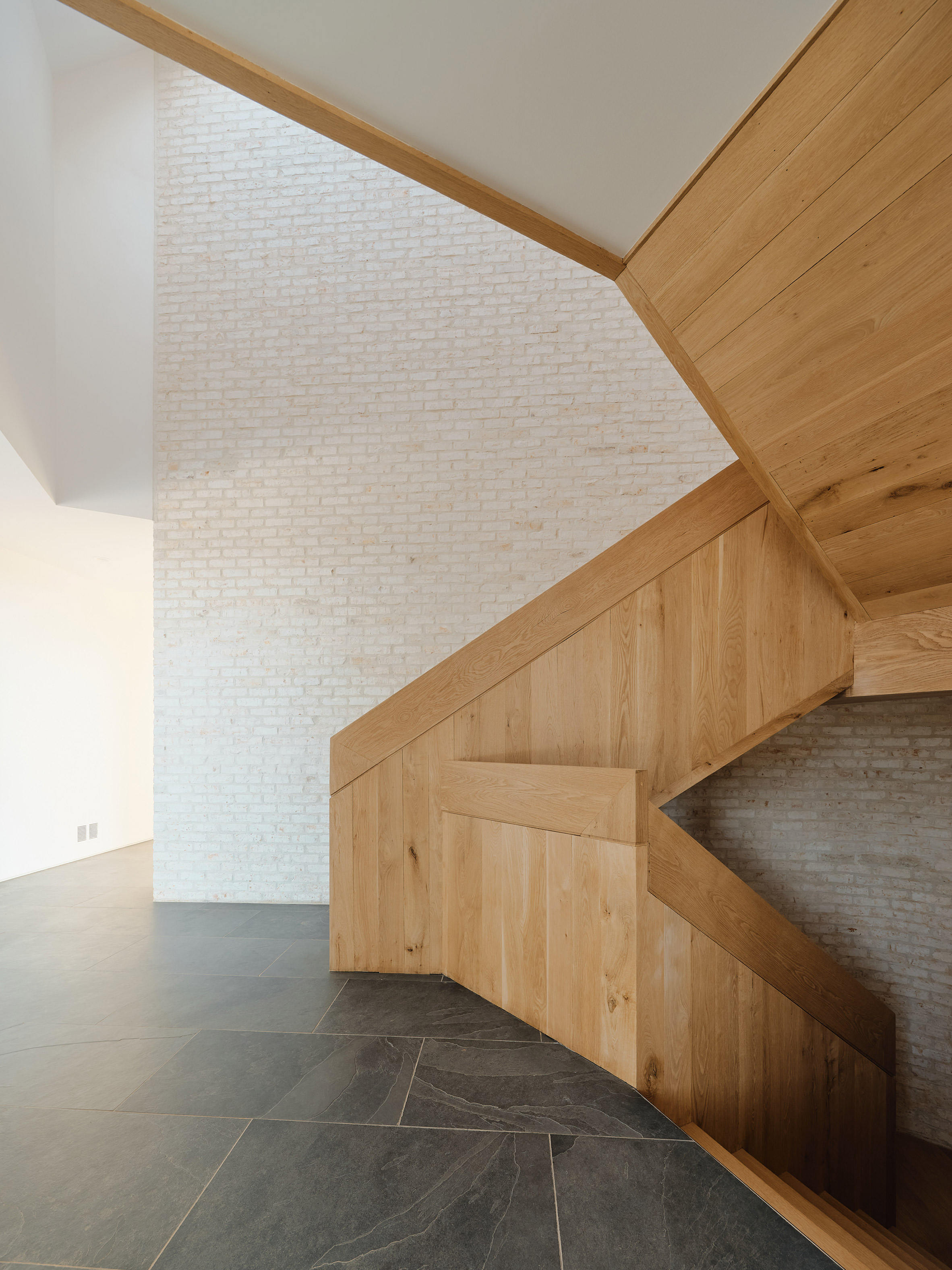
Interiors are pared-down with white walls and pale wood floors. Vertical cedar boards with a black stain clad feature walls as a nod to the property's black cedar post fencing, as well as barns and farmhouses.

A variety of window sizes in square and rectangular shapes frame country views and usher in natural light.

Three Chimney House by T W Ryan Architecture

Other homes in Virginia include Deep Point Road residence by BFDO, a black home by Architecturefirm and Buisson Residence by Robert Gurney.

T W Ryan Architecture has also renovated a black home Surf House in Montauk, New York for a family from Ireland.

Photography is by Joe Fletcher.

The post Modernist and Southern colonial styles meet in Three Chimney House in rural Virginia appeared first on Dezeen.


from Dezeen https://ift.tt/2SGXoZX

Five of the best houses in Peru

Casa C3 by Barclay & Crousse

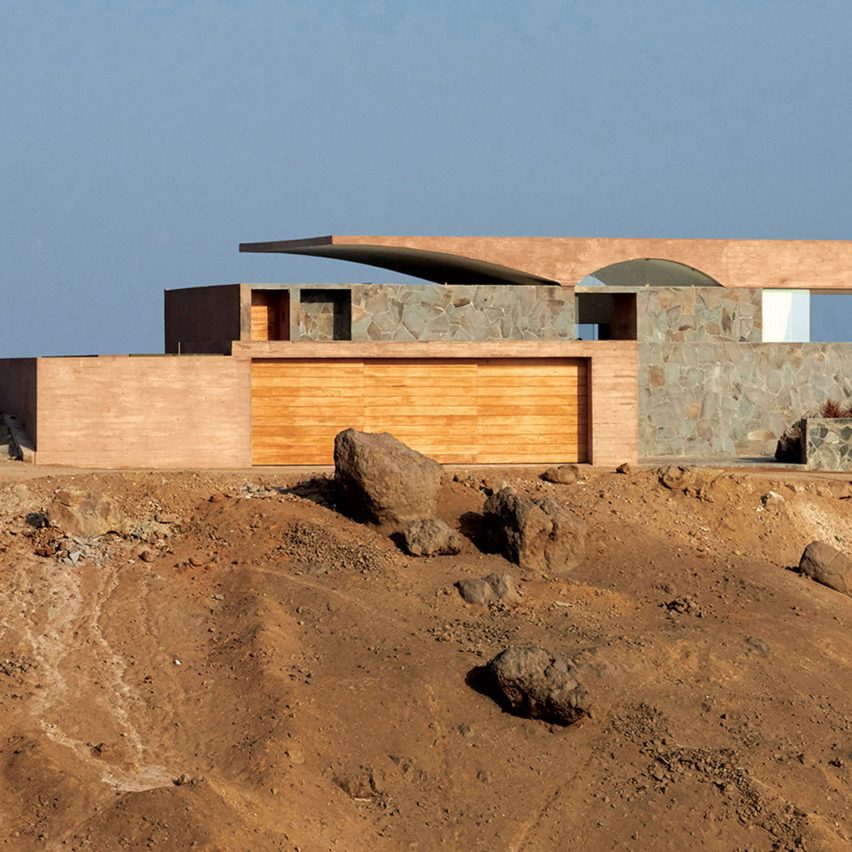
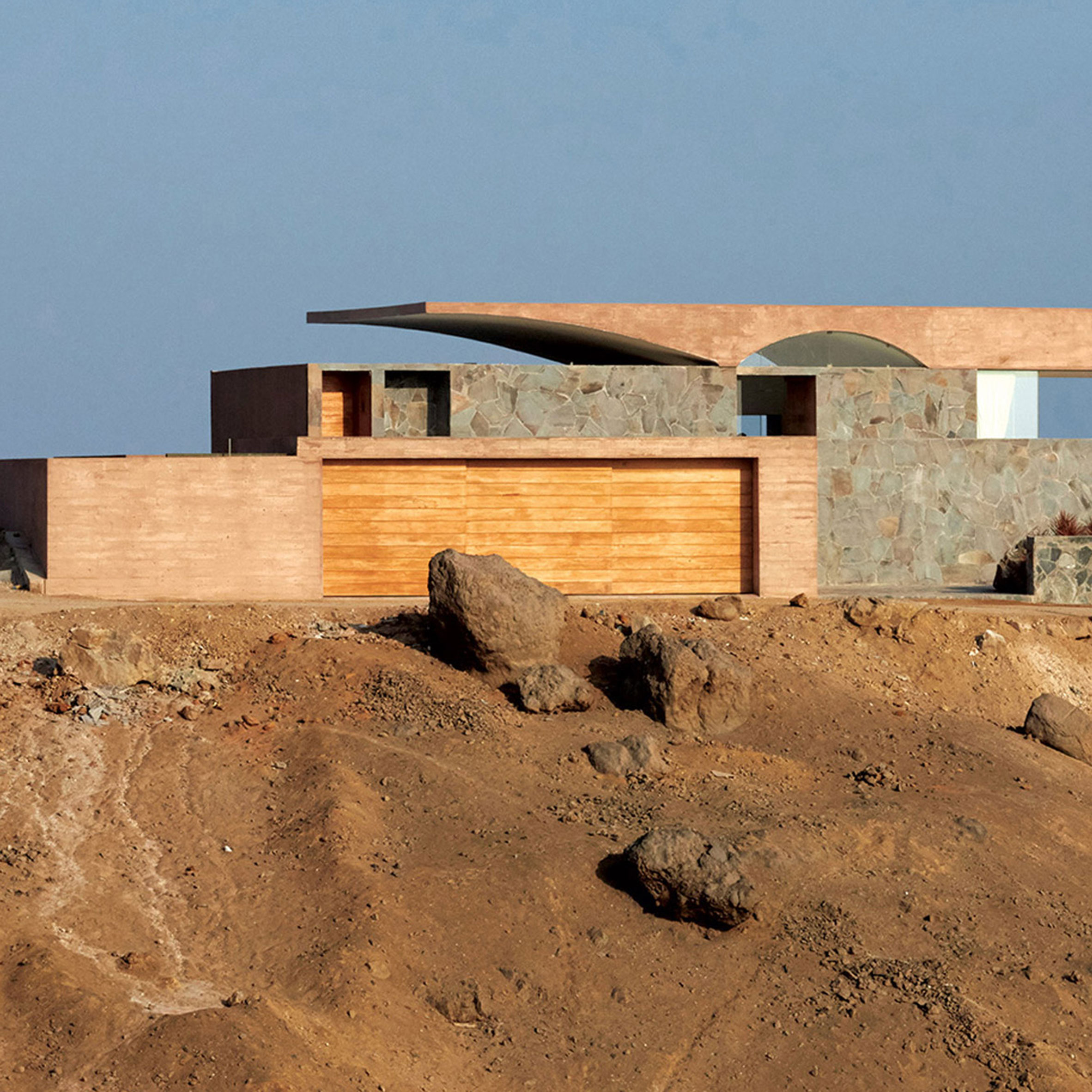
Concrete blocks, mountain rocks and reddish cement are among the materials used to build these five Peruvian residences in natural surrounds.


Casa C3 by Barclay & Crousse
Top and above photograph by Cristobal Palma

Casa C3 by Barclay & Crousse

Locally sourced red stones and cement blend Casa C3 by Barclay & Crousse into its desert site north of capital city Lima.

The Lima studio conceived the house as four volumes inserted into a hilly landscape on top of a rocky cliff that overlooks the Pacific Ocean.

Find out more about Casa C3 ›


Casa Ronda by Marina Vella Arquitectura Urbanismo

Casa Ronda by Marina Vella

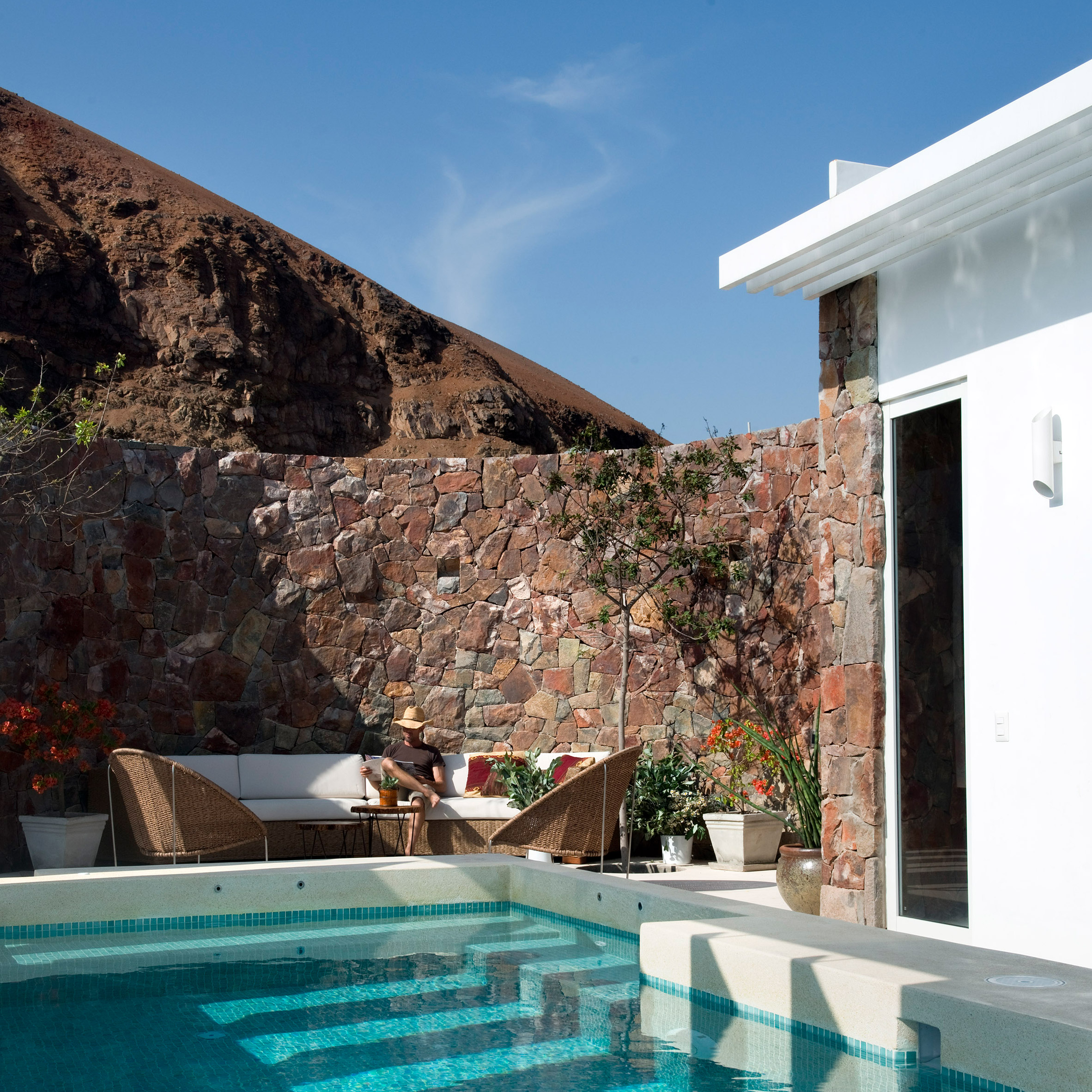
A curving wall at the centre of this seaside residence in Cañete, a province in Lima Region, is constructed from stones sourced from a nearby mountain. The wall encloses a small patio furnished with a pool.

Lima studio Marina Vella Arquitectura Urbanismo oriented the linear white house to face the Pacific Ocean on one side and the Cerro Colorado mountain on the other.

Find out more about Casa Ronda ›


House in Azpitia by Rafael Freyre

House in Azpitia by Rafael Freyre

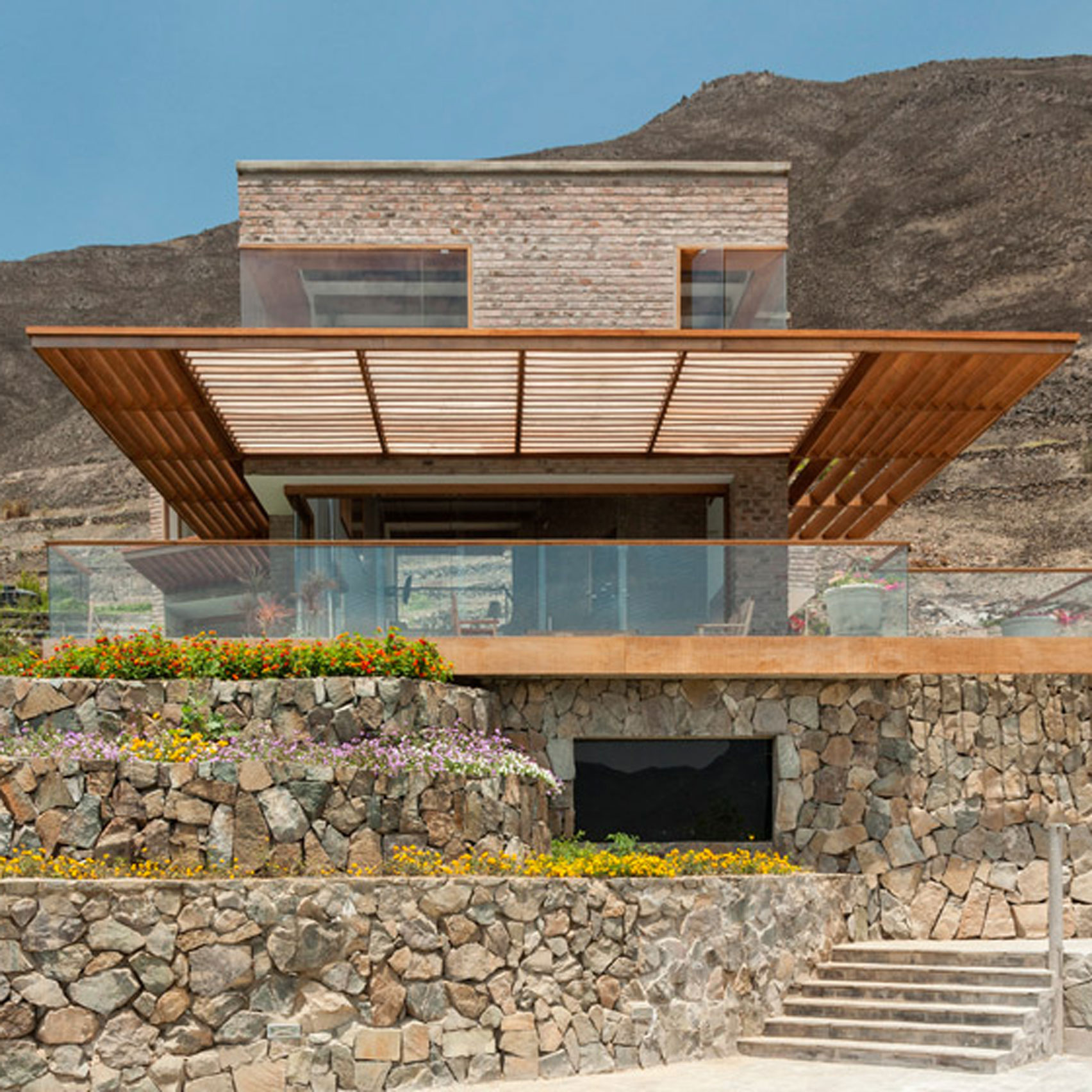
Lima architect Rafael Freyre designed this vacation home in the village of Azpitia to connect the residence to its rugged setting.

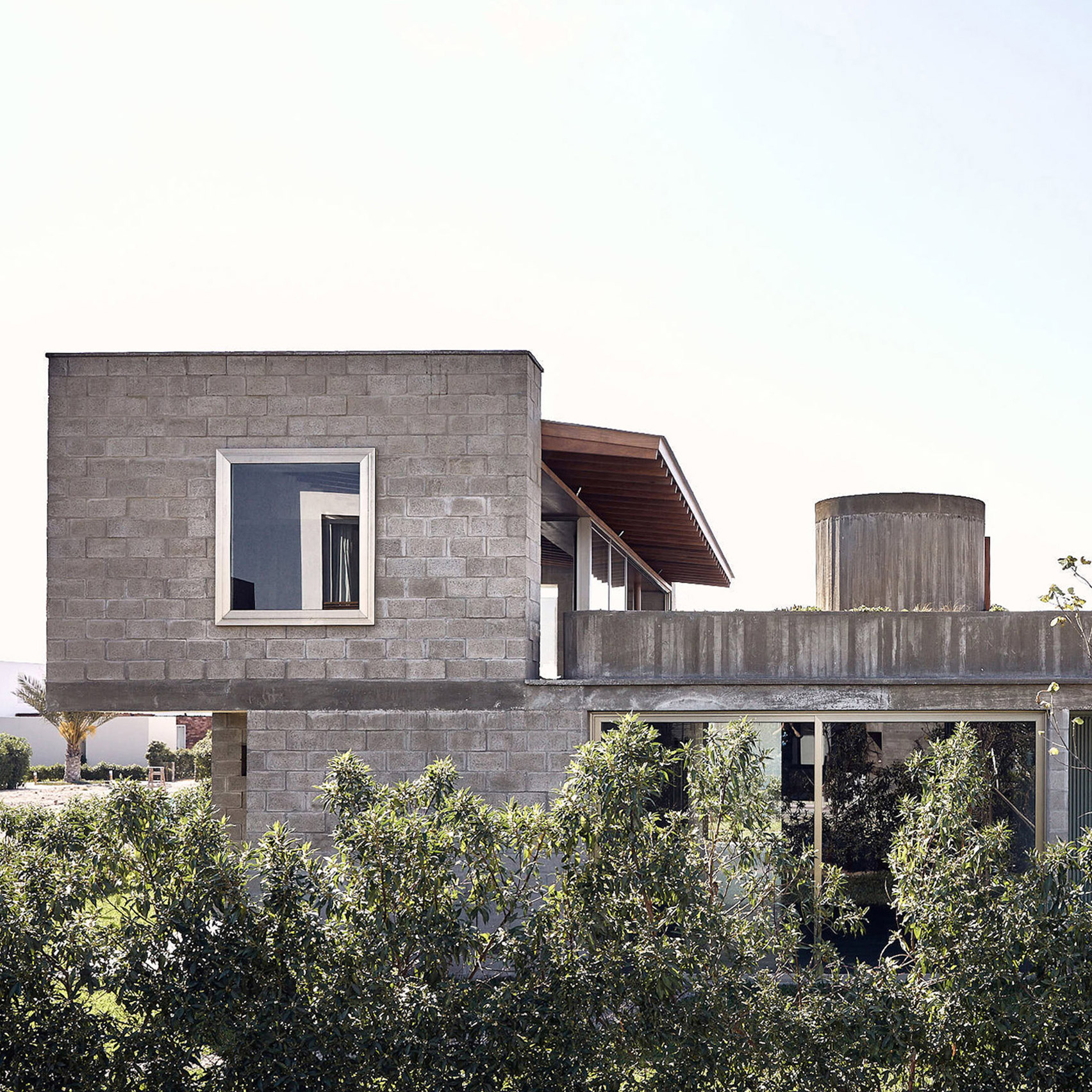
House in Azpitia is covered in bricks sourced from a nearby kiln, while rocks from the surrounding mountains form a series of stone walls at the base of the house.

Find out more about House in Azpitia ›


Textile House in Paracas by Ghezzi Novak

Textile House by Ghezzi Novak

The texture and pattern of woven fibres informed the design of this concrete house built in the coastal town of Paracas by Ghezzi Novak.

Textile House's large windows and rooftop terrace provide views of the distant desert and ocean landscapes. Elevated garden planters and raised pools are situated on the expansive rooftop terrace, which doubles as a living area.

Find out more about Textile House ›


Casa N, Peru by Cheng Franco Architects

Casa N by Cheng + Franco Arquitectos

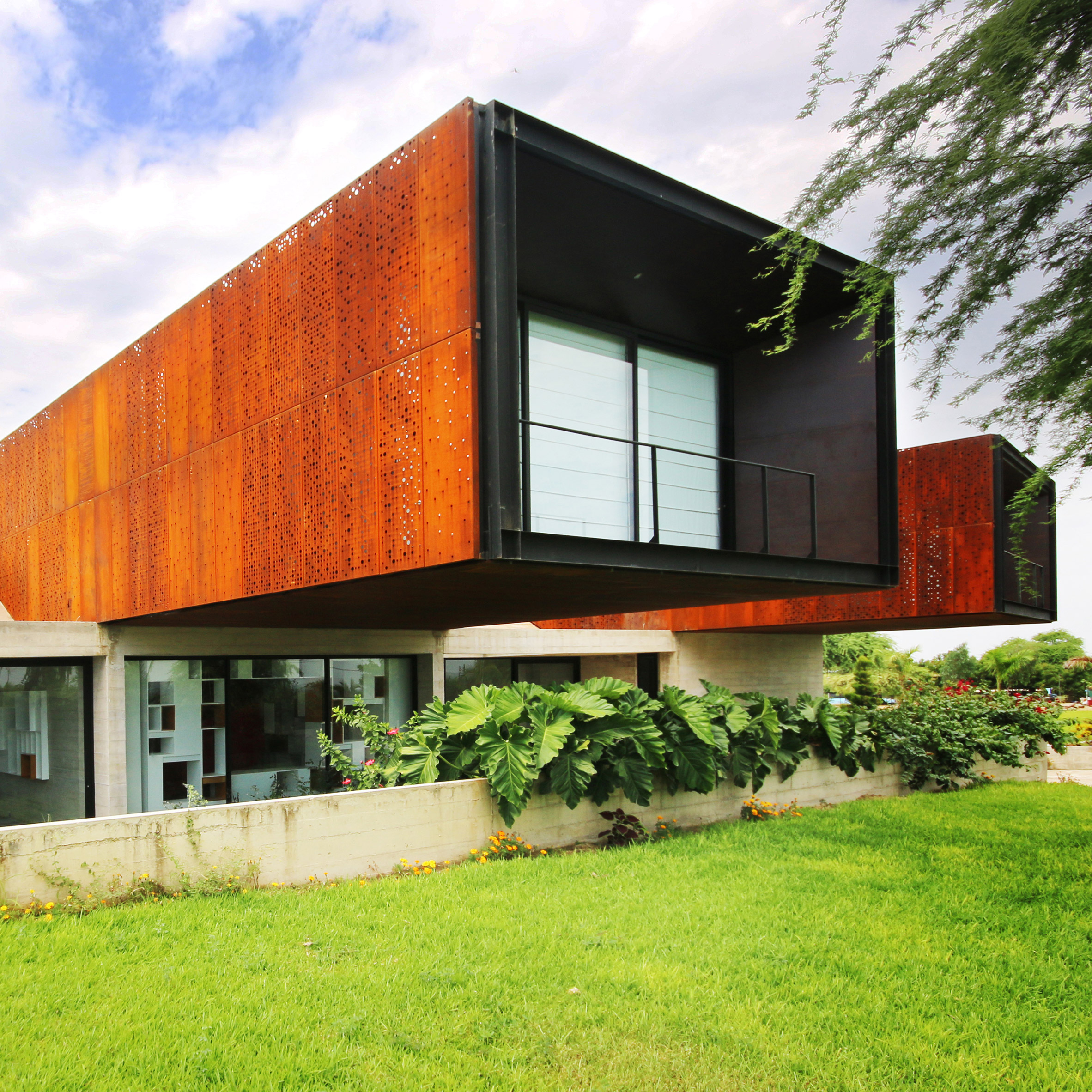
Three boxes clad with perforated Corten steel form cantilevers on this house in Piura designed by Cheng + Franco Arquitectos.

Each of the extended volumes rests on top of exposed concrete walls and covers a bridleway for horses leading to the training grounds on the other end of the property.

Find out more about Casa N ›

The post Five of the best houses in Peru appeared first on Dezeen.


from Dezeen https://ift.tt/3b7Av8E