Monday, 18 May 2020

Live interview with architect Harriet Harriss as part of Virtual Design Festival

Harriet Harris, dean of the Pratt Institute School of Architecture in New York

Harriet Harris, dean of the Pratt Institute School of Architecture in New York, will speak to Dezeen in this live Screentime conversation sponsored by Enscape as part of Virtual Design Festival. Watch above from 2:00pm UK time.

Harriss, who recently became the second female dean of the school, will speak to Dezeen's founder and editor-in-chief Marcus Fairs.

Harriss, who appeared at the inaugural Dezeen Day last year and judged the first Dezeen Awards in 2018, studied architecture at Oxford Brookes University.

Before moving to New York City, she led the post-graduate research programme in architecture at the Royal College of Art in London.

Her books include Radical Pedagogies: Architectural Education and the British Tradition, and A Gendered Profession, which explores gender imbalance in the architecture profession.

At Dezeen Day, she appeared on a panel on design education alongside Zaha Hadid Architects principal Patrik Schumacher, and clashed with the architect over the long-hours culture in the industry.

Harriet Harris, dean of the Pratt Institute School of Architecture in New York
Harriet Harris is dean of the Pratt Institute School of Architecture in New York

Other creatives featured in our Screentime series include trend forecaster Li Edelkoort, UNStudio founder Ben van BerkelNew York architecture practice SO-ILThe World Around curator Beatrice Galileefilmmaker Gary Hustwit and British-Israeli architect Ron Arad.

This Screentime conversation is sponsored by Enscape, a virtual reality and real-time rendering plugin for architectural design programme Autodesk Revit.

Virtual Design Festival is the world's first online design festival, taking place from 15 April to 30 June. For more information, or to be added to the mailing list, contact us at virtualdesignfestival@dezeen.com.

The post Live interview with architect Harriet Harriss as part of Virtual Design Festival appeared first on Dezeen.


from Dezeen https://ift.tt/3bHnpPx

Snøhetta "managed to push the world forward through architecture" says Jenny B Osuldsen in VDF talk

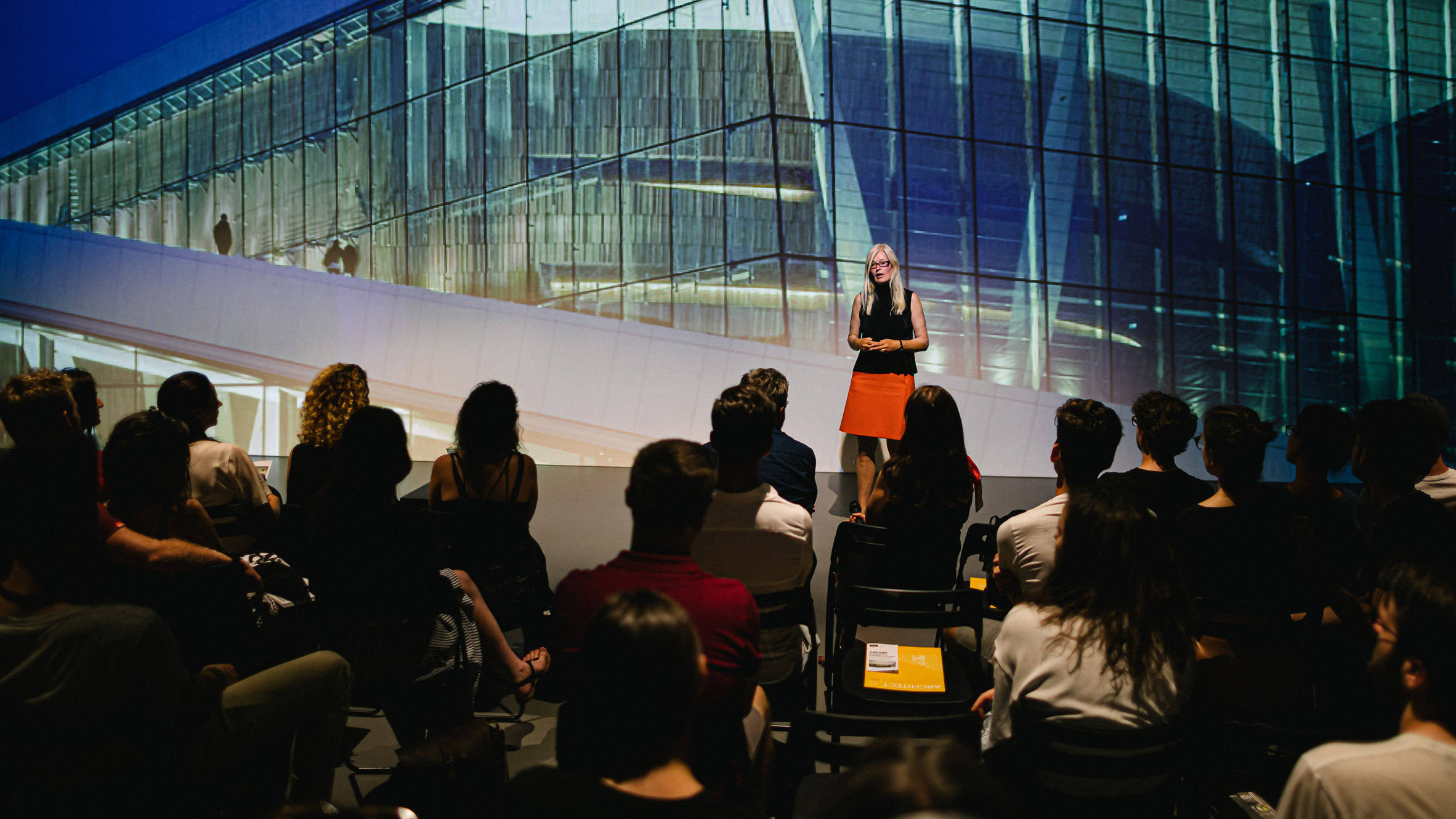
Jenny B. Osuldsen at CAMP's Urban Talks

In this lecture, part of Virtual Design Festival's collaboration with CAMP, Snøhetta partner Jenny B Osuldsen discusses the architecture studio's core values and projects, including Times Square and the King Abdulaziz Centre for World Culture.

Norwegian architecture studio Snøhetta is named after a mountain in one of the hilly country's national parks, and every year, the entire studio attempts to climb it, gathering in its own-designed Wild Reindeer Centre Pavilion.

"We're really team-based, and it's important for us to work interdisciplinary," Osuldsen said.

"We're about 50-50 men and women and from maybe 30 different nationalities, coming together under this holy mountain: we really love to work to make architecture."

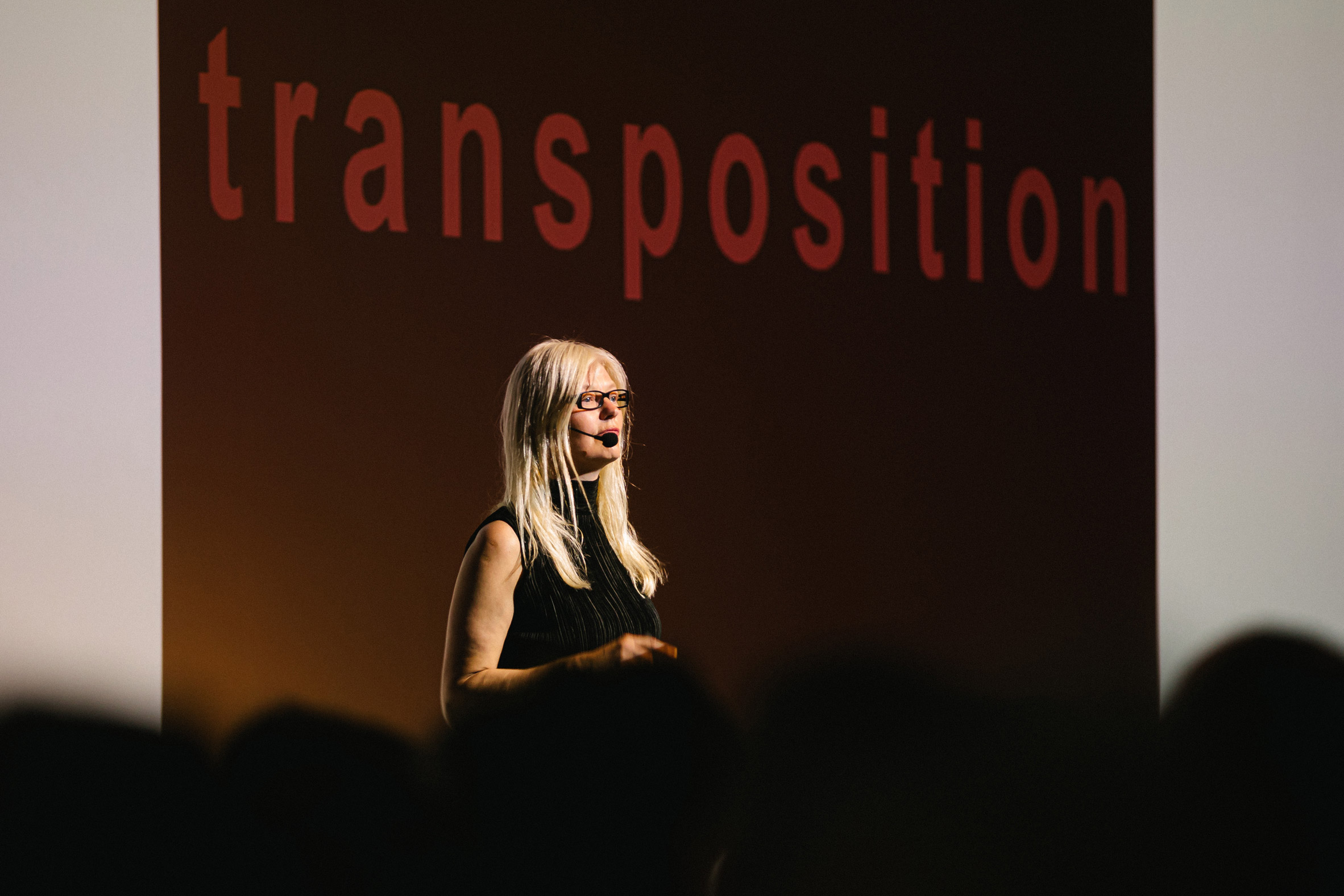
Jenny B. Osuldsen at CAMP's Urban Talks

Founded in 1989, the studio's first project, Bibliotheca Alexandrina in Alexandria, Egypt, was also founders Kjetil Trædal Thorsen and Craig Dykers' first-ever completed building.

"Rather than being a skyscraper, the library is a landscraper, as it changes the city landscape," Osuldsen said of the Bibliotheca Alexandrina.

During the Arab Spring uprising, students from the nearby university linked arms to protect the library, something Osuldsen found very touching.

"We could see that we managed to push the world forward through architecture – it had its own life, a true ownership in Egypt, and had made a big difference."

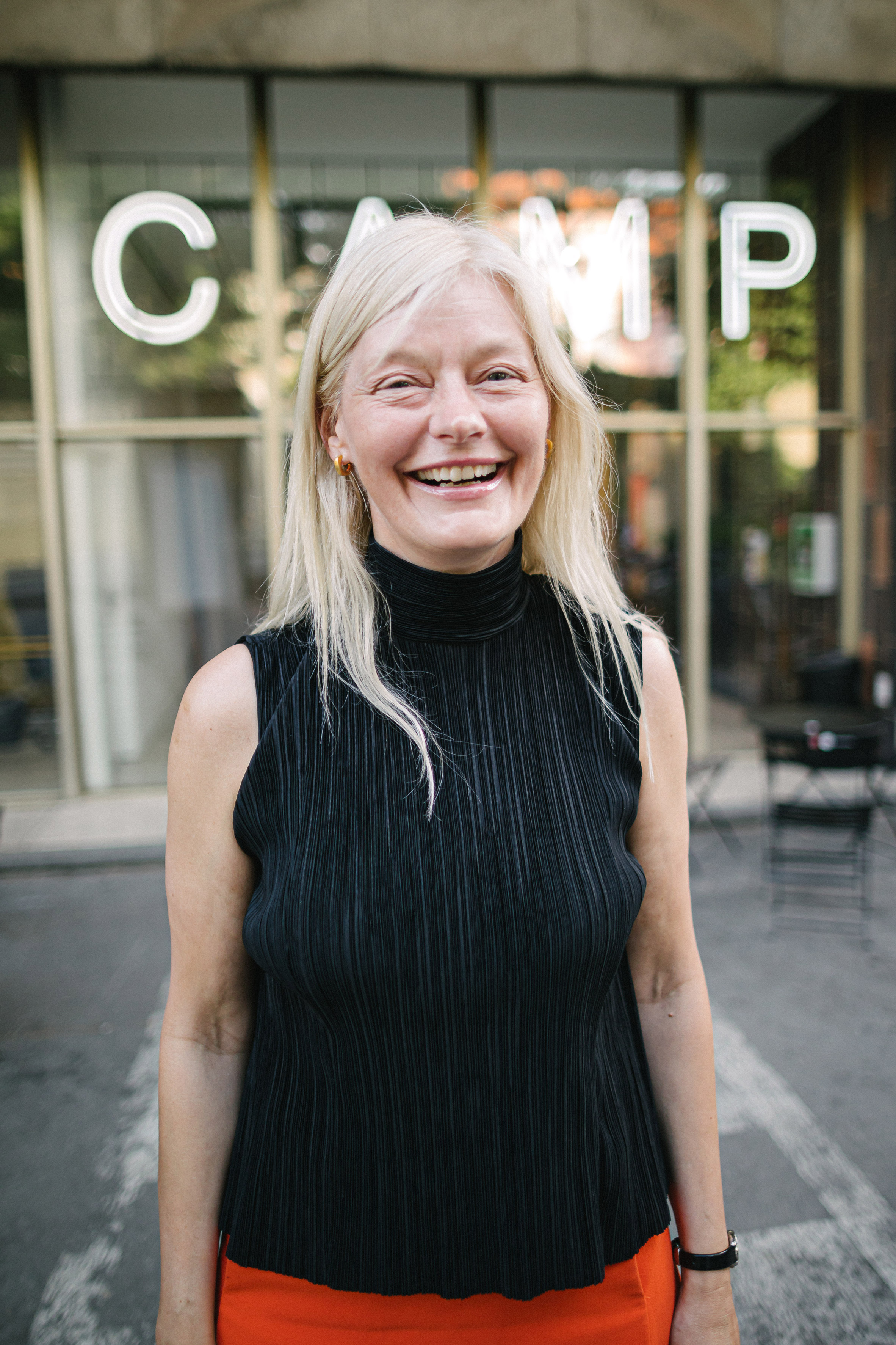
Jenny B. Osuldsen at CAMP's Urban Talks

In its designs, including its partial pedestrianisation of Times Square, Snøhetta aims to create or make innovative use of public space.

"Even the locals started coming back to Broadway," Osuldsen commented.

The studio works all over the world, but had to carefully consider accepting the building of the King Abdulaziz Centre for World Culture in Saudi Arabia.

"We had lots of discussions about if we can actually work in Saudi Arabia, as we have equal representation of men and women. Can the women go down to Saudi Arabia? What about all the gay people in the office?"

Snøhetta ended up asking what the studio could do to make a difference in the country. "It's one of the first public libraries in Saudi Arabia, it's the first public cinema in Saudi Arabia, that was part of the program."

The most important part of the project? Men and women using the same entrance. "This is a huge difference in country like Saudi Arabia," Osuldsen pointed out.

Jenny B. Osuldsen at CAMP's Urban Talks

The architect also spoke of smaller projects by the studio, including the treetop cabin in Lapland and Under, its underwater restaurant in Norway.

"Snøhetta is all about the people who work there and about really trying to push the world (forward) with architecture," Osuldsen concluded. "See if you can make a place that actually makes a difference."

Photography is by Urban Talks.


About CAMP

CAMP, the Center for Architecture and Metropolitan Planning, is an urban planning hotspot in the heart of Prague. The gallery is housed in a modernist building designed by Czech architect Karel Prager and serves not only architects and planners, but mainly the citizens of Prague interested in the future of their city. CAMP also hosts an exhibition space with a 25m wide panoramic projection wall, enabling a unique simulation of the city.

Its monthly Urban Talks series offers lectures by world-renowned architects and urban planners.

Here's the schedule of talks we are publishing on VDF today:

10:00am Kengo Kuma live from Japan
1:00pm Snøhetta
3:00pm COBE
5:00pm Interboro

The post Snøhetta "managed to push the world forward through architecture" says Jenny B Osuldsen in VDF talk appeared first on Dezeen.


from Dezeen https://ift.tt/2yYxfiX

Vollebak weaves seven miles of copper into virus-killing Full Metal Jacket

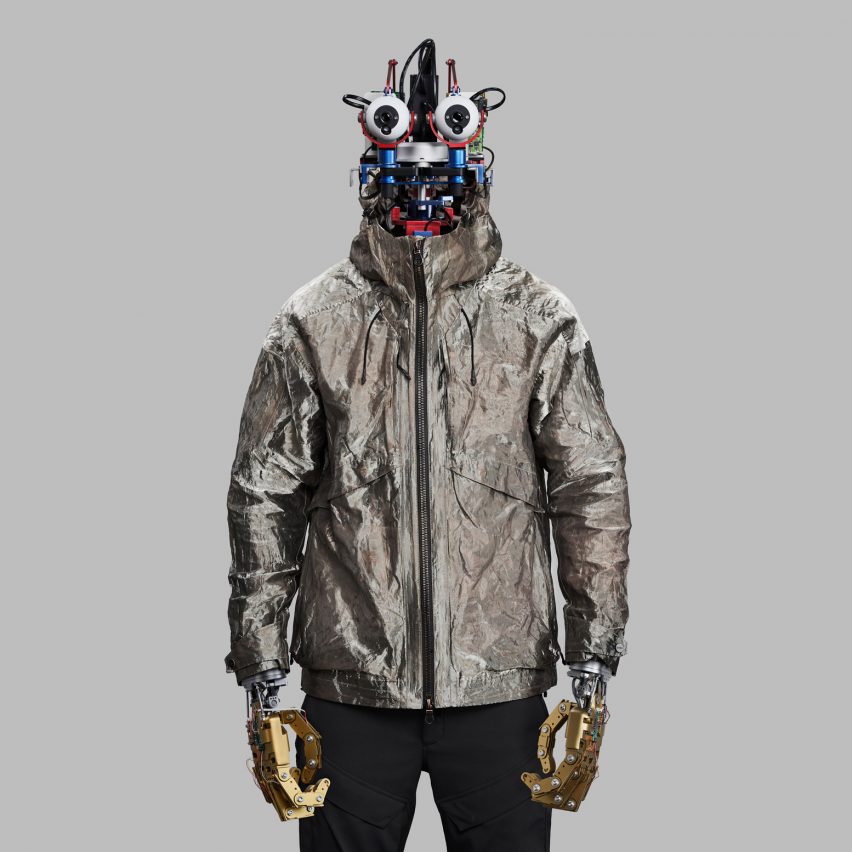
Full Metal Jacket made from copper by Vollebak

Clothing company Vollebak has made its Full Metal Jacket from copper as the first step in developing intelligent and disease-resistant clothing in light of the coronavirus pandemic.

Each Full Metal Jacket is made from 65 per cent copper and incorporates around seven miles (11 kilometres) of the metal, which is known for is virus-killing qualities.

Vollebak created the jacket to demonstrate the potential of copper to be used for making clothing that would be resilient to viruses including the coronavirus.

"When Covid-19 hit we were already working on the future of intelligent, disease-resistant clothing and we'd chosen copper as a natural first building block," said Steve Tidball, co-founder of Vollebak.

"This first concept is focused on proving it's possible to make pieces of clothing almost entirely out of copper," he told Dezeen. "Now we've done that we can start exploring what form they take and what function they can have."
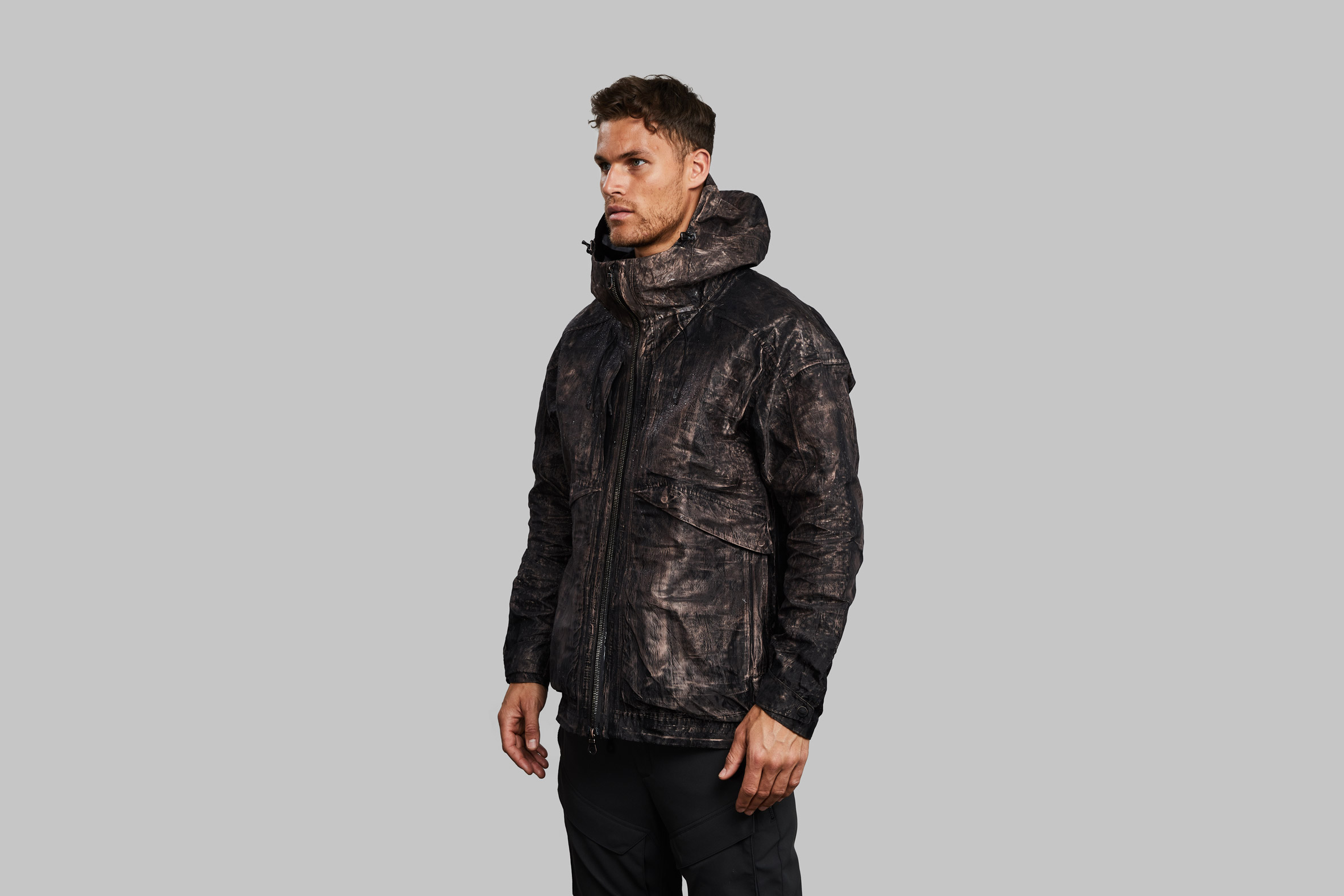
Full Metal Jacket made from copper by Vollebak

Vollebak focused on copper due to its antimicrobial qualities, as a wide range of harmful microbes are killed when they come in contact with the material.

"We know that copper has exceptional antimicrobial properties which means bacteria and viruses die when they make contact with it," explained Tidball.

"The copper releases electrically charged ions which first make it difficult for a microbe to breathe, before punching holes in its outer membrane, moving in and completely wiping out its DNA, preventing it from developing any future resistance."
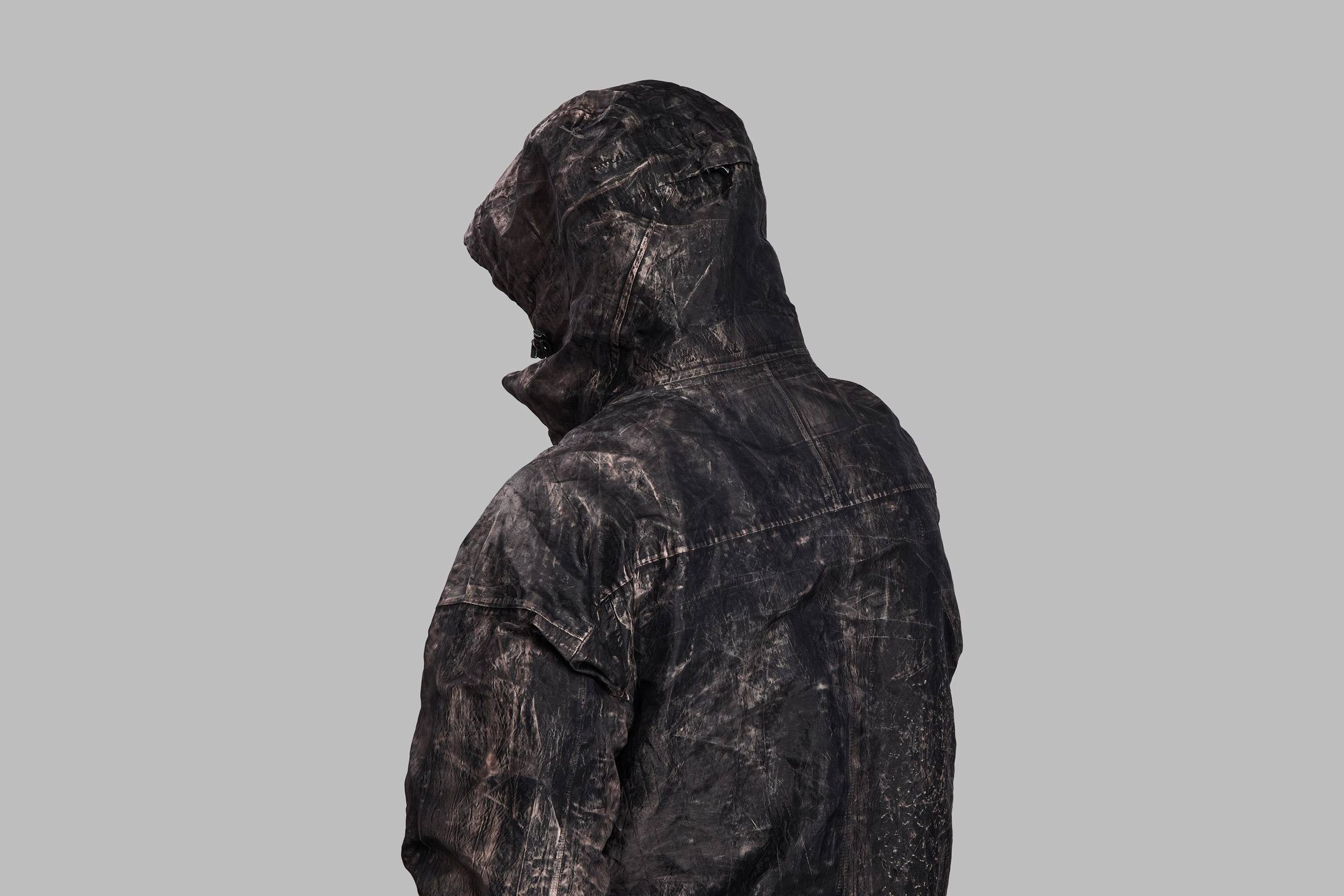
Full Metal Jacket made from copper by Vollebak

The company envisions the jacket as being the first step in its development of antimicrobial clothing and created the coat to show that the material could be used to make clothing.

"So really we're still in phase one, which is proving the viability of making clothing almost entirely out of copper," said Tidball. "Phase two is starting to test what it is capable of, and that's what we're going to look at now."

"Ultimately we're focused on the future of clothing over the next century," he continued. "So we really consider disease-resistant clothing a long-term ambition vs a short term solution."
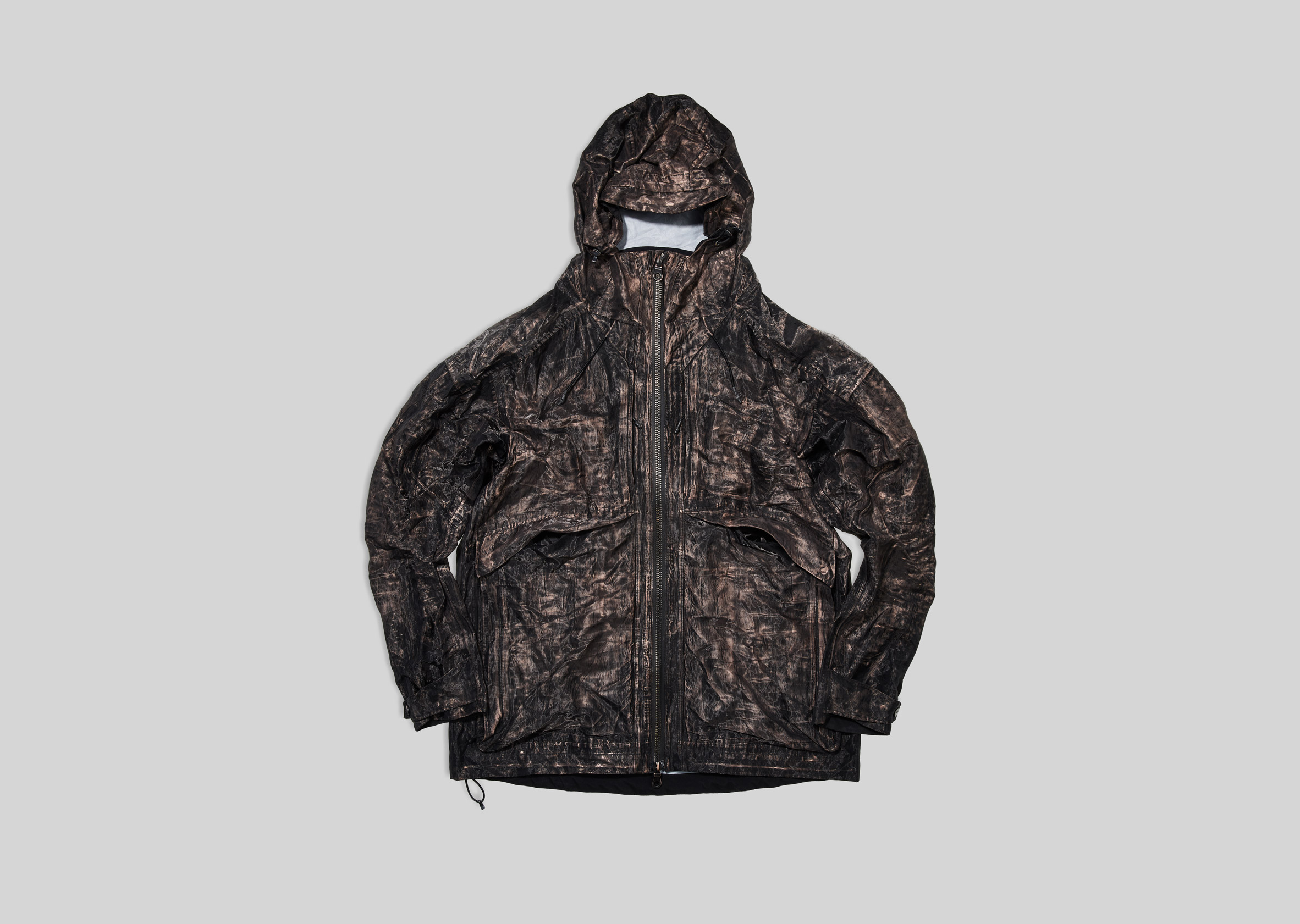
Full Metal Jacket made from copper by Vollebak

Creating the jacket from copper was challenging as metal is rarely used in this quantity in fashion. To transform the copper into useable fabric Vollebak laminated the metal thread with a waterproof and breathable membrane called c_change.

"There are a lot of reasons metal is not widely used in clothing," explained Tidball.

"It's a really expensive material, it has no real precedent in clothing beyond suits of armour, it's far more challenging to work with than something like cotton or polyester, and there's no established supply chain."
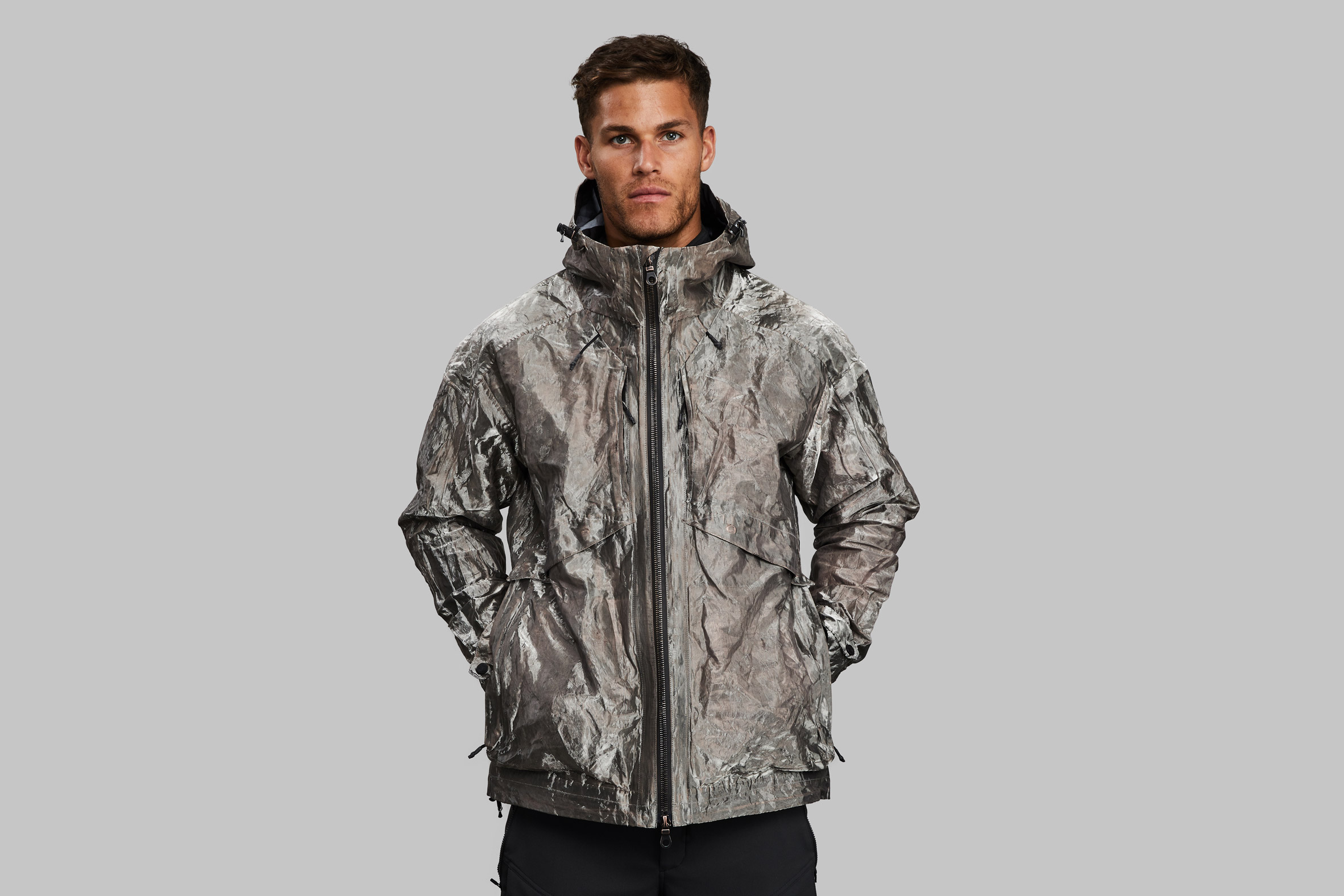
Full Metal Jacket made from copper by Vollebak

Although the coat, which is available in black and silver, is made from metal the company is certain that wearing the jacket does not feel like wearing a suit of armour, and in addition to its antimicrobial functions well as an everyday coat.

"You'd never know the jacket was made out of metal just by touching it," said Tidball. "And it's only under a microscope you can see the individual copper strands running through every jacket."

"The copper is soft and malleable and the jacket is highly waterproof, windproof and breathable, and comes with a fleece lined neck and pockets, making it a perfect everyday technical jacket," he continued.

"The only thing that will give away the fact it's made of metal is what it looks like."
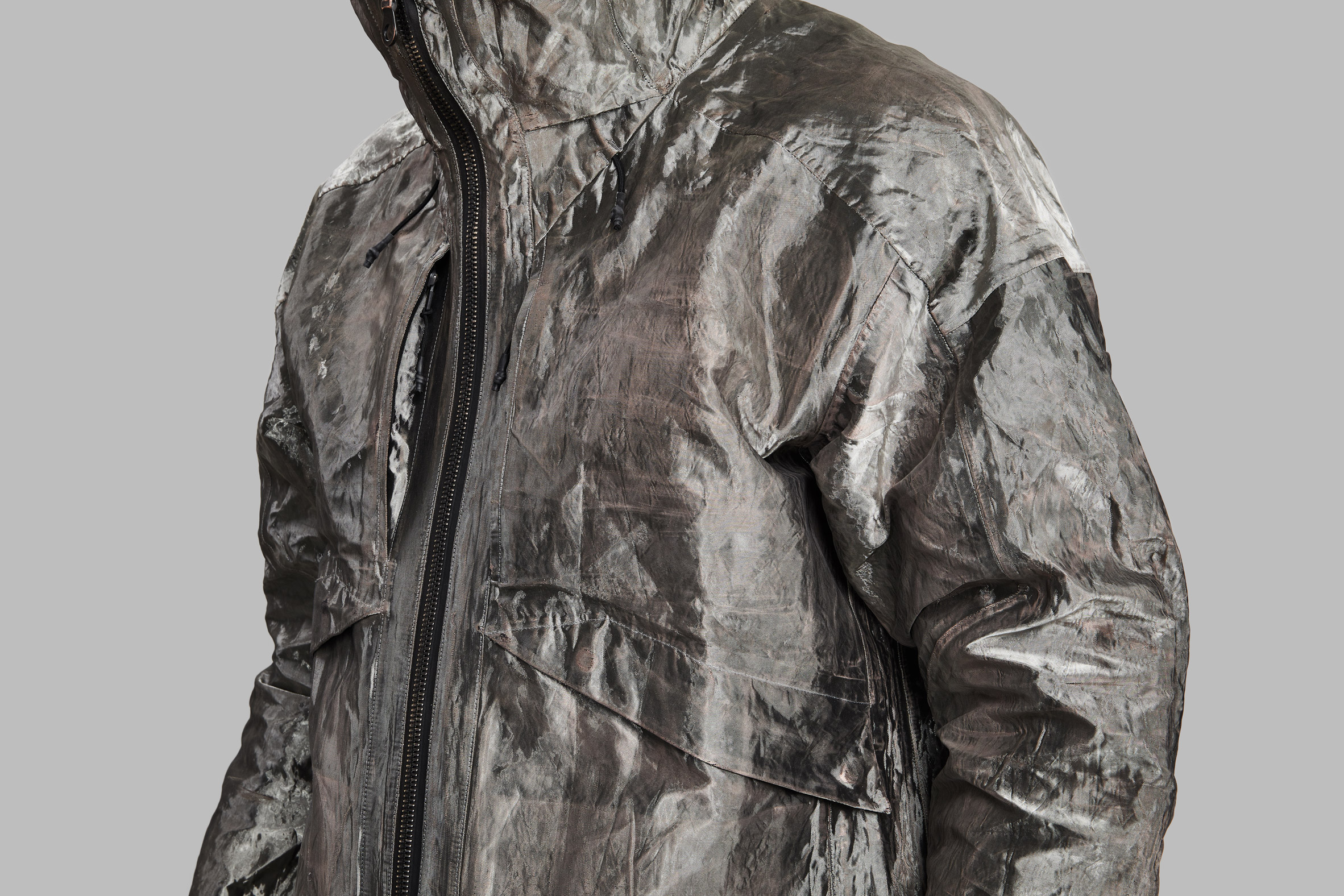
Full Metal Jacket made from copper by Vollebak

Vollebak believes that copper could be one of the materials used to make intelligent clothing in the future. However, we will not all be wearing copper in the near future.

"The evolution of copper clothing will be measured in years and decades not week or months, and that's because we're working with the timelines of innovation, and not the timelines of fashion," said Tidball.

"Over the next 10 to 10,000 years clothing has the potential to help us become stronger and faster and even live longer."
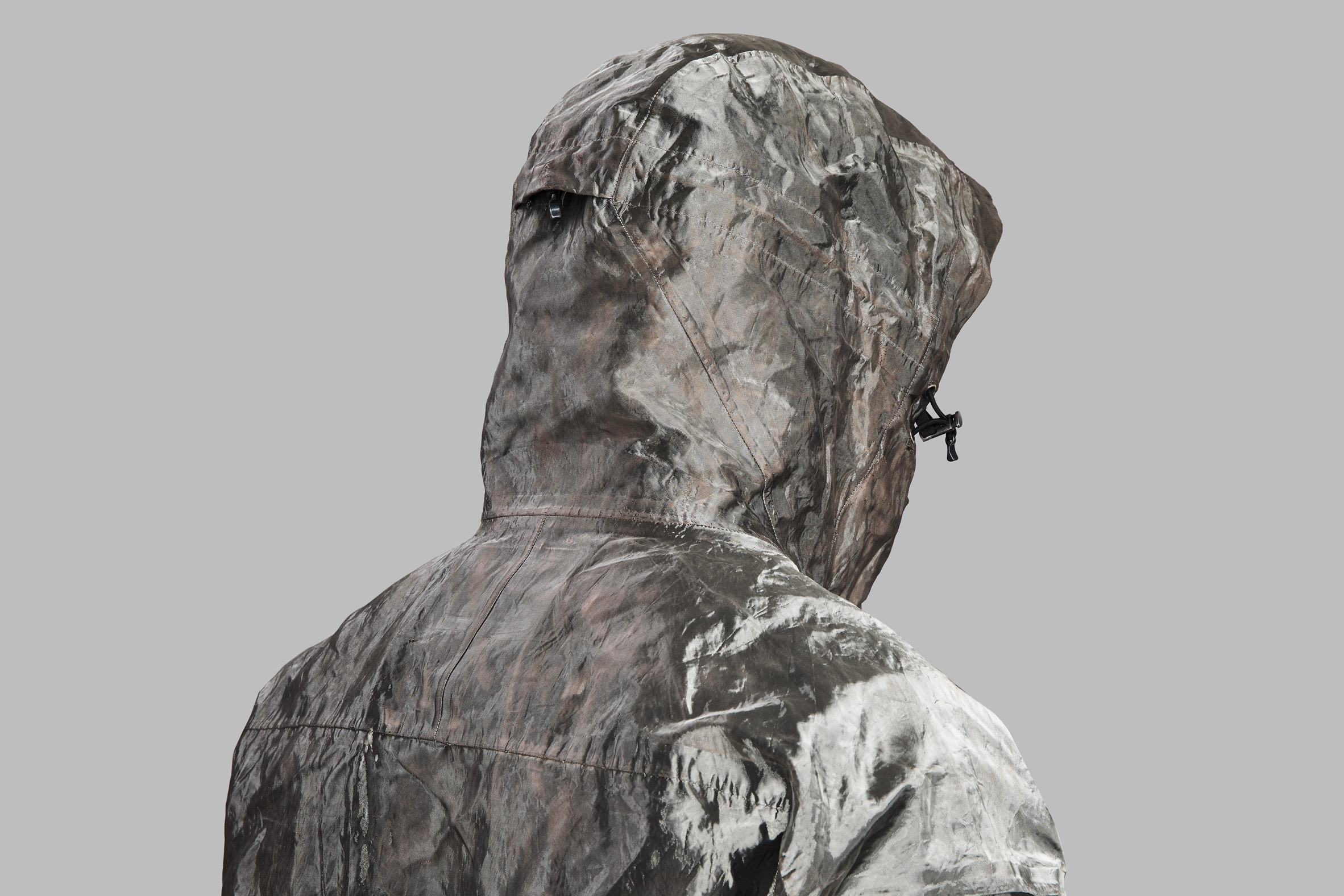
Full Metal Jacket made from copper by Vollebak

Alongside its virus-killing properties, copper is conductive meaning that is has potential to be used in a variety of ways in the future.

"Everything from exoskeletons to integrated monitoring and intelligence will require power distribution," explained Tidball. "And that's why we consider making clothes out of naturally conductive materials as the first stepping stone towards intelligent clothing."

"You can think of copper as a platform on top of which other innovation can be added – a bit like an operating system in a computer," he continued.

"We wanted to see whether it was actually possible to start make clothing almost entirely out of copper – because you can't wear a theory."
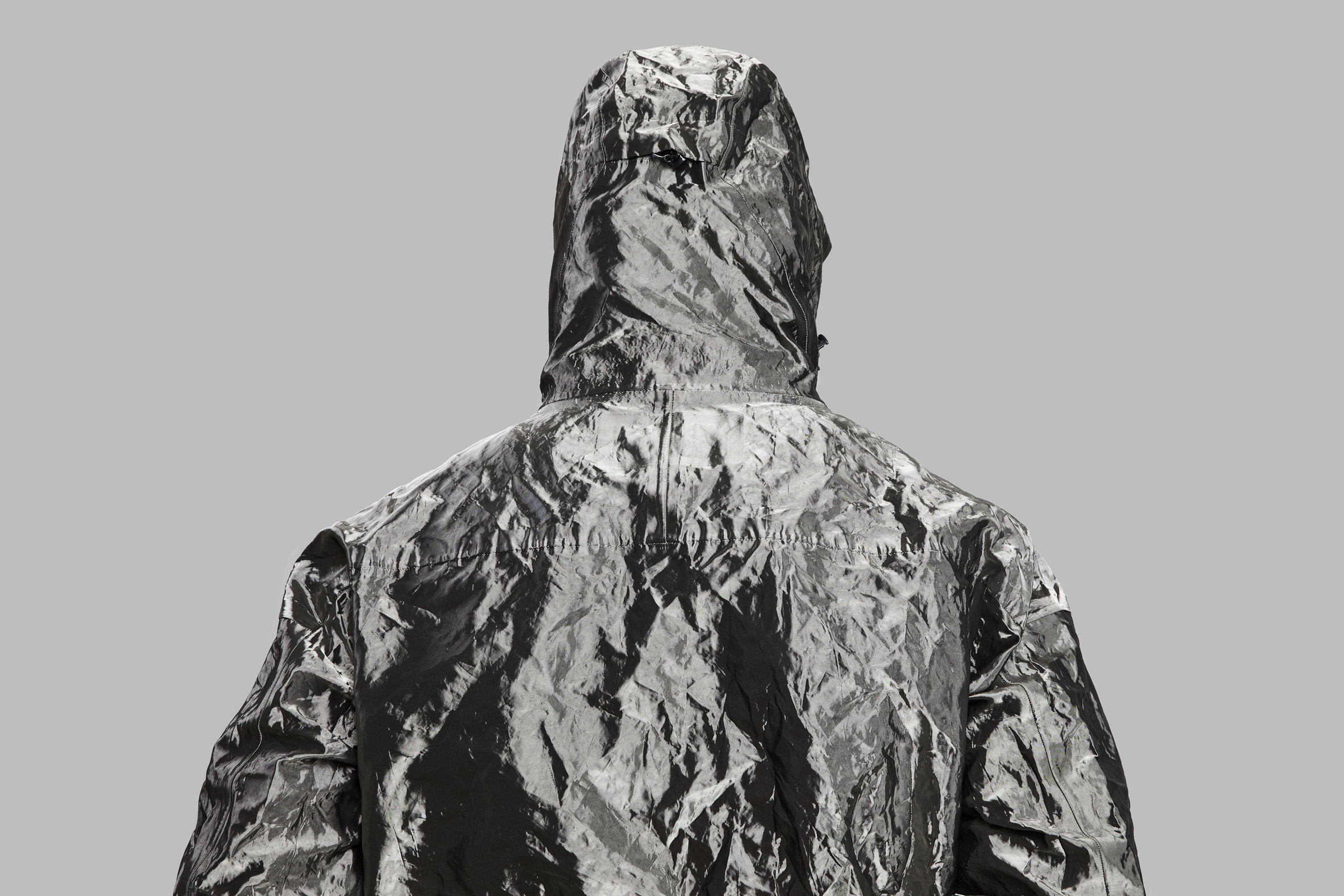
Full Metal Jacket made from copper by Vollebak

The Full Metal Jacket is the latest piece of clothing that uses experimental experimental materials from Vollebak, which Steve Tidball established in 2015 with his twin brother Nick.

The company previously made the first coat from graphene and made a near-indestructible jacket from Dyneema – a fibre that is 15 times stronger than steel.

The post Vollebak weaves seven miles of copper into virus-killing Full Metal Jacket appeared first on Dezeen.


from Dezeen https://ift.tt/2LCqmqf

Flavin Architects adds "creative sanctuary" Modern Lantern Studio to Massachusetts home

Modern Lantern Studio by Flavin Architects

Boston firm Flavin Architects has built a three-storey addition for a house in Massachusetts to offer space for a couple to write, garden and repair antique scooters.

Modern Lantern Studio by Flavin Architects

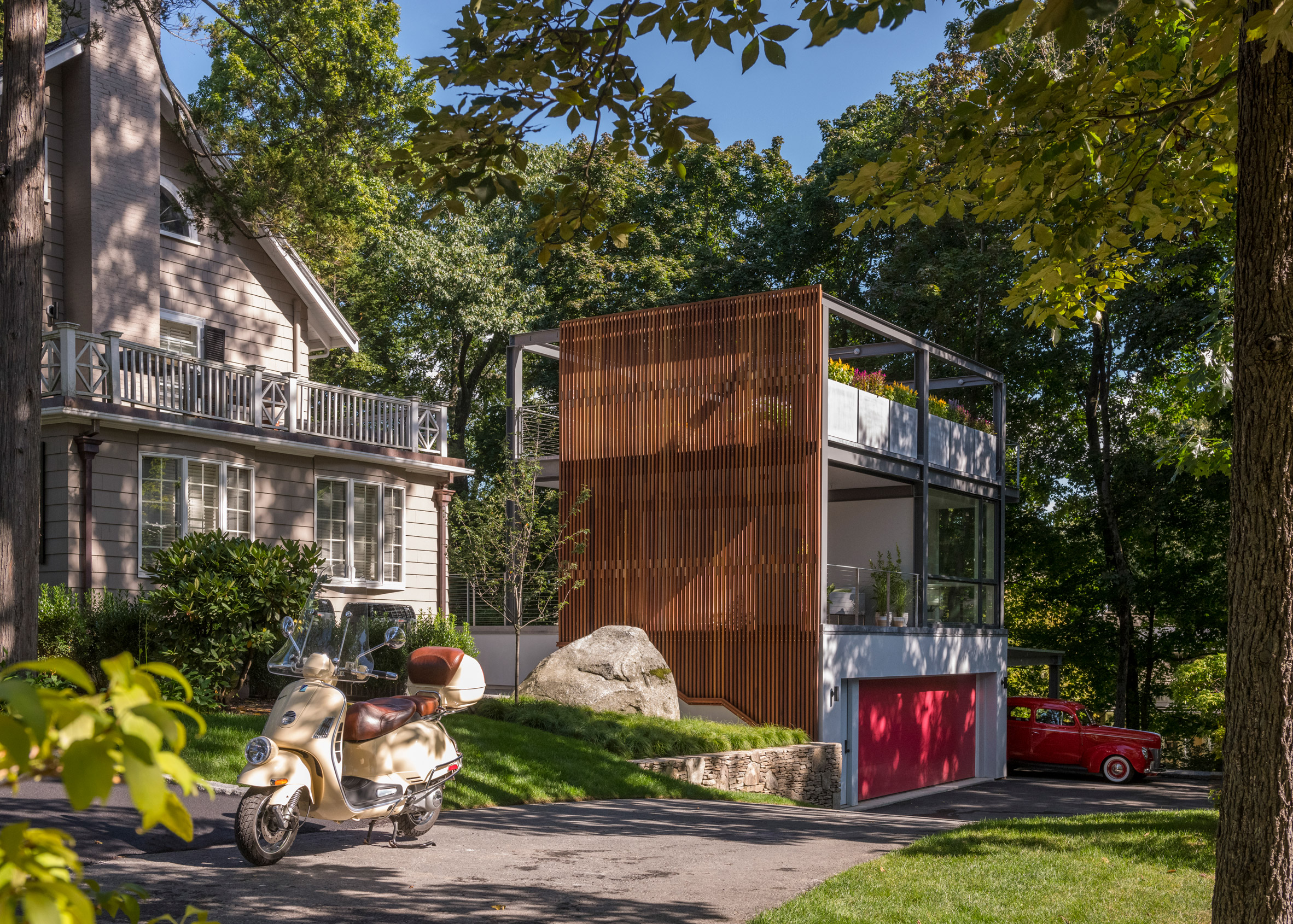
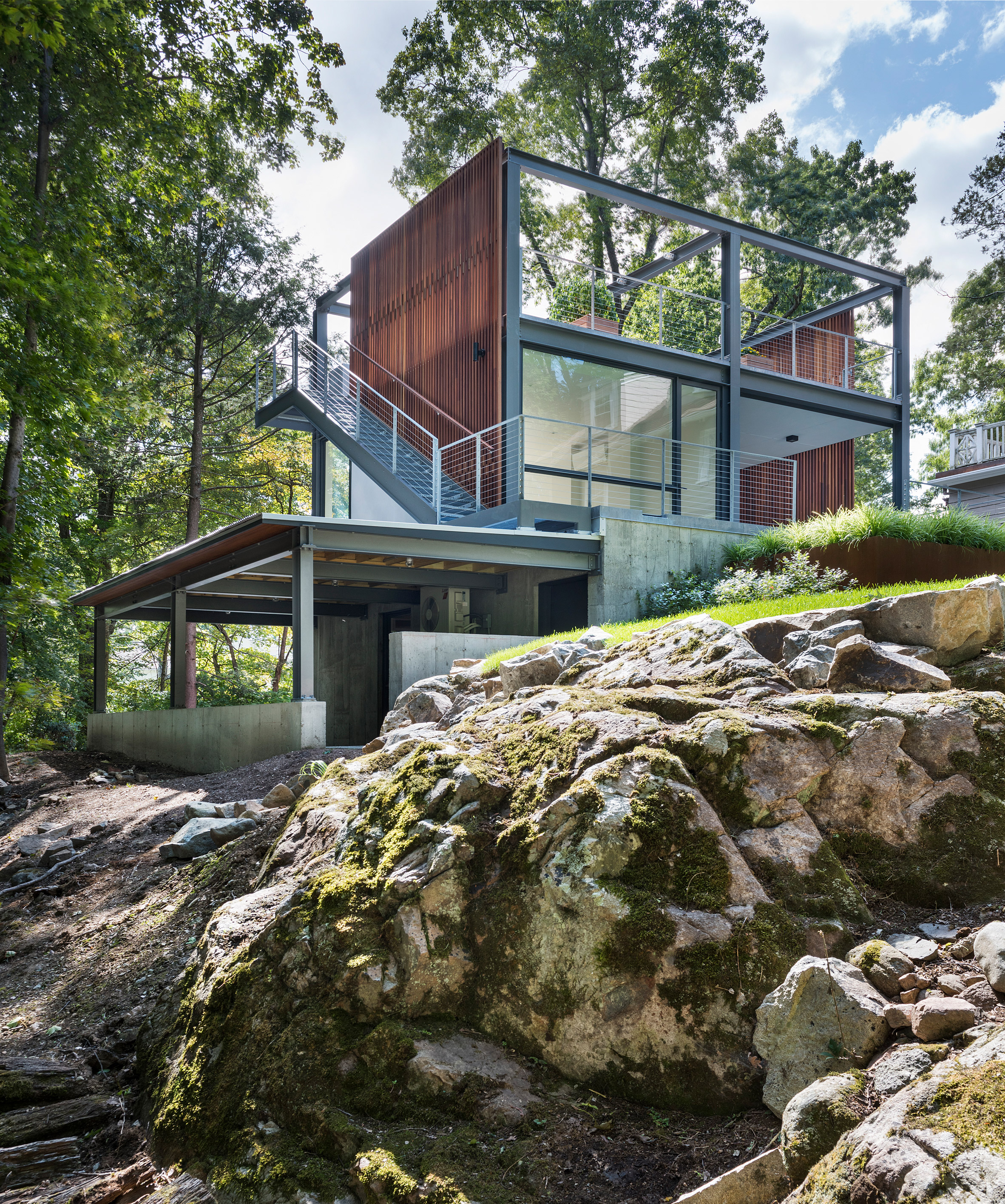
Modern Lantern Studio is a free-standing volume nestled into a hilly garden, at the site of an existing Dutch Colonial Revival home in the town of Wellesley.

Modern Lantern Studio by Flavin Architects

Flavin Architects designed the addition for a couple who wanted a place to unwind and get creative.

"The building is conceived as a creative sanctuary from the busy day-to-day life of the home," said the studio.

Modern Lantern Studio by Flavin Architects

"Our client asked for a garden structure for their hobbies of antique Vespa repair, writing and rooftop gardening," Flavin Architects added. "They also wished for a covered outdoor veranda."

Modern Lantern Studio by Flavin Architects

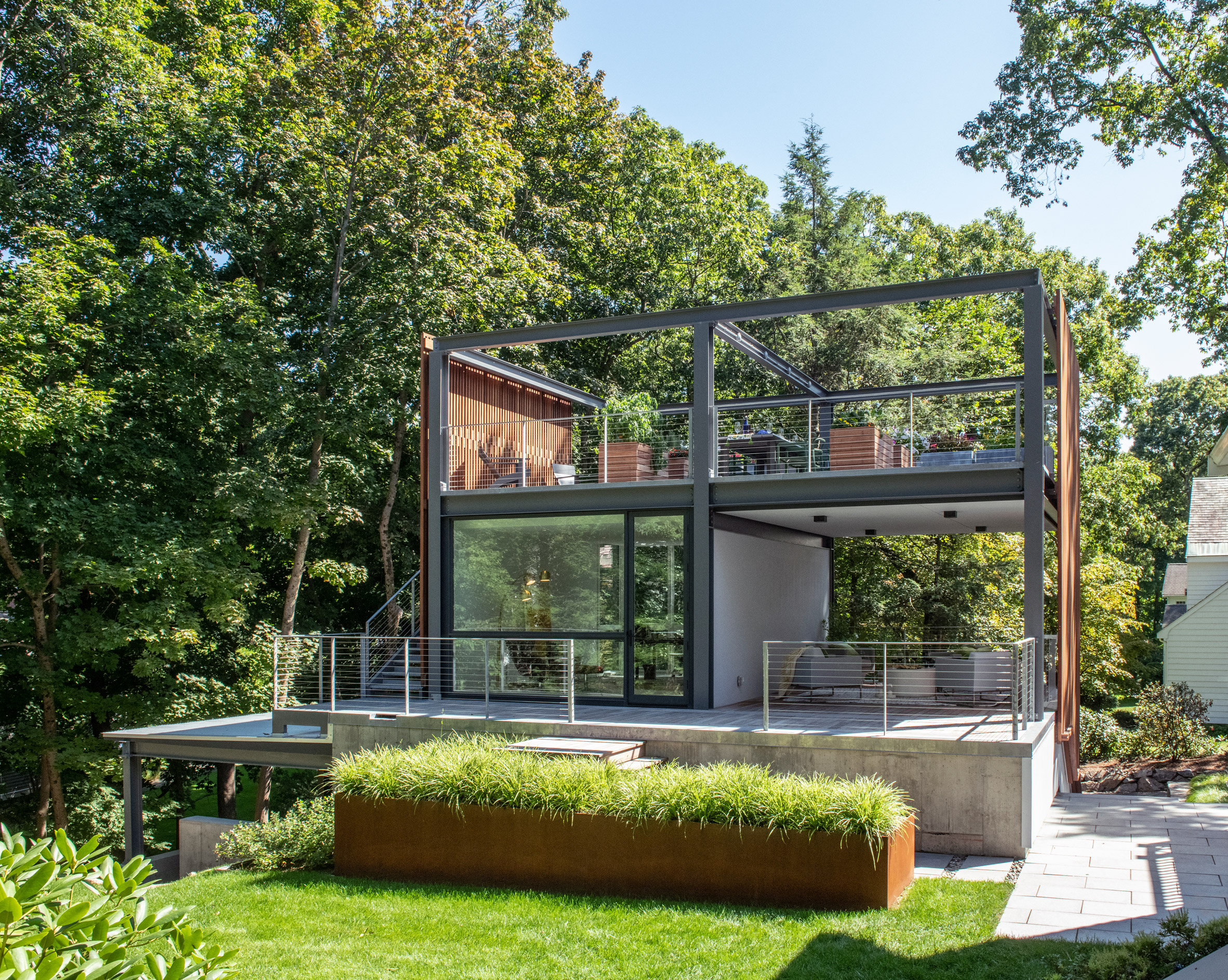
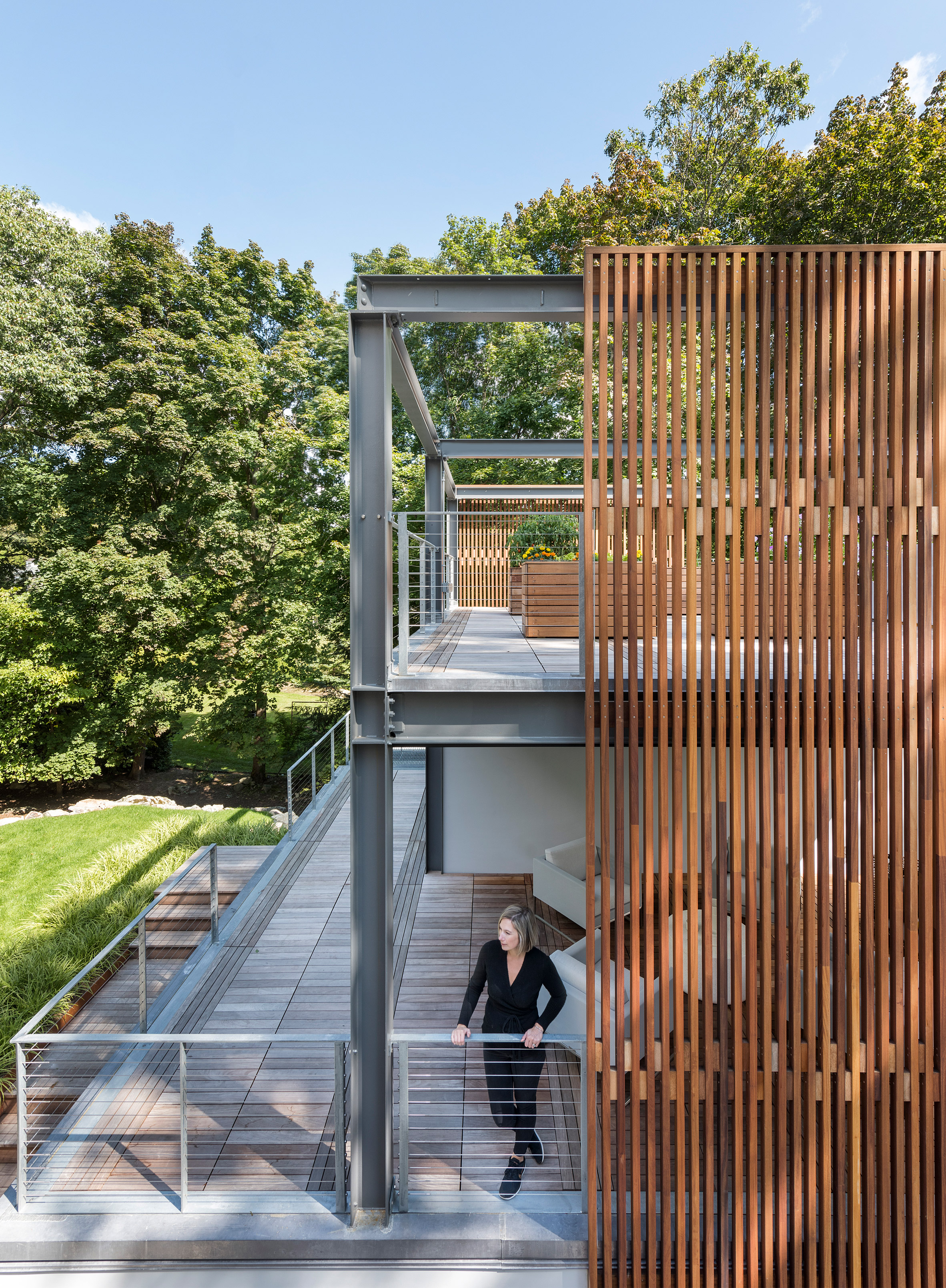
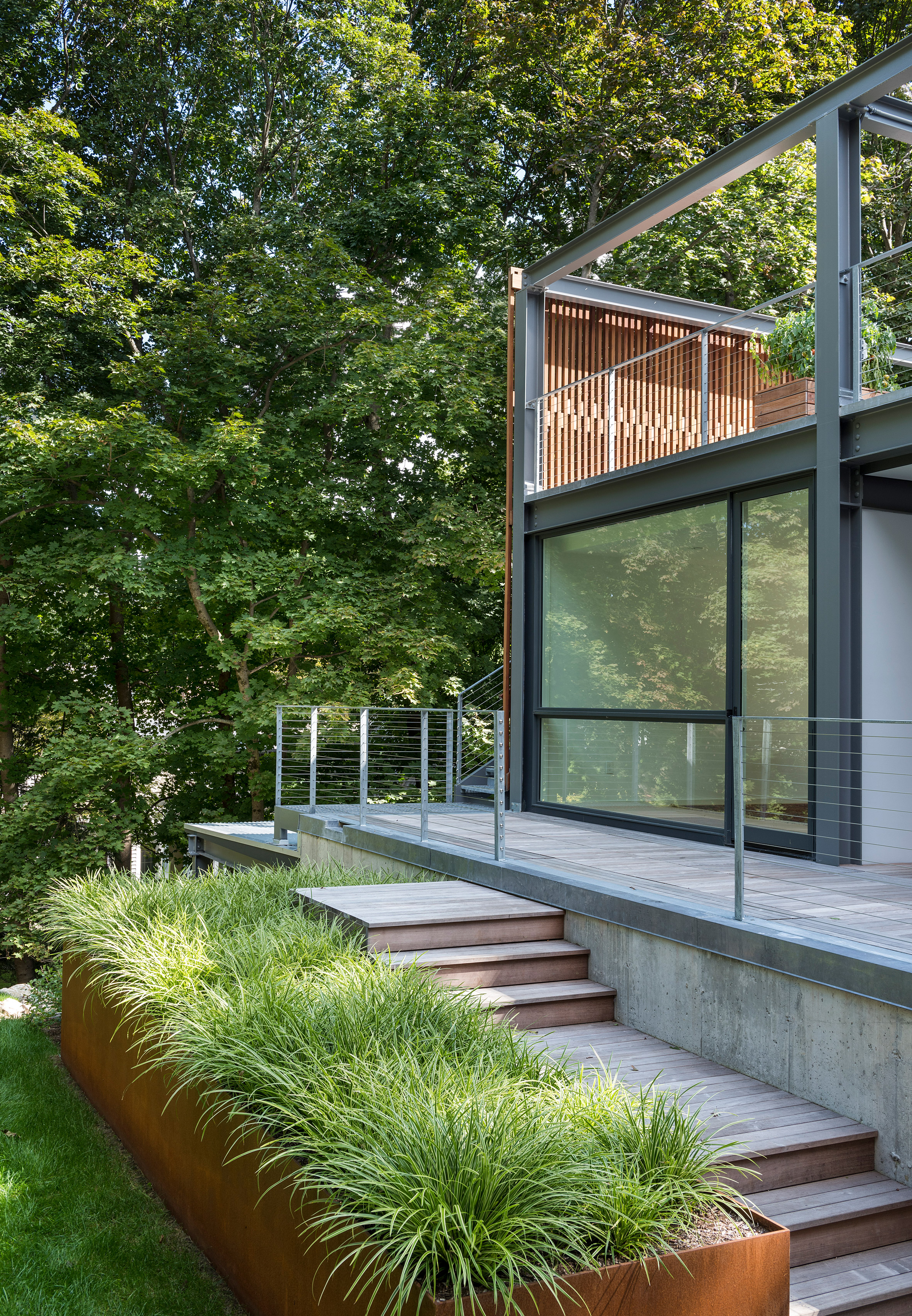
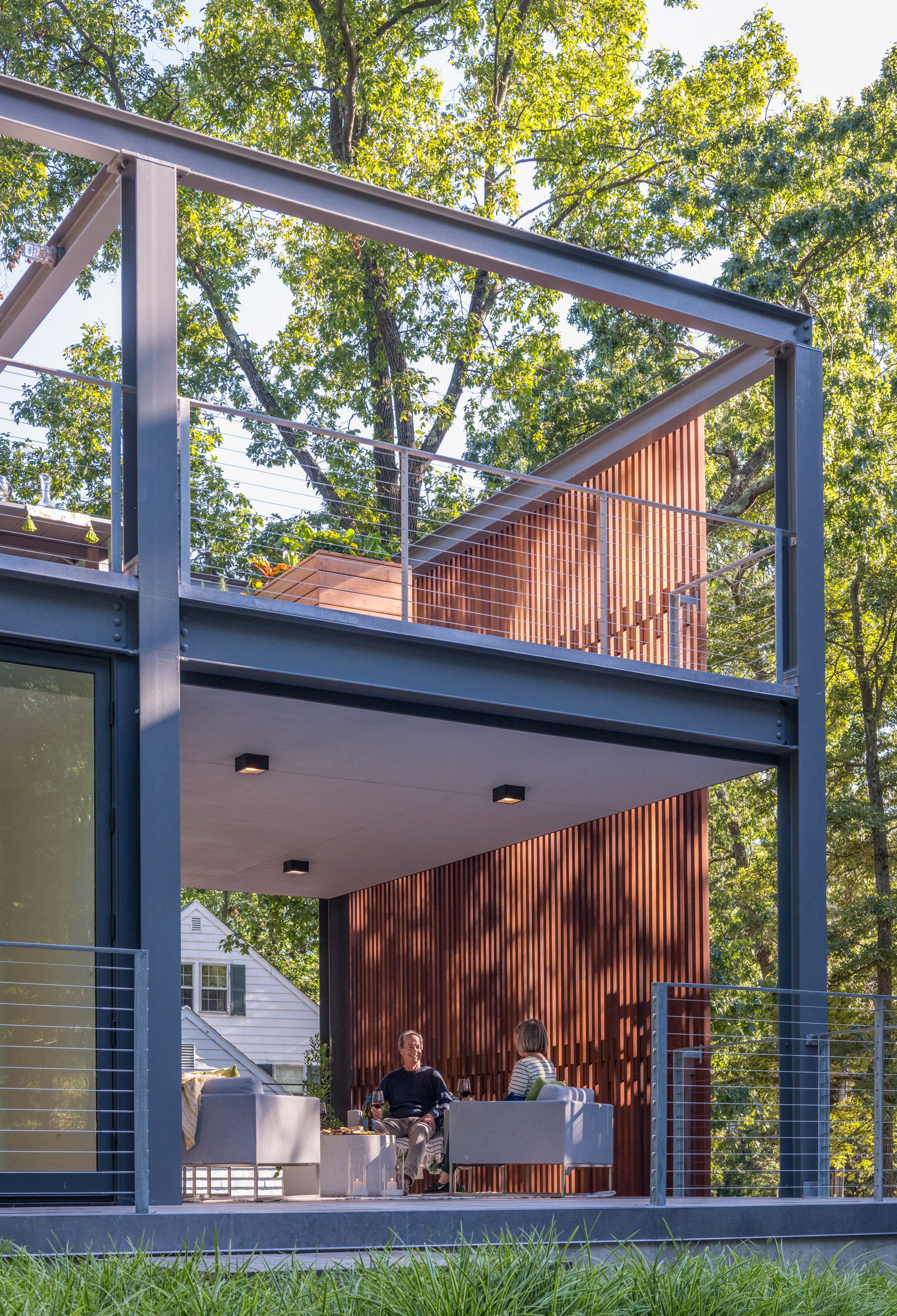
The rectangular volume comprises a concrete base clad in stucco, with an exposed steel frame supporting the upper two floors.

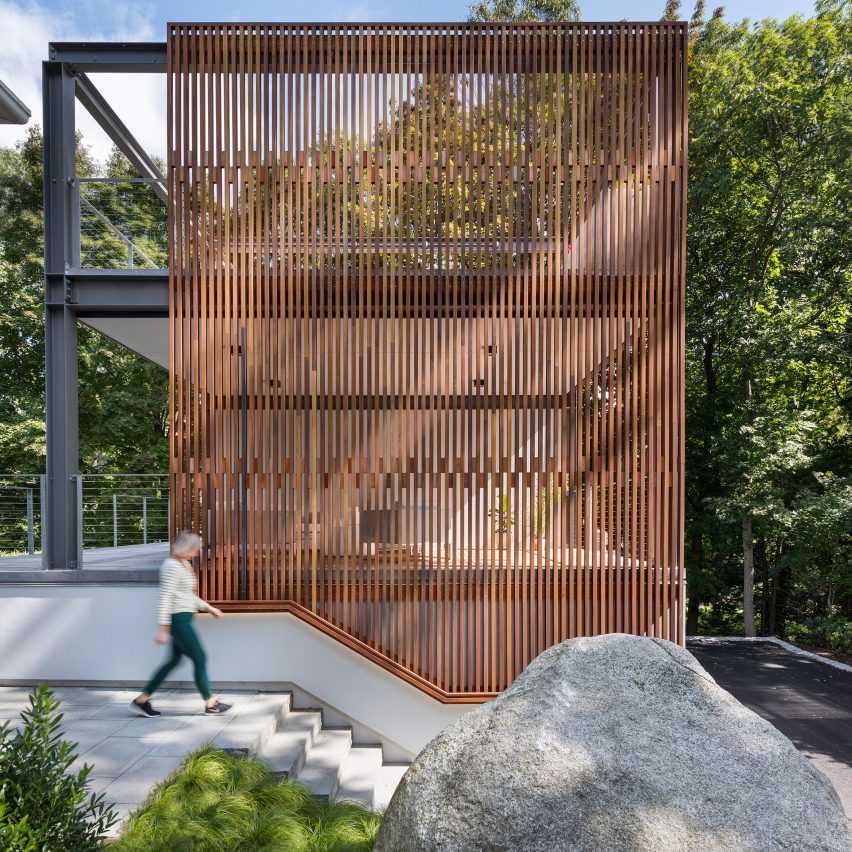
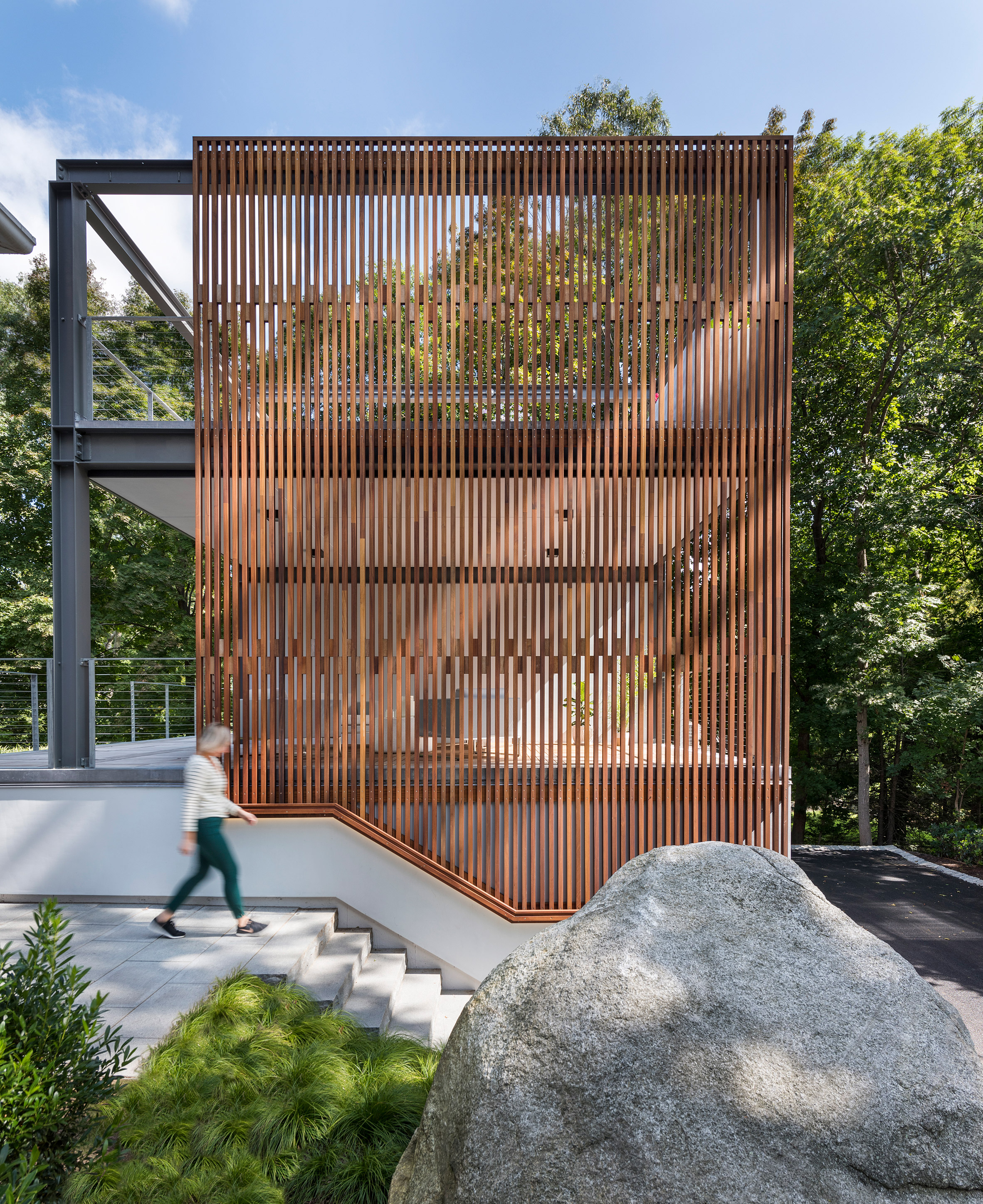
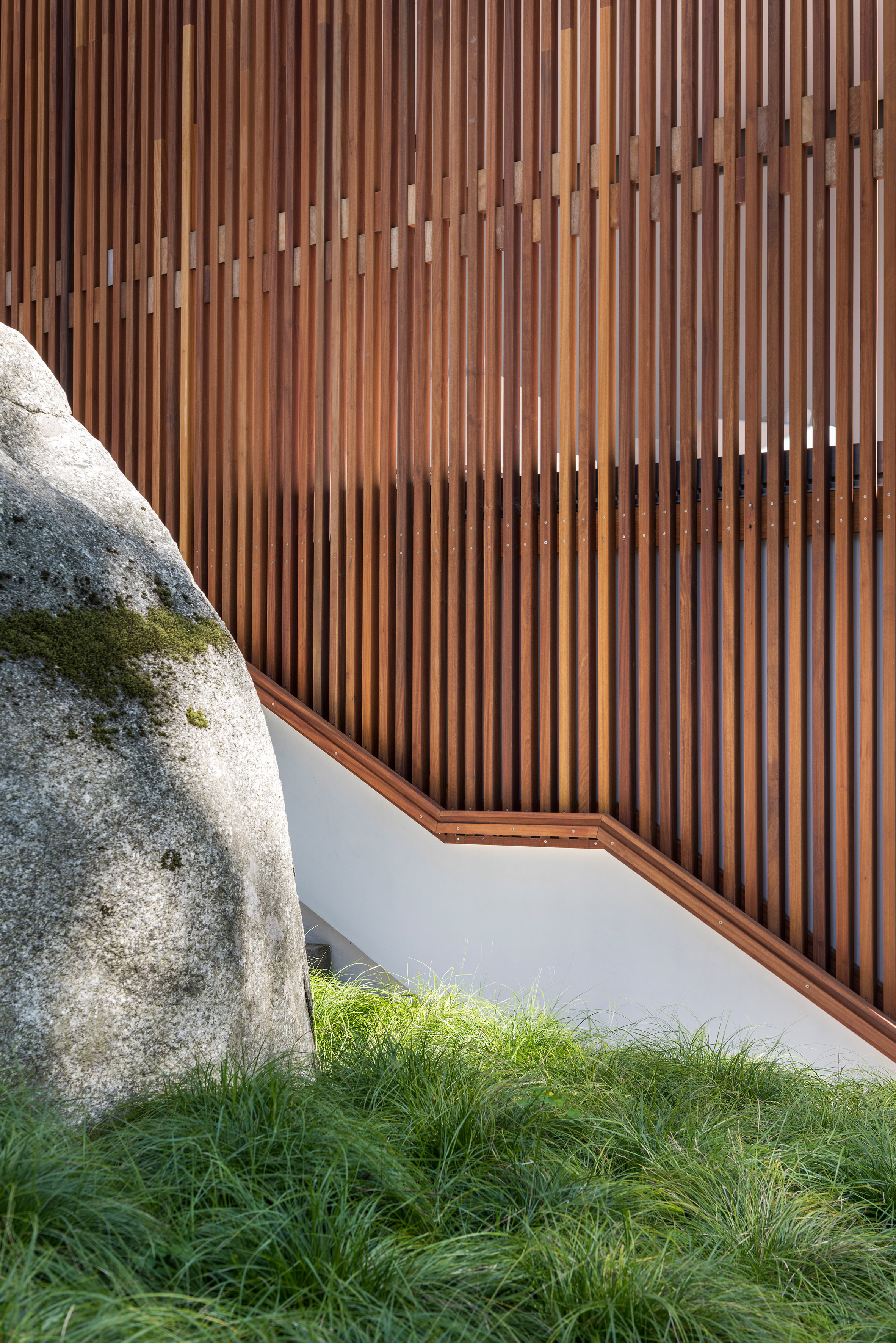
Slender mahogany boards that are intended to allow for privacy and natural ventilation cover other walls. At nighttime, the building glows up when the lights are on inside, giving it the name Modern Lantern Studio.

Modern Lantern Studio by Flavin Architects

"The appearance of the building changes throughout the day; the wood screens are backlit in the morning sun and front-lit in the afternoon with dappled light filtered through the adjacent tree canopies," said Flavin Architects.

"At night the wood screens glow like a lantern."

Modern Lantern Studio by Flavin Architects

Wood cladding is a popular material choice for houses in Massachusetts. Other examples that showcase this are lake house by Deborah Richards with yellow windows and Quincy Bay Residence by Go Logic.

Modern Lantern Studio by Flavin Architects

A two-car garage and equipment room are located on the lowest level of Modern Lantern Studio built within the sloping site, along with a 670-square-foot (62-square-metre) workshop for repairing vintage Vespa scooters.

Modern Lantern Studio by Flavin Architects

Above is an outdoor living room, which is enclosed by the slatted walls and accessible via steps that lead from the house's back garden.

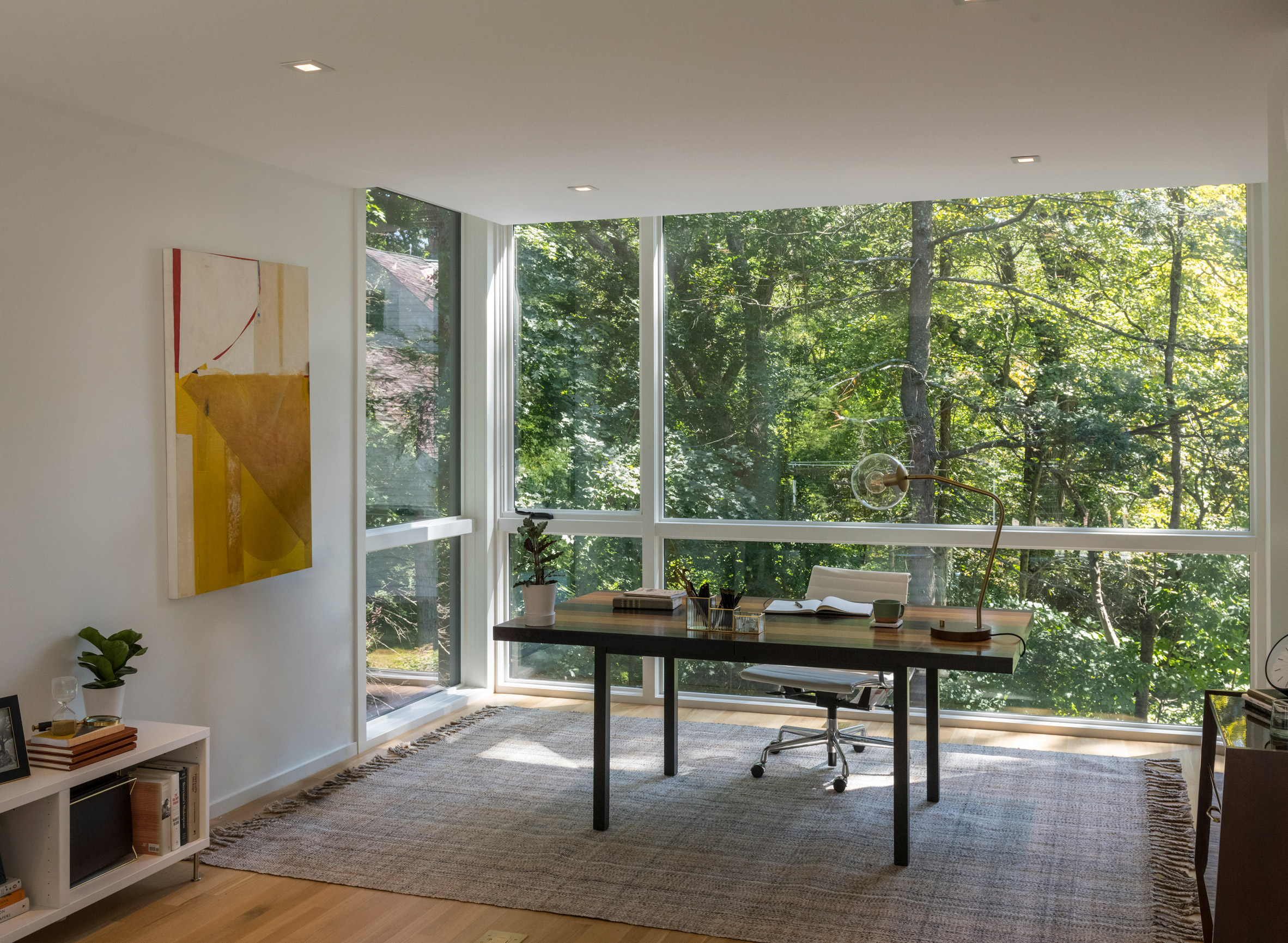
The writer's studio is also located on this level and is the only air-conditioned area in the project. It features a floor-to-ceiling glass wall and access to a small terrace.

Modern Lantern Studio by Flavin Architects

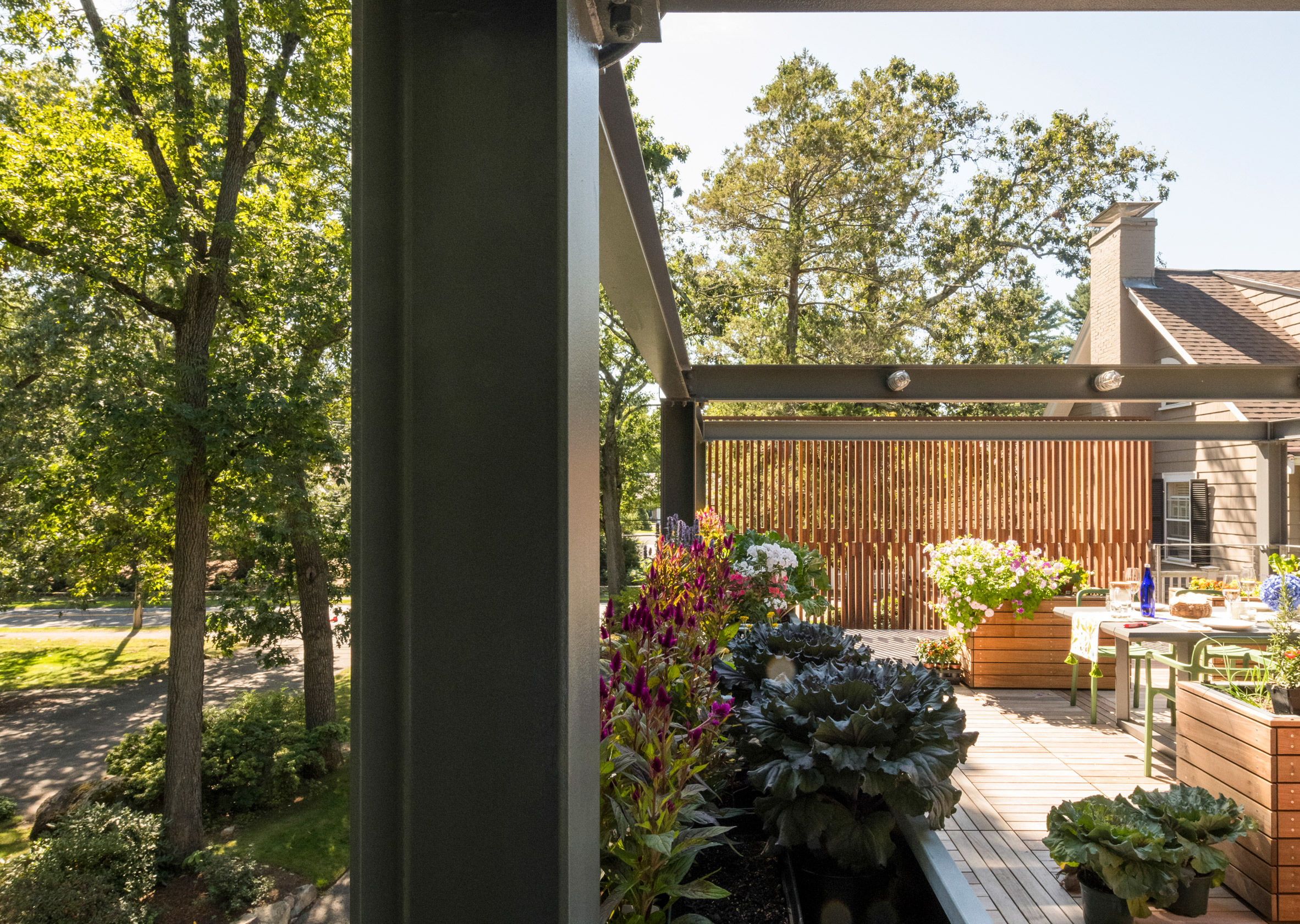
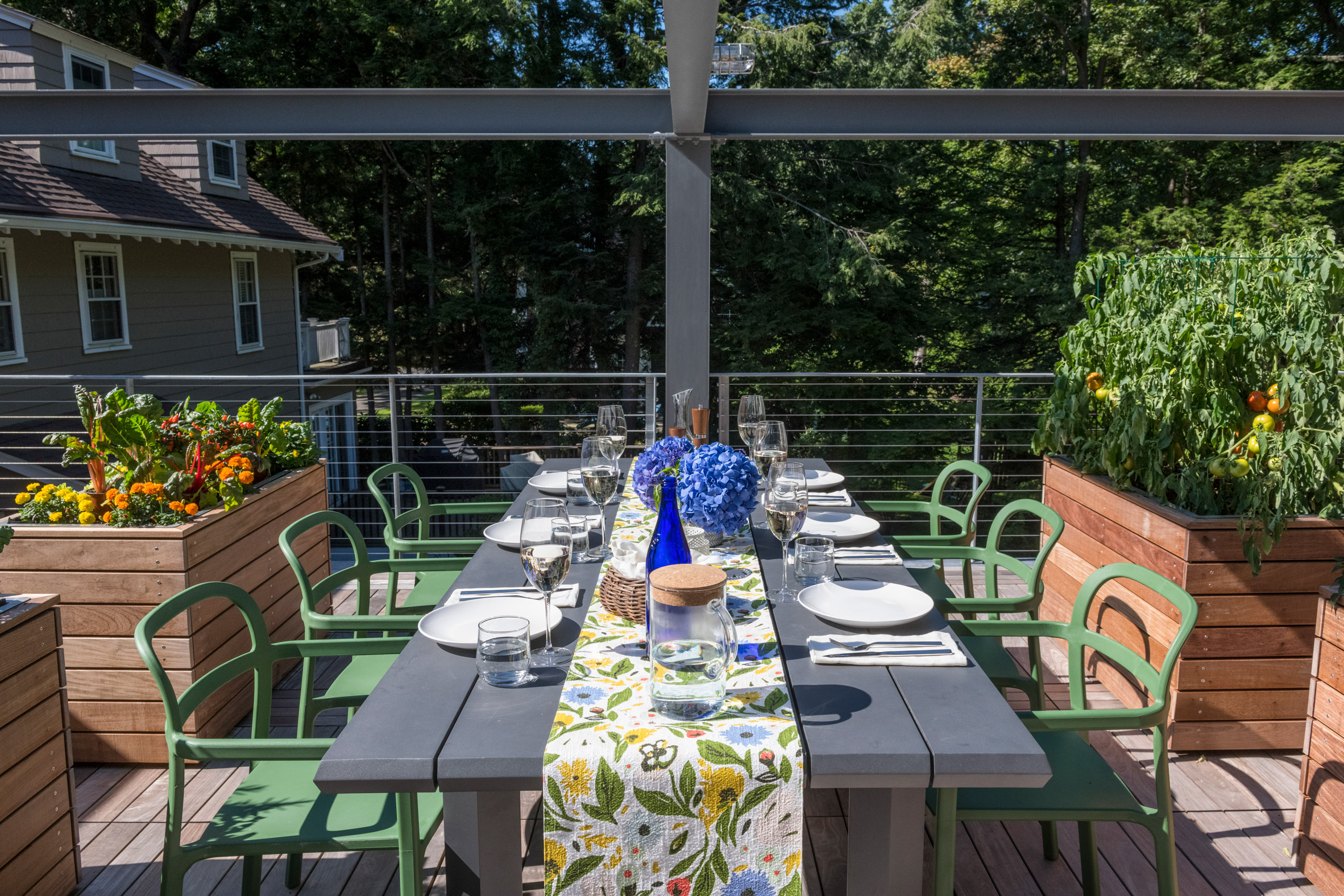
Spanning the top is a 590-square-foot (55-square-metre) roof deck. It is furnished with an outdoor dining table and surrounded by a vegetable garden.

Modern Lantern Studio by Flavin Architects

The area is intended to take cues from the farm-to-table restaurant concept as the couple can eat the food that grows there.

The raised elevation of the garden is also key because it is protected away from deer and squirrels that are prevalent to the region.

Modern Lantern Studio by Flavin Architects

Massachusetts is a state in the New England region of the United States. Local firm Maryann Thompson Architects has also added a pool house and underground sauna to a property on Martha's Vineyard – an island off the coast of Massachusetts.

Photography is by Peter Vanderwarker unless stated otherwise (sq Nat Rea).

Project credits:

Project team: Colin Flavin, Howard Raley
General contractor: Brookes + Hill Custom Builders
Landscape architect: Wagner Hodgson

The post Flavin Architects adds "creative sanctuary" Modern Lantern Studio to Massachusetts home appeared first on Dezeen.


from Dezeen https://ift.tt/2Tellbi

Canada’s latest film delves into its archive in an attempt to raise spirits and remind us that boredom is OK

Stemming from the team’s itch to continue creating during lockdown, the film features clips from its impressive back catalogue and explores the creative potentials of boredom.


from It's Nice That https://ift.tt/3cG3X76